For those of you who have read my blogs or book, you will know that I have lived with mental health issues since I was young (diagnosed with bipolar at 16, depression and anxiety at 15 and lots of anxiety as a younger child).
My bipolar is medicated so that my brain functions fairly ‘typically’ ie i don’t get mania or severe depression, but I do get bad anxiety and milder depression.
What started as a teen to protect me from harm, became a full fledged panic disorder and social anxiety. Hiding away became my way to protect myself from the world, from people’s negative judgements, from life.
Even now at 36, I navigate a lot of the same anxious thoughts, behaviours and feelings. I don’t often share this part of my life anymore but I feel it is essential.
Yesterday, after having a particularly bad patch with anxiety where I cancelled many arrangements, stayed inside a lot etc, I spoke to my wonderful therapist because I needed to unpack what was going on for me.
In the course of the discussion about the different issues going on for me that could be causing the social anxiety/agoraphobia element I realised this key truth.
I have built metaphorical walls around myself in many parts of my life (my body, my friendships, my relationships in general), to keep myself safe from trauma I have faced. Part of that comes out as social anxiety as a protection mechanism and there’s time when that worsens. And times when its better.
But what I did realise is this.
I would like to feel properly alive and start taking down some of the walls, so I can live. Sometimes, the walls keep me safe and cosy. Sometimes they are not serving me anymore. I also want to boost my self esteem so that I stop retreating and hiding, or if it happens as it will, to find a way to work with it. I have had EMDR before so it may be returning to that for a while to unpick the knots!
I am very much a work in progress and so, I know I will always live with some level of anxiety. It is about how I learn to live well despite life’s challenges.
Do you find you put up walls or have social anxiety too?
I am sharing because it is therapeutic but I was even anxious sharing this as its so personal.
Thanks so much to Anuj and all at Feedspot for listing us at number 2 in the 20 Best Social Anxiety Blogs on the internet! A true honour to be listed amongst some wonderful blogs.
Skin care is more than just a simple product in 2025., it’s become a non-negotiable for those hoping to achieve youthful, blemish free skin that looks plump and clear at all times. The makeup gurus have come clean. The key to great looking makeup is great skin. Not only that, chemical free, ‘kind’ skin care is the key to great skin. This level of untoxic, less processed and natural skin care can be best found through the means of herbal skin care.
This type of skin care is great for general self-care and improving wellness in body and mind. If you understand the benefits of herbal teas for your gut health and overall bodily functions, just consider how great herbal skin care might be for your face?
Let’s get into the ins and outs of what herbal skin care is, and how it’s been the answer to clear skin for perhaps the last few centuries, yet we’ve been marketed to think otherwise!
Is Herbal Skincare Considered ‘New’?
Not at all. In fact, herbal skincare is one of the oldest beauty secrets in existence. Ancient civilisations, from Egyptian royalty to Chinese dynasties, relied on herbs, flowers, and plant oils to maintain their youthful glow. Cleopatra was known for her rose and honey-infused skincare rituals, while Ayurvedic practices have long used turmeric and neem to treat skin concerns.
The real question is why did we ever stop? The rise of mass-produced, synthetic skincare created a shift away from traditional herbal remedies, replacing them with chemicals and preservatives that promised instant results. But fast-forward to today, and we’re circling back. People are finally recognising that natural, plant-based skincare is not just effective but also safer for both our skin and the environment.
How Does Herbal Skincare Differ from Conventional?
The difference is simple: herbal skin care relies on nature, while conventional skin care relies on labs.
Conventional skincare products often contain synthetic ingredients, parabens, sulfates, and artificial fragrances, many of which can be harsh, irritating, or even harmful to long-term skin health. Herbal skincare, on the other hand, harnesses the power of botanical extracts, essential oils, and natural minerals to nourish and heal the skin from within.
It’s not just about what’s in the product but also about what’s not in it. Herbal skincare skips the fillers and preservatives, focusing instead on nutrient-rich ingredients that your skin can actually recognise and absorb. The result? A healthier, more balanced complexion without the risk of toxins.
The Most Common Herbal Ingredients & What They Do
Nature has given us an abundance of skin-loving ingredients. Here are some of the best herbal powerhouses and what they bring to your skincare routine:
Aloe Vera – Deeply hydrates, soothes irritation, and speeds up skin healing.
Chamomile – Calms redness and inflammation, perfect for sensitive skin.
Rosehip Oil – Packed with vitamins A and C, promoting collagen production and skin renewal.
Green Tea – A powerful antioxidant that protects against environmental damage and premature aging.
Calendula – Known for its antibacterial properties, great for acne-prone and sensitive skin.
Turmeric – Brightens skin tone and fights breakouts with its natural anti-inflammatory properties.
These ingredients have been used for centuries, proving that skincare straight from the earth is more than just a trend—it’s a lifestyle. It’s also brilliant if you want to care for yourself and your skin.
The Sustainable Benefits of Herbal Skincare
Beyond its skin-enhancing benefits, herbal skincare is a game-changer for sustainability. Unlike mass-produced products that contribute to pollution and waste, farm-to-face skincare focuses on ethical sourcing, eco-friendly packaging, and minimal processing.
Biodegradable ingredients – No microplastics or synthetic chemicals washing into the ocean.
Support for small farmers – Many herbal skincare brands work directly with local growers, ensuring fair wages and ethical harvesting practices.
Reduced carbon footprint – No heavy industrial processing means fewer emissions and a cleaner planet.
Choosing herbal skincare isn’t just about looking good—it’s about doing good, too.
How to Add Herbal Skincare into Your Routine
Switching to herbal skincare doesn’t have to be complicated. Here’s how to make the transition effortless:
Start with a gentle cleanser – Try a honey-based or aloe-infused cleanser for a refreshing, non-stripping cleanse.
Use herbal toners – Rose water or witch hazel can balance your skin’s pH and tighten pores naturally.
Hydrate with botanical oils – Jojoba, rosehip, and argan oil deeply nourish without clogging pores.
Incorporate herbal masks – Try DIY masks with turmeric, yogurt, and honey for an all-natural glow.
Check your labels – If a product claims to be “natural,” make sure it actually contains plant-based ingredients (and not just clever marketing).
Bottom Line
Herbal skincare isn’t a fad, it’s a return to what our skin was always meant to thrive on. Boost your self care and mental health today with wonderful, natural ingredients. With cleaner, safer ingredients, sustainability benefits, and centuries of proof behind it, farm-to-face beauty is here to stay, and we’re excited to embrace it!
Exciting times! Thank you so much to my fellow mental health blogger Mandy Kloppers at Thoughts of Life and Love blog for hosting my blog on why I wrote Arabella and the Worry Cloud– to help children with anxiety. I know Shelley illustrated it for the same reason. I had so many worries as a child and young adult- I definitely had my own Worry Cloud!
When I was a little girl and well into my teen years and beyond, I had a lot of anxieties. As a self-confessed empath and worrier, I could feel when something was wrong. This led to separation anxiety with symptoms including nausea at school. Children who have anxiety need to feel safe, settled and above all, heard by parents/carers and the adults in their life at school.
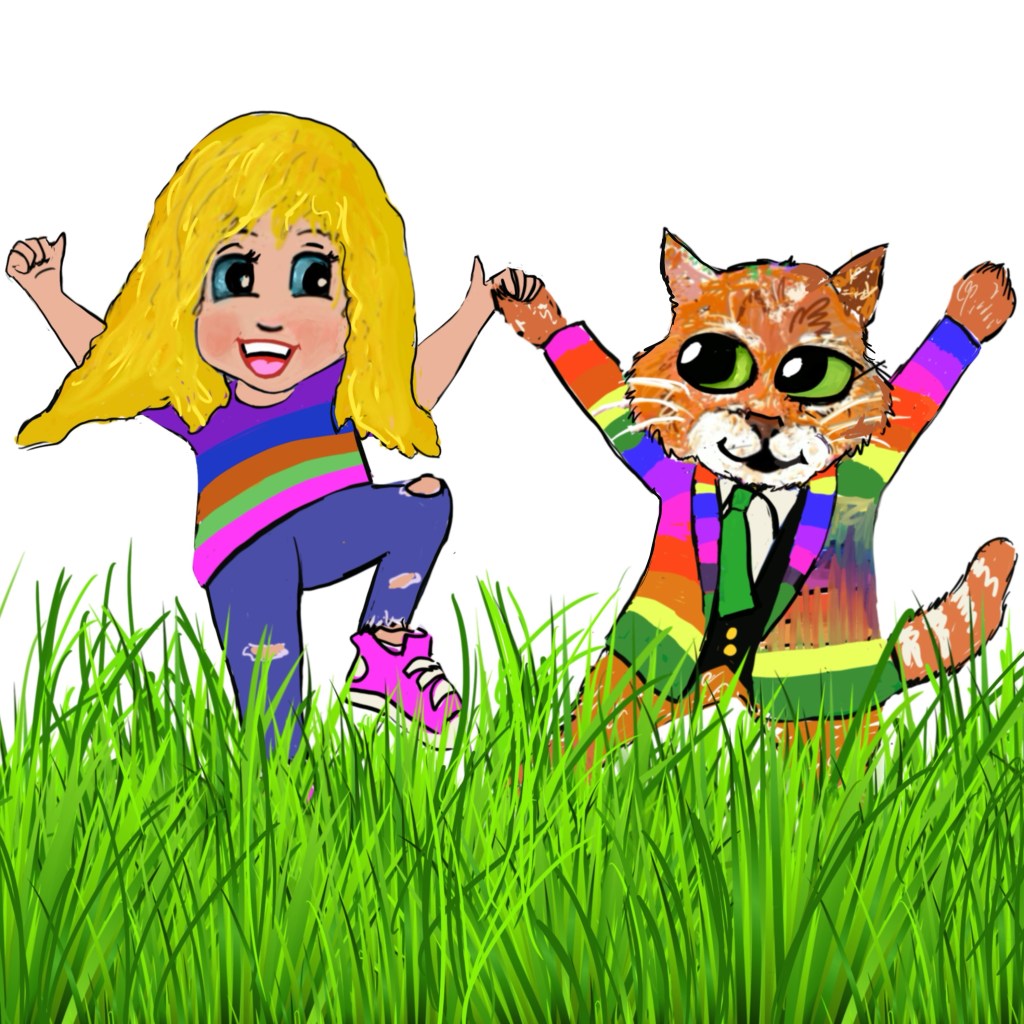
I wrote my first children’s picture book, Arabella and the Worry Cloud, in 2019 and published it last year. It is based on me as a young 7-year-old girl who had a lot of anxiety. In the book, Arabella worries about her socks not fitting on her feet, losing her shoes in a muddy puddle, the rain soaking her and cold freezing her toes, the rainbow in the sky losing its colour, her cat Pickles getting lost, the plants in the garden dying, losing her homework, failing a test and being blown away by the wind. These worries are partly represented by a Worry Cloud that comes down to see her from the sky and threatens to rain on her with all her worries.
Eventually, Arabella realises that if she thinks jolly, happy, sunny thoughts in place of the worries, she can push the Worry Cloud away with the joyous light beams of positive thinking. Arabella unlocks happy memories with her family, visualising wonderful times with them and it gives her confidence to face the Worry Cloud head on, so it can go away and leave her in peace.
So many children will have their own version of the Worry Cloud.
(image: Shelley the Artist/ E Segall)
Read the full blog here about how my experiences informed me writing Arabella and how it can help you:
I am delighted to say that our children’s picture book ‘Arabella and the Worry Cloud‘ about a little girl with anxiety and how she manages her worries, is featured on Parents News UK website! Not only is it Children’s Mental Health Week but it is also Time to Talk day, where we share our stories about mental health.
Here’s a snippet of their thoughts:
‘Supporting children with anxiety, London-based author Eleanor Segall has drawn from her own childhood experiences to write Arabella and the Worry Cloud, a heartfelt picture book supporting children aged 5–8 who struggle with anxiety. Eleanor, who has lived with bipolar disorder since her diagnosis at age 16, aims to help young readers understand and manage their worries through relatable storytelling.
Arabella and the Worry Cloud introduces readers to Arabella, a seven-year-old girl who faces daily worries, from small tasks like putting on her socks to bigger fears about her cat or schoolwork. Her constant companion, the Worry Cloud, symbolises her anxious thoughts, teaching children that worries, like clouds, come and go.
Eleanor shares coping tools within the story, inspired by techniques that helped her manage her own anxiety. Through Arabella’s journey, children learn that even when caught in life’s “rainstorms,” the clouds will eventually clear.’
(image: E Segall/Shelley The Artist)
You can read the full article here. Thanks to all at Parents News UK!
Did you know 1 in 5 children face mental health challenges? Let’s make a difference together this #ChildrensMentalHealthWeek by taking part and donating to Place2be if you can.
The theme of this year’s week is ‘Know Yourself, Grow Yourself’, which is about encouraging children and young people across the UK to embrace self-awareness and explore what it means for them.
This year Place2be is partnering with Here4You, supported by the Walt Disney company and the Inside Out 2 characters to explore the theme.
I was diagnosed with anxiety and depression as a 15 year old, and had anxiety from a young age. I was also diagnosed with bipolar disorder at 16 and in a CAMHS unit in hospital in 2004. We know these days that more children are struggling, which is why awareness weeks like this are so important.
Through my kids book, Arabella and the Worry Cloud, I try to help children with their own anxiety to help them process their feelings with a trusted adult.
This weekend is the Jami Mental Health Shabbat 2025. This is an initiative very close to my heart as I was a volunteer with this project from its inception in 2017-2018, helping to get the shabbat into communities. The Shabbat grew from an idea to be more open about mental health across Jewish communities in the UK, with Rabbi Daniel Epstein at the healm (and the brilliant team at Jami), to a nationwide yearly initiative in synagogues, schools and homes. It raises awareness of mental illness and distress, encouraging conversations and breaking down the stigma in our communities by placing this discussion at the heart of them, through lived experience and Rabbis speaking about it in their pulpit.
The Shabbat has other initiatives including hosting a shabbat meal and asking guests to donate to Jami instead of a gift, a toolkit with resources to use, Challah makes and an open mic night on Sunday 3rd at the Head Room Cafe for the whole community.
As Jami say, “Jami Mental Health Shabbat coincides with Parashat Bo. On this Shabbat we read about the plague of darkness, which can be likened to the experiences of many living with mental illness and distress. The parasha also talks about how the Israelites, full of hope, could see through the darkness into the light. This special Shabbat is an opportunity for us to encourage conversations on mental health, raise awareness of mental illness and distress and share ideas on how to support ourselves and others within our community. “
Over the years, my Dad and I have given our talk about our lived experience of bipolar for this shabbat and in communities to hundreds of people including Bushey United and Chigwell United Synagogues, Belsize Square Synagogue and Edgware Yeshurun Synagogue. We also have spoken at Limmud Conference in Birmingham to share our story and had a question and answer session. This wasn’t easy for me with my anxiety as you can imagine!
This year, for personal reasons we are taking a break from speaking our mental health story, but we both support this shabbat and amazing charity. You can also read our story in my book ‘Bring me to Light: Embracing my Bipolar and Social Anxiety’
If you’d like to take part in the shabbat this year, please go to www.jamiuk.org/jmhs .
Let’s keep raising awareness of mental illness and distress and shine our light to the world. No one should ever feel alone in their community due to mental ill health.
More and more people are putting time and effort into looking after their mental wellbeing, and rightly so. Most of these efforts focus on stress-reducing hobbies and social activities, but have you ever wondered if your interior design choices are influencing your mental health?
If the answer is no, it might be time to start considering how your home decor can be altered to achieve peak wellness. If you’ve no idea where to start when trying to turn your home into a sea of tranquillity, we’ve picked out a few areas of your home that could contribute towards your mental wellbeing.
Colour
(image: Unsplash: Marc Jodoin)
Blue
As the colour of the sea and sky, blue is seen as a calm, soothing colour. It’s also an easy colour to incorporate into your home if you’re trying to make your home have a more relaxed vibe.
Darker shades of blue work perfectly for a feature wall and allow the colour to be the main focal point of the room. If you want to paint your whole room blue, lighter shades of blue work great and can promote an airy, outdoorsy feeling.
Purple
In some cultures, purple represents royalty whilst in others it is associated with peace and spirituality. However you see purple, it’s important to note that it’s becoming an increasingly popular colour in the interior design world.
When it comes to incorporating purple into your home, it’s often a case of less is more. Consider ways in which you can add a touch of purple rather than creating a fully purple room. Rugs, lampshades and cushions are a great way to introduce purple without overdoing it.
Green
Green is similar to blue in the sense that it can help bring the outdoors to your home, due to how we associate the colour with nature and greenery. Forest green and jungle green are great options if you want to go overboard on the green interior as they are less subtle shades.
Brighter greens should be reserved for kids’ bedrooms or playrooms. Alternatively, shades like lime can be used for smaller decorative ornaments that aren’t the main focal point of your home.
Nature
Nature and wellness go hand in hand. In fact, most mental health therapists would agree that spending time outdoors is great for our mental wellbeing. According to studies, there is a positive correlation between happiness and our connection to nature.
Obviously, we can’t spend all of our time outdoors so it’s important to consider ways we can bring nature into our homes. Adding plants throughout our home can improve style but can also improve air quality. Improving the air quality in your home can have positive implications for your mood, stress levels and sleep quality – all of which contribute to healthy mental wellbeing.
When choosing plants to add to your home, there are a number of factors to consider including how much sunlight and water different types of plants require. In addition, you’ll want to decide what size of plant works for your home. Larger plants work great in the corner of a room while smaller plants should be added to coffee tables and shelves.
Layout
A clear home can lead to a clear mind so it’s important to stay on top of your home’s cleanliness levels. It can be a good idea to focus on minimalism and create large open spaces in your home that are easy to keep on top of in terms of tidiness.
Be careful of adding too many items that only serve decorative purposes as this simply gives you more things to keep on top of and could easily be the start of your home becoming cluttered.
Our home can affect our wellbeing, so for positive mental health, its good to implement calming colours and layouts for a wonderfully relaxing home.
With Dry January almost coming to an end, the charity initiative which encourages people to abstain from alcohol for the whole month, should be approached with caution, says an expert.
Dry January was started by Alcohol Change UK in 2014 and challenges Britons to give up alcohol for the month of January. The concept has proven popular and has expanded across the globe, including huge adoption in the US.
But according to addiction specialist, Nicholas Conn of Help4Addiction, the giving up of alcohol for an entire month can lead to further problems down the line.
“Some of the heavier drinkers may be on the cusp of needing professional help,” he says. “Similarly you may find that some people start to overdrink in February to make up for lost time.”
“It is almost similar to the adverts that discourage smoking on cigarette packets – they can have an opposite effect.”
The average Briton consumes 14 units of alcohol per week (for women, it is around half of this) and for heavier drinks, it can be multiples of this amount.
“In fact,” he continues, “Dry January is more harmful to some individuals who consume alcohol every day or are more reliant on it. The process of alcohol detox or cold turkey can give people withdrawal and they may not have the resources to cope with it. Such side effects include headaches, irritability and changes in their sleep patterns.”
“In a professional setting or under the supervision of trained staff, someone who consumes too much alcohol might be given exercises or medication to help with withdrawal. But trying Dry January without a real plan in place can lead to complications of relapsing and being in a worse position than when they started.”
Advice For People Doing Dry January
“Dry January is a very positive initiative. Alcohol has some very negative impacts to the brain, liver and general health, let alone a huge cost to the NHS and society in general due to misbehaviour fuelled by alcohol.”
“Start by setting realistic goals. Perhaps this means limiting the number of days that you drink or the amount that you drink too.”
“Understand why you drink. Do you drink for social purposes or is it habitual? If you consume alcohol to function in the day, to help you get out of bed in the morning or you need it to socialise, you might need to seek professional help from the likes of the NHS or AA.”
“Try alternatives. There are several alcoholic alternatives today such as beers, mocktails and gins. You can also consider moving away from the activities that make you drink such as going to a pub or watching football and taking up a new hobby in January.”
“Dry January starts with you acknowledging that you want something to change and taking lifestyle actions to make these changes.” Conn adds.
“Abstaining from alcohol for one month could be a quick fix, but making a longer term plan is more likely to help you and maintain a healthy balance and lifestyle.”
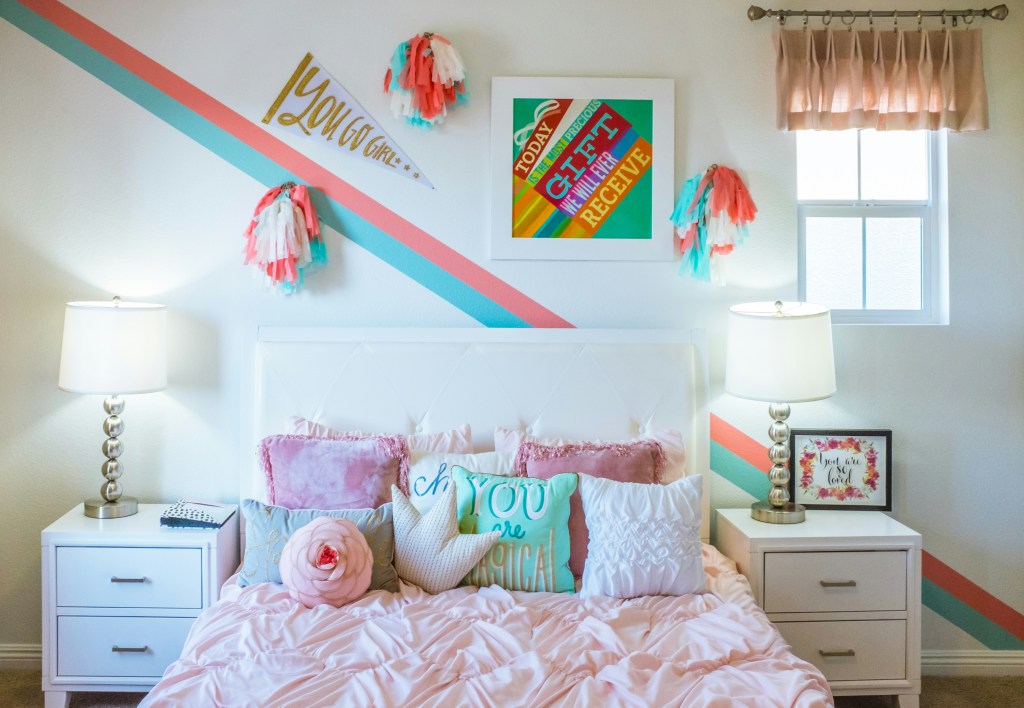
There is nothing more heartbreaking than to see your child suffering. What’s more, when their mind is playing tricks on them, and they’re experiencing spells of anxiety, it can leave you feeling helpless as the parent/carer. While you may be doing all the right things such as taking them to therapy and encouraging them to talk about their feelings, sometimes their environment can play a huge role in their emotions. Children spend a lot of their time in their bedrooms, especially when they’re feeling anxious about the outside world. Transforming their bedroom into an anxiety-reducing space could be the key to allowing them an environment to disconnect from ruminating thoughts completely.
Be sure to listen to what your children want for their bedrooms before taking the design into your own hands. If they believe a Minecraft bedroom will make them feel happy and give them a sense of security in their space, listen! Otherwise, consider the following tips for designing your bedroom into an anxiety-reducing space.
Colour schemes
Starting with the room’s backdrop, consider painting your child’s room a colour that inflicts a sense of calmness and serenity. There are a number of colours that are proven to create this mood, for example, cool colours such as blue, green and lavender grey are known to create a relaxing feel. Also, pastel shades of favourites such as pink and green are perfect for creating a sense of tranquillity.
Connections to nature
Nature has shown to have immense benefits for reducing anxiety, from going for walks to playing in the park, if your child is struggling to face the great outdoors, consider bringing it to them. For example, add touches of greenery in the space. There can be faux versions of vines winding round their bed, or perhaps give them real plants to take care of and give them a greater sense of purpose. If your child has been begging for an animal, why not start small and get them a fish? It has been proven that watching fish swim back and forth can relax the mind and ease muscle tension.
Blue LED lighting
Lighting can be a hard element of the bedroom to influence. If your child’s bedroom is currently brightly lit with fluorescent light this may not be helping their state of mind. Blue light therapy has been raved for its ability to influence mood and the body’s biological clock. Dimming their bedroom lighting with blue lighting may support their night of rest. Several sensory light appliances can create this experience, in addition to adding texture to the projection that mimics ocean waves.
Create “safe spots”
Sometimes, your child just wants to be alone, and that’s okay. Creating a safe space away from the world can be simple with the addition of a children’s teepee, or if your child has a bunk bed with underspace, make this area more private with curtains. Fill this space with comfy seating, pillows, and games for your child to play. It can be tempting to buy them an Xbox or PlayStation to enjoy in their bedroom, but this can worsen your child’s anxiety and keep their mind active when it’s time for rest. Keep technology away from their bedroom, and keep it comforting and quiet.
Keep schooling separate
Another mistake parents make with their child’s bedroom is adding a desk for them to complete school work. When your child is suffering from anxiety, school can often inflict feelings of discomfort or remind them of unpleasant experiences. Allow your child to do their school work downstairs where you can support them and be there for them. Allocated places for different activities can help them feel a sense of security. Reserve the bedroom for sleep. Having a small table and chair for your child to do artwork can act as a place to explore their creativity.
Encourage rest & relaxation
Encouraging relaxation is essential when transforming your child’s bedroom into an anxiety-reducing space. This involves creating an atmosphere that promotes comfort and signals to your child that their room is a sanctuary for winding down and recharging. Start by investing in high-quality, soft bedding and cosy blankets that make your bed an inviting haven. Add plush pillows or weighted blankets, which are known to provide a sense of security and calmness.
(image: Pexels: Vika Glitter)
An anxiety-reducing space
Transforming your child’s bedroom into an anxiety-reducing space can have a profound impact on their emotional wellbeing. By focusing on calming colours, natural elements, thoughtful lighting, and creating safe and comforting zones, you’re helping to create a sanctuary where they can decompress and feel at ease. Remember, every child is unique, so it’s important to involve them in the process and tailor the space to their individual needs and preferences.
Small changes in their environment can make a big difference in their ability to manage anxiety and feel secure. While this is just one piece of the puzzle, pairing it with emotional support, therapy, and open communication can empower your child to navigate their emotions with greater resilience. A cosy, peaceful bedroom can become their haven—a place to relax, recharge, and truly feel at home.
Author Bio
Amy Jones is a freelance writer and enjoys writing a range of topics, from mental wellness to home renovation and loves researching the latest news and updates. Having worked with a number of different businesses, including Petite Lumeire, Amy is now a freelance writer looking to specialise in children’s mental and physical wellness.








 beurownlight.com