Herbal Wellness For Women: Balancing Energy, Hormones And Mental Wellbeing.

(image: Antonino Visalli)

Women’s wellness extends beyond the absence of illness — it is about achieving equilibrium across physical energy, hormonal harmony, and emotional wellbeing. From adolescence through menopause, women experience intricate biological changes that influence mental health, vitality, mood and desire. These fluctuations are often shaped by stress, nutrition, and environmental factors, making holistic self-care essential.

In recent years, many women have sought out natural and herbal approaches to maintain this balance, supporting their physical and mental health. Herbal wellness offers a time-tested, holistic alternative that works in harmony with the body’s natural cycles rather than overriding them. Rooted in ancient traditions like Ayurveda and Traditional Chinese Medicine, this approach uses plants and botanicals to regulate hormones, calm the mind, and renew energy.

Among these botanicals, Horny Goat weed for women has become particularly popular for its potential to revitalise energy, support hormonal balance, and enhance intimate wellbeing. Used traditionally to strengthen vitality and circulation, it is now gaining modern recognition as part of women’s natural wellness routines.

By exploring the synergy between herbs, hormones, and vitality, this article highlights how nature’s remedies can restore equilibrium, empowering women to sustain energy, regulate mood and mental health, and nurture desire naturally.

Energising from Within

Energy isn’t just about caffeine or sleep—it’s also about how your body maintains vitality through its hormonal and metabolic systems. For women, fluctuations in oestrogen, progesterone, thyroid hormones, and stress hormones like cortisol can significantly affect how lively or fatigued you feel. These also affect our mental health and wellness- balancing hormones is essential to keep balanced moods too and release stress.

The role of adaptogenic & tonic herbs

Adaptogenic herbs help your system respond to stress and restore equilibrium rather than merely stimulating energy. For example, botanicals such as Withania somnifera (ashwagandha) are shown to help regulate cortisol and support energy—particularly in women experiencing perimenopausal shifts. Meanwhile, classic tonic herbs can enhance overall vitality by supporting circulation, metabolism, and mind-body resilience.

Supporting daily vitality

Including herbal support doesn’t replace foundational habits—adequate sleep, balanced blood sugar, moderate exercise and good nutrition remain the core. But once you’ve done the basics, certain herbs can offer an extra layer of support: boosting mood, supporting adrenal reserve, and helping sustain physical and mental energy during hormonal transitions.

Hormone Balance: The Underpinning of Wellness

Hormones guide everything from mood and cycles to skin, sleep and sexual function. If they’re out of balance, the ripple effects can affect energy levels, libido, and overall well-being.

Herbs that support hormonal harmony

The research shows a growing list of botanicals that can help women:

  • Herbs such as Vitex agnus‑castus (chasteberry) and Cimicifuga racemosa (black cohosh) have been used for menstrual problems, perimenopause and menopausal symptoms.
  • Adaptogens like ashwagandha may help regulate adrenal output and thus indirectly influence hormones like progesterone and oestrogen.
  • Broad-based herb lists emphasise the role of phytoestrogens and adaptogens in natural hormone modulation and stress resilience. 

A specific botanical to highlight- but limited evidence

One herb worth special mention in women’s wellness for hormonal and energy support is Epimedium grandiflorum, more commonly known as Horny Goat Weed. While often marketed for men’s use, its active compound (icariin) has been studied for effects on hormone signalling, circulation, and energy. 

 Used in a women-centred herbal blend, it may contribute to hormone-supportive outcomes, though it’s important to emphasise the evidence is still limited and human data is scarce.

How this works in practice

When hormones are out of alignment, for example, in perimenopause or following a stressful period, typical symptoms may include low energy, irregular cycles, mood shifts or lowered sexual desire. By choosing herbs that support adrenal resilience, modulate mild hormonal shifts and promote circulation/tonicity, you give your system extra resources during transition periods.

Desire & Wellness, Naturally

Desire isn’t just a matter of emotion—it is influenced by hormone levels (especially oestrogen, testosterone, progesterone), mood, fatigue, circulation and self-image. Herbal support offers a gentle, subtle way to enhance this layered network.

The link between energy, hormones and libido

When a woman is tired, stressed and hormonally imbalanced, it’s no surprise that desire may take a back seat. Conversely, improving energy, reducing daily stress and supporting hormonal balance can create an internal environment more conducive to intimacy.

(image: Unsplash)

Practical Recommendations for Women

Here are suggestions on how to incorporate a herbal-wellness strategy, mindful of safety and synergy:

  1. Foundations first – Prioritise sleep, movement, a nutrient-rich diet (plenty of leafy veg, healthy fats, quality protein), hydration, and stress management.
  2. Choose adaptogens & tonics—for example, ashwagandha to regulate stress hormone output, or herbs such as chasteberry or black cohosh if you’re experiencing menstrual or menopausal challenges.
  3. Circulation & desire-support – A herbal blend containing Horny Goat Weed (for women) can be one component of a holistic intimate-wellness support plan, provided there are no contraindications.
  4. Cycle & life-stage awareness – Tailor your regimen to your particular stage (e.g., pre-menopause, post-menopause, post-partum). Your hormone profile and needs will differ.
  5. Check interactions & contraindications – Herbs are powerful; for example, Horny Goat Weed may interact with certain heart medications or hormone-sensitive conditions. Always consult a healthcare practitioner, especially if pregnant, breastfeeding or on medications.
  6. Expect gradual, subtle shifts – Herbal support is not abrupt therapy; you might notice steadier energy, fewer mood dips, mild improvements in desire—not dramatic overnight changes.
  7. Track your metrics—keep a wellness journal: energy levels, mood, cycle regularity, libido. Over 6–8 weeks, you can judge what’s working and what might need adjustment.

Evidence, Safety and Realistic Expectations

It’s important to approach herbal wellness with grounded expectation and awareness about the evidence base.

  • While many herbs show promising effects in cell or animal studies, human clinical trials are often limited. For example, with Horny Goat Weed, evidence for its impact on female intimate function is still very preliminary.
  • Herb-drug interactions and contraindications must be taken seriously. For instance, Horny Goat Weed can affect blood-pressure regulation, heart rhythm and hormone-sensitive cancer situations.
  • Quality matters: herbs vary in strength and purity. Look for credible sourcing, third-party testing and clear labelling.
  • Natural support is part of a broader wellness framework—not a substitute for medical evaluation if you have severe conditions (e.g., thyroid disorders, significant hormonal imbalances, sexual dysfunction caused by other medical issues).

Final Thoughts

For women, aiming for wellness means harmonising energy, hormones and desire, not just treating symptoms. A well-chosen herbal strategy adds an extra layer of support: adaptogens to stabilise stress, tonics to bolster circulation, hormone modulators to ease transitions, and formulae that incorporate botanicals like Horny Goat Weed for women to nurture desire and vitality gently.

When aligned with good lifestyle practices, this approach offers a natural, empowering path towards feeling balanced, energised and responsive. Remember: always tailor to your individual life stage, check with a health professional, and allow time for your system to respond.

Please know that Horny Goat Weed on its own is not a substitute for mental health or other medication. Please see your GP before taking new supplements.

This post contains a sponsored link.

Nutrition, Sleep And Mindset – The Answer to a Magnificent Menopause by Author Alison Bladh

(image: Alison Bladh/ Chocolate PR)

An award winning nutritionist and beauty therapist who’s helped hundreds of women globally to navigate menopause with wellness in mind is celebrating having climbed the Amazon book charts to become a No.1 Bestselling author, outperforming the likes of Davina McCall, Lisa Snowdon and Dr Louise Newson, with new Menopause manual –Have a Magnificent Menopause: A Straightforward Guide to Looking Good and Feeling Great’ 

Alison Bladh, 56, who is also a clinical supervisor for Nutritional Therapy at the University of West London, splits her time between the UK and Sweden was excited to see the book reach the top 30 bestselling books overall on Amazon Sweden across all genres including fiction and non-fiction, one of the only health titles to break the coveted Top 50, highlighting the demand for evidence-based, practical menopause support.

Offering women over 40 a no nonsense guide to thriving through perimenopause, menopause and beyond with or without Hormone Replacement Therapy, this straight-talking manual is already being praised as a breath of fresh air in the menopause space”, and described as “like having a wise best friend, nutritionist and beauty therapist rolled into one.” 

Sharing practical guides, check lists and real women’s stories alongside clinical research and scientific studies, Alison’s mission is simple –  to help women over 40 take back control of their bodies, rediscover their energy, and feel confident and empowered in their skin again, after researching menopause became a passion of hers, having witnessed her mother suffer in silence  at a time when the topic was taboo. 

Menopause, though more openly discussed in some countries today, is still stigmatised as something negative”, she said. “Growing up in a strict British household, I remember watching my mother and the women around her, all navigating perimenopause, suffering through what was then simply referred to as “The Change”. Nobody talked about it. It was shrouded in silences, misconceptions and misinformation.”

While things are improving slowly in some parts of the world, this isn’t the case everywhere and there’s still a lot of work to be done. Women deserve knowledge, support and care during this natural stage of life. Menopause isn’t about fading into the background or becoming less relevant. It’s about stepping into a new kind of power, one where experience, wisdom and purpose shape the next chapter of our lives in ways that extend far beyond motherhood.”

The book tackles common challenges, everything from fatigue, brain fog and weight gain to confidence, skincare and mindset, helping women feel vibrant and in control at every stage of life. The tone is supportive and straight talking, cutting through confusing advice and adresses “menowashing” to deliver clear, evidence based solutions that work.

Menopause is not something to ‘get through’ it is a wake up call to start putting yourself first” she says. “You deserve to feel in control, strong and beautiful and this starts with understanding your body and taking small yet powerful steps each day”.

“Have a Magnificent Menopause: A Straightforward Guide to Looking Good and Feeling Great”  will resonate with any woman who has ever stood in front of the mirror wondering where she went and is now ready to find her again”, she added.

(image: Alison Bladh/ Chocolate PR)

Here she shares 5 practical tips from the book to help women start feeling better today:

Alison’s Top Tips for ‘Thriving, Not Just Surviving’

1. Follow the 90/10 Rule
Healthy eating doesn’t have to mean restriction or perfection. The 90/10 rule is about nourishing your body with supportive foods 90% of the time  like protein, healthy fats, fibre, leafy greens and slow-release carbs  while still leaving room for 10% of the treats that make life enjoyable. Whether it’s a slice of cake with friends or a glass of wine on a special occasion, this balanced approach helps women stay consistent without guilt. It’s realistic, sustainable and removes the all-or-nothing mindset that often leads to frustration. Eating well should be empowering, not punishing.

2. Start the Day with Protein, Not Caffeine
Reaching for a coffee first thing in the morning might feel like second nature, but it can actually spike your cortisol and send your blood sugar on a rollercoaster. Instead, start your day with 20–30 grams of protein to support hormone balance, energy, focus and mood. A protein-rich breakfast  such as eggs, Greek yoghurt, tofu scramble or a protein smoothie helps stabilise your blood sugar, reduces mid-morning crashes, and keeps cravings at bay. This small shift can make a big difference to how you feel all day long.

3. Keep a Cooling Toolkit in Your Bag
Hot flushes and sudden temperature spikes can be distressing, especially in public. That’s why I always recommend keeping a “cooling toolkit” with you. This might include a peppermint facial mist, a mini hand fan, cooling wipes, or essential oil rollers (peppermint or lavender work well). Having something to soothe and cool you down helps you manage symptoms discreetly and confidently. It’s a small act of self-care that reinforces one important truth: you are not powerless, you are prepared.

4. Digital Declutter for Hormonal Health
Our devices might keep us connected, but they can also wreak havoc on our hormones. Constant notifications, social media scrolling and screen time raise cortisol levels, interfere with melatonin production and contribute to stress and poor sleep, all of which worsen menopausal symptoms. A daily digital break, even just 20–30 minutes, can calm the nervous system, ease anxiety, and support better emotional balance. Turn off the noise, step away from the screen, and reclaim some stillness. It’s one of the simplest ways to feel more grounded.

5. Swap Wine O’Clock for Magnesium Time
It’s tempting to unwind with a glass of wine at the end of a long day but alcohol can disrupt sleep, trigger hot flushes and make anxiety worse. Instead, create a relaxing evening ritual with magnesium. A warm magnesium-rich drink or a magnesium supplement can help soothe your nervous system, relax tense muscles and prepare your body for restful sleep. It’s a healthier wind-down option that supports hormonal balance and helps you wake up feeling restored instead of groggy. You’re still prioritising yourself just without the hormonal backlash.

For more tips see  https://www.alisonbladh.com/book

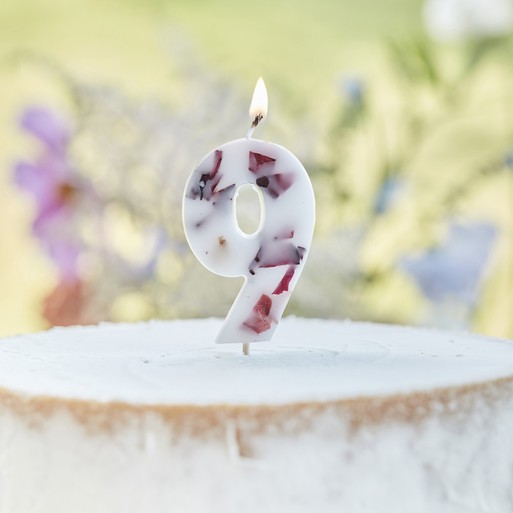
9th Blog Anniversary of Be Ur Own Light!

(image: Ginger Ray)

Whenever 1st March rolls around, I feel a tremendous sense of pride but also – how has it been so many years since I started blogging on WordPress about my mental health?

Be Ur Own Light Blog started on 1st March 2016 after I had had to leave a face to face job because I was having panic attacks and couldn’t get in to work. I saw blogging as a form of therapy.. and in truth, I was only originally sharing with friends and family because I felt really alone with it. That eventually snowballed into me writing for Rethink Mental Illness and then in the national media, speaking at a few in-person events and recording podcasts. It was also an honour to be included in several books including ‘The Book of Hope’ by Jonny Benjamin MBE and Britt Pfluger, talking about life with bipolar.

There’s times I still feel alone with my health but I also have so much support and understanding from family and friends and readers here too, which helps a great deal.

I just want to thank everyone we have collaborated with in the past year (sponsored or not)- brands, charities, businesses, individuals making a difference in the mental health world. Thank you for writing blogs for Be Ur Own Light and our personal mission of taking a sledgehammer to the stigma of mental illness (or trying to!).

Thank you also to everyone who has promoted or bought my books, especially my recent kids book ‘Arabella and the Worry Cloud’. I am so proud of ‘Bring me to Light’ too and hope sharing my story continues to help people.

If you’ve been following this journey for 9 years (or longer)- thank YOU for being here for the ride and continuing to read, support and show up.

It has been harder for me in the past 2 years to authentically share everything about my mental health and other health things on here but one day I hope that our journey can inspire others. I live in remission from Bipolar due to my medications holding me and I never forget daily how lucky I am to have access to mental health medications (due to living in the UK) and an excellent therapist, plus support from family.

Going forward, I will still be blogging but I am hoping that the sequel to Arabella and the Worry Cloud will manifest soon. I have written it, I just need the funds to secure everything! Shout out to my friend and illustrator Shelley. I hope also that Arabella will continue to reach more children and find it’s way to all who need its message.

Thank you all of you for enabling me to blog and write and hopefully help people with bipolar, depression, anxiety, PTSD, panic attacks etc. Thank you to every person who has read a blog, bought a book, shared an article, commissioned me in the press to write an article on mental health or current affairs and to all who have or continue to believe in me- including my amazing husband and family. and of course G-d who is behind everything.

Love and gratitude,

Ellie x

Five Misinterpreted Symptoms Of PMDD (as MAFS UK Star Kristina Goodsell Goes Viral) with AXA Health.

(image: Kristina Goodsell)

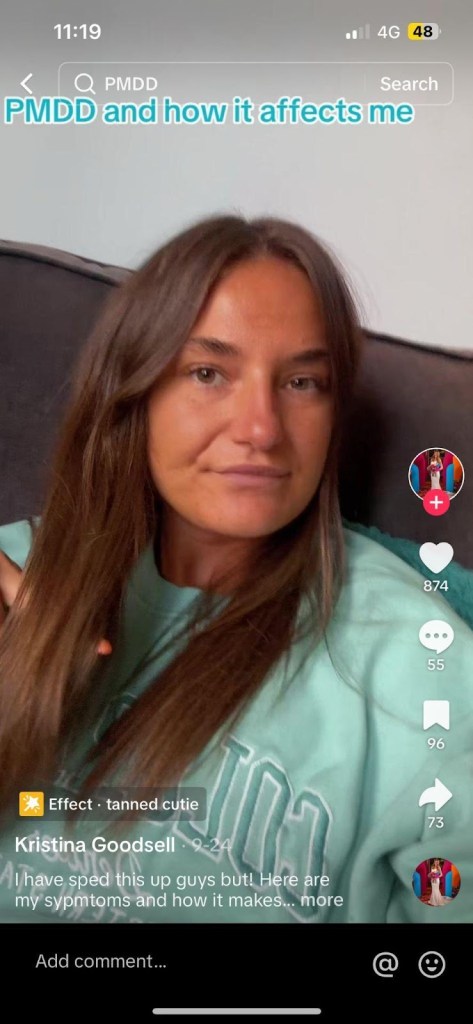
Do you have a diagnosis of PMDD (Premenstrual Dysphoric Disorder) or worry that your PMS symptoms before your period might indicate this? This article talks about how to be effectively diagnosed and looks at misinterpreted symptoms. I have been watching this series of Married At First Sight UK with great interest- its an experimental dating show where they get married without ever speaking or seeing each other and follows how their relationships either blossom or fail. One such couple is Kieran and Kristina, who are completely adorable. Kristina has been very open about her own mental health condition, PMDD and how it has impacted past relationships for her.

After Married at First Sight UK star Kristina Goodsell shared her diagnosis of PMDD (Premenstrual Dysphoric Disorder) with her partner Kieran, searches for ‘What is PMDD UK’ spiked +250% in the past week, and searches for ‘PMDD remedies’ are up +2,431% in the past year, showing that people want to learn more about this specific women’s health condition.   

In a further episode, Kieran explained he doesn’t know if he can sustain a relationship due to Kristina’s PMDD. This TikTok video clip of the episode, which has gained 245.6k likes, has led to more people discussing their own PMDD journeys, with one user commenting ‘I have PMDD and it is so hard to live with’ and others asking ‘What is PMDD?’.

Dr Pallavi Bradshaw, Deputy Chief Medical Officer at AXA Health has shared information about PMDD including the misinterpreted symptoms, tips for getting the correct diagnosis and the different treatments. 

What is PMDD?

AXA Health explains that premenstrual dysphoric disorder (PMDD) is a hormone-related disorder that affects not only your body but also how you feel.

As a more severe form of PMS (premenstrual syndrome), PMDD can particularly impact day-to-day life. Symptoms can also get worse during the luteal phase of a woman’s menstrual cycle, which can last around two weeks between ovulation and the start of a period. 

PMDD was listed in the ICD-11 in 2019, validating the medical diagnosis of this serious women’s health condition, yet as symptoms are similar to other health issues, this means that PMDD is still underdiagnosed.

Five Misinterpreted Symptoms of PMDD

Around 1.6% of women and girls experience symptoms of PMDD worldwide, and Dr Bradshaw highlights that “There are a range of typical emotional and physical symptoms to look out for such as anxiety, headaches, breast tenderness/swelling and appetite changes. However, there are also five symptoms of PMDD to look out for that can help with distinguishing the condition from other health problems and getting a more accurate diagnosis”.

  1. Feeling overwhelmed

Whilst it’s normal to feel overwhelmed occasionally as a result of life stressors, it can negatively impact your health and is a sign of PMDD that shouldn’t be ignored. 

This may include having irrational thoughts about a situation, experiencing a freeze response where you avoid or postpone tasks, withdrawing from a situation and friends/family, or overreacting to situations that wouldn’t usually affect you.

  1. Increased irritability

Being irritable around your time of the month is due to fluctuations in serotonin levels and can be a symptom of PMS. However, irritability on a more severe scale can be a sign of PMDD.

Increased irritability may cause conflict in relationships and negatively impact everyday life, so it’s important to recognise this symptom, especially as this may be more noticeable around your period. 

  1. Muscle aches

This is a harder symptom to recognise if you regularly exercise and experience achy muscles from workouts. However, pay close attention to when the muscle aches happen, as if it aligns with your luteal phase and affects areas of the body you haven’t worked out as much, this could be a sign of PMDD that would instead go under the radar.

  1. Bloating

A symptom many females will experience around their period is bloating, due to hormonal changes and water and salt retention. Yet, this is also a key sign of PMDD, especially if the bloating is severe, so it’s important to pay attention to this symptom.

  1. Changes in sleep patterns

Struggling to sleep, sleeping more than usual or insomnia are also signs of PMDD which may go under the radar, as if you’re stressed and busy, you may put it down to these factors instead. 

This symptom can be a result of other PMDD symptoms impacting your quality of sleep, such as anxiety. Hormonal shifts can also impact sleep patterns, which could be due to PMDD. 

HOW TO BE EFFECTIVELY DIAGNOSED

MAFS star Kristina experienced a misdiagnosis of PMDD and was prescribed medication for depression. It wasn’t until after the initial treatment didn’t work, researching her symptoms in more depth and visiting a gynaecologist, that she received an official diagnosis. 

With limited research on PMDD, the average time it takes to get a diagnosis in the UK is around 12 years, especially as it may take a long time to realise your symptoms follow patterns in line with your menstrual cycle. 

As Dr Bradshaw explains, “Many symptoms of PMDD overlap with health issues including depression, anxiety and thyroid conditions. It’s vital to ensure you can provide as much detail as possible about your symptoms when visiting a medical professional, so the diagnosis can be as accurate as possible. Noting down any correlations to your period will also help to distinguish if it is PMDD too. A symptom diary can be invaluable”

Here are Dr Bradshaw’s top tips for supporting your PMDD diagnosis:

  • Ask questions – Prepare for your appointment by writing down any questions you have or anything you’re unsure about so you don’t leave the appointment with unanswered queries
  • Speak up – If you think you meet the criteria for most of the PMDD symptoms, voice this in your appointment by saying ‘I think I have PMDD’ during the conversation
  • Monitor symptoms – Keep a diary of your symptoms to find if they worsen during your luteal phase, which will help a doctor understand if it is linked to PMDD or not
  • Be open and honest – Being honest with your doctor and yourself about your lifestyle is important, as small changes could impact your symptoms as a treatment
  • Provide feedback – If a specific treatment is recommended that you’re hesitant about or have already tried, make sure to let the medical professional know
  • Seek further support – Asking to speak to a GP with a special interest in women’s health or for a referral to a gynaecologist if you aren’t responding to initial treatment and you feel you need more support or in-depth advice

This article was written by AXA Health featuring Dr Pallavi Bradshaw.