Yesterday, I woke up to hear that the Olympic gold medal winning athlete Simone Biles – the most decorated and greatest gymnast of all time, pulled out of the Tokyo olympics, citing mental health reasons. Instantly, she was criticised by people for not being a team player, for going to the Olympics in the first place, for daring to reveal that she is human and she struggled.
Gymnastics can be a dangerous sport if you are not in the right mindset and after not feeling her best, Biles withdrew from the competition. She still stood in the glare of the world media to support her team though!
We live in a toxic society that still doesn’t understand the mind- or anything they cannot see. Whether like Naomi Osaka, who withdrew from Wimbledon, its stress, anxiety, depression or burn out/exhaustion, the reasons are valid. Just like sportspeople pull out for physical injuries, mental injuries are just as justifiable and important. The brain is an organ and it can break too.
If we look at Simone Biles and her background, which I didn’t know until looking into it, she was sexually abused by her gymnastics coach as a child. She also comes from a difficult upbringing. She will therefore be carrying trauma in her life which could get triggered by the pressures that come with the Olympics and being the most visible and famous gymnast in USA history. She is only 24.
There is a certain columnist/journalist in the UK who writes and attacks women in the public eye with mental health issues constantly. it doesn’t matter if they could be depressed, anxious, burnt out or suicidal. It doesn’t matter if they have disclosed they have been suicidal in one case. He is paid to pull these women to pieces in public and accuses anyone not agreeing or being ‘woke’ or a snowflake’.
This infuriates me that someone with so much media influence spends their time attacking people who are vulnerable and who should have support.
I hope that in the not too distant future we won’t have to have these discussions about mental resilience, about how people are quitting on their team for being unwell, about how its an ‘excuse’. This is usually said by people that have no understanding of mental health issues and who do not understand the pressures of performing in public and being successful at that level.
With Naomi Osaka, she was fined for not attending a press conference and breaching her contract. If that isn’t discrimination, I don’t know what is.
This has to change. its 2021, not 1821!
I was heartened to see so much support for these women on social media and so I hope it is a small minority of views. But sport, a typically macho arena, needs to wake up, needs to support people and stop treating athletes in this way. This also echoes the workplace in general.
Solidarity with Simone, Naomi, Meghan and anyone else struggling. They are inspirations to people around the world with mental illness and together they will make a change.
Is high stress causing skin conditions like acne, skin rashes, psoriasis, and eczema to occur? Here’s how to tell!
If you’ve been experiencing high stress lately and have started to notice a change in your skin’s health, this is no coincidence. Aside from weakening your immune system and causing issues such as hair loss to occur, stress can also affect the state of your skin.
Everything from dry skin, to acne, skin rashes, and other conditions like eczema and psoriasis can all be rooted back to stress. And unfortunately, dealing with these skin issues can also increase stress levels, which can ultimately perpetuate the cycle. That’s why it’s critical to understand the relationship between stress and skin, as well as the different coping mechanisms and treatment available.
To learn more about the stress-skin connection, and how stress hormones may be affecting your complexion, read on!
Understanding the Relationship Between Stress & Skin
There are two dominant stressors that influence your skin health. The first is environmental stress. Unlike other organs in your body, your skin is constantly exposed to the outside world, making it more susceptible to environmental stressors such as temperature, humidity, and ultraviolet light. These factors can trigger your skin to produce stress hormones like cortisol, which inevitably, sends signals back to your brain. These signals contribute to the other main stressor that influences your skin: psychological stress.
Psychological stress disrupts the top layer of your skin—also known as the epidermal barrier—that acts to retain moisture and protect you from harmful microbes. A healthy epidermal barrier is vital for maintaining a clean, clear complexion as it helps to repair and shield the skin. So, when disrupted, your skin becomes more sensitive and reactive, causing irritation as well as the exacerbation of certain skin conditions to occur.
As your epidermal barrier continues to be affected by psychological stress, it can become increasingly challenging for these skin issues to heal properly, especially if left entirely untreated. In the next section, we’ll take a closer look at different skin conditions and concerns that may develop from chronic stress, and what you can do to manage them.
How Exactly Can Stress Affect Your Skin?
Think stress is the explanation behind the changes in your skin? Below are a few common conditions to lookout for and available treatment options to consider.
Atopic Dermatitis AKA Acne
If you feel stressed on a regular basis, don’t be surprised if zits and pimples start to appear. The effects of stress tend to lead to acne because cortisol—the “stress” hormone—encourages your sebaceous glands to speed up. Your sebaceous glands control the oil production in your skin, so when provoked, they naturally cause your complexion to appear oilier. In turn, this can cause your pores to clog and consequently, lead to acne.
Dealing with acne caused by stress is hard enough to begin with, but it’s especially difficult for people who naturally have acne-prone or oily skin. If you resonate with one of these skin types and are currently struggling with stress acne on top of your usual breakouts, it may be a good idea to invest in a prescription product to adequately treat your concerns. Using a tretinoin prescription to fight blemishes, for example, can make it easier to get rid of acne and acne scarring in real-time, and prevent further development from occurring.
Skin Rashes
Skin rashes like psoriasis, rosacea, and eczema are all tell-tale symptoms of high stress. The conditions will generally develop on account of a weakened immune system— another stress response your body has when dealing with high anxiety. When your immune system is weakened, it’ll likely lead to dysbiosis—an imbalance of bacteria in both your gut and skin health—to occur. If the imbalance appears on your skin, it’ll likely manifest itself with redness or rashes.
Pre-existing conditions are normally characterized by itchy, dry skin, but when dealing with high stress levels, these issues become all the more aggravated.
Fortunately, managing these inflammatory conditions can include using a basic anti-itch topical ointment that is readily available at your local drugstore. However, these aren’t effective in strengthening your immune system. Arguably the best way to promote overall immunity is to stick with a varied, well-balanced diet.
Fine Lines & Wrinkles
The natural aging process speeds up when you experience high stress, as it can cause changes to the proteins in your skin and fluctuate anti-aging hormones like DHEA (dehydroepiandrosterone). These factors can ultimately lead to a reduction of brightness and elasticity in your skin and accelerate the aging process. As a result, the formation of fine lines and wrinkles may occur.
Environmental stressors like ultraviolet light and radiation can largely contribute to an acceleration of the aging process. For this reason, it’s critical to make sure you’re protecting your skin at all costs, regardless of if you are indoors or outdoors.
Be sure to apply sunscreen everyday as the last step of your morning routine. This will help mitigate environmental stress that comes from excessive sun exposure and keep your skin looking youthful and radiant all year round.
This article was written by a freelance writer.
How to Prevent & Ease Effects of Stress
Skin care can only get you so far when it comes to managing your stress. While washing your face regularly and incorporating treatment products in your daily regime may be practical in treating the skin issues mentioned above, they’re not beneficial in alleviating chronic stress as a whole. There are various ways to reduce high stress and anxiety, so try to explore the different options out there. Here are a few options to get you started:
Schedule Time for Mindfulness: Give yourself a chance every day to relax with a stress-free mindfulness practice. Whether it be reading, writing, meditating, or stretching, remember to block off some time for yourself every day, even if only for 15 minutes.
Stay Active: Exercise and physical activity offer numerous health benefits, and one of them is lowering levels of stress hormones. Take advantage of this benefit by staying active throughout the week! From personal training to outdoor activities like hiking and biking, there are plenty of ways to get your heart rate up!
Talk to Someone: Managing high stress and/or poor mental health is not something you should burden yourself with. If you’re having trouble navigating your stress-free journey alone, don’t hesitate to talk to someone about how you’re feeling. A simple conversation with a friend or family member can be more therapeutic than you know, but if they’re support isn’t enough, don’t be afraid to seek professional guidance from a mental health counselor.
So its a Friday, the sun is shining and I am sat here listening to a new singer I have discovered, Sinead Harnett. I have always found music so healing for me especially soul/jazz /rnb and she is fab! Today I feel calm and positive and happy. I am holding on to this feeling because there are days when I don’t feel like this!
I live with anxiety and panic attacks as the main symptom at the moment. This can limit my life in a lot of ways and its something that I want to break free from. I am very much a homebody but I also love seeing my friends. My anxiety can creep up and sometimes I don’t feel able or have the energy to see people or venture outside alone. Its difficult.
I did a questionnaire with my therapist last month which indicated that I do have some symptoms of PTSD but not the full blown disorder. This manifests as wanting to keep myself safe- in safe places and with people who are deemed safe in my head (won’t judge me badly, won’t ask difficult questions etc). I find it hard to do things alone as well- which I would love to change (things like going for a walk etc).
Keeping myself safe began as something to protect myself after the traumas of being sectioned, losing my mind in psychosis, being sexually assaulted and having to live in hospital for 4 months (and injected with medicine when very ill), with a further 4 months in a hospital day recovery unit. The life I knew was under threat and my anxiety was so high- i was flooded with adrenaline and there were times when I couldn’t sit still, I didnt communicate with anyone and turned my phone off, i went to bed at 8pm each night during that time- I was traumatised and unable to cope.
As you know, I have been working on my recovery from that bipolar episode since 2015. I am a different person and my medicines ensure I do not become manic in psychosis (believing a false reality) or severely depressed. I engage in therapy too. However, lately I have been noticing that I have been placing some limitations on my life that I need to work on.
Sometimes leaving the flat can be challenging. Sometimes meeting up with other people is hard. Blood tests, doctors surgeries and hospitals trigger panic in me still due to past trauma. I was able to get my Covid jabs with support, but I find anything medical really really hard because of what I have gone through. Its hard to trust people and put myself in environments that remind me of past trauma (in hospital i had to have weekly blood tests to check my lithium levels).
I am only 33 and I am a work in progress. Healing is taking longer than I thought it would… but my husband, friends and family (and our guineapigs) all help with that- as does my therapist. Having a purpose daily and working with my Body Shop Team- Team Hope, fellow manager Leyla and my upline Sarah is incredible and they all give me so much joy.
I don’t want to keep looking back- I want to feel my life with positivity, sunshine and happiness. However, sometimes fear can be strong. Sometimes i get scared or things effect my subconscious mind.
I am starting to realise that that is OK. My confidence will improve in time and I will continue to work on it, to grab life with both hands instead of taking shaky steps. Writing and blogging is always so therapeutic and I am to work on more projects too 🙂
I am learning its alright to be a work in progress but to reach out for help to change my life and overcome fear.
A new bundle of joy in the family is indeed a happy addition. While welcoming a new baby is a joyous event, new mothers also have a lot of things to keep in mind. Not to mention, mothers have to make huge adjustments in their routines, schedules, and even hobbies just to make time for the baby.
New mothers are also recommended to get enough rest. However, with an infant to care for, most mothers would not even have much time for themselves. And that’s where fathers should step up.
New mothers need both physical assistance and emotional support. Baby care and household chores are part of physical assistance. Emotional support can be done in various ways. But letting new mothers have a day for themselves is more than enough. Caring for a baby could get exhausting, and having a self-care day can help mothers refresh and recharge themselves after a gruelling week.
Fathers, or partners, can always help in both aspects. But aside from simply volunteering to change diapers and give bottled milk, here are some more ways to assist new mothers:
Have Your Fair Share Of Chores
This is one of the main things that partners can do to help eliminate the stress and burden of new mothers. Most of the time, your wife may not be able to wash the dishes or mop the floors because she needs to attend to the baby.
So, why not volunteer to do the dishes every night? Or help with the laundry each week during your day off? Helping around the house will definitely lessen the physical stress for new moms. Offering to disinfect or sterilise the baby’s things is also a great idea. The extra time they get can be spent resting or bonding with the baby.
Cook or Order Takeout (takeaway)
Just like household chores, cooking also takes time. Most new moms don’t even have the time to think about meal prep or planning. So, might as well just take things into your own hands! You can volunteer to either prepare breakfast or cook dinner so your partner can get more sleep. If you’re working long hours and there’s not much time for you to prepare dinner at night, then offer to order takeout instead.
Offer A Spa or Massage Day
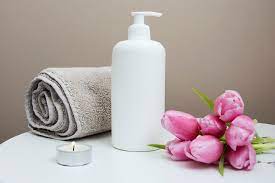
New mothers direly need, and would highly appreciate, a self-care day. Sending them off to a spa or massage session would definitely lift up their mood and calm their mind. Doing this at least once a month can help improve their mental and emotional state. Mothers need a break from all that baby care too! But make sure to have someone reliable enough to care for the baby while mom is away. You can volunteer to do it yourself but if you need to take care of work or other errands, then you may hire a nanny or leave the baby with grandparents or a trusted family member for the day.
If it’s not possible for you or your wife to go out to a spa or massage service, then you can book a home service instead. You can also plan and prepare a homemade bubble bath that your wife can soak and relax in!
(image: unsplash).
Avoid Adding More Pressure
New mothers might be overly conscious and anxious that they aren’t doing a great job with the baby and the house. On your part, you must also understand that they cannot fulfill household duties 100% all the time, since they also have a baby to care for.
So, if you see that the kitchen is not clean, floors are dirty and unswept, and the laundry is already piling up, don’t take it out on her. Instead, ask her which task she may need help with and communicate how you can work together to make sure that basic household duties are still maintained while also caring for the baby.
Appreciate What She Does
New mothers are always overwhelmed, but a simple appreciation will make them feel happier and secured. Many new moms are always thinking that they aren’t doing a good job (even if they are). So, don’t forget to remind them that they are doing great and that you appreciate everything she does for the house and the baby. Most of all, it’s best to remind them that as long as the baby is happy and healthy, then they’re doing more than a good job already.
Encourage Social Interaction
The mental and emotional stress that new mothers feel is sometimes caused by being cooped up in the house for too long. While she can spend more time bonding with the baby and communicating with you, remember that a healthy adult also needs a well-rounded social relationship.
So, encourage your wife to go out and see her friends over coffee sometimes! Recommend a mom group in your area that she may be interested in, or if your wife thinks she should see a therapist to help with postpartum depression or anxiety, then help her book a session.
A new mother would usually insist on being more hands on with her baby, and this is not a surprise, since it is just part of human nature. However, it does not mean that they don’t need the help and support from others—especially from a partner.
Assisting a new mother would not take much time, a simple gesture and moment of appreciation can already do wonders. However, it’s important to also help them with physical tasks to ease their stress and burden. Most of all, it’s important to do these things consistently.
Author’s Bio:
Jess Levine is an experienced writer who loves creating articles that can benefit others. She has worked as a freelance writer in the past making informative articles and fascinating stories. She has extensive knowledge in a variety of fields such as healthcare, technology, business, finance, marketing, personal development, and more.
The journey to recovery from alcohol or substance abuse is a long one and is never a straight line. While rehab and detox are the essential first step in sobriety, they’re just the beginning of the journey that can last for a very long time. Going straight back to your previous life and surroundings can be triggering and jeopardise your progress, leading to relapse.
This is where a sober living home can be the perfect next step on your journey to recovery. These are interim, transitional steps that give you independence based on structure and support. They are designed to help you rebuild your life skills and relationships away from the temptations of drugs and alcohol.
Additional Time To Recover
The more time and energy you can devote to your recovery, the more successful you will be in maintaining it for the long term. In a sober living home, you will be in an environment where there are no drugs or alcohol to tempt you and find a support network of staff and other residents with which to share the experience. Giving yourself this additional time to recover could be the difference between success and failure.
24/7 Support
Most sober homes, including Bridgeway Sober Living, have specialist managers on-site 24/7 to give your support and encouragement during your recovery. They are there to help with issues such as feeling depressed right the way through to helping you find a job.
A lot of the support staff in the sober living home have personal experience with addiction either through their own experience or that of a friend or loved one.
Meaningful Relationships
A sober living home can let your form bonds with others that aren’t rooted in alcohol. You’ll have lots of things in common and a shared sense of purpose. Your road to recovery will be anything but lonely.
Rebuilding Life & Social Skills
The basics of everyday life can be difficult for someone in the grip of addiction. Even dressing, washing, and taking out the trash can be beyond some people. Sober living homes allow you to put a structure back into your everyday life that can rebuild your life skills. You’ll relearn how to look after yourself and your surroundings.
Regain Your Independence
In rehab, your movements and activity are controlled tightly until you’re discharged. Often, going straight back to your former life can be overwhelming. Sober living homes give you the opportunity to start claiming your independence back gradually. You’ll be expected to go out and find your own job, attend social gatherings and look after yourself, all within the safe space of the sober living home.
Final thoughts
Sober living homes are becoming a viable choice for many recovering addicts. You can find them in all major cities and highly populated areas. They are very well designed, as far away from the stereotype as you could imagine. As part of a successful recovery, they can be the transitional step you need to complete your recovery.





 beurownlight.com