What Makes A Great Hypnotherapist? by Kevin Whitelaw of Perma Hypnotherapy.

(image: Chelsea Gates, Unsplash)

On a regular basis, I speak to people who are set to benefit from hypnotherapy: they have a compelling need to make those changes in their lives, they take responsibility for the outcome and, they’re looking forward to enjoying the benefits. Solution Focused Hypnotherapy is an effective, modern, evidence-based talking therapy. It is designed to support you in making positive changes leading to your sustained wellbeing.

Often, people get a bit stuck when looking for a therapist as they try to find the right therapist for them at that time.

So, what makes a hypnotherapist the right hypnotherapist for you at the moment?

The over-riding factor is your gut instinct: rapport between therapist and client is so important in achieving the best outcomes for wellbeing. What are your feelings as you look through their website and speak to them?

Beyond that, consider the following – any credible hypnotherapist would be happy to confirm the below.

Make sure you consider these when speaking to a hypnotherapist for your mental health:

  • They are open about what certifications they have, from where and what continuous professional development they do. Remember that the term ‘diploma’ is, in itself, meaningless. The key things to look for when assessing a certification are how much work did it take to obtain, who accredited it and what competence does the accreditor have?
  • That they are required to undertake a level of continuous professional development.
  • They are members of recognised professional governing bodies. There are many of these – The key thing to look for is the organisation’s affiliation with the National Council for Hypnotherapy and / or the Complimentary and Natural Health Care Council. Nb – this holds true for the UK. Other countries – especially the USA – have their own arrangements.
  • That they have Professional Indemnity Insurance (PII). This is not to expect anything to go wrong but it does give a degree of assurance as to the quality of their qualifications. Each broker offering PII to hypnotherapists has a list of certifications they accept as being suitable – and they are very shrewd about who they insure.
  • They have lived-experience of the issues you have chosen to resolve. Nb – there is no right or wrong with this one. You will find therapists who both agree and disagree with this point.
  • They are clear about their overall balance between therapy and hypnosis.
  • They allow you to set your own goals and they work to your (rather than their) agenda.
  • They encourage and support you to become proficient in self-hypnosis and managing your wellbeing for the long term.
  • They are happy to share content, resources, and references with you to give a deeper understanding of what they, and you, are doing.
  • They focus on you achieving your goals efficiently – there are no signs of them spinning things out for extra sessions.

(image: Marcel Straub, Unsplash)

 Ready to break free? 

The author Kevin Whitelaw helps adults across the globe overcome anxiety, stress, and self-doubt using Solution Focused Hypnotherapy. Book your free consultation today.

FeedSpot Top Bipolar Disorder Blog Award!

Thank you Anuj and team at FeedSpot for putting this blog in the Top 5 of 60 Best Bipolar Disorder Blogs on the Internet!

Really grateful to be recognised, as this blog is 9 years old now too! Great to be featured amongst other fantastic blogs educating about mental health and bipolar.

You can click here to see the full list: https://bloggers.feedspot.com/bipolar_disorder_blogs/?feedid=4677954&_src=f1_featured_email

Eleanor x

Social Anxiety: Find What Makes You Feel Alive. by Eleanor

(image: yourhappyplaceblog)

For those of you who have read my blogs or book, you will know that I have lived with mental health issues since I was young (diagnosed with bipolar at 16, depression and anxiety at 15 and lots of anxiety as a younger child).

My bipolar is medicated so that my brain functions fairly ‘typically’ ie i don’t get mania or severe depression, but I do get bad anxiety and milder depression.

What started as a teen to protect me from harm, became a full fledged panic disorder and social anxiety. Hiding away became my way to protect myself from the world, from people’s negative judgements, from life.

Even now at 36, I navigate a lot of the same anxious thoughts, behaviours and feelings. I don’t often share this part of my life anymore but I feel it is essential.

Yesterday, after having a particularly bad patch with anxiety where I cancelled many arrangements, stayed inside a lot etc, I spoke to my wonderful therapist because I needed to unpack what was going on for me.

In the course of the discussion about the different issues going on for me that could be causing the social anxiety/agoraphobia element I realised this key truth.

I have built metaphorical walls around myself in many parts of my life (my body, my friendships, my relationships in general), to keep myself safe from trauma I have faced. Part of that comes out as social anxiety as a protection mechanism and there’s time when that worsens. And times when its better.

But what I did realise is this.

I would like to feel properly alive and start taking down some of the walls, so I can live. Sometimes, the walls keep me safe and cosy. Sometimes they are not serving me anymore. I also want to boost my self esteem so that I stop retreating and hiding, or if it happens as it will, to find a way to work with it. I have had EMDR before so it may be returning to that for a while to unpick the knots!

I am very much a work in progress and so, I know I will always live with some level of anxiety. It is about how I learn to live well despite life’s challenges.

Do you find you put up walls or have social anxiety too?

I am sharing because it is therapeutic but I was even anxious sharing this as its so personal.

Love,

Eleanor x

We’re a FeedSpot Top Social Anxiety Blog!

Thanks so much to Anuj and all at Feedspot for listing us at number 2 in the 20 Best Social Anxiety Blogs on the internet! A true honour to be listed amongst some wonderful blogs.

You can see the Top 20 social anxiety blogs here:
https://bloggers.feedspot.com/social_anxiety_blogs/

With gratitude,

Eleanor x

From Farm To Face: The Rise Of Herbal Skincare For Wellness by Amy Jones

(image: Pexels)

Skin care is more than just a simple product in 2025., it’s become a non-negotiable for those hoping to achieve youthful, blemish free skin that looks plump and clear at all times. The makeup gurus have come clean. The key to great looking makeup is great skin. Not only that, chemical free, ‘kind’ skin care is the key to great skin. This level of untoxic, less processed and natural skin care can be best found through the means of herbal skin care.

This type of skin care is great for general self-care and improving wellness in body and mind. If you understand the benefits of herbal teas for your gut health and overall bodily functions, just consider how great herbal skin care might be for your face? 

Let’s get into the ins and outs of what herbal skin care is, and how it’s been the answer to clear skin for perhaps the last few centuries, yet we’ve been marketed to think otherwise!

Is Herbal Skincare Considered ‘New’?

Not at all. In fact, herbal skincare is one of the oldest beauty secrets in existence. Ancient civilisations, from Egyptian royalty to Chinese dynasties, relied on herbs, flowers, and plant oils to maintain their youthful glow. Cleopatra was known for her rose and honey-infused skincare rituals, while Ayurvedic practices have long used turmeric and neem to treat skin concerns.

The real question is why did we ever stop? The rise of mass-produced, synthetic skincare created a shift away from traditional herbal remedies, replacing them with chemicals and preservatives that promised instant results. But fast-forward to today, and we’re circling back. People are finally recognising that natural, plant-based skincare is not just effective but also safer for both our skin and the environment.

How Does Herbal Skincare Differ from Conventional?

The difference is simple: herbal skin care relies on nature, while conventional skin care relies on labs.

Conventional skincare products often contain synthetic ingredients, parabens, sulfates, and artificial fragrances, many of which can be harsh, irritating, or even harmful to long-term skin health. Herbal skincare, on the other hand, harnesses the power of botanical extracts, essential oils, and natural minerals to nourish and heal the skin from within.

It’s not just about what’s in the product but also about what’s not in it. Herbal skincare skips the fillers and preservatives, focusing instead on nutrient-rich ingredients that your skin can actually recognise and absorb. The result? A healthier, more balanced complexion without the risk of toxins.

The Most Common Herbal Ingredients & What They Do

Nature has given us an abundance of skin-loving ingredients. Here are some of the best herbal powerhouses and what they bring to your skincare routine:

  • Aloe Vera – Deeply hydrates, soothes irritation, and speeds up skin healing.
  • Chamomile – Calms redness and inflammation, perfect for sensitive skin.
  • Rosehip Oil – Packed with vitamins A and C, promoting collagen production and skin renewal.
  • Green Tea – A powerful antioxidant that protects against environmental damage and premature aging.
  • Calendula – Known for its antibacterial properties, great for acne-prone and sensitive skin.
  • Turmeric – Brightens skin tone and fights breakouts with its natural anti-inflammatory properties.

These ingredients have been used for centuries, proving that skincare straight from the earth is more than just a trend—it’s a lifestyle. It’s also brilliant if you want to care for yourself and your skin.

The Sustainable Benefits of Herbal Skincare

Beyond its skin-enhancing benefits, herbal skincare is a game-changer for sustainability. Unlike mass-produced products that contribute to pollution and waste, farm-to-face skincare focuses on ethical sourcing, eco-friendly packaging, and minimal processing.

  • Biodegradable ingredients – No microplastics or synthetic chemicals washing into the ocean.
  • Support for small farmers – Many herbal skincare brands work directly with local growers, ensuring fair wages and ethical harvesting practices.
  • Reduced carbon footprint – No heavy industrial processing means fewer emissions and a cleaner planet.

Choosing herbal skincare isn’t just about looking good—it’s about doing good, too.

How to Add Herbal Skincare into Your Routine

Switching to herbal skincare doesn’t have to be complicated. Here’s how to make the transition effortless:

  1. Start with a gentle cleanser – Try a honey-based or aloe-infused cleanser for a refreshing, non-stripping cleanse.
  2. Use herbal toners – Rose water or witch hazel can balance your skin’s pH and tighten pores naturally.
  3. Hydrate with botanical oils – Jojoba, rosehip, and argan oil deeply nourish without clogging pores.
  4. Incorporate herbal masks – Try DIY masks with turmeric, yogurt, and honey for an all-natural glow.
  5. Check your labels – If a product claims to be “natural,” make sure it actually contains plant-based ingredients (and not just clever marketing).

Bottom Line

Herbal skincare isn’t a fad,  it’s a return to what our skin was always meant to thrive on. Boost your self care and mental health today with wonderful, natural ingredients. With cleaner, safer ingredients, sustainability benefits, and centuries of proof behind it, farm-to-face beauty is here to stay, and we’re excited to embrace it!

Amy Jones is a freelance writer.

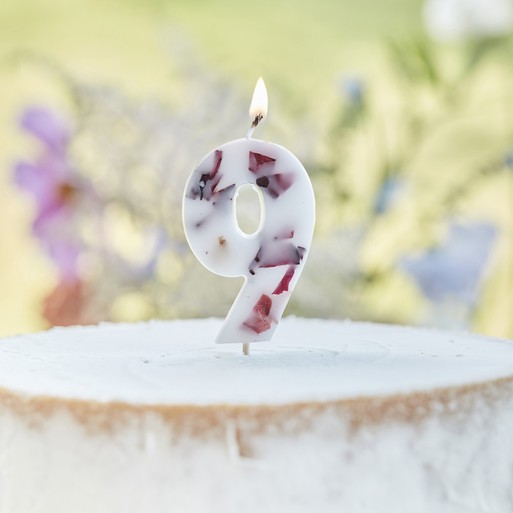
9th Blog Anniversary of Be Ur Own Light!

(image: Ginger Ray)

Whenever 1st March rolls around, I feel a tremendous sense of pride but also – how has it been so many years since I started blogging on WordPress about my mental health?

Be Ur Own Light Blog started on 1st March 2016 after I had had to leave a face to face job because I was having panic attacks and couldn’t get in to work. I saw blogging as a form of therapy.. and in truth, I was only originally sharing with friends and family because I felt really alone with it. That eventually snowballed into me writing for Rethink Mental Illness and then in the national media, speaking at a few in-person events and recording podcasts. It was also an honour to be included in several books including ‘The Book of Hope’ by Jonny Benjamin MBE and Britt Pfluger, talking about life with bipolar.

There’s times I still feel alone with my health but I also have so much support and understanding from family and friends and readers here too, which helps a great deal.

I just want to thank everyone we have collaborated with in the past year (sponsored or not)- brands, charities, businesses, individuals making a difference in the mental health world. Thank you for writing blogs for Be Ur Own Light and our personal mission of taking a sledgehammer to the stigma of mental illness (or trying to!).

Thank you also to everyone who has promoted or bought my books, especially my recent kids book ‘Arabella and the Worry Cloud’. I am so proud of ‘Bring me to Light’ too and hope sharing my story continues to help people.

If you’ve been following this journey for 9 years (or longer)- thank YOU for being here for the ride and continuing to read, support and show up.

It has been harder for me in the past 2 years to authentically share everything about my mental health and other health things on here but one day I hope that our journey can inspire others. I live in remission from Bipolar due to my medications holding me and I never forget daily how lucky I am to have access to mental health medications (due to living in the UK) and an excellent therapist, plus support from family.

Going forward, I will still be blogging but I am hoping that the sequel to Arabella and the Worry Cloud will manifest soon. I have written it, I just need the funds to secure everything! Shout out to my friend and illustrator Shelley. I hope also that Arabella will continue to reach more children and find it’s way to all who need its message.

Thank you all of you for enabling me to blog and write and hopefully help people with bipolar, depression, anxiety, PTSD, panic attacks etc. Thank you to every person who has read a blog, bought a book, shared an article, commissioned me in the press to write an article on mental health or current affairs and to all who have or continue to believe in me- including my amazing husband and family. and of course G-d who is behind everything.

Love and gratitude,

Ellie x