WiseUp Launches Groundbreaking Digital Detox Journal For Young People As UK Debates Social Media Safety Policy.

(image: WiseUp)

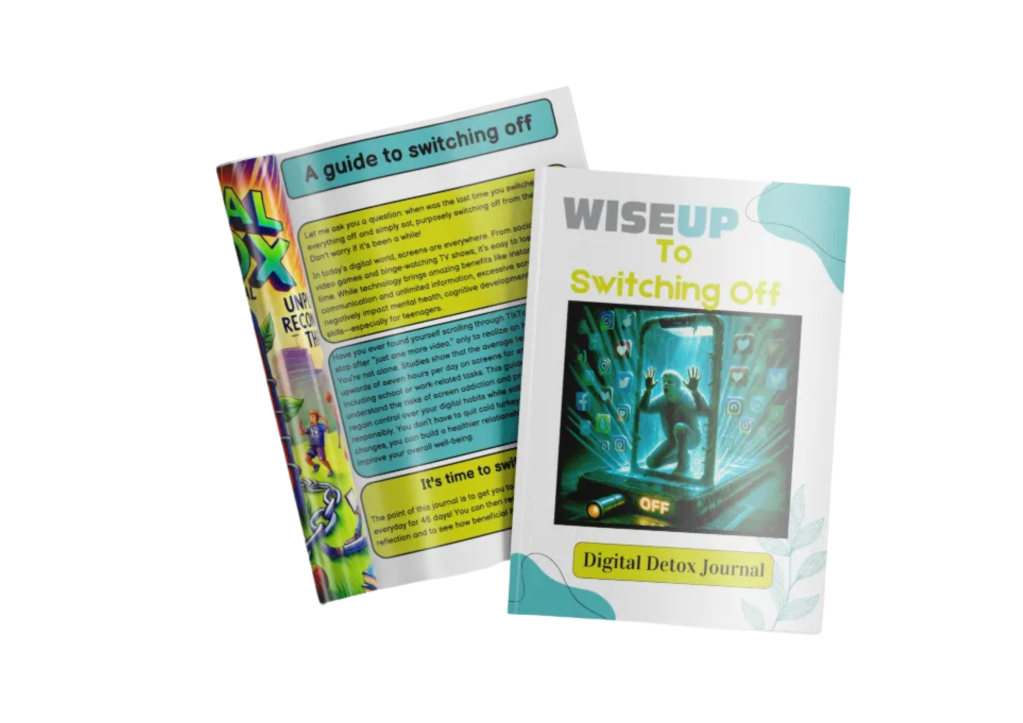
WiseUp Team Building, the multi award winning, UK Youth wellbeing and resilience organisation, has launched WiseUp to Switching Off – a guided programme designed to help young people and families build healthier relationships with screens and technology.

This launch comes at a time when children’s digital wellbeing is at the centre of national discussion, with the UK government recently consulting on measures inspired by Australia’s ban on social media for under-16s as part of wider online safety reforms.

With evidence mounting globally – recent World Health Organization data shows that rates of problematic social media behaviour among adolescents increased from 7% to 11% between 2018 and 2022 and that more than one in ten teenagers may struggle to control their use and experience negative consequences such as disrupted sleep and lower wellbeing – WiseUp’s journal is positioned as a practical alternative to purely restrictive approaches.

A significant proportion of young people report a negative impact on mental health from digital and social media use; a UK Digital Youth Index indicates that approximately 17% of young people aged 8–25 say their internet and digital device use harms their mental health, with the prevalence rising among older teens equating to around 2.5 million young people across the UK.

Richard Wise, CEO of WiseUp, said: “We created WiseUp to Switching Off, a digital detox guide, because families, teachers and young people are increasingly telling us they want positive and practical tools – not more tech bans – to make sense of their digital lives. Screens are now woven into education friendships and culture but when usage becomes compulsive it can undermine sleep focus and emotional wellbeing. Our journal helps young people become aware of their patterns reflect on their experiences and make incremental sustainable changes.

He continued: “Screens themselves aren’t the problem – but the way they pull young people in can be. When scrolling becomes a coping mechanism, when anxiety, loneliness or pressure drive screen use the impact on wellbeing can be profound. WiseUp to Switching Off exists to break that cycle. It gives young people permission to pause, space to breathe and the tools to reconnect with themselves and the world around them — while empowering schools and parents to put wellbeing back at the centre of everyday life.”
(image: Izzy Park: Unsplash)

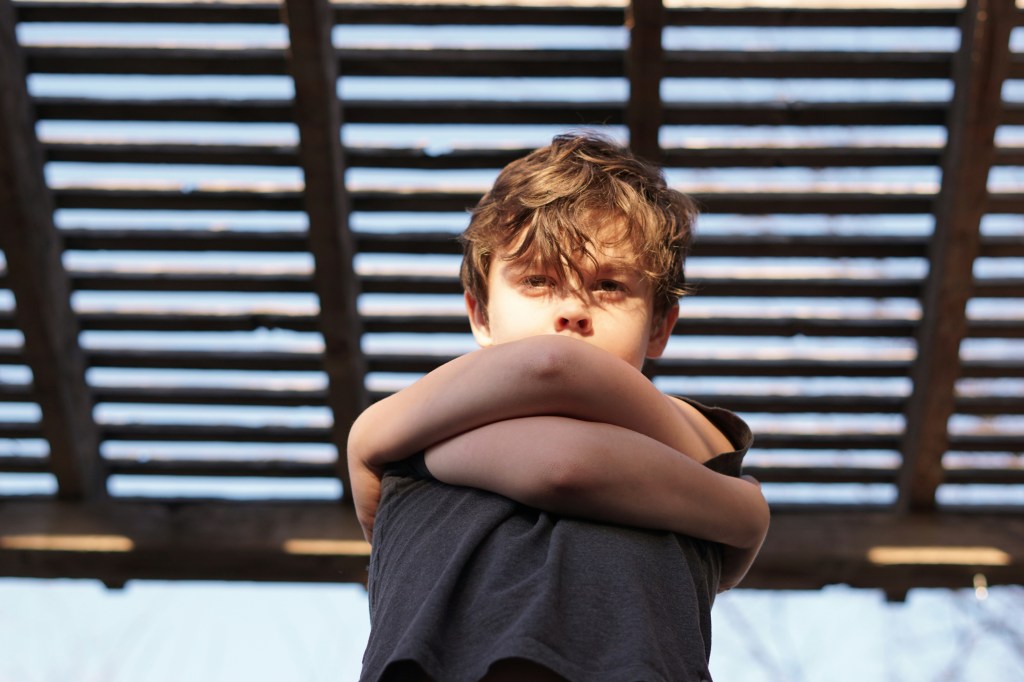
The WiseUp to Switching Off digital journal combines evidence-based education about technology and the brain, practical habit-building tools, daily reflection prompts and offline challenges designed to improve focus sleep and connection with others. It is intended for use both at home and in educational settings complementing Personal Social Health and Economic (PSHE) learning.

Parents and wellbeing leads in schools have reported that the journal has helped young people reduce conflict over screens. It has also improved sleep routines and helped them rediscover offline interests, reinforcing WiseUp’s belief that self-directed change (rather than coercive restriction) is both sustainable and empowering.

WiseUp encourages parents, teachers, practitioners and policymakers to explore the journal and join the ongoing effort to support a balanced digital future for young people. To download your free copy visit the WiseUp website.
(image: WiseUp)
Children’s Mental Health Week And Arabella and the Worry Cloud Book by Eleanor

(image: E Segall/ Shelley The Artist)

This Children’s Mental Health Week by charity Place2Be, is focused on the theme ‘This Is My Place’, fostering a sense of belonging in children, encouraging safe spaces for them to feel supported. The week encourages adults, teachers, parents and carers to use tools to equip children with positive mental health.

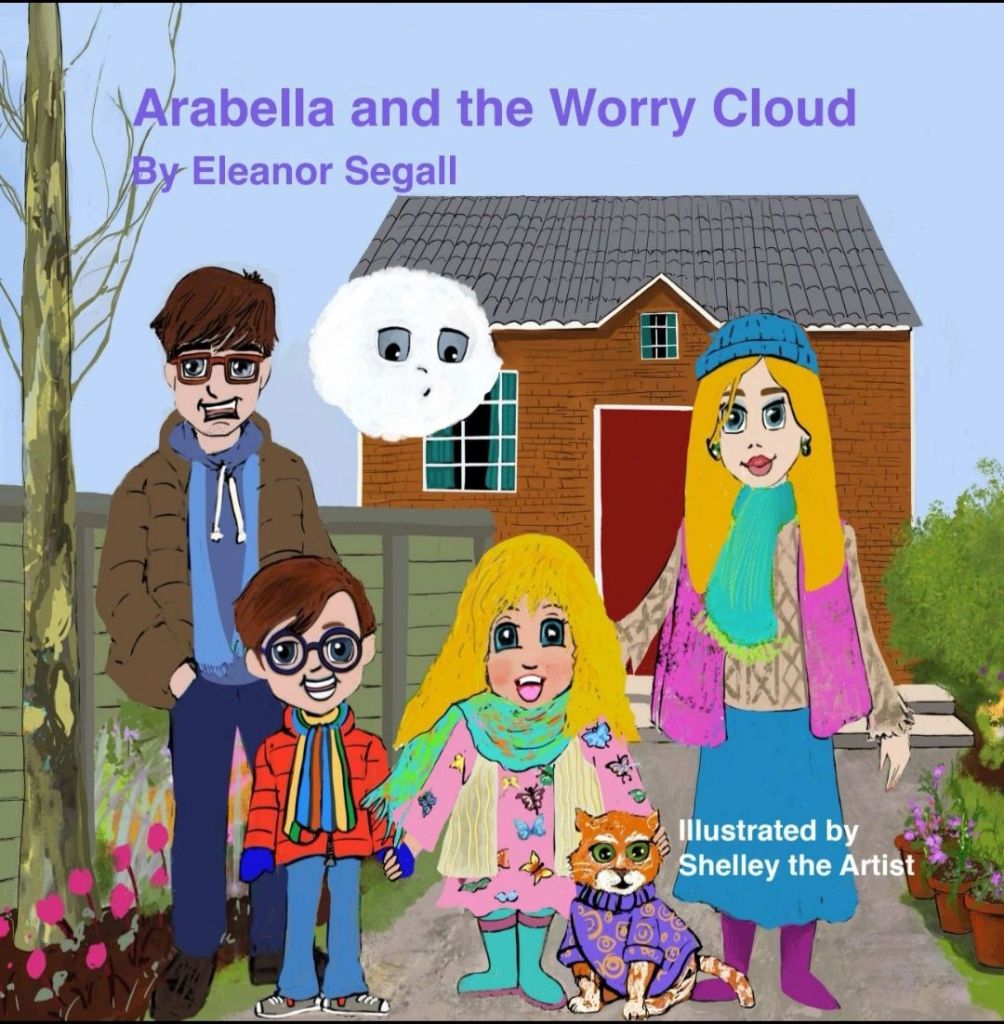
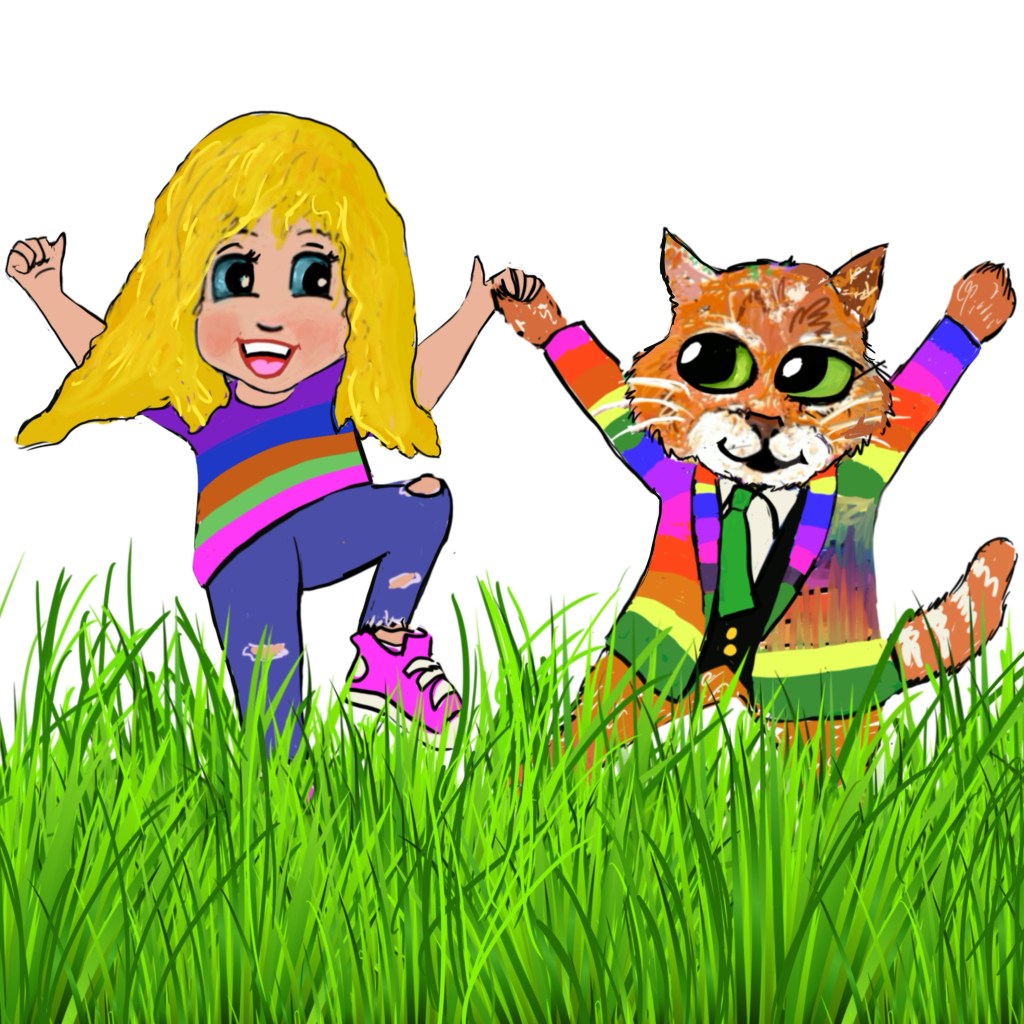
This week is very important and my children’s book ‘Arabella and the Worry Cloud’ (illustrated by my dear friend Shelley the Artist) is for younger children (aged 4-8) navigating feelings of worry and anxiety.

(image: E Segall/Shelley The Artist)

When I was a little girl and well into my teen years and beyond, I had a lot of anxieties. As a self-confessed empath and worrier, I could feel when something was wrong. This led to separation anxiety with symptoms including nausea at school. Children who have anxiety need to feel safe, settled and above all, heard by parents/carers and the adults in their life at school.

I wrote my first children’s picture book, Arabella and the Worry Cloud, in 2019 and published it in 2024. It is based on me as a young 7-year-old girl who had a lot of anxiety. In the book, Arabella worries about her socks not fitting on her feet, losing her shoes in a muddy puddle, the rain soaking her and cold freezing her toes, the rainbow in the sky losing its colour, her cat Pickles getting lost, the plants in the garden dying, losing her homework, failing a test and being blown away by the wind. These worries are partly represented by a Worry Cloud that comes down to see her from the sky and threatens to rain on her with all her worries.

Eventually, Arabella realises that if she thinks jolly, happy, sunny thoughts in place of the worries, she can push the Worry Cloud away with the joyous light beams of positive thinking. Arabella unlocks happy memories with her family, visualising wonderful times with them and it gives her confidence to face the Worry Cloud head on, so it can go away and leave her in peace.

So many children will have their own version of the Worry Cloud. Arabella’s place of belonging is with her family, where she feels safe and loved (and we know this is not always the case). My hope through this book is that it will help children to feel OK with anxious feelings, to find safety and to talk about it with a trusted adult in their life.

This Children’s Mental Health Awareness Week, you can get Arabella and the Worry Cloud here.

(image: Place2Be)

Love,

Eleanor

x

Living In Remission With Bipolar 1 Disorder- Time To Talk Day by Eleanor.

(image: Mind/Rethink Mental Illness)

Time to Talk Day is today and it is ‘the nation’s biggest mental health conversation’. This year’s theme is Brave the Big Talk, have conversations about mental health experiences that might feel a bit unspoken, with an aim to destigmatise mental health issues.

Today I would like to talk about living in remission with Bipolar 1 Disorder (I was diagnosed aged 16 in 2004 and am now 37!). I am lucky that although the illness I have when unmedicated is severe- I have had episodes of psychosis and mania and suicidal depression, and been hospitalised twice, I live in remission these days.

What does remission mean to me?

  • It means my medication (Lithium and Quetaipine- a mood stabiliser and anti psychotic) stops the very high (manic) and very low (depressive) moods and I can cope better. I am still a work in progress but its way less severe!
  • It means that although I have ongoing therapy to deal with past trauma, I don’t need to see a psychiatrist at present and am managed by my GP.
  • It also means that I don’t have to worry too much about bipolar episodes, which is not the same for everyone with our illness! I do however still struggle with anxiety, which I have spoken about before and some days can be harder than others.

Time to Talk Day say, ‘ Talking openly and honestly can be the first step towards better mental health for everyone. It can even save lives. Talking can reduce stigma and help people feel comfortable enough to seek help when they need it.

So whether you talk to a friend or an employee or listen to someone else, you can be making a big difference today. Find more about getting involved here: https://www.mind.org.uk/get-involved/time-to-talk-day/

Thanks to Mind and Rethink Mental Illness for creating such an important day,

Eleanor