5 Daily Habits for Mental Clarity and Emotional Balance by Miranda Spears.

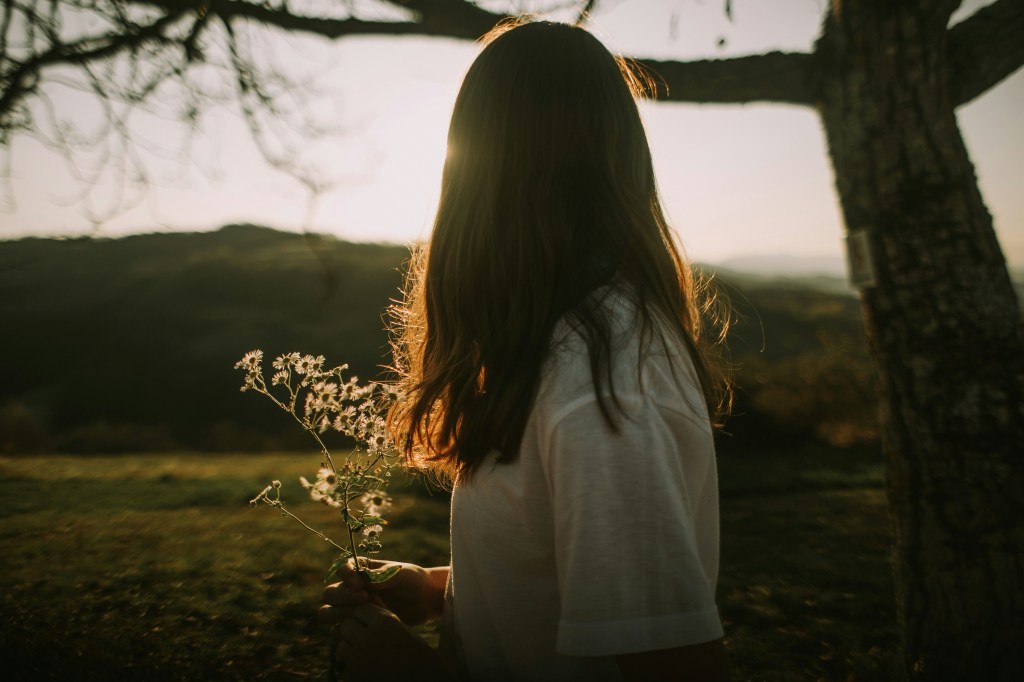
(image: Roxana Zerni, Unsplash)

You need daily habits in your life for mental clarity; these daily habits are often vital for wellbeing. Sometimes your mental health might take a dip, you might feel drained, depressed or feeling like you are left behind and cannot keep up. Here are some daily habits that can help to boost your mental health:

Practice Morning Mindfulness

Mindfulness can include simple tasks such as starting off the day on a positive note and setting good intentions by writing or speaking affirmations or engaging in prayer. Every day after you get up, you should make your bed as this is a small exercise that will only take two minutes of your day and prepare for a good day. As soon as you get up, do some simple, mindful stretches like swinging your arms in circles or doing the cobra pose to prepare your body for a focused day quickly. 

Move Your Body

You should move your body and avoid sitting in one place, as moving around ensures that blood flows to your brain better and faster, providing it with oxygen, and activities like taking a stroll, especially early morning strolls when the weather is nice and there is calm in the air, are also good for you. You can breathe in fresh air and it makes you look at things from a new perspective. So, take morning or lunchtime walks so you may be prepared for the day. You can also do activities like yoga which boosts mindfulness and helps you get mental clarity. It can also calm your mood, and you can also do cardio workouts like cycling and running to give your brain the pump of blood it needs and help you think more clearly and better. 

Fuel Your Brain 

If you want your brain to think clearly, you must provide it with the right type of nutrients, too. You should make a list of foods that are good for your mental health and incorporate them into your daily routine. You can have fruits and vegetables, healthy carbs and proteins as your brain cells need nourishment to think better, too! You should also drink water and get yourself hydrated, as water makes your blood move around the body faster, wakes up your brain, and increases brain function. Also, you can take supplements like chlorella, a high protein plant. Some chlorella benefits include detoxification and improved focus, which are good for mental clarity.

Journalling for Emotional Release

There are some activities, like journalling, that you can do at the end of the day to let go of any stress that your body has. You can write about the things that went wrong in the day and what went well. Take your time to reflect on things so you do not end up overthinking things and overstimulating your brain. You should have a journal by your bed so if you feel like some unprocessed thoughts are coming to you, you can vent them out in your journal, which should help your mental health. 

Sleep Better

Establish a bedtime routine for yourself that is unique to you so that you can look forward to it every night, and it helps you sleep better. You can read a book, lower the brightness of the lights in your room, and have decaffeinated tea or water. You should also avoid screens before going to bed, the LED light is not good for your eyes and does not let you sleep well. The use of screens has proven to have a strong link with less sleep time and delayed sleep. 

Daily activities for your mental health require you to be consistent and true to yourself if you really want to see the results.. So, start with something small like making your bed and practicing mindfulness and then keep on adding some activities to your routine so by the end of a few days, you meet with a better, improved version of yourself, one with a clear mind and better health.

This blog was written by Miranda Spears.
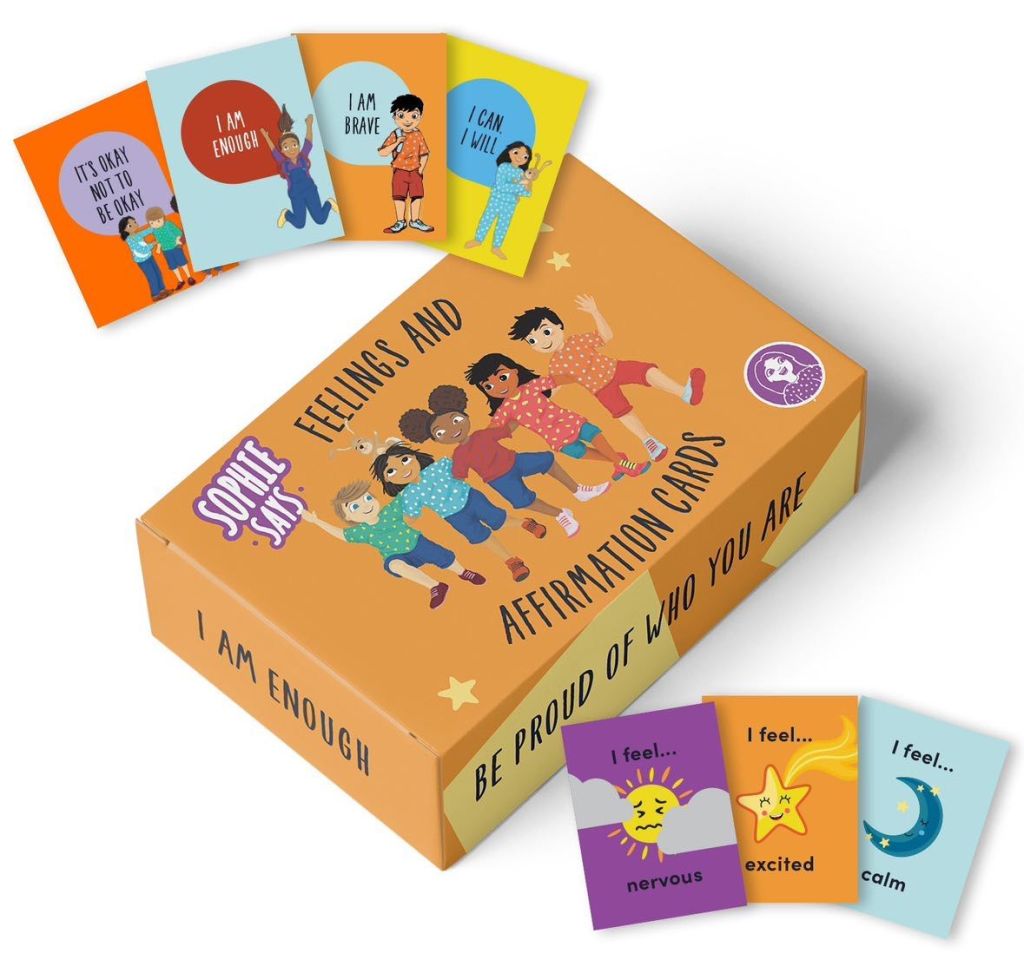
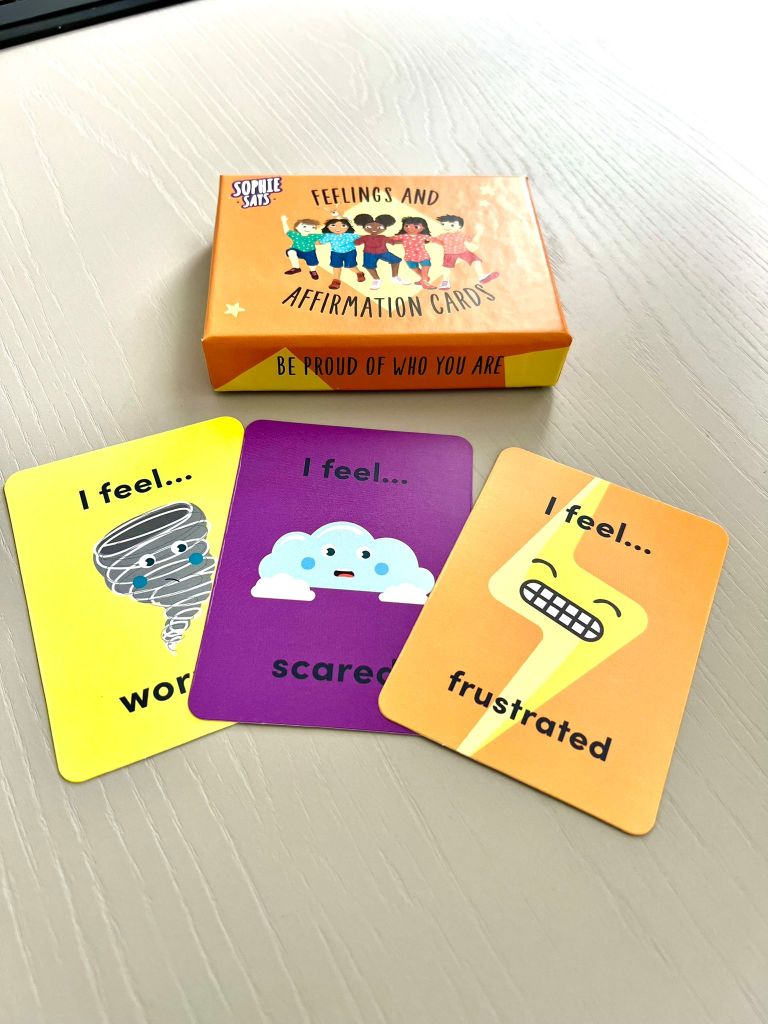
Author Of ‘Sophie Says’ Ground-Breaking Children’s Book Series, Esther Marshall, Launches ‘Feelings And Affirmations Cards’ Encouraging Children To Communicate Their Feelings.

(image: Sophie Says)

I have followed Esther Marshall’s journey for a while as a children’s author, speaker and mental health advocate for the next generation. On World Mental Health Day, Esther released a surprise and wonderful new product- Feelings and Affirmation cards to help children to communicate their feelings and emotions (and understand them).

420,000 children and young people in England are treated for mental health problems every month. Mum of three and author of the Sophie Says children’s book series is on a mission to make a positive impact on the world specifically for the next generation. The empowering children’s book series ensure critically important lessons in self-belief, mental health and gender equality are shown in an authentic and fun way.

Sophie Says Feelings and Affirmations Cards have been made specifically to help a parent or carer and child talk about their feelings together in a fun way through the much-loved Sophie Says characters.  Affirmations and feelings cards are a proven tool for developing positive thinking, The Sophie Says affirmations cards have been designed to make exploring feelings a fun and interactive experience for children, parents, and carers, to empower self-belief and to help children believe they can achieve their dreams.

(image: Sophie Says)

Esther began her writing career with her debut book Sophie Says “I Can, I Will”, she wrote this during night feeds with her firstborn son as she wanted to teach him that girls were just as strong and powerful as boys, that people from different backgrounds to him could teach him things and he should listen and be kind to everyone.

The second book Sophie Says It’s Okay Not To Be Okay was written in memory of Esther’s younger sister Rebecca, who tragically took her life after her battle with mental illness at the all too young age of 28. The passion and driving force behind Sophie Says is to keep Rebecca’s legacy alive, teach young children about the importance of mental health, and talk about their feelings from a young age. The Sophie Says series now includes three books ‘I Can, I Will’, ‘It’s Okay Not To Be Okay’, and ‘Be Proud Of Who You Are’.

Esther Marshall says: “My mission is to help create a world where all children grow up feeling equipped and empowered to face their futures. Our new Sophie Says affirmations cards will help parents and carers communicate with their children and encourage them to express their feelings from an early age to help children, avoid harmful stereotypes before they set in.”

I love these cards and can’t wait to use them too!

To explore the new cards and full Sophie Says range visit www.sophiesaysofficial.com

This is not an ad or paid, I loved the cards and chose to review them.

New Children’s Picture Book Announcement and 8 Year Blog Anniversary

(image: Good Housekeeping)

Hi everyone,

I have been quite quiet on here for a while but in the background, I have been working on my NEW self-published children’s picture book. I can exclusively tell you it is called ‘Arabella and the Worry Cloud‘ and will be illustrated by acclaimed artist (and good friend) Shelley Levy.

Here is our journey with Arabella…

In 2019, shortly after my book Bring me to Light was published, I wrote a short story that came into my mind about a little girl called Arabella (aged around 6/7) who had anxiety about lots of things in her life- her homework, her cat dying for example. Arabella is followed around by the Worry Cloud, a cloud who represents all her negative thoughts and worries, who threatens to rain on her. Can Arabella learn how to be ready for the Worry Cloud and replace him with positive and happy thoughts?

As a little girl, I struggled with anxiety. Some of my earliest memories are of being sick in the school lunch room aged 4 every day because I had bad separation anxiety and didn’t want to be around the bigger children. When I was about 7, I was also bullied at school and Sunday school (I was a very sensitive child) and this caused me to panic and not want to attend Sunday school so I was home schooled for a bit. I always have been a worrier. Then aged 15, anxiety reared its head again and I was diagnosed with bipolar as part of a depressive episode. I have lived with worry and anxiety most of my life…and I was born in the 80s and grew up in the 90s, where it was less understood. Though my family were amazing at supporting me.

My aim through writing Arabella is to help children to process their feelings and emotions around anxiety and to help them feel less alone. I hope that this book can be used in classrooms and therapy clinics to help children struggling with anxiety. It is for 5-7 year olds and explains Arabella’s journey with anxiety through the metaphor of finding the light in the dark storm.

The illustrator of Arabella and the Worry Cloud is my good friend, Shelley Levy. Shelley is an incredible artist and she has drawn the illustrations on her Ipad, using software. My vision to Shelley was to use old fashioned illustration, while making it contemporary and she has truly delivered and brought my characters to life. We can’t wait to show you the finished book once it has been formatted and printed and ready for sale! I am self publishing as I had sent it to various publishers including Welbeck and Pan Macmillan but for various reasons, they couldn’t publish it. However, I truly believe in the story and luckily so do others too 🙂

The sign

I knew Shelley was the right person to illustrate my book (she had given us a painting a a wedding gift) and was so thrilled she has come on board. I asked the Universe for a sign. Shelley is a friend of my dad Mike and they had gone to the theatre. At this time, I had put feelers out to Shelley, that I would like her to illustrate the book. A group of school children were sitting in front of them. They asked one of the girls their name and the girl said ‘Arabella‘. I got tingles hearing this as I had asked for a sign and had already written the title of the book (and Shelley was there)! Also, my late Grandpa Harry kept saying before he passed away in 2021, that I should write a children’s book and be the next Enid Blyton (I wish!).

8 Year Blog Anniversary

As well as this exciting project, this blog turned 8 years old on the 1st March and I just want to thank all of you for sticking with me for this long and to every single writer who has written for Be Ur Own Light this year March 23-24. Too many to list all of you but we have covered so many mental health topics and I’m so proud of all we continue to achieve together, to spread important high quality content about mental health.

There will be more about Arabella and the Worry Cloud coming soon, including images- we hope to sell it on Amazon!

Thanks for all the love and ongoing support,

Eleanor

x

Self Care Tips for 2020: Guest blog by Anthony L.

selfcarepex1

(image: Pexels)

Now that we are well into 2020 and the landscape seems to be changing every day. Social distancing, quarantine and pandemic are words that would have been foreign in the beginning of 2020 but have now become the new normal. Even though things are changing and it is easy to feel frustrated and disappointed, try to reflect on ways to care for yourself, no matter what the remainder of the year brings because self-care is one of the most important things you can do for yourself.

Set a routine

It is important to maintain a routine even though you might be staying home more than ever. Even though it might be tempting to stay in pajamas all day and wait to eat breakfast until the afternoon, sticking to the smallest parts of your old routine such as getting dressed and putting on makeup in the morning can give you that jolt of motivation you need.

Make sure to be intentional about planning your day and what you want to accomplish by setting a routine to stick to. Include time to get dressed, work, cook meals, do housework and some time for hobbies and leisurely activities that you enjoy (even if the way you do those things has changed a bit). 

Change your spaces

One of the primary areas that can fuel your energy and attitude are your surroundings. When being stuck inside all day, it’s easy to lose motivation in the same space you function in every single day. Enlighten yourself by shaking things up. Add some new decor or declutter and organize your home or apartment. With all of the additional time on your hands, it’s the perfect opportunity for some much-needed change. 

Start with a room you normally spend time in or one that you don’t. Begin by going through every item within and get rid of things that are no longer valuable to you. Then, re-organise what you plan to keep into a designated home. After you have re-organised everything you own, completely change your scenery. Get out of the house for some fresh air by taking a walk around your neighborhood or going for a drive.

Check up on your finances

Now that you may have more free time at home, it is a good time to check up on your finances. Start by setting a new budget to account for the changes in your lifestyle. For example, if you are spending less on gas and parking to commute to work but are spending more on grocery delivery, make sure to be mindful of this on a monthly basis. This is also a good time to tackle some financial goals you may have had but never got around to doing before.

For example, a good way to secure some peace of mind during uncertain times is to shop for a dependable life insurance plan if you do not have one yet. Purchasing a life insurance plan is a responsible money move to make and gives you and your family added protection. Sometimes it can be difficult to navigate the space of life insurance, which is why it can be an easy task to put off. If you find the right tools to simplify the process, however, the task becomes much more manageable and doing so during these uncertain times can be a good way to relieve some overarching stress you may have about finances. 

Try out a new hobby

When being at home and in the middle of balancing work and personal life, it can all easily blend together. One way to prioritize your “me” time is diving into learning a new hobby that you have always wanted to try but never had the time to do. Finding something new to explore is the best way to do something entirely for yourself. Whether it’s learning a different language you always wanted to learn or learning a new recipe, now is your time to begin. Watch YouTube videos with step by step instructions of recipes you want to try, or download a language teaching app, such as Babble.

You could also make a new fitness goal for yourself. Maybe try yoga, pilates, weight-lifting routine, or running. Exercise is the perfect outlet to investigate because it will contribute to a positive mind, body, and soul.  

Get creative

Being creative can look different to everyone. For some, this might strictly mean doing arts and crafts. However, there are several other platforms and actions that rely heavily on your personal imagination—for example, knitting, singing, painting, designing, doing puzzles, photography, scrapbooking, playing an instrument, sewing, gardening, upcycling, and more. 

Whatever leisurely activity you love becomes your outlet to be creative. When you do something you enjoy, your mental wellbeing benefits. Experts suggest that by being creative, you are able to submerge yourself within that task and distract your mind from anything that might have been bothering you. You ultimately manipulate your brain into a meditation-like state. Your heart rate decreases and your mood will be boosted because your brain releases something called dopamine. Also known as, “the feel-good chemical.” Without even knowing it, you’re putting your mind at ease while doing something you love during these uncertain times. 

Manage expectations

During these unpredictable times, it can be easy to think about plans you may have had that you have had to change or cancel. Thinking back to these events can lead to disappointment. This is a completely normal feeling, but remember to try not to dwell on the disappointment. Because the times have changed, it is important to change your expectations as well and try your best not to get hung up on the things you can’t control.

For example, if you are now working from home, don’t try to compare your current productivity to your productivity prior to the pandemic. Or if you are a parent now teaching your children at home, you don’t need to be keeping them engaged at the same pace as their teachers in school do. This is all new, uncharted territory and adapting to this new way of life will take time and patience. If you don’t manage your expectations, you set yourself up for disappointment so try not to be overly critical of yourself.

Keep an open line of communication

During stressful times, it is helpful to keep an open line of communication between friends and family. Even though you might not be able to be physically present in each other’s lives, you can take advantage of the technology that we do have to keep in contact with them. Group FaceTime, Zoom and virtual fitness classes are just a few ways to stay socially connected to help your mental health while being quarantined. If you find that you are particularly struggling, remember that most doctors are offering telemedicine so you can still keep appointments and talk to a professional who can help if you are overwhelmed.

Even though there is uncertainty regarding what the near future will bring, there are certain things you can do to minimize stress surrounding this uncertainty. Remember to take time each day to care for yourself to benefit your overall mental wellbeing.

This guest blog was written by writer Anthony L, promoting self care and mental wellbeing.

Bamboo sheets- A potential cure giving better quality sleep and less Anxiety at night.


cosyhousecollection1

(image: Cosy House Collection)

With around 33% of people getting less than the recommended amount of sleep (less than 7 hours), many have turned to using bamboo sheets as a way to cool them down in the warmer months and reduce sleep stress and anxiety.

We are all getting worse quality sleep year-on-year, no doubt impacted by the intense box sets we watch on Netflix just before bed, blue light coming from our phones, ongoing stress and money woes.

The start-up and tech industry is seeing a wave of new inventions to help with sleep, from cooling pyjamas, weighted blankets, noise defenders and sleep monitoring apps.

However, one of the latest products to win over sleepers is bamboo sheets and pillow cases. This soft and light fabric is quickly being the first choice over traditional cotton or linen.

Bill Fish, the co-founder of sleep resource, Tuck, explains: “Our first choice when looking for breathable sheets is linen. It tends to be cooler than cotton, but more importantly the quality of the fabric can look and feel good for years to come. If you are looking for eco-friendly breathable sheets, bamboo is an excellent choice. It is hypoallergenic, and also feels gentle to the touch.”

Bamboo, made from the bamboo plant, is known for being light, comfortable and its properties are soft and breathable. Being thermo-regulating, bamboo works by keeping cool in the heat, and staying warm in the cold, making it perfect for summer and winter and something that you can use all year around.

The breathability of bamboo should help those with stress and anxiety, which is unsurprisingly the leading cause of insomnia.

In addition to helping people sleep through temperature control, bamboo sheets are hypoallergenic and can help produce better quality sleep by reducing stuffiness of the nose and head.

Bamboo sheets and pillow cases may not be the full answer for a bad night sleep or ongoing sleep issues – however, it is should certainly be seen as way you can optimise your sleep and living surroundings, in addition to the right lighting and avoid using your phone before bed.

Other notable methods to improve sleep quality including avoiding caffeine and alcohol up to 8 hours before you go to sleep, adjusting the light in your room, reviewing your mattress or speaking to a Doctor for professional advice.

Bamboo sheets are available from Cosy House Collection for less than $60 (£50) and includes one fitted sheet, flat sheet and 2 pillow cases.

This blog was written by Cosy House Collection for quality luxury yet affordable home essentials.

My crippling Anxiety once floored me. Now I wouldn’t be without it : Guest blog by Emma Johnson at Worry Knot Jewellery

emmajohnson2

(image: Emma Johnson at Worry Knot)

Trigger warning: talks about self harm, anxiety, depression and mental illness 


For 10 or so years, throughout adulthood, I have battled on and off with something invisible and something I still don’t fully understand myself.

Generalised Anxiety Disorder. 

I’m now 29 but my illness started at about the age of 21. In my third year of University, I started to dread things, I started to worry about everything I said, did and I started to question if anyone liked me. I have always been apologetic but this was different. I felt like apologising for walking into a room. 

I was unable to switch off, unable to focus on my University work and I withdrew a lot socially. Life moved quite slow back then. 

For me I knew this was out of character. I’ve always been fun loving and outgoing, with a smile on my face. I became confused about who I was. I developed an uneasy feeling that would take almost 8 years to learn to sit with.

During the first few years of my disorder, I definitely still achieved a lot. I often feel my disorder makes me thrive more, sort of like overcompensation, a little bit like proving people and myself wrong. I graduated with a BSc in Psychology and at the age of 24, I went on to gain my MSc in International Development.

I don’t think I truly recognised these achievements until about the age of 27. 

Whilst studying my MSc life changed quite a lot for me. I had gone through a bad break up in my younger years but then I finally met someone who lifted me back up, who challenged my thoughts, someone who was completely different to me in every way. This was oddly comforting for me, a bit like escapism from my own ruminating thoughts. 

Then I entered the world of professional work. I started out as a fundraiser, and in my most recent role I tried my hand at facilitating group therapy. In 5 years I have moved through 4 jobs within the charity sector. Sometimes part time.

During this time my anxiety disorder would often become too much. I often sunk low and developed bouts of depression. I would cry and sob. I was back and forth to the GP, often teary, often red in the face and always a bit embarrassed, even though I didn’t need to feel embarrassed.

At one point I was signed off sick from work, bed bound for 3 months, with no motivation at all, just me, myself and my catastrophic thoughts. I was pretty exhausted, shaky, drained and more confused than ever. My physical symptoms manifested as sweating, chest pains, palpitations, shortness of breath and the odd panic attack. 

One thing I started to do was open up, I began to share things with my partner and colleagues. They let me cry if I needed and at the same time my GP was stabilising and finding the right medication to suit me. But I was clearly still unwell.

I quit another job I enjoyed through my inability to cope and my lack of self esteem. My Imposter Syndrome led me down another uneven path.  Always overworking. Always overthinking. Always overcompensating. I didn’t slow down until I was forced to.

Another behavioural symptom of my anxiety is skin picking and nail biting. In early adulthood I would sit for 3 hours picking at my face and over the years I have made the skin around my thumbnail so sore it would bleed. It is now scarred.

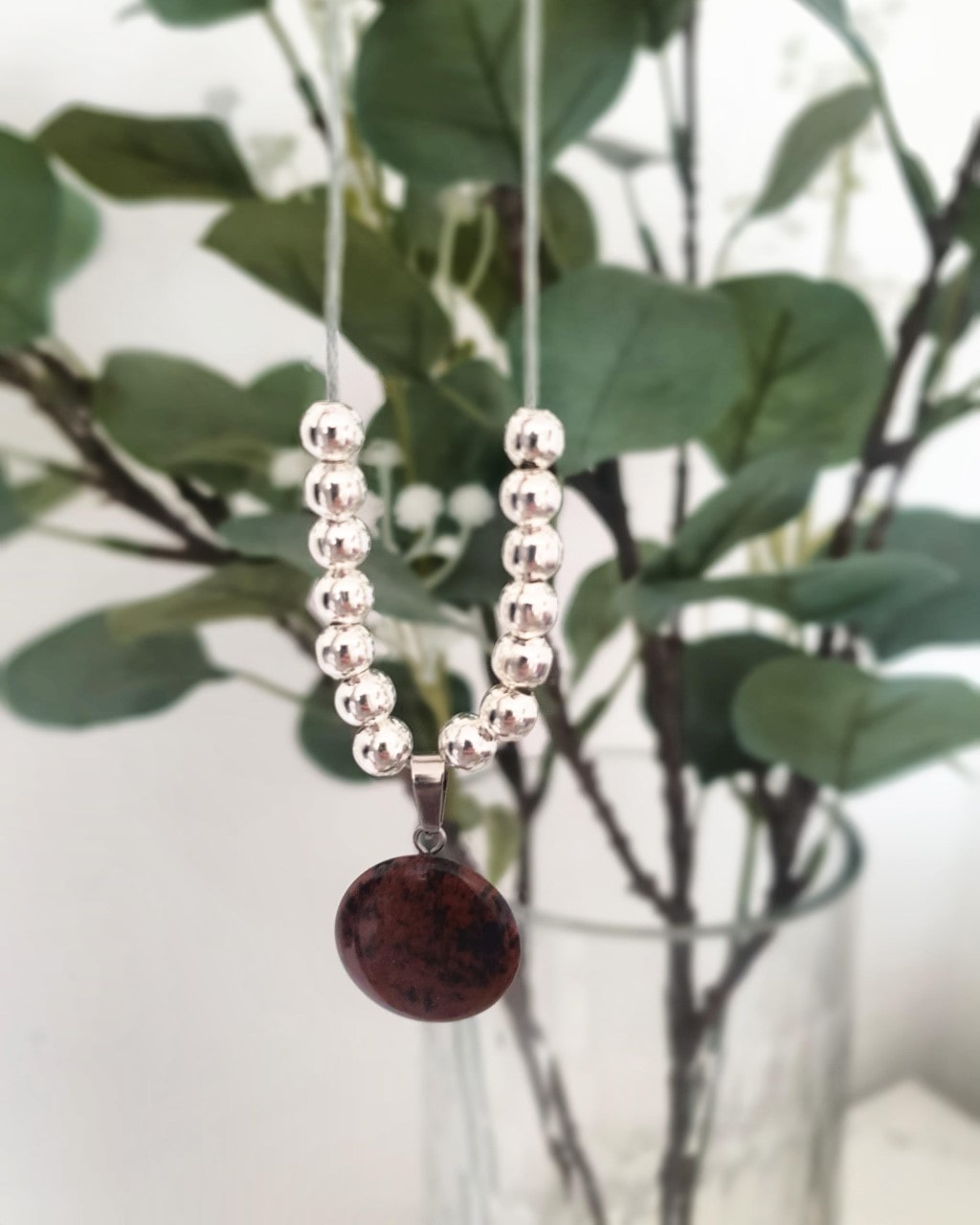
My need to fiddle with something to ease anxiety is always apparent. Earlier this year, I was talking to my friend about making jewellery and how cool it would be to make my own. I have always been into accessories, fashion and jewellery so I said I’d love to make something I can wear and carry with me discreetly but also fiddle with, to stop me from picking so much. 

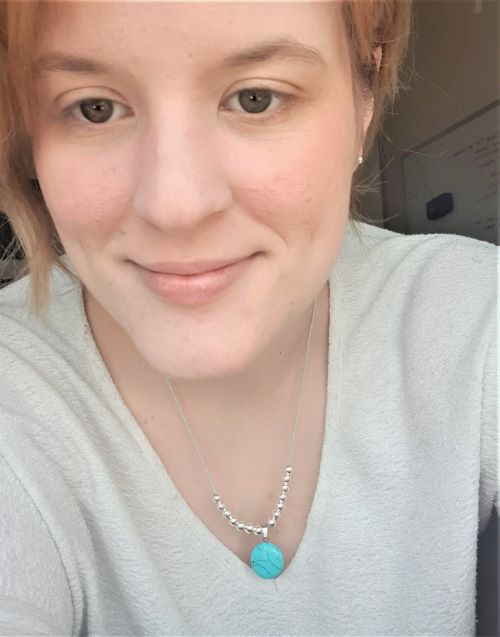
She mentioned worry beads and I was intrigued. I wanted to make my own twist on them. A prettier version, merging them with jewellery design that I would more likely wear, so I did and my life has changed. I have started a small business called Worry Knot.

necklace1

(image: Emma Johnson at Worry Knot)

Alongside selling calming jewellery, I’m blog writing. I’m advocating more widely about the importance of opening up when confusing and sometimes debilitating symptoms develop. Not only is it therapeutic for me to make my jewellery but it’s extra therapeutic playing with this jewellery a few times a day. 

Having something to focus on, things to make and to write about has been crucial in managing my own anxiety, especially at such an anxious time for the world. I hope my jewellery can go on to help those feeling anxious not only now but going forward into the future too.

emmajohnson1

beads

(Images: Emma Johnson)

For more information please visit:  www.worryknot.co.uk and instagram.com/worryknotuk

You can also find me @worryknotuk on Facebook and Instagram.


Emma Johnson is a writer with lived experience of mental health issues. She is the founder of Worry Knot, a jewellery brand to help others who have anxiety.    worryknot


Im not coping perfectly right now, but that’s OK: Lockdown Life by Eleanor

hopenikki

(image: Pinterest)

Hope will carry you through. At the moment it feels like fear is taking over at times! Everything is so uncertain with the current global pandemic and routines changing, being unable to source certain freelance work, having to stay indoors a lot, not being able to see friends or family in person. People dying and being hospitalised. Everything is scary. Add to that the fear of death, the fear of the virus whenever I go out and you have…

Anxiety overdrive!

I was in self isolation a few weeks ago for what could have been mild Covid 19- I had a dry cough, sweats and fatigue. I recovered and am fine and still don’t know if it was Coronavirus or something else.

Then, the UK went into a form of lockdown.

I am not coping perfectly with all this. I’m trying my best to put routine and structure into my days. Some days I am so tired from it all, I need an afternoon nap in order to be more productive. I wake some days feeling anxious about what is to come, it all feels so surreal. One night, I sat and cried as everything felt too much with trying to balance work and life.

But, I wiped my tears, talked it out with family and felt better.

One thing I have started is a project called Corona Cards which sends handmade cards to people feeling lonely or needing cheering up in isolation. I now have 3 other team members (Bex, Donna and Abigail) making cards and its been really enjoyable. We send them by post to UK residents at no cost to them and you can follow us on Twitter @corona_cards and Instagram @coronacards1.

We have sent about 30-35 cards already and you can request them by asking me or messaging our pages. We hope it helps people’s mental health, particularly anyone very low or suicidal.

Crafting and focusing on the project has helped me a lot, I go for a short walk to the postbox to post them and therefore have a purpose to my walks! To know it is helping people also means a lot, and I have had 2 back in return which is lovely.

Thankfully, I can still have sessions with my therapist by Zoom and I have family support too. It is such a strange time in all our lives and it is understandable that anxiety and fear will creep back in. Especially if we have loved ones who are ill or we have existing mental health conditions.

I have learnt that life is a long game. Obviously, simply telling you to think a particular way isn’t helpful, but if you can slowly train your brain with help , then you’ll get a much better perspective on everything surrounding life and Covid. By no means does this suggest that we should all look miles away in the future and think about retirement properties or what your grandkids will be like, it simply means that you should take stock of the most important things around you and prioritise those.

I am thinking of those who are ill, particularly the ones I know about personally and wish them a full recovery.

A wise friend of mine told me this week that it is OK to take time for yourself. To just be, to look after your mental health. She is right.

So right now, despite feeling like I should be constantly working or busy with Pesach cleaning, I will be looking out for self care and I hope you will too. Keep focusing on gratitude.

Wishing all my Jewish friends a happy Pesach and everyone else a good Easter break.

How are you feeling?

Eleanor x

Covid 19: Positive and Negative for Mental health and Work? Guest blog by Danielle Strouther

hajoon1

(image: morefamousquotes.com)


For anyone that’s suffering from anxiety, OCD or other mental health conditions, living through a pandemic is not a walk in the park. 

A time of crisis is enough to cause panic in anyone. If you’re already struggling with a ‘normal’ day, the added stress means it’s even more difficult to keep your head above water. 

But, it might not all be bad news. Using mental health data commissioned by Adzooma, there may be some light at the end of this tunnel. 


Why we should care about mental health

COVID-19 is a pandemic, with just under 500,000 people affected around the world as of March 26th 2020. 

To put things into perspective, mental health currently affects 676 million people worldwide. It’s not a pandemic, it’s an epidemic.

Mental health isn’t contagious. You don’t contract depression from shaking hands with someone that has it. But it is a crisis that’s often overlooked. In fact, 70-75% of people with mental illness receive no treatment at all, choosing to remain silent. This is particularly true in men, who make up 75% of all suicides. In the UK, men aged 40-49 have the highest suicide rates in the country.


Mental health caused 44% of all sick days 

1 in 5 employees have called in sick to avoid work. And no, this wasn’t because they simply didn’t want to go. It’s because their mental health had become too much for them to do their job. 

Rather than be honest, 90% of people lied about it, using another reason for their absence. 

In 2019, there were 602,000 total cases of work-related stress, depression or anxiety in the UK. That’s 44% of all health-related sick days.

The cost of this is projected to be between £39.4 billion to £99 billion each year for businesses. If you break this down, it can cost employers £1,300 per employee if they don’t have the mental health support in place for their staff. 

“My mental health has impacted my work. It’s caused me to leave jobs, to call out some days when it’s just too much for me to do normal day to day activities. I also have tried to go into work on days where I’m not 100% and my quality of work and productivity have suffered.”

Rhea – Via Adzooma. 


69% of people say working at home helps with mental health

Here’s the light at the end of the tunnel. According to research, 69% of people believe that working at home improves their mental health.

Around the world, offices are shutting en-masse, sending entire workforces to complete their jobs from the comfort of their own homes. If there’s ever a time that people needed space to focus on their mental health this would be it. 

Its given employees the space they need to recover mentally. Beyond that, it’s showing employers that their business is capable of functioning remotely.

The positive outcome of this is that hopefully after the COVID-19 crisis, we can set up a world where employees aren’t needed in an office every day. A world where employees are free to work at home and care more for their mental health – reducing office-based overheads and the cost of sick days. 


Astonishing mental health data

The data on mental health was complied by interviewing employees of a range of digital marketing and technology companies, including Google, Facebook and The Independent. It revealed stark information about the current state of mental health, such as: 

  • 67.9% of people state that their mental health has impacted their work. 
  • 57.5% of people state that work has a negative impact on their mental health. 
  • Only 32.1% of people have told their employer about their mental health. 
  • Of the 67.9% of people staying silent on mental health, 83.3% of them don’t plan on ever telling their employer. 
  • 66% pf people feel that their work is understanding about their mental health. 
  • But 46% of people feel like they don’t have enough mental health support at work. 
  • 90.4% of people believe working flexible hours can help with mental health. 
  • Only 24.4% of people have mental health first-aiders at their work. 
  • 91.7% of people believe there should be more services for mental health.
  • 89.9% of people think the government doesn’t do enough to support mental health. 
  • Only 28.6% of people currently access mental health services. 
  • But if more services were available to them, 66.7% would access them. 

Access the full data here. 


A push for positive change 

One of the best things to come of out the COVID-19 pandemic is people working together. 

Communities are being brought closer and we’re showing compassion and offering help in brand new ways. If you’re ever unsure of that, just watch a video of people coming together to applaud everyone who’s working to stop the virus every single night. It’s a wonderful show of camaraderie. 

It’s a global crisis and we’re in it together. Now, hopefully, we can carry on this momentum to help with mental health and continue the fight for better mental health support. 

With support, we can get better. We can push for positive change to help the crisis. Without support, it will only get worse.

Together, let’s take action and break the silence.


dannii (2)

This guest blog was written by Danielle Strouther. She is currently writing lots of words about all kinds of unique subjects at Adzooma and searching for a word she likes more than discombobulated. She has a masters in Film and Television, so can tell people she knows what’s good on Netflix.


Mental Health Tips to get you through Coronavirus Lockdown: Guest blog by Chantal Shaw

6-683x1024

(image: Self Care Pursuit)

If you’re stuck at home during the Coronavirus outbreak and need some tips to help with your mental health, you have come to the right place.

Being on lockdown can make us all feel depressed and more anxious. Self care for ourselves and our families are more important than ever.

Here are some suggestions of things to do to help your mental health and self care at the moment:

– Follow an exercise video- Listen to guided relaxation (I recommend channels ‘Relax for a while’ and ‘Michael Sealey’ on Youtube).

– Write down your thoughts and feelings in a journal- this helps to clear your mind.

– Nourish your body with healthy food and stay hydrated, so important to get help with groceries if possible and drink lots of water.

– Have a bath to help relax you and keep you feeling good.

– Watch stand up comedy on Netflix, Amazon Prime or on TV. 

– Do a puzzle, if you enjoy them.

– Play a board or card game.

– Limit your exposure to the news to once a day if you are able to stop anxious thoughts. 

– Bake/ cook – good for being mindful and creating something delicious, with a sense of achievement.

– Read a book and let your mind imagine.

– Go for a walk in nature (responsibly and if your country’s guidelines allow you to!).

– When you get up- make your bed and don’t stay in pyjamas all day, to get you into a good routine and positive mindset.

– Have a phone or zoom chat with positive influences in your life.

– Tidy your home as best you can.

– Play upbeat music (and dance or sing).

– A few drops of pure lavender oil in your bath or a lavender pillow spray to help you fall off to sleep and help reduce anxiety.

– Learn a new skill- many online courses are being offered.

– Break down the tasks that are overwhelming you in to small achievable chunks.


If you are having persistent overwhelming negative thoughts or feelings please tell someone- speak to a trusted friend or family member, your GP, the Samaritans on 116 123 (UK- you can also email them if you prefer), a counsellor.

Things can and will get better.

Our mental health is just as important as our physical health, look after it.


Chantal Shaw is a guest writer from the UK and the sister of our founder Eleanor.

We are 4! On Be Ur Own Light’s Fourth Blog Anniversary by Eleanor

fourcandle

Its Today- 1st March 2020 and Be Ur Own Light is 4 years old! (cue the streamers!)

I still remember starting this blog as an outlet for my fears, thoughts and emotions dealing with my bipolar and anxiety. The blog started as a way to tell my friends and family how I was feeling and has evolved into working with guest bloggers and now brands/ partners on sponsored wellness posts too! Writing the blog and sharing thoughts has been so therapeutic and it has taken me on  a journey that I could not have imagined.

In November 2019, I published my first book Bring me to Light with Trigger Publishing which is the book of my life story with bipolar disorder, anxiety and my life in general (travelling, going to drama school, starting a career as a writer). The blog has also grown so much this year and is currently nominated in the Mental Health Blog Awards for Blogger of the Year, thank you to our nominee!

Additionally, Vuelio awarded us as a Top 10 UK Mental Health Blog for the second year running and interviewed me (Eleanor) about working as a blogger!  Thanks also to Feedspot.com and My Therapy App for listing us in their mental health blog lists too for social anxiety and bipolar!

This year, I have written about World Bipolar Day for the Centre of Mental Health, about my search for EMDR therapy on the NHS, living with depression in winter, about writing my book and new life changes (getting married) and 2020 new year round up with hopes for the future. We also promoted mental health campaigns such as Shout UK text line (founded by the Duke and Duchess of Cambridge and Prince Harry and Meghan),  Christmas 4 CAMHS, Time to Talk Day and Mental Health Awareness Week. Additionally, I spoke in Essex with my Dad about our joint story with bipolar for the Jami Mental Health Awareness Shabbat and we also spoke at Limmud Conference in Birmingham!

This winter I did some interviews for the book which can be seen on the Book tab above and also received some lovely reviews. It was amazing to appear in Happiful Magazine’s bonus wellness Mag this January (edited by campaigner Natasha Devon) and to write for Glamour and Bipolar UK. I also enjoyed being interviewed for the Jewish News and Jewish Chronicle! Hopefully at some point I will do podcasts about it too and more interviews.

From March 2019-2020, the blog has attracted wonderful and talented guest bloggers wanting to spread their messages about mental health and wellness.

We have also worked with the following brands on sponsored and gifted posts and hope to work with many more this next year :  YuLife, Nutra Tea, Essential Olie, Loveitcoverit on mental health apps, I-sopod floatation tanks, Core Wellness Maryland, Wellbeing Escapes Holidays.

My guest bloggers have written about their recovery and living with mental illnesses, as well as advice on how to improve your mental health. There a posts for whether you are going through a divorce, a bereavement, are stressed or have anxiety. We also had posts with people’s first hand experiences of mental illness including a brave post about being a sibling of someone with mental illness and one of living with an eating disorder. Furthermore, Be Ur Own Light has also covered World Mental Health Day and Time to Talk Day this year, featuring personal mental health stories as a way to raise awareness and fight misconceptions.

We have also covered new books coming out, a mental health fashion brand and a song about social anxiety, as well as posts about different therapies to help you.

bloglogo

Thank you to my amazing guest bloggers (non sponsored) March 2019-2020 for your fantastic content:   

Ashley Smith- How Massage Therapy helps Anxiety Disorders

Emily Bartels- 5 tips for a mental health emergency plan

Dale Vernor- Understanding PTSD by Gender 

Tan at Booknerd Tan- How audio books and walking has helped anxiety

Emma Sturgis- Loving yourself, tips for a body positive life

EM Training Solutions- How to maintain mental health at work

David Morin- On social anxiety and talking to others

Lyle Murphy- How equine therapy can help those with mental health issues

Charlie Waller Memorial Trust- Best of Musicals event

A Time to Change Hypnotherapy-  Hypnotherapy for self esteem

Nu View Treatment Center- The connection between anxiety and substance abuse

Shout UK- Royal family launches mental health text line

Mental Health Foundation – Mental Health Awareness Week  May 2019 Body Image

Emerson Blake- Coping with the stress of becoming a single parent

The Worsley Centre- A guide to therapies and finding the right one for you

Byron Donovan at Grey Matter – How I recovered from depression to form a fashion brand 

Luci Larkin at Wooley and Co Law- How to reduce stress and maintain mental health during a divorce

Nat Juchems- How to keep your loved ones memory alive after bereavement

Emily Ilett- on her book ‘The Girl who Lost her Shadow’

Mark Simmonds- an interview about his book ‘Breakdown and Repair’ with Trigger Publishing

Curtis Dean- 5 facts about music for stress relief

Robert Tropp- How quitting illegal drugs helps anxiety in the long term

Aaron James- the difference between psychotherapy and counselling

Dr Justine Curry- 4 ways to help a friend with bipolar disorder

Christmas 4 CAMHS campaign for children in childrens mental health wards

Ani O- 4 ways to ease the fear of doctors appointments

Katherine Myers- Ways that spending time outdoors can improve your mental health

Anita- 5 ways to lift you out the slump of seasonal depression

Chloe Walker- taking care of your child’s mental health

CBT Toronto- how to deal with social anxiety and depression

Katy- a true story with anorexia and OCD

Vanessa Hill- Life changing habits to bring into the new year

Rachel Leycroft- Expressing social anxiety through songwriting

Shira- Living with a sibling with mental illness: the meaning of normal

Capillus- 10 signs you may have an anxiety disorder

Brooke Chaplan- When therapy isn’t enough 

Jami Mental Health Awareness Shabbat 2020 

Mike Segall- Time to Talk Day- 9 years undiagnosed, my story with bipolar disorder

Jasveer Atwal- Living with PCOS and managing mental health

Leigh Adley at Set Your Mind Free- How CBT helps children with anxiety

Lizzie Weakley- How to heal and move forward when you have an eating disorder

Sofie- Living with an eating disorder

Thank you so much to all of you and I am excited to see what 2020-21 brings for the blog!

Be Ur Own Light continues to be read globally and I love receiving your messages about the blogs and finding new writers too.

Heres to a 2020 of positive mental health, of fighting the stigma against mental illness and creating a positive and supportive community here. 

Happy 4th birthday Be Ur Own Light!  ❤ May this be an enlightening year of growth for us.


Love and Light always,

Eleanor    

xxx