
Celebrating A Decade Of Be Ur Own Light Blog- 10 Years!

On 1st March 2016, I wrote my very first blog about my mental health struggles with bipolar disorder and anxiety. For me, it was an outlet to share with friends and family what I was experiencing after one of the worst bipolar episodes I had faced and after hospitalisation in 2014. I didn’t realise that this traumatic time in my life, would also cause my mental health to dip and struggle further as I developed PTSD symptoms (panic attacks) and sat on a 2 year waiting list for NHS therapy. Professional support was not coming easily during this time, and so this blog became not only a therapeutic outlet but a place to connect with others going through similar things. And to explain to those who had never experienced mental illness, exactly what it can do but just how you can support those experiencing it.

Part of me can’t fully believe that I have been blogging consistently for 10 years. There have been times where I have wanted to give up but this little blog has been my saviour and in truth, helped me to launch a writing career that I did not expect and am so grateful for. It has also helped others to share their mental health stories and products, been a platform for mental health campaigns and charities and I am super proud of the impact we have had. One of our biggest accolades is being a Top 10 UK mental health blog by Vuelio every year since 2018- which means we are having a positive impact and reach!

The blog has published over 800 posts, with hundreds of thousands of views! It is read on every continent with a particularly large readership in the USA (as well as UK and other countries). We have covered so many topics- bipolar disorder, PTSD, anxiety disorders, depression, pre and post natal depression, OCD, BPD, eating disorders, psychosis, mania, schizophrenia, schizoaffective disorder, trichotillomania, addictions (drug, alcohol, gambling), body dysmorphia and mental health topics like child mental health, work stress, emotional burnout, relationships, domestic and sexual abuse, homelessness. We have shared about wellness products and worked with inspiring health and lifestyle brands.

The blog inspired me to share my own story far and wide – writing for mental health charities Mind, Rethink, Time to Change, Bipolar UK, No Panic, SANE and Metro.co.uk, The Telegraph, Happiful, Glamour, Jewish News, Huff Post. Featured in Cosmopolitan, Elle, Yahoo News and other publications. Thank you particularly to the editors at the publications for sharing my story and believing in my mission! This also led to me writing my book ‘Bring me to Light’ which was published in 2019 by Trigger and remains one of my proudest achievements. I then released my children’s book ‘Arabella and the Worry Cloud’ and had some writing featured in ‘The Book of Hope’ by my friends Jonny Benjamin MBE and Britt Pfluger (an amazing experience!). In 2017-18, I was also involved with setting up the Jami mental health shabbat in my community and spoke in several synagogues and at a community festival Limmud with my Dad, about our journey with bipolar. The same year that I started this blog (2016), I also met my now husband, who supports me through all of my writing and mental health work.

As I look back over the past 10 years, to where we were in 2016 with mental health stigma, I am proud to have played a small part in changing the landscape and narrative online around mental illness, particularly bipolar disorder and psychosis. We have many followers on social media platforms and continue to share about mental health and well being and be a resource for all those who need it, so they never feel alone.
(image: Ineffable Living)

Thank you to every single contributor (and every reader) to Be Ur Own Light Blog 2016-2026. Your words and belief in our mission to end the stigma around mental illness have meant the world to me. I hope going forward I can continue to share more real stories, more important information on care and treatment and campaign for better care.

There is still a way to go. NHS waiting lists are too long and care is under funded, leading to not enough beds. Mental health stigma online (and sometimes offline) sadly still remains high. As a society, although we have improved, we still need to fully understand mental health conditions and separate them from the person themselves. I am optimistic that things can and will change.

To everyone reading this going through a period of mental ill health or living with a chronic mental illness, I see you and you are never alone. As a blog community, we can come together to empower each other, so no one ever feels invisible and I hope that I can continue to write too.

Thank you, from my heart, for the past 10 years! Here’s to many more years,

Love and gratitude always,
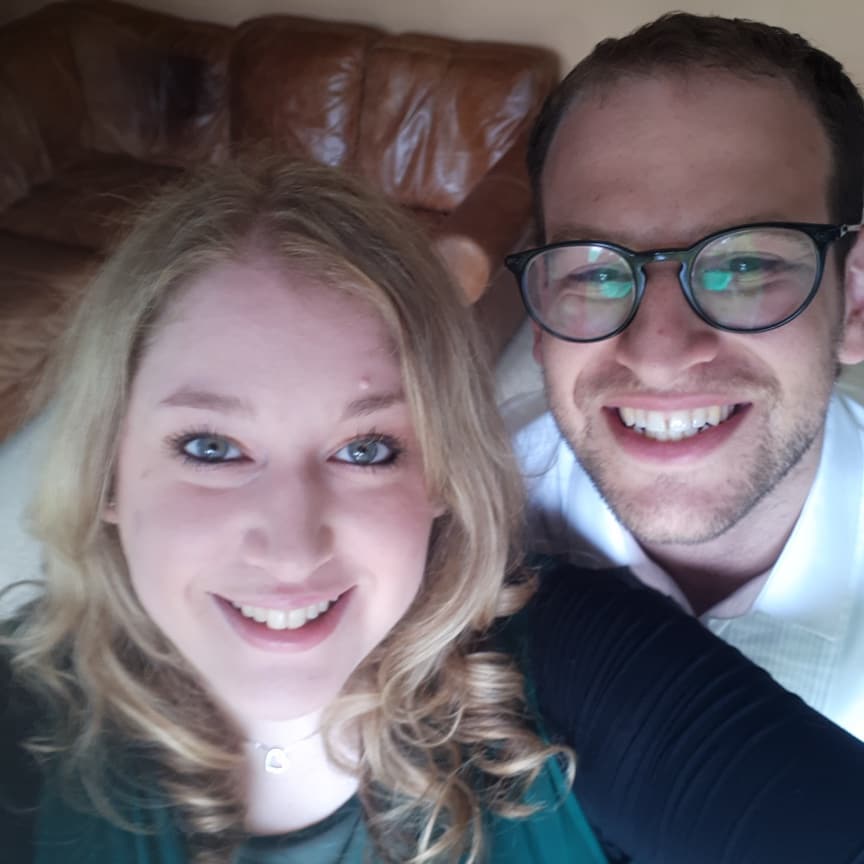
Eleanor

x

Understanding The Connection Between Hair Loss And Mental Health.

(image: Tamara Bellis)

For many of us, our hair is a part of our identity, a form of self-expression, and a source of confidence. So, when hair loss strikes, it can feel like a punch to the gut, leaving us feeling vulnerable, insecure, and even depressed.

But while hair loss presents real challenges, there are ways to face this struggle while protecting your mental well-being. Reframing your mindset, finding new ways to express yourself, and seeking support can help you regain control.

The Emotional Toll of Hair Loss

Hair loss can hit hard because it’s tied to how we see ourselves. Here are some reasons it can be emotionally challenging:

Loss of Confidence

Losing your hair can make you feel like you’re losing part of your identity or attractiveness. You might find yourself avoiding mirrors, skipping social events, or feeling uneasy at work.

The good news? You can take steps to rebuild your confidence. Start by seeing a doctor or dermatologist to figure out what’s causing your hair loss — whether it’s genetics, hormones, or another health condition. They can guide you toward hair loss treatments like minoxidil or hair restoration options.

Loss of Control

Hair loss can feel like an unpredictable journey, especially when it stems from factors like genetics, health conditions, or medications. This lack of control over the situation can leave you feeling frustrated and powerless. However, arming yourself with knowledge and seeking professional guidance can help restore a sense of agency.

Fear of Social Stigma

Society often equates a full head of hair with youth and attractiveness, making hair loss feel like a big deal. You might worry about judgment or feel isolated. Remember: hair loss is incredibly common, and embracing it on your own terms can help you regain confidence.

How Hair Loss Affects Mental Health

(image: towfiqu, Unsplash)

Hair loss isn’t just a cosmetic issue; it can have a significant emotional impact. Here’s how it might affect you:

  • Anxiety and stress: Constantly worrying about your hair can create a cycle of stress. Unfortunately, stress can worsen hair loss (a condition called telogen effluvium). Breaking this cycle means addressing both the physical and emotional sides of the issue.
  • Depression: For some people, hair loss can lead to feelings of sadness, hopelessness, or even depression. It’s not just about appearance — it’s about feeling disconnected from yourself and others. If these feelings persist, talking to a therapist can help.
  • Social withdrawal: When you feel self-conscious about your hair, it’s easy to retreat from social interactions. You might avoid events, gatherings, or even everyday conversations because you feel like everyone is noticing your hair. Over time, this isolation can make you feel lonelier and less confident.

Supporting Mental Health During Hair Loss

Dealing with hair loss can be an emotional rollercoaster, but there are practical steps you can take to protect your mental health and rebuild your confidence.

Seek Professional Guidance

Therapists can help you work through the emotions tied to hair loss. Techniques like cognitive-behavioral therapy (CBT) can help shift negative thought patterns and build resilience. Joining a support group — online or in-person—can also be a great way to connect with others who understand what you’re going through.

Explore Your Treatment Options

Today’s hair loss treatments offer more choices than ever. Depending on the cause, options might include medications, topical treatments like minoxidil, or even surgical procedures like hair transplants. Consulting a dermatologist can help you create a personalized plan.

Experiment with Alternatives

While waiting for long-term treatments to work, consider wigs, toppers or hairpieces. These options have come a long way in terms of comfort, quality, and appearance. They can provide a confidence boost and allow you to experiment with different looks without committing to permanent changes.

Prioritize Your Overall Health

Your overall health plays a big role in how you feel — and even in the health of your hair. A balanced diet with nutrients like iron, zinc, and biotin can support hair growth. Regular exercise helps manage stress and boosts your mood, which can also help with certain types of hair loss.

Lean on Your Support System

Talking to friends or family members you trust can make a huge difference. Sharing your feelings with someone who listens and offers encouragement can help you feel less alone and more supported.

Hair loss is a personal journey, and it’s normal to feel a mix of emotions as you go through it. The most important thing is to focus on what makes you feel empowered. Whether it’s exploring treatment options, connecting with supportive communities, or finding new ways to express yourself, you have the tools to take charge of your well-being.

No matter where you are in your journey, help is available. With the right support and resources, you can move forward with confidence.

This blog was written by a freelance writer and contains paid links.