


(image: Channel 4)
Channel 4 to launch Lloyds Bank’s £1m award-winning Diversity in Advertising campaign
- Professor Green, Victoria Pendleton, Jeremy Paxman, Rachel Riley, Ade Adepitan, Alistair Campbell and Alex Brooker star in Lloyds Bank’s mental health awareness campaign
- New research finds 75% of people believe there is a stigma in Britain attached to people with mental health conditions
- Almost three quarters (74%) think the average person would be unwilling to discuss their own mental health issues
- But nearly three quarters (72 per cent) think society has a better understanding of mental health conditions
- Openness of celebrities and media coverage contributes to positive change
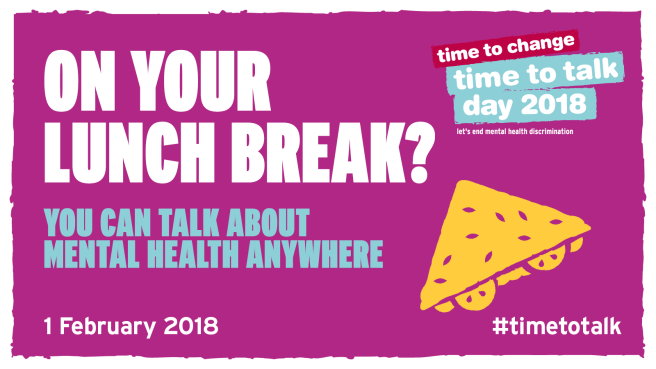
Lloyds Bank’s winning ad campaign of the Channel 4 £1m Diversity in Advertising Award launches exclusively on Channel 4 on mental health awareness Time To Talk Day (1.2.18).
The adverts will feature celebrities – including Professor Green, Jeremy Paxman, Rachel Riley and Alex Brooker – as well as members of the public and Lloyds Bank colleagues playing a variation of the ‘Who am I?’ sticky-note guessing game, to explore the common misconceptions about living with a non-visible disability.
And to coincide with the campaign’s launch, a new Lloyds Bank and Mental Health UK survey, reveals that although improvements have been made in how society thinks about mental health, 75 per cent of people still think there is a stigma attached to the issue.
Lloyds Bank and creative agency, adam&eveDDB, created the mental health adverts after winning Channel 4’s Diversity in Advertising Award, set up by the broadcaster to improve diversity in advertising.
As the award winner, Lloyds Bank will receive £1m worth of advertising airtime on Channel 4. The competition invited entrants to put forward creative ideas featuring non-visible disabilities.
Channel 4’s Sales Director Jonathan Allan said: “Producing an advert that puts non-visible disabilities at its heart was a demanding brief and it’s been a real pleasure working with Lloyds and adamandeveddb as they developed a fantastic new campaign that makes people think more profoundly about mental health.
“If this campaign can encourage the public and advertisers to think a little harder about all aspects of diversity, it can help make a real difference to people’s lives.”
“The TV ad is brilliantly simple, yet hugely effective,” says Robin Bulloch, Managing Director, Lloyds Bank. “And while winning the Channel 4 Annual Diversity in Advertising Award in itself is a great achievement, the positive difference the campaign will hopefully allow us to make to so many people’s lives is the real ambition here. By raising awareness of invisible disabilities and taking action to promote healthy wellbeing, we can support our colleagues to recognise the signs and feel confident and equipped to support customers and each other.”
Lloyds Bank has been working with Mental Health UK to launch #GetTheInsideOut which will appear on the adverts. #GetTheInsideOut campaign will encourage more people to speak about mental health and aims to inspire those living with a condition to speak up about mental health.
Research from Lloyds Bank and Mental Health UK, undertaken by YouGov, found that seventy-five per cent of respondents feel there is a stigma in Britain attached to people with mental health conditions. And 88 per cent feel society needs to do more (much more (62%) or a little more (25%)) to better understand mental health issues.
The survey reveals that 67 per cent of respondents think people are more comfortable talking about mental health conditions now than they were five years ago. And people feel that the four main factors behind this change were – celebrities talking about mental health (70 per cent); media stories about mental health (70 per cent); societal change (68 per cent); and charities raising awareness (56 per cent).
But the research also reveals that 74 per cent of respondents think people would be fairly unwilling (62 per cent) or not willing at all (11 per cent), to discuss their own mental health issues.
Managing Director of Mental Health UK Brian Dow welcomed the research commissioned by Lloyds Bank and said: “We have come a long way in a short time to raise awareness. In large part thanks to the hard work of the charity sector, campaigns like Time to Change, a willingness of celebrities, notably the Royal Family, to talk about mental health and positive engagement by the media.
“Nevertheless this research shows that we cannot rest of on our laurels – there is a lot more that we need to do.”
Although the survey showed that people think significant steps have been made in the past five years on people’s awareness of mental health, more still needs to be done.
The survey discovers that compared to five years ago;
- 72 per cent of respondents think that society has a better understanding of mental health conditions
- 69 per cent feel people empathise more with people with mental health conditions
- 70 per cent think society is more aware of the everyday realities of living with a mental health condition
- 70 per cent also feel there is more awareness of mental health issues raised in the media
In addition;
- Fifty-six per cent of respondents said they’d feel comfortable talking to someone they don’t know very well about their mental health.
- While 37 per cent said they’d feel uncomfortable, with over half (57%) of this group concerned that they might offend the person and a similar proportion (56%) worried they would embarrass or upset themLloyds Bank and Mental Health UK Charity Partnership
Lloyds Bank is proud to be working in partnership with Mental Health UK. Together the Bank and Charity aim to promote awareness of the link between mental health and money problems, encourage discussion between customers and colleagues. To date, colleagues and customers have raised over £4.8 million which has enabled Mental Health UK to design, build and launch a pioneering new service called Mental Health and Money Advice. This service is the UK’s first advice service dedicated to helping people understand, manage and improve their financial and mental health.
For further information –
Channel 4 –
Tim English, Group PR Manager
- 020 7306 6984
- tenglish@channel4.co.uk
Lloyds Bank –
Eve Speight
M: 07585965319
E: eve.speight@lloydsbanking.com


 beurownlight.com