Life is often a rollercoaster of positive and negative experiences, interspersed by the normal every day that we can take for granted. But what happens when life throws a curveball that you hadn’t foreseen- health worries, financial stress or maybe a relationship breakdown? Sometimes, all of these can happen at once. Heres some ideas that can help when life gets tough.
Don’t bottle up your feelings and keep it to yourself. Make sure you talk about your feelings with a trusted loved one, therapist or helpline. You can also journal your feelings as writing can be really healing.
2. Nourish yourself daily with healthy food and do gentle exercise. Some delicious protein, healthy carbs and a little walk, yoga or a swim can really help.
3. Treat yourself to some self care or do something creative that you love- whether its creating art, writing, vlogging. performing- if it makes you smile and distracts you from troubles then do it! I find that washing my face and using my favourite skincare products also helps with self care.
4. Scale back the difficult demands on you if you can and be kind to yourself- Don’t punish yourself or try to do too much when things are challenging. Reach for support around you especially if you are a parent, pet parent or have caring responsibilities.
5. Watch something comforting or funny- a good movie or TV show is distracting and can work wonders.
Most importantly- if you feel yourself spiralling into anxiety, depression or crisis point please reach for help from mental health services . Call NHS 111 for help in a crisis.
Coping when life gets difficult isnt easy. These are just a few tips to help. If you are facing worsening or severe mental health issues, please reach out to professionals to help you- GP, psychiatry or a therapist. In an emergency in UK, dial 999.
This weekend was World Mental Health Day, an important day to shine a light on mental health and people with lived experience of depression, anxiety disorders, bipolar, psychosis, eating disorders, schizophrenia, OCD, PTSD, BPD, EUPD and many other conditions.
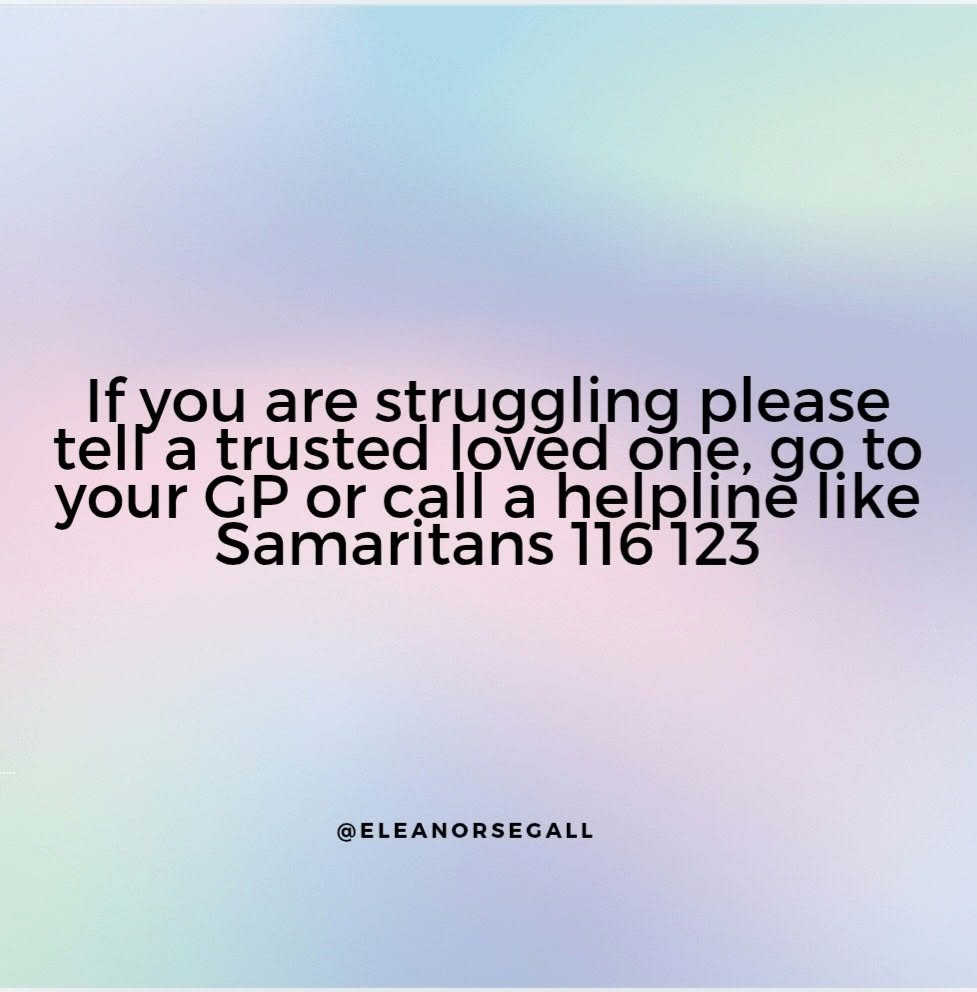
Today I want to tell you- do not suffer in silence. If you are struggling please tell a loved one, a therapist or a trusted GP. There are also incredible helplines including Samaritans (116 123 in UK), JTeen, SHOUT and UK charities running services including Noa Girls UK, Jami, SANE, Mind Charity, Bipolar UK and Rethink Mental Illness.
(image: E Mandelstam)
Ive written about my journey with Bipolar 1 and PTSD/Panic disorder. Please make sure you do not suffer with painful feelings or dark thoughts alone. Talking saved my life and I hope it will help you on the road to recovery. You matter and you are not alone.
You can also call NHS 111 option 2 for urgent mental health support and call 999 for emergencies.
Remember the theme this year is for those of us with lived experience to talk safely and make change where we can.
This week I was on a call with a very special friend, the talented illustrator of Arabella and the Worry Cloud (our kids book on anxiety)- Shelley. I was speaking to her about the challenges of being a self-employed independent writer- financial and as a founder, everything being on you. She told me to believe in myself and my writing and not give up! Those kind words have meant everything during a challenging time.
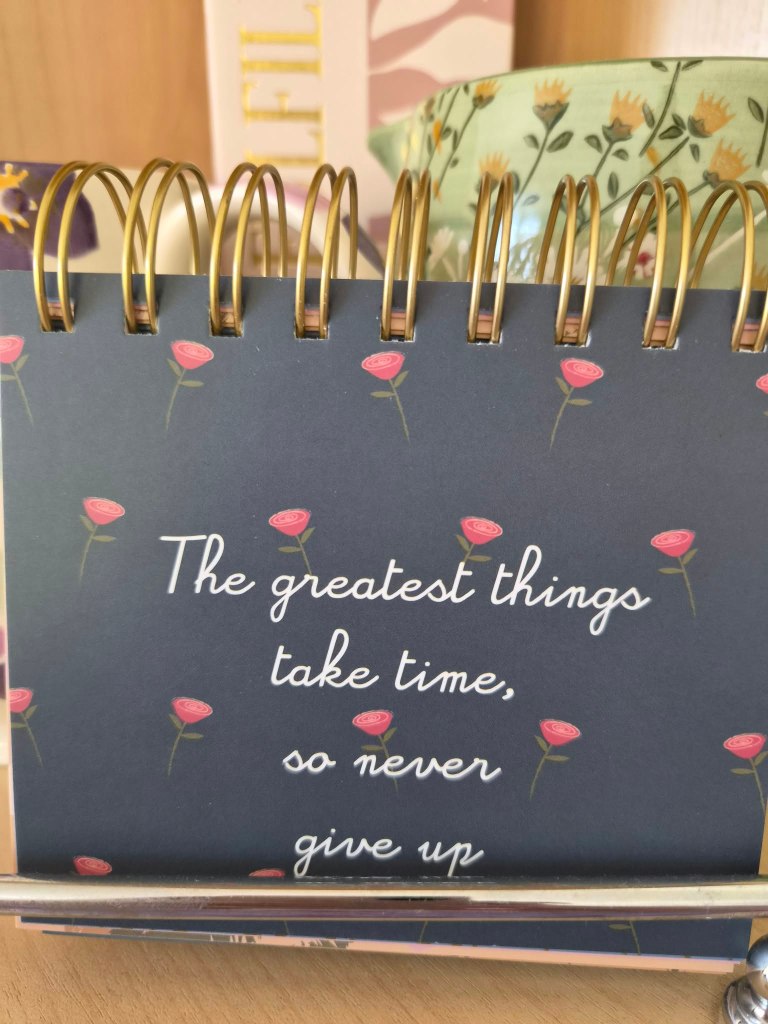
Then, today, I decided to pick an affirmation from my flip chart (that another lovely friend had got me for my birthday) without looking. I flipped the chart over and not only does it have pink roses (a special flower to me that is a positive sign I asked for) but I received the message,
‘The greatest things take time so never give up.’
And so, even though being a writer, a creative can be exhausting when you aren’t famous with lots of money coming in- I remember why I wrote Arabella, the children I wrote for and who need to hear its message. And because I have had this message twice this week, I will not give up. On my writing, on my journey through life and its ups and downs. I won’t give up on my first book either.
Living with bipolar 1 from the age of 16 meant living with deep depressions, of which suicidal thoughts were a part. Being able to safely share these with family and psychiatrists in the past saved my life and helped me hold on in the dark moments of bipolar episodes. I am not alone in feeling this way- millions are struggling now, today. Medication, therapy and support keep me well.
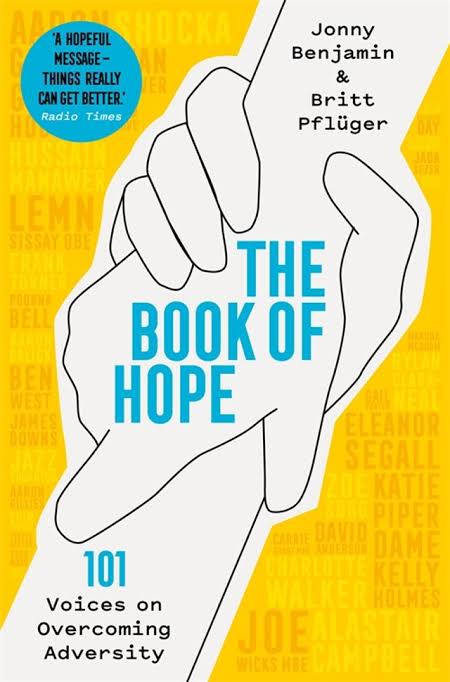
So today I read from my essay in this very special book to tell you- ‘You will feel the sun and smell the rain again, even after suicidal depressions when you lay in bed wanting to disappear. ‘
Please reach for help when you start getting these thoughts and hold on- a better day is coming. Helpline numbers includingSamaritans at 116 123 are available if you need to talk and feel in crisis.
I also know the devastation of losing a loved one to suicide and conversely, to help people through these thoughts. Their stories are not my own so I am not sharing them today but I hope that today and every day we focus on suicide prevention and support for all who are struggling.
Many people die every day and every hour from suicide in the UK and globally. 7000 lives lost a year on average in the UK to suicide and 75% of these are men according to research by CALM charity.
Taking their own lives is often the only way they can see to end their own deep pain and suffering- whether as a result of trauma, mental health issues and life circumstances (abuse, addiction, divorce, parenting struggles being just a few).
If you feel suicidal or very low, please tell a trusted person or if in the UK call Samaritans on 116 123.
Today’s blog is about a very special calming self care gift box – The Steady Box that was kindly sent to me by post to review from James Marchant at The Little Box of Mindfulness here in the UK.
I chose the Steady Box to review as someone who lives with an anxiety disorder at times and I wanted to see this self care box and how it can help calm anxiety by being mindful. The Steady Box is created for ‘people navigating anxiety, worry or emotionally overwhelming periods. A thoughtful gift designed to bring grounding, reassurance and gentle moments of calm.’. The Steady Box creates space for pause, presence and the feeling of being supported.
I opened the little black box and on the packaging it says ‘You are in someone’s mind this moment is yours‘. So already as you open it, you are feeling loved and welcomed. Each box also includes access to digital mindfulness practices, extending the feeling of care long after the gift is received. When you open the little box which is compact and fits through a letter box easily, you open to a winking face and a message- ‘You are not your thoughts, this moment is yours. Breathe. You’ve got this.‘ and some beautiful resources nestled within:
(image: The Little Box of Mindfulness)
A painted blue and cream handcrafted ceramic thumb stone (created by a local potter) to help with mindfulness and slow breathing when anxious. You hold it between your thumb and finger, focus mindfully on its texture and weight and then breathe slowly, returning to the present. The stone feels so calming and will make a lovely gift to a friend or loved one who needs to practise calming anxiety through mindfulness and breathing.
A Little Mindfulness box- a ‘Pause Pack’ containing items to help you ‘reconnect and reflect’, exploring at your own pace. These contain reflection cards with calming photos, affirmations about dealing with anxiety and lifes challenges( and finding strength and peace) and on the back, mindfulness prompts. They remind you to be in this moment, be still, breathe, name and ground yourself in the present;
There is also a leaflet teaching you how to ground yourself in the present (eg 5 things you can see, 4 things you can heal, 3 things you can hear) and a QR code for digital mindfulness resources that James has curated online.
Lastly, the box includes a Mindful Checklist card where you can tick off activities to help calm anxiety through mindfulness eg ‘I drank some water’, ‘I moved my body’, ‘I reminded myself I am safe’, I let go of one unhelpful thought’ , ‘I paused and noticed my breath.‘
(image: Little Box of Mindfulness)
This box retails at £15 and it makes the perfect letter box gift to send to a friend that needs to breathe, find a moment of peace to steady and ground themselves. I would recommend it as someone who lives with anxiety- I particularly liked the calming activity of slowing down and breathing with the thumbstone. As someone who has learnt a bit about how to practise mindfulness, I would say this box would be particularly useful at managing anxiety before it turns into a panic attack.
The Little Box of Mindfulness describes this as a’ refined letterbox gift for moments when words feel hard to find. A way to offer reassurance, presence and the quiet message that someone is thinking of them.‘. I would agree that it would make a lovely gift to send to reassure someone!
James Marchant, the founder and creator of the Little Box of Mindfulness, said to me, “I created these boxes with the simple hope of helping people feel remembered and supported during difficult moments, so it means a great deal to know the Steady Box resonated with you personally.” I truly love these products and the story behind them!
James created ‘The Little Box of Mindfulness’ due to his own battle with anxiety, stress and career burn out. He says, ” I’ve experienced anxiety in my own life and have seen first-hand how difficult moments can affect both individuals and families.The Little Box Of Mindfulness was created from a simple belief: when someone is struggling, small acts of kindness can make a real difference.Sometimes it’s hard to know what to say or how to help. My hope is that these letterbox gifts make it a little easier to reach out and remind someone they’re not alone.”
James’ story is so inspiring and I truly love these gift boxes and the concept. As well as the Steady Box there are two other boxes in the mindfulness range. They also sell beautiful self care mental health gift sets for thinking of you, bereavement, stress and burn out which are lovely and contain different treats. You can see all the mental health gift sets here: https://littleboxofmindfulness.co.uk/collections/mental-health-gift
Thank you James for gifting me this wonderful box to review!
(Image: Little Box of Mindfulness)
This article is a sponsored and gifted review. All thoughts on the product are my genuine review.
Not everyone can understand or relate to what feeling overwhelmed is really like, nor can anyone truly control whether they experience it or not. Typically, we feel overwhelmed when our brains reach their capacity to process and store information.
Decades of scientific research have allowed us to understand some of the triggers that can cause us to feel overwhelmed, and chances are, you will be no stranger to a few of them. It can sometimes be as simple as a lack of sleep, which can cause the brain to process information at a much slower rate than usual. Sleep deprivation alone isn’t a direct cause of feeling overwhelmed. It’s common for other factors like daily responsibilities, work stress and life changes to also make it harder for our brains to think clearly and rationally. In this article, we will discuss some of the main causes of overwhelm and how to navigate the feeling if it arises.
Factors That Drive Feeling Overwhelmed
Everyone experiences overwhelm differently. For some, it’s an evident but manageable feeling, whereas for others, it can be completely overpowering and intense. Overwhelm occurs when our brains experience cognitive fatigue, which can be caused by a number of factors. Sensory saturation is one of the most common causes of overwhelm and occurs when too many sensory stimuli overload the brain at once. Sensory stimuli are anything you see, smell, hear, touch or taste. Some stimuli tend to be more taxing than others, for example, constant phone notifications or a repetitive background noise. When our brains process too many stimuli at once, our nervous system is constantly activated and rarely gets to switch off and reset.
Feeling overwhelmed can also be caused by unrealistic expectations or perfectionism. If you hold yourself to extremely high standards that are impossible to live by, you can easily become overwhelmed when everything seems equally urgent and important. Life’s not perfect, and it’s also unpredictable, which is why when you aim for perfection or strict control over your life, you can feel overwhelmed with how challenging it can actually be.
Some people feel overwhelmed by very specific situations, usually because of a traumatising event they’ve previously experienced, which has caused their nervous system to be stuck in overdrive. Experiencing a traumatic event can be life-changing for your nervous system, as it can easily become hypervigilant to everyday occurrences that could put you in danger. While it’s essential that your body is alert to life-threatening situations, it can be damaging if your nervous system stays in this fight-or-flight state longer than necessary. Essentially, your body is always in survival mode, which exhausts your nervous system and impairs your brain’s functioning, making you feel overwhelmed and exhausted much more quickly than others.
It’s helpful to understand the different situations that can trigger overwhelm to arise, but it’s important to also recognise that there are some situations that are harder to prevent, such as overwhelm in the workplace. In more serious cases, individuals may be entitled to mental injury compensation if workplace conditions have caused overwhelming stress that has developed into a recognised mental health condition. These situations prove just how serious feeling overwhelmed can be if it’s not treated.
How To Recharge After Feeling Overwhelmed
The quickest and most effective way to recharge after feeling overwhelmed is to take a break from everything in front of you. If you’re overwhelmed by your environment or even your phone, try removing yourself and find a quiet, secluded space where you can slow your thoughts down. Block notifications on your phone so that you can’t be triggered by the
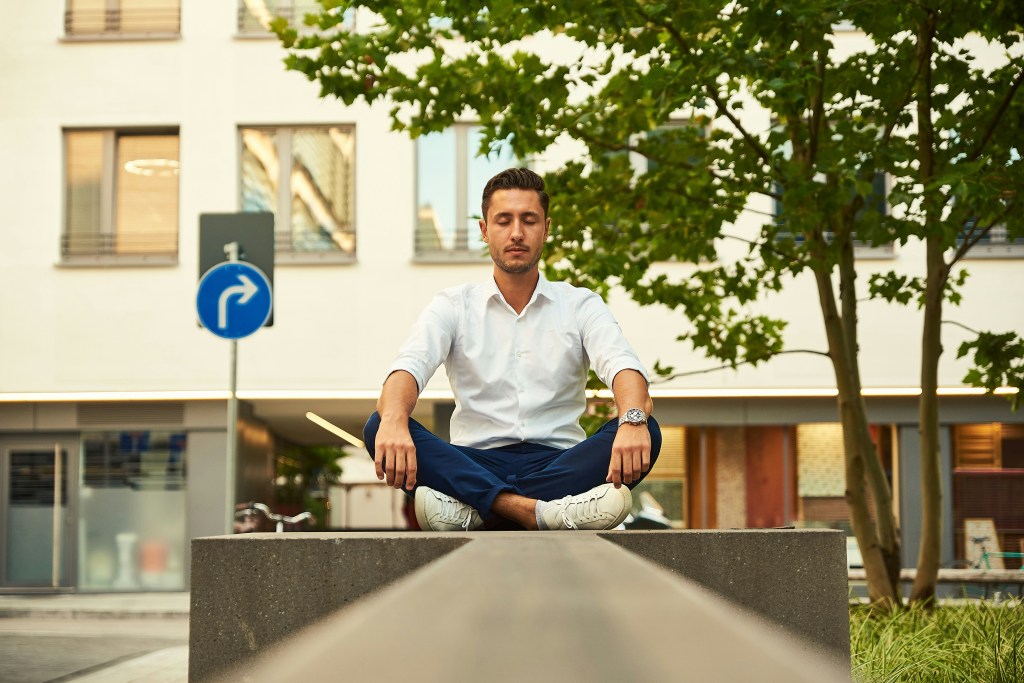
noise or thoughts they provoke. Although many find it difficult, deep breathing and grounding techniques are great for slowing down your nervous system so that you feel in control of your thoughts again. A popular grounding method involves paying attention to what’s around you, and naming what you can see, feel, hear, smell and taste. This technique directs your focus to the present moment and acts as a distraction from the overwhelming thoughts you might be experiencing. It’s also a proven technique to calm anxiety.
Another scientifically-proven technique to release feelings of stress when you become overwhelmed is to physically move your body. Whether it’s a light stroll, stretching or a brisk walk, physical activity lowers stress hormones like cortisol and flushes out toxic chemicals that have built up in your muscles, helping you to instantly feel more relaxed.
(image: Brett Jordan: Unsplash)
How To Get Help When You Feel Overwhelmed
Dealing with overwhelm by yourself can be extremely challenging, especially when it occurs regularly. The best help you can get with feeling overwhelmed is support from family, friends or a professional service. Never feel embarrassed or afraid to reach out for support if you’re struggling with feelings of overwhelm. It is a common experience, and with the right support and coping strategies, it can be effectively managed.
If you’ve ever tried to get mental health support, you’ll know that it can feel like watching a game of ping-pong. You call one service, and they refer you to another. They point you to a helpline, which suggests a group. And at the end of it all is the bottom of a waiting list.
There’s a big shortage of mental health support out there. Whether you’re one of the millions struggling with a severe mental health illness, or simply going through a difficult time in your life, it’s never been harder to find care.
It’s not good enough, and everyone deserves access to the support they need – whether that’s a therapist, a diagnosis, a helpline, a support group.
But the truth is that no service, however good, can give us everything we need, all of the time. The toughest moments in life don’t wait for a therapy appointment. There will always be moments where you’re on your own with it.
That gap is what I built Tough Minds for.
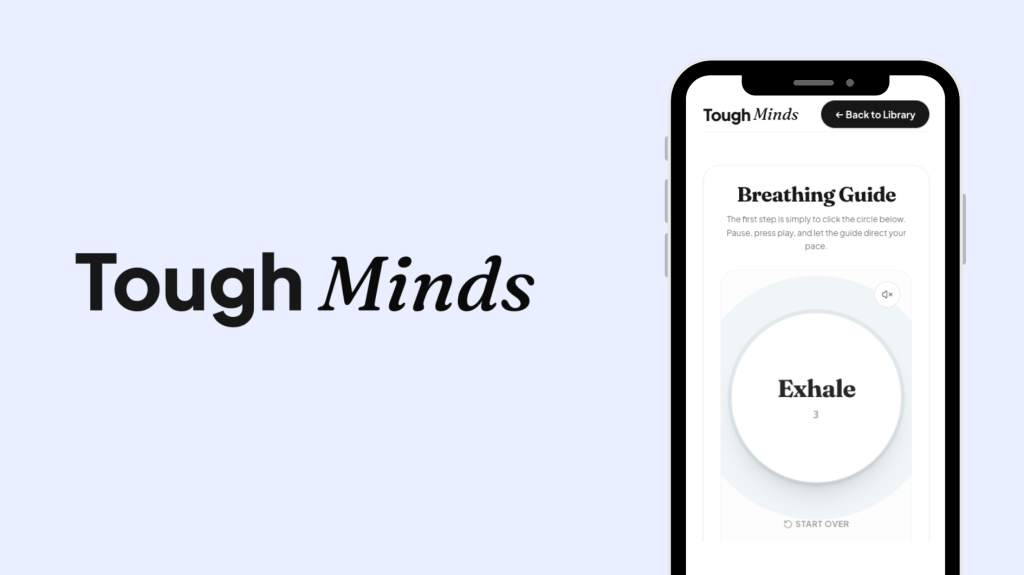
Tough Minds is a completely free, online toolkit to help you go from a difficult moment into a lighter one. There are breathing exercises, guided meditations, an urge-surfing timer, and calming soundscapes to help you relax or decompress.
These are exactly the sort of exercises that a therapist or counsellor might recommend you try – but the ones that are so hard to remember at 2am when you’re in a crisis, or when you’re trying to fight off a difficult urge, or when you just need five minutes to breathe before a job interview.
That’s why Tough Minds has no sign-up, no app to download, nothing to pay for, no ads. Whenever you need it, you can just go to Tough Minds.
(image: Mediensturmer: Unsplash)
Building emotional resilience
Those in-the-moment tools are only half of the reason I created Tough Minds. The other half is about building the underlying skills that can make those difficult moments less frequent and less severe.
We are less likely to be taught how to look after our mental health in school – and that’s a problem. We only ever learn how to look after our minds once we hit a crisis point – which is a bit like taking your first driving lesson when you’re already halfway round the M25 (UK motorway).
It doesn’t have to work that way.
Building Emotional Resilience
Tough Minds also has tools, games and exercises to help you build emotional resilience – the sort of skills you might learn in therapy. There are skills that help people manage emotionally difficult moments and even help with some mental illnesses. Skills like having a wide vocabulary for your own emotions, or knowing how to catch and reframe a spiralling thought before it takes hold.
These are skills like any other – they can be built so they’re there when you need them. That’s the part of Tough Minds I’m most excited to keep building: to improve and steady mental health.
None of this is about pretending that a website or an app can do the job of real support services, or the human-to-human support that so many of us benefit from.
However, what Tough Minds can do is help all of us take care of ourselves. Not instead of support, but around it: when you’re on a waiting list, the days between sessions, the stretch of life after a course of treatment ends, and for the times life is just a little hard.
If that sounds useful to you, you can find Tough Minds at toughminds.org. It’s free, and it’s there whenever you need it.
Stress is a normal part of life, but when it becomes persistent or overwhelming, it can have a significant impact on emotional wellbeing, physical health, relationships, and overall quality of life. Many people experience periods of increased stress due to work responsibilities, family obligations, financial concerns, health issues, or major life changes. While occasional stress is expected, chronic stress and anxiety can gradually interfere with daily functioning and make even simple tasks feel difficult.
One of the most common signs that stress is becoming problematic is when it begins affecting sleep. People may struggle to fall asleep, wake frequently throughout the night, or wake up feeling exhausted despite getting several hours of rest. Poor sleep often contributes to increased irritability, difficulty concentrating, memory problems, and reduced productivity during the day. Over time, this cycle can become difficult to break without addressing the underlying causes.
Anxiety can also present itself in many different ways. Some individuals experience constant worrying or racing thoughts that are difficult to control. Others notice physical symptoms such as muscle tension, headaches, rapid heartbeat, stomach discomfort, sweating, or feelings of restlessness. These physical symptoms are real and can significantly impact daily life, even when there is no immediate danger or threat present.
Another important sign of ongoing anxiety is avoiding situations that once felt comfortable. Someone may begin declining social invitations, avoiding public places, postponing important decisions, or putting off responsibilities because they feel overwhelmed. While avoidance may provide temporary relief, it often strengthens anxiety over time and makes returning to normal activities increasingly difficult.
Stress and anxiety frequently affect workplace performance as well. Individuals may find themselves struggling to stay focused during meetings, completing projects more slowly than usual, or feeling mentally exhausted by routine responsibilities. Decision-making may become more difficult, and confidence can gradually decrease. These challenges are common and should not be viewed as personal weaknesses but rather as potential indicators that additional support could be beneficial.
Relationships can also be impacted. Increased stress may cause someone to become more withdrawn, impatient, or emotionally reactive. Misunderstandings with spouses, family members, friends, or coworkers may occur more frequently. Loved ones often notice changes in mood before the individual fully recognizes them. Open communication and early intervention can help prevent these difficulties from becoming more serious.
(image: Unsplash)
Healthy coping strategies play an important role in managing everyday stress. Regular physical activity has consistently been shown to improve mood and reduce anxiety symptoms by releasing natural chemicals that promote emotional well-being. Even moderate activities such as walking, cycling, or yoga can provide meaningful benefits when performed consistently.
Maintaining healthy sleep habits is equally important. Going to bed and waking up at consistent times, limiting caffeine later in the day, reducing screen time before bedtime, and creating a relaxing evening routine may improve sleep quality. Nutrition also contributes to mental wellness, as balanced meals help support stable energy levels and brain function throughout the day.
Mindfulness techniques, deep breathing exercises, meditation, and progressive muscle relaxation can help reduce the body’s stress response. Many individuals also benefit from journaling, spending time outdoors, engaging in hobbies, or maintaining meaningful social connections with supportive friends and family members.
However, self care alone is not always enough. When symptoms persist for several weeks, interfere with work or relationships, or significantly reduce quality of life, speaking with a qualified mental health professional can be an important next step. A comprehensive psychiatric evaluation helps identify contributing factors and allows treatment recommendations to be tailored to each individual’s unique circumstances.
Modern psychiatric care often includes a combination of approaches. Depending on a person’s needs, treatment may involve psychotherapy, medication management, lifestyle recommendations, or collaboration with therapists and primary care physicians. Every treatment plan should be individualized, with ongoing monitoring to ensure that progress continues and adjustments are made when necessary.
Seeking help early can often prevent symptoms from becoming more severe. Mental health conditions are highly treatable, and many individuals experience substantial improvement with appropriate care. Reaching out for professional guidance demonstrates strength and a commitment to long-term health rather than weakness.
If you or someone you care about has been struggling with persistent anxiety, chronic stress, mood changes, difficulty sleeping, or emotional challenges that interfere with daily life, consulting aCarmel IN psychiatrist can provide valuable guidance, accurate diagnosis, and personalised treatment options designed to help restore emotional wellness and improve overall quality of life.
Two weeks ago, my husband and I moved into our new cottage type house (not the one in the photo!). It has been a journey for us to get here and something we have been working towards for several years- and honestly, we weren’t sure we would be able to buy a house (with a mortgage) in the area we live in as we’re in London and prices are expensive. We are also aware to even be on the property ladder is a dream come true for so many and we know many people renting. So we are really grateful this has happened for us as we spent years living in a small 1 bedroom shared ownership apartment and weren’t sure we could move.
Moving to a new home can be unsettling but I remember just sitting down on the couch a few weeks ago and trying to drink in that this house is actually ours. I feel so so grateful.
We spent a couple of years at my Mums due to a dip in our finances (in 2024, I lost all my income overnight and had to rebuild it) and trying to find the right place for us- and over this period of time, two properties (a small house and a flat/apartment ) we offered on fell through due to various twists and turns. I was even considering moving to a different area entirely because it felt like what we needed was out of reach for us.
(image: Tatyana P Unsplash)
The overriding emotion is gratitude because our families and friends have been so supportive and kind to us, feel privileged.
I definitely struggled a lot during the time of being at my Mums due to being in a waiting season of not knowing about jobs, finances and home and health stuff (with my PMOS fertility) and this is a new chapter for us which we hope will be positive. My mental health was understandably slightly affected and I was lucky that I could pay for therapy sessions when I needed them and didn’t spiral too much. I am still pinching myself that our much held prayers have been heard.
If you’re reading this and you are struggling, please know things can turn around quickly, keep faith in your heart despite everything feeling hard. We will never forget the kindness and support shown to us. A person is truly not a person without other people and for me, G-d too. He is behind everything.
Moving home is said to be one of the most stressful things in life- so its important to take things day by day as it can be anxiety provoking.