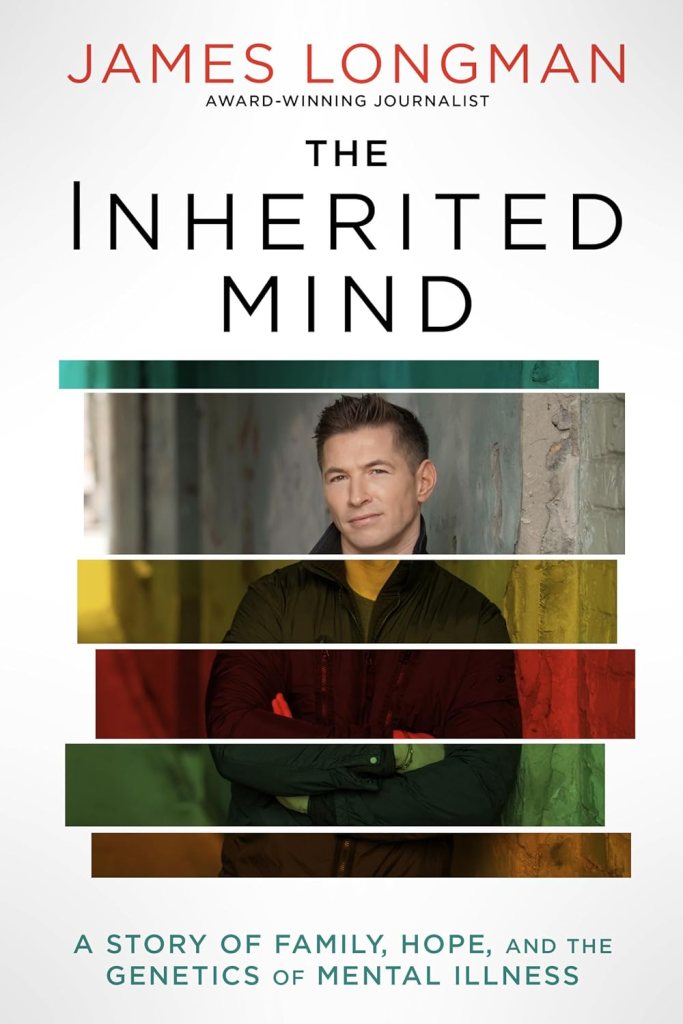
A couple of years ago, an intriguing email landed in my inbox. It was from the award- winning journalist James Longman (of ABC News). He told me he was writing a book investigating his own father’s illness and how much of mental illness is inherited. His father died by suicide when he was just a child and had a diagnosis of schizophrenia and depression, but James did not know a huge amount about this mental health history at the time.
James wanted to delve deeper into the family and genetic side of mental illness. As he got older, James’s own bouts of depression spurred him to examine how his father’s mental health might have affected his own. He engaged with experts to uncover the science behind what is inherited, how much environmental factors can impact genetic traits, and how one can overcome a familial history of mental illness and trauma.
James had seen my own story of family illness with bipolar disorder, as my Dad and other relatives also have the same condition and so he reached out to interview me. With permission from my Dad, I had a wonderful chat over Zoom with James, talking about the links with certain types of mental illness in families and how these types of illness can cause suicidal thoughts and sadly in James’s fathers case, suicide. We also discussed the hopeful journey that can occur if you have access to the right support networks, medications and therapy. Medication in particular has helped to keep us well over the years as bipolar has a definite biological link too.
In The Inherited Mind, James invites readers to reflect on their own stories as he shares his quest to better understand himself and his family. Through speaking to mental health experts, to those who have had similar familial experiences, and about his own life stories, James shows us, with heart and humour, how much our bodies can empower and inform us about our own personal mental health histories.
We are honoured to have our story featured in James’s informative and essential book. Thanks again to him for featuring us as a case study. It will be out in January and you can pre order your copy here
Appearance-related anxiety in men is deeply rooted in psychological and societal factors. Body dysmorphic disorder (BDD) describes how men can become fixated on perceived flaws, such as their hair, muscles, or facial features. This preoccupation goes beyond ordinary concern and can lead to behaviours like avoiding mirrors or compulsively seeking reassurance. Research shows that this anxiety is not purely superficial but often stems from deeper psychological issues, including past trauma or negative experiences during adolescence. Understanding these origins helps to address the mental health challenges men face, rather than solely relying on cosmetic interventions.
The Psychological Roots of Male Appearance Anxiety
Psychological and societal factors often drive appearance anxiety among men. Body dysmorphic disorder (BDD) exemplifies how men can become fixated on perceived flaws, such as their hair, muscles, or facial features. This fixation goes beyond normal concern and is marked by distress and compulsive behaviours, including excessive mirror checking and seeking reassurance. The condition often has roots in past traumas or negative experiences, particularly during adolescence which compounds the development of BDD.
This anxiety is further exacerbated by cultural narratives around masculinity and appearance where societal expectations can aggravate the psychological impact of conditions like androgenic alopecia. Addressing these issues requires a comprehensive understanding of their origins, as relying on cosmetic interventions alone fails to resolve the underlying psychological distress. This deeper understanding provides effective support and treatment options for men struggling with appearance-related anxiety.
The Impact of Hair Loss on Men’s Mental Health
Androgenic alopecia (AGA), commonly known as male pattern baldness, has a profound impact on men’s self-esteem and mental health. Studies indicate that AGA can impair quality of life, particularly in younger men who view hair loss as a sign of ageing or loss of masculinity. This psychological burden is often underestimated, as societal attitudes towards baldness remain largely negative. Men may feel pressured to conform to idealised standards of appearance, which can lead to anxiety, depression, and social withdrawal.
Unlike BDD, which involves a distorted perception of minor or imagined flaws, AGA concerns are based on actual physical changes, yet the emotional distress can be similar. Many men experience shame and lowered self-esteem, avoiding social situations or altering their behaviour to hide their hair loss. These reactions underscore the need for psychological support rather than cosmetic interventions, which often fail to address the underlying emotional distress associated with hair loss.
The Misconception of Cosmetic Surgery as a Solution
Despite the psychological distress caused by conditions like BDD and androgenic alopecia, many men mistakenly view cosmetic surgery as a solution to their appearance-related anxieties. This misconception is particularly evident in cases where individuals pursue surgical interventions without addressing the underlying psychological issues. Surgery often fails to resolve the distress, and in some instances, it can worsen symptoms. BDD is a perceptual disorder where the perceived flaw is rarely corrected by physical changes. Men seeking surgical solutions may find temporary relief, but this approach does not address the root cause of their anxiety.
Treatment for BDD should include psychological therapies like Cognitive Behavioural Therapy (CBT), which help individuals manage their obsessive thoughts and develop healthier ways of coping with their appearance concerns. Without this psychological support, men remain at risk of dissatisfaction and further psychological harm, even after undergoing surgery.
(image: Daria Liudnaya: Pexels)
The Importance of Recognising Psychological Triggers
To address male appearance anxiety, men must recognise its psychological triggers. Research indicates that many men develop BDD or experience distress from hair loss due to past traumas or negative experiences during adolescence. These triggers can include bullying, teasing, or other forms of social rejection. Recognising these underlying factors is essential for effective treatment, as focusing solely on cosmetic solutions overlooks the deep-seated psychological issues. Integrating therapeutic approaches that address these triggers can significantly improve outcomes and reduce the reliance on cosmetic interventions.
Legal Considerations for Men Seeking Cosmetic Surgery
Men opting for cosmetic surgery must be aware that, even with informed consent, procedures can sometimes lead to complications or dissatisfaction. Those with psychological conditions like body dysmorphic disorder may not fully grasp the risks involved, which could result in a poor surgical outcome or aggravation of mental health issues. If a surgeon fails to assess psychological fitness or provide adequate information about potential risks, this may constitute cosmetic surgery negligence. Men in such situations have the legal right to pursue claims if the surgery worsens their condition or results in harm.
Solicitors can assist clients who have experienced negligent cosmetic surgery by examining whether the medical professional involved adhered to their duty of care. For men affected by psychological issues like body dysmorphic disorder, a failure to conduct proper assessments or consider the mental state of the patient before surgery could be grounds for legal action. Solicitors provide guidance on collecting evidence and understanding the options available for claiming compensation if the surgery has caused further harm or did not meet reasonable standards.
Men contemplating cosmetic surgery should prioritise professional psychological support to understand their motivations and potential outcomes better. Conditions like body dysmorphic disorder can distort self-perception, and as such, points to psychological therapy as the first step. Consulting a mental health professional can clarify whether surgery is the appropriate course of action. Combining psychological and legal support provides a more secure and informed approach to managing appearance-related issues.
This article was written by Michael Saul, Partner at Cosmetic Surgery Solicitors.
This World Mental Health Day 2024, the focus is on mental health at work- it’s time to prioritise mental health in the workplace. As the Mental Health Foundation say, ‘Work can have a huge impact on our mental health. It can be good for our mental health, giving us a sense of purpose, boosting our self-worth, and providing opportunities to connect with others. But it can also be a source of stress and anxiety and contribute to developing or worsening mental health problems. ‘
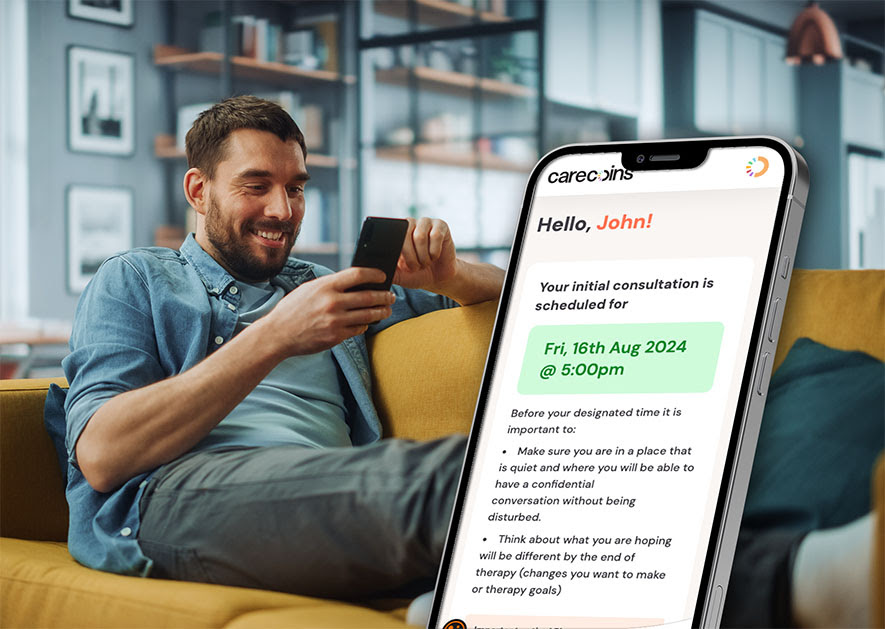
Introducing Carecoins, a pioneering new mental health platform, which is set to transform the landscape of employee mental wellbeing, offering employers a unique support system for their staff this World Mental Health Day 2024 and beyond.
Designed to connect individuals with qualified mental health therapists in an entirely flexible, hassle-free way, Carecoins ensures efficient and reliable access to professional care, Carecoins brings a unique proposition to the market.
Commenting on this exciting venture, managing director and founder, Tim Ladd, said:
“Put simply, Carecoins gives employees access to the support they need to become a happier, healthier version of themselves.
“We are all acutely aware of the growing mental health crisis in the nation, and the difficulty in accessing resources through the NHS. This means employers need to step up to provide that all-necessary support to staff.”
Mental health is now a significant challenge for a large portion of the UK workforce, with surveys showing at least 63% of employees exhibit signs of burnout, and 91% have experienced high or extreme levels of pressure and stress in the past year.
Finding effective support structures to help combat these trends can be challenging for employers. Providing access to a large pool of BACP accredited therapists, comprehensive mental health and suicide prevention services, specialised support for trauma and bereavement and a number of other resources, Carecoins is a holistic solution for employers
Offering full flexibility, the platform gives access to multiple formats of therapy, ensuring services fit around the user’s life and work schedule and suit their individual needs. As part of its groundbreaking offering, Carecoins supplies every new user an innovative human-to-human consultation to assess their needs and preferences and then allocate a therapist that best matches those requirements.
“The element of personalisation is one that is of vital importance to us – everyone’s mental health journey is different and we wanted to build a platform that could honour that,” added Ladd.
“We also understand that confidentiality is a key concern for many employees. Carecoins can be purchased and utilised anonymously, giving employees the freedom and peace of mind they need to take this important step.”
But the platform does not limit organisations to buying therapy services. It enables access to a wide range of mental health and wellbeing services including Mental Health First Aid training provided by Carecoins’ sister company Red Umbrella.
“Using Carecoins is much more than just a means to an end. It showcases a visible commitment from employers to protect the mental wellbeing and resilience of their employees, making them happier, more engaged and more productive.
“More than that, it encourages a much-needed positive attitude towards mental health in the workplace, which benefits businesses and employees alike.”
So, this World Mental Health Day, definitely check out this platform!
Yesterday was World Suicide Prevention Day. This awareness day is so important as the rate of suicides in the UK and globally is increasing. About 10 years ago, I devastatingly lost a family member I loved dearly to suicide 💔- mental health treatment, awareness and support is so important. Often, even with these, people are still dying. I know myself the power of medicines, therapy and kindness from loved ones.
One of the reasons I wrote my children’s picture book ‘Arabella and the Worry Cloud’ (illustrated by Shelley the Artist) is because I believe that mental health education and understanding our feelings from a young age is so important. My book focuses on teaching children the power of positive thinking to relieve anxiety. So maybe it can do a bit of good in the world! I definitely didn’t have a book like this as a child.
So, I am so thankful today for the No Panic charity team who have shared this blog about my book today.
As the world gets more concerned and more appreciative of mental health and its impact on life, therapy has become more of a viable option for many. Whether you’re trying to cope with trauma or just work on some aspects of your personality and lifestyle, therapy is a great tool, but before you’re ready to jump in, you’ll need to know how to get the most out of your therapy.
Be open
The first and most important thing to keep in mind about therapy is that before you even sit in the office, you should have an open and comfortable attitude about the entire process. Much therapy gets stagnant as clients wait for breakthroughs just because they’re not ready for uncomfortable conversations or for sharing intimate details about your life. Withholding crucial information like that of your family members or crucial events in your life will only slow down the progress you’re able to get out of therapy. Instead, trusting the professional you’ve partnered with and really internalising their advice will allow you to get acclimated to the process much faster, and you’ll get more out of it as a result.
Get ready for uncomfortable conversations
As previously mentioned, another thing you’ll need to ensure is that you’re mentally prepared for the uncomfortable conversations you may have in the therapist’s office. This is because a lot of the trauma people carry throughout their lives is tied to a few incidents earlier in life, and talking about those incidents is the first step to truly healing. That means you’ll have to eventually vocalize your deepest fears and insecurities and the issues you’ve been going through, both to allow your therapist to better understand your psyche and to help yourself make important breakthroughs throughout your journey.
Find the right therapist
Another part of getting the most out of your therapy is finding the right therapist to guide you on your journey because the person you’re working with will eventually be entrusted with the deepest parts of your personality and subconscious. This means finding someone you’re fully comfortable with and one that is easy to visit; in your own country. Chicago residents (USA), for example, should look for an experienced therapist in Chicago. Finding a professional that you’re comfortable with and someone who’s nearby will only make it easier to regularly make your appointments and make time for therapy, pushing yourself towards more progress.
Be consistent
Consistency is the most important part of any major life goal you’re trying to achieve, and that includes therapy because of how unique the experience of therapy is for most people. If you’re not making it to your therapist’s office week after week for your regularly scheduled appointments, you won’t be able to make those important breakthroughs because each appointment will mostly be concerned with you and your therapist getting used to each other again. If you feel that your therapy isn’t working in its earliest stages, you shouldn’t let that discourage you since different people make progress over different periods.
Do the homework
Most therapists out there know the importance of daily self-improvement habits for their clients, and that includes things like journalling or keeping a dream diary. This can be tiring at first, but this homework is crucial to the entire process since your therapist will get a better idea of your underlying fears and the thoughts that take control of your unconscious mind most often. This will help your own progress, so you get the most out of therapy you possibly can. You can communicate all of your fears if you’re writing them down regularly for therapy.
Like most aspects of self-improvement, therapy has the capacity to change your life and can even cause you to have a major shift in perspective about key moments in your life. However, before you’re ready to embark on the phase of your life that will inevitably have a giant impact on you, it’s important to prepare yourself for what’s next so that you can get the most out of the therapy you’re participating in.
Elizabeth Howard is a freelance writer. (this article contains sponsored links)
Anxiety affects millions of people worldwide, impacting their daily lives and overall well-being. Counselling offers a supportive and effective way to manage your anxiety, helping you regain control and improve your mental health.
Understanding Anxiety
Anxiety is a common mental health condition that manifests in various forms, including social anxiety disorder, generalised anxiety disorder (GAD), and panic disorder. Symptoms often include excessive worry, panic attacks, and constantly feeling anxious. These symptoms can interfere with daily activities, making it crucial to seek appropriate help.
How Counselling Helps with Anxiety
Counselling for Anxiety
Counselling provides a safe space to explore and understand your anxiety. A therapeutic counsellor works with you to identify the root causes of your anxiety and develop strategies to manage it effectively.
Therapy for Anxiety
Different types of therapy can be used in counselling to address anxiety. Cognitive Behavioural Therapy (CBT) helps reframe negative thoughts, while exposure therapy gradually reduces fear responses. Both are proven methods in managing anxiety and improving mental health.
Types of Counselling for Anxiety
Cognitive Behavioural Therapy (CBT)
CBT is a widely used approach that helps you understand and change negative thought patterns contributing to anxiety. It focuses on developing practical skills to manage anxiety symptoms and anxious thoughts.
For example, if you often experience negative thoughts like “I can’t handle this situation,” CBT can help you reframe this thought to something more constructive, like “I can take small steps to manage this situation.”
Exposure Therapy
Exposure therapy is particularly effective for phobias and social anxiety. It involves gradual exposure to anxiety-provoking situations, helping you build tolerance and reduce avoidance behaviours. For instance, if you have a fear of public speaking, exposure therapy might start with speaking in front of a small group and gradually working up to larger audiences.
Talking Therapies
Alongside private talking therapy practices, NHS talking therapies service provides a space to express your feelings and gain insights into your anxiety. Whether through face-to-face sessions, group therapy, or online counselling options, talking therapies offer valuable support. These sessions can help you feel heard and understood, which is a crucial step in managing anxiety.
How Therapy Sessions Work
Therapy sessions are tailored to your specific needs. During these sessions, you and your counsellor will create a treatment plan focused on your goals. Regular sessions build a therapeutic relationship, essential for effective treatment.
The consistency of therapy sessions helps reinforce strategies to manage anxiety. For example, your counsellor might help you track your anxiety levels and identify what can trigger anxiety, which can be discussed and addressed in each session.
Benefits of Counselling for Different Types of Anxiety
Generalised Anxiety Disorder (GAD)
Counselling helps manage chronic worry and stress, providing tools to cope with daily life. Techniques such as mindfulness and relaxation exercises can be incorporated into your daily routine to reduce overall anxiety levels.
Panic Disorder
Techniques like CBT are used to cope with panic attacks, reducing their frequency and intensity. Learning breathing exercises and grounding techniques can help you regain control during a panic attack, and if CBT doesn’t work for you there are other options of therapy available.
Obsessive-Compulsive Disorder (OCD)
Counselling aids in managing obsessive thoughts and compulsions, promoting healthier coping mechanisms. For example, a counsellor might use exposure and response prevention (ERP) therapy, a type of CBT specifically designed for OCD, to help you resist the urge to perform compulsive behaviours. This approach is effective in treating anxiety associated with OCD.
Post-Traumatic Stress Disorder (PTSD)
Counselling addresses trauma, helping reduce PTSD symptoms through therapeutic approaches like CBT and Eye Movement Desensitization and Reprocessing (EMDR). These therapies can help you process traumatic memories and reduce their impact on your daily life.
Social Anxiety Disorder
Strategies in counselling help overcome social fears, improving social interactions and confidence. Role-playing and social skills training can be part of your therapy to help you feel more comfortable in social situations. By learning to manage your anxiety, you can gradually overcome social anxiety disorder and improve your quality of life.
Addressing Specific Concerns
Health Anxiety
Counselling helps those who constantly worry about their health by addressing underlying fears and developing coping strategies. Techniques like CBT can help you challenge and reframe catastrophic thinking related to health concerns.
Stress and Anxiety
Techniques to manage stress are integrated with anxiety treatment, offering comprehensive support. Learning time management and relaxation techniques can help reduce the overall impact of stress on your anxiety levels.
Seeking Additional Support
While counselling is a crucial component in managing anxiety, there are other resources available to complement your treatment. Organisations like Anxiety UK offer additional support, information, and resources for individuals struggling with anxiety disorders.
These organisations can provide helplines, support groups, and educational materials to further assist you in your journey towards better mental health.
Accessing Mental Health Services If you’re struggling with Anxiety
It’s important to know that help is available (although there can be waiting lists for therapy). The mental health service in your area can provide access to counselling and other forms of support. Your general practitioner (GP) can refer you to appropriate services, or you may be able to self-refer to local mental health teams.
Remember, seeking help is a sign of strength, not weakness, and taking this step can be the beginning of your journey to managing your anxiety effectively.
Embracing a Healthier Future
Counselling offers effective strategies to manage your anxiety, tailored to your specific needs. By working with a counsellor, you can gain control over your anxiety and improve your mental health.
Whether it’s through CBT, exposure therapy, or talking therapies, counselling provides the tools and support needed to navigate your anxiety and lead a more fulfilling life. Understanding the types of anxiety disorders and how they can be managed through therapy is crucial in overcoming anxiety.
If you’re struggling with anxiety, consider exploring counselling services. Taking the first step towards seeking help can make a significant difference in managing your anxiety and enhancing your quality of life.
Buick Hamblin is an experienced counsellor and psychotherapist with over 20 years in the field. Specialising in person-centred therapy and cognitive behavioural therapy (CBT), she offers compassionate, non-judgmental support to clients dealing with a range of issues, including depression and relationship problems. Accredited by the BACP since 2007, Buick provides flexible counselling options both in Grantham, UK and online.
Sometimes, I get emails about stories and they really stand out to me. This was one of them. A friend of mine knew about this suicide prevention charity in Israel, called Gila’s Way. The Hammer family in the Jewish community sadly lost their daughter Gila z’l to suicide when she was just 18. Gila had mental health issues and the family want to save lives in her name and make sure it doesn’t happen to another family. Rabbi Shalom Hammer, Gila’s father and a world renowned lecturer, started sharing his insights from Gila’s tragic story in order to raise awareness, teach empathy, and promote dialogue regarding suicide in order to ensure its prevention.
Gila’s Way is a non-profit organisation which implements, educates and presents programs regarding mental health awareness and suicide prevention in order to save lives.
I asked Rabbi Shalom Hammer a few questions about his life saving mission:
Your charity Gila’s Way has such an important mission. Please can you tell me more about Gila as a person, her mental health struggles and how you as a family coped in the aftermath of her tragic death/ how the charity got set up?
Gila was an unbelievable girl, vibrant, vivacious, social, hilarious and extremely sensitive. She was a leader of her peers socially and she loved to have fun. She also saw the world in a very innocent wholesome way, she was not capable of harming anyone nor did she believe that people would harm her. Tragically she experienced a sexual episode which was obviously extremely traumatising for her. She also did not wish to or know how to openly communicate the degradation she felt and the pain she was experiencing. Consequently, a swell of anxiety and depression built up inside of her and she eventually began to lose hope which ultimately lead to her passing away.
After Gila died, we decided to take the inexplicable pain and the unfathomable loss to as much of a positive place as possible. My wife and I feel that Gila should be alive and the reason she is not is largely because of the lack of knowledge with mental health and certainly suicidal ideation that we had and that so many others have as well. Gila’s Way is an organisation therefore, who’s primary concern is education via seminars, lectures, interactive workshops and presentations, understanding that the more we educate and inform the greater chance we have of lowering the numbers and preventing suicide.
(image of Gila z’l: Gila’s Way and Hammer Family)
2. What would you like people to know about teen suicide and suicide prevention in Israel and globally?
The most important vital point that I cannot emphasise enough, is that the vast majority of people who die from suicide, do NOT want to die. Particularly when we are speaking about adolescents who are experiencing so much pressures and may impulsively make a decision within a few seconds and not realising that it is finite. When people understand that most people who die from suicide, did not want to die, they also understand that this means we are capable of saving that person.
3. What is your message to other parents coping with children with mental health issues or who have also experienced bereavement?
There are a number of very crucial messages for parents. Firstly, don’t be afraid or ashamed to talk and converse, secondly don’t converse with just everyone. Dealing with mental health and a child who is challenged, is very procedural and therefore exhausting. Make sure to speak to the right people and save your energies for those people. Don’t speak to just anyone because you will grow more confused and more exhausted; make sure to find those/that people/person who can be helpful and focus on speaking to them.
In addition, pay attention to what your child is “saying”. A child (or anyone for that matter) who is dealing with mental health challenges or experiencing a crisis, will not necessarily explicitly say “I need help”, but they will often send “cries for help” and share those signs because they really want help. Some of those “warning signs” can be familial/social isolation , spending long hours in their bedrooms and refusing to join the family for activities which they normally enjoyed. In addition, they may be exhibiting exhaustion, or become physically unkempt, and they also might desist from performing normal expectations (like going to school, doing their homework, participating in events etc.)
Finally, and this is something that I consistently emphasise, trust your parental instincts. We were blessed with instincts and often a Dr or professional might suggest something and our instinct is saying “this just does not sit well with me”…trust that instinct and pay attention to it, because it is there for a reason.
(image: Gila’s Way)
4. What do you at Gila’s Way want to achieve through your charity and how are you doing this through programmes/events?
Our primary focus is on education. We don’t want any parent or any significant other, to be in situations where they “don’t know” or “didn’t know enough” because knowledge is power and empowers us with the capacity to be aware, respond and even save a life. We do so through the many programs, presentations, seminars and interactive workshops and exhibitions that we offer for diverse groups (parents, educators, adolescents, leaders, professionals, here in Israel in the army and pre-military academies). Engaging audiences in the conversations breaks stigmas and allows for knowledge and consideration.
Finally, Gila’s Way offers a consultation service (NOT a hotline). Navigating the mental health system, especially in Israel, isn’t simple. If one knows someone struggling with their mental health, they can schedule a consultation with us to help guide them through initial steps towards healing and recovery.
‘Whoever saves a single life is considered to have saved an entire world’ (the Talmud)
(image: Arabella and the Worry Cloud by Shelley the Artist and Eleanor Segall)
Shelley the Artist and I are proud to reveal the cover to our first children’s book written by me, ‘Arabella and the Worry Cloud’.
Arabella is a little girl with lots of worries, represented by the Worry Cloud who comes to see her, taunts her and threatens to rain on her.
Can Arabella with the help of happy thoughts of her family and trusted cat Pickles push the Worry Cloud away? Or will he stay and rain on her forever as her worries grow?
As a little girl myself, I had lots of worries which led to anxiety and panic. Through our book, we aim to help children aged 5-7ish to process their emotions around worry, to talk about anxiety and to try and replace them with positive thoughts.
The book has beautiful illustrations by Shelley the Artist and we can’t wait to share the link to buy it as soon as its live! We will have an ebook and paperback version.
In 2024, there is a growing awareness of the effects associated with constantly consuming negative news, a behaviour commonly known as “doomscrolling.” Media and constant news updates often fuel this habit of seeking out distressing information. Sadly, this can have serious implications for both physical and mental health.
Recent conversations among health experts have shed light on the link between doomscrolling and the increase in Substance-Induced Anxiety Disorder (SIAD) as well as panic attacks. As someone who writes on mental health, I wanted to delve into this correlation, providing insights and practical tips to protect your health in a world that appears to be in a perpetual state of crisis.
What is the Meaning of Doomscrolling?
Doomscrolling involves the consumption of news. Consumers caught up in this cycle feel compelled always to follow disasters, political unrest, environmental crises, and other distressing events, resulting in prolonged exposure to negative media. Additionally, some may even engage in extended sessions of watching vertical, short-form videos without awareness of the passage of time.
We can admit staying informed is important. However, constant focus on distressing media can affect one’s well-being.
Psychological Effects of Doomscrolling
The brain is naturally inclined to react to threats with a fight-or-flight response—a survival instinct ingrained in our biology throughout history.
However, when the mind is activated by immediate non-physical threats, like distressing news, it can result in prolonged stress. This prolonged state of vigilance can heighten anxiety levels over time potentially leading to anxiety disorders and panic episodes.
However, why is it so addictive to watch distressing news? Well, engaging in doomscrolling triggers the activation of dopamine receptors, which provides short relief from anxiety, despite the eventual worsening of mood.
What is more concerning is individuals often revert to doomscrolling in an attempt to alleviate their distress, perpetuating the cycle of negative emotions.
Link to Substance-Induced Anxiety Disorder
Substance-induced Anxiety Disorder (SIAD) begins to show its ugly face when symptoms of anxiety or panic stem directly from substance consumption, withdrawal, or exposure to substances. Common culprits include caffeine, alcohol, nicotine, and certain prescription drugs.
People who engage in doomscrolling may resort to substances like alcohol or prescription drugs as a coping mechanism for the anxiety and stress triggered by the news they consume. This could establish a cycle where substance use provides relief from anxiety symptoms but later worsens them, possibly resulting in SIAD.
Real World Implications – Panic Attacks
Panic attacks are episodes of fear that may manifest as heart palpitations, sweating, trembling, etc. Sometimes there is even an overwhelming sense of dread and fear of losing control.
For those who are exposed to negative news, unfortunately their threshold for panic attacks may be lower. Substances used to manage this stress can further decrease this threshold, making panic attacks more frequent and intense.
(image: Mark Adriane, Unsplash)
Tips for Breaking This Habit
Breaking free from the cycle of doomscrolling requires effort and specific strategies. Here are some “practical?” steps you can follow;
1. Establish Strict Time Boundaries
Hold yourself to designated times during the day for checking the news and make a commitment to stick to these schedules. Utilizing apps restricting your access to websites or social media platforms can help you maintain this routine.
2. Customise Your Social Media Content
Take a role in curating your social media feeds by including uplifting content. Follow accounts that share stories or even your city media feeds to create a balanced experience alongside the inevitable negative news we all have to see.
3. Try Healthy Coping Mechanisms
It may be time to hit the gym. Or engage in activities such as yoga or jogging. Better yet, incorporate mindfulness techniques like meditation or diaphragmatic breathing. Finally, find a way to express yourself through creative endeavors like writing or painting.
4. Consider Professional Support
If needed, and if feelings of anxiety or panic become overwhelming, seek assistance. A health professional can always be beneficial. Therapists can offer personalized coping strategies tailored to meet your needs, as we are all different in what triggers our anxiety.
5. The Inevitable – Keeping in Touch
Even as a mental health writer, I can be better at this one. Having ties with friends and family can ease stress and worry. Interacting regularly can shift our focus away from the constant stream of negative news.
In the end, while staying informed is important, it’s also vital to strike a balance in how we consume news. Recognizing the signs of scrolling through distressing content and taking proactive measures to lessen its impact can help prevent the development of more severe anxiety issues and panic attacks. The world has changed, and mental health is important, so by being mindful and adopting coping strategies, we can safeguard our well-being during these challenging times (no matter where we are located.)
By being aware of how our media intake affects our health, we can navigate the age without falling prey to its negative aspects. Remember, it’s completely fine to unplug for the sake of your well-being.
Trigger warning: discussion of self harm/suicide attempts.
I was so excited when I saw my online friend Emily Katy’s brand new book coming out! Emily was one of the first reviewers of my book Bring Me to Light and had taken photos of her reading it with her dog and some horses :). I followed her on social media and saw that she was writing her own memoir on what it was like to live as a teenager with undiagnosed autism and mental ill health. This review is not gifted or sponsored- I just wanted to read Emily’s story.
I want to congratulate Emily and her team as this week it has become a Sunday Times Bestseller which is an incredible feat for any author, especially for their first book!
Emily says,
“Far too many autistic people – women and girls especially – fly under the radar, unseen and unsupported. Many of us reach crisis point and only then (if we are lucky) do we find out that we are autistic. I hope this book can add to the collection of autistic voices demanding change in how autism is understood and recognised”.
I bought this book because I wanted to understand what it was like to live as someone with autism undiagnosed and how that affected Emily’s overall mental health, leading her to be sectioned on a psychiatric unit as her health deteriorated. Although autism is not a mental illness and many see the positives living with a neurodiverse brain, it does impact on mental health, especially when it is undiagnosed by a system not set up to understand it in women.
To the outside world, Emily , who is from the UK like me, looks like a typical girl, with a normal family, living an ordinary life. But inside, Emily does not feel typical, and the older she gets, the more she realises that she is different. As she finally discovers when she is 16, Emily is autistic.
Girl Unmasked is the extraordinary story of how she got there – and how she very nearly didn’t. Still only 21, Emily, writes with startling candour about the years leading up to her diagnosis. How books and imagination became her refuge as she sought to escape the increasing anxiety and unbearable stresses of school life; how her OCD almost destroyed her; how a system which did not understand autism let her down; and how she came so close to the edge that she and her family thought she would never survive. We see how family and friends became her lifeline and how, post-diagnosis, Emily came to understand her authentic self and begin to turn her life around, eventually becoming a mental health nurse with a desire to help others where she herself had once been failed.
(image: Emily Katy)
Emily bravely navigates how being undiagnosed with her autism led to her struggling with OCD, anxiety, self harm and depression -which led to suicide attempts. Thankfully, once Emily was able to get a proper diagnosis of all her symptoms that felt right for her (autism and OCD), she found herself able to recover from her depression. In the book, Emily also discusses ways to help you if you are self harming or feeling suicidal. She talks about how being on a psychiatric unit was extremely distressing and as someone with autism, she found that things like loud noises, unpredictability, lack of normal routine or a schedule and new people coming, were just some of the things she struggled with. While at the unit, Emily was also misdiagnosed as having a personality disorder, as well as an anxiety disorder.
It is clear from reading this important book, that Emily feels one of the reasons she was misdiagnosed was because she was a girl. Autistic females tend to fly under the radar for longer due to assessment methods being developed for males, masking to try to fit in with others socially and their special interests being more socially accepted. As someone with bipolar, I have often been called ’emotional’ or ‘drama queen’ and Emily mentions these labels were given to her and other women with autism too. I found reading the lists of autism myths and facts really helpful to further my understanding.
What stands out to me in Girl Unmasked is Emily Katy’s courage. Not just in telling her own story of the perils of living with undiagnosed autism and how it impacted her mental health, but the fact that after surviving multiple self harm and suicide attempts and being sectioned on a psychiatric unit, she has now become a mental health nurse at just 21 (and now bestselling author) to help others. Emily has managed to move forward with her life and achieve huge things, despite living with the trauma she has faced and she has amazing friends and family too, who are there to support her.
I loved this book and read it in 2 days. Girl Unmasked is not an easy read – it is a meaningful, powerful real story of someone’s life. Please do read with care as it discusses mental health themes alongside autism. On the front of Emily’s book is a rainbow and to me that symbolises the hope with which she lives her life and is now bringing to others.
Emily Katy, 21, lived as an undiagnosed autistic girl for nearly seventeen years. After completing her degree in 2022, she qualified as a mental health nurse. She has a large, highly engaged following on social media: @ItsEmilyKaty X (formerly Twitter) 68.4k followers, 21k Instagram followers and a blog www.authenticallyemily.uk, where she talks about autism and mental health. Emily is a Trustee of the charity ‘The Autistic Girls Network’















 beurownlight.com