My Interview On Life With Bipolar Disorder by Best For You NHS

(image: Best for You NHS)

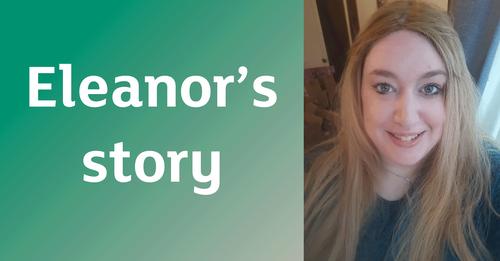
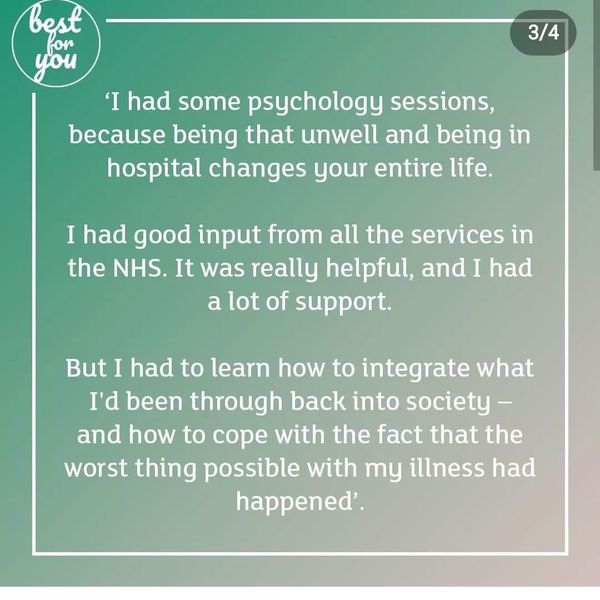
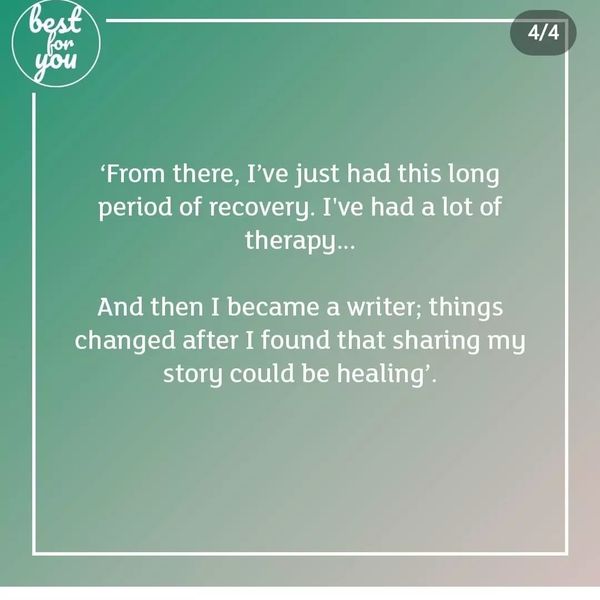
The team at Best For You NHS interviewed me about my life journey with bipolar disorder and anxiety. I hope it helps anyone, particularly young people, who are struggling.

You can read the interview that I did with Annabel here. Trigger warning as discusses suicidal thoughts, being in hospital and sexual assault.!

Thank you Annabel and team!

Best for You is a new NHS programme in London to help young people and their families access mental health support We know many can’t access the support they do desperately need and CAMHS services here in the UK are overstretched. I hope that by sharing my story it helps young people feel less alone, but we desperately need more funding into childrens mental health services too!

(Images by Best for You NHS)

Eleanor x

How To Create Healthy Daily Habits by Sierra Powell

Photo from  Pexels

Your mental attitude often influences your altitude. People who are happy and successful don’t get there by chance alone. To go where you want to go, you need to take deliberate action, practice self care, and bring energy to everyday activities.. To live the life you want, here are some good ideas to follow, if you are able:

1. Get Out of Bed Early

Even if you don’t have to get up at the same time as the sun every day, it’s still important to get up at a reasonable (early) time so your body can function at its best. The human body and brain have evolved to follow a circadian rhythm, which helps to regulate sleep and wake patterns set by our natural environment, specifically the sun’s rising and setting. This rhythm was set by the natural environment millions of years ago and passed down through generations of humans. This natural circadian rhythm also aligns with the natural cortisol levels inside the body.

Cortisol is a hormone widely recognized for its function in our metabolism, immune system, stress response, and overall energy levels. Cortisol levels start to increase 2-3 hours after the start of sleep and continue to climb until the early morning, which helps wake us up. This rise in cortisol levels occurs in a balanced condition. The cortisol levels in the body will reach their highest point between 8:30 and 9:00 in the morning, and then they will fall as the day progresses slowly. As a result, optimizing one’s energy levels, level of productivity, and general health may be accomplished by the simple practice of adhering to one’s natural circadian cycle and cortisol levels. Note: cortisol can also increase anxiety, which can explain why you may feel more anxious upon waking.

2. Establish a Set Morning Routine

Find out what gets your day off to a roaring start and make it your priority every morning. For instance, if you like to reflect before starting your day give self guided meditation a try. This is a  surefire method to help relieve tension, quiet a buzzing mind, and delve deeper inside yourself. Meditation can improve overall health and wellbeing. Doing a meaningful activity first thing in the morning will help you get off to a good start and be more proactive throughout the day. Rather than racing through the morning to make up for a lost time, beginning your day with a routine may help reduce stress, improve mental tiredness, and boost productivity. If you have no idea where to start then you may find it helpful to examine others morning routines and see what works for you.

3. Read

Reading books is one of the most effective ways to expand one’s horizons intellectually and creatively. Reading in a state of immersion enhances attention and has a relaxing impact similar to meditation. Moreover, reading before bed might help you sleep better. Books that are not works of fiction, in particular, are a great instrument for expanding one’s horizons, developing new ideas, and looking for inspiration. In addition, they give real-life examples of how to deal with a variety of tough situations and give advice on how to get through them.

4. Go on a Stroll

Step outside for some exercise and taking in some oxygen can lift your spirits immediately, help you think more clearly, and give you a break from working on your computer. It is also a very underappreciated exercise that may make your heart and lungs stronger, lower the risk of cardiovascular disease and stroke, alleviate high blood pressure and high cholesterol levels, soothe joint discomfort, and much more. It is an easy way to enhance your general health that is entertaining and has a minimal effect, to put it another way.

 5. Fuel Your Body with Healthy Food

It is becoming more common practice for medical professionals to suggest plant-based diets to all their patients, not only those suffering from conditions such as high blood pressure, diabetes, and heart disease. If one cannot wholly commit to a vegan or vegetarian diet, even making an effort to consume more plant-based foods whenever it is practical to do so may cause a significant improvement to one’s overall health.

If you make it a point to concentrate on developing wholesome routines that are manageable for you on a day-to-day basis and that you look forward to doing, you will have a better chance of sticking with them over the long run. Creating healthy routines for one’s daily life will require an investment of time, energy, and focus, but this does not indicate that it is impossible to do so.. Instead, steer clear of drastic solutions, focus on developing good habits, and take your time to help guarantee that your health and success will be long-lasting.

This blog was written by writer Sierra Powell

11 Most Effective Ways for People to Protect Their Mental Health- A Guide by The Mental Health Foundation.

(image: Mental Health Foundation)

The 11 most effective ways for people to protect their mental health are revealed in a guide launched today by the Mental Health Foundation. 

The free guide, Our Best Mental Health Tips is based on the Foundation’s own ground-breaking study on what protects people from common problems such as anxiety and depression.  

The innovative study on which the new guide is based combined existing evidence about how we can protect our mental health with experts’ views, alongside the opinions of members of the public. 

Dr Antonis Kousoulis, who led the research and is a Director of the Foundation, said: ‘Our new guide encourages us to take care of the fundamentals of life – our relationships, our experiences, our bodies and our finances.  

‘The evidence shows that this is far more likely to keep us mentally healthy than the gimmicks and miracle cures promoted by some in the ‘wellness’ industry, who prey on our vulnerability. 

‘The truth is, there are no quick fixes for good mental or physical health. What works is developing healthy habits in our daily lives, that help us to feel OK and able to cope with everything. 

‘For example, in our new guide we talk about getting more from our sleep, learning to understand and manage our feelings, planning things to look forward to and getting help with money problems.’ 

The full list of mental health-promoting actions suggested by the new guide is as follows: 

  • Get closer to nature 
  • Learn to understand and manage your feelings 
  • Talk to someone you trust for support 
  • Be aware of using drugs and/or alcohol to cope with difficult feelings 
  • Try to make the most of your money and get help with problem debts 
  • Get more from your sleep 
  • Be kind and help create a better world 
  • Keep moving 
  • Eat healthy food
  • Be curious and open-minded to new experiences 
  • Plan things to look forward to 

Most members of the public involved in the study had experienced their own, or family members’ problems with mental health, so had the benefit of hindsight when assessing what helps most with prevention.  

The study was published in the peer-reviewed American Journal of Health Promotion

The new guide (and the research on which it is based) acknowledges that people may be unable to follow some of its suggestions, for instance because the place they live makes it impossible to sleep well or spend time close to nature. 

Dr Kousoulis added: ‘Enjoying good mental health should be an equally accessible goal for all of us, yet it is often out of reach for many. Government action is needed to create the circumstances that solve problems that are beyond individuals’ reach, and help prevent people having problems with mental health in the first place.’ 

You can download the new guide free of charge from the Mental Health Foundation website. You can also order hard copies by post, with a small charge.

About the Mental Health Foundation   

Our vision is of good mental health for all. The Mental Health Foundation works to prevent mental health problems. We drive change towards a mentally healthy society for all, and support communities, families and individuals to lead mentally healthy lives with a particular focus on those at greatest risk. The Foundation is the home of Mental Health Awareness Week www.mentalhealth.org.uk   

This is a non sponsored article written by the Mental Health Foundation.

4 Effective Ways to Boost Your Mood And Keep Well.

(image: Shutterstock)

Your mental health matters a great deal when it comes to your overall wellbeing. There may be days or times you feel low or maybe you’re someone who is managing a mental health or mood disorder currently.

Regardless of who you are, it’s important that you take positive steps in the right direction to take good care of yourself. Consider making and incorporating these changes and then notice how much better you feel overall. Here are four effective ways to boost your mood and be well so that you can get back to living fully and have a smile on your face while you do it.

1. Exercise & Move More

One effective way to boost your mood and be well is to exercise. Not only workout and break a sweat regularly but also commit to moving more throughout the day. Exercising is great for your mental health and can instantly put you in a better mood. Make working out fun by engaging in activities you enjoy and that get your body moving and making a playlist that keeps you motivated.

2. Get Organised & Declutter

Another effective way to boost your mood and be well is to get organised and reduce the clutter in your home, office, and life. You’ll feel less stressed daily and will be able to easily find what you’re looking for. Go through old boxes and get rid of or donate items you no longer use or want sitting around. As for anything you decide you want to keep but don’t want in your home, it would be useful to look into securing a storage unit with https://www.storagearea.com for the overflow.

3. Stay Social & Connect with Others

If you want to effectively boost your mood and be well then it’s in your best interest to build relationships with others, if you are able. Stay social when you can and make connections that are meaningful and rewarding. Keep a social calendar and be sure to get out and about once in a while so that you’re not always sitting around the house or feeling lonely. Sometimes this can be more difficult, so be kind to yourself.

You may want to join clubs or orgnaisations in your area, volunteer, or play group sports to help you stay better connected, if you want to. Otherwise, take up a hobby or two and make new friends this way as well. If you struggle with making friends or have social anxiety, you aren’t alone and there is a lot of support out there for you too!

4. Eat A Healthy Diet  

What you put in your body for fuel can also impact your mood and mental health. Feel better fast by eating a healthy diet and cutting back on sugar, alcohol, and processed and fried foods. Some foods can also cause anxiety and make you feel uneasy. Stick to a healthy and well-balanced diet filled with fruits, vegetables, and leafy greens, nuts, and lean proteins. It might help to get in the habit of cooking for yourself at home so you have more control over the ingredients you use and what you’re eating. Also, always drink plenty of water to make sure you stay hydrated and have more natural energy to get you through the day.  

Keeping well is something you can do for yourelf- go at your own pace and look after your mental health and overall wellbeing.

This article was written by a freelance writer.

Taking Lithium for Bipolar Disorder: Side Effects by Eleanor

Pre Lithium in 2010 (skinny minny)

Post Lithium (on my wedding day in 2019)

I first heard about Lithium carbonate, a natural salt and the ‘gold standard’ medicine for bipolar disorder, when I was in my teen years. My dad was taking it to help his bipolar episodes- Lithium is known to stabilise mood and stop mania and depression from occurring or lessening their impact. I knew then that it was quite a strong drug, that you would need blood tests and that it caused weight gain. But it really helped my dad with his illness.

Fast forward to 2004, I was just 16 and had been diagnosed with bipolar in hospital. My brain was still growing and both I and my psychiatrist were reluctant to try Lithium at that stage, so I was started on Carbamazepine, another mood stabiliser. It was only when this medicine stopped working about 10 years later in 2014, when I was struggling with suicidal depression and anxiety (which then turned into a manic episode that I was hospitalised for), that I seriously considered taking Lithium to help me, like it helped my dad.

Lithium was first found to have benefits for patients with bipolar disorder in the 1950s, with a discovery by psychiatrist John Cade. Even today, we still don’t know what causes the disorder, but it is believed that Lithium stabilises mood – particularly mania. The psychiatrist.com notes this,

The real breakthrough in lithium therapy came in 1952, when Erik Stömgren, a Danish psychiatrist and head of the Aarhus University psychiatric clinic in Risskov who had read Cade’s article, suggested to a staff psychiatrist at the hospital, Mogens Schou, that he undertake a randomly controlled study of lithium for mania. Random controls were just being introduced to psychiatric drug trials at that time, and Schou randomly assigned patients to lithium or placebo by the flip of a coin. His results were published in a British journal with the article concluding, “The lithium therapy appears to offer a useful alternative to [electr[electroconvulsive therapy] since many patients can be kept in a normal state by administration of a maintenance dose.”

For me personally, Lithium treatment has changed my life in a number of ways- both good and not so good. Lets start with the good, I havn’t had an episode of mania and psychosis or suicidal severe depression in 8 years, which is largely down to medication helping my bipolar brain chemistry. It has worked for me- which is amazing- and I never thought I would find an effective treatment to help me. I have bipolar 1, the most severe type and although Dad has the same and was helped, I never thought it would lead me to remission. In fact, in 2014 when I was under the home treatment team after hospital, one of the nurses asked me to consider whether Lithium might not work for me and I might have to live with episodes… needless to say I cried as was very fragile and asked her to leave! She was wrong, thankfully.

On to the bad things: Lithium in combination with an antipsychotic Quetaipine has caused me to put on a lot of weight, as it slows metabolism. I also have to have 3 monthly blood tests to check my lithium level is within the correct range as too much is toxic to the body. Thankfully, I drink enough water and eat enough salt so I have never had a toxic reading but its a very careful balance..I have to always look after myself. Another bad side effect is skin sensitivity and acne- Lithium causes spots- so I have had to adapt my skincare regime and diet accordingly. Sometimes certain foods plus Lithium can trigger this too. Again, I have to pay more attention to my physical health as a result of taking Lithium and Quetaipine

The weight gain in particular has been a worry for me and is something I am working on., especially as diabetes runs in my family. Then there is the Lithium thirst…

Lithium as mentioned is a salt, and as it metabolises in the body, makes you incredibly thirsty. You have to be careful not to get dehydrated. Hence my love affair with Robinsons squash and the occasional ice cold fruit juice. No matter how much I drink, I can never fully quench my thirst, even if well hydrated. Lithium thirst is not the easiest… but Robinsons is my friend as its lower in calories and more delicious than plain water! And now I am thirsty again… haha

So I have a love-hate affair with Lithium. Brilliant for my mental health, not so great for my physical health at times. There is also a concern because over time Lithium can cause kidney and thyroid issues, which is why I have blood tests too. So its not perfect, but it really helps me to live my life and have stable mental health. Over time, its important i am monitored. I have been on it 8 years, but it could start causing problems at some point.

Additionally, when I please G-d get pregnant one day, my lithium levels will need to be monitored (but thats a blog for another time).

I don’t have nausea or trembling on Lithium which is good, but the other side effects (particularly weight) have not been so pleasant. I am so grateful though to have a medicine that keeps me well and out of hospital, able to live a life that some others take for granted.

Thanks to all who voted for this blog. If theres anything else you’d like to know, just ask a question and I will respond.

Eleanor x

How To Know If You Have An Eating Disorder and What To Do Next by Rachelle Wilber

(image: Unsplash)

An estimated 45 million people in the United States (and many millions globally) go on a diet each year to try and shed extra pounds. While exercising and eating healthfully is important, obsessing over losing weight can turn into an eating disorder.

Eating disorders present in a variety of different forms such as bulimia, anorexia, and/or binge eating. Staying aware of the symptoms of an eating disorder and what you should do should you develop one can help you stay healthy.

Different Types of Eating Disorders

Though problems with food can manifest in different ways, there are three main types of eating disorders.

  • Bulimia: Those with bulimia typically eat large amounts of food and then purge the food afterward by vomiting or using laxatives
  • Anorexia: Those with anorexia avoid eating or eat extremely small amounts of food
  • Binge eating: Those with binge eating may eat large amounts of food in a short amount of time

Look for Common Symptoms of Eating Disorders

One of the best ways to determine if you have an eating disorder is by watching for symptoms in your own habits and behavior. These symptoms may also be noticed by your friends, family, or other loved ones. Some of these symptoms may include:

  • Having a fear of gaining weight or growing fat
  • Withdrawing from activities with family and friends
  • Becoming secretive and lying about it
  • Experiencing anxiety and depression
  • Feeling an intense fear of certain foods, such as foods that are sweet or have high levels of fat
  • Obsessing over the number of calories and food eaten
  • Avoiding situations that involve food
  • Attempting to lose weight by purging, using laxatives or over-exercising
  • Weighing yourself daily or multiple times per day

If you suspect you have an eating disorder, know that you aren’t alone and that help is available. Be proud that you are taking the first step and seeking help. It may be helpful to identify ways that you are not feeling in control in your life and the way you feel around food.

Keeping a journal of these feelings is a great way to learn more about your habits and identify the feelings that triggered your eating disorder. Next, talk with your insurance company (if in the US) or NHS/ privately if in UK and seek out a reputable doctor for eating disorder treatment. There are many specialists, counsellors, and rehabilitation centers available who are highly experienced in helping people recover from their disorder. Please note that the NHS may have waiting lists but seeking help is so important to find recovery.

Having an eating disorder often means you feel a lot of shame about yourself and your eating habits. Talking with a doctor and/or therapist can help you let go of this shame so you can love yourself and take the first steps on your road to healing.

This article was written by freelance writer Rachelle Wilber.

Living With Anxiety, Promoting Mental Health And Success In The Workplace By Erin Hallett

(image: Erin Hallett)

I sat in A&E on a Wednesday morning trying to control my breathing.

My day began normally with a rushed breakfast and a sweaty commute on the Northern Line. I got to work and started to feel lightheaded and slightly panicky. My chest hurt and I found an empty office to try and calm down. It didn’t work. My brain was screaming ‘heart attack’. A kind colleague put me in a taxi with directions to the hospital.

Of course, I wasn’t having a heart attack. It was a swift diagnosis and then I had hours to wait before seeing the on-call mental health specialist. My panic turned to shame. Especially as I watched ‘real’ sick people come and go from A&E.

It wasn’t my first panic attack, but it was my first one at work.

I was diagnosed with anxiety years earlier in Canada by my GP. I managed it through talking therapies, medication, and support from family and friends. I didn’t have to tell anyone at work and outwardly I always looked like a confident professional. I have what is commonly referred to as ‘high-functioning anxiety’.

My stress levels had been building since I moved to the UK. New country, new job, lots of work travel with more responsibilities, and missing my regular support systems. I felt uncomfortable in my own body; it ached all the time, my memory was unreliable, my hands shook, and my stomach always hurt.

I ignored all the signs and pushed through. It wasn’t one thing, anything specific, or even the building pressures at work. I stopped taking care of myself and I was scared to ask for help. Deep down, I knew it was my fault that I ended up in A&E.

I turned on my phone and scrolled through concerned messages from my team. Excuses raced through my mind: migraine, food poisoning, allergic reaction. Anything but admitting the state of my mental health. How could they, or anyone at work, respect me if they knew my truth?

One of my team members sent a private message asking if I needed a toothbrush. Even now, I can’t explain why it was their simple message that gave me the courage to tell the truth. Perhaps I sensed their kindness and concern? Perhaps because it was ‘normal’ when everything else felt out of control? Whatever the reasons, I decided to be honest with my team and my colleagues from that moment.

I am not unusual. The Mental Health Foundation cites a 2013 study with 8.2 million cases of anxiety in the UK. All my life I had been told I was ‘stressed’, ‘a worrier’, and ‘a perfectionist’. These characteristics make me successful, but they often cost me my mental health.

I recognise that being able to speak out is a privilege and that my seniority made it easier. It was still a risk, but I could no longer afford to be silent about my mental health. My main concern was that I would lose credibility at work. I didn’t want others to see me as weak, unreliable, or incapable.

Senior leadership, my team, and my closest colleagues were immediately supportive and sharing my story changed from being scary to empowering. Speaking out gave me some control over my anxiety and I became a better leader because I could bring my whole self to work. I started to see my anxiety as, if not a strength, something that allowed me to engage honestly with others and with my work.

I would like to share that as a white, middle class Canadian women working in reputable organisations with access to support, I feel that I have had some level of privilege at being able to access this support. Additionally, anxiety as a mental health disorder, is also relatively understood and more accepted.

No matter anyone’s background, including mine, talking about your mental health can be scary and make you feel vulnerable.

There is no one way to support mental health at work and everyone copes differently. It’s not about online yoga classes, taking deep breaths, or flexible working policies. I think it’s about awareness, inclusion, and having difficult conversations. Often when I am struggling, the only thing I want from my employer or a loved one is to be heard.

As a leader with anxiety, I think some of the most important things I can do is speak openly about my experience, help others to do the same, and listen to their stories. I took every opportunity to do these things while working at Imperial College London Business School and I continue to do so in my new role at Cambridge Judge Business School. Instead of just asking my team ‘How are you?’, I ask questions like ‘Are you getting enough sleep?’ or ‘What can I be doing to support you?’.

When I interviewed last year for my role at Judge, I intentionally spoke about my anxiety and how it influenced my leadership and working styles. I felt it was a risk worth taking.

I want organisations, employers, and employees to understand, and to see through my example, that having a mental health disorder doesn’t mean you can’t be successful or ambitious. Everyone faces challenges. Our organisations need to be a place that talking openly is encouraged and supported. Anxiety has taught me to be kinder, more empathetic, and that bringing these qualities to work are beneficial for me, my colleagues, an organisation’s healthy culture.

Erin Hallett is a mental health writer, advocate and speaker, originally from Canada- she now lives in the UK. Erin works at Cambridge judge business school.

Mental Health, Low Self Esteem, Body Image and Fashion.

(image: Freestocks at unsplash)

Fashion is a powerful force. It has the ability to make people feel confident, empowered, or at its worst horrible about themselves. It can have a positive impact on mental health and self-esteem if you find something pieces that make you feel good about yourselves. On the other hand, fashion can also have a negative impact on self-esteem and mental health if you’re constantly exposed to images and messages that make you feel inferior or unhappy with who you are. Especially with the inward turn of the pandemic, its hard for people to feel happy and confident about themselves.

The Psychology of Fashion

Fashion is a multi-billion-dollar industry and a big part of many people’s daily lives. It’s a subculture that’s easy to invest in. And, like any other trend, fashion comes and goes, so you’re always in control of how much you invest in it. The psychology of fashion reveals the different aspects of how fashion impacts people’s self-esteem. From the way people perceive others based on the way they’re dressed, to how people present themselves to the world by choosing outfits, fashion has a strong psychological effect on everyone.

Body Image

Our bodies are such an important part of life, and it’s normal to have some insecurities about them. Still, as you grow older, many people struggle with body dysmorphia or an unhealthy obsession with one’s appearance. Constant exposure to images of other people’s bodies that are unrealistic and unattainable can be harmful to your self-esteem, especially in young people who are still forming their self-image. This can lead to eating disorders, body dysmorphia, low self esteem and depression and anxiety. Looking at images of gorgeous models wearing clothes you can’t afford or fit in can makes you feel left out or confused. It’s fun to keep up with trends, but try to avoid getting stuck in a rut of hype culture.

(image: Hannah Morgan at Unsplash)

So what should I do?

You can’t ignore fashion and societal trends- but it’s important to not let fashion (or what is popular to wear) become something that defines who you are. It’s a fun accessory, something you should do for enjoyment, creativity, and confidence. For people who have found themselves struggling with their mental health due to the psychological effects on body image, it’s important to seek help. Talk to your friends and family members, or seek professional help if you need it. There are many ways to find happiness in style- whether you’re into vintage clothing, a specific designer, or a particular style like athleisure. You can read blogs with good recommendations, and wear things that you love, like that pair of perfect trainers or Men’s Off-White Hoodies. There’s something for everyone, and it’s important to have fun with it!

Fashion and societal expectations of how one should look can have a big impact on mental health, so it’s important to be mindful of it. It is also hard to be bombarded with negative messages on body image via social media. The body positive movement has sprung up because of this narrative- showing curvier models and embracing your flaws as beautiful.

There are also many ways to wear your favourite clothes in a way that makes you feel good about yourself, without negatively impacting your mental health. Focus on what makes you feel like the best version of yourself!

This article was written by a freelance writer and contains do follow links.

What To Do When You Feel Alone: by Eleanor

(image: QuoteFancy)


As I started opening this page to write this blog post, on youtube, the Jessie J live concert I was listening to flicked on to one of my favourites of hers, ‘Who You Are’.

The lyrics:

‘Don’t lose who you are

In the blur of the stars

Seeing is deceiving

Dreaming is believing

its Ok not to be OK

Sometimes its hard to follow your heart

Tears don’t mean you’re losing

Everybody’s bruising

Just stay true to who you are.’ (Jessie J)

I wanted to write a post on what to do when you feel alone. This sums it up- self care and staying true to yourself.

  1. Its ok to cry. Let the emotion out, feel the grief/fear/sadness/anger. Allow it to be present and wash over you. Crying can be healing.

2. Seek support from a loved one, someone you trust or a helpline like Samaritans. You are never truly alone even if you don’t have a supportive family or friends- though it is harder.

3. Write out your feelings on paper in a journal or talk about them with a therapist if you can access one.

4. Do a little activity to make you feel a bit happier– talk to a friend, sing, paint, write, do sport- whatever your thing is- do it.

5. Find a support group- Mind run good ones or a local charity to you.

6. Remember – these emotions, these feelings will pass like clouds eventually. This too shall pass. make sure you keep speaking, sharing and healing yourself.

7. If you are feeling very depressed or at crisis point, call a helpline or go to your GP.

8. Make sure you eat, drink and look after yourself. If this isnt possible- see point 7.

Sometimes we can all feel alone or lonely in the world. Its a part of being human. But taking small steps towards looking after ourselves and our mental health can be really helpful.

What helps you?

Eleanor x

How to Transform Social Anxiety/Phobia by Lewis McDonnell at Phobia Support Forum

(image: Pexels: Brett Jordan)

Social anxiety is quite common but it affects people in different ways, situations and circumstances. Some people may find they have anticipatory anxiety before certain events, like interview days, big events like weddings and public speaking. But for those that suffer with everyday social anxiety this can be equally debilitating.

Living with social anxiety can be tough because it literally affects everything we do. From the choices we make, activities we participate in, opportunities that are presented to us and naturally, the way we live our lives. It can also have a huge impact on the direction of our life and how it unfolds.

For many people living with social anxiety, it can range from mild to very extreme. It’s often triggered due to particular circumstances. Big events such as:

  • Going on a date
  • Meeting new friends
  • New job interview.

It can also be triggered by everyday events. For example:-

  • Going to the supermarkets or the shops
  • Speaking with the cash register assistant
  • Asking for directions
  • Walking around in public places.

In order to address the many challenges of social anxiety, we need to understand the specific causes.

Causes

Social anxiety manifests itself as tension in the body, elevated heart rate, paranoia, awkwardness, inhibition, not being able to express ourselves in certain moments where we want/need to. This is often caused by the beliefs and the ideas that we hold in our mind. When these are triggered, or we are provoked/threatened by the particular circumstance, this is when the anxiety kicks in.

In our everyday existence, we have two types of thinking.

One type of thinking is known as logistical thinking. This is simply our organisational logical thinking such as, today, I need to get the train. Or we may have thought when we go to the shop, I’m going to buy apples today, they are on the list, together with potatoes and rice. It’s very logistical. This kind of thinking holds no real emotion and is more matter of fact.

However, most people living with social anxiety describe themselves as self-conscious and this is an accurate description of the second kind of thinking, known as self-referential thinking.

Self-referential thinking is where we are referring back to ourselves.

For example… we might have the logistical thought, OK, I need to get the train. But then self-referential thinking would come in, making us consider, what happens if I miss the train? What happens if I’m late for work? What happens if the train is delayed? What will people on the train think of me? Should I be getting the train to work rather than driving?

This is where we apply personal meaning to our circumstances and to the logistical tasks of the day. We give it meaning that relates back to our self-image and identity. Within this, self-referential thinking is where a lot of anxiety is created.

Examples of self-referential thinking

Note: everyone is unique and everyone has their own thought patterns, leanings and identity. Here are some examples of self-referential thinking that can provoke anxiety in people:-

  • What will people think of me?
  • What if they don’t like me?
  • I hope I don’t come across as being awkward.
  • What if I embarrass myself?
  • Are they looking at me?
  • What if I make a mistake?

All of these thoughts can be considered seeds. The first domino in the sequence triggers the momentum of catastrophizing self-referential thinking. This can lead to a sense of anxiety, dread, panic or embarrassment.

(image: Cloudlead blog)

Struggle with social anxiety

I actually used to really struggle with social anxiety and this would prevent me from speaking in front of groups. It would make me feel very self-conscious and on edge when I was in supermarkets, when I was around people in public places. I’d often worry about what other people were thinking of me or how I was coming across and I really used to beat myself up over this. It made me feel as though I was somehow inferior or there was something wrong with me.

In my quest to beat social anxiety, I tried a lot of things to try and overcome this. Some of the things I found most impactful were part of my own professional therapy training.

During our practice sessions with my colleagues, we would get to work through many of our fears and anxieties. That provided me with a great deal of relief and clarity.

Another thing that really helped me was the concept of self-acceptance. Because it’s often the things that we reject about ourselves that we then project onto other people. So if we don’t like the shape of our body or the way we look, we will assume that perhaps other people won’t like that either. But that is a projection of our mind onto these people.

It’s none of our business what other people think, it matters more about what we think and self-acceptance is a beautiful concept. A practice where we draw in the things that we feel such great resistance to. Then we seek to embrace it, accept it and claim ownership over it. That way we take back our power and finally give ourselves permission to exist as we are, without judgement or criticism.

After all, this is about reclaiming your sovereignty, your identity, your freedom from these thoughts, insecurities and worries. These are the things holding you back from living your best life, enjoying your life and fulfilling your potential.

Comedians have social confidence

Take comedians for example, they often talk about embarrassing moments and they talk about all the taboo topics such as farting and other awkward encounters whilst everyone in the audience cringes with laughter at the shock factor.

But whilst the audience cringes with laughter, the comedian stands there proudly and boldly, proclaiming to the world. They take ownership of their so-called insecurity or embarrassing moments and they do so with confidence. That’s because a confident person is a self-accepting person. They have claimed ownership over their embarrassing moments and taken their power back from them.

Bringing self-awareness into your thoughts

The first stage of transforming your anxiety is bringing self-awareness to your thought process. The question you need to ask yourself is: What is making me feel anxious?

Some people are afraid of judgement, criticism, embarrassment, drawing attention to themselves, being the odd one out, being rejected.

Whatever it is to you will be unique and if you spend time thinking about this, you will begin to get a clearer understanding of what’s really generating all of this anxiety. It can be helpful to use a notepad and pen for this exercise.

Social anxiety is just a symptom of an unconscious behavioural response. The good news is that it can be changed because all behaviours can be changed. This isn’t something that you’re born with. This isn’t something that you’re destined to live with for the rest of your life. It is something that can be resolved and there are many ways to do this.

Taking the right path for you

Some people feel inspired to take the route of exposure and setting themselves social challenges. This is done in the way of, OK, if I’m afraid of talking to people or more afraid of what people think, I’ll set myself a challenge. Every time I go out in a social situation, I’ll ask someone for the time or ask the shop assistant, how are you doing today?

But whilst that’s all very well for a lot of people living with social anxiety, it can be very intense and confronting, even just getting to that stage can be challenging. So for that reason, professional one to one therapy can be really helpful for this.

Some recommendations would be to first find a therapist that you trust, that you feel a genuine connection with them. Always check to see if they have a proven track record for helping people get results, and that they really are an expert in their field.

Once you find that connection, build that trust and learn to enjoy your unique character, your anxiety levels will fall as you take back control.

Social anxiety is an unconscious behavioural response that’s generated by our beliefs and thought processes, all of which can be challenged and changed..

Conclusion

At some point in our lives, the vast majority of humans on this earth will experience a degree of anxiety in certain social settings. How we react, adapt and behave within these settings is dictated by our attitude and perception of the experience.

This article was written by Lewis McDonnell from the Phobia Support Forum.