Guest Interview with Mark Simmonds: Author of ‘Breakdown and Repair’ mental health book.

mark1

(image: Mark Simmonds and Lucy Streule)
 

breakbook1


What inspired you to write a book about yours and your daughter’s journey with mental health?

It was July 2017 and I was attending a summer party, hosted by the Marketing Society, the organisation that brings together business people working together in the areas of marketing and advertising. Gemma Greaves, the CEO, was delivering a speech, during which she announced that the Society was going to join the mental health crusade. This seemed odd, slightly incongruous. But then it dawned on me that times had changed. Mental health was no longer the taboo topic it was when I suffered my mental breakdown back in 2001.

Everyone was talking about it now. I also had another 16 years’ experience under my belt, including caring for Emily, my daughter, who suffered from anorexia from 2012 until 2018. So, I had no excuse but to come out of the mental health closet and leave a legacy of sorts to the world. And even if that book helped just one person, then it would have been worth the effort.


How did you manage to recover from your stress, anxiety and break down, what helped you?

It was the 19th July 2001. Extreme stress at work had brought on the panic attacks, which were soon followed by a mental breakdown and the onset of severe agitated depression. I was no longer communicating with my wife or my three young children, even though we were all living under the same roof. That morning, I went cycling down a country road. My brain felt like a jumble of spaghetti when I collided with a 10-ton truck. It appears I tried to take my own life.

That’s how I recovered from the breakdown, because when I woke up in the John Radcliffe Hospital in Oxford a few hours later, the dense fog seems to have lifted. From that point onwards, I began to behave like a normal human being. No idea why. The physical impact caused by the accident to my brain? The awful realisation that I had come within a whisper of losing my life, my wife and my kids. There are far more conventional ways of recovering from breakdowns, but that was mine.

How did I recover from stress and anxiety? To be honest, I haven’t! I have simply learned to manage it over the years. I have put banisters in place that help keep me on the straight and narrow: I pick the right working environments, I manage my own expectations and set realistic goals. I satisfy my needs as an introvert. I take medication. I sleep well, eat well, exercise enough. But like all mental illnesses, be aware that it’s always lurking in the bushes, ready to pounce at moments you don’t expect.

mark2

(image: Mark Simmonds and Lucy Streule)

Did you find that Emily received good care and how did you help support her?

Yes, Emily received excellent help and support both from the NHS (Buckinghamshire Child and Adolescent Mental Health Services, the Highfield Unit and Cotswold House, Oxford) and from the Cardinal Clinic near Windsor. The dedication and professionalism of all the staff was outstanding and they did their absolute best to help Emily through the illness. But here is the thing. The quality of the support and the hours spent coaxing a patient back to health have little effect or impact until that patient wants to recover.

It took Emily 6 years to decide that she had had enough of anorexia. and it was only then she finally got better. Anorexia (or Ana as we ‘affectionately’ called her) was a brutal enemy, unforgiving and merciless. More than a match for even the most qualified, most experienced doctors, psychiatrists and counsellors.


As a father, what was it like to see Emily struggle with anorexia and to try and save her at the time?

I have suffered from depression at various stages in my life and have experienced living at the bottom of the dark pit where Emily found herself. So, it was painful to watch her suffer because I knew exactly what she was feeling. The upside was that I was able to empathise and sympathise with her. I got it. And the way in which I talked to my daughter and tried to support her was more in line with what she needed. People who are suffering from mental ill health don’t respond very well to rational or logical arguments because their brains are temporarily ‘broken’. The neurotransmitters are not connecting with one another. They need lots of hugging, hand holding, being listened to and loved. An irrational and emotional approach is more effective than a rational one.

Where are you both now in terms of recovery?

As far as my daughter was concerned, it was just 12 months ago when the full-blown Anorexia Wars came to an end. We are all fully aware that war could break out again sometime in the future. As a good friend described it, all we could hope was “that Ana will get incarcerated and gagged in small section deep in Emily’s brain, a high security area from which she can never escape.”

Thankfully, at the moment, our daughter is flying high. She is living and working in London for ITV, eating well, drinking alcohol in moderation (trust me that is a positive thing!), firmly back on track.

As far as I am concerned, life is great. As I mentioned earlier in this piece, I don’t think that you ever escape fully from either stress or anxiety, but I am determined not to let it get in the way of doing great things, trying new stuff, taking risks, saying things that you might regret, taking on people with whom you don’t agree. I want to make sure I end up under the right tombstone.


How has reaction to the book been and how was the writing process?

The writing process was a joy! I loved more or less every minute of it. Working closely with Kasim, my editor at Trigger to agree the overall shape and structure of the book, researching stories and expert perspectives/points of view to add colour, collaborating with the wonderfully talented graphic designer, Lucy Streule, around the illustrations. And spending hour after hour with my wife and family editing, tweaking, improving the book. A wonderful experience.

The reaction has been great, both from friends and from people I have never met.

Alastair Campbell comes into the latter category and he kindly agreed to endorse my book. This is what he said: “I loved this book and devoured it in a single day. Whether on his own illness, his mother’s or his daughter’s struggles, Mark writes clearly and without sentimentality. He is brutally honest about the reality of mental illness across the generations with important insights about how to survive it. Though it is filled with sadness and heartbreak, ultimately his story is a testimony to the power of love and of the human spirit.”


breakbook2

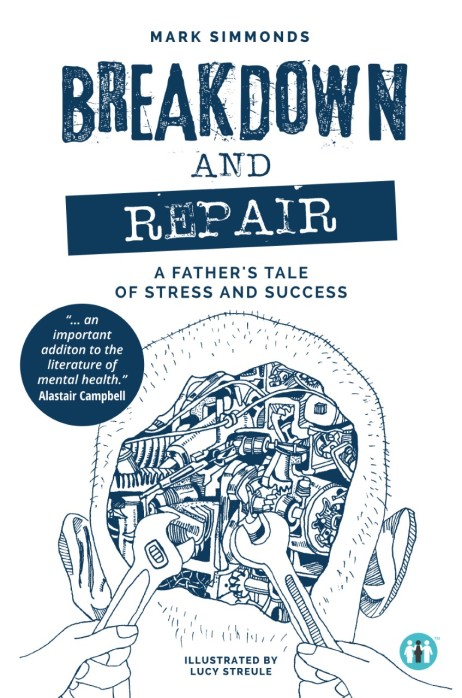
Mark Simmonds published his first book, Breakdown and Repair, with Trigger Publishing, in March 2019 (https://www.amazon.co.uk/Breakdown-Repair-Fathers-Success-Inspirational/dp/1912478994). It provides a full account of his daughter’s struggle against anorexia and is illustrated by Lucy Streule. It also talks candidly about his own experiences with mental ill health.

You can also follow Mark on Instagram (mentalhealthmark).


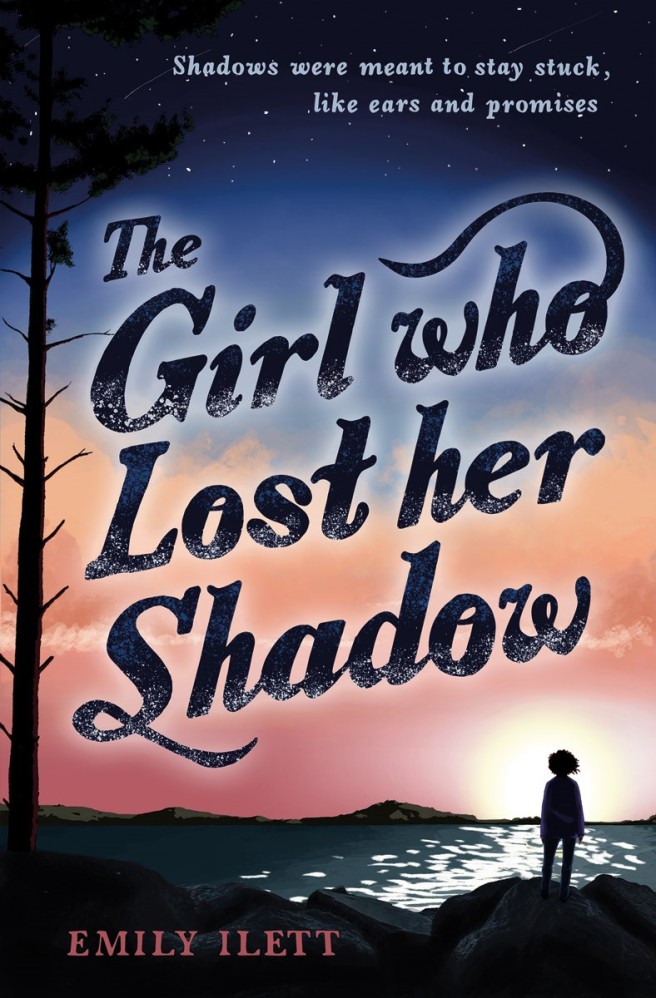
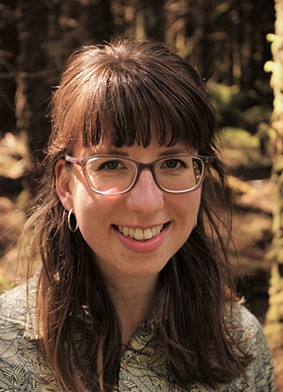
The Girl who Lost her Shadow: Guest blog by Author, Emily Ilett.

emilyillet1.jpg

The Girl Who Lost Her Shadow is a story about sisterhood. It’s about being there for each other when everything feels like it is falling apart.

Gail and Kay used to swim every week, but everything had changed after their dad left. Now, Kay never left her room if she could help it. She hardly ate, and if she looked at Gail, it was like she was looking all the way through her, as if she was invisible.

When Gail’s older sister, Kay, becomes depressed, Gail doesn’t understand what is happening. The two sisters used to do everything together – they dreamed of being marine biologists and swam in the sea whenever they could. So when Kay becomes tired, sad and distant and won’t swim with Gail anymore, Gail feels abandoned and is furious with her sister.

But after Gail’s own shadow disappears on her twelfth birthday, Gail kicks at her sister’s shadow in frustration and it’s then that she begins to understand how Kay really feels.

Her feet prickled as Kay’s shadow gathered around them, silken between her toes. She gasped at the force of it. She felt emptied of everything she cared about, hollow like a clam shell cast up on a beach. Was this how Kay felt?

Kay’s shadow ripples under the bedroom door and out of the house, leaving Gail alone with this new understanding. And so Gail becomes determined to get her sister’s shadow back. She’s sure that if she brings it back, everything will go back to the way it was before Kay became depressed. But the journey she does go on turns out to be quite different.

As she follows Kay’s shadow across the island, she meets Mhirran, a girl who can do Morse code, a storm, and two bird shadows. With her new friends, Gail learns that she is stronger than she thought, and that even though Kay feels so far away, Gail can always find a way to reach her again.

This is a story about the impact of Kay’s depression on Gail, and how Gail finds the courage to be there for her sister, just as Kay has looked out for her so many times before. I think children’s stories about mental health are so important; at a time when everything can be painful and confusing, stories are a way of seeing ourselves and understanding how we can ask for support and give it to those we care about.

Kay said too many people try to do things by themselves – she couldn’t understand it. It’s a brave thing to ask for help, she said. The bravest thing.

When I was a child I struggled with Obsessive Compulsive Disorder (OCD) and at the time I didn’t understand what was happening or that it was a shared experience. As an adult I recently read The Goldfish Boy by Lisa Thompson, a beautiful and sensitively written children’s book about a boy called Matthew who has OCD who solves a mystery in his local neighbourhood. It was such a poignant experience reading this book and I am so happy it exists for the next generation of young readers, so that they feel less alone and can find the words to put to their experience or the experience of friends or family.

I hope that The Girl Who Lost Her Shadow will help young people and families talk about depression and mental health, and this tale of magic and adventure provides companionship to young people and supports them to ask for, and give help, themselves.

In this extract, Gail is trapped inside a tree’s shadow and she is looking at a photograph of Kay in the hope that it will give her the strength to escape the shadow.

Gail ran a forefinger down the photo, following the curve of Kay’s cheek. Kay had always been the strong one, not her. She remembered the time when she’d broken her arm and Kay had drawn

twenty-three octopi on her cast so that she had all the arms she needed, and when Kay had spent hours explaining the tides because Gail was afraid of not knowing when the ocean would shift or shrink. She remembered when her sister had taken the blame the day Gail had turned their mum’s umbrella into a jellyfish with pink tissue paper and superglue, and when she’d squeezed Gail’s hand and distracted her with stories of marine biologist Asha de Vos while Gail had her first terrifying injection.

And she remembered one day after Kay had started sinking, when she had turned to Gail in the sticky silence, and said softly, “Do you remember the time we went swimming last October? We stayed in for ages and when we came out our lips and fingers were blue. You squeezed my hand and I couldn’t feel anything at all.” Gail had nodded and Kay stared at her own hand, flexing her fingers. “I feel like that now, Gail. Everything is numb. It’s like I’ve been swimming for hours. But I don’t know how to get out. I can’t get out.”

Gail had stiffened at Kay’s words then. Kay was the strong one. She needed Kay to be the strong one. And so she had tightened her mouth and tapped at the window and shrugged and said nothing at all.

Twigs broke behind her. They crunched in a creature-like way. Gail held her breath; she slipped the photo back in her bag and tried once more to wrestle her feet from the tree’s shadow. It was beginning to convince her that there were leaves growing from her nostrils and in between her teeth: Gail had to touch her face to check that there weren’t. She tugged her hair behind her ears, and shifted her rucksack higher on her back.

Leaves crackled to her right, followed by the scuttling of insects disturbed.

“Hello?” Gail whispered. “Who’s there?”” 

(The Girl who Lost her Shadow)


emilyilett2

This blog was written by author Emily Ilett. ‘The Girl Who Lost her Shadow’ is out now with Floris books and on Amazon. 

Book Interview for Bring me to Light: ‘Recovery is possible’ by Kat O’Connor at Shemazing

bringmetolightbook

My interview with Kat O’Connor at the wonderful Shemazing over in Ireland was published today. Thank you so much!

Here are some small extracts:

‘Eleanor Segall has penned a book about what it is really like to live with bipolar disorder. The inspirational author’s book Bring Me To Light is bound to open your eyes about a disorder that affects so many people across the globe.

Eleanor spoke to Shemazing about mental illness, becoming a published author and opening up about her personal struggles and being diagnosed with bipolar disorder at the age of 16.

Having dreamed of being a writer since she was a kid, seeing her book for sale is a true pinch me moment for Eleanor. “I couldn’t dream that I would write a book of my life story or its circumstances at 31. When I was ill in 2014, I knew I wanted to share my story to help people with bipolar disorder and mental health conditions. Helping others is the reason I have written the book and why I kept going with it. I want to break the stigma bipolar and particularly psychosis has. It is such an honour to be published and Trigger seemed like the perfect home for my book.

Read the full interview here: https://www.shemazing.net/recovery-is-possible-i-have-bipolar-disorder-but-it-is-not-the-end/

My first review and Book tales.

bringmetolightbook

“Bring Me To Light by Eleanor Segall is published on November 5. The eye-opening and beautifully honest read will become one of the most beloved books of Winter 2019.”Kat O’Connor at Shemazing

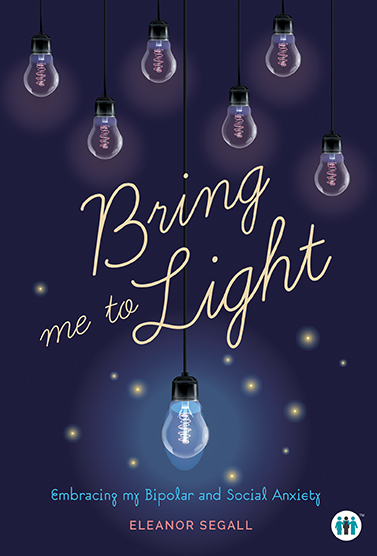
Today, the lovely Kat O’Connor at Shemazing.ie, based in Ireland, wrote and published this early book review of my upcoming book ‘Bring me to Light: Embracing my Bipolar and Social Anxiety’ (with Trigger Publishing). You can read her review here

Thanks so much Kat! Since coming home from our honeymoon in Italy, me and fab marketing manager Beth at Trigger have been promoting my book, which is out in November. Thank you to all who have preordered the book so far and helped it go up the bestseller lists for hot new releases and in depression biographies/ psychology categories on Amazon. It is all so exciting and I feel so grateful that people are getting behind the book. I can’t wait too to hold the paperback copy!

This is a short blog to say thank you to everyone who is supporting Bring me to Light and me as I embark on this new journey with my debut book.

With gratitude,

Eleanor x

You can pre order Bring me to Light, my book on mental health, now!

bringmetolight1
Hi friends, its now August and my book is out in the UK on October 30th and November 5th in the USA! I tell my life story with being hospitalised for bipolar disorder episodes twice, most recently in 2014 and how I found a form of recovery and have become a writer on mental health.
My book is called ‘Bring Me to Light’ because I found light in the darkness, hope where there was none. It took many years and this time was a challenge. I hope that reading my book will make you feel less alone. It talks about bipolar, psychosis, depression, anxiety and mania.
It also talks about my wonderful family and friends who have helped me along the way and teachers, doctors, psychiatrists and nurses. Team effort.
the Trigger website (my publisher). USA people you can order it on your Amazon too.
Book launches to follow later in the year, stay tuned for details!

Mental health and the juggling act: New Job, My book and Wedding. by Eleanor

bringmetolightbook

(image: Trigger Publishing)

Nearly a month ago, I started my new job at a big Jewish charity here in London. I work in a small but lovely team in PR and Communications- helping run social media, write and distribute press releases and copywriting. I am enjoying it but its totally different from my other work and I am far less immersed in the mental health world than I was a few months ago. It is a juggling act. Trying to keep up with changes and all that’s occurring though. Hopefully soon I will find time to write articles again for my friends at Metro.co.uk and Happiful.

This has brought its own challenges as I havn’t been blogging here as much either, due to writing my book. My book  ‘Bring me to Light’  will be released in the UK on November 5th and the USA shortly after, with Trigger Publishing. The title references going from darkness to light, as I have done with my bipolar and anxiety since I was 16. I have written most of it (50,000 words!) but my very kind editor has extended the deadline for it so I can write everything I need too, whilst also doing my day job and wedding planning (!). I am really excited to see a printed copy and to promote it later this year- the hard work will be worth it I hope. I also hope you enjoy reading it and thank you all for your ongoing support.

So, wedding planning, we are 5 weeks away now until I marry Rob, my fiance. It has come round so fast especially as we have had a year and few month’s engagement, I am counting down the days until I am under the Chuppah (Jewish marriage canopy) and we are officially married in presence of those we love! This week I had my final dress fitting and it was super emotional. I still can’t believe its happening. Rob’s dad is recovering slowly at home but his condition is still serious as he has cancer.

Naturally, you will be wondering- how am I staying sane with my bipolar with everything going on and with Robs dad not being well? Firstly, as we know, stressors can make bipolar worse and trigger episodes. At the moment, my main mood stabiliser Lithium keeps me very grounded and stable. Despite the stress, I am not dipping down into  deep depression as I would have done in the past. Yes-  there are times when I might feel stressed, overwhelmed, exhausted or tired and just want to sit in my pyjamas watching Made in Chelsea or First Dates. There are also times when I am too tired to cook or do laundry and need support with those. I am lucky to have a very supportive family who look out for me too.

My work colleagues have been super supportive when I have been overwhelmed or anxious and I am finding the flexibility of my work helpful too.  I am having less anxious days now I am working too due to exposure therapy and going out a little more (taking the bus and cabs and talking to new people).

For me, I really need self care time, time to switch off and unplug. As we go into Shabbat  now is the perfect time to read and be quiet, come off my phone and computer and just be. I really promote looking after you and taking time to sleep and rest for optimum mental health and to feel better again. Sometimes it can help to let others know how you’re feeling too.

I have two weeks to give in my first book manuscript and five til my wedding day. These are dreams I have had for years and I can’t quite believe they’re happening. Staying sane while planning a wedding without a planner can be hard but we have worked as a team. Having a good cry has really helped also at times, when things get too much! But generally happy, wonderful things so not to complain. Everything at once can get a lot for anyone. Life at the moment is hectic but I am pacing myself as much as possible.

If you would like to preorder my book, you can do so on Amazon or the Trigger website and I would love to know if you do :).

Thanks for being there for me and for supporting my work too. I hope we end the stigma against mental health by talking, sharing and explaining.

Love,

Eleanor xxx

How Walking and Audiobooks have helped my Anxiety and Depression: Guest blog by Tan at BooknerdTan

audiobooks1

(image: BetaNews)

For most of my life I have had relatively good mental health and considering the rather…’turbulent’ upbringing I had I’d say that was pretty much a miracle. All came to a head in June 2018.

I was in a job that was incredibly stressful for minimum wage, I had a toxic boyfriend who did nothing but make me feel worse about myself and I had an abuser resurface into my life completely unexpectedly. All this happening at once lead to some kind of mental breakdown and I couldn’t function for around 4 months. I couldn’t go out, I couldn’t go to work – I could barely eat or string a sentence together. Everything I heard was white noise, everything I saw was in slow motion and I was just completely numb.

I went to seek help with my doctor and was prescribed medication (which I am not currently taking as of the New Year) and was referred to Birmingham Healthy Minds service. This is a service which I cannot recommend enough – I was really scared of counselling after previously having a bad experience when I was younger, however I’m really glad I went ahead and gave this a go.

The best thing about this was that my counsellor was not passive (unlike my previous experience), in fact he gave me so much advice that will stay with me forever. I relied heavily on my friends during this time and they were an amazing help, but sometimes it is nice to offload some of your worries on to someone who is essentially a stranger. It allowed me to say things which I may not necessarily feel comfortable telling my family or friends.

Ever since I went and spoke to someone about my condition, I have been looking for the best ways in which to cope on a daily basis. The main way I keep my anxiety at bay is with a combination of walking and audiobooks. This has done wonders for my anxiety. I have always been a big book nerd; I read every day, manage to polish off on average 100 books a year and run my own book blog so it’s safe to say that I am a major bookworm!

I’ve constantly heard and read about exercise being an amazing coping mechanism for people dealing with depression. I have close family members who also suffer with depression and confirmed to me that exercise is one of the main things that relieves some of their symptoms. Having this information only told me one thing – get to exercising!

I live in a really pretty village so I decided to put my headphones in, pick an audiobook and walk. Walk until I couldn’t feel my legs. 3 hours later I came home and was elated. Body numb, blood pumping and feeling a tiny bit more positive than when I left the house.

My anxiety got to such a point that I wasn’t able to breathe properly. I was always taking short, sharp breaths and it never felt like I was in control which exacerbated my anxiety. Walking allowed me to think about and control my breathing therefore lowering my anxiety somewhat. Combining walking and my favourite hobby (devouring books) helped me so much more than I ever expected and am so thankful for it.

I recently wrote a blog post about how audiobooks helped me control my anxiety and was overwhelmed by the response it got when I shared it on my blog. Not only by the amount of people who are dealing with anxiety themselves, but how happy they were that they found the post and are willing to try it out to see if it helps them too. It’s that kind of response that reminds me of why I love blogging and sharing my experience! I hope someone read about my experience and it was able to help them.

Every day is still a learning curve but I’m definitely getting there. Going forward, I hope that everything I have learned in the past 9 months will aid me in keeping my anxiety and depression at bay and be able to handle it as best possible when/if it arises again with a vengeance.

I am always hopeful that if I ever feel the same way again, I will be able to see the signs a lot earlier, implement the coping mechanisms I’ve acquired and nip it in the bud before it manifests even further. I hope that somehow my experience can help someone else out there cope a little better and make them realise that it is possible to come out the other end even when you’re at your darkest.


This guest blog was written by UK book blogger and writer Tan at https://booknerdtan.wordpress.com/

5 Tips for a Mental Health Emergency Plan: Guest blog by Emily Bartels

selfcareblue.png

(image: http://crmhfoundation.org/self-care/)


When it comes to emergency plans, usually we think in a more physical sense, but did you know that mental health emergency plans are important?

Mental health emergencies can be quite stressful, and if you’re in a mental health industry or have any personal concerns about your own health, providing the right help is important.  Here, we will outline important tips to help you create a mental health emergency plan that will suffice.


Have a Support system

If you tend to get overwhelmed when an emergency happens, a big way to help reduce the trauma from it is to have a support system. Whoever you are and whereever you work, your own personal triggers and issues are still there. If you’re having issues coping, find a support system- a friend, family member or therapist that can help.

You may want to come up with a plan to help your  responses to situations, especially when disaster strikes. If you do have anxiety and depression, do make sure that you have people that can help around you or reach out for help from a doctor or therapist.


Prepare For Emotional Reactions

Another big thing that emergency evacuation plan Melbourne  (in Australia) does point out, is you need to make sure that you have the right idea of what might happen.  You should know when you have chaotic reactions, and what you struggle with when disaster strikes.

Focus on what will help, what might happen when you do suffer from an incident, and make sure to communicate it to others.

Processing information is quite hard in a stressful situation, such as fear, anxiety, depression, or even a panic attack, and you should make sure that, with the group of people you trust or the medical profession, you do speak about what happens. It’s also important to make sure that you properly communicate to others.  While panic attacks and sad emotions do happen, you should know that you probably will be upset about whatever will transpire. But that its OK to feel this way.


Be Prepared to communicate

A large part of a mental health plan is to make sure that you communicate your needs. If you need to, make sure that you explain any mental health needs, such as medication you might need, in an emergency, with loved ones.  Its vital to your wellbeing  even when stressful to communicate. Letting others know can help them and you prepare for the worst and take action if needed. You aren’t alone.


Keep Contact information on hand

Pharmacies can help you get emergency medication, but making sure that you have the contact information for your provider, any diagnoses, and dosages of medication are important.  Make sure to let some people in your support system know, and also keep those phone numbers on hand in case if the emergency lines are overloaded.


Create a Recovery Bag

If you have extra medications, a comfort item, and anything that you can use to help in the case of an emergency or crisis, put it in a small emergency kit, which you can use if you need to attend hospital or appointments.  Remember, emergency kits aren’t just for physical health aspects, but also for mental health.  You need to make sure you’re prepared both physically and mentally for any issues that might transpire so that you’re not suffering.

Mental health during an emergency often isn’t focused on as much as say other aspects of your health. Depression, anxiety, and even suicidal thoughts don’t always go away, and you need to be prepared for that, and reach out for help so you can recover well.

Creating a plan to try and prevent or reduce this from happening with your medical team will help if a mental health emergency comes about. From there, you can get the help that you need in order to stabilise yourself, look after yourself and recover again.


This blog was written by Emily Bartels, freelance writer with an interest in mental health and wellbeing.

Guest blog: WILDWOMAN Book Subscription Box Review: Get 10% off

wildwoman1

(image: Donna Hay at http://www.iamwildwoman.com)

Here at Be Ur Own Light, I was contacted by Donna at Wild Woman Book Subscription Box to see if I wanted to try it!

According to their www.iamwildwoman.com ,

WILDWOMAN is a subscription box for every woman who cares about her wellbeing and strives to live the best life possible. 

Every month, the WILDWOMAN subscription box will remind you to take an hour or two just for yourself. It aims to reconnect each WILDWOMAN to themselves through reading an inspiring book whilst indulging in a regular self care routine. 

Each box contains gorgeous gifts including a chosen book of the month and items such as stationery, crystals, affirmation cards, sweet treats and more, plus a journalling worksheet based on the contents of the book so that readers can make the most of the lessons within each book – thats the real beauty of non-fiction books!

Subscribers of WILDWOMEN will also be invited to join the worldwide book club, GozenGirls and encouraged to connect to other women online through the growing community to talk about the book of the month and their own journeys of self-discovery. 

For women who want to take a little bit of time each month to slow down, check-in with themselves, regain control of life, and reconnect with mind, body and soul.’


Review and 10% off!

My beautiful self care box contained what you see in the photo above. The book is ‘An Edited Life‘ by Anna Newton which is a fascinating read about streamlining your life for the better, decluttering your home and mind . There were also cactus paper clips, a notebook, a card with an inspirational quote and affirmation ‘I am calm‘, teapigs tea, a vegan chocolate bar and some beautifully smelling wax melts to burn.

I loved the way it was a packaged in a sleek black box and the whole box felt luxurious, and perfect for self care.

I definitely would advise subscribing if you want to treat yourself to some self care, a good book and a positive boost each month! Wildwoman is based in the UK but ships abroad so check the website for your country. You can also buy a one off box to try!

Donna has very kindly given all my readers a 10% discount code so add  WILDWOMAN10 to receive 10% off.

For more see www.iamwildwoman.com

Hope with Eating Disorders (2nd Edition): Book by Lynn Crilly

HOPE WITH EDs - Instagram (2)

Writer of Hope with Eating Disorders : A Self Help Guide is Lynn Crilly, a trained counsellor and also a carer to her daughter who developed Anorexia and OCD at aged 13.

Conventional treatment didn’t help her daughter and so Lynn did all she could to learn about eating disorders and mental illness, in order to help her daughter recover. She trained in NLP techniques and became a counsellor, slowly assisting her daughter back to health.

Lynn has said,

‘I  have experienced and learnt first-hand how hard it is to support a loved-one through to recovery from Anorexia Nervosa and OCD, and the effect living with mental illness can have on not only the sufferer but everyone involved, particularly the rest of the family.

I was keen to go on to give others the benefit and support of my knowledge and experience both personally and as a counsellor. Over the years I have had the privilege of working with some wonderful people and their families, each and every one unique, whilst I have been able to support them through their journeys. I too have learnt from them.’

I found the book very easy to read and incredibly informative. The first edition of Hope with Eating Disorders was published in 2012. Since that time, awareness of eating disorders have grown. Lynns website says about the book,

In this second edition, which maintains Lynn Crilly’s warm, non-judgemental, family-friendly approach, the more recently recognised eating disorders have been included, the range of treatment options – both mainstream and alternative – has been fully reviewed and revised, and the impact of social and technological change has been fully accommodated, with the role of social media for good and ill to the fore. New case histories highlight key issues, and throughout all references to research and stats have been reviewed and updated. Men’s eating disorders are now addressed by contributing author Dr Russell Delderfield. Since originally writing Hope with Eating Disorders, Lynn has experienced seven years of counselling practice and seven years of her own daughter’s recovery from an eating disorder and Obsessive Compulsive Disorder, underpinning her realistic insight into what recovery actually is and means.

Hope with Eating Disorders is a practical, supportive guide for anyone helping someone with an eating disorder be they a family member, teacher, sports coach, workplace colleague or friend.

You can find out more about Lynn and buy a copy of her book at www.lynncrilly.com/my-books