Crave: Harnessing The Hidden Biology of Addiction and Cancer by Dr Raphael E. Cuomo, PHD.

(image: Todd Trapani, Unsplash)

Modern life surrounds us with easy dopamine triggers: sweetened coffee on every corner, endless scrolls of video, nicotine vapes disguised as fashion accessories. My research career has shown me that these cues are not merely temptations; they are biological signals that reshape metabolism, immunity, and even cancer risk. In my book, Crave: The Hidden Biology of Addiction and Cancer, I set out to explain why.

Why cravings feel hard wired

Craving evolved as a survival mechanism. In the brain, the mesolimbic pathway flags calorie dense fruit, social bonding, or safety as worth seeking. That same circuitry now lights up for ultraprocessed snacks and late night streaming. Functional MRI studies reveal identical patterns of dopaminergic surge whether volunteers anticipate nicotine or a sugary drink, and chronic exposure dulls the reward system’s sensitivity. Over time, people need stronger stimuli for the same lift, a neuroadaptation called tolerance. My laboratory group has observed that tolerance often precedes measurable changes in inflammatory biomarkers that predict cancer progression.

From appetite to oncology

The epidemiology is startling. Meta analyses link daily sugary beverage intake with elevated colorectal cancer incidence, independent of body mass. Tobacco remains the most potent modifiable carcinogen worldwide, yet nicotine pouches marketed as “clean alternatives” still activate . Adults who replace smoking with high sugar snacks trade one risk for another; insulin spikes feed oncogenic pathways. Craving is the bridge that explains these patterns.

Listening instead of suppressing

A central message of the book is that craving is not a moral failing. It is feedback. By tuning into the signal, by asking why a craving appears rather than fighting it, we can leverage biology rather than battle it. For example, a brief walk that raises heart rate for ten minutes stimulates endocannabinoids that naturally quell appetite and elevate mood. Clinical trials suggest that this micro intervention yields sharper cognitive performance than an afternoon energy drink.

Sugar Cravings and Mental Health

Craving for sugar sits at the crossroads of addiction science and mental health because sucrose triggers the same dopamine opioid cascade in the brain that reinforces nicotine and alcohol, yet the rapid glucose spikes that follow can crash into irritability and low mood, creating a loop that feels compulsive rather than indulgent.

Evidence based tools break this loop: cognitive behavioural therapy teaches people to notice the stress cue that precedes a sugar hunt, mindfulness based relapse prevention strengthens the ability to ride out urges, nutrition counselling pairs slow digesting carbohydrates with protein to steady blood glucose, and peer groups such as SMART Recovery provide social accountability when willpower fades.

Small pivots, measurable gains

Patients who swap sugary breakfasts for fiber rich protein report fewer mid morning crashes within three weeks. Continuous glucose monitoring confirms smoother glycemic curves, and inflammatory markers such as CRP trend downward after eight weeks. Similar improvements follow digital media fasts that compress social scrolling into defined windows, freeing cognitive bandwidth and reducing late night cortisol spikes that impair immune surveillance.

Practical first steps

There exist a number of science grounded experiments readers can try: hydrate before caffeine to blunt adrenal overstimulation, pair resistance exercise with a protein rich meal to modulate leptin, schedule technology free evenings to restore natural melatonin rhythms. Track how your body responds, adjust, repeat. The data you gather on yourself becomes a personalised research study with real health dividends.

Final thought

Our ancestors survived by responding to biological urges; we thrive today by understanding them. Crave offers a map from reflexive consumption to intentional living, informed by years of bench science, clinical trials, and population studies. My hope is that readers finish the book feeling empowered to decode their own signals, rewrite their relationship with desire, and protect long term health in the process.

If that resonates, I invite you to explore the full story within the pages of Crave and share your experiences. Let curiosity, not discipline alone, guide your next step. To get your copy of Crave, please see the following link: https://www.amazon.com/dp/B0F8YVNB2S

(image: Raphael E Cuomo PHD)

The Unseen Consequences: How Bad Habits Can Affect Your Health and Wellbeing.

(Image: Maria Orlova for Pexels)

Most of us have bad habits that we’re aware of, whether it’s smoking, excessive drinking, or eating unhealthy foods. We may think that the only consequence of these habits is the occasional guilty feeling or a bit of embarrassment. Still, bad habits have far-reaching and unseen repercussions that can significantly affect our health. In fact, poor habits such as these can lead to various physical and mental health issues, such as depression, insomnia, and heart disease. The good news is that we can make changes to improve our health and overall well-being by understanding the unseen consequences of our bad habits.

Premature Ageing

Premature ageing is one of the most significant and often unseen consequences of bad habits. Smoking, for example, has been linked to premature wrinkles, age spots, and an overall aged appearance. The same applies to excessive drinking and unhealthy eating habits, contributing to poor skin health and general ageing.

Research has shown that bad habits can also contribute to accelerated ageing of the brain. Studies have found that excessive drinking, smoking, and other unhealthy habits can increase the risk of developing dementia and other age-related cognitive issues.

Decreased Mental Health

Bad habits can also have a negative impact on our mental health. Studies have found that smoking, excessive drinking, and unhealthy eating habits can all increase the risk of developing depression and anxiety. Additionally, poor habits can lead to an increased risk of developing insomnia, which can harm our mental health.

Addictions can be hard to break and severely impact your physical and mental health. Moreover, studies have found that bad habits can also increase the risk of developing substance abuse issues. If you feel you are struggling with addictions, there are drug rehab clinics which can help you, with qualified therapists.

Additionally, unhealthy habits can also lead to an increased risk of developing stress and other negative emotions. Studies have found that smokers and excessive drinkers are more likely to experience emotions such as anger and frustration, which can lead to further mental health issues.

Reduced Motivation

Bad habits can also have a negative effect on our motivation levels. People with unhealthy habits often feel lethargic and lack the energy and drive to complete tasks or take on new challenges. This can sometimes be attributed to poor nutrition, as unhealthy foods leave us feeling sluggish and unmotivated. Similarly, those who smoke often feel tired and lack the energy to exercise, which can further decrease motivation levels.

Bad habits can increase the risk of developing chronic conditions like diabetes and heart disease. These conditions can cause fatigue, which can further reduce our motivation levels. Additionally, those who consume excessive amounts of alcohol are more likely to experience difficulty concentrating, which can decrease motivation and mental health.

Lifestyle Changes 

Bad habits can lead to a dependence on these substances which could significantly alter your lifestyle. Just like you can lack motivation, you may also replace things you should do with bad habits, despite knowing it is not good for you. 

If you develop a dependence on alcohol or drugs, you may ignore responsibilities, such as work, spending time with friends, or even parenting, to indulge in your bad habits. While any bad habit can affect your life and be a problem, these instances are where you have arguably hit rock bottom because you care more about the habit than you do anything else. 

In these cases, seeking help through therapy or drug rehab is crucial. It can take time to accept you need help, but taking steps to find this support is the first stage of getting your life back. 

Increased Risk of Health Conditions and Diseases

Finally, bad habits can increase the risk of developing severe health conditions and diseases. Those who smoke are more likely to experience a stroke, lung cancer, heart disease, and an increased risk of developing COPD and other respiratory conditions. Similarly, excessive alcohol consumption can lead to liver cirrhosis, pancreatitis, and an increased risk of certain types of cancer.

Furthermore, those who engage in unhealthy habits are more likely to develop obesity and type 2 diabetes and an increased risk of developing high blood pressure and high cholesterol. These conditions can lead to an increased risk of stroke and heart attack and even reduce our life expectancy.

Conclusion

In conclusion, ‘bad habits’ can have far-reaching and unseen consequences that significantly affect our health and overall wellbeing. However, by understanding the unseen effects of our bad habits, we can make changes to improve our health and wellness for good.

This article was written by a freelance writer. If you need help for addictions or eating disorders, please reach for help from qualified professionals.

How to Overcome the Mental Distress of Recovering from Cancer by Rachelle Wilber

(image: Pexels)

Recovering from cancer is a long, challenging process that takes a lot out of you mentally and physically. Even when you achieve remission and start to regain your energy, the negative effects on your mind can persist. If you’re not sure how to deal with the emotional and psychological aftereffects, it’s easy to become overwhelmed or despondent. However, with the right approach, you can overcome that mental distress and regain a sense of contentment.

Talk to a Professional

If you’re dealing with mental distress during cancer recovery, seeing a therapist or counsellor could be helpful for your mental health. Some professionals specialise in assisting people in coping with major illnesses, and they can often give you beneficial insight. Sometimes, getting a fresh perspective from an outside source can be effective for solving problems that you’re struggling with. You don’t have to commit to monthly or weekly sessions, but it’s worth at least trying out with a session or two, and you can decide at that point if it’s right for you- and what you need.

Find a Wig to Match You

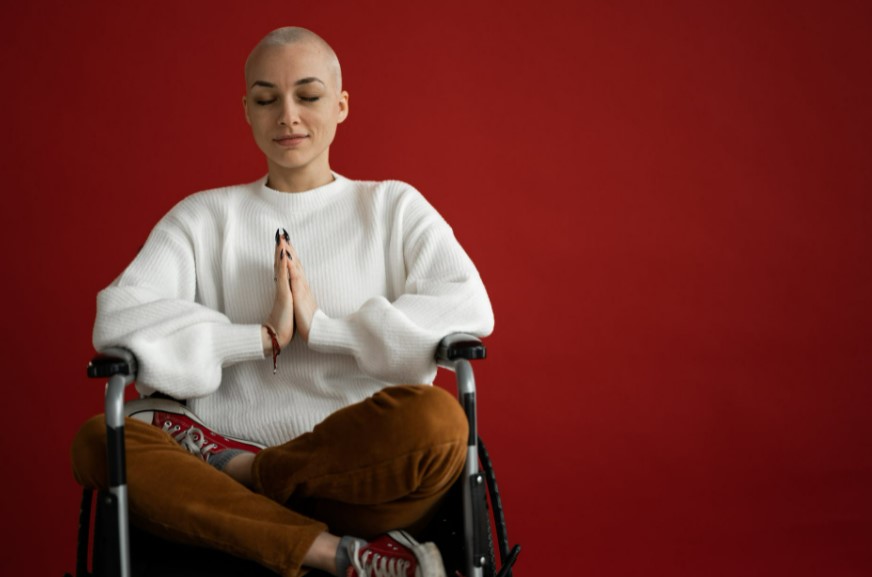
For many patients, chemotherapy is an effective treatment method for achieving remission, but it also comes with several negative side effects. One of the most well-known of these side effects is the thinning or loss of your hair. For some people, this is a difficult change to get used to, and some of the wig options available aren’t particularly appealing. However, there are places where you can purchase custom made lace wigs, which can give you back the look you prefer and help restore that self-confidence.

Find a Creative New Outlet

If you don’t have much to do with your free time during cancer recovery, it leaves a lot of opportunities for your mind to drift toward negative thoughts. This can become a powerful cycle in which the depression can fuel itself and worsen over time. To combat this, try finding a new hobby or creative pursuit that you can develop a passion for, when you have the energy to do so. Having something to do each day that you’re genuinely looking forward to will make a massive difference for your outlook, and it’s also good for the brain in general to keep you occupied. Some days you may just want to lie on the couch and rest- thats OK and listen to your body.

There will always be challenging days when you’re recovering from something as traumatic as cancer, but a positive mindset is still achievable. Try not to let the rough days define you and be kind to yourself. You could try something good for your mental health like meditation, art or reading if you have the concentration.

Remember that it always seems darkest before the dawn, and you will get through it- reach for support from a therapist, partner, friends and family.


Rachelle Wilber is a freelance writer living in the San Diego, California area. She graduated from San Diego State University with her Bachelor’s Degree in Journalism and Media Studies. She tries to find an interest in all topics and themes, which prompts her writing. When she isn’t on her porch writing in the sun, you can find her shopping, at the beach, or at the gym. Follow her on Twitter and Facebook:

@RachelleWilber;

https://www.facebook.com/people/Rachelle-Wilber/100009221637700/

Happy Third Blog Anniversary! : On Our Third Birthday by Eleanor

pink3

(image : etsy)

Earlier this week, on the 1st March, Be Ur Own Light turned 3 years old! I still remember starting this blog as an outlet for my fears, thoughts and emotions after leaving a job in 2016 due to acute anxiety and panic ( part of my bipolar) . Writing the blog and sharing thoughts has been so therapeutic and it has taken me on  a journey that I could not have imagined when I started writing. As many of you know, this blog led to me writing for big media outlets and to my book deal (book hopefully will be out in November) and I am so grateful for the confidence it has given me too- and the chance to connect with people all over the world.

However, this year (as with the past 2), the blog has attracted a horde of talented writers wanting to spread their messages about mental health and wellness. Some have shared their personal stories of hope and recovery, others have given useful tips on health and wellness  and we have covered topics as wide ranging as Borderline Personality Disorder (BPD), Post Traumatic Stress Disorder (PTSD) and addictions to drugs and alcohol. We have talked about pet therapy, writing therapy, mindfulness and yoga, amongst other therapies.

My guest bloggers have written about their recovery from mental illnesses like anorexia and bipolar disorder. National campaigns like the Diana Award also got in touch with us to discuss bullying and LGBT issues too and Jami charity asked us to cover their mental health awareness campaign (which I helped set up). Furthermore, Be Ur Own Light has also covered World Mental Health Day and Time to Talk Day this year, featuring personal mental health stories as a way to raise awareness and fight misconceptions.

Thank you to my amazing guest bloggers March 2018-2019 for your fantastic content:   

Donna at Wildwoman Book Club for Self care

Lynn Crilly- Hope with eating disorders (book)

Cordelia Moor- Living with Quiet BPD for Time to Talk Day

Sarah- On Depression for Time to Talk Day

Peter McDonnell-  Managing anxiety and psychosis for TTD

Cara Lisette- Recovery from anorexia and bipolar disorder for TTD

David Welham- Depression and Recovery/  Being a parent of children taking exams

Rachelle Wilber- Treatment for PTSD (post traumatic stress disorder)

Brandon Christensen- What is mental health stigma?

Charlotte Underwood- Overcoming Adversity/ The Saviour Complex

Ralph Macey- Managing Bipolar in the workplace

Manmohan Singh- Benefits of Yoga

Alex Sabin- Enjoying the Holidays after Addiction

Spela Kranjec- How to Accept Yourself/ My Journey in surviving Anorexia

Jami charity- Mental Health Awareness Shabbat campaign

Brookman- Avoiding a relationship crisis at Christmas

Sarah Cardwell-  Womens health awareness

Anti Bullying Week, the Diana Award and Everyones Talking about Jamie

Allen- Recovery from alcoholism and mental illness

Lizzie Weakley- How to combat your eating disorder

Posy and Posy- Flowers for wellness

N- Poem on depression- Copy of my Mask

Dan Brown at My Therapy- Suicide prevention on social media- World MH Day

Lydia- On complex PTSD and recovery

Ashley Smith- how Physiotherapy helps with stress and anxiety

Amy Hutson- How Writing Therapy helps

Christine H- What family therapy is really like

Meera Watts- How Yoga enhances your lifestyle

Dawn Prime- How can Animal and Pet therapy help

Bill Weiss- Mental Health Stigma and Drug addiction

Dr Nancy Irwin- Signs your loved one is abusing drugs

Eve Crabtree- The MIND diet for Dementia

James Kenneth- Overcoming mental health challenges

Ellie Willis- A guide to mood disorders

AXA PPP- is social media bad for our health?

Lori Longoria- How baths and spas help relaxation

Tomas Sanchez- can alcohol raise stress levels and affect mental health

Dr Janina Scarlet- Therapy quest book

Cloe Matheson- tips to reduce stress

Paul Matthews- fitness and how it helps depression

Katie Rose- How to help anxiety and panic attacks

Anonymous- on sexual abuse

Kayla Clough- coping with post partum depression

Kara Masterson- 4 tips to begin the fight against drug addiction

Michelle Hannan- 5 tips to boost your immune system

Kevin Morley- Satori Mind- Tips to boost mindfulness

Sara Whitehouse at Stadia Sports-How sport can help mental health

Amy Boyington- How holistic medicine helps mental health


Thank you so much to all of you and I am excited to see what 2019 brings for the blog!

2018 was a very special year for me and my writing- being published in Metro.co.uk, Glamour, The Telegraph, Happiful magazine, the Jewish News and several other media outlets. I was featured in articles in Cosmopolitan, Elle, Prima, Yahoo News, Prevention magazine and Refinery29 and guest blogged on other mental health blogs too.

This year on the blog I wrote about my life with social anxiety and work anxiety, winter blues and SAD/ depression, I shared my articles about being plus size and a bride and about my recovery from bipolar disorder. Furthermore, I wrote about the Twitter hashtags I started #mydepressionmeans and #myanxietymeans, to help people feel less alone and share their own experiences online.

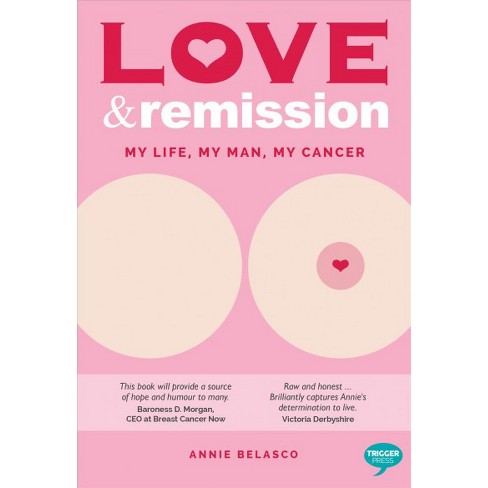
On the blog I also reviewed the brilliant book ‘Love and Remission‘ by Annie Belasco by Trigger Publishing, about breast cancer and mental health. Triggers mental health books are great and I read so many that I was unable to review due to time constraints including Depression in a Digital Age by Fiona Thomas and books by Paul McGregor and Ruth Fox.

This year we were given the accolade of being a Top 10 UK Mental Health Blog by Vuelio and were a shortlisted finalist in the 2018 UK Blog Awards (Health and Social Care category). I was also invited to the Mind Media Awards which was an incredible experience and this year, we have been nominated for Blogger of the Year in the Mental Health Blog Awards.

Be Ur Own Light continues to be read globally and I love receiving your messages about the blogs and finding new writers too.  Blogging makes me happy and I hope it helps so many of you too and you love what we do here.

Heres to a productive, wonderful, fun and exciting year of educating and battling mental health stigma too 🙂

Happy 3rd birthday Be Ur Own Light!  ❤ May this be a special year for us

Love and gratitude,

Eleanor    

xxx

eleanortwit


Love and Remission by Annie Belasco: Book review

loveandremission

(image: Trigger Publishing and Annie Belasco)

I only tend to review books that make an impact on me and that really touch my heart.

I ordered Annie’s book ‘Love and Remission’ , about her life recovering from breast cancer in her twenties and finding the love of her life. Annie and I have been connected on Twitter and she is signed to the same publisher as me so I was super excited to read her inspirational story.

When reading, I found a person of immense strength and an amazing sense of humour. Annie was diagnosed with stage 3 breast cancer aged just 25 years old. Her entire life was falling apart but she found a way through treatment, through the chemotherapy and radiotherapy-to put it back together. She describes what it was like for her to lose her hair and buy wigs, and to go through a masectomy and trying to feel womanly again- which she succeeded in doing. She was scared that the treatment wouldn’t work but she is now incredibly,  in remission.

Annie also had mental health issues due to the trauma but talks about how she slowly overcame her anxiety to live again.

The ‘love’ part in the title refers to her now husband, who she met while undergoing treatment and who stood by her against all the odds.

I don’t want to reveal any more than that- but this book was so inspiring, so moving, so well written that I read it in just two days!

I really recommend this book to anyone who wants to learn more about cancer and mental health whilst being a young woman. Annies story truly blew me away- with her strength, courage and unique take on life- she is so fun loving- and really loves her friends and family.

I was so touched by this book and her story. Thank you for writing it.


(You can buy the book now by Trigger on Amazon and in bookstores).