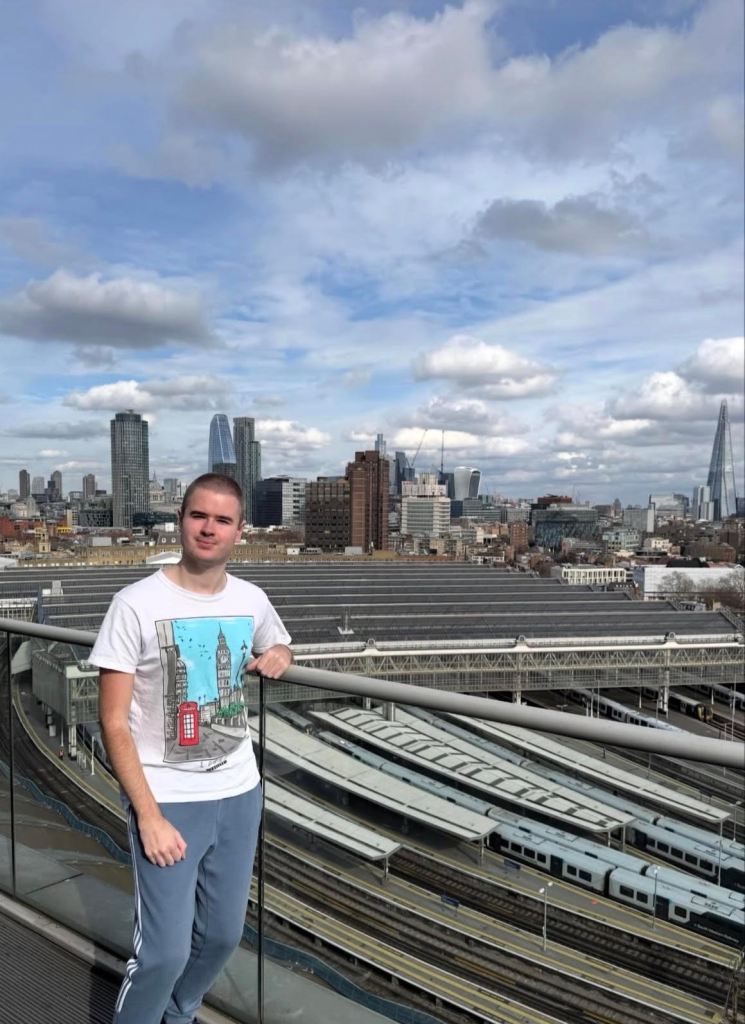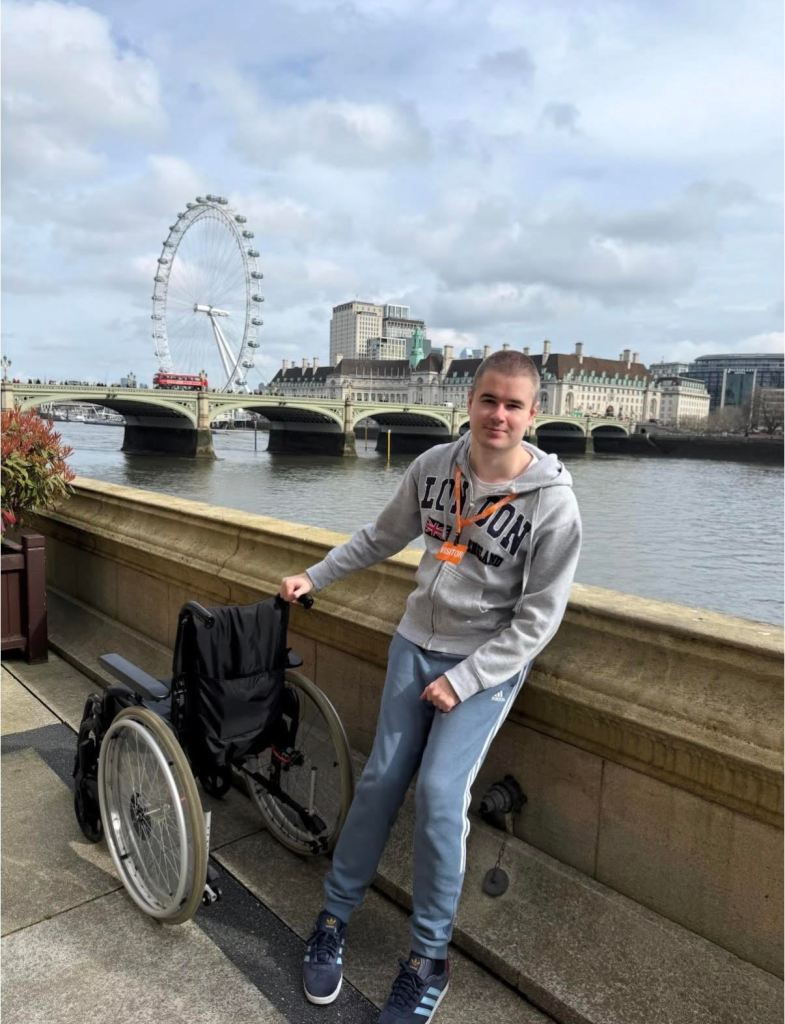
Happy Holidays! Festive Greetings From Eleanor

(image: Jamie Davies, Unsplash)

What a year it has been, the ninth year of our blog! And now we are nearly at the end of 2025 and approaching Christmas. Thank you to every single person who reads, comments, shares and supports this blog.

This is to wish you and your family a very happy Christmas/ holiday period, filled with light, love and laughter. We celebrate Chanukah and it has been a difficult time this year but we tried to make it joyous and still lit our candles.

Sometimes the festive season brings into focus the things that we don’t want in our lives or difficult relationships. It can impact our mental health. Please don’t suffer alone and protect yourself, if you need to talk to someone please call the Samaritans at 116 123.

Have a wonderful Christmas/ festive season and even better new year! 2026 will be the tenth year of this blog!

What traditions do you do this time of year?

With love always,

Eleanor x

How Human Design Can Support Better Mental Health.

(image: Fuu J: Unsplash)

Sometimes life feels like a constant effort to keep up. We try to do things the “right” way, to make choices that look successful, to follow what others say will make us happy. Yet inside, many of us still feel anxious, confused, or tired. We wonder why it seems easier for others to find peace or purpose.

Human Design offers a different way to understand yourself. It is not about fixing or changing who you are. It is about learning how you naturally work: your energy, emotions, and ways of making decisions. When you understand this, life can start to feel lighter and more peaceful.

You can get a free Human Design Chart online using your birth details. The chart may look unusual at first, but it gives insight into how you are wired, how you connect with others, what drains you, and what supports your wellbeing.

So much of our mental stress comes from trying to be someone we are not. Human Design can help you see that your way of being is not wrong, it is simply different.

For example, some people are made to act quickly and follow their gut. Others are meant to take time and wait until things feel clear. If you are naturally the second type, trying to rush decisions can create anxiety or pressure. Learning your own rhythm helps you slow down and trust yourself. That simple understanding can calm the mind and reduce self-doubt.

Human Design reminds us that there is no single right way to live. Everyone has a different type of energy and purpose. When we stop comparing ourselves to others, something inside us relaxes.

You may begin to notice when your energy feels low and choose rest instead of pushing through. You might stop blaming yourself for needing quiet time or for feeling different. This acceptance helps reduce guilt and stress, which are heavy weights on mental health.

Another quiet gift of Human Design is how it can improve relationships. We often expect others to think, feel, or react the way we do. But when you understand that people have different emotional patterns and decision styles, it becomes easier to give space and kindness.

You may find more patience with your partner or family. You may notice that certain people energize you while others drain you, and you can make choices that protect your peace. Healthier connections grow from understanding, not control.

Human Design is not a quick fix. It is more like a mirror that helps you see yourself clearly. You can explore at your own pace, and you do not have to believe in anything spiritual to find meaning in it. It is simply a way to understand your patterns and give yourself permission to live more gently.

If you want to explore further, you can look into Human Design Software to study your chart more deeply and learn how your energy works day to day. But even just reading your basic chart can spark a lot of reflection and relief.

Good mental health often begins with acceptance. Human Design invites you to stop forcing yourself to fit an idea of how life “should” be and to start listening to what feels right for you.

When you live closer to your true design, life often feels softer. You react less, you rest more, and you start to trust that your own way is enough. There is no competition in that, just a quiet kind of peace.

In the end, Human Design is simply one more way to understand yourself with kindness. And that kindness, over time, becomes the foundation for healing.

This blog post contains sponsored links. Check out more at bodygraph.com

My Podcast On Bipolar With JTeen Mental Health Support Service – Therapists Yaakov Barr And Tehilla Birnbaum.

I was delighted to collaborate with JTeen mental health support helpline and service for Jewish teens and young adults aged 11-24, on a podcast talking about my journey with bipolar disorder and social anxiety. I did this to help others and encourage people to seek help, and show its OK to talk about mental illness.

You can watch the podcast here, please watch with care: Trigger warning: discusses suicidal ideation, psychosis, mania, being sectioned under the mental health act and depression. Suitable for 18+

I decided to do this podcast to fight stigma in the Jewish community in London and worldwide and educate people about bipolar, especially parents as it started for me at the age of 15.

Thank you to Yaakov, Tehilla and Michal for making this such a relaxed but important conversation.

Love,

Eleanor

x

7 Ways To Care For Yourself And Your Mental Health This Autumn/ Fall.

(image: Ella Ivanescu, Unsplash)

Autumn (or if you’re in the USA, Fall) is one of my favourite seasons. Beautiful autumn leaves, the weather getting gently cooler, cosy hot chocolates and pumpkin spice, the autumn harvest of pumpkins, snuggling in blankets with a good book or TV show and for some- walks in nature with the orange and yellow trees and landscapes. However, did you know that the clocks going back and the change in light and dark, with nights drawing in, can affect your mental health? Studies have shown that when its darker, people are more prone to depression and anxiety and some (like myself at times) struggle with Seasonal Affective Disorder.

There are many ways to take care of yourself if you feel your mood dipping or you are becoming more anxious. If you feel it is affecting your daily functioning, please reach out for support from your doctor (and if you have one, a therapist or psychologist). Here I talk about a few tips to help support your mental health this Autumn.

  1. Make sure you rest as well as play and work

Work can become all consuming, but if you prioritise rest this season too, your body will thank you. Autumn is all about slowing down, recovering, resting (and for animals (and some humans) hibernating). Yes you can work and play hard if you prefer, but make sure you find that balance to support your wellbeing. In our busy lives and for those who are parents or just struggling with their mental health, self care can slip. Practising good self care- eating well, resting, gentle exercise, can really help our minds.

2. Release Control- Give Stress Over

Gabby Bernstein, my favourite spiritual teacher, often says ‘Release control to find peace, surrender it to the Universe’. Surrendering means not obsessing about what we can’t control, but giving it over to a higher power or the universe. This can really help when we feel overwhelmed and stressed, to pray and meditate or simply write down how you are feeling and then ask the universe to take it from you. Journalling thoughts and feelings can help too.

3. Nature walks

Despite the cold, this Autumn, walking in nature can help get the blood pumping and our minds to reset. Sometimes going with a friend, spouse or family member can cheer you up- there is something about the colours of nature, the soft greens that is truly calming.

(image: Erika Mendes, Unsplash)

4. Make your home cosy

Whether its getting some new cushions or blankets, fairy lights or lamps, investing in cosy and light interiors for the darker seasons is a must! I like to use lamps when the nights draw in.

5. Get enough sleep (but not too much!)

During the Autumn/ Winter period, most of us naturally want to hibernate in the evenings. Sometimes this period can make depression and anxiety worse. I know with my bipolar that sometimes I feel lower or more anxious. Getting enough daylight and if you struggle with seasonal affective disorder, use an SAD lamp, which can help you to wake up gently in the mornings. Similarly, make sure you get enough sleep for you to keep your mental and physical health at its best. Depression can cause us to sleep longer hours and hide away- I find daytime distractions can help me not to sleep too much.

6. Take your medication as prescribed

If you struggle with mental health in winter and are prescribed antidepressants or other meds, do not suddenly stop them as this can cause a relapse in your mental health. Make sure you speak to your doctor first!

7. Treat yourself

Treat yourself to a hot chocolate (or pumpkin space drink) and a good book or TV show, wrapped in a cosy hoodie or blanket. You deserve it!

Wishing you all a wonderful and well Autumn/Fall season.

Eleanor

The Let Them Theory (Mel Robbins) And Its Positive Impact on Mental Health and Life.

(image: Eleanor Segall)

If you havn’t heard of the bestselling book ‘The Let Them Theory’ by Mel Robbins, I urge you to grab a copy or watch Mel’s videos on Youtube. This book teaches you how to take back your emotional power. Say you break up with someone who doesn’t see your worth or you get excluded from social arrangements from your friend group, or you have a difficult relationship with a parent or sibling…. this book teaches you how to live the best and happiest life for you, without causing terrible emotional impact to others and yourself.

This blog is not an advert for the book. I havnt been paid to read and review. I just found it personally so helpful and life changing for me. I am an empath, I am sensitive and I take peoples actions to heart. I am slowly learning to choose me and look after what I can control and not worry so much about others behaviour or people pleasing. Not easy when you want to be kind and you also have anxiety- but boundaries are so important. Building your own self confidence and protecting yourself is key too.

Mel Robbins says,

The moment you say “Let Them,” you stop giving your power away. And when you say “Let Me,” you take it back and start living life for you—your dreams, your peace, your values.

This quote is from page 106 of The Let Them Theory. It’s a powerful reminder to stop chasing approval and start choosing yourself.”

(image: Mighty Ape)

Love,

Eleanor

x

Shana Tova- Happy Jewish New Year To Our Readers!

Just wanted to wish all our Jewish followers Shana Tova U’Metuka, a happy and sweet new Jewish year for Monday. May all our prayers be heard and answered and all of our dreams for the year ahead unfold in the perfect way. May we all have happiness, good health, love and light, with many blessings, to be written in the book of life.

If you are struggling with your mental health please reach for support as sometimes celebrating two day festivals can increase anxiety/ depression and other symptoms due to changes in routine. Equally, eating disorders can be triggered so reach for help if you need it. I will be taking a short break to celebrate Rosh Hashana with family and just a thank you from me for reading and supporting the blog this year.

With love,

Eleanor

Understanding Mental Health Challenges And Recovery Options by Violet Smith Evans

(image: Zohr Nemati: Unsplash)

Mental health is an essential part of overall well-being, yet it is often overlooked until symptoms become overwhelming. Millions of people around the world live with mental health conditions that can affect their mood, thoughts, and behavior. These challenges can interfere with relationships, work, and daily routines, but the good news is that treatment options are more accessible and effective today than ever before.

When individuals understand their condition and seek the right support, they can build healthier coping strategies and regain control of their lives. Two common struggles people face are bipolar disorder and anxiety—both of which can be complicated further when substance use is involved. Exploring recovery options designed specifically for these conditions can open the door to long-term healing.

The Importance of Addressing Mental Health Early

Early recognition of mental health symptoms is critical. Too often, individuals dismiss mood swings, prolonged sadness, excessive worry, or fatigue as “just stress” or “a bad week.” However, these patterns can signal a deeper issue that requires professional support. Addressing mental health concerns at the onset not only improves outcomes but can also prevent the development of secondary challenges such as addiction, chronic stress, or physical health problems.

By taking proactive steps, individuals are more likely to develop resilience and maintain stability over time. Family members, friends, and colleagues also play an important role by offering encouragement and understanding instead of judgment or stigma.

Understanding Bipolar Disorder

Bipolar disorder is one of the most misunderstood mental health conditions. Characterized by extreme shifts in mood, energy, and activity levels, it goes far beyond the typical ups and downs that people experience in daily life. Those with bipolar disorder may experience manic or hypomanic episodes—periods of high energy, impulsivity, and elevated mood—followed by depressive episodes that bring sadness, hopelessness, or loss of interest in activities.

Because bipolar disorder exists on a spectrum, its symptoms vary greatly from person to person. This makes individualized care essential. Professional intervention, therapy, and medical management can significantly reduce the intensity and frequency of mood episodes, allowing individuals to lead fulfilling and balanced lives.

For those seeking guidance, comprehensive Bipolar Disorder Treatment programs provide structured support that combines psychotherapy, medication management, and lifestyle strategies to stabilize mood patterns. These programs focus on helping individuals better understand their triggers, strengthen coping mechanisms, and create long-term wellness plans.

The Overlap Between Mental Health and Substance Use

Mental health conditions often coexist with substance use disorders. This dual challenge, known as co-occurring disorders, can complicate both diagnosis and treatment. For example, individuals with bipolar disorder may use drugs or alcohol during manic episodes to maintain their energy or during depressive episodes to numb emotional pain. Similarly, those with anxiety might turn to substances as a form of temporary relief, leading to dependency over time.

The presence of co-occurring disorders makes it critical to find treatment centers that specialize in dual diagnosis. Traditional approaches that treat mental health and substance use separately may fail to address the underlying causes of each condition, resulting in relapse or incomplete recovery. Integrated treatment programs, on the other hand, provide a holistic approach that tackles both issues simultaneously, improving long-term outcomes.

Anxiety and Its Connection to Addiction

Anxiety disorders are among the most common mental health conditions worldwide. They can manifest as generalized anxiety, panic attacks, social anxiety, or phobias. For many, constant worry and fear interfere with work performance, social interactions, and even physical health.

When anxiety is left untreated, individuals often look for ways to escape their symptoms. Unfortunately, this can lead to reliance on alcohol, prescription medications, or illicit substances. While these may provide short-term relief, they create long-term consequences and increase the risk of developing addiction.

To break this cycle, specialized anxiety and addiction treatment programs are designed to address both issues together. These programs typically combine evidence-based therapies such as cognitive-behavioural therapy (CBT), mindfulness practices, and medical support to help individuals identify the root causes of their anxiety while also treating their substance use.

(image: Sydney Rae: Unsplash)

Building a Strong Support System

Professional treatment is only one piece of the recovery puzzle. Having a strong support network can make a tremendous difference in maintaining long-term wellness. Family therapy, peer support groups, and community-based programs help individuals stay accountable while fostering connections that reduce isolation.

Loved ones can also benefit from education and counseling, as understanding mental health conditions makes it easier to provide the right kind of support. Encouraging open conversations about mental health challenges helps break down stigma and creates an environment where healing is possible.

Healthy Lifestyle and Daily Habits

Lifestyle changes play a critical role in managing conditions like bipolar disorder and anxiety. Regular exercise, balanced nutrition, adequate sleep, and mindfulness practices can all reduce symptom severity. For example, yoga and meditation help regulate stress, while consistent sleep patterns can stabilize mood swings.

Journaling, creative activities, and spending time in nature are additional strategies that promote mental clarity and emotional balance. While these habits may not replace professional care, they work in tandem with treatment to strengthen resilience.

Long-Term Recovery and Hope

Recovery is not a one-time event—it’s an ongoing process that requires commitment, patience, and self-compassion. Relapses or setbacks may occur, but they don’t mean failure. Instead, they can serve as opportunities to re-evaluate strategies and adjust treatment plans.

The growing availability of specialized programs for conditions like bipolar disorder and anxiety shows that no one has to face these challenges alone. With proper care, individuals can achieve stability, rebuild relationships, and pursue meaningful goals.

Final Thoughts

Mental health conditions such as bipolar disorder and anxiety can feel overwhelming, especially when compounded by substance use. However, effective treatment and recovery programs provide hope and healing. By seeking out resources tailored to specific needs, individuals can find balance and create a foundation for lasting well-being. It is important to be lead by a psychiatrist about medication and treatment when someone also has substance abuse.

No matter how challenging the journey may seem, recovery is always possible. Support, understanding, and professional guidance are the keys to moving forward and embracing a healthier, more fulfilling future.

This blog contains sponsored links.

World Suicide Prevention Day Webinar with Bipolar UK

Today is World Suicide Prevention Day.

A year or two ago, I recorded this webinar with Bipolar UK talking about our family story (mine and my Dads) with bipolar disorder, suicidal ideation, depression and both of us finding recovery.

Suicide is a terrible but common outcome of bipolar and acute mental health episodes. I also know what it is like to lose a loved one to suicide and mental illness and the pain that brings.

I share this webinar today to raise awareness, but also to encourage people to go to their GP/psychiatrist/ family/ spouse and talk, if safe, about what is going on for you.

Watch here, with care, trigger warning : discusses bipolar episodes, suicidal ideation

In this webinar, Bipolar UK CEO Simon Kitchen shares the findings of the Bipolar Commission on the critical link between bipolar and suicide. He is joined by Ashley Brice, an experienced crisis negotiator with the British police specialising in suicide prevention, and Eleanor Mandelstam, author and freelance writer who lives with bipolar. Together, they explore the risk factors, warning signs, and practical strategies to prevent suicide, offering crucial insight for anyone living with bipolar, supporting someone with bipolar, or wanting to better understand how bipolar impacts mental health and suicide risk.

Eleanor x

Nutrition, Sleep And Mindset – The Answer to a Magnificent Menopause by Author Alison Bladh

(image: Alison Bladh/ Chocolate PR)

An award winning nutritionist and beauty therapist who’s helped hundreds of women globally to navigate menopause with wellness in mind is celebrating having climbed the Amazon book charts to become a No.1 Bestselling author, outperforming the likes of Davina McCall, Lisa Snowdon and Dr Louise Newson, with new Menopause manual –Have a Magnificent Menopause: A Straightforward Guide to Looking Good and Feeling Great’ 

Alison Bladh, 56, who is also a clinical supervisor for Nutritional Therapy at the University of West London, splits her time between the UK and Sweden was excited to see the book reach the top 30 bestselling books overall on Amazon Sweden across all genres including fiction and non-fiction, one of the only health titles to break the coveted Top 50, highlighting the demand for evidence-based, practical menopause support.

Offering women over 40 a no nonsense guide to thriving through perimenopause, menopause and beyond with or without Hormone Replacement Therapy, this straight-talking manual is already being praised as a breath of fresh air in the menopause space”, and described as “like having a wise best friend, nutritionist and beauty therapist rolled into one.” 

Sharing practical guides, check lists and real women’s stories alongside clinical research and scientific studies, Alison’s mission is simple –  to help women over 40 take back control of their bodies, rediscover their energy, and feel confident and empowered in their skin again, after researching menopause became a passion of hers, having witnessed her mother suffer in silence  at a time when the topic was taboo. 

Menopause, though more openly discussed in some countries today, is still stigmatised as something negative”, she said. “Growing up in a strict British household, I remember watching my mother and the women around her, all navigating perimenopause, suffering through what was then simply referred to as “The Change”. Nobody talked about it. It was shrouded in silences, misconceptions and misinformation.”

While things are improving slowly in some parts of the world, this isn’t the case everywhere and there’s still a lot of work to be done. Women deserve knowledge, support and care during this natural stage of life. Menopause isn’t about fading into the background or becoming less relevant. It’s about stepping into a new kind of power, one where experience, wisdom and purpose shape the next chapter of our lives in ways that extend far beyond motherhood.”

The book tackles common challenges, everything from fatigue, brain fog and weight gain to confidence, skincare and mindset, helping women feel vibrant and in control at every stage of life. The tone is supportive and straight talking, cutting through confusing advice and adresses “menowashing” to deliver clear, evidence based solutions that work.

Menopause is not something to ‘get through’ it is a wake up call to start putting yourself first” she says. “You deserve to feel in control, strong and beautiful and this starts with understanding your body and taking small yet powerful steps each day”.

“Have a Magnificent Menopause: A Straightforward Guide to Looking Good and Feeling Great”  will resonate with any woman who has ever stood in front of the mirror wondering where she went and is now ready to find her again”, she added.

(image: Alison Bladh/ Chocolate PR)

Here she shares 5 practical tips from the book to help women start feeling better today:

Alison’s Top Tips for ‘Thriving, Not Just Surviving’

1. Follow the 90/10 Rule
Healthy eating doesn’t have to mean restriction or perfection. The 90/10 rule is about nourishing your body with supportive foods 90% of the time  like protein, healthy fats, fibre, leafy greens and slow-release carbs  while still leaving room for 10% of the treats that make life enjoyable. Whether it’s a slice of cake with friends or a glass of wine on a special occasion, this balanced approach helps women stay consistent without guilt. It’s realistic, sustainable and removes the all-or-nothing mindset that often leads to frustration. Eating well should be empowering, not punishing.

2. Start the Day with Protein, Not Caffeine
Reaching for a coffee first thing in the morning might feel like second nature, but it can actually spike your cortisol and send your blood sugar on a rollercoaster. Instead, start your day with 20–30 grams of protein to support hormone balance, energy, focus and mood. A protein-rich breakfast  such as eggs, Greek yoghurt, tofu scramble or a protein smoothie helps stabilise your blood sugar, reduces mid-morning crashes, and keeps cravings at bay. This small shift can make a big difference to how you feel all day long.

3. Keep a Cooling Toolkit in Your Bag
Hot flushes and sudden temperature spikes can be distressing, especially in public. That’s why I always recommend keeping a “cooling toolkit” with you. This might include a peppermint facial mist, a mini hand fan, cooling wipes, or essential oil rollers (peppermint or lavender work well). Having something to soothe and cool you down helps you manage symptoms discreetly and confidently. It’s a small act of self-care that reinforces one important truth: you are not powerless, you are prepared.

4. Digital Declutter for Hormonal Health
Our devices might keep us connected, but they can also wreak havoc on our hormones. Constant notifications, social media scrolling and screen time raise cortisol levels, interfere with melatonin production and contribute to stress and poor sleep, all of which worsen menopausal symptoms. A daily digital break, even just 20–30 minutes, can calm the nervous system, ease anxiety, and support better emotional balance. Turn off the noise, step away from the screen, and reclaim some stillness. It’s one of the simplest ways to feel more grounded.

5. Swap Wine O’Clock for Magnesium Time
It’s tempting to unwind with a glass of wine at the end of a long day but alcohol can disrupt sleep, trigger hot flushes and make anxiety worse. Instead, create a relaxing evening ritual with magnesium. A warm magnesium-rich drink or a magnesium supplement can help soothe your nervous system, relax tense muscles and prepare your body for restful sleep. It’s a healthier wind-down option that supports hormonal balance and helps you wake up feeling restored instead of groggy. You’re still prioritising yourself just without the hormonal backlash.

For more tips see  https://www.alisonbladh.com/book

Dual-Diagnosis Care: Tackling Addiction and Mental Illness Together by Elizabeth Howard

(Image: Unsplash)

A dual diagnosis occurs when an individual simultaneously struggles with a mental health disorder and a substance use disorder. Far more common than many realise, dual diagnoses can involve combinations such as depression and alcohol dependence, anxiety and benzodiazepine misuse, bipolar disorder coupled with stimulant abuse, or PTSD alongside opioid addiction. Attempting to treat one condition in isolation while neglecting the other typically leads to inadequate results and higher relapse rates. Dual-diagnosis care addresses both issues in tandem, recognising the complex interplay between mental health and addiction. Below, we explore five essential components of an effective, integrated treatment approach that fosters sustainable recovery.

Understanding the Link Between Mental Health and Addiction

Self-medication is a common pathway to substance misuse: someone experiencing chronic anxiety may reach for alcohol to calm racing thoughts, while an individual with untreated depression might use opioids to numb emotional pain. Unfortunately, what begins as short-term relief often worsens underlying psychiatric symptoms. Alcohol, for example, disrupts sleep and brain chemistry, intensifying anxiety or depression over time. Conversely, the guilt, shame, and isolation that emerge from addiction can spark or aggravate mood disorders.

Recognising this bidirectional relationship is critical in dual-diagnosis care. Clinicians assess not only which substance came first, but also how each condition fuels the other. By identifying triggers—whether social stressors, traumatic memories, or genetic vulnerabilities—therapists can help patients develop healthier coping strategies. Early psychoeducation enables individuals to see how their mental health and addiction are intertwined, fostering motivation to engage in comprehensive treatment.

Comprehensive Assessments for Accurate Diagnosis

Misdiagnosis is rampant in dual-diagnosis cases: withdrawal symptoms can mask depression, and manic episodes may be mistaken for cocaine highs. To avoid these pitfalls, providers conduct thorough biopsychosocial evaluations that delve into psychiatric history, substance use patterns, family dynamics, medical background, and co-occurring health issues. Standardised screening tools—such as the PHQ-9 for depression, GAD-7 for anxiety, CAGE for alcohol misuse, and the Addiction Severity Index—offer structured insights that guide diagnostic clarity.

Laboratory tests and, when indicated, neuroimaging can reveal medical complications—like liver dysfunction in heavy drinkers or neurochemical imbalances in long-term stimulant users. Ongoing assessments throughout treatment help clinicians monitor progress, adjust medication, and refine therapy goals. An accurate, layered diagnosis ensures that neither the mental health disorder nor the addiction is minimized, laying the groundwork for a cohesive care plan.

The Role of Integrated Treatment Plans

Unlike traditional models that silo psychiatric care and addiction treatment, integrated plans bring multidisciplinary teams together. Psychiatrists, addiction medicine specialists, psychologists, social workers, and certified peer support counsellors collaborate on a unified treatment blueprint. Core elements may include:

  • Medication management to stabilise mood disorders and reduce cravings (for instance, SSRIs for depression and buprenorphine for opioid dependency)
  •  Evidence-based psychotherapies such as cognitive-behavioral therapy (CBT), dialectical behavior therapy (DBT), and trauma-focused interventions for PTSD
  • Group therapy sessions that address both substance use behaviours and coping skills for anxiety or mood regulation
  • Family therapy and psychoeducation to repair relationships and build a supportive home environment
  • Holistic modalities—mindfulness training, yoga, nutritional counseling—aimed at restoring overall well-being

Coordinated care prevents mixed messages and redundant treatments. When each provider shares a common set of goals and progress metrics, patients receive consistent guidance, and their support network remains informed and engaged.

(image: Alysha Rosly, Unsplash)

Flexible Care Through Programs Like the Intensive Outpatient Program

Not everyone with a dual diagnosis needs round-the-clock residential care. For those with strong support systems, manageable symptom severity, and stable living conditions, outpatient solutions can strike the right balance. A reputable intensive outpatient treatment program offers structured therapy multiple times per week, while allowing individuals to live at home and maintain work or family responsibilities.

These programs typically include group counselling, individual therapy, psychiatric check-ins, and relapse prevention workshops. They serve as a transitional step either before entering less intensive outpatient care or following discharge from an inpatient facility. Flexible scheduling and a mix of virtual and in-person sessions accommodate diverse lifestyles, enabling more people to access high-quality dual-diagnosis treatment without uprooting their lives. In the UK, these were known as ADTU units attached to hospitals, but there are less of these on the NHS.

The Importance of Ongoing Support and Aftercare

Recovery from a dual diagnosis doesn’t end when formal treatment ends. Long-term success hinges on robust aftercare and relapse prevention strategies that recognize recovery as a lifelong process. Essential components of sustained support include:

  • Peer support groups—such as Dual Recovery Anonymous or integrated 12-step fellowships—that offer lived-experience encouragement
  • Regular outpatient counselling or case management to address emerging challenges and adjust treatment plans
  • Medication-assisted maintenance, when appropriate, to stabilise chronic mental health conditions and prevent relapse
  • Life-skills workshops for stress management, financial planning, and vocational training to strengthen daily functioning
  • Digital tools and telehealth check-ins that enhance accessibility, especially for those in remote areas

Family involvement remains vital: ongoing family therapy sessions and education empower loved ones to recognize early warning signs and respond effectively. Community resources—like sober living homes and recreational recovery programs—further enrich social support, reducing isolation and reinforcing positive lifestyle choices.

Conclusion

Effective dual-diagnosis care transcends the simplistic view of treating mental illness and addiction separately. By acknowledging their deep interconnection, clinicians can offer comprehensive assessments, integrated treatment plans, flexible program options, and enduring aftercare. Whether delivered through residential facilities or outpatient settings, these five components—link recognition, accurate diagnosis, collaborative treatment, adaptable program structures, and sustained support—equip individuals with the skills and stability needed for lasting recovery. Embracing a holistic, patient-centered approach that addresses the whole person, not just isolated symptoms, paves the way for renewed health, purpose, and hope.

This article was written by Elizabeth (Lizzie) Howard, writer and contains a sponsored link.