10 Bad Habits That Can Affect Your Mental Health by Caryl Ann Mason

(image: Caryl Ann Mason)

Today, I want to talk about something that is near and dear to my heart – mental health. I believe that taking care of our mental well-being is just as important, if not more important, than taking care of our physical health. And one thing I’ve learned in my wellness journey is that it’s easier to work on your mind if your life isn’t ruled by bad habits that affect your mental health.

You see, bad habits can really take a toll on our mental well-being. Whether it’s staying up too late, eating unhealthy foods, or procrastinating on important tasks, these habits can create a negative cycle that affects our mental state. And if we don’t address these bad habits, they can become deeply ingrained in our daily routines, making it even harder to break free from them.

Let’s talk about the habit of procrastination. We’ve all been there – putting off important tasks until the last minute, only to feel overwhelmed and stressed out when the deadline approaches. This kind of behaviour can lead to increased anxiety, decreased self-esteem, and even feelings of guilt or shame. It’s a vicious cycle that can really take a toll on our mental health.

Another bad habit that can affect our mental well-being is the habit of negative self-talk. It’s so easy to fall into the pattern of criticizing ourselves or doubting our abilities. But this kind of negative self-talk can really impact our self-esteem and confidence, making it harder to believe in ourselves and our potential.

We can’t forget about the impact of unhealthy lifestyle habits on our mental health. Poor nutrition, lack of exercise, and not getting enough sleep can all contribute to feelings of fatigue, irritability, and overall lower mood. It’s amazing how much of a difference taking care of your physical health can make on your mental health.

So, what can we do to break free from these bad habits and improve our mental well-being? It’s not always easy, but it’s definitely possible. 

I’m going to share 10 bad habits that can affect your mental health, and offer tips and insights on how to break free from these habits in order to improve your overall wellbeing.

(image: Zane Lee: Unsplash)

1. Procrastination: The Thief of Mental Peace

Procrastination is a common habit that can greatly affect our mental health. 

Putting off important tasks can lead to increased anxiety, stress, and feelings of guilt. 

Overcoming procrastination involves breaking tasks into smaller, manageable steps, setting clear deadlines, and creating a conducive work environment.

2. Negative Self-Talk: The Mind’s Worst Enemy

Negative self-talk can be detrimental to our mental well-being. 

It chips away at our self-esteem and confidence, leading to self-doubt and decreased motivation. 

Practicing self-compassion, affirmations, and surrounding yourself with positive influences can help combat negative self-talk.

3. Unhealthy Eating Habits: Fuelling Your Body and Mind

Poor nutrition can directly impact our mental health. 

Consuming excessive sugar, processed foods, and unhealthy fats can lead to mood swings, fatigue, and decreased cognitive function. Prioritising a balanced diet rich in fruits, vegetables, whole grains, and lean proteins can improve mood and overall well-being.

4. Lack of Physical Activity: Move to Improve

An inactive lifestyle can contribute to feelings of lethargy, low energy, and heightened stress levels. 

Incorporating regular physical activity, even in small increments, can release endorphins, reduce stress, and boost self-esteem. 

Engaging in activities you enjoy can make fitness enjoyable and beneficial for mental health.

5. Sleep Deprivation: The Silent Saboteur

Inadequate sleep negatively impacts mental health, leading to irritability, reduced focus, and increased anxiety. 

Establishing a consistent sleep schedule, creating a relaxing bedtime routine, and ensuring a comfortable sleep environment are essential for improving sleep quality and mental well-being.

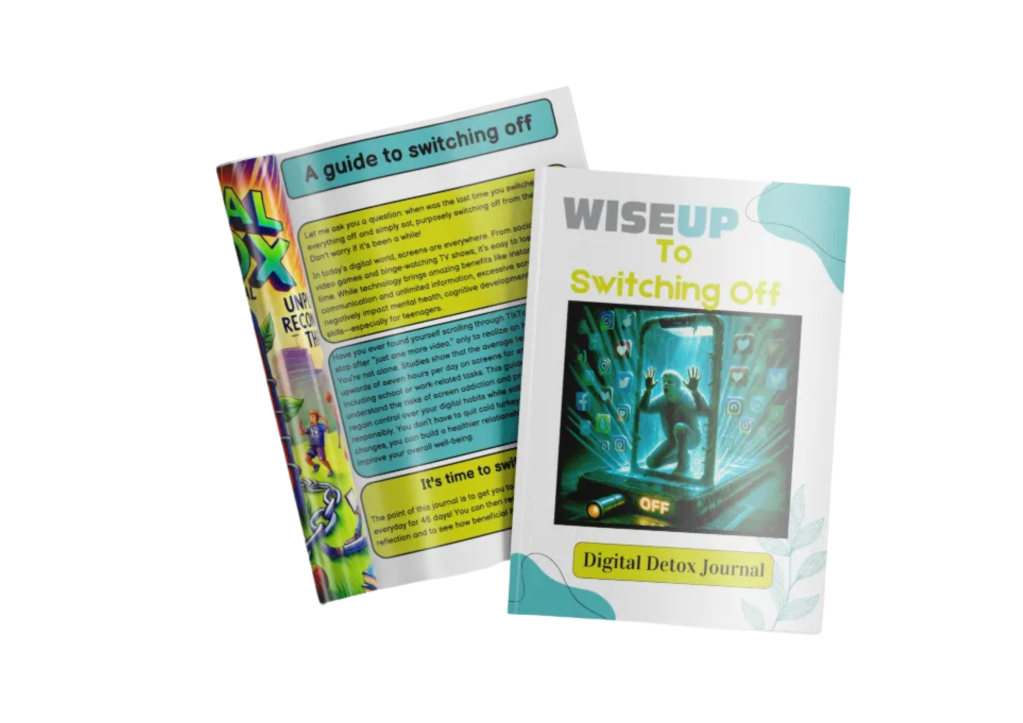
6. Excessive Screen Time: Digital Detox for the Mind

Overindulging in screen time, especially before bedtime, can disrupt sleep patterns and contribute to feelings of restlessness. 

Setting boundaries for screen time, engaging in offline activities, and practicing mindfulness can help reduce the negative impact of excessive screen exposure on mental health.

7. Isolating Yourself: Connection for Mental Resilience

Isolation can intensify feelings of loneliness, anxiety, and depression. 

Cultivating meaningful relationships, seeking social support, and participating in group activities or communities can provide a sense of belonging and support for mental well-being.

8. Overcommitting: The Stress Accumulator

Taking on too many responsibilities can lead to chronic stress, overwhelm, and burnout. 

Learning to set boundaries, prioritise tasks, and practice self-care can prevent the detrimental impact of overcommitment on mental health.

9. Avoiding Mental Health Care: Ignoring the Inner Voice

Neglecting mental health needs can exacerbate underlying issues and prevent access to potential support and treatment. 

Seeking professional help, engaging in self-care practices, and prioritising mental health check-ins can promote emotional well-being and resilience.

10. Ruminating on the Past: Breaking Free from Mental Anchors

Constantly revisiting past mistakes or unfavourable events can perpetuate feelings of regret, shame, and negative emotions. 

Embracing mindfulness practices, focusing on the present moment, and reframing negative thought patterns can help break free from the cycle of rumination and improve mental resilience.

Our daily habits play a significant role in shaping our mental well-being. By addressing and modifying these habits, we can embark on a journey towards improved mental health and overall happiness. 

Remember, small changes in habits can lead to profound positive effects on our mental state. I hope this post serves as a reminder to nurture healthy habits that support your mental well-being. 

So, let’s work on breaking free from those bad habits that are holding us back and focus on creating a healthier, happier, and more positive mindset. Our mental health is worth the effort!

Caryl Ann is a blogger at https://theboredhousewife.co.uk

Digital Detox: How To Get Respite From Constant Connectivity For Your Mental Health by Daisy Moss.

(image: Pexels)

Our generation loves digital media and smartphones. While it can be highly beneficial in some ways, unfortunately it does come with negative associations, known to affect our mind and bodies more than we may know. Taking more time away from our screens can help to reduce stress, improve sleep quality, improve our relationships, free up more time for friends and family, and help with our personal growth.

As we have become very reliant on our phones and social media, sometimes it’s necessary to actively seek ways to reduce our time using them to help with our overall health.

Spend An Hour A Day On A Screen-Free Hobby

The first thing you should do to help you get respite from constant connectivity and to help your mental health is to spend an hour a day on a screen-free hobby. Identify an hour a day you have free consistently and set it aside for a hobby, whether that’s an hour before you start work or after work. Some examples are throwing on your favourite loungewear and spending an hour exercising, meeting a friend for a fun activity, reading, cooking, crafting, journalling, gardening, listening to a podcast, volunteering or going to explore a new place. If you have the time, on weekends or when you’re not working, try to increase this hour to a few.

Not only does this help you reduce your screen time, but you can focus on yourself and things you enjoy. You don’t have to spend money on this (or you of course can if you want to) and can get creative, whether they’re solo activities or you’re planning activities with a partner or family.

Use An App To Limit App Usage

If you struggle to put your phone down once you’ve picked it up to check what you need to, then you can use your phone to help you limit your phone usage. Most phones have a setting where you can set a limit on your phone, either for specific apps (e.g. you spend too much time on Instagram specifically), or for your phone in general, to flag you when you need to switch it off and have used your limit. Whilst you can switch this off if you need to, it’s not 100% effective of course, but it just provides that extra indication and reminder to help you break unhealthy cycles. Give this a try, it might not be fully effective when it’s the only measure you put in place, but when you combine it with other healthy alternatives to using your phone, it should help overall!

Eat Without Your Phone

Something else that can help you break the cycle of constant connectivity with the digital world is to make sure you don’t use your phone when you’re eating. There are studies that suggest when you eat food and scroll at the same time, a double hit of dopamine is released, so you naturally become more inclined to use your phone more and eat more food. This forms an unhealthy habit for both our mind and body, so keeping them separate is important. Meal times are a great opportunity to sit at a table, listen to your favourite album or have a catch up with friends, family or your partner, rather than keeping on scrolling.

(image: Unsplash: Micheile Henderson)

Leave Your Phone Out Of Your Bedroom

Something else that can really help you to reduce your digital use is to leave your phone out of your bedroom. Get yourself an alarm clock, then you have no reason to need your phone in there. Sitting and scrolling on our phones in bed is so tempting and it’s really easy to do, however it often means we go to sleep later than we should or would want to, as well as making it more difficult to actually sleep when you do put your phone down, as the blue light can disrupt your sleeping patterns and leave you awake for longer.

So, keeping your phone out of your room, for at least an hour before bed, helps to break this cycle. Replace your habit of scrolling on your phone with something relaxing that helps you to unwind, like reading a book or magazine for an hour, having a nice bath and doing your skincare, some meditation or just listening to music. You’ll find you sleep much better, helping you to feel energised and refreshed the next day, as well as helping your mental health.

This article was written by writer Daisy Moss.