Rehab 101: What to Expect When Entering Treatment by Miranda Spears

(image: Pexels)

Rehab treatment is one of the most important things you can get if you’ve been struggling with dependencies and substance abuse issues. This is because the human body and mind can become reliant on certain substances, making it almost impossible to quit a substance without the help of the kind of professionals who work in rehab facilities. However, it’s never easy to make a major life decision without knowing the full story, which is why you should know what to expect as you’re entering rehab.  

Admission 

If you want to go to a drug rehab in Austin, USA, some of which are considered among the best in the world, you’ll have to understand what the process of admission is going to be like. Rehab facilities get a lot of patients each year, and all of these people have different needs and considerations because they may have different side effects from the same drug or may have been using wildly different substances. When you first enter rehab, professionals at the facility you’re considering going to will be able to assess your case by getting a medical history and figuring out the effects substance abuse has had on your body, which can then be used to create a treatment plan for you.   

Detoxification 

Detoxification is the next step of any good treatment plan and is often the toughest part of the early stages of sobriety and recovery. Withdrawal symptoms arise when people have not had access to drugs for a number of hours, upsetting their bodies, which have grown to develop a reliance on those substances. Symptomatic treatment for withdrawals by using medication to control cravings and side effects helps a lot in ensuring people are able to comfortably transition to recovery by lowering the worst sensations they’ll be feeling during this time, and, once the body has gotten rid of all of the toxins lurking within, the rest of your treatment will begin.  

Getting a treatment plan 

As previously mentioned, getting a proper treatment plan is a major part of getting better and weaning yourself off of the substance you’ve been abusing, including any side effects you’ll have to get accustomed to. For instance, using needles that are not clean could result in diseases like hepatitis, which means experts at the clinic would need to create a custom plan to help relieve this issue, too. Whatever the case may be, healthcare professionals will be able to create the best treatment for your case, balancing the side effects of that medication with the massive benefits you’ll get by taking them.  

Education 

A major part of treatment at rehab facilities is the education they provide to people who are struggling with dependencies. Many people are unaware that addiction can fundamentally change how the brain works, rewiring it to depend on drugs and further enabling abuse, and that triggers present in everyday life can make it even tougher to make a clean break. Getting educated about these issues will make it more likely for you to avoid triggers and ensure you’re not falling into the same traps as before once you’re done with rehab. 

Progress monitoring 

Monitoring progress is another part of ensuring success during the process of rehab because, though you may be able to get sober for a short time, you’ll have to work hard to maintain that sobriety. There are many ways that facilities are able to monitor progress, including while you’re within the premises by noting down the changes they’ve seen and scheduling regular checkups by a doctor, and when you’re outside the premises, by connecting you to a sponsor that will check on you on a weekly basis for years to come.  

Rehab is an integral part of treating substance abuse and drug addiction all over the world, as the professionals who work inside each facility can have permanent impacts on the lives of millions of people each year, helping them work through their issues. If you make yourself aware of what you should be expecting when you begin treatment, it’ll only make things easier to deal with in the short term, allowing you to be more comfortable once you start rehab. 

This article was written by writer Miranda Spears.

Your Environment Matters: Setting the Stage for Drug Detox Success this Mental Health Awareness Week by Maya

(image: Unsplash: Ron Smith)

When you’re struggilng with substance abuse and considering detox, chances are you have a clouded view of what this looks like. Images of withdrawal symptoms, sterile hospital beds, and indifferent staff often cause people to fear going into a rehab center. But drug detox doesn’t have to be this way.

Facilities across the USA (and in the UK) like Utah drug detox centers, can provide a safe, supportive, and structured environment to help you navigate this challenging phase. These centres offer the resources and expertise necessary to manage detox. They can help set you up for long-term success.

What are the key aspects of a positive detox environment, and how do they contribute to a successful recovery journey? We’ll discuss those answers here.

Building a Foundation

Research shows that up to 90% of people who relapse after drug detox do so within the first year. Don’t let this number discourage you, though! It can feel daunting, but it also highlights the importance of setting yourself up for success from the very beginning.

Creating a positive environment during detox will improve your chances of long-term recovery. You need a calming, supportive space. Whether you choose your own home, a friend or family member’s place, or a detox program, make sure it’s comfortable and includes healthy, appealing meals that nourish your body. As you heal and cope with withdrawal symptoms, you’ll need proper nutrition.

Surround yourself with a supportive network of people as well. Those who understand your journey and believe in your recovery will be a crucial source of strength.

Address Detox Concerns

Detoxification is often seen as a difficult, uncomfortable experience, and with good reason. Many people entering detox worry about withdrawal symptoms. These effects can range from anxiety and fatigue to nausea, pain, and muscle aches.

But withdrawal symptoms aren’t the only concern. People might also worry about privacy, safety, and the cost of detox. Quality detox programs focus on patient privacy and confidentiality with trained medical professionals to provide a safe, supportive environment.

These types of detox programs can come with a hefty price tag, but many facilities have flexible payment options or work with insurance. Treatment is still within reach for those struggling financially.

Environment

Imagine stepping into a detox program, not with a sense of dread, but with a feeling of comfort. Instead of glaring lights and cold metal, you’re greeted by a warm, home-like environment. Attentive and professional staff are there to support you, easing the anxieties often associated with detox. This welcoming atmosphere can foster a crucial element of recovery: trust.

Trust in your caregivers is essential. When a detox program feels clinical and impersonal, it can create a sense of detachment. You might feel like just another patient to be processed. But a comfortable and inviting space can make a big difference.

This environment allows you to feel safe, valued, and more receptive to the personalised care and guidance offered by your treatment team. The sense of trust empowers you to fully engage in the detox and recovery process, setting you up for a stronger foundation on your journey to a healthier life.

Take the First Step

Detox is a crucial first step on the path to recovery. By prioritizing a safe, supportive, and comfortable environment, you can significantly increase your chances of long-term success.

Remember, you don’t have to face this alone. Reach out to a qualified professional or treatment center today to begin your journey to a healthier and happier life. Many resources are available to support you, and there is no shame in seeking help. Take that first step today — your future self will thank you for it.

Celebrating Small Victories: The Importance of Milestones In Outpatient Rehab by Rianne Hunter

(image: Pexels:)

In the journey of outpatient rehab, recognising and celebrating each small victory plays a pivotal role in both motivation and recovery. These milestones, no matter how small they may seem, serve as important markers of progress, offering encouragement and a sense of achievement to those on the path to recovery. Each step forward, regardless of its size, can significantly impact the overall success of rehabilitation. This philosophy not only fosters a positive environment but also strengthens the resolve of individuals to continue striving for their ultimate goal of full recovery.

The Power of Acknowledgment

Acknowledging and celebrating small victories may seem insignificant in the grand scheme of things, but it can have a powerful impact on one’s outlook and determination. In outpatient rehab, where the recovery journey can be long and challenging, even the smallest progress should be praised and recognized. This acknowledgment serves as a reminder that each step taken is a valuable and meaningful effort towards healing. It also helps individuals to focus on the present moment, rather than dwelling on past struggles or future worries.

Boosting Motivation

In outpatient rehab, motivation is a key factor in achieving successful outcomes. By celebrating small victories, individuals can maintain their motivation and drive throughout the rehabilitation process. Each accomplishment reinforces their determination and propels them forward towards their ultimate goal. When individuals feel recognized and supported, they are more likely to remain committed to the rehabilitation process and push through any difficult moments.

Building Confidence

As individuals progress through their outpatient rehab program, each milestone reached builds confidence in their abilities and strength. These small victories serve as evidence that they are capable of overcoming challenges and making positive changes in their lives. With each success, individuals are encouraged to set higher goals and push themselves further. This confidence boost can have a lasting impact on their recovery journey and beyond.

Celebrating Together

The power of celebrating small victories is not just limited to the individual in outpatient rehab but also extends to their support system. Family members, friends, and healthcare professionals all play an essential role in providing encouragement and recognition for achievements. By coming together to celebrate each milestone, a sense of community and support is fostered, creating a positive and uplifting environment for the individual in rehab.

Celebrating small victories may seem like a simple act, but its impact on outpatient rehab cannot be underestimated. Each milestone reached serves as a stepping stone towards full recovery and should be recognised and celebrated. By acknowledging these small victories, we can create a more positive and empowering experience for individuals in rehabilitation and help them to achieve their goals with confidence and motivation.

Rianne Hunter is a wife, mother of three, and an independent blogger who writes for a broad range of topics and publishers.

Breaking Free: Addiction’s Grip And The Road To Recovery by Miranda Spears.

(image: Markus Spiske, Unsplash)

Addictions are pervasive and challenging conditions, which often dictate thoughts, behaviours, and lifestyles. The journey from the clutches of addiction to the road of recovery is a complex process that requires a combination of medical, psychological, and social interventions. This exploration delves into the intricate dynamics of addiction, examining the factors that contribute to its grip and illuminating the multifaceted road to recovery. By understanding the complexities involved, we can better appreciate the resilience required to break free from addiction’s hold and the comprehensive strategies essential for successful recovery.

1. The Tenacity of Addiction

Addiction’s grip on individuals is marked by its tenacity, rooted in the rewiring of the brain’s reward circuitry. Substance use or compulsive behaviours trigger the release of neurotransmitters, creating a cycle of pleasure and reinforcement that the brain craves. Over time, this leads to neuroadaptation, where the brain becomes increasingly tolerant to the substance or activity, necessitating higher doses or more frequent engagement to achieve the same level of satisfaction. The result is a profound physiological and psychological dependence, creating a formidable barrier to breaking free from addiction, but it can be done.

2. The Impact on Mental Health

The relationship between addiction and mental health is intricate, with each often exacerbating the other. Individuals struggling with addiction can turn to substances or behaviors as a coping mechanism for underlying mental health issues such as anxiety, depression, or trauma. Conversely, the neurochemical imbalances induced by substance use can contribute to the development or worsening of mental health conditions. Untangling this complex interplay is crucial for effective treatment.

Addressing both addiction and co-occurring mental health disorders simultaneously is essential for comprehensive care, offering individuals a holistic approach to breaking free from the entwined challenges they face.

3. Detoxification and the Initial Steps:

Embarking on the journey to recovery from addiction often begins with detoxification, a crucial initial step in the process. Acknowledging the need for professional assistance is pivotal, especially when seeking recovery from substance abuse. If you’re seeking help with alcohol addiction, for instance, a quick online search using keywords such as ‘alcohol rehab in Austin’ or your country and region can lead you to specialised facilities.

In rehab centres, individuals undergo supervised detox, where medical professionals monitor and manage withdrawal symptoms, ensuring a safe and supportive environment. Beyond addressing physical dependence, alcohol rehab can integrate comprehensive treatment plans that encompass counselling, therapy, and holistic approaches to address the psychological and emotional aspects of addiction. Choosing the right rehab centre sets the foundation for a transformative recovery journey, offering personalised care to guide individuals toward a healthier and more fulfilling life.

4. Building a Supportive Network:

The road to recovery is not a solitary journey; building a supportive network is instrumental in breaking the isolation that often accompanies addiction. Support can come from various sources, including family, friends, and fellow individuals in recovery.

Twelve-step programmes, group therapy, and counselling provide avenues for individuals to share their experiences, gain insights, and receive encouragement. The power of community support lies in its ability to offer understanding, empathy, and shared strength. Establishing and maintaining these connections is crucial for navigating the challenges of recovery, fostering a sense of belonging, and reinforcing the commitment to breaking free from addiction.

5. Embracing Long-Term Recovery:

Breaking free from addiction is not a one-time event but a lifelong process that requires ongoing commitment and effort. Embracing long-term recovery involves adopting a holistic approach that addresses the physical, mental, and social aspects of an individual’s life. Continued therapy, participation in support groups, and the cultivation of healthy habits contribute to sustained recovery. Individuals are encouraged to identify and manage triggers, develop coping mechanisms, and make positive lifestyle changes that align with their newfound commitment to well-being. By embracing a comprehensive and evolving approach to recovery, individuals can navigate the complexities of life beyond addiction, gradually diminishing its grip and building a foundation for lasting freedom.

Breaking free from addiction is a challenging yet transformative journey marked by resilience, self-discovery, and continuous effort. The tenacity of addiction, rooted in the brain’s reward system, necessitates comprehensive strategies that address both the physiological and psychological aspects of dependence.

The interplay between addiction and mental health underscores the importance of integrated care. By understanding the complexities of addiction’s grip and the multifaceted road to recovery, individuals can embark on a transformative journey toward breaking free and reclaiming their lives.

This article was written by author Miranda Spears.

How Can I Help An Alcoholic Or Addict Parent? by Chaye McIntosh

(image: Jon Tyson on Unsplash)

When a loved one suffers from addiction, it can have just as much of an influence on your life as it does on the addicts. This is especially true if the loved one is a parent or a close relative. Children of addicts within a family are undoubtedly the most affected by addiction. This is particularly true if the addict’s children are still growing up. Unless you’re young or elderly, it’s difficult to cope as the child of an addict. Addiction has the potential to destroy a family. A parent is a glue that ties a family together; if they are addicts, the children must mature and become the house’s adults. This can have a significant negative impact on children’s mental health.

What are the Feelings of an Addict’s Children?

Children look up to their parents as role models. Parents who become addicted to drugs or alcohol, on the other hand, are only concerned with their addiction. Understanding that addiction is an illness is crucial for children of addicts. This is because long-term substance misuse changes the chemistry of an addict’s brain. As a result of this, an addict’s brain is rewired over time as a result of their substance misuse. As a result of their addiction, addicted parents can exhibit poor judgment and decision-making, a lack of self-control, and deviant behaviour choices.

What Can Children Do to Assist Parents Who are Battling Addiction?

Drug and alcohol addiction can have both short- and long-term impacts. Substance misuse can disrupt even the calmest and most loving relationships. When family members quarrel, it becomes commonplace. The level of trust begins to erode. If a relative who consumes illegal substances acts angrily or hides their condition in secrecy, relatives may grow concerned. 

Marriages may disintegrate as a result of addiction-related changes. Communication gets more difficult as displeasure is highlighted. In addition, children often take a step back from their parents to separate themselves from them. Family members may observe their loved ones endure the negative effects of drugs or erupt into rages while inebriated. Others may notice that their relatives have lost weight and are no longer recognizable.

How Can I Help an Alcoholic Parent?

Parents are blessings, so if they are addicts you can try to help them recover- but ultimately they must accept help. Here are some of the things you can do to help them. 

  1. Be Supportive

A person suffering from drug or alcohol addiction needs the support and love of family members. They need someone who will understand what they are going through. As a child, one should make sure that you are fully aware of the supportive needs of your parent- but equally you can’t fix everything.

  1. Talk to them

Talking helps a lot. An addict thinks that everyone is trying to distance themselves from them and if your parent feels like someone is trying to talk to them- they may appreciate it. Children of addicts should make sure to spend some time with their parents, where possible and if able. It can be very difficult to see your parent struggling with addiction and can be harmful also, so you will need to weigh this up. 

  1. Encourage Addiction Treatment

Addiction treatment is the only way to treat drug and alcohol addiction. Children of addicts should be aware that to help their parents they should suggest an addiction treatment program near them. Here are some addiction treatments that you can recommend to your parents:

Telehealth addiction treatment is a new form of treatment where a patient can receive treatment while being in their own homes. So if your parent avoids or doesn’t want to leave home for addiction treatment, suggest they get Telehealth addiction treatment.

  1. Avoid Fighting with them

There is no need to fight with your parents. They are already going through a very tough time. Try to avoid any sort of confrontation with them.

  1. Make them Feel Wanted

Addicts need their children to make them feel wanted. Spend some time with them. Take them out and have a nice dinner every once in a while. 

In The End…

An addict’s brain is rewired, and quitting addictive substances is more difficult than it appears. When a person becomes addicted to drugs or alcohol, his or her brain becomes fully reliant on them to function. As a result, when addicts cut back or stop taking opioids, they may experience uncomfortable withdrawal symptoms. Because they are terrified of experiencing withdrawal symptoms, addicts are sometimes discouraged from attempting sobriety.

As much as you may despise your parent for acting the way they do and refusing to seek treatment, you must respect their decision. Simply take a deep breath and recognise that your parent is afflicted with an ailment over which they have no control.

This article was written by Chaye McIntosh. You can see more about treatment here

What Tools Go Into Substance Abuse Treatment by Kara Masterson

(image: Darling Quote)

When you’ve developed an addiction to a specific drug or substance, it takes a lot of work to break that addiction. While there are those out there who can use a “cold turkey” approach to addiction, most people have to put in a significant amount of work in order to even begin experiencing healing.

Thankfully, that work comes with tools that can serve people in other areas of their lives. If you’ve been suffering from a substance abuse problem, consider some of the incredible tools that go into helping a person experience a better life.

Replacement Methods

While the cold turkey method works for some people, it often doesn’t work for the rest because they’ll simply hit a point where they either relapse or replace it with something just as harmful. For example, there are people who were able to break a drug habit but the replacement was that they started to overeat instead. Overeating is harmful in its own way as it can lead to different health problems such as obesity and chronic diseases. When you get professional treatments, you’re able to learn how to break a bad addiction and replace it with constructive hobbies and habits.

Professional Therapy

One of the worst things you can do is try to turn a friend or family member into your personal therapist. Their logic is only going to get you so far when you’re trying to beat an addiction. When you’re committed to getting professional substance abuse treatment, you’ll be able to sit and talk with therapists. When a professional has a specialization in treatment for substance abuse, they’re able to recognize signs and symptoms that need to be addressed in order to gain a better approach to your healing journey, along with an insight into methods that are more likely to help you cope with things like detox, cravings, and the specific stressors or triggers that turned you towards drugs in the first place.

Self-Awareness

Self-awareness is so important for each person to have. When you’re aware of yourself, you’ll be able to recognize how much you can handle something. You’ll be able to recognize where you need to course-correct. When you’re working through an addiction treatment program, self-awareness development is an incredible tool because it shows you what needs healing, how you’ve coped with trauma, and more. When you’re aware of yourself, you’ll position yourself to make better choices.

You’ll have to maintain a level of self-discipline that most don’t really want to exert. Think about the millions of people who lose weight. When you’re overweight and stuck on a plateau, weight loss seems impossible. However, if you look at the many testimonials and people who’ve lost weight, you know that it is possible. Use this same logic for your journey through a substance abuse addiction. It is more than possible. Look for examples of people who fought their addiction and won. Use their stories as tools to help you keep going. With this goal, you can dedicate your time to the process, use these tools, and experience a better life. Be kind to yourself and keep going!

This article was written by Kara Masterson.

How to Battle Co-Occurring Mental Health and Substance Addiction by Holly

(image: overcoming-drug-addiction-and-mental-health-issues-blog)

What are co occurring mental health disorder and substance abuse?

A co-occurring disorder is when a person is battling some kind of mental health issue alongside substance abuse like drugs and alcohol addiction. Both SUDs and mental health issues share a strong link. In fact, it’s estimated that almost half the individuals suffering from one will develop the other at some time or another. 

It’s not uncommon for substance abuse to fuel a co-occurring disorder and vice-versa. The severity of both can also increase over time. 

The most common mental health issues to co-occur alongside SUD are – 

  • Anxiety Disorders –  Social anxiety and general anxiety share a strong link with marijuana abuse. Almost 19% of people in the US have some kind of anxiety disorder. GAD, social anxiety, and panic disorder can also increase the odds of co-occurring issues.
  • Personal Disorders – In terms of the general population, around 10-15% suffer from personality disorders. When we talk about those suffering from addiction and substance abuse, the rate is an astounding 35-70%. The commonest personality disorders in those battling SUD are – borderline, avoidant personality, paranoia, and antisocial behavior. 
  • Attention-Deficit/Hyperactivity Disorder – Studies tell us that ADHD comes with an increased risk of developing addiction-related issues during adulthood (mainly 20s and 30s.) There is a positive correlation in symptoms of ADHD like impulsiveness, hyperactivity, and inattention with substance use in adults. 
  • Mood Disorder – Around 30% of people suffering from SUD are likely to suffer from one of the mood disorders such as depression and bipolar.
  • PTSD – According to a survey, people with Post-traumatic Stress Disorder are 4x more likely to develop substance use disorder than those without.

What Causes Co-occurring and Substance Addiction?

It is estimated that over half the people with one disorder will eventually develop the other during their lifetime. While the exact set of reasons that can fuel these two conditions might be long, researchers have found the 3 most prevalent reasons as to why co-occurring disorders may take place.

Overlapping Risk Factors

Many of the risk factors behind SUD and mental health issues are overlapping. Generally, these include environmental factors like exposure to drugs or alcohol at an early age, early childhood trauma, and genetics. All of these factors can make a person more susceptible to developing mental health issues and requiring addiction treatment for drugs such as Cocaine or others.

Self-Medication

Dealing with a mental illness can be difficult. That’s why many people resort to alcohol and drugs as coping mechanisms. In medical terms, this is called ‘self-medicating’. However, it’s quite misleading as instead of fixing the problems, it only masks them. What’s more, in the long run, it exacerbates the symptoms and worsens the dependency on drugs/alcohol, making it more difficult to detox from alcohol or drugs, often requiring medically supervised detox.

Drug-Induced Brain Changes

Prolonged drug and substance use can change the brains ‘motivation and reward mechanism’. It can give a false sense of wellness causing one to develop a dependence on drugs beyond control. Eventually, it can lead to mental health issues by affecting the brain and neurotransmitters.

Drugs affect the areas of the brain associated with mood, impulse control, anxiety, and schizophrenia.

How to Battle Co-occurring Mental Health and Substance Use

Residential Treatment 

Residential rehab programs begin with an initial assessment to draw an individual treatment plan. This is followed by detox and several other therapies. The patient has to stay in a structured and highly supervised facility. Common inpatient treatment duration for drug addiction is 30 days. Residential programs put the entire focus on recovery as daily triggers and challenges are removed that often lead to relapses.

Outpatient Healing Programs

Under this program, a patient receives all the treatments and therapies as in residential rehab. However, they are not required to live in the facility. This is good for young teenagers, parents, and people with mild addiction who cannot sacrifice work commitments. 

Detox

This is usually the first step in most addiction treatment programs. Drug detoxification entails medical supervision to get the drugs out of the system. With a clean system, experts can begin further treatment. Generally, therapies and medication cannot begin unless detox is successfully over.

Integrated treatment

Integrated treatment often includes behavioral therapy and counseling as interventions. Rehab centers in Connecticut and other parts of the United States use integrated treatment coupled with medication. Integrated treatment encompasses several therapeutic techniques with proven results in treating substance abuse and mental health issues. Common integrated therapies are –

  • Cognitive-behavioural therapy aka CBT aims to understand negative behaviours, thinking patterns, and self-talk that might be causing addiction and other disorders. It then works on changing them.
  • Dialectical behavioural therapy is used for treating borderline personality disorder. It does so by working on negative actions and thoughts like self-harm, suicidal behaviour, and dependence on a substance to cope with daily stressors.
  • Contingency management is often used in upscale addiction treatment centres. It reinforces positive changes by utilising incentives for patients who can exhibit positive behaviours such as staying sober and meeting therapy guidelines.

Medication Treatment

Psychotherapeutic Medications are often integral to treating SUD and co-occurring disorders and are frequently used during alcohol treatment. The commonly prescribed medications include antipsychotics and antidepressants. The latter is used to mostly manage the uncomfortable withdrawal symptoms. Other than that, medications may also be used to lessen the cravings so that relapses don’t happen. 

Buprenorphine, naltrexone, methadone, disulfiram, and acamprosate are the common medications used for treating SUD.

Peer Support Clubs

It’s not uncommon for people with psychiatric issues to become antisocial. The withdrawal from social life exacerbates when you throw drugs and alcohol into the mix. By joining peer support groups/clubs like 12-step, Alcoholics Anonymous, and group counseling – patients can find solace in the presence of other people going through similar battles. 

They can draw inspiration from their stories and also learn some tips to maintain sobriety. Support groups are highly effective in fostering a long-term, sustainable drug-free lifestyle.

Education and Counselling for Families

Sometimes a toxic family environment or dysfunctional relationships may unknowingly be fuelling a person’s addiction. Family counselling educates people how to create a healthy living environment for a family member to support long-term recovery.

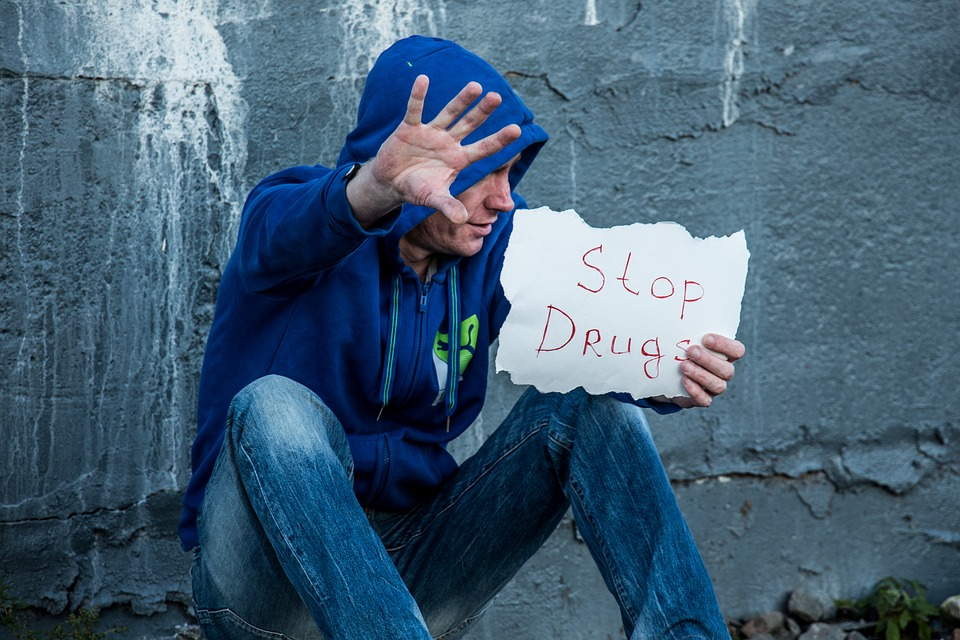
image: erson-holding-stop-drugs-sign-blog

Holistic Remedies

Medical science is embracing the effectiveness and importance of holistic/alternative treatment when it comes to treating drug addiction. Many rehab centres are now adopting a holistic treatment model. Common holistic therapies are – massage therapy, acupuncture, hypnotherapy, yoga, reiki, meditation, and music therapy.

In Conclusion

Co-occurring disorders may be a harsh reality in many people’s lives. But, know that if you or your loved one is going through this issue, help is always available.

Holly is a freelance writer who loves to help people who are struggling with a drug or alcohol addiction. Holly knows first-hand what it’s like to deal with substance addiction, and has now been sober for 5 years. Holly is a frequent contributor to many addiction-related blogs and organizations such as the Addiction Treatment Division and Inpatient-Rehab.org.

5 Tips and Tricks to Help You Fight Addiction by Lizzie Weakley

(image: Disha Sheta : Pexels)

When the term addiction is mentioned, most people only think of drug addiction. However, there are also behavioural addictions, including; gambling, sex, exercise, eating, and shopping. When people start developing such behaviour, they never know they can be addicted until it gets too late. Once one is addicted to such behaviour or even drugs, coming back from it takes a while. It may even be years for some. Regardless of what you are addicted to, you may need to follow a particular path to ensure that your recovery is successful once you have decided to quit. Below are some tips that can help you in fighting any addiction.

Find the Right Support System

Addiction recovery is never an easy journey. You may, therefore, require all the help you can get. You can try contacting your family and friends and explain to them your situation. Ensure that those you reach out to for help will never judge you when you relapse. Instead, they will help you get on the recovery path once more.

Change Your Past Friends

When you were mid addiction, you may have found a clique of people who enjoyed the same activity, whether drugs, shopping, or gambling. It is vital to inform them of your new venture. If possible, you may need to stop associating with such people for a while, as they may be the source of your trigger.

Cut Off What Supports the Addiction

When you are a gambler, shopping, or drug addict, one thing that supports your lifestyle is money. You may need to ensure that you cannot have access to such finances. Therefore, you can talk to your bank or even spouse to ensure that the only money you can have access to is those you need for your bills. Having no cash to support your lifestyle may be a significant step towards recovery, but speak to a trained mental health professional about this too.

Join a Self-Help Group

If you are struggling with addiction such as gambling, drugs or sex, you may want to join self help groups. Self-help groups are composed of people who are going through the same journey as you. As such, they understand what you are facing and are there to support you on your road to recovery.

Avoid Triggers

There are those things that may constantly remind you of your addiction. For instance, when trying to recover from sex addiction, it would be wise to get rid of anything triggering. You may also need to avoid hanging out in drug-related areas when you are trying to quit drugs.

Having an addiction is a tricky thing. Luckily, there are people like Awakenings Health and Wellness Centre out there to help you out on your journey. When recovering and having a hard time with your addiction, you may need to check on the above tips to help you stay on course.

Lizzie Weakley is a freelance writer.

The Benefits of a Sober Living Home- Recovery from Alcohol or Substance Abuse.

(image: Unsplash)

The journey to recovery from alcohol or substance abuse is a long one and is never a straight line. While rehab and detox are the essential first step in sobriety, they’re just the beginning of the journey that can last for a very long time. Going straight back to your previous life and surroundings can be triggering and jeopardise your progress, leading to relapse. 

This is where a sober living home can be the perfect next step on your journey to recovery. These are interim, transitional steps that give you independence based on structure and support. They are designed to help you rebuild your life skills and relationships away from the temptations of drugs and alcohol. 

  1. Additional Time To Recover

The more time and energy you can devote to your recovery, the more successful you will be in maintaining it for the long term. In a sober living home, you will be in an environment where there are no drugs or alcohol to tempt you and find a support network of staff and other residents with which to share the experience. Giving yourself this additional time to recover could be the difference between success and failure.

  1. 24/7 Support

Most sober homes, including Bridgeway Sober Living, have specialist managers on-site 24/7 to give your support and encouragement during your recovery. They are there to help with issues such as feeling depressed right the way through to helping you find a job. 

A lot of the support staff in the sober living home have personal experience with addiction either through their own experience or that of a friend or loved one. 

  1. Meaningful Relationships

A sober living home can let your form bonds with others that aren’t rooted in alcohol. You’ll have lots of things in common and a shared sense of purpose. Your road to recovery will be anything but lonely. 

  1. Rebuilding Life & Social Skills

The basics of everyday life can be difficult for someone in the grip of addiction. Even dressing, washing, and taking out the trash can be beyond some people. Sober living homes allow you to put a structure back into your everyday life that can rebuild your life skills. You’ll relearn how to look after yourself and your surroundings. 

  1. Regain Your Independence

In rehab, your movements and activity are controlled tightly until you’re discharged. Often, going straight back to your former life can be overwhelming. Sober living homes give you the opportunity to start claiming your independence back gradually. You’ll be expected to go out and find your own job, attend social gatherings and look after yourself, all within the safe space of the sober living home. 

Final thoughts

Sober living homes are becoming a viable choice for many recovering addicts. You can find them in all major cities and highly populated areas. They are very well designed, as far away from the stereotype as you could imagine. As part of a successful recovery, they can be the transitional step you need to complete your recovery. 

This post was written by a freelance writer.

How quitting illegal drugs helps anxiety in the long term: Guest post by Robert Tropp

livetofight1

(image: Tumblr)

For many people, feelings of anxiety are a regular occurrence. Anxiety can be a motivator to do better in work, school, and to become better at nurturing healthy relationships. However, if the anxiety you’re experiencing lingers for longer than it should and paralyses you, more profound issues are at play. If you are using drugs and alcohol to deal with anxiety, you are likely doing more harm than good.

At best, drugs are only a short-term solution to anxiety. If you aren’t dealing with the underlying issues that give rise to your anxiety, you will be plagued with this condition over the long haul. The problems only compound if you become increasingly dependent on drugs to deal with anxiety, you can develop a co-occurring substance abuse problem which further complicates matters.

Getting professional help for your addiction to drugs and alcohol will, in most cases, involve receiving treatment for the “co-occurring” anxiety. Through the help of experienced treatment staff and proven programs, you can become healthy and happy.  

In What Ways Does Drug Treatment Save You From Anxiety?

As already stated, drug and alcohol use provide a temporary reprieve from the anxiety you experience. While you may experience short periods of relief, your anxiety returns. If you aren’t taking the time to address the root causes of anxiety in your life, your anxiety will worsen over time. Additionally, your substance use will increase over time, increasing the likelihood of developing an addiction to substances that allow you to “self-medicate.”

Through comprehensive physical and psychological evaluations and intensive drug treatment, you will get the tools and support you need to address these issues head-on. As you get better, staff will provide you the tools you need to deal with your anxiety healthily.  

What Tools Can I Learn to Deal With My Anxiety Without Drugs?

As you progress through treatment, you learn of ways to deal with your anxiety without resorting to substance abuse. Many treatment centers teach mindful meditation techniques such as focused breathing and simple yoga poses. These techniques help to ground you, calm the mind, and focus on the present moment. A significant benefit of mindful meditation is that techniques are relatively easy to learn, and you only need 15-20 minutes a day to see results.

Another tool that you learn in treatment that helps you alleviate anxiety is through simple lifestyle choices such as regular exercise and healthy eating habits. Exercise helps release dopamine which is the brain natural feel-good chemical. You become more relaxed and at ease, and regular exercise helps you look and feel your best. Likewise, a healthy diet nourishes the body and brain and provides the nutrients it needs for optimal functioning.

Additionally, you can effectively deal with anxiety without illegal drugs in the long run through the use of ongoing therapy. With the help of an experienced mental health professional, you can address any recurring anxiety in a safe and supportive environment. Through the use of effective therapies such as CBT, talking therapies or EMDR, you can actively work to address root issues that give rise to your anxiety. When those are addressed, you will get the tools you need to manage your anxiety at different times in your life.

The decision to quit drugs and alcohol is a significant life decision. While it may seem overwhelming and makes you feel anxious, the support and encouragement you receive in treatment will go a long way in helping you leave your addiction and your anxiety behind.
roberttropp

About Robert Tropp

Robert Tropp is a functional nutrition practitioner whose primary focus is substance abuse and mental health disorders. Robert uses a functional medicine approach to help clients regain mental and physical well-being.  Robert is an advocate for the importance of nutrition in addiction recovery and works as the health and wellness director at Nuview Treatment Center in Marina Del Rey, California, USA.