Herbal Wellness For Women: Balancing Energy, Hormones And Mental Wellbeing.

(image: Antonino Visalli)

Women’s wellness extends beyond the absence of illness — it is about achieving equilibrium across physical energy, hormonal harmony, and emotional wellbeing. From adolescence through menopause, women experience intricate biological changes that influence mental health, vitality, mood and desire. These fluctuations are often shaped by stress, nutrition, and environmental factors, making holistic self-care essential.

In recent years, many women have sought out natural and herbal approaches to maintain this balance, supporting their physical and mental health. Herbal wellness offers a time-tested, holistic alternative that works in harmony with the body’s natural cycles rather than overriding them. Rooted in ancient traditions like Ayurveda and Traditional Chinese Medicine, this approach uses plants and botanicals to regulate hormones, calm the mind, and renew energy.

Among these botanicals, Horny Goat weed for women has become particularly popular for its potential to revitalise energy, support hormonal balance, and enhance intimate wellbeing. Used traditionally to strengthen vitality and circulation, it is now gaining modern recognition as part of women’s natural wellness routines.

By exploring the synergy between herbs, hormones, and vitality, this article highlights how nature’s remedies can restore equilibrium, empowering women to sustain energy, regulate mood and mental health, and nurture desire naturally.

Energising from Within

Energy isn’t just about caffeine or sleep—it’s also about how your body maintains vitality through its hormonal and metabolic systems. For women, fluctuations in oestrogen, progesterone, thyroid hormones, and stress hormones like cortisol can significantly affect how lively or fatigued you feel. These also affect our mental health and wellness- balancing hormones is essential to keep balanced moods too and release stress.

The role of adaptogenic & tonic herbs

Adaptogenic herbs help your system respond to stress and restore equilibrium rather than merely stimulating energy. For example, botanicals such as Withania somnifera (ashwagandha) are shown to help regulate cortisol and support energy—particularly in women experiencing perimenopausal shifts. Meanwhile, classic tonic herbs can enhance overall vitality by supporting circulation, metabolism, and mind-body resilience.

Supporting daily vitality

Including herbal support doesn’t replace foundational habits—adequate sleep, balanced blood sugar, moderate exercise and good nutrition remain the core. But once you’ve done the basics, certain herbs can offer an extra layer of support: boosting mood, supporting adrenal reserve, and helping sustain physical and mental energy during hormonal transitions.

Hormone Balance: The Underpinning of Wellness

Hormones guide everything from mood and cycles to skin, sleep and sexual function. If they’re out of balance, the ripple effects can affect energy levels, libido, and overall well-being.

Herbs that support hormonal harmony

The research shows a growing list of botanicals that can help women:

  • Herbs such as Vitex agnus‑castus (chasteberry) and Cimicifuga racemosa (black cohosh) have been used for menstrual problems, perimenopause and menopausal symptoms.
  • Adaptogens like ashwagandha may help regulate adrenal output and thus indirectly influence hormones like progesterone and oestrogen.
  • Broad-based herb lists emphasise the role of phytoestrogens and adaptogens in natural hormone modulation and stress resilience. 

A specific botanical to highlight- but limited evidence

One herb worth special mention in women’s wellness for hormonal and energy support is Epimedium grandiflorum, more commonly known as Horny Goat Weed. While often marketed for men’s use, its active compound (icariin) has been studied for effects on hormone signalling, circulation, and energy. 

 Used in a women-centred herbal blend, it may contribute to hormone-supportive outcomes, though it’s important to emphasise the evidence is still limited and human data is scarce.

How this works in practice

When hormones are out of alignment, for example, in perimenopause or following a stressful period, typical symptoms may include low energy, irregular cycles, mood shifts or lowered sexual desire. By choosing herbs that support adrenal resilience, modulate mild hormonal shifts and promote circulation/tonicity, you give your system extra resources during transition periods.

Desire & Wellness, Naturally

Desire isn’t just a matter of emotion—it is influenced by hormone levels (especially oestrogen, testosterone, progesterone), mood, fatigue, circulation and self-image. Herbal support offers a gentle, subtle way to enhance this layered network.

The link between energy, hormones and libido

When a woman is tired, stressed and hormonally imbalanced, it’s no surprise that desire may take a back seat. Conversely, improving energy, reducing daily stress and supporting hormonal balance can create an internal environment more conducive to intimacy.

(image: Unsplash)

Practical Recommendations for Women

Here are suggestions on how to incorporate a herbal-wellness strategy, mindful of safety and synergy:

  1. Foundations first – Prioritise sleep, movement, a nutrient-rich diet (plenty of leafy veg, healthy fats, quality protein), hydration, and stress management.
  2. Choose adaptogens & tonics—for example, ashwagandha to regulate stress hormone output, or herbs such as chasteberry or black cohosh if you’re experiencing menstrual or menopausal challenges.
  3. Circulation & desire-support – A herbal blend containing Horny Goat Weed (for women) can be one component of a holistic intimate-wellness support plan, provided there are no contraindications.
  4. Cycle & life-stage awareness – Tailor your regimen to your particular stage (e.g., pre-menopause, post-menopause, post-partum). Your hormone profile and needs will differ.
  5. Check interactions & contraindications – Herbs are powerful; for example, Horny Goat Weed may interact with certain heart medications or hormone-sensitive conditions. Always consult a healthcare practitioner, especially if pregnant, breastfeeding or on medications.
  6. Expect gradual, subtle shifts – Herbal support is not abrupt therapy; you might notice steadier energy, fewer mood dips, mild improvements in desire—not dramatic overnight changes.
  7. Track your metrics—keep a wellness journal: energy levels, mood, cycle regularity, libido. Over 6–8 weeks, you can judge what’s working and what might need adjustment.

Evidence, Safety and Realistic Expectations

It’s important to approach herbal wellness with grounded expectation and awareness about the evidence base.

  • While many herbs show promising effects in cell or animal studies, human clinical trials are often limited. For example, with Horny Goat Weed, evidence for its impact on female intimate function is still very preliminary.
  • Herb-drug interactions and contraindications must be taken seriously. For instance, Horny Goat Weed can affect blood-pressure regulation, heart rhythm and hormone-sensitive cancer situations.
  • Quality matters: herbs vary in strength and purity. Look for credible sourcing, third-party testing and clear labelling.
  • Natural support is part of a broader wellness framework—not a substitute for medical evaluation if you have severe conditions (e.g., thyroid disorders, significant hormonal imbalances, sexual dysfunction caused by other medical issues).

Final Thoughts

For women, aiming for wellness means harmonising energy, hormones and desire, not just treating symptoms. A well-chosen herbal strategy adds an extra layer of support: adaptogens to stabilise stress, tonics to bolster circulation, hormone modulators to ease transitions, and formulae that incorporate botanicals like Horny Goat Weed for women to nurture desire and vitality gently.

When aligned with good lifestyle practices, this approach offers a natural, empowering path towards feeling balanced, energised and responsive. Remember: always tailor to your individual life stage, check with a health professional, and allow time for your system to respond.

Please know that Horny Goat Weed on its own is not a substitute for mental health or other medication. Please see your GP before taking new supplements.

This post contains a sponsored link.

5 Daily Habits for Mental Clarity and Emotional Balance by Miranda Spears.

(image: Roxana Zerni, Unsplash)

You need daily habits in your life for mental clarity; these daily habits are often vital for wellbeing. Sometimes your mental health might take a dip, you might feel drained, depressed or feeling like you are left behind and cannot keep up. Here are some daily habits that can help to boost your mental health:

Practice Morning Mindfulness

Mindfulness can include simple tasks such as starting off the day on a positive note and setting good intentions by writing or speaking affirmations or engaging in prayer. Every day after you get up, you should make your bed as this is a small exercise that will only take two minutes of your day and prepare for a good day. As soon as you get up, do some simple, mindful stretches like swinging your arms in circles or doing the cobra pose to prepare your body for a focused day quickly. 

Move Your Body

You should move your body and avoid sitting in one place, as moving around ensures that blood flows to your brain better and faster, providing it with oxygen, and activities like taking a stroll, especially early morning strolls when the weather is nice and there is calm in the air, are also good for you. You can breathe in fresh air and it makes you look at things from a new perspective. So, take morning or lunchtime walks so you may be prepared for the day. You can also do activities like yoga which boosts mindfulness and helps you get mental clarity. It can also calm your mood, and you can also do cardio workouts like cycling and running to give your brain the pump of blood it needs and help you think more clearly and better. 

Fuel Your Brain 

If you want your brain to think clearly, you must provide it with the right type of nutrients, too. You should make a list of foods that are good for your mental health and incorporate them into your daily routine. You can have fruits and vegetables, healthy carbs and proteins as your brain cells need nourishment to think better, too! You should also drink water and get yourself hydrated, as water makes your blood move around the body faster, wakes up your brain, and increases brain function. Also, you can take supplements like chlorella, a high protein plant. Some chlorella benefits include detoxification and improved focus, which are good for mental clarity.

Journalling for Emotional Release

There are some activities, like journalling, that you can do at the end of the day to let go of any stress that your body has. You can write about the things that went wrong in the day and what went well. Take your time to reflect on things so you do not end up overthinking things and overstimulating your brain. You should have a journal by your bed so if you feel like some unprocessed thoughts are coming to you, you can vent them out in your journal, which should help your mental health. 

Sleep Better

Establish a bedtime routine for yourself that is unique to you so that you can look forward to it every night, and it helps you sleep better. You can read a book, lower the brightness of the lights in your room, and have decaffeinated tea or water. You should also avoid screens before going to bed, the LED light is not good for your eyes and does not let you sleep well. The use of screens has proven to have a strong link with less sleep time and delayed sleep. 

Daily activities for your mental health require you to be consistent and true to yourself if you really want to see the results.. So, start with something small like making your bed and practicing mindfulness and then keep on adding some activities to your routine so by the end of a few days, you meet with a better, improved version of yourself, one with a clear mind and better health.

This blog was written by Miranda Spears.

Doctor’s Insights: Navigating Life With Bipolar Disorder By Dr Antti Rintanen MD Of The Internet Doctor

(image: Emily Underworld: Unsplash)

Living with bipolar disorder can often feel like your emotions are swinging between two extremes. The highs (mania) can be energising but risky, and the lows (depression) can be draining and isolating. As a doctor, I’ve worked with many patients who face this condition—and I’ve seen firsthand how the right tools, treatments, and habits can lead to a more stable and fulfilling life.

What Is Bipolar Disorder?

Bipolar disorder is a mental health condition marked by episodes of depression and mania or hypomania. These mood shifts can affect how a person thinks, feels, and acts. It’s more than just having a bad day or being in a good mood—it can seriously impact relationships, work, and daily functioning.

According to the World Health Organisation, bipolar disorder is one of the top causes of disability for people between 15 and 44 years old.

Medications: The Backbone of Treatment

Most people with bipolar disorder need medication to help manage their symptoms. Lithium, for example, has been used for decades and is one of the most reliable treatments to prevent manic episodes and reduce the risk of suicide. Other options include other mood stabilisers and certain antipsychotic medications.

It’s really important to stick with your medication plan. Stopping suddenly—even if you feel better—can cause serious setbacks. Never adjust or stop medications without medical supervision—even if you’re feeling better, as this significantly increases the risk of relapse, especially into mania. If you have side effects, don’t stop on your own—talk to your doctor about switching or adjusting your dose.

How Therapy Helps

Therapy can help you understand your thoughts, manage emotions, and build better habits. One helpful option is Cognitive Behavioural Therapy (CBT). It teaches people to recognise unhelpful thought patterns and replace them with healthier ones. CBT is especially useful for managing depression and maintaining stability between episodes, though it is less effective during manic phases.

Another type of therapy, called Interpersonal and Social Rhythm Therapy (IPSRT), focuses on keeping your daily schedule steady—especially your sleep and social routines. Why does this matter? Because disruptions to your daily rhythm can trigger mood episodes.

Family-focused therapy also makes a big difference. When your loved ones understand your condition and know how to respond, you’re more likely to stay on track. If you face trauma around your condition, then EMDR therapy can also help with any PTSD or anxiety symptoms.

These therapies don’t replace medication, but they add valuable tools for coping, improving communication, and building resilience.

Everyday Habits That Make a Difference

Beyond medication and therapy, lifestyle habits have a huge effect on mood. Here are a few evidence-based strategies:

  • Stick to a regular sleep schedule. Going to bed and waking up at the same time helps stabilize your mood.

  • Get moving. Exercise—even walking—has been shown to lift mood and reduce stress.

  • Eat well. Omega-3 fats (like those found in fish or flaxseed) may support brain health. While the evidence is mixed, some studies suggest they could help support mood as part of a healthy diet.

  • Manage stress. Mindfulness, breathing exercises, or journaling can help you stay grounded.

  • Avoid alcohol and drugs. These can interfere with treatment and trigger episodes.

It’s worth remembering that lifestyle changes work best alongside—not in place of—medication and therapy. These small, daily actions help support long-term stability and overall well-being.

Pay Attention to Early Warning Signs

Everyone’s symptoms are different, but common early signs of mania include less need for sleep, racing thoughts, and impulsive decisions. Signs of depression may include feeling hopeless, withdrawing from others, or sleeping too much.

Keeping a mood diary or using an app can help track how you’re doing. You might also ask a trusted friend or family member to gently point out changes you might not notice.

Build a Strong Support System

Having a support system—whether friends, family, or a support group—makes a real difference. Research shows that people with strong social support tend to manage bipolar disorder better and have fewer hospitalisations.

It also helps when your loved ones are informed and involved. When people understand what you’re going through, it’s easier for them to support you in ways that actually help.

Final Thoughts

Living with bipolar disorder isn’t easy, but it’s manageable. With the right treatment, daily routines, emotional awareness, and a good support network, it’s absolutely possible to live a meaningful and empowered life.

You are more than your diagnosis. And there are tools—backed by science—that can help you thrive.

About the Author

Dr. Antti Rintanen is a licensed physician from Finland and founder of The Internet Doctor, where he shares reliable, accessible health advice. He writes about both physical and mental well-being with a focus on evidence-based care.

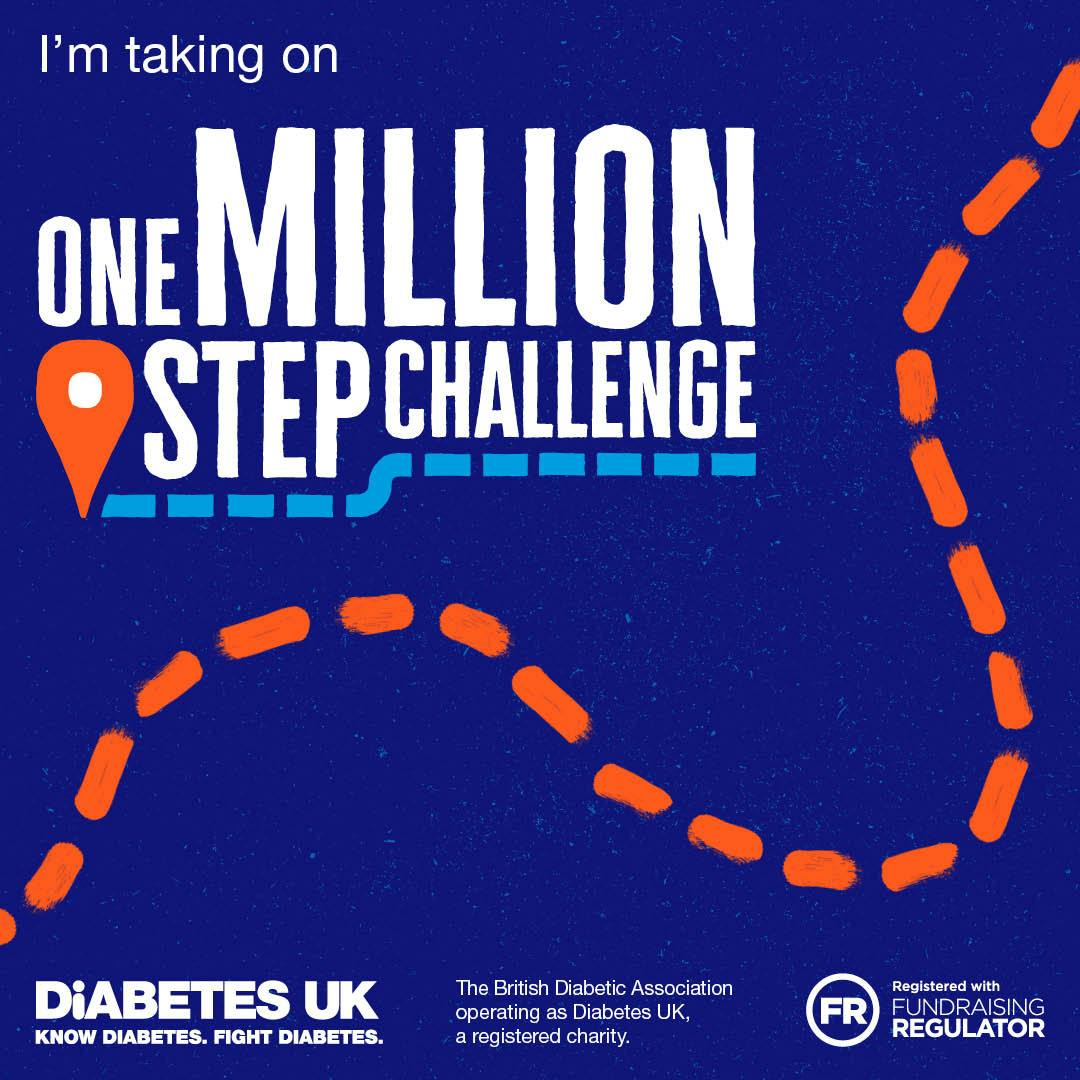
I am doing the One Million Step Challenge (500,000 steps) for Diabetes UK!

This is scary but here goes! This summer, I’m stepping up for Diabetes UK in their Step Challenge (I will be aiming to do 500,000 steps between my birthday 1st July and September).🤣🥰

I am doing this challenge to not only support the 5 million people in the UK who live with diabetes (including my dad Mike) but also to get fit, healthy and lose weight after being diagnosed with polycystic ovarian syndrome (pcos) last year. With pcos there is a future risk for diabetes as well as fertility challenges- I’m not diabetic currently and want to get healthier.

Those who know me well know this is a big deal for me as I am not a gym goer! I will be aiming to do 5000 steps a day starting on my 36th birthday 1st July- through to 30th September to total 500,000 steps which is one of the challenges.

Please sponsor me if you can afford to fund life saving treatments/research into diabetes and get me off the couch so I am healthier too!

Click sponsor me in previous sentence to donate or learn more!

Thank you; Eleanor xx

🦋🌻

5 Ways to Increase Self-Confidence after Losing a Limb by Lizzie Weakley

(image: Daniel Odame: Unsplash)

When people lose a limb, it can be a traumatic experience that can take away their sense of self-confidence. It is essential to understand that it is normal to feel insecure and unsure after such an experience. But, there are ways to increase self-confidence and improve self-esteem. This blog will discuss five ways in which you can increase your self-confidence after losing a limb.

Accept Your Situation

The first step towards gaining confidence is accepting your current situation. Losing a limb is a significant change, and it is essential to acknowledge the many emotions that come with it. It’s okay to feel scared, angry, or confused. Accepting these emotions is an essential step towards healing.

Focus on Your Strengths

Focusing on your strengths and abilities rather than just your differences can be a powerful tool. Being an amputee does not define who you are as an individual. Instead, focus on your strengths and what you do best. Try to identify your qualities and character traits that make you unique. Remember that you are so much more than an individual with a missing limb.

Build Confidence with a Prosthetic Leg

A prosthetic leg, like those from Prosthetix Shop, can be an excellent tool to help you regain your confidence. A well-designed prosthesis that fits accurately will give you more mobility and independence. The prosthetic leg will help you to stand taller and improve your posture, which can help you to feel more confident. You can also experiment with different styles and colours that complement your body.

Take Care of Your Body

Taking care of your body is essential in increasing your self-confidence. A healthy lifestyle, a balanced diet, and regular exercise can make you feel good not only physically but also mentally. Exercise can help you reduce stress, anxiety, and depression, which can improve your overall mood and self-esteem.

Find Support

Having a support system can help you remain positive and motivated on your journey towards increasing self-confidence. You can find support by attending support groups, seeking therapy, or talking to friends and family. Joining a support group of individuals going through the same experience can help you feel less alone and encourage you to regain your self-confidence.

Losing a limb can be a life-changing experience, but there is hope to regain the self confidence you once had. Accepting your situation, focusing on your strengths, building confidence with a prosthetic leg, taking care of your body, and finding support are all essential steps towards achieving this goal. Remember that you are not alone in this journey, and there are many resources available to help you regain your confidence. With time, patience, and dedication, you can build a new sense of self-esteem and love the body you are in.

This article was written by Lizzie Weakley and contains an unsponsored link.

How You Can Achieve A Healthier Lifestyle This New Year.

(image: Brooke Lark: Unsplash)

It’s about the time of year when everyone decides that they’re going to live a healthier lifestyle. If you’re not sure how you can achieve this goal, don’t worry. There are plenty of changes, some of which are easier to manage than others, that will help you improve your health. You can also do this all year round, not just on New Year’s Eve or for a few weeks in January.

  1. Eat Better

Have you ever heard the saying “you are what you eat”? People often think about it in the vein of weight loss, but that’s the first misconception people have about eating healthily. 

Eating better doesn’t just mean trying to lose weight. Sometimes, weight loss is a part of your lifestyle goals, but not necessarily. In fact, changing your diet just to lose weight can lead to an unhealthy and unsustainable lifestyle. You might lose the weight quickly, but your health could suffer and you’re less likely to maintain the results. 

Instead, focus on a well balanced and nutritious diet. Eat the calories you need and make wise food choices. You don’t need to be too restricted, just controlled. 

  1. Drink Plenty 

No, this isn’t a suggestion to drink more alcohol. While alcohol in moderation isn’t a problem, too much alcohol can be terrible for your health. 

Rather, you should think about how much water you drink. The recommended amount is between 6 and 8 glasses of liquid. It doesn’t have to be water. Tea, coffee, and soft drinks do count. 

However, it’s better to drink mainly water and non-sugar drinks. Soft drinks with a lot of sugar contain loads of calories and have very little nutrition, which isn’t a great combo. 

  1. Cut Out Bad Habits

Speaking of cutting things down, you should definitely think about cutting out bad habits like smoking or substance abuse. 

Smoking causes a huge amount of damage to your body and wallet. While you can go cold turkey and completely cut smoking out, some people find this difficult. NRTs, or nicotine replacement therapies, are a good way to wean yourself off.

If you’re trying to stop a very heavy smoking habit, this is especially helpful. Find treatments that work for you, whether that’s extra strong pouches or another kind of medication. 

  1. Exercise

It’s no secret that good fitness is good for your physical and mental health. 

The key to getting fit is to build yourself up. Don’t try to run a marathon right away. Set small, achievable goals and stick to them. The key is exercising regularly, not becoming an instant athlete. 

  1. Mental Health 

A big part of a healthy lifestyle is your mental health. This will keep you happy and healthy. 

This is easier said than done, especially when you’re balancing your mental health with physical health problems. We have enough to deal with in our lives without adding chronic pain or fatigue into the mix. 

Keep an eye on your mental state and well-being. If you do feel overwhelmed, talk to someone. Whether it’s a friend or a medical professional, talking things out can help you process problems and manage them better. 

Heres to a healthy and happy 2024!

This article was written by a freelance writer.

Helping A Loved One Feel More At Ease In A Care Home.

Making the decision for a loved one to enter a care home is never an easy one. You probably feel guilty for doing it, but the truth is that it will help them get the best possible care as they get older – more than you might be able to give yourself! There’s a lot of negativity about the subject, but many people find their quality of life improves in a care home, and there are things you can do to make that even better. Ultimately, it comes down to making a decision for their best interests, and even if it doesn’t feel that way at first, it soon will.

So what can you do to help them settle in? You can do your bit by finding ways to help them feel more at ease in their new surroundings. Here are some ideas to help your loved one adjust to life in a care home.

Image Credit: Unsplash under Creative Commons

Make their space feel more like their own

One of the biggest changes people face when going from their own home to a care home is the lack of personalisation and familiarity, and feeling like the space isn’t theirs. But there are things you can do to help fix that, including:

  • Decorate their room with things from their own home, including pictures, furniture, rugs, etc.
  • Choose from care home beds that they are happy with (if the home allows you to do this).
  • Add familiar fragrances.
  • Make sure they can indulge in their hobbies and interests with books, TVs, etc.

Talk to your loved one about what would help them settle in and do what you can to make it happen. 


Be there to make things more enjoyable

With your loved one receiving proper residential care, you can be there to help them have fun and stay active, something that might not have been possible while you were caring for them. Use your energy to take them out for trips, help them exercise, and spend quality time with loved ones. The Body Coach even has his own workout series for older people!

Being in a care home doesn’t mean your usual outings and activities have to stop, so you can help them keep up a routine that they enjoy.

Exercise is very important to help improve mobility and mood. Finding ways to help your loved one’s physical health can also benefit their mental health, improving their mood and helping them feel more at ease.


Get to know the staff 

There are a lot of reasons you should get to know the staff at a care home:

  • It can help you be more involved in your loved one’s life by getting to know the other people who are in it.
  • They’ll know more about you and your loved one, which can help them provide better care.
  • If you experience any issues, it’s good to have someone familiar you can talk to.
  • It creates more of a family atmosphere.

Regular visits and chatting with the staff more will help you make those connections, helping you feel more involved in your loved one’s care. It makes things nicer for them and for you, and is a fantastic way for you all to get to know people better. 

You will have all sorts of feelings about your loved one being in a care home, but it’s important that you focus on them and ensure they feel happy and comfortable where they are. Talk to them about what they want and how you can make it happen, helping them settle in quicker so you can both feel more at ease.

This article was written by a freelance writer.

Yoga And Fitness: A Holistic Approach to Total Body Wellness by Sean Lynam.

(image: Pexels)

Approximately 300 million people worldwide practice yoga every day, and the numbers are only increasing. This is because awareness of the benefits of yoga is growing. The most popular topic on Instagram in the UK during the lockdown was yoga, followed by health (as the second topic of interest). Yoga is gaining traction as a holistic approach to total body wellness and fitness. 

About Yoga

Yoga has its origins in India, with its first mention being in an ancient sacred text Rig Veda. The world embraced this graceful fitness approach with open arms. Of course, it underwent some adaptations as this practice crossed countries. However, its essence remains the same, regardless of where and how it is practiced. Yoga focuses on breathing, balance, and flexibility. It comprises mental, physical, and spiritual practices. The most important components of yoga are the postures and the breathing work. There are approximately 19 different types of yoga and around 66 basic postures.

Yoga for Total Body Wellness

Many scientific studies support the claims about the benefits of yoga, so you can rest assured that it is not just hype. Some of the ways in which yoga can help in conditioning the mind and body are highlighted below:

Physical Benefits of Yoga

Yoga improves blood flow, which leads to increased oxygen supply to the brain and organs. This promotes cell growth and muscle recovery. If you are recovering from any disease or injury, yoga can accelerate the process for you. Yoga is a low-impact form of exercise, so you don’t have to worry about it aggravating any existing issues. Just select the poses that are most suitable for your fitness level and health condition. 

There may be no other approaches as well-rounded and effective as yoga for bodybuilding. Yoga can supplement all other bodybuilding efforts as it substantially improves mobility, increases muscle strength, and enhances balance. Low-intensity or restorative yoga is great as an active recovery workout; it reduces muscle soreness and speeds up recovery. 

Yoga is also effective as an adjunct treatment for chronic conditions like lower back pain, arthritis, and diabetes. Yoga also helps lower cholesterol and and blood pressure, and can therefore work wonders for your heart. Regular yoga practice can improve immune function and help combat diseases. 

Beneficial Effects of Yoga on Psychology

Typically, there are no mirrors in yoga studios. This is to prevent people from getting distracted by the way their body looks during a pose. Yoga encourages a person to look inwards and connect with oneself better. Surveys have found that people who practice yoga have a better body image and are less likely to be overly critical of themselves. Yoga also encourages one to be mindful of their eating habits. Mindful eating and a positive body image can help people with eating disorders. Health professionals are now supportive of yoga as a tool for long-term recovery from eating disorders. Yoga therapy also serves as a treatment for depression. Regular yoga can increase mental clarity, improve focus, relieve stress, relax the mind, and boost general mental health. 

It is only possible to recover and achieve total body wellness when physical fitness is supported and supplemented by mental health. Yoga has beneficial effects on the mind as well as the body and is therefore highly suitable as a holistic approach to total body wellness. Pre-workout supplements could help boost the effects of yoga, such as an increase in blood flow and a rise in endurance levels. 

Time to Get the Yoga Mat 

Yoga is better understood when experienced. Don’t take anyone’s word for it; rather, try it yourself. After your first yoga session, there is a high possibility that you will return for more. You will find yourself making healthier lifestyle choices. With yoga, you can engineer your inner self and your body, to bring out your best version. 

Author Bio:

Sean Lynam

Sean is a fitness enthusiast and personal trainer by profession, and a freelance writer by passion. Sean writes and shares his knowledge for a range of fitness publications and nutrition brands.

Healthy Shouldn’t Be Hard: How To Live A Healthy Life And Love It By Dixie Somers

(image: free image).

Living a healthy life can be a challenge for many of us, and it is quite understandable. With busy schedules, ease-of-access to unhealthy food, and distractions abounding, it is quite easy to slip up on our health goals. 

But the great news is that living a healthy life can be achieved with a little bit of effort and the right mindset. Learning how to live a healthy life!

Start With a Positive Mindset 

Living a healthy life is more than just eating salads and hitting the gym. It starts with your mindset. You need to cultivate a positive outlook on life and embrace a healthy lifestyle. Instead of seeing it as a chore, make it a choice. When you are motivated and excited about living a healthy life, it will be easier to take steps towards it every day. 

A great way to start being more positive is to practice gratitude and mindfulness. Start each day by taking a few minutes for yourself to think about what you are thankful for in life. As you go through your day, focus on the present moment and find joy in small things that make it special.  

Remind yourself of all the good things happening around you, instead of only focusing on the negative. This can help to put you in a more positive frame of mind and make it easier to embrace a healthy lifestyle. 

Nourish Your Life With a Better Diet 

Nutrition is key to living a healthy life. Eating a balanced diet that is rich in whole foods, fruits, and vegetables is essential. Good nutrition will provide you with the energy and nutrients needed to enhance your mental and physical well-being, reduce the risk of chronic diseases, and maintain a healthy weight. 

Choosing the best diet for yourself can be a daunting task, but it doesn’t have to be. Start by researching different diets and find out which one fits your lifestyle and goals. Consider factors such as availability of certain foods, the amount of time you plan to commit to prepping and cooking meals, and any dietary restrictions and preferences you may have. 

Once you have narrowed down your choices, talk to a healthcare professional and get their advice on whether the diet is right for you. Finally, try the new diet out for a few weeks and see how it fits into your lifestyle. Adjust as needed so that it works best for you! 

Exercise For Health

Physical activity is essential for good health. It helps improve your cardiovascular health, strengthen your bones, reduce stress, and boost your immune system. Find an exercise routine or weight loss program that works for you, and make it a habit. You can start with simple activities such as walking, jogging, or cycling for 30 minutes a day and gradually increase to more intense workouts. 

Exercise is important for maintaining our overall health, but it is also important to listen to your body and know when to take a break. It’s okay to take some time off from exercising if you are feeling overly fatigued or unwell. Be sure to give yourself enough rest between workouts so that your body can recover properly. Please note as well that people with eating disorders may want to over-exercise, if you are finding that this is you, please speak to your GP or psychiatrist when you can.

If you don’t feel comfortable with a certain exercise or activity, listen to your body and opt for something else.

Practice Self-Care 

Self-care is critical for living a healthy life. It helps reduce stress, anxiety and promotes mental and emotional well-being. Incorporate practices such as meditation, yoga, or other relaxation techniques into your daily routine. Take time out to do things you enjoy such as reading a book, taking a bath, or getting a massage. 

Manage Your Stress Levels 

Stress is a natural part of life, but chronic stress can have a negative impact on your health. It can lead to high blood pressure, weakened immune system, and depression. Find ways to manage stress, such as meditation, yoga, or deep breathing exercises. Take breaks throughout the day, and prioritize self-care activities that help you relax and recharge. 

Get Enough Sleep 

Sleep is essential for good health and well-being. It helps your body rejuvenate, repair and regenerate. Lack of sleep can lead to fatigue, irritability, and poor concentration. Aim to get at least 7-8 hours of quality sleep every night. Establish a relaxing bedtime routine that will help you wind down, such as avoiding electronics and turning off the TV an hour before bed. 

Creating an optimal sleeping environment is key for getting a good night’s rest. To optimize your bedroom, start by making sure it is cool and dark; this helps promote the release of melatonin, which is essential for sleep. Make sure your mattress and pillows are comfortable and supportive to ensure proper body alignment and support during sleep. Invest in blackout curtains to block out external noise or use a sound machine if necessary. 

Surround Yourself With Supportive People 

Living a healthy life can be difficult if you don’t have people around you who support your goals. This is why it’s important to surround yourself with people who share your desire to be healthy. 

Whether it’s joining a local fitness class, finding a workout buddy, or attending healthy cooking classes, there are plenty of ways to connect with like-minded people. 

Focus on Progress, Not Perfection 

It’s important to remember that living a healthy life is not about being perfect. There will be days when you slip up, and that’s okay. The key is to focus on progress, not perfection. Celebrate the small wins, and keep pushing yourself to improve. 

By having a positive mindset, incorporating good nutrition, exercising regularly, practicing self-care, and getting enough sleep, you will enjoy all the benefits of living a healthy life. These habits may take some time to form, but with patience and perseverance, you will soon find that living a healthy life is one of the best decisions you ever made. 

This article was written by Dixie Somers, freelance writer in the USA.

10 Steps To Managing Your Anxiety by Anita Ginsburg.

(image: Joice Kelly at Unsplash)

Anxiety is a natural response to stress, but sometimes it can become overwhelming and interfere with your daily life. If you’re struggling with anxiety, you don’t have to go it alone. There are many effective strategies for managing anxiety that psychiatrists and mental health professionals use every day. Here are 10 proven strategies for reducing anxiety and taking control of your thoughts and feelings.

Identify Your Triggers

The first step in managing your anxiety is to identify what triggers it in the first place. Is there a specific situation, person, or event that causes you to feel anxious? By recognizing these triggers, you can begin to take steps to avoid them or find ways of coping when they do arise.

Keep a Stress Journal

Keeping track of your thoughts and feelings can be a great way to gain insight into how your body reacts to certain situations and how best to manage them. Write down any physical sensations, emotions, or triggers that contribute to your anxiety so that you can better understand what’s causing it and how best to deal with it.

Exercise Regularly

Exercise is not only a great way to burn off pent-up energy but also helps release endorphins which act as natural mood boosters. Even just a few minutes of exercise each day can help reduce stress levels and improve overall mental wellbeing.

Practice Relaxation Techniques

Taking time out of each day for relaxation is essential for keeping your stress levels low. Take up yoga, practice deep breathing exercises, or listen to calming music before bed each night—whatever works for you. Finding activities that bring about relaxation will help reduce the intensity of your anxiety over time and lead towards more peaceful days ahead.

Talk To Someone

Talking about the things that are causing you anxiety is often the first step in taking control of it again; whether it be with family members, friends, or even professional psychiatric services, like New Tele Doc, if needed. Having someone else who you trust to talk through issues with can help put problems into perspective and provide clarity on potential solutions going forward—something we often need when dealing with our own anxieties.

Get Enough Sleep

Lack of sleep can exacerbate existing anxieties so make sure you get at least 7-8 hours per night whenever possible; if not more depending on personal circumstances. If insomnia is an issue then try getting outside during daytime hours (weather permitting) as exposure to sunlight helps regulate the body’s natural circadian rhythm which aids in quality sleep later at night.

Eat Well and Drink Water

Eating well balanced meals throughout the day helps keep energy levels high while avoiding unhealthy snacks or sugary drinks which can cause blood sugar spikes/drops leading towards feelings of fatigue/anxiousness respectively. Similarly drinking lots of water helps ensure good hydration levels which makes us feel more alert mentally whilst providing physical benefits too.

Practice Mindful Meditation

Mindful meditation involves focusing on one’s thoughts without judgment in order to allow yourself some time away from any negative self-talk or worrying thoughts; allowing yourself time away from such things has been proven beneficial for those struggling with anxiety issues. It’s important however not to focus solely on this technique as other methods should always be employed alongside mindful meditation too when tackling any difficult issue such as this one.

Avoid Caffeine and Alcohol

Both caffeine and alcohol are known stimulants which if consumed regularly can increase adrenal hormones leading towards heightened states of fear, anxiety, and nervousness. Try replacing coffee/tea based beverages (which contain caffeine) instead with green tea or fruit juices (which don’t!) as these are far healthier options overall particularly when trying to combat any pre-existing anxieties already present within oneself.

Break Negative Thinking Patterns

Lastly breaking negative thinking patterns involves challenging any irrational beliefs we may have about ourselves by looking at evidence objectively. This could involve writing down pros and cons for certain decisions we make before acting upon them so we have an understanding of why certain actions should be taken based upon factual evidence rather than assumptions made from our own potentially skewed perspectives.

Everyone experiences periods of worry from time-to-time but learning how best to manage those worries will increase your confidence in being able handle similar situations better next time they arise. By following the above 10 steps anyone suffering from regular bouts of anxiety will likely find their overall quality of life improving dramatically once proper management techniques become part of their daily routine! Psychiatric services such as therapy sessions/medication may also be necessary depending upon individual circumstances. Seeking medical advice should never be seen as a sign of weakness but rather strength instead because ultimately tackling problems head-on is better than running away from them indefinitely.

Anita Ginsburg is a freelance writer.