Book Review: ‘Pushing Through The Cracks: In the Darkness of Her Family’s Mental Illness She Found Light’- Emily J. Johnson by Eleanor

(image: Emily J Johnson)

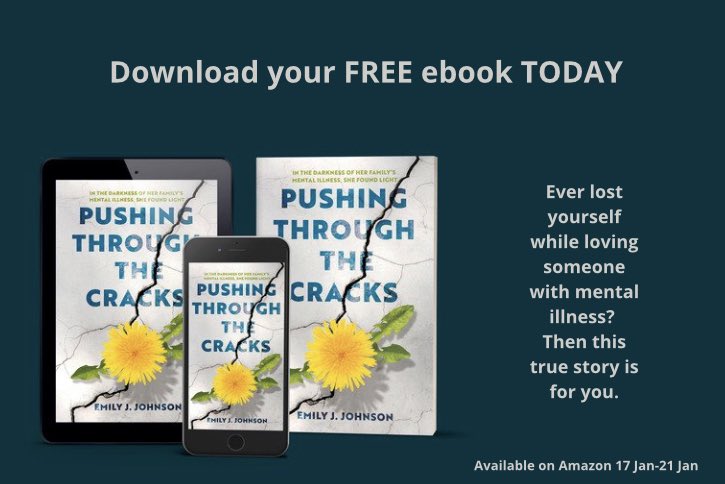
Pushing Through The Cracks: In the Darkness of Her Family’s Mental Illness She Found Light by Emily J. Johnson is an incredible book. It is a story that I don’t believe has ever been written about before in such a way in the mental health space, I have certainly never come across it. Its a true memoir that occurred here in the UK during lockdown.

Emily wrote to me and kindly sent me a free copy of her book. I was hooked from the first page- this is a story of survival against the odds, of how mental illness can rip a family apart but how healing and hope are possible. Of strength through immense difficulty. Of light winning over darkness.

Four years ago, in the UK, Emily, a divorced mother of two, was living her best life with a new partner and blended family of six. But then addiction and mental illness entered her home uninvited, threatening to tear the whole family apart.

With an alcoholic husband and two teenage sons – one a depressed gambler and the other with chronic obsessive-compulsive disorder (OCD)– Emily is left to cope alone. And when the Covid pandemic hits, Emily, a ‘serial people-pleaser, enabler and born rescuer’, almost breaks too.

This true story delves into the darkest sides of mental illness and addiction with raw, often harrowing honesty. It shines a light on taboo subjects including self-harm, suicidal feelings, gambling, alcoholism, depression, severe OCD and eating disorders, all exacerbated by an unprecedented global pandemic and dwindling support services.

This is a story of remarkable strength, self-realisation and reclamation of a lost identity. This is a story of finding hope, pushing through the cracks in the darkness. It is also a story that touches on the difficulties of accessing UK NHS mental health services at times, especially CAMHS.

I found Emily’s strength through such severe adversity – dealing with a husband and two sons with severe mental illness, whilst carrying on with her own life when mental illness permeated every part, to be so inspiring. Her marriage falls apart, her children are unable to attend work and education, the family embarks on several different recovery journeys- navigating NHS mental health care and all its difficulties. Her sons addictions and acute OCD worsen and add to the pressures for Emily. How does she as a mother fix it all? She realises.. she can’t fix anyone and its not her job too.

The front cover features a dandelion pushing through the cracks of the ground. Emily describes the moment she hits rock bottom but then saw a dandelion poking through- which symbolised hope and light for her,

‘(image: Emily J. Johnson)

‘I pick up my phone and call a crisis support line…I desperately want someone to listen to me, to ease my pain, to hear my stories…(of mental illness at home)

I throw my phone across the path in frustration… something catches my eye, a beautiful yellow dandelion is growing through a crack in the concrete. Its golden yellow petals cut through the greyness of the broken path and it overshadows the filth and discarded cigarette butts around it. Despite its surroundings, it has found ways to push up through that crack, to have life. it is. not complaining or giving up, it’s surviving and it will go on to finish flowering. One day soon, the wind will carry its dainty seeds somewhere else to carry on the cycle of its life.

Just like that dandelion, I have pushed through adversity and survived. …I close my eyes and raise my face to the sunshine… Even in the midst of all this chaos, this darkness, there is warmth and light. There is hope.” (from chapter Dandelion) (Emily J. Johnson)

This is also a book which exposes the difficulties and realities of living with mental illness. I will add a trigger warning- it doesn’t hold back on the reality of mental illness including self harm, addiction, alcoholism, suicidal thoughts etc- so please read with care.

Thank you Emily for letting me read and follow the journey of your family. I hope your husband and sons are able to fully battle their demons and recover or stay in remission.

Pushing Through the Cracks by Emily J. Johnson can be bought from Amazon and good book shops.

(image: Emily J. Johnson)

Transforming your Smile, Confidence and Mental Health in the New Year 2022.

Image Credit: Unsplash under Creative Commons

Self care of both our mind and our appearance can really boost our mental health. When it comes to looking after our smile, your teeth are important. Taking care of your teeth and gums is an essential part of taking care of your overall health, stopping you from becoming unwell, but it can also help improve your confidence too. 

Unlike other physical transformations, transforming your smile is something that can be simple and affordable, and you’ll be able to enjoy long-term benefits by doing it.

Could a new smile be on the cards for you in 2022? Take a look at these ways to transform your smile for a dazzling way to welcome in the new year.

Visit your dentist

The first place to go if you want to transform your teeth is the dentist. A lot of people have fallen behind on their appointments as a result of the pandemic, but it’s important that you visit your dentist regularly to make sure your teeth stay in good health. Your dentist will be able to recommend treatments that will improve your smile, as well as give you advice on how to take care of your teeth.

Take better care of your teeth at home

Improving your smile is something that takes time, and you’ll need to develop permanent habits to keep them looking their best. Some of the best practices for healthy teeth include brushing your teeth twice a day and making sure you use a quality mouthwash and flossing aid to keep plaque and bacteria at bay. Maintaining those good habits will help keep your teeth looking clean and polished for a smile you can be proud of.

Look at treatments that will transform your teeth

If you’re unhappy with your teeth, there are things you can do to change how they look. Invisible braces, teeth whitening and even dental implants at Dental Excellence’s clinic can make a big difference to your smile, with treatments able to transform your smile quickly and affordably. Cosmetic dental treatments are an investment worth making, making a big difference to your teeth and your confidence too.

Work on yourself to help put a smile on your face

Transforming your smile doesn’t just happen on the outside, you need to feel good about yourself to smile too. Some self-compassion and self-care could help you work on your inner confidence to give you something to smile about. Do things that make you happy, like seeing friends or your favourite hobbies – it will make a big difference to how you feel.

If you need to speak to someone about what you’re feeling, reach out – you don’t want to face mental health problems alone.

A lot of new year’s resolutions and plans fall at the first hurdle, but transforming your smile is a realistic goal you can stick to. Develop some better oral health habits and see your dentist regularly – it will help you keep your teeth and gums healthy and can impact the rest of your health too.

A new year means a fresh start, so get ready to start 2022 with a new outlook and a smile on your face.

This article was written by a freelance writer and contains links.

Managing Our Mental Health During Christmas And The Festive Season by Eleanor

(image: Jonathan Borba: Pexels)

Its nearly here everyone! Just 4 days until our country (the UK) stops and celebrates Christmas (or uses the day as a chance to see family because they’re off work, like we do!).

The pressure is taken off for me during this period because its just a chance for relaxation for us as we’re Jewish, we don’t have the same expectations for the day as others. However, I know for many people Christmas is a stressful time where they see family they don’t normally see and may feel they have to hide how they are truly feeling with their mental health. The pressures are also on for the cost of food and gifts during this time and many people get into debt too.

We already have less daylight during this time and with the Covid pandemic a lot of people are feeling lower and more anxious . This has been the new normal for us all for over a year and particularly here in England where we have record numbers of Omicron Covid cases- but aren’t yet in lockdown.

I know I have been feeling a bit more anxious lately to do with Covid and other things… but I am also going to be kind to myself and give myself a break and time off work to relax also! I love sitting eating Quality street or a Terrys chocolate orange (yum) with loved ones and watching a good film like The Holiday… thats my favourite. Second is the Muppets Christmas Carol. Third Love Actually. Whats yours?

(image: lilartsy: Pexels)

I am lucky my bipolar is in remission and I am stable on medication. So I don’t have to worry about severe depressive or manic episodes right now. But, I still need to look after myself or practise self care- lots of sleep, not too much sugar, and check in with myself or my therapist if needed if my anxiety flares.

Obviously, over Christmas lots of NHS mental health professionals aren’t available but you can reach out to helplines such as Samaritans 116 123 (UK) if you need someone to talk to who will just listen.

You can also text SHOUT to 85258 if you’re in crisis and need support.

In an emergency, if you have a phone line to a hospital outpatient crisis team that are working over Christmas, call that and if not in an emergency you may have to go to Accident and Emergency (but there could be long waits).

Mind have an amazing list of helplines, organisations and food banks such as Trussell Trust for over the Christmas period should you need, click here: https://www.mind.org.uk/information-support/tips-for-everyday-living/christmas-and-mental-health/useful-contacts/

Wishing you all a very happy holidays, a peaceful festive season. This time can also be hard for people with alcohol or drug addictions or eating disorders, as Christmas is often a time with plenty of alcohol and triggering things.

Remember that its OK to be struggling but tell people you trust and reach for support. May your Christmas/ holiday season be merry and bright- and if it isn’t, remember things can get better from here, you can recover and you can be helped. Always tell someone you trust if you feel suicidal or want to harm yourself, so you can be protected and helped through these feelings.

Thank you for all your support this year,

Love,

Eleanor


Sophie Says It’s Okay Not To Be Okay- Esther Marshall Book Review by Eleanor

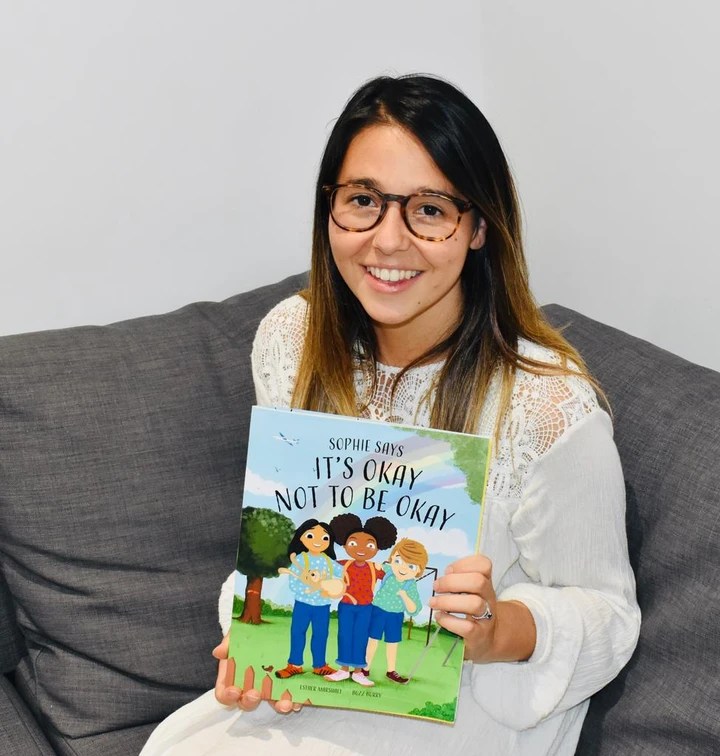
(image: Esther Marshall/ Sophie Says)

I am absolutely delighted to read and review this incredible childrens book from the Sophie Says series by author and award winning campaigner Esther Marshall (with illustrator Buzz Burry).

Esther’s story is close to my heart as not only is she from my own community but her late sister Rebecca z’l was a doctor who had bipolar disorder and sadly passed away a few years ago, while Esther was writing her second book. Esther has shared that it was her sister who encouraged and inspired her idea to write the childrens books that she couldn’t see for her own child (in terms of positive messages, inspiring rolemodels and diverse characters in terms of both race and gender). Through her sister’s struggles, Esther also began to include positive mental health messages on talking and sharing emotions, self belief and self esteem too.

Esther has said,

“I knew from the second my son was born I wanted to teach him that girls were just as strong and powerful as boys, that people from different backgrounds to him could teach him things and he should listen and be kind to everyone.
The problem was, all the books I could find to read to him had:

  • Mostly male characters (even the animals)
  • Little to no diversity or representation
  • No female role models he could look up to

So I decided that if I couldn’t find the book I wanted to read to my son, I’d better write my own.

I want all children to know and believe that they can achieve their dreams regardless of gender, race, religion or class”,

Esther at Sophie Says has not only thought about what stories she wants to tell through the books, but what messages children reading them will take and absorb. She has partnered with illustrator Buzz Burry and comments, ‘we are helping children bypass harmful stereotypes before they set in by changing the face of children’s literature. Our mission is to enable all children to grow up feeling equipped and empowered to face their futures. To learn more about themselves, others and the world around them. We are helping parents to teach their children positive messages and providing a toolkit to navigate some of the trickier conversations.

These books teach children about:

• Emotional Resilience
• Mental health
• Equal opportunities
• Relatable representation 
• Diversity and inclusion
• Self-belief
• Responsible messaging 

Esther very kindly gifted me copies of her first two books- Sophie Says I Can I will– which is about a little girl Sophie with big dreams and no limits. and Sophie Says It’s Okay Not To Be Okay which focuses on Sophie, Jordyn and Jamie on their journey as they learn that it’s okay to talk about their feelings and it’s okay not to be okay. The books are for children in the early years, ages 3-7 years and reading the books with either parents, carers or teachers is recommended. Esther told me she has ‘tried to create books which cater to both home and school so that it can be embedded in both parts of a child’s life and become the foundation of them building resilience at an early age.’

Sophie Says It’s Okay not to be Okay is a very special book- and one of the first I have seen to address children’s mental health in an age appropriate way, to teach children about their emotions and that it’s OK to feel sad, scared or worried. The book follows Jamie who is looking down and feeling sad but whose best friends Sophie and Jordyn help him through and Sophie tells him ‘its okay not to be okay’. They take him to the zoo to help him feel better and speak to Sophie’s older sister Meghan who is wise and will give good advice. Esther named the character after Meghan, Duchess of Sussex who she met with Prince Harry and other young leaders and was inspired by (she gave them a copy of the book too!)

Meghan (the character) says this important message,

It’s okay to be sad and okay to feel down. Just make sure you have good friends around. There may be days when you feel you’re alone but around us, you’ll always be at home. Its Okay not to be okay”

The book also reinforces self belief and esteem , reiterating that ‘YOU are enough!’ and encourages children to talk about their feelings because it can help. Jamie then says he will speak about his feelings in a place he feels safe in the zoo,

I don’t really know how to describe how I feel
As I can’t work out what’s in my head and what’s real.

He said ‘ a smile may be what you see, but that’s not what I feel inside me

There are times I feel quite alone because these feelings are unknown

Some days I’m happy and some days I’m sad and other days I just feel so bad’

(image: Esther Marshall/Buzz Burry/Sophie Says)

His friends then show him support and love, take him to the funfair, all while reinforcing positive kindness and support- ‘Yes we can!” . The book talks positively about the kindness of friendships always being a safe space to talk. This is so important for children particularly in the early years who are learning to understand their feelings.

Esthers writing is beautiful- on one of the last pages of the book she says ‘Whatever you do, be kind, you never know what’s going on in someone’s mind’.

The book was informed by her sister Rebecca’s struggle with mental illness (bipolar disorder). Esther has said, ‘I had always planned to write another book all around mental health to help children understand their feelings and talk about them more openly, and I sadly lost my sister, Rebecca, to mental illness as I was writing it. So the second book Sophie Says It’s Okay not to be Okay is dedicated to her memory’.

Esther wanted to amplify the message and so it was released on World Mental Health Day. The book provides a toolkit for parents who want to help their children to express their own emotions.

She has been visiting schools and doing zoom readings of her book to share the messages for her. Esther told me, I would love that as a result of children reading the Sophie Says books that children understand these vitally important lessons through a fun way of learning and it helps them build resilience and confidence to go out and achieve their full potential whilst being able to understand and manage both their physical and mental health. .’.

Esther is a true force of nature and someone who inspires me so much. She has just released a third book in the series Sophie Says Be Proud of Who You Are which is about Sophie and the rest of the Sophie Says crew on their exciting seaside adventure as they help their friend Priya build her confidence, as they guide her through believing in herself and being proud of who she is. The perfect book to help your child build their confidence and self esteem!

I would recommend the Sophie Says books to all parents, teachers and carers of young children. I can’t wait to see how this brand grows and what Esther achieves (she has achieved so much already!). She should be rightly proud of her work and all she has created.

To learn more about Sophie Says and buy the books click here

You can read Esthers blog dedicated to her sister here: https://www.sophiesaysofficial.com/blogs/dear-rebecca. (If you are over 18 as contains triggering content)

About Esther

Hi, I’m the founder of Sophie Says and the author of the books within the series. The idea for the first book (Sophie Says I Can, I Will) came to me after having my son, Asher (who is the first and most important reader of all the books!).

I knew I wanted him to grow up understanding that both girls and boys could achieve anything that they set their minds to, but I couldn’t find any books that featured a female lead character (a human one, not an animal one!) that really represented the message I wanted to teach him. So I thought, if I can’t find the story I want to tell, I’d better write it myself.

I was gifted two books in exchange for an honest review. Any links are unpaid. These books are incredible.

5 Ways to Support Mental Health As You Get Older.

Image credit

When you think of older people, what comes to mind? Most likely, you think of a frail older man or woman sitting in a rocking chair on the porch with his or her grandchild. This image is often comforting, but it’s not always accurate. As life expectancy increases, so will the number of seniors needing support as they navigate this time in their lives.

Let’s take a look at the five ways you can support mental wellness for the elderly through compassion and care.

Mental Health: Dementia and Depression

Mental health is defined as a state of well-being in which every person realises their unique potential and can cope with the everyday stresses of life. It encompasses our emotions, beliefs, thoughts, and behaviours related to our physical and spiritual health.

Studies have found that over 50 per cent of older adults with dementia experience depression. This figure becomes even more striking when considering that depression rates are higher in women than men. Depression can lead to loneliness and feeling disconnected from society, which might be exacerbated for those who aren’t familiar with mental health issues.

Depression can also lead to poor self-care behaviours like eating poorly or not taking care of personal hygiene because they cannot enjoy their day-to-day activities such as cooking or cleaning. People may find it challenging to socialise during this time because they’re trying so hard not to feel negative emotions like sadness or anger that might come up unexpectedly during a conversation.

It can be worth discussing how they can get support from a care facility such as Oakland Care where they will have round the clock care and support for their mental and physical wellbeing.

5 Ways to Support Mental Health

  • 1. Be a friend

One of the most important things you can do to support mental health in the elderly is being a friend. It’s easy to think of someone who is elderly as being alone, but they don’t want to be. They rely on friends and family members more than ever before. This can help provide them with some comfort and companionship during difficult times.

  • 2. Have compassion for them

It’s good to show seniors compassion when they need it the most. Not only will this improve their mental health, but it will also give you the chance to see a side of your loved one that you might not know about otherwise.

  • 3. Offer loving care

It’s essential for all people in your life, including elderly family members, friends or caregivers, to remember that every person is different and deserves love on their terms. The elderly need specific forms of care and various types of love depending on their circumstances.

  • 4. Send cards or gifts

Gifts sent with care can help people feel less alone and know they have support. Choosing something special to them.

  • 5 Get help

Sometimes, the best thing you can do is to contact a medical professional such as a GP or hospital doctor who can get them the proper care. 

Above all, make sure they are well supported and cared for.

This article was written by a freelance writer and contains affiliate links.

How to Battle Co-Occurring Mental Health and Substance Addiction by Holly

What are co occurring mental health disorder and substance abuse?

A co-occurring disorder is when a person is battling some kind of mental health issue alongside substance abuse like drugs and alcohol addiction. Both SUDs and mental health issues share a strong link. In fact, it’s estimated that almost half the individuals suffering from one will develop the other at some time or another. 

It’s not uncommon for substance abuse to fuel a co-occurring disorder and vice-versa. The severity of both can also increase over time. 

The most common mental health issues to co-occur alongside SUD are – 

  • Anxiety Disorders –  Social anxiety and general anxiety share a strong link with marijuana abuse. Almost 19% of people in the US have some kind of anxiety disorder. GAD, social anxiety, and panic disorder can also increase the odds of co-occurring issues.
  • Personal Disorders – In terms of the general population, around 10-15% suffer from personality disorders. When we talk about those suffering from addiction and substance abuse, the rate is an astounding 35-70%. The commonest personality disorders in those battling SUD are – borderline, avoidant personality, paranoia, and antisocial behavior. 
  • Attention-Deficit/Hyperactivity Disorder – Studies tell us that ADHD comes with an increased risk of developing addiction-related issues during adulthood (mainly 20s and 30s.) There is a positive correlation in symptoms of ADHD like impulsiveness, hyperactivity, and inattention with substance use in adults. 
  • Mood Disorder – Around 30% of people suffering from SUD are likely to suffer from one of the mood disorders such as depression and bipolar.
  • PTSD – According to a survey, people with Post-traumatic Stress Disorder are 4x more likely to develop substance use disorder than those without.

What Causes Co-occurring and Substance Addiction?

It is estimated that over half the people with one disorder will eventually develop the other during their lifetime. While the exact set of reasons that can fuel these two conditions might be long, researchers have found the 3 most prevalent reasons as to why co-occurring disorders may take place.

Overlapping Risk Factors

Many of the risk factors behind SUD and mental health issues are overlapping. Generally, these include environmental factors like exposure to drugs or alcohol at an early age, early childhood trauma, and genetics. All of these factors can make a person more susceptible to developing mental health issues and requiring addiction treatment for drugs such as Cocaine or others.

Self-Medication

Dealing with a mental illness can be difficult. That’s why many people resort to alcohol and drugs as coping mechanisms. In medical terms, this is called ‘self-medicating’. However, it’s quite misleading as instead of fixing the problems, it only masks them. What’s more, in the long run, it exacerbates the symptoms and worsens the dependency on drugs/alcohol, making it more difficult to detox from alcohol or drugs, often requiring medically supervised detox.

Drug-Induced Brain Changes

Prolonged drug and substance use can change the brains ‘motivation and reward mechanism’. It can give a false sense of wellness causing one to develop a dependence on drugs beyond control. Eventually, it can lead to mental health issues by affecting the brain and neurotransmitters.

Drugs affect the areas of the brain associated with mood, impulse control, anxiety, and schizophrenia.

How to Battle Co-occurring Mental Health and Substance Use

Residential Treatment 

Residential rehab programs begin with an initial assessment to draw an individual treatment plan. This is followed by detox and several other therapies. The patient has to stay in a structured and highly supervised facility. Common inpatient treatment duration for drug addiction is 30 days. Residential programs put the entire focus on recovery as daily triggers and challenges are removed that often lead to relapses.

Outpatient Healing Programs

Under this program, a patient receives all the treatments and therapies as in residential rehab. However, they are not required to live in the facility. This is good for young teenagers, parents, and people with mild addiction who cannot sacrifice work commitments. 

Detox

This is usually the first step in most addiction treatment programs. Drug detoxification entails medical supervision to get the drugs out of the system. With a clean system, experts can begin further treatment. Generally, therapies and medication cannot begin unless detox is successfully over.

Integrated treatment

Integrated treatment often includes behavioral therapy and counseling as interventions. Rehab centers in Connecticut and other parts of the United States use integrated treatment coupled with medication. Integrated treatment encompasses several therapeutic techniques with proven results in treating substance abuse and mental health issues. Common integrated therapies are –

  • Cognitive-behavioural therapy aka CBT aims to understand negative behaviours, thinking patterns, and self-talk that might be causing addiction and other disorders. It then works on changing them.
  • Dialectical behavioural therapy is used for treating borderline personality disorder. It does so by working on negative actions and thoughts like self-harm, suicidal behaviour, and dependence on a substance to cope with daily stressors.
  • Contingency management is often used in upscale addiction treatment centres. It reinforces positive changes by utilising incentives for patients who can exhibit positive behaviours such as staying sober and meeting therapy guidelines.

Medication Treatment

Psychotherapeutic Medications are often integral to treating SUD and co-occurring disorders and are frequently used during alcohol treatment. The commonly prescribed medications include antipsychotics and antidepressants. The latter is used to mostly manage the uncomfortable withdrawal symptoms. Other than that, medications may also be used to lessen the cravings so that relapses don’t happen. 

Buprenorphine, naltrexone, methadone, disulfiram, and acamprosate are the common medications used for treating SUD.

Peer Support Clubs

It’s not uncommon for people with psychiatric issues to become antisocial. The withdrawal from social life exacerbates when you throw drugs and alcohol into the mix. By joining peer support groups/clubs like 12-step, Alcoholics Anonymous, and group counseling – patients can find solace in the presence of other people going through similar battles. 

They can draw inspiration from their stories and also learn some tips to maintain sobriety. Support groups are highly effective in fostering a long-term, sustainable drug-free lifestyle.

Education and Counselling for Families

Sometimes a toxic family environment or dysfunctional relationships may unknowingly be fuelling a person’s addiction. Family counselling educates people how to create a healthy living environment for a family member to support long-term recovery.

image: erson-holding-stop-drugs-sign-blog

Holistic Remedies

Medical science is embracing the effectiveness and importance of holistic/alternative treatment when it comes to treating drug addiction. Many rehab centres are now adopting a holistic treatment model. Common holistic therapies are – massage therapy, acupuncture, hypnotherapy, yoga, reiki, meditation, and music therapy.

In Conclusion

Co-occurring disorders may be a harsh reality in many people’s lives. But, know that if you or your loved one is going through this issue, help is always available.

Holly is a freelance writer who loves to help people who are struggling with a drug or alcohol addiction. Holly knows first-hand what it’s like to deal with substance addiction, and has now been sober for 5 years. Holly is a frequent contributor to many addiction-related blogs and organizations such as the Addiction Treatment Division and Inpatient-Rehab.org.

How To Support Elderly Parents Living Independently.

(image: Pexels)

As you grow older, you may start to notice the role of parent and child starts to change. In the past, the parent provided the care and support to the child, but as the years pass, these roles can become reversed. If you are currently in this situation, you may be wondering how best you can support your elderly parents and help them to get the most out of life in their senior years.

Striking the right balance between being on-hand to help without interfering is challenging and can take some getting used to. It is perfectly natural to feel unsure about the best way to approach this new situation. Reaching a point where you feel comfortable you are providing your parents with the right level of assistance while respecting their wishes can take time to achieve. Here are some of the ways you can give extra support to your parents while they are living independently:

Keep Communicating

Keeping in regular contact with your parents is essential to ensure that you understand their needs and their wishes. If you are concerned about their health, communicating with them regularly will make it easier for you to spot any deterioration and give your parents the opportunity to discuss any aspects of their health that worry them. Making sure that you listen as well as talk is vital to ensure your parents feel their needs and wishes have been understood and are respected.

It is so essential to maintain your relationship with your parents. When they are more dependent on you, it is easy to fall into the trap of only talking about their care and no longer having any fun. So keeping that parent-child relationship alive by talking about everyday topics and taking them out and about is crucial.

Address Any Health Concerns

Finding the right level of support for your parent’s health issues can be challenging. Knowing whether or not they are able to continue living independently or whether they need to receive a greater level of care can be hard to determine. If your parents are adamant that they want to stay living independently within their own home, you may be concerned that they won’t get the best care. Choosing a specialist at-home care provider can help to alleviate these concerns and ensure they are getting the level of assistance that they need. Dementia home care is one specialist care service available that could help keep your ageing parents in their own home while receiving the appropriate level of support.

Make Life at Home Easier

Providing your parents with practical support is an excellent way to support them living independently. Carrying out everyday tasks on their behalf such as cleaning and getting their shopping can make life far easier for them. Making sure that your parent’s home is free from trip hazards and is clean and tidy will help to protect their health and wellbeing and provide you with the peace of mind that they are safe in their home.

This article was written by a freelance writer and contains affiliate links.

How to Spot Signs of a Traumatic Brain Injury by Lizzie Weakley

(image: Pexels- Karolina Grabowska)

Suffering a traumatic brain injury can completely change a person’s life. Your brain is the primary organ that controls everything else in your body, and any injury to your brain has the potential to impact almost every other aspect of your body, your health, and your overall wellbeing. While most severe brain injuries can be quickly spotted, more minor or moderate traumatic brain injuries can sometimes go undetected. Although some injuries may heal on their own, others can cause serious issues days, months, or even years down the road. For this reason, it is essential that you understand the possible signs of traumatic brain injuries to ensure you get proper medical help whenever it is needed.

Types of Traumatic Brain Injury

Traumatic brain injuries are categorized in several ways, depending on both the severity and type of injury. They can range from mild to moderate and severe, and this is determined by whether a person loses consciousness as a result of the injury and for how long. Mild brain injuries result in a loss of consciousness or a dazed feeling that lasts less than 30 minutes, while severe injuries are those that result in unconsciousness for more than 24 hours.

Traumatic brain injuries are also categorized based on whether they are open or closed. Closed injuries are the most common type, and this categorisation refers to any injury that affects the brain without penetrating the skull. An open brain injury results when any foreign object penetrates the skull and directly damages the brain tissue.

How to Spot Signs of a Concussion or Other Brain Injury

Moderate to severe brain injuries and open brain injuries are obviously fairly easy to spot. However, it is often much more difficult to determine if you’ve suffered a mild concussion or less severe brain injury. Still, there are a number of signs you can watch out for. The most obvious sign is losing consciousness, but feeling confused or having problems concentrating or remembering can also be indicators of a brain injury. Nausea, vomiting, and dizziness are also signs you should watch out for.

How it Can Affect Your Mental Health

Soon after a traumatic brain injury, it’s common to have feelings of frustration, loss, and sadness. These feelings tend to appear after the injury, during, or soon after recovery. These emotions can be brought up earlier or later, depending on the person, and how severe the injury is. If these feelings are not recognised early enough, depression can be a long-lasting emotion, which can be detrimental to your mental health.

What to Do If You Suspect You Have a Brain Injury

Even milder or moderate concussions can potentially lead to other issues down the road. Therefore, it is essential that you seek professional medical attention if you suspect you or someone you know has experienced a brain injury. Depending on where the accident or injury occurred, it may also be a good idea to contact an attorney. This is especially true if the injury happened as a result of a car accident or at work. In these cases, an auto injury attorney or a job site accident lawyer can help ensure everything is properly documented and that you don’t do anything that could harm your chances of getting properly compensated for your injury.

Concussions and other traumatic brain injuries are much more common than you might think. Brain injuries can also occur from seemingly minor accidents. Therefore, it is vital that you know what signs to look for, so you can immediately get whatever help you need.

Lizzie Weakley is a freelance writer.

How Private Patient Transport helps Anxious Travellers by EMA Patient Transport

(image: EMA Patient Transport)

Travelling is stressful, especially when it’s to and from medical appointments; for people with anxiety issues, the stress levels during this time can be heightened even further. Private transport providers offer patients a comfortable transport experience; the journey can be as stress-free as possible thanks to their state of the art, bespoke ambulances and friendly, qualified team! Mental health patient transport services can provide a sense of comfort and trust compared to your average ambulance service. 

Not only does patient transport provide the benefit of a relaxed journey compared to your average patient transport- but for people who require additional support, these bespoke ambulances are accessible and filled with medical equipment.

Here are some of the ways private patient transport helps anxious travellers:

There’s No Waiting Time 

Private patient transport providers deliver a transport service you can rely on! No more waiting around worrying you’ll be late for your appointment. Due to the NHS being under severe pressure, their transport service is not always running on time. With private patient transport, you can rest assured you will be picked up & dropped off on time. 

The effects of long waiting times could be detrimental to anybody with anxious feelings, but you can avoid this stress and anxiety with private transport. With private ambulance services, there are no waiting times. 

Private Transport Is Bespoke 

A fantastic benefit of private ambulance services is that the focus is always on the patient. This means that when you choose a trusted, reputable provider, the provider will tailor each vehicle to meet the patient’s specific needs. This can help out anxious travellers, as they know the vehicle meets their requirements. Some vehicles even have sensory lights and TV’s, which are welcome distractions for many anxious patients. As well as these fancy extras, private patient transport always contains vital medical equipment such as oxygen and defibrillators. 

The Vehicles Are Accompanied By A Friendly & Qualified Team 

When travelling in a private patient transport vehicle, the staff on board are always experienced and friendly. This means they are qualified to deal with medical emergencies and have a welcoming personality to make travellers feel at ease. 

Whenever you choose a trusted, reputable patient transport provider, you can rest assured that their caring team has appropriate experience and training to support patients with various needs. Private ambulance providers will meet every patient with respect, dignity, and kindness. 

The Journey Will Be As Comfortable As Possible 

Thanks to state of the art, bespoke vehicles and friendly teams, the journey will always be more comfortable than your standard ambulance transport service. No matter the patient’s unique needs, there will be a bespoke ambulance to suit. 

Do you think you or a family member would benefit from using private patient transport? Get in touch with EMA Patient Transport to find out more. 

Whether you require transport to and from a medical appointment or any other type of journey- give them a call today on 0800 634 1478 or send an e-mail over to enquiries@emapatienttransport.co.uk. Open 24 hours a day; their friendly team are always at the other end of the phone, ready to help.

This article was written and sponsored by EMA Patient transport.

The First all-in-one Stress and Mild Anxiety Formula has launched: by Nu Mind Wellness Ltd.

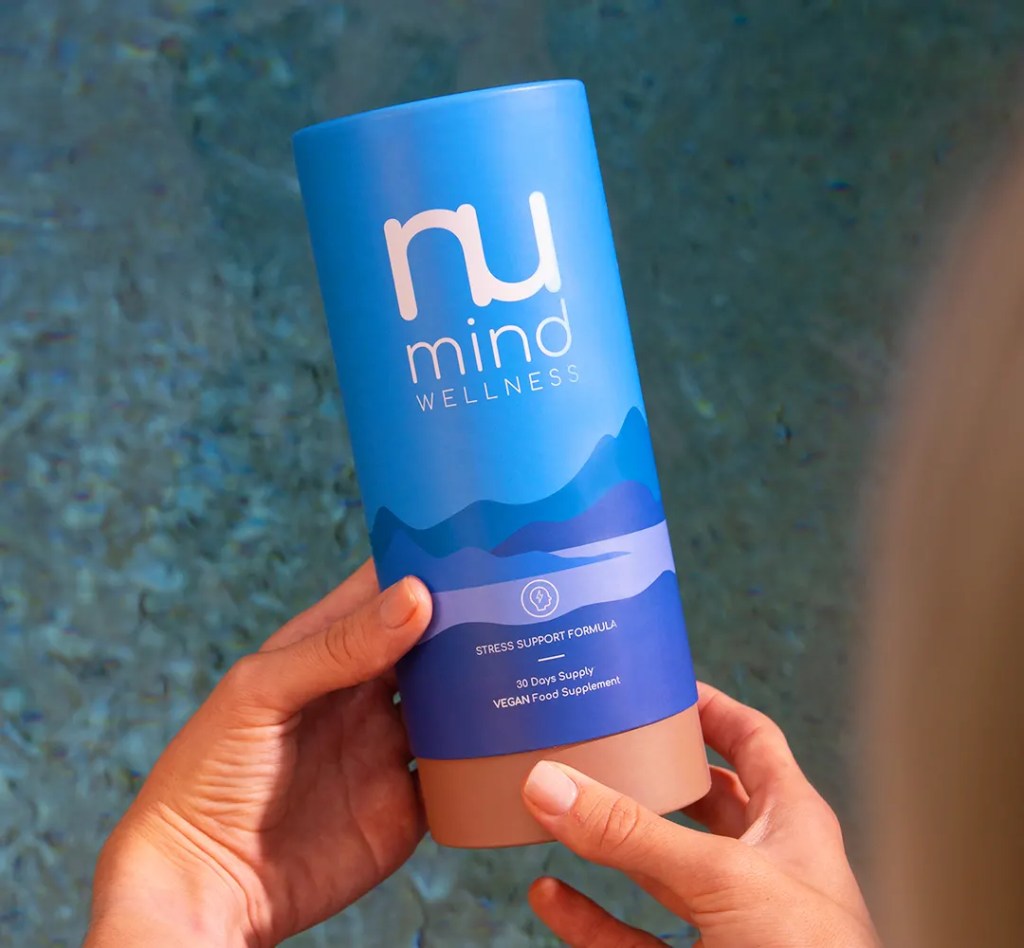
(image: Nu Mind Wellness Ltd)

Nu Mind Wellness Ltd officially launched on October 25th 2021. The Nu Mind Stress & Mild Anxiety Support Formula (30 days) offers consumers 23 scientifically backed ingredients packed in 5 daily capsules to help alleviate symptoms of stressors on the mind and body. This all-in-one Stress & Mild Anxiety Support Formula is the first of its kind and is the most comprehensive supplement programme in the UK market for mental health.

Nu Mind Wellness Ltd will is offering free educational courses to its consumers on how to improve their mental health and overall wellness. Specifically, on how to improve nutrition, how to exercise correctly and how to improve one’s mental health. Each course has been written by experts in their respective fields.

A strong social mission is at the core of Nu Mind’s vision. Nu Mind Wellness Ltd has also partnered with 1% For The Planet. Nu Mind have pledged to donate 1% of their annual revenue to grass-root non-profits. In the first year these funds will be donated to One Tree Planted where they will be planting trees in vulnerable areas across the globe. As well as this, Nu Mind’s products are all 100% recyclable.

“We wanted to create the very best formula to help those busy individuals living a stressful life. Which is why we included 23 science backed ingredients to help you manage stress and recover from symptoms of anxiety”

  • Shona Wilkinson, RN, mBANT, CNHC

Shona is a registered nutritionist, specialising in the formulation and development of supplements. Shona is a member of the Professional Associations BANT (British Association for Nutrition and Lifestyle Medicine) and CNHC (Complementary and Natural Healthcare Council) as well as the Royal Society for Medicine

Features and benefits of the Nu Mind Stress & Mild Anxiety Support Formula include:

  • The first all-in-one stress supplement programme, packaged into 30 daily sachets
  • 23 scientifically backed ingredients, based on current scientific research
  • Free educational courses on how to improve mental health and wellness 
  • Charity partnership with a clear social mission
  • 100% recyclable packaging 
  • Vegan Friendly, Gluten Free, No Allergens
  • 50% cheaper than current alternative

The Nu Mind Stress & Mild Anxiety Support Formula (30 daily sachets) will be available from 25th October at £44.99. For more information, visit www.numindwellness.com. 


About Nu Mind Wellness Ltd

Let’s begin with our story. We are two brothers who have suffered from anxiety. From panic attacks, deliberately avoiding social situations and sleepless nights. For years we searched for ways to feel ‘normal’, only to find the internet’s answers unsatisfactory.

Given our personal experience and understanding of the battles of anxiety, we set out to give back and support those with similar struggles. Working alongside professionals, we have created the first all-in-one stress & mild anxiety support formula.

We aim to provide the first all-in-one stress and anxiety service; providing a supplement, educational wellness content and a like-minded community. This is the essence of Nu Mind.

Links to learn more:

This is a sponsored blog post from Nu Mind Wellness Ltd.