Thriving Through Time: Prioritising Mental Health for Life’s Journey by Millie Fuller

(image: Unsplash: Denys Nevozhai)

Mental health is finally getting recognition in society. The NHS in the UK has appointed their first medical director for mental health and neurodiversity. Our wellbeing should come first during all stages of life. 

Mental Health at Any Age

Poor mental health doesn’t discriminate, and it can affect anyone at any age. It impacts how we cope and how we relate to other people.  

The Signs of Mental Health Issues

Note anything that might be a sign of poor mental health. 

This can look different depending on age. 

Some common signs include:

  • Mood changes
  • Pulling away from social activities
  • Changes in sleep habits
  • Unexplained aches and pains
  • Suicidal ideation/ self harm
  • Unexpected anger or always tearful
  • Change in eating habits

Carers should also look out for any of these signs early on. The faster these are acted on, the sooner the quality of life can improve. 

The Role of Social Connection

As humans, we thrive around others. Our loved ones and our community give us both emotional support and a sense of belonging. 

To expand connections, look at joining a club or doing some volunteering. These interactions can ease loneliness, which can be especially common in older adults. 

Coping with Life Transitions

As we age, we’ll go through many transitions in life, some positive, and some not. Things like retirement, the loss of a spouse or even moving house can be difficult to navigate. Triggering negative feelings.

Reach out to a trusted friend. But if things start to become unmanageable, seek the help of a professional, like a GP or psychiatrist.

(image: Lesley Juarez, Unsplash)

Trying Mindfulness and Meditation

Lots of people find these practices useful. It helps to connect us to our feelings without judgment. Being aware of our emotions is so important and connecting with our breath.

Start with breathing exercises or guided meditation. To reduce anxiety, mindfulness should be done regularly.

Maintaining Hobbies and Interests

Make time for your hobbies- whether its sport, art, writing, gaming, music or drama. Taking time to do things we enjoy gives a sense of achievement. In some cases, it also connects us with others.

The Role of Technology in Mental Health

Many apps offer mental health support, and some of them are even free. Social media is also a great tool for staying in touch with loved ones. 

Older adults might need some support for navigating new technology. Carers or loved ones might need to give them a helping hand.

Nutrition and Mental Health

When we’re not feeling great mentally, it’s easy to fall into bad eating patterns. But we need to make sure we’re getting the vitamins and minerals that keep our brains healthy.  Eating well is key at any age to support a healthy mind. 

Summary

As we go through life’s journey, we must focus on our mental health at every stage. Learning to test how we’re feeling and navigate changes will keep our brains healthy. If we start to notice a decline, there’s no shame in seeking the help of a professional. It can help us navigate through this tough period. 

Stay connected to others and build new connections through mutual interests. For carers there’s plenty of resources online for creating a plan to help your loved one’s mental health.

Millie Fuller is a freelance writer.

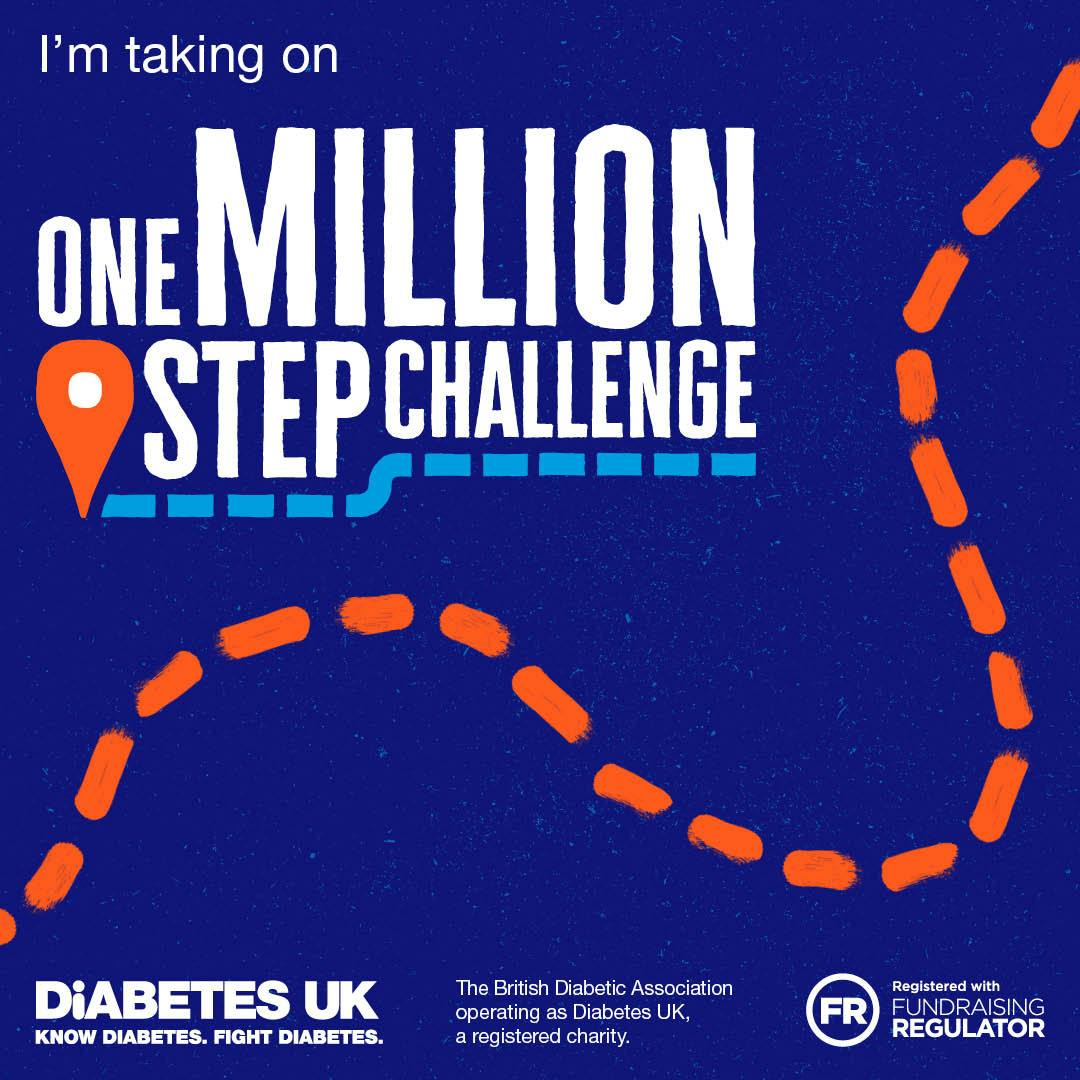
I am doing the One Million Step Challenge (500,000 steps) for Diabetes UK!

This is scary but here goes! This summer, I’m stepping up for Diabetes UK in their Step Challenge (I will be aiming to do 500,000 steps between my birthday 1st July and September).🤣🥰

I am doing this challenge to not only support the 5 million people in the UK who live with diabetes (including my dad Mike) but also to get fit, healthy and lose weight after being diagnosed with polycystic ovarian syndrome (pcos) last year. With pcos there is a future risk for diabetes as well as fertility challenges- I’m not diabetic currently and want to get healthier.

Those who know me well know this is a big deal for me as I am not a gym goer! I will be aiming to do 5000 steps a day starting on my 36th birthday 1st July- through to 30th September to total 500,000 steps which is one of the challenges.

Please sponsor me if you can afford to fund life saving treatments/research into diabetes and get me off the couch so I am healthier too!

Click sponsor me in previous sentence to donate or learn more!

Thank you; Eleanor xx

🦋🌻

Unleash Your Potential: Unconventional Hacks for Personal Growth by Miranda Spears

(image: Clark Tibbs: Unsplash)

Personal development frequently demands unique techniques to maximise potential. This article will explore unorthodox personal development hacks that can spark creativity, fresh views, and goal-setting. Each hack for self-discovery and development is different, from embracing pain and novelty to using technology and extreme honesty. By using these unique methods, you’ll discover hidden strengths, tear down boundaries, and open up new opportunities for personal development and enjoyment.

1. Embracing Discomfort

Contrary to popular belief, embracing discomfort can be a powerful catalyst for personal growth, as it challenges you to confront your fears, expand your comfort zone, and discover your true capabilities. Instead of avoiding discomfort, lean into it by intentionally seeking out challenging situations or activities that push your limits, as long as it feels healthy for you to do so. Whether it’s trying a new hobby, speaking in public, or initiating difficult conversations, each experience of discomfort offers an opportunity for growth and self-discovery. Embrace the discomfort as a sign that you’re stepping outside your comfort zone and making progress toward your goals, knowing that resilience and growth wait on the other side.

2. Enroll in Growth Programs

For individuals seeking to unlock their full potential, enrolling in growth programs can be a transformative step. Consider embarking on a self-mastery program tailored to your unique aspirations and challenges. These programs are expertly crafted to provide comprehensive guidance and support on your journey of personal development.

Through a mastery program, participants gain access to valuable tools, insights, and strategies designed to foster growth and resilience. By immersing yourself in a growth-oriented environment, you open doors to new perspectives, opportunities, and personal breakthroughs. Embracing the opportunity to enroll in a mastery program empowers individuals to navigate life’s complexities with clarity, purpose, and confidence.

3. Leveraging Technology

Technology can be a valuable tool for personal growth when used intentionally and mindfully. Explore digital resources such as apps, podcasts, and online courses that offer insights, techniques, and exercises for self-improvement and development. From meditation apps and habit-tracking tools to virtual communities and online learning platforms, there’s a wealth of technology-driven resources available to support your growth journey. Harness the power of technology to access information, connect with like-minded individuals, and track your progress toward your goals, leveraging its potential to enhance your well-being and accelerate your growth.

4. Practicing Radical Honesty

Being entirely open and genuine in your communication, whether it is with yourself or with other people, is an essential component of radical honesty. This is true even when the communication is met with resistance or discomfort. Embrace radical honesty as a method of enhancing your self-awareness, bolstering your relationships, and living in a manner that is congruent with your core beliefs. Identifying areas in which you can be holding back or avoiding tough realities can be accomplished via the practice of self-reflection and introspection.

Once you have identified these areas, commit to stating and living your truth with integrity and bravery. Despite the fact that radical honesty requires a degree of vulnerability and bravery, it leads to the development of more profound relationships, promotes personal growth, and cultivates a stronger feeling of authenticity and contentment in all aspects of life. It is important however to not hurt peoples feelings but still remain true to yourself.

5. Embracing Failure and Iteration

Failure is an unavoidable component of the process of human development. Still, rather than seeing it as something to be feared, it should be embraced as a great learning opportunity and a springboard for development. It is important to have a mentality that encourages experimentation and iteration, considering errors and setbacks as feedback that can help you move ahead and shape your subsequent actions. Accept the process of learning via trial and error, keeping in mind that each setback gets you one step closer to achieving your goals. In recognition of the fact that resiliency and flexibility are essential components for personal development and achievement, you should celebrate your willingness to take chances and learn from your failures via celebration.

In conclusion, unconventional hacks and tactics can boost personal development and self-discovery. Each hack unlocks your inner potential and improves your life, from accepting pain and joining development programs to using technology and being radically honest. Stepping beyond your comfort zone, seeing failure as a learning opportunity, and being completely honest and real can help you reach your full potential and thrive. Celebrate the unexpected, the adventure, and new opportunities on the way to personal excellence.

Alcohol Abuse: How Does It Affect Women on an Emotional Level? by Maya

(image: Matthew Ball: Unsplash)

Alcohol addiction can affect every area of a person’s emotional health. They may start to feel a sense of shame with their friends and loved ones. It can also affect interpersonal relationships, as alcohol can instigate arguments with loved ones. Here are some important ways that alcohol addiction can affect your emotional health.

How Brain Affects The Brain

If you attend a women’s recovery center, you’ll learn the many ways that alcohol affects the brain. Firstly, alcohol travels to the brain through the bloodstream, where it affects the neurotransmitters (the parts of the brain responsible for sending chemical messages between brain cells). Over time and when alcohol abuse occurs, the balance of these neurotransmitters is affected, which can lead to emotional instability. It can also increase the level of dopamine, causing people to become addicted to these heightened feelings of euphoria. Sometimes, alcohol also numbs emotions as well as heightening them.

How Alcohol Affects Mental Health

When alcohol abuse occurs over a long period of time, then mental health is greatly affected especially if someone has a pre-existing condition. Symptoms can range from mild to severe, including:

● Depression

Mania

● Psychosis

● Anxiety

If these symptoms become severe, then treatment from a mental health professional might be required.

As women are also more prone to depression than men, alcohol can exacerbate the symptoms of depression they might already be experiencing.

Factors That Determine How Alcohol Affects The Brain

Drinking alcohol to excess will negatively impact your mental health. However, other factors include your overall physical and mental health, the amount of alcohol you regularly drink, how often you consume alcohol, how long you’ve been drinking alcohol, the age you started drinking, and certain background factors like if there is a family history of alcohol abuse present.

The Emotional Impact Alcohol Has On The Body

Since alcohol can damage the emotional centers of the brain, it can lead to severe mood swings and erratic behaviour. It has other effects on the brain as well:

● Anger: women who struggle with alcohol abuse tend to struggle more with anger over time. It can be directed at anyone and anything, leading to the destruction of relationships with loved ones.

● Stress: alcohol abuse tends to be the result of relieving stress; this is compounded by the instead of stress during withdrawal symptoms.

● Anxiety: alcohol can be used to ease anxiety, but this only worsens anxiety over the long run. Women who abuse alcohol tend to have more panic attacks and experience generalized anxiety disorder.

● Depression: women who drink heavily tend to be more depressed than others and the risk of suicide increases.

● PTSD: women who have experienced trauma and use alcohol as a coping mechanism are at risk for developing full symptoms of PTSD. Alcohol can make traumatic memories worse and more intense, increasing their feelings of anxiety and fear.

It can be difficult to overcome these negative emotions on your own, but the good news is that you don’t have to. If you fear that you are addicted to alcohol and that it is making your emotional health worse, speak to a mental health professional as soon as possible.

This article was written by Maya.

How Long Does It Take To Recruit a New Employee in 2024?

(image: Unsplash)

Unlock the secrets of modern recruitment: Discover tips for hiring new talent in 2024 and stay ahead in the competitive market.

In the dynamic landscape of recruitment, timing is crucial, employers constantly strive to minimise the time it takes to fill vacant positions while ensuring they find the best talent for their teams, and with the evolution of recruitment strategies and the integration of technology, the recruitment process has undergone significant changes in 2024. Similarly, it is really important to boost wellbeing at work and have strategies in place to support employees when you recruit and HR can assist with this.

Let’s explore how long it takes to recruit a new employee in the current landscape.

Streamlining the Recruitment Process

Traditional recruitment methods often involved time-consuming processes, including manual resume (CV) screening, multiple rounds of interviews, and lengthy decision-making cycles. However, in 2024, organisations are leveraging advanced technologies such as Applicant Tracking Systems (ATS), Artificial Intelligence (AI), and automation tools to streamline the recruitment process.

These technologies enable recruiters to sift through large volumes of resumes efficiently, identify top candidates, and schedule interviews with ease, significantly reducing the time it takes to fill vacancies.

It’s also worth checking out places that offer temporary workers, for example, those in the medical or mental health field will be able to take advantage of services like physician recruiter companies who can give you talented and passionate staff on a short term basis.

Enhanced Candidate Sourcing

In today’s competitive job market, attracting the right people requires innovative candidate sourcing strategies; Employers are leveraging social media platforms, professional networking sites, and job boards to reach a wider pool of candidates and in doing so you can uncover some hidden gem candidates. You also want to make sure that you support your candidates, especially when you come to hire.

Additionally, employee referral programs and talent acquisition partnerships with educational institutions and industry organisations have become popular avenues for sourcing qualified candidates. By proactively engaging with passive candidates and building talent pipelines, organisations can expedite the recruitment process and reduce time-to-hire.

Virtual Recruitment and Remote Onboarding

The widespread adoption of remote work has transformed the recruitment landscape, paving the way for virtual recruitment processes and remote onboarding practices- in fact, in 2022, it is estimated that around 27% of the US workforce was working remotely and this is an upward trend that has been seen in the UK too.

Video interviews, virtual career fairs, and online assessments have become integral components of the modern recruitment process, allowing employers to conduct interviews and assess candidates from anywhere in the world. This can also be helpful to people with disabilities and mental health issues, to be able to interview from within their own home.

Agile Recruitment Strategies

In response to rapidly changing market dynamics and evolving needs, organisations are adopting agile recruitment strategies to adapt quickly to shifting priorities and talent requirements. Agile recruitment involves breaking down the recruitment process into smaller, manageable tasks, enabling recruiters to respond promptly to hiring demands and make data-driven decisions. By adopting an agile approach, organisations can reduce recruitment cycle times, improve candidate experiences, and maintain a competitive edge when recruiting new talent.

2024 is the Best Time to be Recruiting!

In 2024, the recruitment landscape continues to evolve, driven by technological advancements, changing workforce dynamics, and the need for agility and efficiency.

While the time it takes to recruit a new employee may vary depending on factors such as industry, role complexity, and candidate availability, organisations are using innovative recruitment strategies and technologies to speed up the process and secure top talent in a competitive market filled with approximately 12 million Americans every month and millions in the UK.

It is also important to support the mental health and wellbeing of new employees through the recruitment stage to onboarding and beyond, to ensure they feel settled and can thrive in your business. HR can assist with this, as well as developing wellness plans when employees begin

By embracing virtual recruitment, agile methodologies, and metrics-driven approaches, organisations can reduce time-to-hire, improve candidate experiences, and achieve better recruitment outcomes in the dynamic and fast-paced world of talent acquisition (whilst embracing employee wellbeing).

This article was written by a freelance writer

5 Potent Paths for Prolonged Pain: Where to Turn When Life Feels Overbearing by Meghan Belnap

(image: free image)

Few trials in life are as demanding or relentless as those rooted in chronic physical pain or emotional trauma. For the young adult grappling with long-term afflictions, navigating through daily life can feel like traversing a battlefield with no map and an unreliable compass. 

Seeking Solace in Shared Stories 

When the weight of your struggle seems too heavy to bear, one of the most powerful avenues toward comfort and understanding is through storytelling and shared experiences. Whether you’re dealing with the debilitating effects of chronic illness, the fallout from trauma, or a blend of both, realizing you’re not alone can be profoundly liberating. 

Joining Support Groups 

Surrounding yourself with peers who understand firsthand the turmoil you face can provide a unique and invaluable support system. Consider reaching out to local or online support groups focused on your specific condition or trauma type. Here, you can share your story, glean insights from others’ journeys, and forge connections that transcend your individual pain. When you open up to a circle of understanding listeners, you’ll find that there is collective strength in solidarity. 

Creating Community 

Online forums and social media groups can serve as modern-day campfires, where you can find solidarity and support among those with similar struggles. From these virtual communities, real friendships and mentorships can blossom, creating a network that uplifts and sustains, even on the darkest of days. 

The Healing Art of Expression 

When words fail us, sometimes the canvas, the page, or the stage can amplify our voices. The creative process—whether through visual arts, music, writing, or performance—can be an outlet for the unspoken struggle within us. Engaging in art as a form of therapy not only provides an escape; it can also catalyse healing on a deeper, psychological level. Be careful though!

Exploring Therapy Through Art 

Art therapy, a form of psychotherapy that utilises creative means to express and process emotions, can be particularly powerful for young adults navigating complex internal landscapes. In a safe and guided environment, you can use artistic mediums to explore memories, release pent-up feelings, and discover new perspectives on your pain. 

Finding a Creative Community 

Being part of a creative community can cultivate a shared language around your pain that transcends traditional dialogue. Whether you join a local writers’ group, painting class, or theater troupe, immersing yourself in art alongside others can provide catharsis, camaraderie, and a fresh lens through which to comprehend and cope with your experiences. 

Professional Partners in Your Personal Battle 

With a struggle as intricate and unyielding as chronic pain or emotional trauma, it’s often necessary to call upon specialized professionals who can provide the knowledge and guidance you need to manage and, ideally, overcome your challenges. 

Therapy and Counselling 

The benefits of therapy and counselling for chronic pain and emotional trauma are well-documented. Contacting a skilled therapy center or counselling office can equip you with tools to address the cognitive and emotional aspects of your condition. Cognitive-behavioural therapy, in particular, has shown efficacy in helping individuals reframe their experiences and manage their pain more effectively. 

Seeking Medical Specialists 

Chronic pain often requires a multidisciplinary approach. Connecting with pain management specialists, physical therapists, or holistic health practitioners can lead to innovative treatments and strategies for maintaining your well-being. For those contending with trauma, seeking out psychiatrists, psychologists, or trauma-focused therapists can pave the way toward understanding and healing deep psychological wounds. 

Navigating Life With a Compassionate Guide 

The path to healing and resilience from long-term afflictions is rarely a straight line. Sometimes, having a life coach or mentor—a compassionate and knowledgeable guide—can help you chart a course that aligns with your personal goals and values. 

Life Coaches 

Life coaches work with clients to identify areas of dissatisfaction, set goals, and make strategic plans to achieve those objectives. While a therapist may look into your past to heal emotional wounds, a life coach can help you focus on the present and future, encouraging you to move forward with intention and purpose, despite your struggles. 

The Power of Mentorship 

Mentors, too, can be instrumental in guiding young adults through the labyrinth of chronic pain and trauma. Whether personal or professional, a mentor can offer support, share wisdom, and act as a role model for resilience. A mentor’s insight and perspective can prove invaluable as you learn to not just survive, but thrive, despite the weight you carry. 

Fortifying Your Internal and External Network 

In your darkest moments, it’s crucial to know that there are sources of strength—both internal and external—to which you can turn. These can be practices that you cultivate within, or connections you foster without, that fortify you against the relentlessness of your pain. 

The Power of Daily Practices 

Mindfulness, meditation, yoga, and relaxation techniques can serve as anchors in the storm of chronic pain or trauma. These practices help you tune into your body-mind connection, fostering a sense of control and calm that is often elusive. Establishing a consistent routine of these activities can help reduce stress, manage pain, and improve your overall quality of life. 

Building Resilient Relationships 

Cultivating healthy and supportive relationships can significantly bolster your resilience in the face of chronic pain or trauma. Whether it’s family, close friends, romantic partners, or even pets, the unconditional support and love found in strong relationships can act as a wellspring of hope and comfort. Nurturing these connections—through open communication, empathy, and mutual aid—can create a network of resources that sustain you through even the most challenging times. 

Finding your way through the intricate labyrinth of chronic pain and emotional trauma as a young adult can be daunting, but it’s not a lonely path. By reaching out to these potent sources of support and understanding, you can begin to unravel the complexities of your experiences and piece together a map that leads to a life defined not by your pain, but by your resilience and triumph. 

This article is by Meghan Belnap, freelance writer.

The Problem with Self-Medicating for Mental Health Issues by Maya

(image: Marcos Paulo Prado: Unsplash)

Self-medicating to resolve mental health issues can sometimes leave the door open for substance abuse. A lot of information goes into choosing the right psychiatric medicine, and it is not something you should choose without medical input. To avoid this common problem, here are a few things you should know about self-medication.

The Consequences

Mental and physical health are a top priority for dual diagnosis treatment. Depression, mania, anxiety and irritability are only a few underlying mood changes that someone may experience. On their own, these mental health conditions are already hard to deal with. When those same conditions are combined with possible substance use disorders, it creates a co-occurring disorder. As an example, a person that is suffering from anxiety will try to self-medicate with unprescribed depressant drugs. These downers are sedatives by nature, and can quickly turn into an addiction for someone who becomes dependent on how it makes them feel. These should only be prescribed by doctors and taken with care.

The Truth

When you’re aware of the consequences of self-medication, the treatment steps become much clearer as a goal. Without professional experience, you can’t diagnose the original underlying cause of your condition. Not all symptoms are created equally, and there is no way for a patient to factor in how a specific medication will interact. Psychiatric medications should never be combined with alcohol, which includes things like cough medicines. Self-medication is not good for you and your body or mind should never be the experiment to find out what works.

Risky Behaviour

Mental health stigmas are one of the reasons that people are open to the dangers of self-medication. They feel that society has a judgmental attitude towards mental health prescriptions. With self-medication, these same prescriptions and their variants are purchased after going through multiple illegal hoops.

Besides the legal issues that could arise, there is a good chance that you are not treating the correct condition. Getting medication to treat depression is a terrible idea for someone that is suffering from bipolar disorder. And when you’re suffering from anxiety, the risk of overdose rises. There is no reason to risk the mental and physical consequences of self-medicating when there are more appropriate avenues to treat your condition. Please seek help from your psychiatrist or get referred to one.

Reaching A Personal Goal

When your health is in danger, think twice about going the risky route of self-medicating. It’s easy to use clouded judgement as an excuse for not getting better. No matter how you start, a healthy mind will always be positively fuelled by making healthy personal decisions. Sometimes, self medication can turn into addiction, which can wreak havoc on your body and mind. Reach for appropriate medical support to help support your recovery.

This article was written by Maya.

Teaching Resilience to Teen Girls in a Challenging World by Dr Hannah Yang.

(image: Yin Ge: Unsplash)

Today’s teen girls are growing up in a time that’s very different from when their parents and grandparents were young. They’re surrounded by new technology and social media that consistently exposes them to unrealistic beauty standards, cyberbullying and constant comparison to others.

This is why it’s so important for educators and parents to teach teen girls resilience – the ability to cope with challenges, bounce back from failures, and develop a strong sense of self-worth. This will then boost their mental health.

Challenges Encountered by Teenage Girls During Adolescence

The path to adulthood for adolescent girls is often lined with various challenges that significantly influence their development. While each girl’s experience is unique, there are some common struggles they frequently encounter:

Regular Use of Social Media

Building connections with family and friends is crucial for individuals of all ages. Social media has revolutionised the way we maintain these relationships, particularly over great distances. However, this constant online presence has a downside.

Many teenagers find themselves grappling with the pressure to maintain a certain persona on these platforms. Influenced by the glorified lives of young celebrities and popular influencers, as well as the need to keep pace with peers, this pressure can take a toll on their self-esteem and lead to a skewed perception of themselves.

Expectations From Friends and Family

The role of education in developing an individual’s skillset is undeniable. However, the stress of excelling academically, often influenced by lofty expectations within the family, can create significant strain on teenagers’ mental health. Comparing themselves to their peers, parents, or siblings sets high standards that can be challenging to meet.

If academic pressures aren’t managed well, they can harm a teenager’s self-esteem, particularly when they don’t meet their own expectations. It’s important for teenage girls to realise that their worth and intellect aren’t just measured by their grades or school performance.

Unhealthy Desires to Fit In

Despite the current portrayal of young online influencers as champions of self-expression, the struggle to conform to their ideals can be a significant issue for many teenage girls. Being part of a social circle can offer comfort and a feeling of belonging, which is often an essential aspect of their growth.

However, this pursuit of fitting in can lead girls to sacrifice their own beliefs and values. This may take various forms, such as changing their appearance significantly or adopting harmful eating habits, all in an effort to gain acceptance within a particular social group of peers.

The Importance of Resilience in Overcoming Challenges

Adolescent girls often draw strength from their relationships with friends and family. However, they frequently confront some of their toughest challenges when by themselves. This underscores the importance of resilience, giving them the ability to respond or recover from difficult situations.

Resilience goes beyond simply picking yourself up after setbacks. It encourages learning from these experiences and using them to build character, ultimately coming out stronger from going through various challenges in life.

Overcoming Personal Setbacks

In their formative years, young women often encounter various personal hurdles, including dealing with rejection, managing failures, or going through traumatic life events. If they don’t have strong coping mechanisms, these challenges can have lasting effects, shaping their self-confidence and future relationships.

Developing resilience equips these young women with the necessary skills to confront and overcome these challenging moments, growing stronger and more self-assured.

Learning From Success and Failure

Learning from life’s challenges doesn’t need to be a solo journey. Engaging with a mentor or participating in a support group can offer young girls new insights and different perspectives they might not have considered alone.

In situations that are more complicated, consulting with professionals in settings such as anxiety therapy or trauma therapy can provide a secure space for teens to work through their experiences effectively. These forms of support can also help young women build self-awareness of how their experiences may be having a lasting impact on their mental health while also discovering helpful coping mechanisms.

Improving Decision Making

Young individuals often possess a feeling of invulnerability and belief that they have all the answers. This combination of perceived invincibility and limited experience can result in hasty, impromptu choices, some with lasting impacts.

Teen girls who focus on building their resilience are more inclined to consider the long-term implications of their actions. They become experienced at evaluating the advantages and disadvantages beforehand, leading to wiser choices and avoiding potential mistakes.

Begin Cultivating Resilience Today

Developing resilience isn’t a one-off task – it’s an ongoing journey that demands persistence and dedication. By actively engaging in resilience-building activities and learning from both their successes and setbacks, young girls can cultivate effective coping mechanisms that will benefit them throughout their lives and help their mental health.

This article was written by Dr. Hannah Yang.

Visionary and healthcare entrepreneur by passion, Licensed Psychologist by training, Dr. Hannah Yang loves creating new possibilities in the world of mental health and wellness. Dr. Yang established Balanced Awakening in 2015 as a niche psychotherapy practice for women. As Balanced Awakening flourishes in Chicago, and soon Miami, she also loves to tap into her passion for design and Feng Shui to create fabulous environments for herself, her team, and clients.

5 Valid Reasons For Not Becoming a Mother

(image: Valentina Conde: Unsplash)

Women that don’t have children will often be on the receiving end of the big question of when they’re going to start having children. But, there are some women who simply don’t want to have children, and all of them are extremely valid. However, some don’t understand this concept, and if you’re wondering why someone would ever feel like that, you’ve come to the right place. While no woman should ever have to explain herself, we’re going to explore some of the reasons why a woman wouldn’t want to become a mother.

Health problems

For some women, the choice to have children may be taken away from them due to health concerns. It might be that they can’t have children because of their health, or it might even be that becoming pregnant could endanger their health. And, while there are many avenues when it comes to having children, such as surrogacy or adoption, some women would simply prefer to carry their child themselves. When this isn’t possible, they may then choose to not have children at all.

A painful history

Sadly, some women will have a difficult or painful history that might put them off the idea of having children all together. It might be that they’ve grown up with abusive parents and don’t want to make the same mistakes. Or, it could be that they’ve been through something extremely traumatic like rape, and would rather not bring that kind of history into their children’s lives, especially if they experienced a life long injury because of it. Instead, they may speak with a sexual offence solicitor and bring the offender to justice, and then move on with their lives.

They don’t want to bring a child into this world

Every person thinks about this at some point or another, and some women will choose not to bring a child into this world if they don’t believe they can provide them with a safe and happy upbringing. Others may look at the world, citing the sense of war, environment and poverty as a reason to question whether it’s a good idea to bring a child into this world.

Giving up a social life and less freedom

Another concern that some women have and choose not to give up is their social life or freedom to travel. While times have changed compared to, say, fifty years ago, it’s still common for the mother to stay at home with the child while the partner goes out to work. While it’s not impossible to have a social life when you’re a mother, it’s certainly not as easy. And, for some, this plus freedom to live the life they want to live is simply not something they want to give up.

Career priorities

Women have just as much of a right to have a successful career as men do, and some women choose to prioritise their career over having children. A career can sometimes take decades to climb and some don’t want to have time off to have children and juggle their work.

This article was written by a freelance writer.

What is Trichotillomania and How Can You Treat It?

(image: Unsplash: Tim Mossholder)

Trichotillomania is a condition where you have an uncontrollable urge to pull out your own hair. This is usually hair from your scalp but may also involve other areas of your body such as your eyelashes, eyebrows, genital area, legs, armpits, or face. Pulling out your hair may help to relieve feelings of stress or anxiety. It is also known as “trich” or TTM. 

What are the symptoms of trichotillomania?

Symptoms of trichotillomania vary from person to person. They may be automatic, meaning you pull out your hair without being aware that you are doing it; for example when you are studying, reading, or watching TV, or focused which involves hair-pulling on purpose to relieve anxiety or stress.

Hair-pulling is usually done in private, and many people with trichotillomania feel ashamed or embarrassed about their condition and try to hide it from others. It is commonly accompanied by other behaviours such as biting your nails, picking your skin, or chewing your lips or cheeks.

Symptoms of trichotillomania may include: 

  • Frequent, repeated episodes of pulling out hair from your scalp or other parts of your body 
  • Increased tension before pulling out your hair, followed by a feeling of pleasure or relief afterwards
  • Visible hair loss, thinning or bald areas on your scalp or other parts of your body
  • Irritated or sore skin around the area 
  • Damage to your hair follicles
  • Rituals such as pulling out specific types of hair, following the same steps or pulling out your hair in certain patterns
  • Playing with pulled-out hair, such as rubbing it across your lips or face, biting, chewing, or eating pulled-out hair
  • Repeated failed attempts to stop hair-pulling 
  • Avoiding situations where people might find out about your hair-pulling such as sleepovers, visiting hair salons, swimming, or sexual relationships 
  • Problems or conflict with family and friends as a result of your hair-pulling
  • Pulling fibres from blankets and clothing or hair from pets or dolls

What causes trichotillomania?

The cause of trichotillomania isn’t fully understood. It may be a way of dealing with stress, strong emotions anxiety, a habit, or a hormonal or chemical imbalance. Trichotillomania may also be genetic and often runs in families. 

What should I do if I have symptoms of trichotillomania? 

If you have symptoms of trichotillomania, remember that you are not alone, and help is available. Make an appointment to see your GP. 

How is trichotillomania treated? 

The main treatment for trichotillomania is a type of cognitive behavioural therapy (CBT) called habit reversal training. Habit reversal training aims to replace a bad habit with something that isn’t harmful, and may involve:

  • Keeping a journal of your hair-pulling to identify triggers and learning how to avoid them
  • Learning to replace hair-pulling with another action that isn’t harmful, like squeezing a stress ball
  • Getting support from loved ones and support groups 

Some self-help tips for trichotillomania that may help include: 

  • Relieve stress by squeezing a stress ball or using a fidget toy 
  • Wear something over your hair such as a bandana or a tight-fitting hat
  • Cut your hair short
  • Exercise
  • Practice relaxation techniques, such as deep breathing or meditation or take a soothing bath to ease stress or anxiety
  • Exercise
  • Put plasters on your fingertips

Other possible treatments for trichotillomania may include: 

  • Acceptance and commitment therapy — can help you learn to accept your hair-pulling urges without acting on them
  • Cognitive therapy — works by changing negative thoughts and beliefs, and learning healthy ways to manage your condition
  • Medication — trichotillomania isn’t usually treated with medication, but you may be prescribed medication such as antidepressants to treat an underlying condition like depression or anxiety. 

Further help and support 

Many people with trichotillomania feel isolated and try to hide their condition from others. Talking to people you trust as well as your GP and joining support groups can help you feel less alone and often helps to reduce your anxiety and hair-pulling. 

For further information, advice, and support on living with trichotillomania, contact:

  • Trichotillomania Support
  • OCD UK
  • Anxiety UK
  • Alopecia UK

This article was written by HealthPrem. Features sponsored links.