
Celebrating A Decade Of Be Ur Own Light Blog- 10 Years!

On 1st March 2016, I wrote my very first blog about my mental health struggles with bipolar disorder and anxiety. For me, it was an outlet to share with friends and family what I was experiencing after one of the worst bipolar episodes I had faced and after hospitalisation in 2014. I didn’t realise that this traumatic time in my life, would also cause my mental health to dip and struggle further as I developed PTSD symptoms (panic attacks) and sat on a 2 year waiting list for NHS therapy. Professional support was not coming easily during this time, and so this blog became not only a therapeutic outlet but a place to connect with others going through similar things. And to explain to those who had never experienced mental illness, exactly what it can do but just how you can support those experiencing it.

Part of me can’t fully believe that I have been blogging consistently for 10 years. There have been times where I have wanted to give up but this little blog has been my saviour and in truth, helped me to launch a writing career that I did not expect and am so grateful for. It has also helped others to share their mental health stories and products, been a platform for mental health campaigns and charities and I am super proud of the impact we have had. One of our biggest accolades is being a Top 10 UK mental health blog by Vuelio every year since 2018- which means we are having a positive impact and reach!

The blog has published over 800 posts, with hundreds of thousands of views! It is read on every continent with a particularly large readership in the USA (as well as UK and other countries). We have covered so many topics- bipolar disorder, PTSD, anxiety disorders, depression, pre and post natal depression, OCD, BPD, eating disorders, psychosis, mania, schizophrenia, schizoaffective disorder, trichotillomania, addictions (drug, alcohol, gambling), body dysmorphia and mental health topics like child mental health, work stress, emotional burnout, relationships, domestic and sexual abuse, homelessness. We have shared about wellness products and worked with inspiring health and lifestyle brands.

The blog inspired me to share my own story far and wide – writing for mental health charities Mind, Rethink, Time to Change, Bipolar UK, No Panic, SANE and Metro.co.uk, The Telegraph, Happiful, Glamour, Jewish News, Huff Post. Featured in Cosmopolitan, Elle, Yahoo News and other publications. Thank you particularly to the editors at the publications for sharing my story and believing in my mission! This also led to me writing my book ‘Bring me to Light’ which was published in 2019 by Trigger and remains one of my proudest achievements. I then released my children’s book ‘Arabella and the Worry Cloud’ and had some writing featured in ‘The Book of Hope’ by my friends Jonny Benjamin MBE and Britt Pfluger (an amazing experience!). In 2017-18, I was also involved with setting up the Jami mental health shabbat in my community and spoke in several synagogues and at a community festival Limmud with my Dad, about our journey with bipolar. The same year that I started this blog (2016), I also met my now husband, who supports me through all of my writing and mental health work.

As I look back over the past 10 years, to where we were in 2016 with mental health stigma, I am proud to have played a small part in changing the landscape and narrative online around mental illness, particularly bipolar disorder and psychosis. We have many followers on social media platforms and continue to share about mental health and well being and be a resource for all those who need it, so they never feel alone.
(image: Ineffable Living)

Thank you to every single contributor (and every reader) to Be Ur Own Light Blog 2016-2026. Your words and belief in our mission to end the stigma around mental illness have meant the world to me. I hope going forward I can continue to share more real stories, more important information on care and treatment and campaign for better care.

There is still a way to go. NHS waiting lists are too long and care is under funded, leading to not enough beds. Mental health stigma online (and sometimes offline) sadly still remains high. As a society, although we have improved, we still need to fully understand mental health conditions and separate them from the person themselves. I am optimistic that things can and will change.

To everyone reading this going through a period of mental ill health or living with a chronic mental illness, I see you and you are never alone. As a blog community, we can come together to empower each other, so no one ever feels invisible and I hope that I can continue to write too.

Thank you, from my heart, for the past 10 years! Here’s to many more years,

Love and gratitude always,
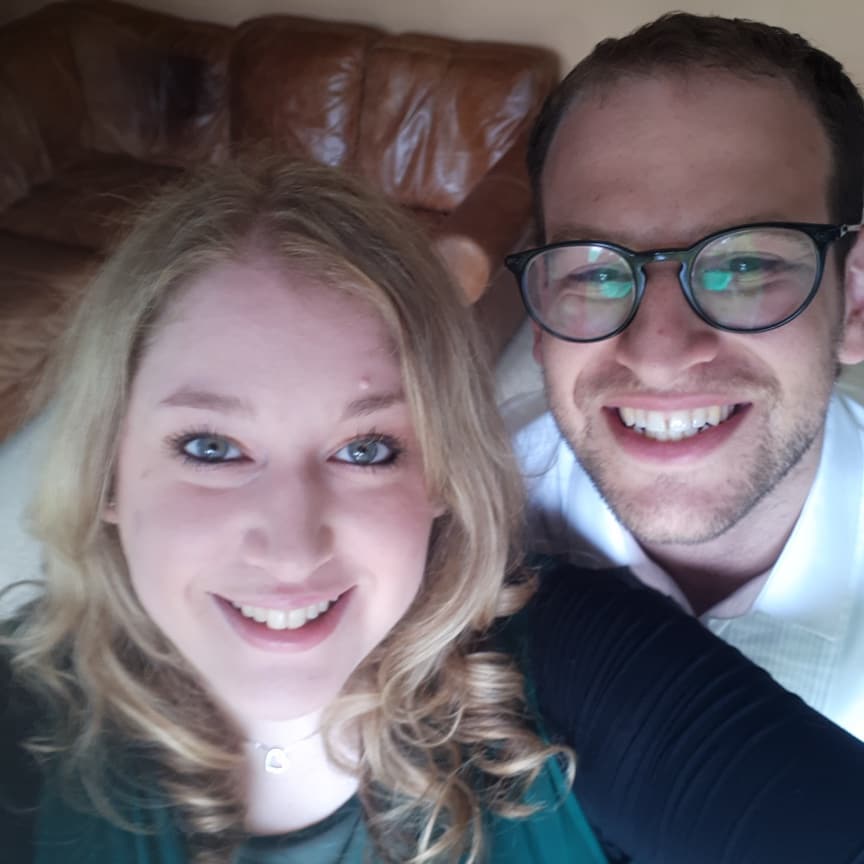
Eleanor

x

From Farm To Face: The Rise Of Herbal Skincare For Wellness by Amy Jones

(image: Pexels)

Skin care is more than just a simple product in 2025., it’s become a non-negotiable for those hoping to achieve youthful, blemish free skin that looks plump and clear at all times. The makeup gurus have come clean. The key to great looking makeup is great skin. Not only that, chemical free, ‘kind’ skin care is the key to great skin. This level of untoxic, less processed and natural skin care can be best found through the means of herbal skin care.

This type of skin care is great for general self-care and improving wellness in body and mind. If you understand the benefits of herbal teas for your gut health and overall bodily functions, just consider how great herbal skin care might be for your face? 

Let’s get into the ins and outs of what herbal skin care is, and how it’s been the answer to clear skin for perhaps the last few centuries, yet we’ve been marketed to think otherwise!

Is Herbal Skincare Considered ‘New’?

Not at all. In fact, herbal skincare is one of the oldest beauty secrets in existence. Ancient civilisations, from Egyptian royalty to Chinese dynasties, relied on herbs, flowers, and plant oils to maintain their youthful glow. Cleopatra was known for her rose and honey-infused skincare rituals, while Ayurvedic practices have long used turmeric and neem to treat skin concerns.

The real question is why did we ever stop? The rise of mass-produced, synthetic skincare created a shift away from traditional herbal remedies, replacing them with chemicals and preservatives that promised instant results. But fast-forward to today, and we’re circling back. People are finally recognising that natural, plant-based skincare is not just effective but also safer for both our skin and the environment.

How Does Herbal Skincare Differ from Conventional?

The difference is simple: herbal skin care relies on nature, while conventional skin care relies on labs.

Conventional skincare products often contain synthetic ingredients, parabens, sulfates, and artificial fragrances, many of which can be harsh, irritating, or even harmful to long-term skin health. Herbal skincare, on the other hand, harnesses the power of botanical extracts, essential oils, and natural minerals to nourish and heal the skin from within.

It’s not just about what’s in the product but also about what’s not in it. Herbal skincare skips the fillers and preservatives, focusing instead on nutrient-rich ingredients that your skin can actually recognise and absorb. The result? A healthier, more balanced complexion without the risk of toxins.

The Most Common Herbal Ingredients & What They Do

Nature has given us an abundance of skin-loving ingredients. Here are some of the best herbal powerhouses and what they bring to your skincare routine:

  • Aloe Vera – Deeply hydrates, soothes irritation, and speeds up skin healing.
  • Chamomile – Calms redness and inflammation, perfect for sensitive skin.
  • Rosehip Oil – Packed with vitamins A and C, promoting collagen production and skin renewal.
  • Green Tea – A powerful antioxidant that protects against environmental damage and premature aging.
  • Calendula – Known for its antibacterial properties, great for acne-prone and sensitive skin.
  • Turmeric – Brightens skin tone and fights breakouts with its natural anti-inflammatory properties.

These ingredients have been used for centuries, proving that skincare straight from the earth is more than just a trend—it’s a lifestyle. It’s also brilliant if you want to care for yourself and your skin.

The Sustainable Benefits of Herbal Skincare

Beyond its skin-enhancing benefits, herbal skincare is a game-changer for sustainability. Unlike mass-produced products that contribute to pollution and waste, farm-to-face skincare focuses on ethical sourcing, eco-friendly packaging, and minimal processing.

  • Biodegradable ingredients – No microplastics or synthetic chemicals washing into the ocean.
  • Support for small farmers – Many herbal skincare brands work directly with local growers, ensuring fair wages and ethical harvesting practices.
  • Reduced carbon footprint – No heavy industrial processing means fewer emissions and a cleaner planet.

Choosing herbal skincare isn’t just about looking good—it’s about doing good, too.

How to Add Herbal Skincare into Your Routine

Switching to herbal skincare doesn’t have to be complicated. Here’s how to make the transition effortless:

  1. Start with a gentle cleanser – Try a honey-based or aloe-infused cleanser for a refreshing, non-stripping cleanse.
  2. Use herbal toners – Rose water or witch hazel can balance your skin’s pH and tighten pores naturally.
  3. Hydrate with botanical oils – Jojoba, rosehip, and argan oil deeply nourish without clogging pores.
  4. Incorporate herbal masks – Try DIY masks with turmeric, yogurt, and honey for an all-natural glow.
  5. Check your labels – If a product claims to be “natural,” make sure it actually contains plant-based ingredients (and not just clever marketing).

Bottom Line

Herbal skincare isn’t a fad,  it’s a return to what our skin was always meant to thrive on. Boost your self care and mental health today with wonderful, natural ingredients. With cleaner, safer ingredients, sustainability benefits, and centuries of proof behind it, farm-to-face beauty is here to stay, and we’re excited to embrace it!

Amy Jones is a freelance writer.