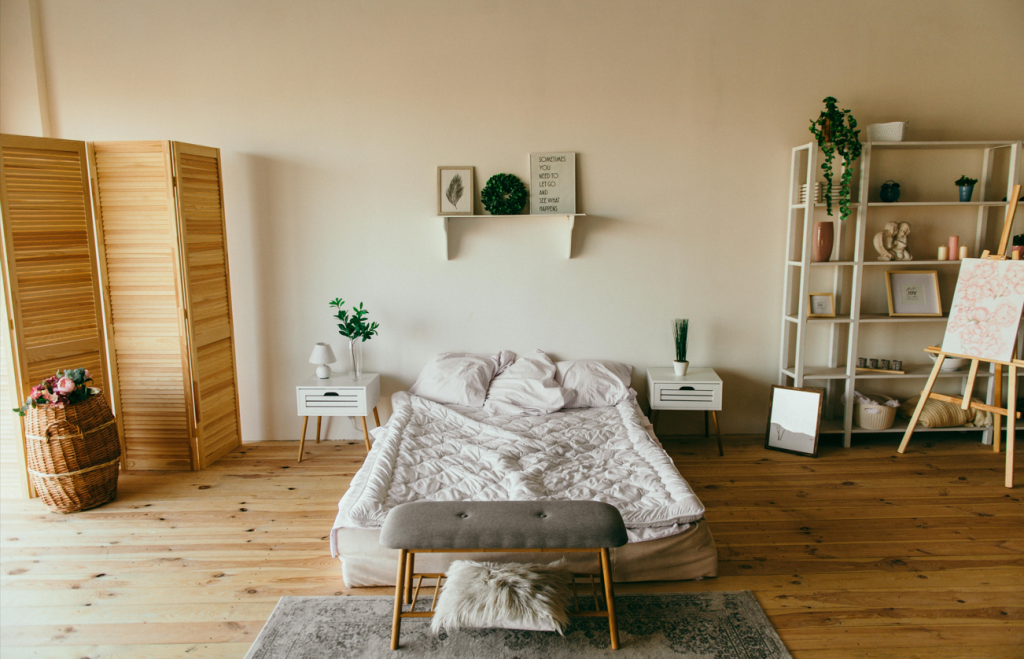
Dopamine Decor: How Your Interior Design Choice Influences Mental Wellbeing by Amy Jones

(image: Unsplash: Maiar Shalaby)

More and more people are putting time and effort into looking after their mental wellbeing, and rightly so. Most of these efforts focus on stress-reducing hobbies and social activities, but have you ever wondered if your interior design choices are influencing your mental health?

If the answer is no, it might be time to start considering how your home decor can be altered to achieve peak wellness. If you’ve no idea where to start when trying to turn your home into a sea of tranquillity, we’ve picked out a few areas of your home that could contribute towards your mental wellbeing.

Colour

(image: Unsplash: Marc Jodoin)

Blue 

As the colour of the sea and sky, blue is seen as a calm, soothing colour. It’s also an easy colour to incorporate into your home if you’re trying to make your home have a more relaxed vibe.

Darker shades of blue work perfectly for a feature wall and allow the colour to be the main focal point of the room. If you want to paint your whole room blue, lighter shades of blue work great and can promote an airy, outdoorsy feeling.

Purple

In some cultures, purple represents royalty whilst in others it is associated with peace and spirituality. However you see purple, it’s important to note that it’s becoming an increasingly popular colour in the interior design world.

When it comes to incorporating purple into your home, it’s often a case of less is more. Consider ways in which you can add a touch of purple rather than creating a fully purple room. Rugs, lampshades and cushions are a great way to introduce purple without overdoing it.

Green

Green is similar to blue in the sense that it can help bring the outdoors to your home, due to how we associate the colour with nature and greenery. Forest green and jungle green are great options if you want to go overboard on the green interior as they are less subtle shades.

Brighter greens should be reserved for kids’ bedrooms or playrooms. Alternatively, shades like lime can be used for smaller decorative ornaments that aren’t the main focal point of your home.

Nature

Nature and wellness go hand in hand. In fact, most mental health therapists would agree that spending time outdoors is great for our mental wellbeing. According to studies, there is a positive correlation between happiness and our connection to nature.

Obviously, we can’t spend all of our time outdoors so it’s important to consider ways we can bring nature into our homes. Adding plants throughout our home can improve style but can also improve air quality. Improving the air quality in your home can have positive implications for your mood, stress levels and sleep quality – all of which contribute to healthy mental wellbeing.

When choosing plants to add to your home, there are a number of factors to consider including how much sunlight and water different types of plants require. In addition, you’ll want to decide what size of plant works for your home. Larger plants work great in the corner of a room while smaller plants should be added to coffee tables and shelves.

Layout

A clear home can lead to a clear mind so it’s important to stay on top of your home’s cleanliness levels. It can be a good idea to focus on minimalism and create large open spaces in your home that are easy to keep on top of in terms of tidiness.

Be careful of adding too many items that only serve decorative purposes as this simply gives you more things to keep on top of and could easily be the start of your home becoming cluttered.

Our home can affect our wellbeing, so for positive mental health, its good to implement calming colours and layouts for a wonderfully relaxing home.

Amy Jones is a freelance writer.

Things You May Not Know Can Impact Your Mental And Physical Wellness.

(image: Patrick Perkins, Unsplash)

So many aspects of life can impact your mental and physical health and overall wellbeing. In this blog, we will be focusing on relationship stress, seasonal changes and our homes and how they can impact our wellness.

Your Relationship

Your relationship is one of the things that can impact your health the most. Of course it has the ability to impact your mental health, though we’re also talking about the physical side of things. This is especially apparent if your relationship is full of stress and causing you to struggle mentally. Stress from relationships can trigger skin conditions such as acne and break outs. It can be a reaction that your body is having, to tell you that it needs to slow down and heal.

Relationship troubles can lead to arguments and isolation and cause emotional difficulties. If you’re worried that your relationship is not good for your health, try talking to your partner calmly and in a safe environment. If this is not possible, reach out to a therapist or support network too.

The Season

Time of the year has a huge effect on our mental health, the season changes everything. In the fall (autumn) and the winter it’s far more common for people to be ill with depression due to the weather, than it is in the summer months. People also become more physically unwell too. This could be for a number of reasons, but it’s partially because people’s immune systems are weaker when it’s colder outside. 

So, if you notice that you are getting poorly, that your joints are hurting, that you’re generally feeling unwell, it could be because of the colder weather and season.

Your Home

Your home doesn’t mean to harm you, but sometimes a build up of dust or toxic material, a leaking roof or something else can really cause you problems you can’t avoid. You can try cleaning, making repairs, and even throwing out old furniture and replacing it with new pieces. Oak dining chairs and tables are in fashion right now, so why not consider it?

At the end of the day, there are so many different things that can impact your health and you have to be ready for all of them. It’s important that you remain vigilant, and if something seems to be causing you any issues with your health, you have to work on it asap and reach out for support from your doctor.

This article was written by a freelance writer.

5 Ways To Make Your Home A Peaceful Environment by Lizzie Weakley

(image: free image)

Creating a peaceful home environment is essential for your mental and emotional well-being. Your home should be your sanctuary, a place where you can relax, unwind, and recharge. If you’re looking to transform your living space into a peaceful oasis, look no further. This blog post will explore five simple yet effective ways to make your home a more tranquil and harmonious place.

Declutter and Organise

One of the first steps in creating a peaceful home environment is decluttering and organising your space. Clutter can lead to feelings of overwhelm and stress, so take the time to go through each room and get rid of any unnecessary items. Invest in storage solutions such as bins, baskets, and shelves to keep things organised. By decluttering and organising your space, you’ll create a sense of calm and serenity in your home.

Bring Nature Indoors

Bringing elements of nature into your home can have a calming effect on the mind and body. Consider adding houseplants to your living space, such as peace lilies, snake plants, or succulents. Not only do plants improve air quality, but they also add a touch of greenery that can help reduce stress levels. You can also incorporate natural materials such as wood, stone, or bamboo into your decor to create a soothing atmosphere.

Create Cozy Spaces

Another way to make your home a peaceful environment is by creating cozy spaces where you can relax and unwind. Invest in comfortable furniture such as plush sofas or armchairs, soft throw blankets, and fluffy pillows. Create reading nooks or meditation corners where you can escape from the hustle and bustle of daily life. By designing cozy spaces in your home, you’ll encourage relaxation and tranquility.

Take Care of Any Necessary Repairs

It’s hard to feel at peace in a home that has broken appliances or leaky faucets. Take care of any necessary repairs around your house to maintain a harmonious environment. Fixing squeaky doors, repairing cracked tiles, drain cleaning, or replacing faulty lighting fixtures can make a big difference in how you feel about your living space. By addressing these issues promptly, you’ll create a sense of order and serenity in your home.

Establish Daily Rituals

Finally, establish daily rituals that promote peace and relaxation in your home. Whether it’s enjoying a cup of tea in the morning, practicing yoga before bed, or taking evening walks around the neighborhood with your family, incorporating rituals into your daily routine can help create harmony in your living space. Set aside time each day for self-care activities that nourish the soul and bring joy into your life.

Creating a peaceful home environment is essential for your overall well-being. By decluttering and organising your space, bringing nature indoors, creating cozy spaces for relaxation, taking care of necessary repairs around the house, and establishing daily rituals that promote peace and tranquility—you can transform your living spaces into sanctuaries where you can truly thrive. Remember that small changes can make a big impact when it comes to creating a peaceful atmosphere at home—so start implementing these tips today!

Lizzie Weakley is a freelance writer.

5 Ways You Can Transform Your Space for Personal Growth by Addy Reeds

(image: Roberto Nicks, Unsplash)

Have you ever noticed that your environment has a direct impact on your mood, productivity, and overall well-being? Creating a space that fosters personal growth and self-improvement is essential in creating a positive mindset and achieving your goals. Fortunately, there are plenty of ways to transform your space for your personal development and positive mental health. In this post, we’ll explore some practical tips and tricks to help you create a space that nurtures personal growth and inner transformation.

Create Inspiring Zones

Designate specific areas in your space for different activities that align with your personal growth goals. Whether it’s a cozy reading nook, a meditation corner, or a home office for pursuing your passion projects, having designated spaces for different activities can help you stay focused and motivated. Personalize these zones with items that inspire you, such as motivational quotes, artwork, or plants that bring a sense of calm and positivity to the space. In addition to personalizing these spaces, incorporating elements of nature can further enhance your inspiring zones.

Natural light, for instance, not only improves mood but also increases productivity and creativity. If possible, position your dedicated spaces near windows or in well-lit areas. Adding indoor plants to these areas can also boost air quality while providing a tranquil and refreshing ambiance. For a more dynamic and versatile space, consider using movable dividers or curtains. These can help in delineating your zones without committing to a permanent layout, allowing you the flexibility to adapt your space as your personal growth journey evolves.

Incorporate Natural Elements

Bringing the outdoors in can have a profound impact on your mental and emotional well-being. Consider adding plants, natural light, and earthy tones to your space to create a soothing and grounding environment. Plants not only improve air quality but also have been shown to reduce stress and improve concentration. Open up your curtains during the day to let in natural light, or invest in a light therapy lamp to mimic the benefits of sunlight on cloudy days. Integrate water elements into your space to foster a tranquil and healing environment conducive to personal growth.

A small desktop fountain or an aquarium can introduce the calming sound of moving water, creating a serene atmosphere that enhances focus and mindfulness. Furthermore, selecting furnishings or decor made from natural materials like wood, stone, or bamboo can add texture and warmth to your surroundings, further rooting your space in the calming beauty of nature. These elements, when thoughtfully incorporated, work harmoniously to not only beautify your environment but also to support your mental and emotional well-being, making it a fertile ground for personal development and growth.

(image: free image)

Clear the Clutter

One of the most important steps in transforming your space for personal growth is decluttering. Clutter can create chaos and overwhelm, making it difficult to focus and be productive. Start by going through your belongings and getting rid of anything that no longer serves you or brings you joy. Consider donating items you no longer need or use, and organize the remaining items in a way that is visually appealing and functional. Investing in climate controlled storage can be a great option for storing seasonal items or sentimental belongings that you want to keep but don’t need on a daily basis.

After tackling the physical clutter, addressing digital clutter is equally critical in creating a space conducive to personal growth. Digital clutter, including unorganized files on your computer, unused apps on your phone, and a cluttered email inbox, can be just as overwhelming as physical clutter. Set aside some time to organize your digital life by deleting unnecessary files, unsubscribing from unwanted emails, and organizing your digital documents into clearly labeled folders. A clean digital workspace can significantly boost your focus and productivity, making it easier for you to concentrate on your personal growth goals.

Cultivate a Mindful Routine

Establishing a mindful routine in your daily life can help you stay grounded and present, even amidst the chaos of daily life. Create a morning and evening ritual that includes activities like meditation, journaling, yoga, or reading that nourish your mind, body, and soul. By dedicating time each day to self-care and reflection, you can cultivate a sense of inner peace and clarity that will support your personal growth journey. Your physical environment can play a crucial role in facilitating these routines, so make sure to curate your space with intention and purpose.

Embrace Minimalism

Simplifying your space and your life can have a transformative effect on your mental and emotional well-being. Embrace the principles of minimalism by focusing on quality over quantity, decluttering regularly, and being mindful of your consumption habits. By simplifying your surroundings, you can reduce distractions, increase your focus and productivity, and create a sense of calm and harmony in your space. Additionally, minimalism can cultivate a sense of gratitude and contentment, leading to greater self-awareness and personal growth.

Transforming your space for personal growth is a powerful way to create a supportive environment that nurtures your goals and aspirations. By decluttering, creating inspiring zones, incorporating natural elements, cultivating a mindful routine, and embracing minimalism, you can foster a sense of peace, balance, and inspiration in your space. Remember that personal growth is a journey, and your environment plays a crucial role in supporting your growth and self-improvement efforts. By taking intentional steps to create a space that aligns with your values and aspirations, you can create a sanctuary that empowers you to be your best self!

Addy Reeds is a freelance writer.

6 Ways Living By The Waterfront Can Improve Your Mental And Physical Health By Rachelle Wilber

If you want a change in life, moving to a waterfront community may offer you a great new perspective. Buying a home that’s next to the ocean can have many advantages and improve your physical and mental health in different ways. 

Stress Reduction 

Waterfront living can reduce your stress and help you feel better physically and mentally more of the time. When you’re feeling stressed, the calming maritime scenery and the sounds of ocean waves crashing onto the shore can put you into a better mood almost instantly. The reduction in stress can also be good for your blood pressure and heart health and soothe your body and soul. 

Possibly Less Air Pollution 

You might be exposed to less air pollution if you live next to the ocean. Studies show that air pollution is often higher in valleys because of topography and temperature factors. With less air pollution, you’ll be able to breathe easier and inhale more of the clean oxygen that your mind needs to function at its best. 

Less Crowding Than in Big Cities 

Waterfront communities are often less crowded than big cities. Living in an overcrowded community can expose you more to communicable illnesses that are passed from other people. You may also feel more stressed and combative if you have to contend with large numbers of people in your daily life, and you may avoid these problems by buying a waterfront home instead. 

Chance to Connect More with Nature 

Being around nature offers you one of the best ways to minimise your problems and view life from a broader perspective. When you look out onto the ocean each day from your home, you’ll have the chance to connect with nature more and think about what’s most important in life. As you search for your new home, you can choose from many waterfront homes for sale that can put you in better touch with nature. 

Encourages More Physical Activity 

You may be inspired to get out and exercise more if you live by the ocean, which can help improve your physical fitness and keep your stress levels in check. People often like to jog and ride their bikes next to the sea, and seeing these passersby near your home can encourage you to join in on the activities. You may also be inspired to take up boating if you see boats on the water frequently. 

Cooler in the Summer 

Even though you’ll still likely get plenty of sunshine and warm temperatures if you live by the ocean, you probably won’t have to deal with the heat spikes that you would if you lived farther inland. Excessive heat can cause breathing problems and lead to other serious health conditions. The hotter temperatures can also make you feel more irritable, and living next to the ocean can help you keep your cool with the sea breeze. . With all the different waterfront homes that are on the market, you should have no trouble finding the house that’s the most suitable for you. 

Remember to think of what is best for your mental and physical health, as well as needing to be near your support networks.

Rachelle Wilber is a freelance writer based in San Diego, California.