Mental Health Experts Shine A Light On The Struggle Of Infertility Over The Festive Season by Experts at JAAQ

(image: Victoria Volkova Unsplash)

For many people, Christmas time/festive season is a time for happiness, family and bringing people together; however, one in seven UK couples face a hidden grief : infertility..

Research reveals that nearly three in four people battling infertility are burdened with feelings of failure, ​​adding to the hidden grief many already feel during the holidays. In response, mental health platform JAAQ wants to spread awareness around why infertility can be harder during the holidays and what we can do to approach the topic sensitively.

Male fertility coach explains why infertility feels heavier during the festive season 

Male fertility coach, Shaun Greenway, who was diagnosed with azoospermia, explains on JAAQ why the holiday season is so difficult: “We got a pregnancy announcement at Christmas, and it took me right back to that place. That hurt. That weird feeling of happiness mixed in with jealousy and anger and pain.”  Even after he had twins via donor sperm, the emotions didn’t disappear “It will always be part of me. It’s always there.”

Shaun’s experience highlights a truth many people face – that infertility doesn’t end with treatment or conception; it changes shape, often resurfacing during emotionally charged times like Christmas, a time filled with pregnancy announcements and marketing imagery filled with children and togetherness.

Founder and CEO of Fertility Help Hub, Eloise Edington, knows that pain well. Supporting her devastated husband while navigating her own grief, she recalls when speaking on JAAQ: “Supporting my devastated husband while also equally grieving myself and knowing that we would never have a biological child together meant we were both drowning in separate pain.”

She’s open about the reality of those moments: “Lots of crying, lots of eating chocolate, wine, being together. Not pretty. Not Pinterest-worthy. Just real.” For many couples facing infertility, this is the reality of Christmas – raw, difficult and far from the idealised celebrations we often imagine. 
(image: Priscilla Prisceez, Unsplash)

4 dos and don’ts for talking about infertility this holiday season

To make the festive season a little easier, mental health platform JAAQ has revealed four essential dos and don’ts for talking about infertility this Christmas – whether you’re facing it yourself, or want to approach the topic sensitively with others. 

Dos:

  • 1. Think before you ask sensitive questions about pregnancy or starting a family and wait for them to bring it up themselves naturally in conversation.
  • 2. Share with someone you trust – If you are struggling, consider speaking openly with someone, whether in person or by message, which can help you to process your emotions. For Shaun, he shared: “Once I did start opening up, that’s when everything got a bit lighter.” Elouise suggests, “Find community, find support, speak to other people who are going through similar struggles. How are they dealing with it? What are they doing to keep the romance alive or to get through this tricky time and enjoy life?”
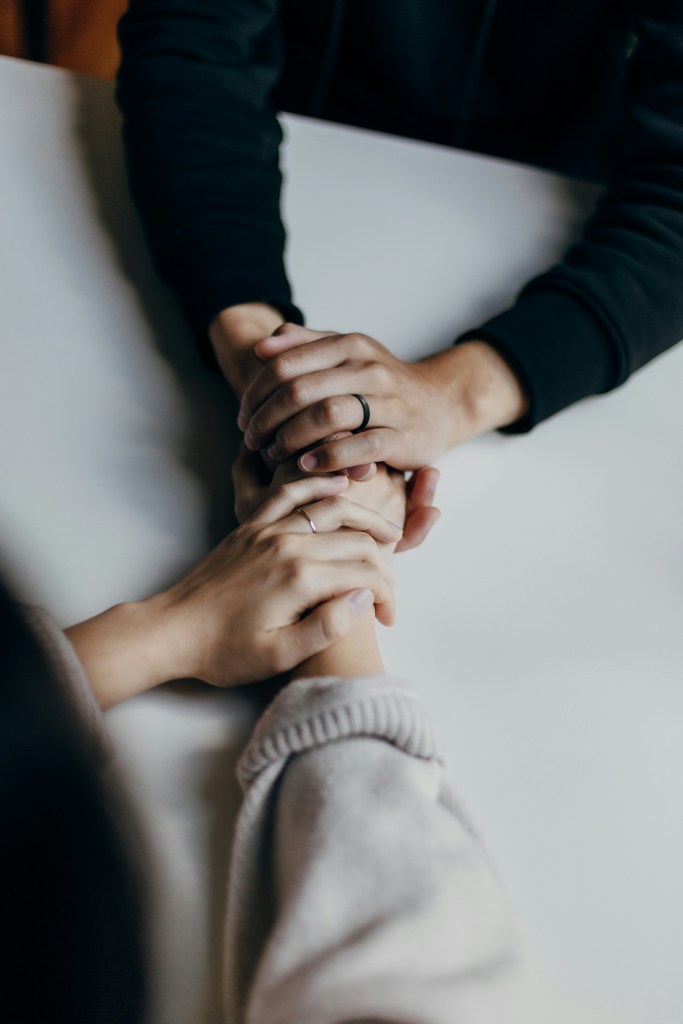
  • 3. Encourage without imposing your opinion. If someone shares something personal, listen fully before responding. Let them know you are there for them and ask how you can support them, rather than assuming what they need. 
  • 4. Create a Christmas/ festive routine that works for you. If traditional celebrations feel overwhelming, permit yourself to do things differently. You might skip the big dinner, start a new ritual like a quiet morning walk with coffee, or find other ways to mark the day that feel manageable.  

Dont’s:

  • Don’t ask personal questions about pregnancy or family plans, especially in social settings
  • Don’t offer unsolicited advice like ‘just relax’ or ‘it’ll happen when it’s meant to’
  • Don’t probe with follow-up questions if someone opens up; listen supportively rather than asking questions that might cause unintentional distress
  • Don’t pressure someone to participate in every activity or ‘get into the spirit.’ Sometimes the kindest thing is simply allowing them to step away 

(image: Pereanu Sebastian: Unsplash)

About JAAQ

JAAQ – which stands for Just Ask A Question is a pioneering mental health platform designed to make credible, compassionate support accessible to everyone – especially in the workplace. The platform provides engaging, clinically backed content by connecting users with experts and individuals with lived experience, who answer mental health questions anonymously. This unique, interactive approach empowers people to explore their mental wellbeing in a safe, stigma-free environment.
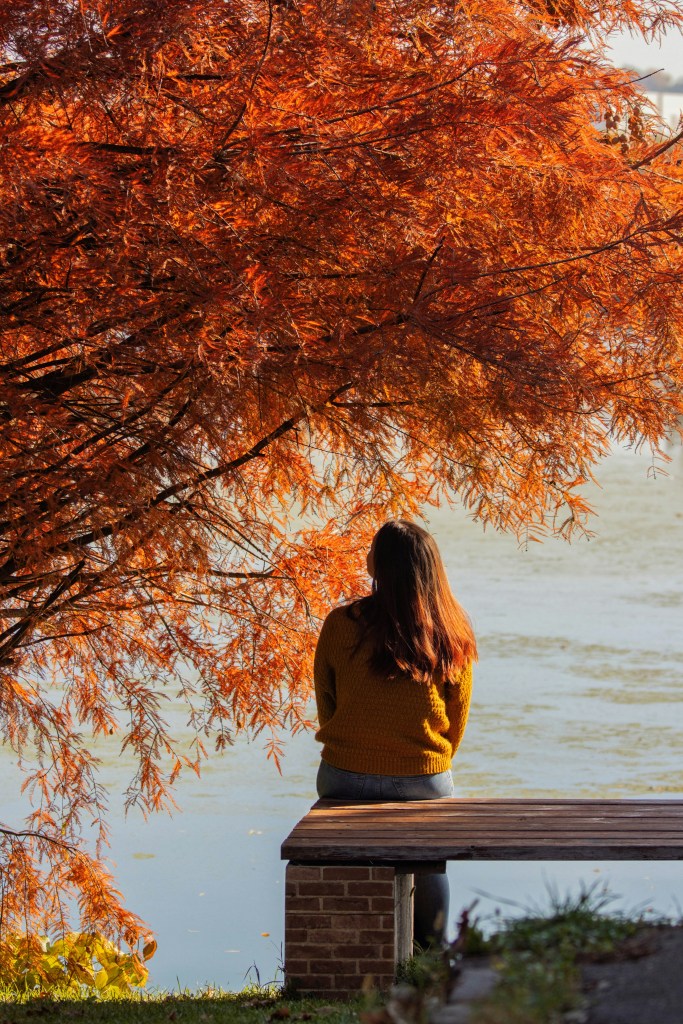
7 Ways To Care For Yourself And Your Mental Health This Autumn/ Fall.

(image: Ella Ivanescu, Unsplash)

Autumn (or if you’re in the USA, Fall) is one of my favourite seasons. Beautiful autumn leaves, the weather getting gently cooler, cosy hot chocolates and pumpkin spice, the autumn harvest of pumpkins, snuggling in blankets with a good book or TV show and for some- walks in nature with the orange and yellow trees and landscapes. However, did you know that the clocks going back and the change in light and dark, with nights drawing in, can affect your mental health? Studies have shown that when its darker, people are more prone to depression and anxiety and some (like myself at times) struggle with Seasonal Affective Disorder.

There are many ways to take care of yourself if you feel your mood dipping or you are becoming more anxious. If you feel it is affecting your daily functioning, please reach out for support from your doctor (and if you have one, a therapist or psychologist). Here I talk about a few tips to help support your mental health this Autumn.

  1. Make sure you rest as well as play and work

Work can become all consuming, but if you prioritise rest this season too, your body will thank you. Autumn is all about slowing down, recovering, resting (and for animals (and some humans) hibernating). Yes you can work and play hard if you prefer, but make sure you find that balance to support your wellbeing. In our busy lives and for those who are parents or just struggling with their mental health, self care can slip. Practising good self care- eating well, resting, gentle exercise, can really help our minds.

2. Release Control- Give Stress Over

Gabby Bernstein, my favourite spiritual teacher, often says ‘Release control to find peace, surrender it to the Universe’. Surrendering means not obsessing about what we can’t control, but giving it over to a higher power or the universe. This can really help when we feel overwhelmed and stressed, to pray and meditate or simply write down how you are feeling and then ask the universe to take it from you. Journalling thoughts and feelings can help too.

3. Nature walks

Despite the cold, this Autumn, walking in nature can help get the blood pumping and our minds to reset. Sometimes going with a friend, spouse or family member can cheer you up- there is something about the colours of nature, the soft greens that is truly calming.

(image: Erika Mendes, Unsplash)

4. Make your home cosy

Whether its getting some new cushions or blankets, fairy lights or lamps, investing in cosy and light interiors for the darker seasons is a must! I like to use lamps when the nights draw in.

5. Get enough sleep (but not too much!)

During the Autumn/ Winter period, most of us naturally want to hibernate in the evenings. Sometimes this period can make depression and anxiety worse. I know with my bipolar that sometimes I feel lower or more anxious. Getting enough daylight and if you struggle with seasonal affective disorder, use an SAD lamp, which can help you to wake up gently in the mornings. Similarly, make sure you get enough sleep for you to keep your mental and physical health at its best. Depression can cause us to sleep longer hours and hide away- I find daytime distractions can help me not to sleep too much.

6. Take your medication as prescribed

If you struggle with mental health in winter and are prescribed antidepressants or other meds, do not suddenly stop them as this can cause a relapse in your mental health. Make sure you speak to your doctor first!

7. Treat yourself

Treat yourself to a hot chocolate (or pumpkin space drink) and a good book or TV show, wrapped in a cosy hoodie or blanket. You deserve it!

Wishing you all a wonderful and well Autumn/Fall season.

Eleanor

The Problem with Self-Medicating for Mental Health Issues by Maya

(image: Marcos Paulo Prado: Unsplash)

Self-medicating to resolve mental health issues can sometimes leave the door open for substance abuse. A lot of information goes into choosing the right psychiatric medicine, and it is not something you should choose without medical input. To avoid this common problem, here are a few things you should know about self-medication.

The Consequences

Mental and physical health are a top priority for dual diagnosis treatment. Depression, mania, anxiety and irritability are only a few underlying mood changes that someone may experience. On their own, these mental health conditions are already hard to deal with. When those same conditions are combined with possible substance use disorders, it creates a co-occurring disorder. As an example, a person that is suffering from anxiety will try to self-medicate with unprescribed depressant drugs. These downers are sedatives by nature, and can quickly turn into an addiction for someone who becomes dependent on how it makes them feel. These should only be prescribed by doctors and taken with care.

The Truth

When you’re aware of the consequences of self-medication, the treatment steps become much clearer as a goal. Without professional experience, you can’t diagnose the original underlying cause of your condition. Not all symptoms are created equally, and there is no way for a patient to factor in how a specific medication will interact. Psychiatric medications should never be combined with alcohol, which includes things like cough medicines. Self-medication is not good for you and your body or mind should never be the experiment to find out what works.

Risky Behaviour

Mental health stigmas are one of the reasons that people are open to the dangers of self-medication. They feel that society has a judgmental attitude towards mental health prescriptions. With self-medication, these same prescriptions and their variants are purchased after going through multiple illegal hoops.

Besides the legal issues that could arise, there is a good chance that you are not treating the correct condition. Getting medication to treat depression is a terrible idea for someone that is suffering from bipolar disorder. And when you’re suffering from anxiety, the risk of overdose rises. There is no reason to risk the mental and physical consequences of self-medicating when there are more appropriate avenues to treat your condition. Please seek help from your psychiatrist or get referred to one.

Reaching A Personal Goal

When your health is in danger, think twice about going the risky route of self-medicating. It’s easy to use clouded judgement as an excuse for not getting better. No matter how you start, a healthy mind will always be positively fuelled by making healthy personal decisions. Sometimes, self medication can turn into addiction, which can wreak havoc on your body and mind. Reach for appropriate medical support to help support your recovery.

This article was written by Maya.

Mental Health Medication And Dangerous Side Effects In The Heatwave by Eleanor

(image: Roman Odintsov)

In the words of Motown singers Martha Reeves and the Vandellas,

‘Just like a heatwave
Burning in my heart
Can’t keep from cryin’
It’s tearing me apart’

Temperatures yesterday here in the UK reached 40 degrees celsius, the hottest day here on record ever! Some people love the heat- ‘Oh it reminds me of being on the beach on holiday’, ‘It’s not that hot- just put a cold flannel on your face’ and ‘Why are people moaning, we go abroad to get this weather?’ are things i have heard this week. However, for people like myself who take strong mental health medication, in a country not used to these temperatures, this weather is quite literally no picnic.

Firstly, my parents and sister are redheads with pale skin. I am the same and am not built for the heat or humidity. Then, we can add in the fact that I have bipolar disorder and take daily medication- which if not managed correctly can send my blood and body toxic. This has never happened as I stay indoors, don’t do strenuous exercise and drink constantly (and eat enough) in the heat. Yesterday though was a big risk as it became SO hot.

(image: Karolina Grabowska: Pexels)

The risks of Lithium, a mood stabilising medicine, in the heat are fairly well known. It is a natural salt, dehydrating the body so if you don’t drink enough water or eat enough salt, the level of Lithium in the blood saturates and becomes too high- toxic.

Signs of lithium toxicity include: nausea and vomiting, abdominal pain and diarrhea, confusion, drowsiness, slurred speech, increased thirst and lack of coordination of muscles. Severe toxicity signs are: blurred vision, severe muscle spasms, seizures and coma. It is no joke. So trying to cope with Lithium in 40 degree weather and in most places, lack of air con, meant I was confined to my home as I didn’t want to feel like I was melting or run out of water. Thankfully, I didn’t go toxic!

Additionally, I take the anti psychotic Quetaipine which stops me developing mania and psychosis. This and another such medications can impair the body’s ability to regulate it’s own temperature. I am therefore at risk of developing hyperthermia- excessive body temperature- which can be fatal. (scary right??)

So you can imagine that when I hear we are having a heatwave, I instantly think ‘stay indoors, cool showers, ice lollies, sit by air con unit, drink lots and lots’ . I worry about commuting or travelling in the heat. I still can be out in some heat- but 40 degrees was too much!

Something that has troubled me as i wrote this blog is this. My employers have been amazing and let me work from home yesterday. I am able to hydrate myself and eat and keep myself cool. But for those who are ill and unable to, I imagine many were rushed to A and E with the above symptoms yesterday. As a vulnerable adult, my GP didn’t even call to check on me or highlight the side effects of my meds… I only know all this from Dr Google!

There is still a long way to go with proper care for those of us living with (as termed by my doctor) ‘severe mental illness’ whether we live in remission/recovery or whether we have a support network…..I may be 34, not 94- but I could be at risk and they wouldn’t know.

I hope by writing this blog and highlighting these side effects that more people will be aware of this too- which affects people with bipolar, schizophrenia/ schizoaffective disorder, psychosis, depression and other illnesses where anti psychotic meds are used.

One positive- when the heat broke last night and the summer rain fell as Rob and I watched on our balcony.. it reminded me of being in India during monsoon season and in Ghana having a shower in the rain so I suppose not all bad! I admitted I cheered when I saw the rain.

Lastly, I can’t finish this blog without highlighting we had a family bereavement yesterday- a cousin (but more like an uncle) passed away after illness. I will miss him terribly but learnt so much from him- kindness, humility and faith.

Stay safe in this heat! Do your meds affect you?

Love,

Eleanor

xx

Being Kind to Myself: Social Anxiety, Mental Health and Life in Recovery.

(image: quotebold.com)

I really wanted to write today because the sun is shining, apple blossom is on the trees and Spring is finally here! I always feel more hopeful and happy once Spring is here but living with bipolar disorder and an anxiety disorder can mean that some days are harder than others.

This week, I have really struggled with low mood and social anxiety. I’m an optimistic person and sometimes I pack too much into my days and end up having a panic attack because I can’t cope. This is what happened to me yesterday when I decided it would be a great idea to pack in too much, including going across London and delivering many Body Shop orders to my customers and friends. My social anxiety was so high (I think largely due to being in lockdown) , I just wanted to hide and I ended up sleeping to escape my feelings and feeling super low. I am lucky that I understand what to do when this happens and I have a husband and family who support me too. I am still in therapy for my panic disorder and it has improved a lot but there are times when it gets triggered like this week.

I have also found that I am worrying more about what people think of me- if I have said the right or wrong thing or upset anyone. Its so silly but due to past rejection I get scared and those fears bubble to the surface.

On Friday, I had a really productive therapy session. There are a lot of worries about the future that I still hold and being able to unpack them in therapy is really useful for me. I am doing EMDR trauma therapy but a lot of it is talking out and facing those triggers one by one. I have a very good relationship with my therapist and having a session often calms my mind.

In positive news, last week I became an aunt to a beautiful baby girl, Cara Harriet who is the sweetest little baby. She is a joy and light in all our lives and I feel so lucky to have a little niece! My sister and brother in law are amazing 🙂

And in other good news, in April, my essay in the Book of Hope by Jonny Benjamin MBE and Britt Pfluger will be published alongside many others I look up to (Dame Kelly Holmes and my friend Hope Virgo). So there are good things as well as bad!

I am doing a lot better- I dont rapid cycle, I havn’t had an episode of mania or hypomania since 2014. My brain seems to like Lithium and Quetaipine (a mood stabiliser and anti psychotic). I have to learn to be kind to myself and practise self care, because my social anxiety is a fear response from the past.

Being kind to myself is of utmost importance. Heres a list of what I do when I am having a bad day: take a nap, have a bubble bath, read a book, hug the guineapigs and Rob, talk to Rob, a friend or family member, put on a face mask, cry, breathe and listen to calming music, watch a good TV show (I have been watching First Dates Teens), book in a therapy session, eat something nice, put some make up on, wash my hair, wear an uplifting perfume.

How are you kind to yourself on your bad days?

Love,

Eleanor x

The Difference between a Psychiatrist and a Psychologist. Which can best address your needs? By Anita Ginsburg


It’s always important to seek professional help if you are dealing with a mental health issue. Unfortunately, finding a professional can be harder than you might think. Even if you can find someone for you, you’ll still have to decide upon which type of professional with whom you should work. For most, the answer comes down to knowing the difference between a psychologist and a psychiatrist.


What Is a Psychologist?

Generally speaking, a psychologist is a person with an advanced degree in psychology who works with patients on their mental health. These individuals usually use various types of talk therapy to help individuals work through a diverse number of mental health issues. When many people think of the basic idea of therapy, they’re thinking about what a psychologist does.

When to Choose a Psychologist

It makes sense to choose a psychologist when you’re looking to address your mental health issues without medication. Attempting to change behavior of the long-term is usually best done with the help of a psychologist, especially if you’re looking to get to the root causes of why you feel how you feel. It should be noted, though, that even those who do seek medication can often work with a psychologist as well as a psychiatrist.

What Is a Psychiatrist?

A psychiatrist is specifically an individual who holds a medical degree and specialises in psychiatry. While psychiatrists do conduct many of the same types of therapy as psychologists, they differ from psychologists because psychiatrists can prescribe medication to their patients when needed.

When to Choose a Psychiatrist

The most common reason to choose a psychiatrist is because you are considering the possibility of pursuing some type of medical treatment for your mental health problems. This can range from specific types of medical therapies to medication, but all of these therapies do require a psychiatrist’s oversight. While most do choose psychiatrists because of the medical angle, many psychiatrists do still use talk therapy in a manner similar to psychologists.

It’s important to know what you want from therapy before you make a choice between a psychologist and a psychiatrist. While each type of professional does deal with mental health from a specific angle, whether one is better than the other has everything to do with your personal situation. While you will ultimately need to make the choice between the two, choosing to pursue at least some kind of therapy is a good step on the path to a brighter future.

This article was written by freelance writer Anita Ginsburg

Bereavement, PIP, Promotion and Panic by Eleanor


Hi lovely readers,

So much has been going on that its been a little overwhelming so I didn’t feel able to sit here and type out my feelings. But today, I feel like I can share so here goes.

My dear father in law passed away from brain cancer at the age of just 67 last month. This was expected, after a two year battle, rounds of surgery and chemo and radiotherapy and being told they could do no more treatment as he had two aggressive tumours and they couldn’t operate further. However, it was still immensely painful when it happened (although we were all with him at a nursing home) and we had the funeral and week of mourning (shiva) as per Jewish tradition. I moved in to my in laws home that week to be there to support my husband, brother in law and mother in law.

We will all miss him terribly- a truly wonderful man and it was a privilege to know him.

Despite this sadness in our family, some positive news has followed. I had applied and been awarded a disability benefit called PIP (Personal independence payment) and been awarded it due to my bipolar disorder and panic attacks impacting on my mental health and ability to work outside the home. This greatly helps our situation and means I can work alongside it too in my role at the Body Shop from home and around my writing (my book Bring me to Light is available here) . We also found out that Rob is being taken off furlough and returning to work on the 1st September- he has been furloughed for 6 months and this was a huge relief for us, as you can imagine.

Additionally, a few weeks ago I got promoted to Area Manager of my Body Shop team, team Hope. This means I manage a team of consultants/ manager in training and help them to develop their businesses too. I feel incredibly lucky to do a job that I love from home and be so supported by my manager Sarah and all my wonderful team mates too. I truly love this job and hope to make it my full time career eventually. The products are so good for self care too.

Now on to my mental health. My anxiety has returned with a vengeance these past few weeks. One night I was up til 5am with panic and insomnia (feeling tearful, restless and pumped with adrenaline) so took some prescribed anxiety medication. I also use a lavender pillow mist which helps me to sleep better too. I have had to cancel and reschedule things. I am not good with change and my anxiety is being triggered. I have a wonderful therapist and so I will definitely book in another session with her soon because I can feel myself dipping a little.

The guineapigs are adorable and good for cuddles and I have had a lot of support from friends and family, so thank you for that, and from Rob too.

How is everyone?

Eleanor xx

 
Infographic by Mindful Urgent Care

The Road to Recovery: On PTSD, Trauma and the Future… by Eleanor for Mental Health Awareness Week

Trigger Warning: sexual assault, details of assault and severe mental illness

Hi everyone,

Its been a while but I thought I would put type to keyboard and write a blog for more mental health awareness.

Since my book was published, I haven’t written many follow up personal blogs, purely because the launch of my life story into the public domain felt overwhelming and scary. 6 months on, I am used to it being out there but I have been working hard in EMDR trauma therapy to help myself.

See, the truth is that right now the Bipolar Disorder for me is stable and under control on my medicines. I still get side effects- weight gain, dry mouth and thirst, but my mind is generally healthy in terms of the Bipolar- no mania or depression. Anxiety and panic yes but Bipolar, not really at the moment.

Yet, almost lurking unseen after I left hospital in 2014 and began my recovery was the fact I was traumatised by my experiences of going into psychosis (losing touch with reality via delusions, false beliefs) and my experiences when being sectioned. I will just give an overview as the rest is in my book- but this included- being restrained, being attacked by other patients and seeing them self harm, being injected with Haloperidol (an anti psychotic) in front of both male and female nurses in a part of the body I didn’t want, being chased round A and E by security men in genuine fear of my life, dealing with lawyers and going to tribunals while ill, thinking I had been abused by family and was locked up by a criminal gang and fearing my family were against me. My bipolar mind could not cope.

Just before this all happened, I was very vulnerable and was sexually assaulted by a man I knew through friends and all of this trauma stayed with me.

I did what most of us with severe mental illness and assault survivors do- I tried to rebuild my life. I tried to work in schools helping children with special educational needs. I tried to work for a mental health charity as a peer support worker for people like me. I began to blog and write and share as therapy- from charities to national newspapers. Bit by bit, as I wrote out what I has been through, I started to slowly heal. But, the symptoms of the extreme panic remained. I lost jobs because of it. I became depressed. I started dating but I often had to cancel dates- (before I met Rob, my husband who listened to me talk about it all and didn’t bat too much of an eyelid.)

I was in a state of flux, a state of transition. I knew I had trauma still living in my brain and body. I had been physically and sexually assaulted, I had been mentally violated- I had been sectioned twice in a few months and now I was sent home to try and rebuild my life as a 25 year old single woman.

I share this important blog, not to share that I am a victim- because I am not. I want to share that I believe for about 5 years, I have been suffering with some of the symptoms of Post Traumatic Stress Disorder (PTSD). My therapist believes the same.

The panic attacks that grip me with fear before work or the day ahead when I have to leave the house. The fear of going out or travelling at night alone. The fear of being taken advantage of and having to trust men again (thank you to my husband for helping ease this pain). The fear of exploitation, of losing my mind, of not trusting mental health professionals any more.

My panic attacks get triggered by certain events- it could be having to speak about my life or book, or seeing people I don’t feel comfortable with, of feeling exposed, of worrying about others judgement. I am still healing from all I have been through and experienced. The PTSD means that I have to take medication (Propranolol) to function sometimes. It means that I experience flashbacks in my body- I feel gripped with fear, I get chest pain and shallow breathing and I start to cry. I had one the other day at 4am….. thank the lord for meds so I could calm down and sleep.

My therapist is incredible and we have been working since October to process the roots of my trauma and panic disorder. We use a combination of rapid eye processing with talking therapy which helps to tackle each and every trauma- and we are still at the tip of the iceberg. It takes time to process the deep rooted experiences in my brain- we are getting there slowly.

For me, in many ways my future is uncertain. My medicines have long term physical side effects. Motherhood will be more of a challenge due to medication and my mental health- I am still processing the choices I will have to make, which I will write in another blog.

I want to end this blog by saying- if you know someone with anxiety, PTSD, another anxiety disorder or something like bipolar or schizophrenia- Be Kind. You never know what someone has gone through.

The NHS waiting lists for help are too long, services are too underfunded- all my treatment has been private provided by my family due to being stuck on a list for years. I am lucky, not everyone is. 

I hope this blog gives some information about my experiences of PTSD since leaving hospital 6 years ago. It is by far the most personal thing I have posted since publishing my book but I hope it helps you feel less alone.

Positivity and Hope are key.  Meeting my husband and my therapist changed my life for the better as I slowly rebuild and find an equilibrium again.

Love,

Eleanor x

My crippling Anxiety once floored me. Now I wouldn’t be without it : Guest blog by Emma Johnson at Worry Knot Jewellery

emmajohnson2

(image: Emma Johnson at Worry Knot)

Trigger warning: talks about self harm, anxiety, depression and mental illness 


For 10 or so years, throughout adulthood, I have battled on and off with something invisible and something I still don’t fully understand myself.

Generalised Anxiety Disorder. 

I’m now 29 but my illness started at about the age of 21. In my third year of University, I started to dread things, I started to worry about everything I said, did and I started to question if anyone liked me. I have always been apologetic but this was different. I felt like apologising for walking into a room. 

I was unable to switch off, unable to focus on my University work and I withdrew a lot socially. Life moved quite slow back then. 

For me I knew this was out of character. I’ve always been fun loving and outgoing, with a smile on my face. I became confused about who I was. I developed an uneasy feeling that would take almost 8 years to learn to sit with.

During the first few years of my disorder, I definitely still achieved a lot. I often feel my disorder makes me thrive more, sort of like overcompensation, a little bit like proving people and myself wrong. I graduated with a BSc in Psychology and at the age of 24, I went on to gain my MSc in International Development.

I don’t think I truly recognised these achievements until about the age of 27. 

Whilst studying my MSc life changed quite a lot for me. I had gone through a bad break up in my younger years but then I finally met someone who lifted me back up, who challenged my thoughts, someone who was completely different to me in every way. This was oddly comforting for me, a bit like escapism from my own ruminating thoughts. 

Then I entered the world of professional work. I started out as a fundraiser, and in my most recent role I tried my hand at facilitating group therapy. In 5 years I have moved through 4 jobs within the charity sector. Sometimes part time.

During this time my anxiety disorder would often become too much. I often sunk low and developed bouts of depression. I would cry and sob. I was back and forth to the GP, often teary, often red in the face and always a bit embarrassed, even though I didn’t need to feel embarrassed.

At one point I was signed off sick from work, bed bound for 3 months, with no motivation at all, just me, myself and my catastrophic thoughts. I was pretty exhausted, shaky, drained and more confused than ever. My physical symptoms manifested as sweating, chest pains, palpitations, shortness of breath and the odd panic attack. 

One thing I started to do was open up, I began to share things with my partner and colleagues. They let me cry if I needed and at the same time my GP was stabilising and finding the right medication to suit me. But I was clearly still unwell.

I quit another job I enjoyed through my inability to cope and my lack of self esteem. My Imposter Syndrome led me down another uneven path.  Always overworking. Always overthinking. Always overcompensating. I didn’t slow down until I was forced to.

Another behavioural symptom of my anxiety is skin picking and nail biting. In early adulthood I would sit for 3 hours picking at my face and over the years I have made the skin around my thumbnail so sore it would bleed. It is now scarred.

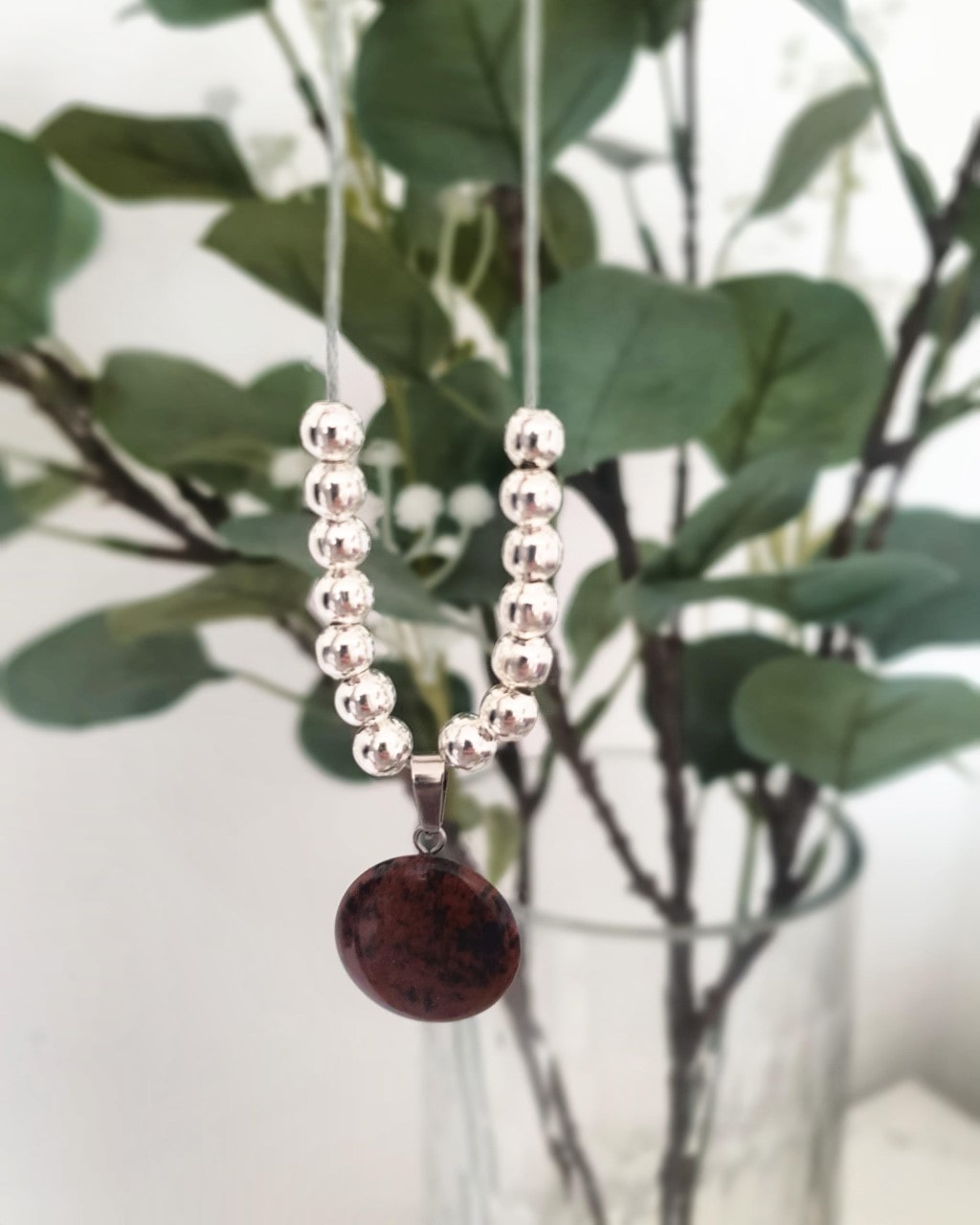
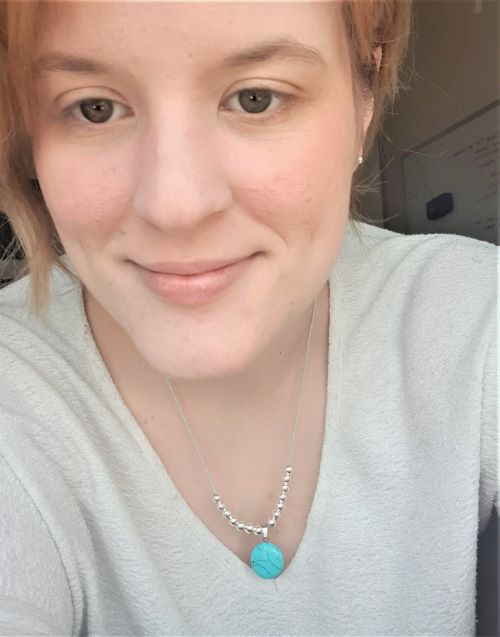
My need to fiddle with something to ease anxiety is always apparent. Earlier this year, I was talking to my friend about making jewellery and how cool it would be to make my own. I have always been into accessories, fashion and jewellery so I said I’d love to make something I can wear and carry with me discreetly but also fiddle with, to stop me from picking so much. 

She mentioned worry beads and I was intrigued. I wanted to make my own twist on them. A prettier version, merging them with jewellery design that I would more likely wear, so I did and my life has changed. I have started a small business called Worry Knot.

necklace1

(image: Emma Johnson at Worry Knot)

Alongside selling calming jewellery, I’m blog writing. I’m advocating more widely about the importance of opening up when confusing and sometimes debilitating symptoms develop. Not only is it therapeutic for me to make my jewellery but it’s extra therapeutic playing with this jewellery a few times a day. 

Having something to focus on, things to make and to write about has been crucial in managing my own anxiety, especially at such an anxious time for the world. I hope my jewellery can go on to help those feeling anxious not only now but going forward into the future too.

emmajohnson1

beads

(Images: Emma Johnson)

For more information please visit:  www.worryknot.co.uk and instagram.com/worryknotuk

You can also find me @worryknotuk on Facebook and Instagram.


Emma Johnson is a writer with lived experience of mental health issues. She is the founder of Worry Knot, a jewellery brand to help others who have anxiety.    worryknot


We are 4! On Be Ur Own Light’s Fourth Blog Anniversary by Eleanor

fourcandle

Its Today- 1st March 2020 and Be Ur Own Light is 4 years old! (cue the streamers!)

I still remember starting this blog as an outlet for my fears, thoughts and emotions dealing with my bipolar and anxiety. The blog started as a way to tell my friends and family how I was feeling and has evolved into working with guest bloggers and now brands/ partners on sponsored wellness posts too! Writing the blog and sharing thoughts has been so therapeutic and it has taken me on  a journey that I could not have imagined.

In November 2019, I published my first book Bring me to Light with Trigger Publishing which is the book of my life story with bipolar disorder, anxiety and my life in general (travelling, going to drama school, starting a career as a writer). The blog has also grown so much this year and is currently nominated in the Mental Health Blog Awards for Blogger of the Year, thank you to our nominee!

Additionally, Vuelio awarded us as a Top 10 UK Mental Health Blog for the second year running and interviewed me (Eleanor) about working as a blogger!  Thanks also to Feedspot.com and My Therapy App for listing us in their mental health blog lists too for social anxiety and bipolar!

This year, I have written about World Bipolar Day for the Centre of Mental Health, about my search for EMDR therapy on the NHS, living with depression in winter, about writing my book and new life changes (getting married) and 2020 new year round up with hopes for the future. We also promoted mental health campaigns such as Shout UK text line (founded by the Duke and Duchess of Cambridge and Prince Harry and Meghan),  Christmas 4 CAMHS, Time to Talk Day and Mental Health Awareness Week. Additionally, I spoke in Essex with my Dad about our joint story with bipolar for the Jami Mental Health Awareness Shabbat and we also spoke at Limmud Conference in Birmingham!

This winter I did some interviews for the book which can be seen on the Book tab above and also received some lovely reviews. It was amazing to appear in Happiful Magazine’s bonus wellness Mag this January (edited by campaigner Natasha Devon) and to write for Glamour and Bipolar UK. I also enjoyed being interviewed for the Jewish News and Jewish Chronicle! Hopefully at some point I will do podcasts about it too and more interviews.

From March 2019-2020, the blog has attracted wonderful and talented guest bloggers wanting to spread their messages about mental health and wellness.

We have also worked with the following brands on sponsored and gifted posts and hope to work with many more this next year :  YuLife, Nutra Tea, Essential Olie, Loveitcoverit on mental health apps, I-sopod floatation tanks, Core Wellness Maryland, Wellbeing Escapes Holidays.

My guest bloggers have written about their recovery and living with mental illnesses, as well as advice on how to improve your mental health. There a posts for whether you are going through a divorce, a bereavement, are stressed or have anxiety. We also had posts with people’s first hand experiences of mental illness including a brave post about being a sibling of someone with mental illness and one of living with an eating disorder. Furthermore, Be Ur Own Light has also covered World Mental Health Day and Time to Talk Day this year, featuring personal mental health stories as a way to raise awareness and fight misconceptions.

We have also covered new books coming out, a mental health fashion brand and a song about social anxiety, as well as posts about different therapies to help you.

bloglogo

Thank you to my amazing guest bloggers (non sponsored) March 2019-2020 for your fantastic content:   

Ashley Smith- How Massage Therapy helps Anxiety Disorders

Emily Bartels- 5 tips for a mental health emergency plan

Dale Vernor- Understanding PTSD by Gender 

Tan at Booknerd Tan- How audio books and walking has helped anxiety

Emma Sturgis- Loving yourself, tips for a body positive life

EM Training Solutions- How to maintain mental health at work

David Morin- On social anxiety and talking to others

Lyle Murphy- How equine therapy can help those with mental health issues

Charlie Waller Memorial Trust- Best of Musicals event

A Time to Change Hypnotherapy-  Hypnotherapy for self esteem

Nu View Treatment Center- The connection between anxiety and substance abuse

Shout UK- Royal family launches mental health text line

Mental Health Foundation – Mental Health Awareness Week  May 2019 Body Image

Emerson Blake- Coping with the stress of becoming a single parent

The Worsley Centre- A guide to therapies and finding the right one for you

Byron Donovan at Grey Matter – How I recovered from depression to form a fashion brand 

Luci Larkin at Wooley and Co Law- How to reduce stress and maintain mental health during a divorce

Nat Juchems- How to keep your loved ones memory alive after bereavement

Emily Ilett- on her book ‘The Girl who Lost her Shadow’

Mark Simmonds- an interview about his book ‘Breakdown and Repair’ with Trigger Publishing

Curtis Dean- 5 facts about music for stress relief

Robert Tropp- How quitting illegal drugs helps anxiety in the long term

Aaron James- the difference between psychotherapy and counselling

Dr Justine Curry- 4 ways to help a friend with bipolar disorder

Christmas 4 CAMHS campaign for children in childrens mental health wards

Ani O- 4 ways to ease the fear of doctors appointments

Katherine Myers- Ways that spending time outdoors can improve your mental health

Anita- 5 ways to lift you out the slump of seasonal depression

Chloe Walker- taking care of your child’s mental health

CBT Toronto- how to deal with social anxiety and depression

Katy- a true story with anorexia and OCD

Vanessa Hill- Life changing habits to bring into the new year

Rachel Leycroft- Expressing social anxiety through songwriting

Shira- Living with a sibling with mental illness: the meaning of normal

Capillus- 10 signs you may have an anxiety disorder

Brooke Chaplan- When therapy isn’t enough 

Jami Mental Health Awareness Shabbat 2020 

Mike Segall- Time to Talk Day- 9 years undiagnosed, my story with bipolar disorder

Jasveer Atwal- Living with PCOS and managing mental health

Leigh Adley at Set Your Mind Free- How CBT helps children with anxiety

Lizzie Weakley- How to heal and move forward when you have an eating disorder

Sofie- Living with an eating disorder

Thank you so much to all of you and I am excited to see what 2020-21 brings for the blog!

Be Ur Own Light continues to be read globally and I love receiving your messages about the blogs and finding new writers too.

Heres to a 2020 of positive mental health, of fighting the stigma against mental illness and creating a positive and supportive community here. 

Happy 4th birthday Be Ur Own Light!  ❤ May this be an enlightening year of growth for us.


Love and Light always,

Eleanor    

xxx