Celebrating A Decade Of Be Ur Own Light Blog- 10 Years!

On 1st March 2016, I wrote my very first blog about my mental health struggles with bipolar disorder and anxiety. For me, it was an outlet to share with friends and family what I was experiencing after one of the worst bipolar episodes I had faced and after hospitalisation in 2014. I didn’t realise that this traumatic time in my life, would also cause my mental health to dip and struggle further as I developed PTSD symptoms (panic attacks) and sat on a 2 year waiting list for NHS therapy. Professional support was not coming easily during this time, and so this blog became not only a therapeutic outlet but a place to connect with others going through similar things. And to explain to those who had never experienced mental illness, exactly what it can do but just how you can support those experiencing it.

Part of me can’t fully believe that I have been blogging consistently for 10 years. There have been times where I have wanted to give up but this little blog has been my saviour and in truth, helped me to launch a writing career that I did not expect and am so grateful for. It has also helped others to share their mental health stories and products, been a platform for mental health campaigns and charities and I am super proud of the impact we have had. One of our biggest accolades is being a Top 10 UK mental health blog by Vuelio every year since 2018- which means we are having a positive impact and reach!

The blog has published over 800 posts, with hundreds of thousands of views! It is read on every continent with a particularly large readership in the USA (as well as UK and other countries). We have covered so many topics- bipolar disorder, PTSD, anxiety disorders, depression, pre and post natal depression, OCD, BPD, eating disorders, psychosis, mania, schizophrenia, schizoaffective disorder, trichotillomania, addictions (drug, alcohol, gambling), body dysmorphia and mental health topics like child mental health, work stress, emotional burnout, relationships, domestic and sexual abuse, homelessness. We have shared about wellness products and worked with inspiring health and lifestyle brands.

The blog inspired me to share my own story far and wide – writing for mental health charities Mind, Rethink, Time to Change, Bipolar UK, No Panic, SANE and Metro.co.uk, The Telegraph, Happiful, Glamour, Jewish News, Huff Post. Featured in Cosmopolitan, Elle, Yahoo News and other publications. Thank you particularly to the editors at the publications for sharing my story and believing in my mission! This also led to me writing my book ‘Bring me to Light’ which was published in 2019 by Trigger and remains one of my proudest achievements. I then released my children’s book ‘Arabella and the Worry Cloud’ and had some writing featured in ‘The Book of Hope’ by my friends Jonny Benjamin MBE and Britt Pfluger (an amazing experience!). In 2017-18, I was also involved with setting up the Jami mental health shabbat in my community and spoke in several synagogues and at a community festival Limmud with my Dad, about our journey with bipolar. The same year that I started this blog (2016), I also met my now husband, who supports me through all of my writing and mental health work.

As I look back over the past 10 years, to where we were in 2016 with mental health stigma, I am proud to have played a small part in changing the landscape and narrative online around mental illness, particularly bipolar disorder and psychosis. We have many followers on social media platforms and continue to share about mental health and well being and be a resource for all those who need it, so they never feel alone.
(image: Ineffable Living)

Thank you to every single contributor (and every reader) to Be Ur Own Light Blog 2016-2026. Your words and belief in our mission to end the stigma around mental illness have meant the world to me. I hope going forward I can continue to share more real stories, more important information on care and treatment and campaign for better care.

There is still a way to go. NHS waiting lists are too long and care is under funded, leading to not enough beds. Mental health stigma online (and sometimes offline) sadly still remains high. As a society, although we have improved, we still need to fully understand mental health conditions and separate them from the person themselves. I am optimistic that things can and will change.

To everyone reading this going through a period of mental ill health or living with a chronic mental illness, I see you and you are never alone. As a blog community, we can come together to empower each other, so no one ever feels invisible and I hope that I can continue to write too.

Thank you, from my heart, for the past 10 years! Here’s to many more years,

Love and gratitude always,
Eleanor

x

Taking Care of Your Mental Health When Living Alone: by Anita Ginsburg.

(image: Unsplash)

Living alone can be an amazing experience. You get to enjoy your own company, have complete control over your home, and create your own unique environment. However, it’s not all sunshine and rainbows. Living alone can also be lonely, isolating, and downright scary at times. It’s even more challenging when we’re going through something that affects our mental health. In this blog post, we’ll discuss some practical tips for taking care of your mental health when living alone.

Create a Routine

One of the biggest challenges of living alone is that we don’t have anyone else to be accountable for. We can sleep all day, watch Netflix all night, and neglect our responsibilities without any immediate consequences. This can lead to a lack of structure and routine, which can have a negative impact on our mental health. Creating a simple routine can help provide some structure to your day and give you a sense of purpose. Start by defining what your day should look like from the moment you wake up until the moment you go to bed. This doesn’t have to be complicated – it can be as simple as waking up at the same time every day, doing some exercise in the morning, working for a few hours, and then taking some leisure time in the afternoon.

Stay Connected

Living alone can be incredibly lonely, especially if you’ve recently moved to a new city or lost touch with friends and family. Social connections are essential for our mental health, so it’s important to stay connected with others in any way possible. Calling or texting friends and family, joining a virtual book club, or connecting with others on social media can all help alleviate feelings of loneliness and isolation.

Create a Comfortable and Safe Home Environment

Living alone can also be scary sometimes, especially if you’ve had negative experiences in the past. It’s important to create a comfortable and safe home environment that you enjoy spending time in. This can include things like decorating your apartment with things that make you happy, investing in a security system, and ensuring that your doors and windows are locked at all times. Feeling comfortable and secure in your home can help alleviate anxiety and stress.

Take Care of Your Physical Health

Taking care of your physical health is crucial for your mental health, especially when living alone. When we don’t have anyone else to motivate us or remind us, it’s easy to fall into unhealthy habits. Eating a balanced diet, getting enough sleep, and exercising regularly can all help improve your mental health.

Seek Professional Help if Necessary

Lastly, if you’re struggling with your mental health, don’t hesitate to seek professional help. Living alone can be challenging, but it’s important to remember that you’re not alone. There are many resources available to help you cope with mental health challenges, including therapy, a psychiatrist, support groups, and hotlines. Don’t be afraid to reach out for help if you need it.

Living alone can be an amazing experience, but it’s important to take care of your mental health when living solo. Creating a routine, staying connected with others, creating a comfortable and safe home environment, taking care of your physical health, and seeking professional help if necessary can all help alleviate mental health challenges. Remember, you’re not alone – there are many resources available to help support you on your mental health journey. So, take care of yourself and enjoy the independence and freedom that comes with living alone.

Anita Ginsburg is a freelance writer form the USA.

Exciting News- We Are A Vuelio Top 10 UK Mental Health Blog Again!

Thanks to our friends at Vuelio, who not only ranked as again as a Top 10 UK Mental Health blog which is amazing- but included this little blog in the top 5!!

This is our highest ranking and I am so honoured. Thanks to all the writers and business/brands we work with too for their hard work in creating content.

This blog is in its 7th year now and can’t wait to see what the next year will bring. This is particularly special as this week is Mental Health Awareness Week too. The aim of this blog is to provide information to help people feel less alone and to dispell any myths of stigmas around mental illness.

Well done to all on this list and all the fab mental health bloggers out there.

You can see the list here: https://www.vuelio.com/uk/social-media-index/mental-health-blogs-uk-top-10/

Thank you Vuelio team!

Eleanor x

11 Most Effective Ways for People to Protect Their Mental Health- A Guide by The Mental Health Foundation.

(image: Mental Health Foundation)

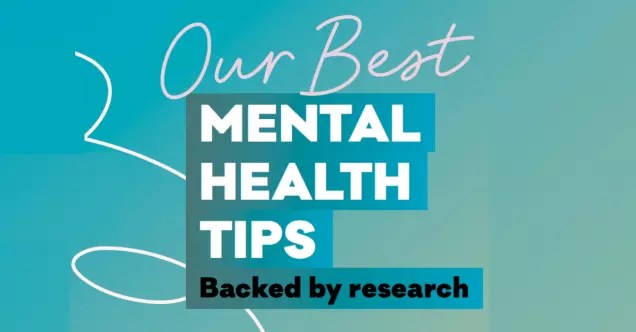
The 11 most effective ways for people to protect their mental health are revealed in a guide launched today by the Mental Health Foundation. 

The free guide, Our Best Mental Health Tips is based on the Foundation’s own ground-breaking study on what protects people from common problems such as anxiety and depression.  

The innovative study on which the new guide is based combined existing evidence about how we can protect our mental health with experts’ views, alongside the opinions of members of the public. 

Dr Antonis Kousoulis, who led the research and is a Director of the Foundation, said: ‘Our new guide encourages us to take care of the fundamentals of life – our relationships, our experiences, our bodies and our finances.  

The evidence shows that this is far more likely to keep us mentally healthy than the gimmicks and miracle cures promoted by some in the ‘wellness’ industry, who prey on our vulnerability. 

The truth is, there are no quick fixes for good mental or physical health. What works is developing healthy habits in our daily lives, that help us to feel OK and able to cope with everything. 

For example, in our new guide we talk about getting more from our sleep, learning to understand and manage our feelings, planning things to look forward to and getting help with money problems.’ 

The full list of mental health-promoting actions suggested by the new guide is as follows: 

  • Get closer to nature 
  • Learn to understand and manage your feelings 
  • Talk to someone you trust for support 
  • Be aware of using drugs and/or alcohol to cope with difficult feelings 
  • Try to make the most of your money and get help with problem debts 
  • Get more from your sleep 
  • Be kind and help create a better world 
  • Keep moving 
  • Eat healthy food
  • Be curious and open-minded to new experiences 
  • Plan things to look forward to 

Most members of the public involved in the study had experienced their own, or family members’ problems with mental health, so had the benefit of hindsight when assessing what helps most with prevention.  

The study was published in the peer-reviewed American Journal of Health Promotion

The new guide (and the research on which it is based) acknowledges that people may be unable to follow some of its suggestions, for instance because the place they live makes it impossible to sleep well or spend time close to nature. 

Dr Kousoulis added: ‘Enjoying good mental health should be an equally accessible goal for all of us, yet it is often out of reach for many. Government action is needed to create the circumstances that solve problems that are beyond individuals’ reach, and help prevent people having problems with mental health in the first place.’ 

You can download the new guide free of charge from the Mental Health Foundation website. You can also order hard copies by post, with a small charge.

About the Mental Health Foundation   

Our vision is of good mental health for all. The Mental Health Foundation works to prevent mental health problems. We drive change towards a mentally healthy society for all, and support communities, families and individuals to lead mentally healthy lives with a particular focus on those at greatest risk. The Foundation is the home of Mental Health Awareness Week www.mentalhealth.org.uk  

This is a non sponsored article written by the Mental Health Foundation.

How To Know If You Have An Eating Disorder and What To Do Next by Rachelle Wilber

(image: Unsplash)

An estimated 45 million people in the United States (and many millions globally) go on a diet each year to try and shed extra pounds. While exercising and eating healthfully is important, obsessing over losing weight can turn into an eating disorder.

Eating disorders present in a variety of different forms such as bulimia, anorexia, and/or binge eating. Staying aware of the symptoms of an eating disorder and what you should do should you develop one can help you stay healthy.

Different Types of Eating Disorders

Though problems with food can manifest in different ways, there are three main types of eating disorders.

  • Bulimia: Those with bulimia typically eat large amounts of food and then purge the food afterward by vomiting or using laxatives
  • Anorexia: Those with anorexia avoid eating or eat extremely small amounts of food
  • Binge eating: Those with binge eating may eat large amounts of food in a short amount of time

Look for Common Symptoms of Eating Disorders

One of the best ways to determine if you have an eating disorder is by watching for symptoms in your own habits and behavior. These symptoms may also be noticed by your friends, family, or other loved ones. Some of these symptoms may include:

  • Having a fear of gaining weight or growing fat
  • Withdrawing from activities with family and friends
  • Becoming secretive and lying about it
  • Experiencing anxiety and depression
  • Feeling an intense fear of certain foods, such as foods that are sweet or have high levels of fat
  • Obsessing over the number of calories and food eaten
  • Avoiding situations that involve food
  • Attempting to lose weight by purging, using laxatives or over-exercising
  • Weighing yourself daily or multiple times per day

If you suspect you have an eating disorder, know that you aren’t alone and that help is available. Be proud that you are taking the first step and seeking help. It may be helpful to identify ways that you are not feeling in control in your life and the way you feel around food.

Keeping a journal of these feelings is a great way to learn more about your habits and identify the feelings that triggered your eating disorder. Next, talk with your insurance company (if in the US) or NHS/ privately if in UK and seek out a reputable doctor for eating disorder treatment. There are many specialists, counsellors, and rehabilitation centers available who are highly experienced in helping people recover from their disorder. Please note that the NHS may have waiting lists but seeking help is so important to find recovery.

Having an eating disorder often means you feel a lot of shame about yourself and your eating habits. Talking with a doctor and/or therapist can help you let go of this shame so you can love yourself and take the first steps on your road to healing.

This article was written by freelance writer Rachelle Wilber.

MENtion Health: A Panel event and Campaign for Men’s Mental Health by Superdrug

On Wednesday 4th November, National Stress Awareness Day, Superdrug invited me to a zoom virtual panel event highlighting men’s mental health.

They said, ‘The event will aim to break taboos and increase the conversation around the mental health challenges that men have faced during the current coronavirus pandemic. ‘

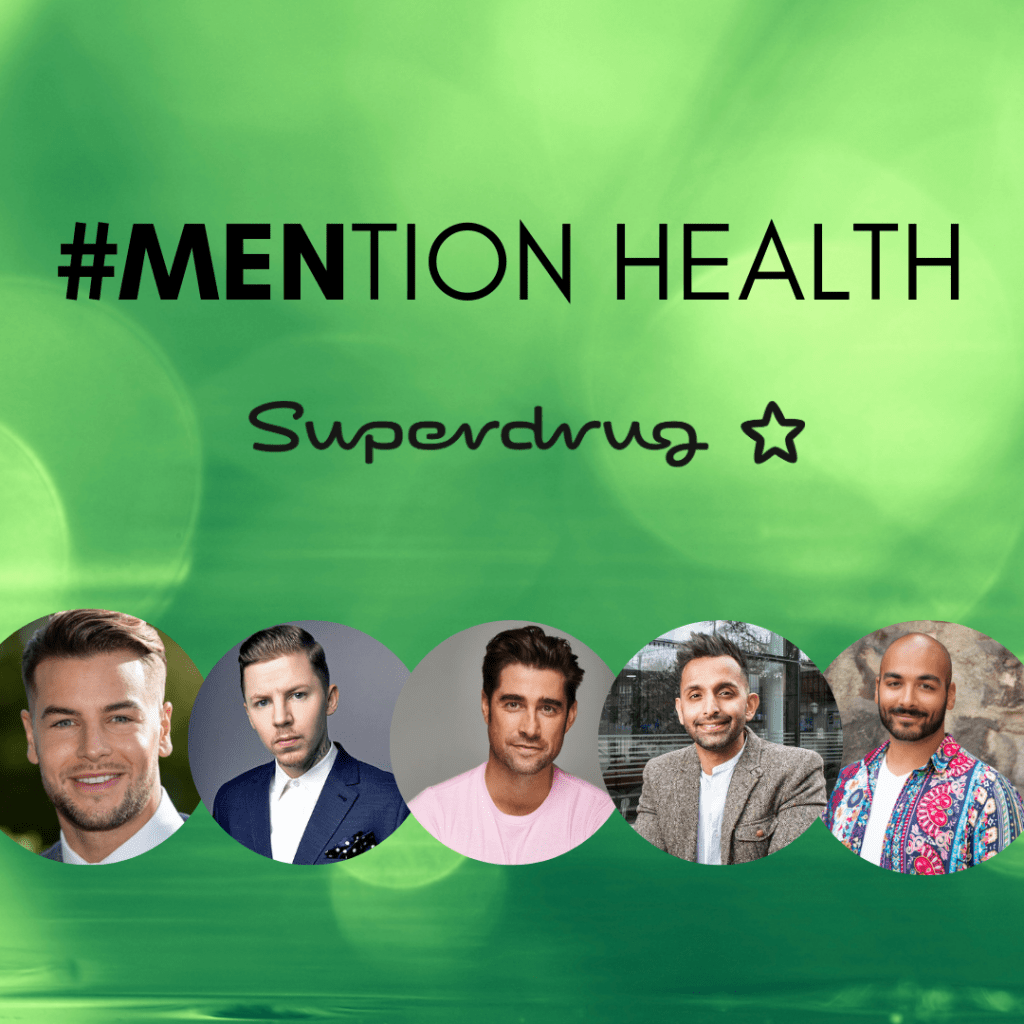
We had a chance to listen to some famous and insightful panelists, including

Professor Green – Award winning musician and patron of CALM charity

Chris Hughes– TV personality

Matt Johnson– Broadcaster and mental health advocate

Alexander Leon– Writer and social change advocate

Dr Amir Khan– Doctor and best selling author

(image: Superdrug)

In October 2020, Superdrug conducted research to find out how the pandemic is currently affecting people’s mental health.

The research was conducted among 3419 of its customers. Key findings are highlighted below:

● 86% of people believe men find it more difficult talking about mental health issues than women

● 82% of people believe there’s still too much stigma attached to mental health problems

● 71% don’t think employers take mental health problems seriously enough

● 80% of people would like to see mental health services being made more accessible to people

● 66% people said that their mental health is still being impacted by the pandemic.

As a result, Superdrug decided to launch a new service, known as Mind Care Superdrug. There will be an online doctor for people to find mental health support, with a video consultation and people will be referred to appropriate services. This will be a huge step forward and is an amazing thing to do!

Matt Johnson opened the panel, introducing each pannelist in turn to discuss men’s mental health. For me as woman, I recognise how important it is for men to speak out about their feelings after generations of stigma around mental health.

Professor Green talked about his battle with life long anxiety, saying ‘You just want to get out out of your own skin’, anxiety can be difficult but in life we encounter difficulties and learn to build resilience. Prof Green experienced anxiety as a child and teenager and still deals with it to this day and promotes talking about men’s mental health. He also spoke later in the discussion about self harm in men, to include drug and alcohol abuse and his familys own experience of suicide.

Chris Hughes then spoke about his anxiety and panic attacks, saying he was ‘proud to discuss it openly now‘. He said that before he became well known, he would get anxiety in the workplace that he tried to distract from by going to the gym. However, it didn’t work as well and now he is in the limelight, he has experienced panic attacks, which would manifest as pins and needles in his body and hyperventilation. Hughes shares about his mental health to help others, especially men, through it so they stop bottling feelings up.

Alex Leon told us that he was (in his words), ‘gay, brown and didn’t fit in’. He reminded us that LGBTQ and minority communities often have poor mental health due to a lack of acceptance. He said that 75% of suicide rates in the UK are men and that the narrative that ‘big boys don’t cry and men should just get on with it‘, should be addressed. Leon asked ‘what forms of stigma do men face?‘ and said often it is ‘Be stoic’ ‘be unemotional’ or ‘here is what a man or boy should be‘ – which all lead to poor mental health outcomes.

Dr Amir Khan also introduced himself and his work as a doctor in the UK- a GP working with mens mental health. He agreed with a lot of what Alexander Leon said and offered some profound insights.

The discussion then came back to Professor Green, who told the discussion that sadly his Dad and uncle had died by suicide and he felt mental illness ran in his family. He has struggled with depression and said, ‘ We all chase happiness. You should feel highs and lows- when I don’t feel anything is when I worry’.

Chris Hughes said we must normalise the conversation around mental health and Alex Leon added that self compassion is so important.

I very much enjoyed the panel discussion and really appreciated the chance to hear from great speakers on mens mental health. Superdrug are definitely ahead of the game!

I wasn’t paid for this article but Superdrug sent me a box of wellbeing goodies including Vitamin D tablets, vitamin tea, lavender and peppermint essential oils, sleep aids, moisture socks for feet with marula oil and a pampering skin and body set. Thank you!

Our wellbeing and mental health is so important. You can learn more about Superdrugs mental health campaign here: https://onlinedoctor.superdrug.com/mental-health-and-relationships/

5 Things that could be triggering your Depression by Samantha Higgins.

iforherimage

(image: Iforher.com)

Almost everyone goes through an episode of depression at some point in life. For some, the problem is severe and protracted. During the episodic depression, bouts leave you feeling hopeless and exhausted, making it difficult to be productive and present in your daily life. Although depression is a severe health condition, treatment brings hope to the affected. Once depression symptoms are controlled, knowing common triggers and how to avoid them can save you from a depressive episode.

It is important to seek help in the form of treatment from a doctor- whether that is medication or counselling.

Feeling Overwhelmed

When you feel that stressors, such as tight deadlines, are too challenging to manage, you become overwhelmed. Emotional overwhelm is more than feeling stressed. It means you are completely submerged by emotions and thoughts about your current problems, to a point of feeling paralysed.

It is a scary and confusing experience that might leave you with limited functionality and an inability to think and act rationally. Whether caused by stressful times at your workplace or traumatic experiences of loss, overwhelm can trigger depression. Minimise depression triggers by knowing your limits and boundaries of what you can take in and what can cause overwhelm. For overwhelming tasks, break them down into smaller, manageable tasks for you to complete in steps.


Financial Worries

Money woes are a common source of stress that can cause a depressive episode. Focus on projects that increase your financial stability like side hustles. Avoid concentrating on what you do not have since it increases your worry. Customize your budget and do regular reviews to stay aware of your cash flow and financial situation.

Create a savings plan and make monthly deposits to the account so that you are less worried about the future. Go for local events that are free or cost-effective so that you can socialise at a budget. Remain engaged with your hobbies or spend time with loved ones to avoid overthinking about your financial situation.

Seek support from your doctor, if needed.


Alcohol Abuse

Some people indulge in alcohol and other substances to cope with depression. Most are drawn to alcohol’s sedative effects to help distract them from feelings of sadness. While alcohol can relieve some of depression’s symptoms in the short term, it can worsen depression in the long run.

As a person experiences the financial and social consequences of alcohol misuse, their worries increase, and relationships deteriorate, leading to an episode of depression. This leads to a vicious cycle of alcohol abuse to self-medicate some symptoms of depression. If taking antidepressants for depression, avoid alcohol since the depressant effects of alcohol counterattacks the effectiveness of antidepressants.


Poor Sleep Habits

There is a direct relationship between poor sleep and depression episodes. People that sleep less than six hours and more than eight hours have a high risk of experiencing recurrent depressive episodes than those who sleep the recommended six to eight hours. Practice good sleep habits, such as maintaining a consistent bed and wake time.

Turn off all electronics hours before bedtime to avoid overstimulation for better sleep. Reduce any source of discomfort, such as an old mattress. Look for the best adjustable mattress bases for maximum comfort and relaxed nighttime. Take a warm bath, meditate, or have a warm glass of milk to help you fall asleep fast.


A Poor Diet

Dietary habits can lead to depressive episodes. Consume more healthy foods with a focus on whole foods and fresh fruits and vegetables for improved mental health. Limit processed and refined foods, including junk and fried foods. Look for foods high in selenium like whole grains and Brazil nuts to reduce anxiety and improve mood, making depression manageable.

Go for vitamin B sources such as egg, poultry, fish, and lean meat as they help to reduce the symptoms and risk of mood disorders, including depression. Eat food rich in zinc or use zinc supplements to enhance the effectiveness of antidepressants for better depression management. Hydrate regularly with water or soft drinks for better moods.

Depression can be life-changing due to frequent worries, but treatment- medication and counselling can help manage the disorder. Make lifestyle modifications such as a healthy diet, better sleep, and less worry for improved well-being. 


This guest blog was written by Samantha Higgins.


Life under Lockdown: Keeping yourself busy at home: Guest blog by Chloe Walker

cottage1

(image: https://www.cottagesforcouples.com/)

As Covid-19 continues to spread and the world scrambles to stay a step ahead, many of us are finding ourselves isolating at home in unprecedented circumstances. All around the world governments are increasingly ramping up safety measures to protect both their medical staff and their most vulnerable citizens.

As we all adapt to a new and still rapidly changing world, there are challenges to our wellbeing, financial security and even mental health.

On the other hand, many people are now realising that life in lockdown offers many unique advantages. Just because you’re self-isolating or social distancing, it doesn’t mean that life has to be put on hold completely. In fact, now could well be the time to capitalise on the extra time spent at home to do things that otherwise would have taken the back seat.

Here are a few ideas for ways to make sure your time under quarantine is spent wisely.
Get your garden ready for spring

In the UK, the first glorious days of spring have appeared, reminding us all that there’s plenty to be grateful for. Warmer and brighter days lure us outside again after a long winter. If your garden needs some love, put on your wellies and know that a little outdoor work could do wonders for stress levels.

Gardeners know that work in the yard is never really finished. Still, avoid mowing your lawn too short for now. According to mowing specialists Mowers Online, “As the growing season starts selecting the blade height to 50mm will give optimum grass blade thickness which is crucial for growth. This height may seem rugged at first but remembering that grass blades are solar panels for the lawn and the more energy created, the more luscious the lawn.”

Finding time to garden during the Spring will keep you occupied, physically active and out there getting essential vitamin D.

Try some spring cleaning

In the same spirit, why not use the longer, brighter days to inspire you to clean up a little? If you’re now working from home, you may find yourself with extra time on your hands – and the opportunity to get around to all those deep cleaning jobs that have accumulated over the year.

This is also a great time to catch up on any maintenance jobs that you haven’t had time for. For instance, when was the last time you cleared out the gutters? Or checked everything was ok in the loft? These are both areas that can deteriorate quickly when not maintained and can result in pests making their way into the home. If this has already happened, then you’ll need to call some exterminators as soon as possible here is a great example of the sort of company to contact https://www.pestcontrolexperts.com/exterminator/louisiana/. The lockdown will end eventually, and you’ll really appreciate a bright and shiny home to see you through the challenges that will come with getting back to work again.

Bring a little of the outdoors indoors

It’s now well understood that nature has an incredible ability to relax us and boost mental wellbeing. As most of us try to manage the inevitable stresses the coronavirus has brought with it, we can turn to nature to recalibrate, de-stress and remind ourselves of what’s important.

Even if it’s gloomy outside, bring a little nature indoors to get the benefits. Stonehouse Furniture suggest ‘‘A window box on the outside is a great way to add a splash of colour to your day as you do mundane kitchen chores. Spring bulbs, miniature daffodils, polyanthus and summer bedding plants are a very cheap way to add nature and colour to your kitchen outlook.’’
Enjoy cooking
Now’s the time to get in touch with your domesticity! There’s more time now than ever to really relish the joys of preparing fresh, healthy, home-cooked meals for your family. With grocery shop orders being a little unpredictable, you likely have a stock of ingredients on hand anyway. Why not get creative and try some new recipes you were always too busy to attempt before, or concoct your own meals? Rope in the family for some quality time cooking together, and experiment with different daily routines.

Can’t find your usual ingredients in the store anymore? Accept the challenge and eat something a little more exciting and out of your culinary comfort zone. Have too much fresh food on your hands? Try batch cooking and then freeze the extra food for emergencies.

It may at first seem limiting to have to stay at home, but use your imagination and reframe staying at home as a great opportunity instead. Get stuck into that hobby you’ve always put off, or flex your creativity with painting, poetry, crafts or knitting. Stay fit indoors by doing yoga or YouTube workouts, enjoy your pets, or have your own mini party in the living room with your favourite music. Films, books and musical instruments are your friends right now.  Keep in touch with your literal friends online, or get out some board games to play with the family.

The coronavirus has challenged us all to prioritize what’s truly essential: our mental and physical wellbeing. Take this opportunity to reconnect with yourself, with nature, and with those you love, and you’ll soon wonder why you don’t spend more time at home!

This blog was written by freelance writer Chloe Walker, who is based in the UK.  

World Bipolar Day is Tomorrow!

worldbpday

Tomorrow, join in and learn what you can about bipolar disorder.

As many of you know, I have bipolar 1 disorder and when not on medication, have episodes of high mood- mania/ psychosis and low mood- severe depression. Thankfully I am in recovery but it affects so many people and is thought to run in families.

Remember you are not alone.

Bipolar UK-  https://www.bipolaruk.org/

Bipolar in USA: http://www.mentalhealthamerica.net/conditions/bipolar-disorder

Happy Third Blog Anniversary! : On Our Third Birthday by Eleanor

pink3

(image : etsy)

Earlier this week, on the 1st March, Be Ur Own Light turned 3 years old! I still remember starting this blog as an outlet for my fears, thoughts and emotions after leaving a job in 2016 due to acute anxiety and panic ( part of my bipolar) . Writing the blog and sharing thoughts has been so therapeutic and it has taken me on  a journey that I could not have imagined when I started writing. As many of you know, this blog led to me writing for big media outlets and to my book deal (book hopefully will be out in November) and I am so grateful for the confidence it has given me too- and the chance to connect with people all over the world.

However, this year (as with the past 2), the blog has attracted a horde of talented writers wanting to spread their messages about mental health and wellness. Some have shared their personal stories of hope and recovery, others have given useful tips on health and wellness  and we have covered topics as wide ranging as Borderline Personality Disorder (BPD), Post Traumatic Stress Disorder (PTSD) and addictions to drugs and alcohol. We have talked about pet therapy, writing therapy, mindfulness and yoga, amongst other therapies.

My guest bloggers have written about their recovery from mental illnesses like anorexia and bipolar disorder. National campaigns like the Diana Award also got in touch with us to discuss bullying and LGBT issues too and Jami charity asked us to cover their mental health awareness campaign (which I helped set up). Furthermore, Be Ur Own Light has also covered World Mental Health Day and Time to Talk Day this year, featuring personal mental health stories as a way to raise awareness and fight misconceptions.

Thank you to my amazing guest bloggers March 2018-2019 for your fantastic content:   

Donna at Wildwoman Book Club for Self care

Lynn Crilly- Hope with eating disorders (book)

Cordelia Moor- Living with Quiet BPD for Time to Talk Day

Sarah- On Depression for Time to Talk Day

Peter McDonnell-  Managing anxiety and psychosis for TTD

Cara Lisette- Recovery from anorexia and bipolar disorder for TTD

David Welham- Depression and Recovery/  Being a parent of children taking exams

Rachelle Wilber- Treatment for PTSD (post traumatic stress disorder)

Brandon Christensen- What is mental health stigma?

Charlotte Underwood- Overcoming Adversity/ The Saviour Complex

Ralph Macey- Managing Bipolar in the workplace

Manmohan Singh- Benefits of Yoga

Alex Sabin- Enjoying the Holidays after Addiction

Spela Kranjec- How to Accept Yourself/ My Journey in surviving Anorexia

Jami charity- Mental Health Awareness Shabbat campaign

Brookman- Avoiding a relationship crisis at Christmas

Sarah Cardwell-  Womens health awareness

Anti Bullying Week, the Diana Award and Everyones Talking about Jamie

Allen- Recovery from alcoholism and mental illness

Lizzie Weakley- How to combat your eating disorder

Posy and Posy- Flowers for wellness

N- Poem on depression- Copy of my Mask

Dan Brown at My Therapy- Suicide prevention on social media- World MH Day

Lydia- On complex PTSD and recovery

Ashley Smith- how Physiotherapy helps with stress and anxiety

Amy Hutson- How Writing Therapy helps

Christine H- What family therapy is really like

Meera Watts- How Yoga enhances your lifestyle

Dawn Prime- How can Animal and Pet therapy help

Bill Weiss- Mental Health Stigma and Drug addiction

Dr Nancy Irwin- Signs your loved one is abusing drugs

Eve Crabtree- The MIND diet for Dementia

James Kenneth- Overcoming mental health challenges

Ellie Willis- A guide to mood disorders

AXA PPP- is social media bad for our health?

Lori Longoria- How baths and spas help relaxation

Tomas Sanchez- can alcohol raise stress levels and affect mental health

Dr Janina Scarlet- Therapy quest book

Cloe Matheson- tips to reduce stress

Paul Matthews- fitness and how it helps depression

Katie Rose- How to help anxiety and panic attacks

Anonymous- on sexual abuse

Kayla Clough- coping with post partum depression

Kara Masterson- 4 tips to begin the fight against drug addiction

Michelle Hannan- 5 tips to boost your immune system

Kevin Morley- Satori Mind- Tips to boost mindfulness

Sara Whitehouse at Stadia Sports-How sport can help mental health

Amy Boyington- How holistic medicine helps mental health


Thank you so much to all of you and I am excited to see what 2019 brings for the blog!

2018 was a very special year for me and my writing- being published in Metro.co.uk, Glamour, The Telegraph, Happiful magazine, the Jewish News and several other media outlets. I was featured in articles in Cosmopolitan, Elle, Prima, Yahoo News, Prevention magazine and Refinery29 and guest blogged on other mental health blogs too.

This year on the blog I wrote about my life with social anxiety and work anxiety, winter blues and SAD/ depression, I shared my articles about being plus size and a bride and about my recovery from bipolar disorder. Furthermore, I wrote about the Twitter hashtags I started #mydepressionmeans and #myanxietymeans, to help people feel less alone and share their own experiences online.

On the blog I also reviewed the brilliant book ‘Love and Remission‘ by Annie Belasco by Trigger Publishing, about breast cancer and mental health. Triggers mental health books are great and I read so many that I was unable to review due to time constraints including Depression in a Digital Age by Fiona Thomas and books by Paul McGregor and Ruth Fox.

This year we were given the accolade of being a Top 10 UK Mental Health Blog by Vuelio and were a shortlisted finalist in the 2018 UK Blog Awards (Health and Social Care category). I was also invited to the Mind Media Awards which was an incredible experience and this year, we have been nominated for Blogger of the Year in the Mental Health Blog Awards.

Be Ur Own Light continues to be read globally and I love receiving your messages about the blogs and finding new writers too.  Blogging makes me happy and I hope it helps so many of you too and you love what we do here.

Heres to a productive, wonderful, fun and exciting year of educating and battling mental health stigma too 🙂

Happy 3rd birthday Be Ur Own Light!  ❤ May this be a special year for us

Love and gratitude,

Eleanor    

xxx

eleanortwit