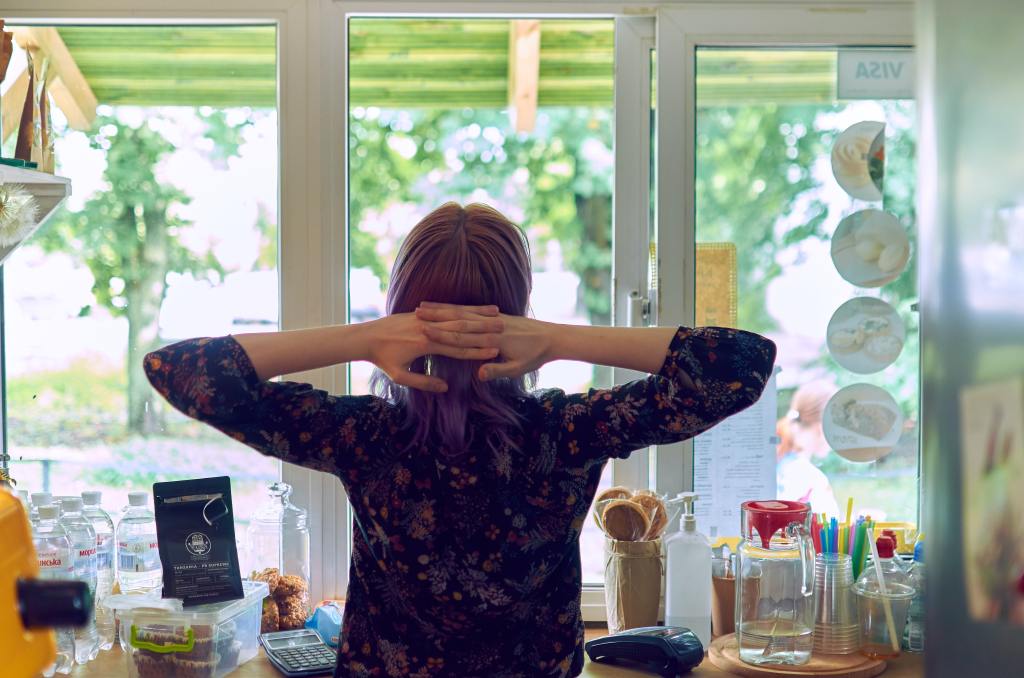
It’s Not Just The Therapist or Psychiatrist Alone: Why Treatment Centres Matter in Mental Health.

(Image: David Travis at Unsplash)

It’s not just the therapist or psychiatrist alone. The treatment centre/hospital matters in mental health.. It’s not that therapists are bad or unimportant; they can be critical in helping people with mental health concerns start on the road to recovery. However, sometimes treatment centres can have a huge impact on mental health and well-being, as a whole.

Lasting Impact of the Environment

First, the environment in which individuals with mental health concerns receive treatment can have a lasting impact on their mental health. Is the institution warm and welcoming to visitors? Or does it feel sterile and cold? Does it have adequate resources to meet the needs of its patients? Or is it underfunded and overcrowded? All these factors can have a significant impact on recovery, as they may create feelings of anxiety or alienation in the patient. For example, if the institute has Knightsbridge Furniture and a welcoming waiting area for visitors, it may make people feel less anxious about their treatment, because the furniture is designed to provide comfort.

Supportive Staff Members

Secondly, supportive staff members are paramount for mental health recovery. Not only do staff members need to be competent and knowledgeable about the latest treatment techniques and practices; they also need to be warm, welcoming and supportive towards their patients. They should be able to provide a safe space for individuals with mental health concerns to explore their thoughts and feelings without fear of judgment or punishment. This will help foster an atmosphere of trust and healing at the treatment centre/hospital.

Accessible Resources

Third, centres should strive to make resources accessible and available to those in need. Mental health concerns can often be complex and multifaceted, so individuals may require a variety of services. Treatment centres should provide access to everything from basic mental health services such as counselling, to more specialised resources like crisis intervention teams or support groups. If these resources are not readily available, then individuals might not get the help they need when they need it.

Appropriate Levels of Care

Fourth, treatment centres must provide appropriate levels of care for the patients they serve. This includes ensuring that each individual gets the right combination of treatment and support based on their specific needs. For example, a patient with severe depression or other severe illnesses may benefit from both medication management and psychotherapy while someone with mild anxiety may only require weekly therapy sessions.

A Holistic Approach

Finally, centres should strive to provide a holistic approach to mental health care. This means taking into account not only the individual’s diagnosis or symptoms, but also their lifestyle, environment, and social support system. Taking these factors into consideration can ensure that individuals receive the most appropriate treatment for their unique needs. Additionally, it can help facilitate long-term recovery and prevent future issues from developing.

It is clear that when it comes to mental health recovery, a treatment centre/hospital plays a vital role in helping individuals achieve positive outcomes. From providing supportive staff members to making resources accessible and offering a holistic approach to care – institutions must strive to meet the needs of those they serve in order to ensure the best possible outcomes.

So, while it is important to have a skilled therapist or psychiatrist, never underestimate the importance of a supportive and well-resourced treatment centre as part of that overall care. Together, they can provide individuals with everything they need to start on their journey to mental health recovery.

This article was written by a freelance writer.

5 Lessons Football Has Taught Me About Life And Mental Health by Rose Atkinson-Carter

(image: Unsplash: Konstantin Ekdokimov)

It’s true what they say: the best lessons are taught outside the classroom. We’re all constantly learning and growing in the most unexpected ways and dedicating yourself to any sport or hobby is bound to teach you more than you imagined, if you’re open to it.

I’ve played football for almost 20 years and learned a thing or two about dedication and persistence, which have affected my approach towards my mental health. Sure, there have been times when I’ve felt like the cons have outweighed the pros — training in a blizzard is never fun — but when all is said and done, football has helped me weather my own personal storms.

Along the way, I’ve picked up a few practical life skills and lessons that extend beyond the football pitch, to that big game called Life.

1.   A healthy routine can get you through tough times

The first lesson football taught me is to consistently show up for myself, especially on the days when I don’t feel like it. Growing up, building habits was never something I gave much thought to. Football practice was just second nature.

My football “habit” has been essential in getting me through times of low motivation and stress. Motivation is not a flat line — it’s something that fluctuates. There will be days when motivation alone will not be enough to get us to lace up and buckle down, and taking a mental health day is never something to be ashamed of. However, playing a team sport, or at least having a schedule to follow, is a great way to help yourself along on days when you need an external motivation to keep going.

2.   Prioritising ‘hobbies’ can create balance

When work piles up, it’s easy to stop prioritising your own wellbeing and to lose sight of what’s important in the grand scheme of things. Playing football has forced me to consider my priorities and this has, in turn, helped me create balance.

Sometimes, playing a sport when you’re busy with other things adds pressure. It’s tempting to cut out the ‘non-essentials’ — the hobbies and things that don’t seem to contribute to your career or relationships. However, I’ve found that prioritizing football has had a net positive effect on my life. It feels counterintuitive, but letting your mind take a break allows you to clear your mind, reduce stress, and work and feel better.

3.   You don’t always have to get along to produce great results

You don’t need to get along with everybody to get results. But if there’s one thing I’ve learned, it’s that you don’t all need to be BFFs to win a game.

Teamwork isn’t about creating a group of like-minded individuals who see eye-to-eye on everything. It’s about identifying everyone’s individual strengths and using that aggregated power to pull in the same direction. So while you don’t have to love everyone’s company, the team — the people you surround yourself with — is incredibly important in shaping your experiences.

4.   When you feel like quitting, ask yourself why

Wanting to quit something is quite natural, especially the longer you’ve spent doing something. When the urge to quit strikes, it’s good to explore where that feeling is coming from. For me, playing with strangers at university was incredibly stressful, but I eventually had to acknowledge that the problem wasn’t football, but social anxiety.

One thing that has helped me find answers has been to first recognise the feeling, and then try to drill down and understand where exactly it’s coming from. Asking myself ‘what is it that I think will happen if I don’t quit?’ helps me identify the elements of activities I dread or have negative feelings about (e.g. “I will have to keep seeing stressful person X every day”), which then means I can make conscious decisions without rushing into quitting.

5.   Quitting doesn’t make you a quitter

Then there are the times when you try a few more times, and the feeling of wanting to quit still remains. While football taught me a lot about perseverance, I’ve also had a hard time knowing when quitting might actually be the best thing for me.

A common misconception is that quitting is the easiest option, or that quitting “makes” you a quitter. But think about it this way: leaving something behind involves making an active decision to change. The trouble is, if you don’t know what you’re trading it in for, it’s much easier to just keep going with the status quo.

Quitting something after careful consideration can actually be the best way to continue to show up for yourself. Ultimately, there’s a huge difference between giving up on yourself and giving up something that no longer brings you joy and comfort.

Football, to me, has always been more than just fancy footwork. From showing me how to get up after a few tackles to accepting defeats and working hard towards my goals, it has been one of my most influential teachers. As the final whistle blows, I hope some of the lessons it has taught me can be useful to you as well.

Rose Atkinson-Carter is a writer with Reedsy, a marketplace that connects authors hoping to get published with the world’s best book editors, designers, and marketers. She loves to advise authors on topics like book formatting and literary copyright — and to play football, of course!

6 Ways Living By The Waterfront Can Improve Your Mental And Physical Health By Rachelle Wilber

If you want a change in life, moving to a waterfront community may offer you a great new perspective. Buying a home that’s next to the ocean can have many advantages and improve your physical and mental health in different ways. 

Stress Reduction 

Waterfront living can reduce your stress and help you feel better physically and mentally more of the time. When you’re feeling stressed, the calming maritime scenery and the sounds of ocean waves crashing onto the shore can put you into a better mood almost instantly. The reduction in stress can also be good for your blood pressure and heart health and soothe your body and soul. 

Possibly Less Air Pollution 

You might be exposed to less air pollution if you live next to the ocean. Studies show that air pollution is often higher in valleys because of topography and temperature factors. With less air pollution, you’ll be able to breathe easier and inhale more of the clean oxygen that your mind needs to function at its best. 

Less Crowding Than in Big Cities 

Waterfront communities are often less crowded than big cities. Living in an overcrowded community can expose you more to communicable illnesses that are passed from other people. You may also feel more stressed and combative if you have to contend with large numbers of people in your daily life, and you may avoid these problems by buying a waterfront home instead. 

Chance to Connect More with Nature 

Being around nature offers you one of the best ways to minimise your problems and view life from a broader perspective. When you look out onto the ocean each day from your home, you’ll have the chance to connect with nature more and think about what’s most important in life. As you search for your new home, you can choose from many waterfront homes for sale that can put you in better touch with nature. 

Encourages More Physical Activity 

You may be inspired to get out and exercise more if you live by the ocean, which can help improve your physical fitness and keep your stress levels in check. People often like to jog and ride their bikes next to the sea, and seeing these passersby near your home can encourage you to join in on the activities. You may also be inspired to take up boating if you see boats on the water frequently. 

Cooler in the Summer 

Even though you’ll still likely get plenty of sunshine and warm temperatures if you live by the ocean, you probably won’t have to deal with the heat spikes that you would if you lived farther inland. Excessive heat can cause breathing problems and lead to other serious health conditions. The hotter temperatures can also make you feel more irritable, and living next to the ocean can help you keep your cool with the sea breeze. . With all the different waterfront homes that are on the market, you should have no trouble finding the house that’s the most suitable for you. 

Remember to think of what is best for your mental and physical health, as well as needing to be near your support networks.

Rachelle Wilber is a freelance writer based in San Diego, California.

Bipolar Minds Matter: CEO of Bipolar UK and Co-Chair of the Bipolar Commission, both reflect on UK Government Mental Health Funding Announcement.

(image: Sway Communications)

Simon Kitchen, CEO of UK mental health charity Bipolar UK, says: 

“Today’s announcement by the Prime Minister that mental health will receive £40.2 million in funding is a positive step in the right direction for the one in four adults experiencing mental illness in the UK.

Although the Government funding announcement does not include bipolar specifically, we are hopeful that the high prevalence and the enormous burden of the condition will mean the bipolar research community receives much needed boost from this announcement.

The Bipolar Commission Report we took to policy makers on 8th November, found that bipolar accounts for 17% of the total burden of mental health but traditionally only received 1.5% of mental health research funding. This needs to change.

There are over a million people living with bipolar in the UK and every day one person with the condition takes their own life. Ensuring bipolar gets its fair share of mental health research funding is critical for reducing the 9.5 years it takes on average to get a diagnosis and for improving patient outcomes.   

Bipolar UK is the collective voice for people living with bipolar. Our clear position is that it is vital those living with the condition have as many treatment options available to them as possible and receive greater continuity of care so they can have a better quality of life.

It is possible for everyone with bipolar to live well and fulfil their potential.

Strong long-term relationships between individual clinicians and patients is a critical factor in this and there are currently not enough specialists in bipolar in the UK which leads to symptoms often being missed.

People living with bipolar have a suicide risk that’s 20 times higher than people without bipolar, a figure that could be significantly reduced with adequate funding.

There are more than a million people with bipolar in the UK — 30% more than those with dementia and twice as many as those with schizophrenia. Millions more are impacted through close friends and family.

Re-allocation of the funding that is already available will provide a significant improvement to people’s lives which is why we are asking for bipolar to be seen as a standalone mental health condition that requires its own share of the overall funding allocated to mental health.

People can live well with bipolar, but only if they have access to a clinician who knows them, their symptoms, their triggers, medical history, their family situation and their living arrangements to ensure on-going, effective care.”

(image: Bipolar UK: Simon Kitchen, CEO with this pledge )

Dr Guy Goodwin, Emeritus Professor of Psychiatry, University of Oxford and co-chair of The Bipolar Commission adds: “I have been treating people with bipolar for more than 40 years. Over that time, I have frequently been astonished by the stories of patients who have been poorly served by services ostensibly designed to help them live better lives.

“Bipolar accounts for 17% of the total burden of disease attributable to mental illness and yet there is no priority given to its specialist treatment in policy documents produced by the Department of Health.

“Instead, since the 1999 National Service Framework, bipolar has been lumped into policy documents as the invisible twin of schizophrenia. Worse still, bipolar gets a mere 1.5% of research resources.

Ignorance of the price paid for this policy neglect is no longer a defence.”

Please go to bipolaruk.org/bipolarcommission to read more about the work of the commission, fighting to get fair funding for bipolar disorder- Bipolar Minds Matter.

Practice Some Self Care This Week, It’s Important.

(image: Bodhan Maylove)

You’ve probably heard people talk a lot about self-care, but is it something you do for yourself? Self-care has many benefits for your health and wellbeing, but it’s easy to let life get in the way of taking care of yourself.

Self-care covers many basic things to help you stay fit and healthy, but it can also mean putting yourself first and taking a little ‘you’ time to get back on track. If you’ve been a little overwhelmed or run down, then taking some time for self-care could be what you need to bounce back.

Below you’ll find some of the things you can do to practice some self-care and do something great for yourself this week.

Check in on your health

How healthy do you feel right now? If you’re constantly tired, feeling run down or battling cold after cold, it could be a sign that you need to take care of yourself a little better. Forming some new healthy habits, including eating better and getting eight hours of sleep a night, can make a big difference to your health and make you feel more energised during the day.

Could your health do with a little boost? Shake yourself out of some bad habits and take some steps to put your health first.

Do something for yourself

Self-care can be about doing things for yourself, and that could include treating yourself too. Focus on doing things that will have a real benefit – a new hairstyle, for example, can work wonders for your self-esteem and give you a huge boost.

You could also decide to do something that’s been on your mind for a while. Do you have crooked teeth? Why not get some clear aligners and start transforming your smile? This could boost your confidence in a big way and is an investment in yourself worth making.

You may want to look after your emotions and speak to a therapist, journal, do some gentle exercise or speak to a friend.

Whatever you decide to do, make sure it’s something for yourself that will make you happy and give you the lift you need.

Take an evening to relax and rebalance

We all need some time to pamper ourselves, and an evening of self-care could be just what you need. Consider it a mental health day, to help you take care of your mental health and help you find your balance again.

It could be as simple as lighting some candles, having a bath and treating yourself with a face mask – find things that keep you calm and relaxed and will help you shut off from the world for a little while. Make it a regular part of your routine to give you something to aim for as a reward for all of your hard work.

It’s easy to take self-care for granted, but it’s incredibly important to take care of yourself. Take a good look at your current lifestyle and whether there are changes you could make to improve your self-care. Putting yourself first isn’t a bad thing, and doing more of it could be just what you need to feel better inside and out.

This article was written by a freelance writer

How You Can Help A Loved One Stay Sober: Addiction Recovery.

(image: Markus Spiske, Unsplash)

If you have a loved one who is struggling with addiction, you may be wondering how you can help them stay sober. It can be a challenging process, but there are many things that you can do to support your loved one. Here are some tips that you can use to help a loved one stay sober.

1. Be Understanding And Supportive

One of the most important things you can do is be understanding and supportive. Addiction can be a very isolating experience, and your loved one may feel disconnected from family and friends. Show them that you care and are there for them, even if they don’t always show it in return. Offer words of encouragement when needed and provide a listening ear and understanding.

2. Help Establish Healthy Routines

Creating healthy routines and habits can help keep an individual on track with their sobriety. Make sure that your loved one is getting enough sleep, eating healthy meals, and engaging in activities that will help them stay sober. This could include going for walks or hikes, joining a gym or sports team, or finding other activities to occupy their time, such as volunteering or taking classes.

3. Set Boundaries And Respect Your Loved One’s Choices

It’s important to remember that the choice to stay sober ultimately lies with your loved one. Though you can provide support and guidance, it shouldn’t be done in a way that makes them feel pressured into making decisions they don’t agree with. Respect their autonomy and wishes while still providing advice if asked.

4. Create An Action Plan Together

Sobriety is often a process; it can take time for someone to achieve their goals. Have an honest conversation with your loved one about their progress, any issues, and how you can help. Then, you can create an action plan together where both of you set realistic goals and provide support when needed.

5. Consider A Sober Living Program

If your loved one is struggling with relapse, consider enrolling them in a sober living program from rdsoberliving.com (if in USA, for UK see other programs). These programs provide structure and accountability to help someone stay on track with their recovery goals. They also provide support from peers and mentors who have been through similar experiences.

6. Reach Out To A Professional

Don’t be afraid to reach out for help if you need it. Consider talking to a professional who is experienced in addiction recovery, or get your loved one connected with a therapist. They can provide additional guidance and support that may be helpful in maintaining sobriety.

7. Take Care Of Yourself

It’s also important to remember to take care of yourself as well. It can be challenging to help someone who is struggling with addiction, and it can take a toll both physically and emotionally. So make sure that you are getting enough rest, engaging in activities that bring you joy, and reaching out for support when needed.

Helping a loved one stay sober can be difficult. However, there are many ways that you can provide support and guidance to help them succeed. Be understanding and supportive, set boundaries, create an action plan together and consider professional help or a sober living program if needed. Also, remember to take care of yourself throughout the process.

This article was written by a freelance writer.

8 Common Signs Of A Toxic Person or Narcissist.

(image: Unsplash: Kelly Sikkema)

Self-awareness is one of the most important things we can have as individuals. How we view ourselves, our relationships with others, and our environment are all critical aspects of how we interact with the world. However, it’s not always easy to recognise which people in our lives might not be so friendly. People who display certain qualities may seem nice on the surface, but underneath can be unkind, self-centered, or even toxic.

They can also be so because they possess certain traits that might make them difficult to get along with. Whether you’re an extrovert or an introvert, a team player, or a loner, you’ll probably encounter someone who doesn’t mesh well with others from time to time. You may wonder, “How does a narcissist react when they can’t control you?” While it’s challenging to pick up on a narcissist or a toxic person immediately, here are some ways to help you identify the warning signs of a toxic person so that you can steer clear of them in the future.

Too Assertive

While assertiveness isn’t wrong, too much can cause issues. Assertive people are not afraid to take control of their lives and their surroundings. Instead, they want the power to make decisions and express themselves. They don’t like being treated as though they’re weak or insignificant or any other sort of negative adjective.

They want to feel like the most important person in the room and that people listen to them when they speak. While assertiveness is a positive trait, it can shift into a negative one if expressed too aggressively or excessively. While this is a toxic trait, it doesn’t mean someone is inherently toxic just by having this trait alone.

Too Much Negativity

It can be hard to just unwind if you’re around someone that’s too negative. Everyone has had experience with negative people online, but having to have a relationship with someone negative can raise some alarm bells. When you do share your opinion, many people disagree with you and make your life difficult by leaving nasty comments.

It’s not good to deal with when someone constantly belittles or puts down others around them. This can be done by saying negative things about people behind their backs, making fun of them, or even physically hurting them. If you don’t want to deal with this negativity all day, it may be time for you to stop sharing your opinions.

Lack of Boundaries

One of the most obvious signs of a toxic person is when they start talking about political topics knowing that it’s not appropriate. This may be a sign that they’re looking for validation. If you’re not interested in what they have to say, it’s best to change the subject or walk away from the conversation. They might also feel threatened by you being open-minded and not having opinions on everything they believe in. Toxic people are often judgmental and don’t care about your feelings. They will attack your beliefs without realising how their words can hurt you.

Too Entitled

People often associate arrogance with toxic people, but many arrogant people feel entitled. They feel they are owed more than they’ve given, and they can be demanding regarding things like dates, friendships, or relationships. This trait is related to low self-esteem as the person who is arrogant and entitled might also struggle with their sense of self-worth.

Toxic people who are entitled might also be difficult for someone who wants a lot out of life or has yet to find their place in society. In these cases, the narcissist could become frustrated and lash out at those around them because they can’t understand why the other person isn’t either completely submissive or completely indulgent towards them in all circumstances.

Too Defensive

Everyone has their reasons for wanting to be defensive; this is completely normal and even acceptable. However, this can be a toxic trait if it occurs too much. Sometimes, light banter can be fun, and someone shouldn’t be defensive then. But even if someone is giving their opinion and someone else becomes defensive, then this could lean towards toxic behaviour. However, this can vary based on the situation.

Lack of Respect

Toxic people tend to consider your needs and expectations an offense or challenge to their self-esteem. They will lash out in anger or manipulate you into believing you’re responsible for them feeling bad. In reality, they cannot provide the respect and attention you need. This can cause frustration and resentment on your part. On the other hand, people willing to listen and respond appropriately will be more willing to meet your needs without criticising or judging them in return.

Constant Behavioral Changes

One of the most common traits is when someone’s behaviour is erratic, unpredictable, and often always changing. They might be jealous, demeaning, or unreliable. Someone who’s toxic will act a certain way towards you one day and completely change their behaviour the next day.

High Ego

A high ego is usually matched up with a narcissist, but keep in mind that not all toxic people or toxic traits are going to equate to this immediately. However, having too high of ego can indeed be a negative thing. They have an inflated sense of who they are as well as what they can do for you. They might also try to constantly tell you how to live your life and interfere with your decisions. They may always look out for themselves before anyone else in regard to everything from work to relationships.

Toxic people can be hard to spot. They can be easy to find in a friend, colleague, or even a romantic partner. However, if you’re unsure hopefully this article will help you spot a narcissist or toxic individual.

This article was written by a freelance writer.

Drowning In Debt: 4 Ways to Help You And Your Mental Health.

(image: Pixabay/Pexels)

Debt can quickly become overwhelming. What may have started as a single personal loan a few months ago, can quickly turn into multiple loans, credit card bills and rent/bills arrears. Eventually, you may reach a point when you’ve exhausted all borrowing options. At this point, it may seem like there’s no escape, however there is always a way out of debt – it may just be a case of seeking out professional debt help.

Additionally this can take a toll on your mental health- stress due to debt can cause insomnia, anxiety, depression and a host of ailments too. You may despair or wake up scared to carry on. You may fear the debt letters or emails and phone calls. The uncertainty is difficult for anyone.

There are four common ways to get out of heavy debt. You can learn more about these below.  

DMP

A DMP (debt management plan) is an agreement to continue paying off your debts, but at a reduced rate. If you cannot keep up with the current monthly debt repayments, a DMP could help lower these to make them more affordable. While you can negotiate debt payments with creditors yourself, choosing a DMP allows professionals to do the negotiating for you. 

DMPs do not cover priority debts (e.g. mortgage, council tax debt etc.) and are informal agreements that lenders can go back on at any time. They can also have a serious negative impact on your credit score. The benefit of these forms of debt relief is that almost anyone who is struggling with debt can apply for them and you will not be added to an insolvency register.

DRO

DRO stands for debt relief order. This is a legally binding order in which all of your debts are temporarily halted for a length of time (usually about a year). This period of time is known as a ‘moratorium period’ and is a chance to improve your financial circumstances. If after the moratorium period, you have tried to improve financial circumstances but not been successful, your debts will be written off. 

To apply for a DRO you must have debts no more than £30,000 and a disposable income of less than £75 per month. It is recommended for those that have assets less than £2000. Lenders must abide by a DRO, unlike a DMP. A DRO also applies to priority debts. Just be wary that you will be added to an insolvency register.

IVA

An individual voluntary agreement (IVA) is another option. It is similar to a DMP in that you continue to pay back your debts but at a reduced rate. Unlike a DMP, it is legally binding. IVAs typically last 5 to 6 years, after which any outstanding debt may be wiped.

IVAs are available to anyone with unsecured debts over £7000. Unlike a DRO, they are recommended for those with assets over £2000. Like a DRO, you will be added to an insolvency register. You can check out this site for more IVA advice

Bankruptcy

Bankruptcy is sometimes seen as the most extreme option and has a certain stigma around it, but there are times when it can be the best option. The bankruptcy period lasts 12 months – during this period, any non-essential assets you own and excess income you earn are used to pay off your debts. At the end of this period, you are discharged and any remaining debts are written off.

Bankruptcy is only an option for those with debts over £5000. You will be added to an insolvency register and you may find that you are not able to borrow any money for a certain period after. The advantage of bankruptcy is that all your debts are wiped after a year, making it quicker than IVA.

Whichever option you choose make sure you look after your mental health and wellbeing and get support from loved ones and those around you. This may include visiting your GP if you need too.

This article was written by a freelance writer and edited by Eleanor Segall.

Need to Relax? 5 Unbeatable Ways To Unwind by Dixie Somers.

(image: adobe stock royalty free)

Sometimes life can be overwhelming. Whether it’s an extra project at work, adjusting to a new schedule or city, or trying to start a new exercise routine, your body can become overly stressed. Fortunately, there are many ways to relax yourself, and while some work better than others, there is no shortage of ways to take care of yourself. Here are five unbeatable ways to unwind and get rid of that extra stress. 

Make a List of Today’s Triumphs 

While making a list may seem like the complete opposite of what you’re used to when it comes to unwinding, it’s more therapeutic than you think. Some people even take solace in checking off to-do lists, as it makes them feel accomplished. Taking the time to write down all the things that went right today is a great way to put your mind at ease. Many times, we end up focusing on all the things that went wrong and forget about all the things that went right. 

Having an attitude of gratitude goes a long way for your mental wellbeing. By being grateful for all that you have and all that you’ve done, you cultivate peace in yourself, as well as self-gratitude. These emotions are the exact opposite of tension and uncertainty, and can help rewire your anxieties into something more positive and soothing. 

Consider Colouring 

This suggestion may garner some confusion at first, colouring is in fact a great way to help distract the mind and promote calmness. It allows your creativity to flourish, which recharges the brain. Whether it’s using an adult colouring book or just creating your own style with some coloured pencils, colouring can be a great way to unwind and recharge.  

Even if you’re not the artistic type yourself, there are plenty of ways to enjoy colouring and being creative. There are a plethora of sources online or in craft stores for unwinding by colouring. If you are more artistic, consider taking a painting class, or finding a paint-by-numbers booklet at a hobby store. Whatever your skill level, colouring can be a quiet, peaceful way to relax and enjoy some colour therapy. 

Soak in a Hot Tub 

Hot water has always been a fantastic way to help soothe the body and ease pain. Consider talking to a certified hot tub company if you would like a bigger, more luxurious way to enjoy a hot soak than in your bathtub. 

 Determine the best hot tub to meet your needs, whether it’s indoor or outdoor, and be sure you have enough room for either. Some great features of hot tubs include an audio system, jets, low lighting, cooling systems, and so forth.  

Go for a Walk 

Walks tend to be underrated when it comes to de-stressing. However, they are one of the best and most affordable ways to do so. Simply putting your body in motion and taking in the scenery can do wonders for clearing your mind and making your body feel good. Consider taking walks in different locations to help improve their effect on your mental health. 

If you live somewhere with walking trails, use them. They can take you to places near your home that you never noticed before. Walks in local parks and even shopping districts can be therapeutic as well. Taking the time to slow down and enjoy nature is a must for anyone in life, and is an unbeatable way to relax when you’re under a significant amount of stress. 

Turn on Your Favourite Tunes 

Music is another timeless way to help let the overactive mind escape into a state of soothing calmness. Consider turning on some music and relaxing on the couch. Or, if your schedule is too busy to take time to sit down, consider flipping on your favorite music while you’re working on something. This will help to distract your mind and allow it to unwind. 

The type of music you turn on makes a huge difference in your mood. Easy-listening music, such as instrumentals or classical music, can help to calm your mind and ease into yours. If you’d rather listen to something other than music, there are plenty of apps, online channels, and audio files for ASMR–listen to ocean waves, chirping crickets, or birdsong to keep you at ease. Maybe you want to learn something as you unwind–tuning into an insightful audiobook or a guided meditation can both be amazing ways to keep your mind tuned-in while you’re relaxing.  

When your life gets stressful, having a multitude of ways to unwind and soothe your brain and body is a must. The above are viable methods that you can add to your arsenal to ensure that you can always handle any bouts of stress that life throws at you. Try mixing up your routine every now and then so things feel fresh, relaxing, and keep helping you push on.  

This article was written by freelance writer Dixie Somers, based in the USA.

Tips for Identifying and Overcoming Seasonal Mood Changes by Brian Thomas.

(image: free image)

Seasonal affective disorder (SAD) is a type of depression that some people experience with the changing of seasons. Usually, it is associated with the transition from fall into winter, but it can also happen during the summer. Either way, there is a noticeable pattern with signs of SAD due to many external factors. Here are some ways you can identify SAD and work to overcome some of the symptoms. 

Spend Time Outdoors 

SAD is thought to be caused by fewer hours of sunlight due to the shift of the planet’s position going into the autumn and winter months. It is also believed to be linked to the production of melatonin, a hormone that we produce when it is dark outside. Not getting enough sunlight can affect your mental and physical health. Therefore, it is important to remember to get outdoors and soak up the sunshine even during the colder months. 

Snow activities, such as snowshoeing, skiing, and sledding are all fun ways to spend time outside in the cold, if you’re in a country where you have snow. Weather permitting, a walk around the neighbourhood is a more manageable daily outdoor activity that you can do with a furry friend or family member.

Not only will you be able to maximise your vitamin D intake, but you will also be able to spend quality time with your walking partner. If you’re finding it difficult to leave the house to get your vitamin D, consider taking a supplement or buying a sun lamp. 

(image: free image)

Increase Exercise 

Exercise can help boost energy levels by producing endorphins, giving you that “runner’s high” feeling and keeping your SAD symptoms at bay. Some of the outdoor activities listed above are also great methods of exercise, but if you can’t get outdoors to get active, have no fear. There are many at-home workout videos on the internet that you can follow along with. Whether it’s yoga, Pilates, or HIIT, find what works for you and get into a routine. 

If getting outside of the house is high on your priority list this time of the year, we hear you. Try taking a tour of a local fitness center or gym that you’ve never been to. You may find that you enjoy being around other people who are as motivated to move as you are. Not every “New Year’s Resolution” has to start on January 1st, you can set goals on your own time.

Seek Professional Advice 

If you feel like you’re experiencing more than just a case of the blues, consider talking to your doctor or therapist about next steps. Medication may not be right for everyone, so it is important to consult with your healthcare professional about what is best for you. These conversations are not always easy to have, but keep in mind that your mental and physical health always come first. 

If addressing your mental health seems intimidating or you don’t have a therapist, consider an online teletherapy service. Over the past few years, virtual appointments have grown in popularity because of their practicality. Many people feel more comfortable in their homes than in an office,which is important for a productive session. 

Get Creative 

Writing and journalling are two ways to get your thoughts onto a page and out of your head. This tip is especially important to consider if you feel like you’re stuck in a creative rut. You can draw, write fiction, or find prompts to follow online.

Gratitude journalling is a great way to reflect on what you are thankful for in your life and is especially relevant with Thanksgiving coming up. This holiday season, consider sending a Thanksgiving card to the people in your life that make you feel grateful. It will make them feel appreciated and you are sure to feel good about it too. 

You can even try a meditation colouring book. In the past, it may have seemed like an activity meant for a younger group. But now, it is gaining popularity because it can be calming and a great way to focus your mind for a while. When you’re finished, you’ll have a piece of art that you created and can hang up wherever you’d like. 

During these cooler and busier fall and winter months, it is important to make time for yourself and your mental health. SAD is not something to be ignored or swept under the rug. If you are looking to read more about mental health, check out our other blog posts! 

Disclaimer: This article is intended for educational purposes only and does not constitute medical advice. Consult a medical professional if you are seeking medical care or treatment. 

Brian Thomas is a contributor to Enlightened Digital. He enjoys reading and researching tech and business. When he’s not looking into the latest trends, you can find him out cycling.