5 Outdoor Activities That Will Improve Your Mental Health by Elizabeth Howard

(image: Elizabeth Howard)

Spending more time outdoors will do wonders for your mental health. While research has shown that being outdoors helps alleviate stress and the symptoms of emotional illnesses, you can easily discover these benefits by interacting with nature. You will benefit from being outdoors when you sit on your porch, but you’ll keep your leisure time more interesting when you engage in a variety of different outdoor activities and boost your mental health.

Take a Weekend Camping Trip

You can rough it in a tent or enjoy a glamping excursion by renting a fully equipped cabin for the weekend. As you search for available campgrounds in Mississippi (or the country you live in), look for a location that’s near the water or offers a variety of activities. You should try to plan a camping trip that offers plenty of amenities for you and your companions. Swimming, fishing, snorkelling, hiking, and bird watching are a few of the outdoor activities you can enjoy over the weekend. 

Be sure to bring your phone or a camera. You will probably see plenty of wildlife that you’ll want to capture in pictures or on video. Even if you rent a comfortable cabin or take your RV, you’ll find enough activities to keep you outside and in nature throughout your camping excursion.

Go For a Walk

You can spend more time outdoors without leaving home when you plan to take a walk each day or evening. This is an opportunity for you to get outside and clear your head away from work, family, and other obligations. As you walk, let your mind wander. Many people find this to be an effective way of subconsciously working out stressful problems. By the time the walk is over, you might find that they have a solution to a particular problem. 

You can keep your walks interesting and distracting by taking a different route each night. Find a different park, road or walk to a different convenience store each time. In addition to helping you explore different parts of your community, you will also have the opportunity to interact with different people, if you want to.

Rent a Boat

There’s no reason you should feel bound to land when you look for outdoor activities to enjoy. In fact, renting a boat and spending a few hours on the water can have a soothing effect on the mind. You may feel more tranquil as you’re surrounded by the sights, sounds, scents of the water. This is a great opportunity to get together with friends or bond with your family. 

When you’re on the water, you’ll be removed from distractions and have the chance to enjoy deeper conversations. You’ll also have a chance to see your city from a different perspective. By the time you return to the dock or shore, you’ll feel more peaceful and less stressed.

Start a Garden

There are many hidden health benefits of starting a garden, and it will provide a way for you to improve the landscaping of your own property. Working with your hands as you plant and maintain a garden will help you strengthen your hands and fingers, reducing your risks for joint pain. As you tend to your garden, your mind will wander and you’ll enter into a type of meditative state. This will help you set aside your daily worries and concerns for a brief period. That will be enough to relieve stress and help you enjoy a lighter mood.

Climb a Mountain

If you live near a mountain range, consider taking up climbing as a means of getting more outdoor exercise. The act of climbing will help you strengthen a variety of muscle groups throughout your body. As you climb, you’ll see your community and the surrounding region from a different perspective. The air will be more exhilarating as you reach higher points on the mountain. 

While you should start slowly and work with a guide, you may eventually find that mountain climbing can be a competitive sport that allows you to improve your performance over time. Achieving new climbing goals will cause a release of endorphins in the brain, helping you to enjoy a happier mood.

There are many more ways you can enjoy the outdoors and benefit your mental health. Look for things you like to do outside even if that just involves sitting under a tree and reading a good book. The fresh air will benefit your physical health as well as improve your wellbeing.

Physical and Mental Health: How Improving One Can Help The Other.

Photo by Jonathan Borba from Pexels

Mental health is often viewed as something that exists entirely separate from physical health, but the truth is that they are closely intertwined. In fact, research has shown that improving your physical health can also help improve your mental health. Let’s take a look at some of the ways this happens.

1) Exercise releases endorphins, which have mood-boosting effects.

When you exercise, your body releases endorphins, which have mood-boosting effects. This is one of the reasons why exercise can be so beneficial for people with depression or anxiety disorders. Exercise can help to lift your mood and make you feel happier. In addition, regular physical activity is an effective treatment for mild to moderate depression. It can help to improve symptoms such as fatigue, insomnia, and low energy levels. And it’s a good option for people who don’t want or cannot take medication for their depression.

2) Physical activity can help to improve self-esteem and body image.

When you’re physically active, you start to see results in terms of your body composition and physical abilities. This can boost your self-esteem and make you feel better about yourself. Plus, exercise is a great way to manage stress and anxiety. When you’re stressed out, it’s often hard to find the energy or motivation to do anything. But when you have an outlet for your stress, such as exercise, it can help to ease that tension and make you feel better overall. Read this article for more information on exercising for beginners. 

3) Healthy eating can help to regulate your mood.

 An unhealthy diet can have a negative impact on your mental health. For example, poor nutrition can lead to fluctuations in blood sugar levels, affecting your mood. In addition, people who eat many processed foods tend to be more likely to suffer from depression and anxiety disorders. Conversely, people who consume a healthy diet that includes plenty of fruits and vegetables are less likely to experience these problems.

4) Physical activity can help you to get a good night’s sleep.

 Insomnia and other sleep problems are common among people with mental health disorders. In fact, research has shown that lack of sleep is one of the strongest predictors of depression. However, when you’re physically active, you’re more likely to get a good night’s sleep. In addition, exercise helps promote relaxation and calmness, which can be helpful for people who have trouble sleeping.

5) Physical activity can help to reduce stress levels.

One of the leading causes of mental health problems is prolonged exposure to stress. When you’re constantly stressed out, it can take a toll on your mental health. Exercise is a great way to combat stress because it helps to release tension and promote relaxation. In addition, physical activity can help you to manage your time more effectively and reduce feelings of overload or overwhelm.

When it comes to mental health, there’s no one-size-fits-all solution. But improving your physical health can be an essential part of the overall treatment plan. So if you’re struggling with a mental health disorder, talk to your doctor about ways that you can improve your physical health as well.

6) It can encourage you to take a different approach to your overall health

When you start taking better care of your health, it can prompt you to keep going and look at other areas of your lifestyle that need improving. Exercise and healthy eating can make you feel more energised and positive, completely changing your mindset.

It can also highlight other issues you might be facing that you may not have addressed. Maybe it’s time to go to the doctor or explore a diagnosis with ADHD Centre and get clarity on a problem you’ve been facing for some time. A complete health makeover can help you move forward and make the most of your new energy and lifestyle.

This blog was written by a freelance writer.

Reflecting on a New Year 2022: Be Your Own Kind of Beautiful by Eleanor

(image: Neon Filter)

When I was a child, growing up in Hertfordshire, my biggest dream (other than being a wife and mummy one day, because yes even then I dreamt of that) was to be an actress in the West End. I could think of nothing more exciting than standing on a stage, performing and I wanted to go to drama school from age 11. I went in the end at age 23 to do my masters degree at Royal Central in London, after doing a 3 year degree featuring Drama at Goldsmiths. I was so excited to have achieved a dream of mine, even though for many reasons I decided not to act professionally.

However, sometimes, long held dreams, things that are part of the core of our being, of our inner identity, can be a little harder to achieve. Sometimes, we find ourselves on the less travelled path, we feel different from our friends and family because our lives, for whatever reason, are different. We have to consider our health in a unique way. We have to try and surrender our fears to the universe and hope that everything will work out OK.

When I was diagnosed with bipolar disorder at 16, I was still a child and I didn’t know what it would feel like to be an adult, needing a cocktail of medication daily in order to have stable brain chemistry. And how this medication might affect my body and mind- and considering children in the future as a woman with bipolar and all that brings- discussions with psychiatrists, difficult decisions to be made, do I carry my own baby, what will make things safer for me?

As I look ahead to 2022, I know that our dreams are there to be fulfilled. I know that I must trust and have faith that whatever happens, whatever 2022 brings to us, I will always have hope and I know my husband will too.

Wishing you all a happy and healthy 2022 – may all our dreams manifest for the good.

Eleanor x

Transforming your Smile, Confidence and Mental Health in the New Year 2022.

Image Credit: Unsplash under Creative Commons

Self care of both our mind and our appearance can really boost our mental health. When it comes to looking after our smile, your teeth are important. Taking care of your teeth and gums is an essential part of taking care of your overall health, stopping you from becoming unwell, but it can also help improve your confidence too. 

Unlike other physical transformations, transforming your smile is something that can be simple and affordable, and you’ll be able to enjoy long-term benefits by doing it.

Could a new smile be on the cards for you in 2022? Take a look at these ways to transform your smile for a dazzling way to welcome in the new year.

Visit your dentist

The first place to go if you want to transform your teeth is the dentist. A lot of people have fallen behind on their appointments as a result of the pandemic, but it’s important that you visit your dentist regularly to make sure your teeth stay in good health. Your dentist will be able to recommend treatments that will improve your smile, as well as give you advice on how to take care of your teeth.

Take better care of your teeth at home

Improving your smile is something that takes time, and you’ll need to develop permanent habits to keep them looking their best. Some of the best practices for healthy teeth include brushing your teeth twice a day and making sure you use a quality mouthwash and flossing aid to keep plaque and bacteria at bay. Maintaining those good habits will help keep your teeth looking clean and polished for a smile you can be proud of.

Look at treatments that will transform your teeth

If you’re unhappy with your teeth, there are things you can do to change how they look. Invisible braces, teeth whitening and even dental implants at Dental Excellence’s clinic can make a big difference to your smile, with treatments able to transform your smile quickly and affordably. Cosmetic dental treatments are an investment worth making, making a big difference to your teeth and your confidence too.

Work on yourself to help put a smile on your face

Transforming your smile doesn’t just happen on the outside, you need to feel good about yourself to smile too. Some self-compassion and self-care could help you work on your inner confidence to give you something to smile about. Do things that make you happy, like seeing friends or your favourite hobbies – it will make a big difference to how you feel.

If you need to speak to someone about what you’re feeling, reach out – you don’t want to face mental health problems alone.

A lot of new year’s resolutions and plans fall at the first hurdle, but transforming your smile is a realistic goal you can stick to. Develop some better oral health habits and see your dentist regularly – it will help you keep your teeth and gums healthy and can impact the rest of your health too.

A new year means a fresh start, so get ready to start 2022 with a new outlook and a smile on your face.

This article was written by a freelance writer and contains links.

5 Ways to Support Mental Health As You Get Older.

Image credit

When you think of older people, what comes to mind? Most likely, you think of a frail older man or woman sitting in a rocking chair on the porch with his or her grandchild. This image is often comforting, but it’s not always accurate. As life expectancy increases, so will the number of seniors needing support as they navigate this time in their lives.

Let’s take a look at the five ways you can support mental wellness for the elderly through compassion and care.

Mental Health: Dementia and Depression

Mental health is defined as a state of well-being in which every person realises their unique potential and can cope with the everyday stresses of life. It encompasses our emotions, beliefs, thoughts, and behaviours related to our physical and spiritual health.

Studies have found that over 50 per cent of older adults with dementia experience depression. This figure becomes even more striking when considering that depression rates are higher in women than men. Depression can lead to loneliness and feeling disconnected from society, which might be exacerbated for those who aren’t familiar with mental health issues.

Depression can also lead to poor self-care behaviours like eating poorly or not taking care of personal hygiene because they cannot enjoy their day-to-day activities such as cooking or cleaning. People may find it challenging to socialise during this time because they’re trying so hard not to feel negative emotions like sadness or anger that might come up unexpectedly during a conversation.

It can be worth discussing how they can get support from a care facility such as Oakland Care where they will have round the clock care and support for their mental and physical wellbeing.

5 Ways to Support Mental Health

  • 1. Be a friend

One of the most important things you can do to support mental health in the elderly is being a friend. It’s easy to think of someone who is elderly as being alone, but they don’t want to be. They rely on friends and family members more than ever before. This can help provide them with some comfort and companionship during difficult times.

  • 2. Have compassion for them

It’s good to show seniors compassion when they need it the most. Not only will this improve their mental health, but it will also give you the chance to see a side of your loved one that you might not know about otherwise.

  • 3. Offer loving care

It’s essential for all people in your life, including elderly family members, friends or caregivers, to remember that every person is different and deserves love on their terms. The elderly need specific forms of care and various types of love depending on their circumstances.

  • 4. Send cards or gifts

Gifts sent with care can help people feel less alone and know they have support. Choosing something special to them.

  • 5 Get help

Sometimes, the best thing you can do is to contact a medical professional such as a GP or hospital doctor who can get them the proper care. 

Above all, make sure they are well supported and cared for.

This article was written by a freelance writer and contains affiliate links.

How to Support Your Spouse with Mental Health Issues: by Kara Reynolds.

(image: Pexels)

Providing support to anyone with a mental health issue is challenging, to say the least. But when that person is your spouse, the situation is even more complicated. At worst, it’s confusing and overwhelming. At best, you might be walking on eggshells. However, being there for your partner during this difficult time will ultimately bring you closer together.

Here are a few ways to support your spouse so you both can emerge from this stronger than you were before. 

1. Help Them Help Themselves 

In the United States, nearly half of those with clinical-level mental health issues don’t seek help. Instead, they try to handle their illness on their own or simply give up hope, both of which can quickly send them into a downward spiral. 

Therefore, if you notice potential symptoms of a mental illness in your spouse, it’s important to encourage them to seek help. Work together to find a therapist, counsellor or physician (doctor) who can provide medical advice or guidance. 

2. Understand the Diagnosis

Once they see a professional and receive a diagnosis, read up on their condition. Maybe you’ve noticed some of the accompanying symptoms but failed to attribute them to their mental illness. Now that you’re more aware, you can stay calm and avoid feeling triggered or attacked when these symptoms show up in everyday life. 

On the other hand, if your partner hasn’t visibly shown signs of depression, anxiety or other issues, you might have been unaware of their suffering. Understanding their diagnosis will help you notice symptoms in the future so they don’t have to go it alone any longer. 

3. Implement Support Tactics

Now that you know what to look for, you might notice more mental health flare-ups, so what should you do when things start going south? Implement support tactics specific to their condition. 

For instance, if your spouse is dealing with depression, you might notice they’ve neglected to wash the dishes or do the laundry. In this situation, consider offering to complete these chores yourself or suggest doing them together.

4. Be a Good Listener

Sometimes, your loved one will want to talk about their experiences or past trauma that may have prompted their mental illness. When they express interest in discussing things, create a safe space for them by being a good listener. 

Pay attention to every detail in an effort to better understand their perceptions and beliefs. Let them talk it out without worrying about how to respond. Then, when you do react, try to do so not from a place of judgment, but of empathy and compassion. Validate their feelings to help them accept their emotions and move on.

5. Be Patient 

It may be difficult to hear, but certain mental illnesses can ebb and flow for years without reaching a resolution. There’s no magic timeframe for recovery.. Therefore, it’s best to let go of idealised timetables and take things day by day. 

This is when love becomes a choice and your commitment to one another carries you through — for better or worse. Instead of running away, resolve to stay steadfast and patient. Instead of holding their illness against them and growing bitter, choose to see it as yet another challenge you can overcome together. No matter how long it takes, you’ll be there to give them support, encouragement and affection. 

6. Practice Self Care

If you’ve ever been on an aeroplane, you know the flight attendant recommends putting on your own oxygen mask before helping others. After all, you can’t assist others if you don’t take care of yourself first. The same is true in your marriage — and every other relationship, for that matter. Therefore, it’s incredibly important that you practice self care and take care of your own mental health before trying to help your spouse with their issues. 

Take time to be alone each day. Revisit an old hobby or pick up a new one like knitting or journaling. Mind-body exercises and autoregulation techniques can also relieve stress and help you tune into sensations you wouldn’t have otherwise noticed. Engaging in these activities will help you stay healthy and better support your spouse during this difficult time. 

7. Keep the Love Alive

Mental health issues and the symptoms that accompany them can become all-consuming. However, it’s important to focus on your relationship apart from this conflict to keep your bond strong and the love alive. 

Spend quality time together, go on dates and continue to communicate openly. Do things that bring you both joy and focus on enjoying each other’s company. Doing so will remind you why you fell in love in the first place and give you more reason to fight for your spouse’s mental health and your relationship as a whole. 

Communication Is Key 

After some time, you and your spouse may begin to resent the patient-caretake dynamic. When these sentiments arise, communication is key. Talking about your feelings will help you understand one another better and may put you on a level playing field again. Once you realise that it’s you two against the world — and not against each other — you can take on mental illness together and emerge on the other side stronger than ever.

This article was written by freelance writer Kara Reynolds, Editor in Chief at Momish.

Tips for Getting Your Loved One Help For Their Addiction: by Emma Sturgis

(image: Pexels)

If you have a loved one struggling with addiction, you know how it can be an arduous task to get them on the right path. It is imperative to try as best as you can to get your loved one or a friend out of the dark path. It takes commitment, endless struggles, and unconditional love to help a loved one out of their drug usage habit. However, it is imperative to know your approach and approach them with care and kindness. Show that you want to help, and don’t be judgmental. Your loved ones could count on your support during this difficult moment. There will always be obstacles that you can overcome together. You can use these few tips to help your loved one recover from addiction.

Expect Challenges

Helping a loved one struggling with addiction can be pretty hard. It can be tough if they are not ready to open up or seek help. Convincing them that they have a problem and should seek help should be a challenge to expect. They may also feel embarrassed discussing their problem and fear negative judgment. Your loved one may lack the will to change or do something about their drug usage. They may also have an underlying issue forcing them to seek salvation in drugs. Your loved one may also have a problem talking to a specialist or a counsellor about their drug problem. Be ready to face such challenges to determine your approach to help the recovering addict to seek help.

Know Your Approach

Your loved one is also human, and drug addiction shouldn’t change your feelings towards them. Please don’t treat them cruelly due to their addiction. It is imperative to note that drug usage is a habit that is an illness, and they need your help. . Approach them with care and keep their best interests at heart. Show them that you’re all about helping them, and drug rehab is not a bad idea for helping them get back on track.

Offer Support and Encouragement

Try and reason with your loved one in a calm and friendly manner. Show that they can count on you and that you care about them. You can only help a recovering addict through immense support and personal intervention. Encourage them to seek help and attend sobriety meetings. Ensure your presence throughout their journey as you handle the setbacks and challenges together, if they would like this.

Don’t give up even when the journey becomes difficult. Stay strong even when your loved one gives you enough reasons to quit or lose hope. Your efforts count in helping them cope with addiction and attempting to pave a successful path to recovery.

Emma Sturgis is a freelance writer.

5 Tips and Tricks to Help You Fight Addiction by Lizzie Weakley

(image: Disha Sheta : Pexels)

When the term addiction is mentioned, most people only think of drug addiction. However, there are also behavioural addictions, including; gambling, sex, exercise, eating, and shopping. When people start developing such behaviour, they never know they can be addicted until it gets too late. Once one is addicted to such behaviour or even drugs, coming back from it takes a while. It may even be years for some. Regardless of what you are addicted to, you may need to follow a particular path to ensure that your recovery is successful once you have decided to quit. Below are some tips that can help you in fighting any addiction.

Find the Right Support System

Addiction recovery is never an easy journey. You may, therefore, require all the help you can get. You can try contacting your family and friends and explain to them your situation. Ensure that those you reach out to for help will never judge you when you relapse. Instead, they will help you get on the recovery path once more.

Change Your Past Friends

When you were mid addiction, you may have found a clique of people who enjoyed the same activity, whether drugs, shopping, or gambling. It is vital to inform them of your new venture. If possible, you may need to stop associating with such people for a while, as they may be the source of your trigger.

Cut Off What Supports the Addiction

When you are a gambler, shopping, or drug addict, one thing that supports your lifestyle is money. You may need to ensure that you cannot have access to such finances. Therefore, you can talk to your bank or even spouse to ensure that the only money you can have access to is those you need for your bills. Having no cash to support your lifestyle may be a significant step towards recovery, but speak to a trained mental health professional about this too.

Join a Self-Help Group

If you are struggling with addiction such as gambling, drugs or sex, you may want to join self help groups. Self-help groups are composed of people who are going through the same journey as you. As such, they understand what you are facing and are there to support you on your road to recovery.

Avoid Triggers

There are those things that may constantly remind you of your addiction. For instance, when trying to recover from sex addiction, it would be wise to get rid of anything triggering. You may also need to avoid hanging out in drug-related areas when you are trying to quit drugs.

Having an addiction is a tricky thing. Luckily, there are people like Awakenings Health and Wellness Centre out there to help you out on your journey. When recovering and having a hard time with your addiction, you may need to check on the above tips to help you stay on course.

Lizzie Weakley is a freelance writer.

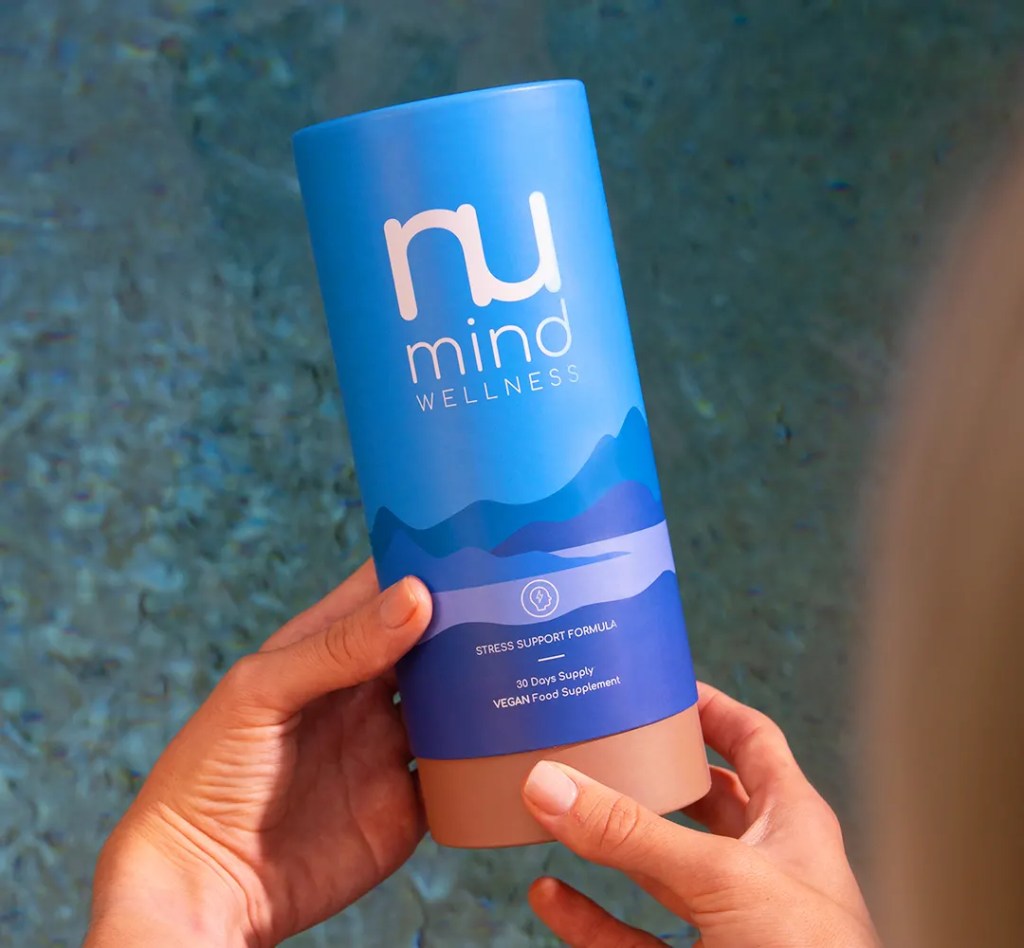
The First all-in-one Stress and Mild Anxiety Formula has launched: by Nu Mind Wellness Ltd.

(image: Nu Mind Wellness Ltd)

Nu Mind Wellness Ltd officially launched on October 25th 2021. The Nu Mind Stress & Mild Anxiety Support Formula (30 days) offers consumers 23 scientifically backed ingredients packed in 5 daily capsules to help alleviate symptoms of stressors on the mind and body. This all-in-one Stress & Mild Anxiety Support Formula is the first of its kind and is the most comprehensive supplement programme in the UK market for mental health.

Nu Mind Wellness Ltd will is offering free educational courses to its consumers on how to improve their mental health and overall wellness. Specifically, on how to improve nutrition, how to exercise correctly and how to improve one’s mental health. Each course has been written by experts in their respective fields.

A strong social mission is at the core of Nu Mind’s vision. Nu Mind Wellness Ltd has also partnered with 1% For The Planet. Nu Mind have pledged to donate 1% of their annual revenue to grass-root non-profits. In the first year these funds will be donated to One Tree Planted where they will be planting trees in vulnerable areas across the globe. As well as this, Nu Mind’s products are all 100% recyclable.

“We wanted to create the very best formula to help those busy individuals living a stressful life. Which is why we included 23 science backed ingredients to help you manage stress and recover from symptoms of anxiety”

  • Shona Wilkinson, RN, mBANT, CNHC

Shona is a registered nutritionist, specialising in the formulation and development of supplements. Shona is a member of the Professional Associations BANT (British Association for Nutrition and Lifestyle Medicine) and CNHC (Complementary and Natural Healthcare Council) as well as the Royal Society for Medicine

Features and benefits of the Nu Mind Stress & Mild Anxiety Support Formula include:

  • The first all-in-one stress supplement programme, packaged into 30 daily sachets
  • 23 scientifically backed ingredients, based on current scientific research
  • Free educational courses on how to improve mental health and wellness 
  • Charity partnership with a clear social mission
  • 100% recyclable packaging 
  • Vegan Friendly, Gluten Free, No Allergens
  • 50% cheaper than current alternative

The Nu Mind Stress & Mild Anxiety Support Formula (30 daily sachets) will be available from 25th October at £44.99. For more information, visit www.numindwellness.com. 


About Nu Mind Wellness Ltd

Let’s begin with our story. We are two brothers who have suffered from anxiety. From panic attacks, deliberately avoiding social situations and sleepless nights. For years we searched for ways to feel ‘normal’, only to find the internet’s answers unsatisfactory.

Given our personal experience and understanding of the battles of anxiety, we set out to give back and support those with similar struggles. Working alongside professionals, we have created the first all-in-one stress & mild anxiety support formula.

We aim to provide the first all-in-one stress and anxiety service; providing a supplement, educational wellness content and a like-minded community. This is the essence of Nu Mind.

Links to learn more:

This is a sponsored blog post from Nu Mind Wellness Ltd.

Building Trust in a Relationship: Steps You Can Take

Image courtesy of Pexels CC0 License

In a relationship, distrust may spread like flames in an inferno if not carefully contained. Trust, from both sides, is the very foundation of a relationship, and if that is broken, it can be very difficult to stay on an even keel. Here, we look at how you can build trust in a relationship and fix it if it is broken. 

#1 Be open about how you feel and express your vulnerability

If you require reassurance from your partner, and are in a safe, healthy relationship, express your need for it. Tell them if you are experiencing feelings of insecurity. Engage them in getting to know you, how they make you feel, and how you would like to make them feel as well. Be honest with yourself and with them about your goals, anxieties, and ambitions.

#2 Give your partner the benefit of the doubt and assume their intentions are good

They may not have done it on purpose – people make mistakes all the time, and they may not have meant to upset you. Do not automatically assume that they are trying to upset you; it is acceptable to raise concerns about their motives, but be open to the possibility that they made a minor mistake.

#3 Communicate and talk through your issues

Spend some time each day checking in with one another and talking through any problems that you have. It is easier to deal with problems when they are smaller rather than letting them build into something bigger. Approach it from the ‘I’ rather than the ‘you’. 

#4 Recognise that the past may influence how you feel

Consider the following: Is your lack of trust a result of your partner’s actions, your own fears, or a combination of the two? Always be on the lookout for unsolved issues from your previous relationships that may be causing mistrust in the present. If it is something that your partner has done in the past, perhaps cheating, for example, consider talking to an infidelity therapist to help both of you come to terms with the issues and overcome them. 

#5 Listen to your partner and their perspective

Take a look from their perspective. Ask them how they feel and how did they perceive this situation? What are their thoughts on the situation? What emotions did it elicit in them? What was their personal reaction to this? Sometimes looking at it from their perspective and considering their feelings can help you to deal with the problem more objectively. 

#6 Trust your gut feelings

There is an awful lot to be said about trusting our gut instincts and paying attention to red flags that pop up. If your gut is telling you something is wrong, pay attention and do not let it fester. If you do not deal with it, it will continue to grow and destroy the relationship. There could be a simple explanation, or your feelings might be completely right. Either way, confirmation is always better. 

Trust is the very fundamental of a relationship. Without it, there can be no relationship. Work through these tips and you will be able to build the trust that you have.

This article was written by a freelance writer.