If you have a loved one struggling with addiction, you know how it can be an arduous task to get them on the right path. It is imperative to try as best as you can to get your loved one or a friend out of the dark path. It takes commitment, endless struggles, and unconditional love to help a loved one out of their drug usage habit. However, it is imperative to know your approach and approach them with care and kindness. Show that you want to help, and don’t be judgmental. Your loved ones could count on your support during this difficult moment. There will always be obstacles that you can overcome together. You can use these few tips to help your loved one recover from addiction.
Expect Challenges
Helping a loved one struggling with addiction can be pretty hard. It can be tough if they are not ready to open up or seek help. Convincing them that they have a problem and should seek help should be a challenge to expect. They may also feel embarrassed discussing their problem and fear negative judgment. Your loved one may lack the will to change or do something about their drug usage. They may also have an underlying issue forcing them to seek salvation in drugs. Your loved one may also have a problem talking to a specialist or a counsellor about their drug problem. Be ready to face such challenges to determine your approach to help the recovering addict to seek help.
Know Your Approach
Your loved one is also human, and drug addiction shouldn’t change your feelings towards them. Please don’t treat them cruelly due to their addiction. It is imperative to note that drug usage is a habit that is an illness, and they need your help. . Approach them with care and keep their best interests at heart. Show them that you’re all about helping them, and drug rehab is not a bad idea for helping them get back on track.
Offer Support and Encouragement
Try and reason with your loved one in a calm and friendly manner. Show that they can count on you and that you care about them. You can only help a recovering addict through immense support and personal intervention. Encourage them to seek help and attend sobriety meetings. Ensure your presence throughout their journey as you handle the setbacks and challenges together, if they would like this.
Don’t give up even when the journey becomes difficult. Stay strong even when your loved one gives you enough reasons to quit or lose hope. Your efforts count in helping them cope with addiction and attempting to pave a successful path to recovery.
When the term addiction is mentioned, most people only think of drug addiction. However, there are also behavioural addictions, including; gambling, sex, exercise, eating, and shopping. When people start developing such behaviour, they never know they can be addicted until it gets too late. Once one is addicted to such behaviour or even drugs, coming back from it takes a while. It may even be years for some. Regardless of what you are addicted to, you may need to follow a particular path to ensure that your recovery is successful once you have decided to quit. Below are some tips that can help you in fighting any addiction.
Find the Right Support System
Addiction recovery is never an easy journey. You may, therefore, require all the help you can get. You can try contacting your family and friends and explain to them your situation. Ensure that those you reach out to for help will never judge you when you relapse. Instead, they will help you get on the recovery path once more.
Change Your Past Friends
When you were mid addiction, you may have found a clique of people who enjoyed the same activity, whether drugs, shopping, or gambling. It is vital to inform them of your new venture. If possible, you may need to stop associating with such people for a while, as they may be the source of your trigger.
Cut Off What Supports the Addiction
When you are a gambler, shopping, or drug addict, one thing that supports your lifestyle is money. You may need to ensure that you cannot have access to such finances. Therefore, you can talk to your bank or even spouse to ensure that the only money you can have access to is those you need for your bills. Having no cash to support your lifestyle may be a significant step towards recovery, but speak to a trained mental health professional about this too.
Join a Self-Help Group
If you are struggling with addiction such as gambling, drugs or sex, you may want to join self help groups. Self-help groups are composed of people who are going through the same journey as you. As such, they understand what you are facing and are there to support you on your road to recovery.
Avoid Triggers
There are those things that may constantly remind you of your addiction. For instance, when trying to recover from sex addiction, it would be wise to get rid of anything triggering. You may also need to avoid hanging out in drug-related areas when you are trying to quit drugs.
Having an addiction is a tricky thing. Luckily, there are people like Awakenings Health and Wellness Centre out there to help you out on your journey. When recovering and having a hard time with your addiction, you may need to check on the above tips to help you stay on course.
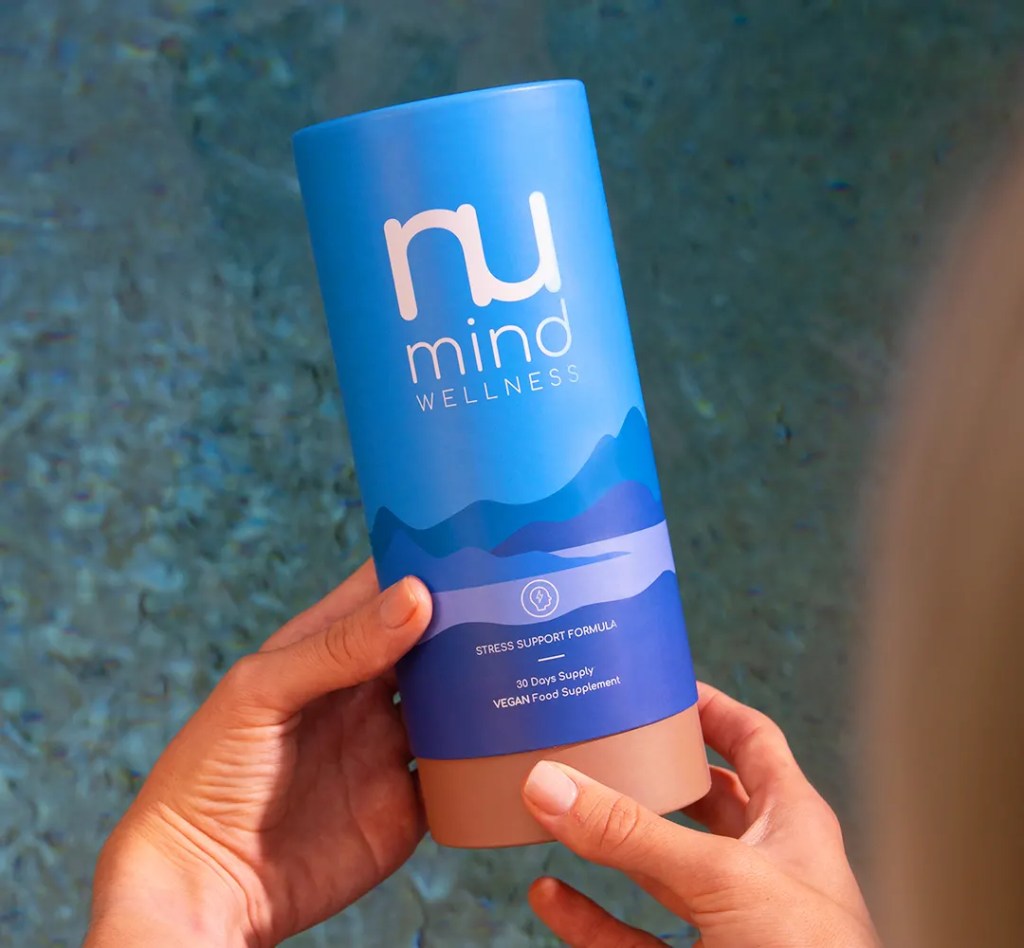
Nu Mind Wellness Ltd officially launched on October 25th 2021. The Nu Mind Stress & Mild Anxiety Support Formula (30 days) offers consumers 23 scientifically backed ingredients packed in 5 daily capsules to help alleviate symptoms of stressors on the mind and body. This all-in-one Stress & Mild Anxiety Support Formula is the first of its kind and is the most comprehensive supplement programme in the UK market for mental health.
Nu Mind Wellness Ltd will is offering free educational courses to its consumers on how to improve their mental health and overall wellness. Specifically, on how to improve nutrition, how to exercise correctly and how to improve one’s mental health. Each course has been written by experts in their respective fields.
A strong social mission is at the core of Nu Mind’s vision. Nu Mind Wellness Ltd has also partnered with 1% For The Planet. Nu Mind have pledged to donate 1% of their annual revenue to grass-root non-profits. In the first year these funds will be donated to One Tree Planted where they will be planting trees in vulnerable areas across the globe. As well as this, Nu Mind’s products are all 100% recyclable.
“We wanted to create the very best formula to help those busy individuals living a stressful life. Which is why we included 23 science backed ingredients to help you manage stress and recover from symptoms of anxiety”
Shona Wilkinson, RN, mBANT, CNHC
Shona is a registered nutritionist, specialising in the formulation and development of supplements. Shona is a member of the Professional Associations BANT (British Association for Nutrition and Lifestyle Medicine) and CNHC (Complementary and Natural Healthcare Council) as well as the Royal Society for Medicine
Features and benefits of the Nu Mind Stress & Mild Anxiety Support Formula include:
The first all-in-one stress supplement programme, packaged into 30 daily sachets
23 scientifically backed ingredients, based on current scientific research
Free educational courses on how to improve mental health and wellness
Charity partnership with a clear social mission
100% recyclable packaging
Vegan Friendly, Gluten Free, No Allergens
50% cheaper than current alternative
The Nu Mind Stress & Mild Anxiety Support Formula (30 daily sachets) will be available from 25th October at £44.99. For more information, visit www.numindwellness.com.
About Nu Mind Wellness Ltd:
Let’s begin with our story. We are two brothers who have suffered from anxiety. From panic attacks, deliberately avoiding social situations and sleepless nights. For years we searched for ways to feel ‘normal’, only to find the internet’s answers unsatisfactory.
Given our personal experience and understanding of the battles of anxiety, we set out to give back and support those with similar struggles. Working alongside professionals, we have created the first all-in-one stress & mild anxiety support formula.
We aim to provide the first all-in-one stress and anxiety service; providing a supplement, educational wellness content and a like-minded community. This is the essence of Nu Mind.
In a relationship, distrust may spread like flames in an inferno if not carefully contained. Trust, from both sides, is the very foundation of a relationship, and if that is broken, it can be very difficult to stay on an even keel. Here, we look at how you can build trust in a relationship and fix it if it is broken.
#1 Be open about how you feel and express your vulnerability
If you require reassurance from your partner, and are in a safe, healthy relationship, express your need for it. Tell them if you are experiencing feelings of insecurity. Engage them in getting to know you, how they make you feel, and how you would like to make them feel as well. Be honest with yourself and with them about your goals, anxieties, and ambitions.
#2 Give your partner the benefit of the doubt and assume their intentions are good
They may not have done it on purpose – people make mistakes all the time, and they may not have meant to upset you. Do not automatically assume that they are trying to upset you; it is acceptable to raise concerns about their motives, but be open to the possibility that they made a minor mistake.
#3 Communicate and talk through your issues
Spend some time each day checking in with one another and talking through any problems that you have. It is easier to deal with problems when they are smaller rather than letting them build into something bigger. Approach it from the ‘I’ rather than the ‘you’.
#4 Recognise that the past may influence how you feel
Consider the following: Is your lack of trust a result of your partner’s actions, your own fears, or a combination of the two? Always be on the lookout for unsolved issues from your previous relationships that may be causing mistrust in the present. If it is something that your partner has done in the past, perhaps cheating, for example, consider talking to an infidelity therapist to help both of you come to terms with the issues and overcome them.
#5 Listen to your partner and their perspective
Take a look from their perspective. Ask them how they feel and how did they perceive this situation? What are their thoughts on the situation? What emotions did it elicit in them? What was their personal reaction to this? Sometimes looking at it from their perspective and considering their feelings can help you to deal with the problem more objectively.
#6 Trust your gut feelings
There is an awful lot to be said about trusting our gut instincts and paying attention to red flags that pop up. If your gut is telling you something is wrong, pay attention and do not let it fester. If you do not deal with it, it will continue to grow and destroy the relationship. There could be a simple explanation, or your feelings might be completely right. Either way, confirmation is always better.
Trust is the very fundamental of a relationship. Without it, there can be no relationship. Work through these tips and you will be able to build the trust that you have.
I think that I put a lot of pressure on myself to be doing and achieving and living my best life. The truth is that this sometimes leads to overwhelm. I often try to run before I can walk as I am the eternal optimist… and then on the day anxiety (panic) takes over and I can’t do things.
This week though I have had extra pressures. I have had to deal with some medical things like my blood test for lithium (which I struggle to get to the surgery for), a potential job interview and my fears around social anxiety. Needless to say i have felt panicked and have had to self soothe, be kind to me and really look after myself. I am also working with an EMDR therapist.
So I thought I would create a list of things that I and you can do to be kind to ourselves! (inspired by googling and things that help me). Feel free to add in the comments!
Call a good friend and have a natter- always good to speak to those who love you for you non judgementally and don’t mind if you’re not having the best day.
2. Have a warm bubble bath or shower with your favourite shower gel/ bubble bath/ bath treats. I am a big fan of bath bombs. Theres something super relaxing about them and you’re taking care of yourself too! I love things with cosy vanilla scents personally.
3. Do not be hard on yourself or criticise yourself. Bad mental health is not your fault and tomorrow can always be a better day.
4. Talk compassionately to yourself if your anxiety is overwhelming. Do what you need to self soothe and look after yourself.
5. Make sure you get enough rest- its OK to curl up with a blanket and Netflix for a bit, or read a good book. making art can also be healing too.
6. Accept the way you are feeling and seek support from a trusted therapist, friend or family member. You are OK as you are. You just may need help to recover.
7. Cuddle a pet. I have two very sweet guineapigs who give wonderful cuddles.
8. Listen to soothing music- that you love..
9. Remember to be kind to yourself, look after your wellbeing if you are low or anxious.
10. Call a support line if you are in crisis– such as Samaritans 116 123
11. Get the help I need – understanding that it’s okay to need help and seek it out when necessary. There is always the option to try different forms of therapy such as EMDR therapy or other therapy depending on what is needed. Getting help is the best thing that we can do.
A daughter, struggling with mental health, is trying to cope with the death of her mother.
A father, recently released from prison, struggles to raise his teenage daughter as a single parent.
The Inquisitive is an independent British film that focuses on the extremely serious subject matter of teenage suicide and mental illness. The film is now working with multiple charities and organisations to bring more awareness to these issues and help make people understand why teenagers are suffering with such despair.
As with any film, we are in need of funding to help get it made. In 30-days, The Inquisitive is trying to raise £100,000 in order to give us the budget we need to make the film. We have budgeted accordingly and know there is a way we can make this a reality, however if we surpass this target, then we can make the film even bigger, better and draw in more famous faces to give the film the outreach it deserves so we can help raise even more awareness of these issues.
My name is Kelvin Richards, I am the writer/director of The Inquisitive and passionately believe that this film needs to be made. I appreciate there have been, and am sure will be, films about teenage mental health and suicide – but not like this. From the first day of deciding we were going to make this our next feature film, the team agreed the film couldn’t be ‘just another film about teenage suicide’, it had to be more than that, in both the way we make it and in the way we use it to help others. I want the film to have a lasting legacy that positively impacts the issues we focus on, and so we are teaming up with as many supporters as we can to help raise awareness of these issues and in-turn raise awareness for these organisations who’s aims are to help people struggling with mental health, or prevent those who sadly want to take their own lives. Two charities that have been a great asset to our cause have been The OLLIE Foundation (https://theolliefoundation.org/) and The Grace Dear Trust (https://thegracedeartrust.co.uk/) who have been of great help and I hope anyone in need can benefit from the services they offer for suicide prevention and mental health.
Before we begin, if this already sounds like a project you want to support then please feel free to find out more information and donate here – https://www.kickstarter.com/projects/kelvinrichards/the-inquisitive – we truly appreciate any donation you can afford to help us make this film.
The aim of The Inquisitive isn’t to cure teenage mental health issues, or suddenly stop the vast amount of teenage suicides the UK experiences every year. The aim is to raise awareness of these issues and try to help people who were unaware, appreciate and understand why certain teenagers feel the way they do, or choose to end their lives – and most importantly, get family and friends openly talking about these issues.
The film focuses on the story of Selena, a 15 year old girl who has lost her mother to cancer and is now being raised by her father who has been in prison for her entire life. But we don’t see Selena’s story right away, instead, we watch the story unfold through the eyes of Selena’s father, Paul. A man in his early thirties who is struggling to find a job and raise his teenage daughter. He tries his hardest to be a father and he does eventually find a job so we begin to get sidetracked by his story, and just as his story reaches its resolution, he comes home one night to find a suicide note from his daughter and later finds her body, having successfully carried out the horrific act. He, nor us as the audience can believe what is happening. Through experiencing the story alongside Paul, we ourselves have experienced how easy it is to miss the signs. “Every time we saw her, she was fine! She even cracks jokes! So why would she take her own life?”
Only now do we reveal Selena’s story. Only now do we get to experience her suffering. Only now, it’s too late.
I want the audience to experience the sheer helplessness family members experience in these tragic circumstances, and how the audience themselves even missed the signs whilst watching a film. So we now helplessly watch the same events unfold, but through the eyes of a teenage girl.
I feel this is the most powerful way of telling the story and what sets The Inquisitive apart. By using cinematic techniques we will make the film as immersive as possible to help audiences truly appreciate, understand and experience these issues. Selena’s character will break down social misconceptions and stereotypes. Although they are young, teenagers are not stupid. They know full-well the emotions they are feeling and we, as a society, need to come away from this mentality of “oh it’s just their hormones”, “It’s puppy love” or “It’s just teen drama” because that in its own right, is part of the problem. Selena doesn’t take her own life because of petty issues like ‘puppy love’ or because she’s ‘just sad today’, she thinks nihilistic thoughts. Suicidal ideologies on the pointlessness of life. For a teenager, or anyone for that matter, to take their own life, it’s not simply because they have a mental illness, it’s not simply just an impulse decision, it’s not simply because they are depressed, it’s because they have decided life is not worth living anymore. It is the peak of existential thought, and yet teenagers who have taken, or have tried to take their own life, are just seen as ‘stupid’. Far from it. The issue is, they aren’t talking about these thoughts, they are keeping them bottled up and so it spreads like a virus, poisoning their minds to the point where they can see no alternative but to end everything. Or if they are talking about it, they are struggling to get the help they need because families aren’t informed enough on what to do in these situations – and from there is a very vicious cycle that unfortunately sees almost 300 teenagers per year killing themselves.
So if we can make The Inquisitive, raise awareness of, and get people talking about these issues, then we as filmmakers will have achieved our vision of the film.
If you too believe in what we are trying to achieve then we would be truly grateful for any donation you can afford, all donations can be submitted on our funding campaign page here – https://www.kickstarter.com/projects/kelvinrichards/the-inquisitive – we have until the 10th November to raise £100,000 so every donation counts. From myself and all of the team, a huge thank you for taking the time to read this article.
(image: Charlotte Greaves/Twitter and Book by Matt Haig)
Today here in England has felt chilly, windy and cooler than the heatwave of a few months back. Its only the 1st September but there is that back to work. and school feeling, but also a feeling of cosiness.
I love this time of year. I never used to, with it getting darker earlier, but now I love the cosiness of Autumn- reading a good book, watching a good movie and snuggling under blankets with hot chocolate.
I normally use this to give updates on my mental health and write about how I am getting on. The truth is, I have been anxious at times and dealing with panic from time to time, so I have restarted therapy. However, so much of life is appreciating the good things so heres what I am loving..
You all know i love to read! I found this book online- I loved Matt Haigs book Reasons to Stay Alive, where he discusses his own depression. Its a book that has complete honesty and I found the same for his novel The Midnight Library. The Midnight Library- a novel by Matt Haig
(image: Box Tree Gift/ Publisher)
I had been a bit late to read this (it came out last year) but the book touched me so much! Its about Nora Seed, whose life unravels to the point where she begins to feel suicidal and wants to end her life. I won’t ruin the book but she ends up in a spiritual/ fictional library with her trusted school librarian Mrs Elm and she is able to try on parallel lives- What if she had married someone? Had children? had a different career? become famous? What if she had said or something different- what if her life choices led her to different events or people?
We follow Nora on her journey of self discovery and as she navigates her own life, mental health issues, and overcoming her challenges. She is guided by Mrs Elm and the whirring library of lives she finds herself in- which includes the ‘Book of Regrets.’
This book speaks to me on so many levels. My favourite quote is this,
‘The paradox of volcanoes is that they were symbols of destruction but also life. ..She wasn’t a black hole, she decided. She was a volcano. And like a volcano, she couldn’t run away from herself…she’d have to stay there and tend to that wasteland. She could plant a forest inside herself.‘- Matt Haig
Matt Haigs writing is so beautiful- and I think this book will be turned into a movie. I recommend it if you are feeling well (as it does talk about suicidal ideation, which could be triggering). Its a wonderful book and completely unique.
The library metaphor and parallel universe theory pervade throughout. Although I am useless at Physics, its an interesting theory that there could be parallel lives or universes.
I recommend this to those who wish to be inspired- its just a really exceptional piece of writing and it will touch many hearts.
Note: This is not a paid ad for the Midnight Library- I just read it and loved it so much!
A new bundle of joy in the family is indeed a happy addition. While welcoming a new baby is a joyous event, new mothers also have a lot of things to keep in mind. Not to mention, mothers have to make huge adjustments in their routines, schedules, and even hobbies just to make time for the baby.
New mothers are also recommended to get enough rest. However, with an infant to care for, most mothers would not even have much time for themselves. And that’s where fathers should step up.
New mothers need both physical assistance and emotional support. Baby care and household chores are part of physical assistance. Emotional support can be done in various ways. But letting new mothers have a day for themselves is more than enough. Caring for a baby could get exhausting, and having a self-care day can help mothers refresh and recharge themselves after a gruelling week.
Fathers, or partners, can always help in both aspects. But aside from simply volunteering to change diapers and give bottled milk, here are some more ways to assist new mothers:
Have Your Fair Share Of Chores
This is one of the main things that partners can do to help eliminate the stress and burden of new mothers. Most of the time, your wife may not be able to wash the dishes or mop the floors because she needs to attend to the baby.
So, why not volunteer to do the dishes every night? Or help with the laundry each week during your day off? Helping around the house will definitely lessen the physical stress for new moms. Offering to disinfect or sterilise the baby’s things is also a great idea. The extra time they get can be spent resting or bonding with the baby.
Cook or Order Takeout (takeaway)
Just like household chores, cooking also takes time. Most new moms don’t even have the time to think about meal prep or planning. So, might as well just take things into your own hands! You can volunteer to either prepare breakfast or cook dinner so your partner can get more sleep. If you’re working long hours and there’s not much time for you to prepare dinner at night, then offer to order takeout instead.
Offer A Spa or Massage Day
New mothers direly need, and would highly appreciate, a self-care day. Sending them off to a spa or massage session would definitely lift up their mood and calm their mind. Doing this at least once a month can help improve their mental and emotional state. Mothers need a break from all that baby care too! But make sure to have someone reliable enough to care for the baby while mom is away. You can volunteer to do it yourself but if you need to take care of work or other errands, then you may hire a nanny or leave the baby with grandparents or a trusted family member for the day.
If it’s not possible for you or your wife to go out to a spa or massage service, then you can book a home service instead. You can also plan and prepare a homemade bubble bath that your wife can soak and relax in!
(image: unsplash).
Avoid Adding More Pressure
New mothers might be overly conscious and anxious that they aren’t doing a great job with the baby and the house. On your part, you must also understand that they cannot fulfill household duties 100% all the time, since they also have a baby to care for.
So, if you see that the kitchen is not clean, floors are dirty and unswept, and the laundry is already piling up, don’t take it out on her. Instead, ask her which task she may need help with and communicate how you can work together to make sure that basic household duties are still maintained while also caring for the baby.
Appreciate What She Does
New mothers are always overwhelmed, but a simple appreciation will make them feel happier and secured. Many new moms are always thinking that they aren’t doing a good job (even if they are). So, don’t forget to remind them that they are doing great and that you appreciate everything she does for the house and the baby. Most of all, it’s best to remind them that as long as the baby is happy and healthy, then they’re doing more than a good job already.
Encourage Social Interaction
The mental and emotional stress that new mothers feel is sometimes caused by being cooped up in the house for too long. While she can spend more time bonding with the baby and communicating with you, remember that a healthy adult also needs a well-rounded social relationship.
So, encourage your wife to go out and see her friends over coffee sometimes! Recommend a mom group in your area that she may be interested in, or if your wife thinks she should see a therapist to help with postpartum depression or anxiety, then help her book a session.
A new mother would usually insist on being more hands on with her baby, and this is not a surprise, since it is just part of human nature. However, it does not mean that they don’t need the help and support from others—especially from a partner.
Assisting a new mother would not take much time, a simple gesture and moment of appreciation can already do wonders. However, it’s important to also help them with physical tasks to ease their stress and burden. Most of all, it’s important to do these things consistently.
Author’s Bio:
Jess Levine is an experienced writer who loves creating articles that can benefit others. She has worked as a freelance writer in the past making informative articles and fascinating stories. She has extensive knowledge in a variety of fields such as healthcare, technology, business, finance, marketing, personal development, and more.
Exercise, including personal training, helps to keep your body healthy and strong. However, did you know that physical activity can also improve your mental health?
Due to the current Covid-19 pandemic, mental health has become an increasingly popular topic of conversation, especially as people have been stuck at home trying to get through the seemingly interminable lockdowns.
So, what are the mental health benefits of exercising?
You feel a sense of achievement
Exercising on a regular basis can provide you with a sense of pride and satisfaction. Nevertheless, personal training requires:
Hard work
Determination
Perseverance
If you possess these qualities, you will not give up easily and this will enable you to significantly improve your mental wellbeing.
It can keep you calm
If you have a stressful job or challenging lifestyle, exercising is an excellent way of releasing a lot of the tension. Unfortunately, gyms can be overcrowded and this may even add to your stress. Private studios may be a better option as they only allow a few people in at a time and you will also have the benefit of a personal trainer supporting you. Even if the exercises are intense, the quiet and spacious room will keep you calm and focused.
A healthy alternative to anxiety and depression
Exercise, especially if performed regularly, can prove effective in helping you fight off anxiety and depression. Indeed, physical activity can work as a standalone treatment or in combination with medication and therapy.
The fantastic thing about exercise is that there are few if any side effects. In addition, compared with taking antidepressants or undergoing psychotherapy, you will not experience any form of stigma.
If you are having some issues with anxiety, exercising regularly can help reduce your tension. One of the main advantages of exercise as a form of treatment for anxiety and depression is that it incurs very few costs. Despite this, it can significantly improve your mental health.
It can halt or at least delay the onset of cognitive decline
Modern healthcare strategies have increased people’s life expectancy here in the UK. However, there has also been an increase in the number of cases of dementia and cognitive decline. Fortunately, physical activity can help protect you from this type of disease, or at least delay any further decline. Also, a regular workout can reduce your chances of suffering from depression by around 20–30%.
It will increase your mental resilience
Personal trainers have pointed out that many people tend to quit exercising after their first few days due to a lack of willpower. However, if you give up too easily and don’t stick to the programme, you may develop low self-esteem and depression. If you book sessions with a well-respected personal trainer, they will help you push on so that you go beyond your comfort zone. Indeed, as you get used to the routine, your mental fortitude will also be strengthened.
Regain your mojo
Your mojo is a quality that will attract people to you, make you successful and give you lots of energy. When people say they have lost their mojo, it means they have lost their enthusiasm and zest for life. Fortunately, a suitably designed training programme can help you regain your mojo.
Personal training supports self-improvement
In general, people like to see if they can improve themselves. Personal training can certainly help in this regard, especially when it comes to self-confidence. When you complete an assigned exercise routine, it gives you the confidence to extend yourself even when confronted by a difficult challenge.
How much exercise do I need?
To achieve the best possible results from your physical activity, you need to do it on a regular basis. The NHS recommends that you perform at least a 2½-hour intense workout every week or 30 minutes of exercise per day. Although this may seem daunting, especially if you are a beginner, as you get used to the routine, it will become much easier.
Physical training is a good start
Bearing in mind the current Covid-19 situation, it is no longer advisable to exercise in a crowded gym. Fortunately, physical training offers you some elbow room. Due to the wide open space, you can focus on doing your exercises with little or no distraction. And, by practising social distancing while you perform your physical activities, you will also gain peace of mind.
Conclusion
As well as looking after your body, it is imperative that you take care of your mind as otherwise, you may potentially find yourself requiring a significant amount of medication or therapy. However, exercise, including physical training, is a healthy way of helping mental health conditions such as anxiety, depression and dementia. You can also obtain some notable benefits from your physical activity, ranging from feelings of accomplishment to regaining your self-confidence. Remember, it is vital that you start exercising as soon as possible in order to improve both your physical fitness and your mental wellbeing.
Note from Eleanor: it is important to note that if you are very unwell, exercise may not feel achievable. Be kind to yourself and look after your energy.
8 weeks ago when I last wrote, we were about to move into our new home. We have now been settled in and been there 5 weeks. It is so exciting and we have been overwhelmed with love. Moving though is a big life change and has triggered my mental illness again.
Lurking under the surface is my Bipolar/ PTSD anxiety disorder. If I do a lot and am more active, I can’t cope. I always try and do more than I am able and then end up crashing into panic- insomnia, racing anxious thoughts mainly and having to cancel plans. Social anxiety becomes heightened. Last week, I went to my mother in laws in Essex three times and also went to a family wedding (which was so special!). Both were lovely, but on Saturday night, my anxiety was triggered, thinking about going back home and socialising the next day- and my body and mind said Enough. This is too much.
Being on your own when you’re anxious and can’t sleep (but everyone else is) is one of the worst places to be. I actually posted an Instagram message at 6am about how I was feeling because I didn’t want to wake anyone up. People were really kind. I slept for maybe 2 hours and felt teary and emotional on Sunday, but had support from Rob and my family too.
The past few days my anxiety has been unleashed and remains high. I am writing this from my Mums house today as I didn’t want to be on my own again working in our flat . I have booked a session in with my therapist too because I am waking up feeling panicked. Its like my body and brain are trying to protect me from something, an old fight or flight response. I keep having regular panic attacks where I shut down, cry and hide in bed. Speaking to my therapist I know will help me process and clear the triggers behind whats going on.
Living with this is debilitating- but I will not be beaten. I will keep doing all I can to improve my low mood and anxiety, to keep going despite any setbacks and to try to heal my mind and soul so I can feel more confident and happier again.
Thanks for reading, I send love to anyone struggling













 beurownlight.com