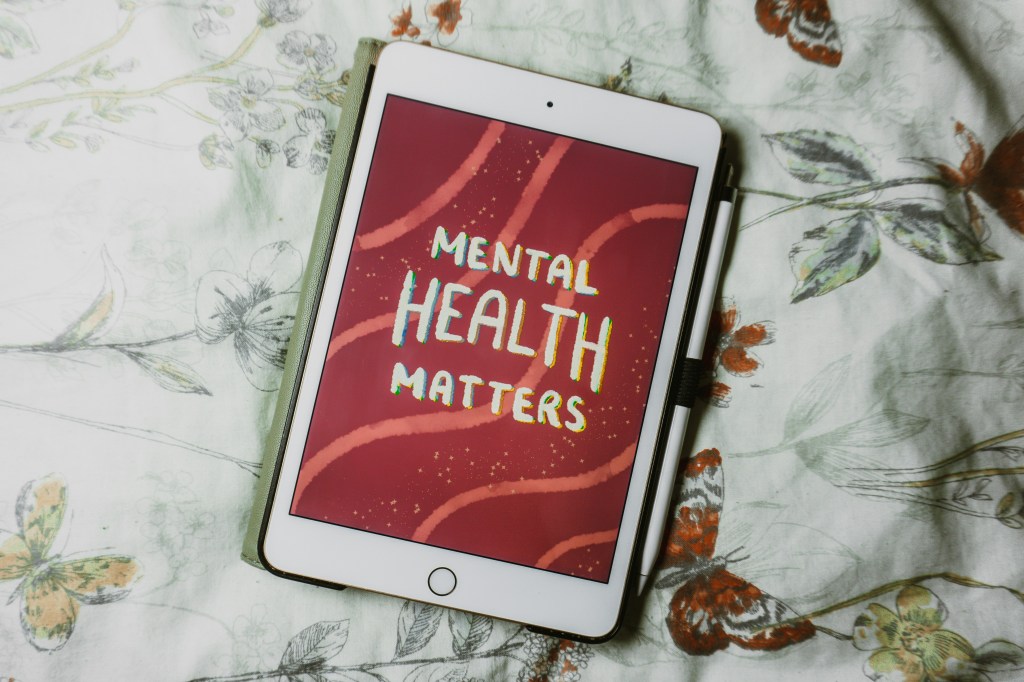
Dual-Diagnosis Care: Tackling Addiction and Mental Illness Together by Elizabeth Howard

(Image: Unsplash)

A dual diagnosis occurs when an individual simultaneously struggles with a mental health disorder and a substance use disorder. Far more common than many realise, dual diagnoses can involve combinations such as depression and alcohol dependence, anxiety and benzodiazepine misuse, bipolar disorder coupled with stimulant abuse, or PTSD alongside opioid addiction. Attempting to treat one condition in isolation while neglecting the other typically leads to inadequate results and higher relapse rates. Dual-diagnosis care addresses both issues in tandem, recognising the complex interplay between mental health and addiction. Below, we explore five essential components of an effective, integrated treatment approach that fosters sustainable recovery.

Understanding the Link Between Mental Health and Addiction

Self-medication is a common pathway to substance misuse: someone experiencing chronic anxiety may reach for alcohol to calm racing thoughts, while an individual with untreated depression might use opioids to numb emotional pain. Unfortunately, what begins as short-term relief often worsens underlying psychiatric symptoms. Alcohol, for example, disrupts sleep and brain chemistry, intensifying anxiety or depression over time. Conversely, the guilt, shame, and isolation that emerge from addiction can spark or aggravate mood disorders.

Recognising this bidirectional relationship is critical in dual-diagnosis care. Clinicians assess not only which substance came first, but also how each condition fuels the other. By identifying triggers—whether social stressors, traumatic memories, or genetic vulnerabilities—therapists can help patients develop healthier coping strategies. Early psychoeducation enables individuals to see how their mental health and addiction are intertwined, fostering motivation to engage in comprehensive treatment.

Comprehensive Assessments for Accurate Diagnosis

Misdiagnosis is rampant in dual-diagnosis cases: withdrawal symptoms can mask depression, and manic episodes may be mistaken for cocaine highs. To avoid these pitfalls, providers conduct thorough biopsychosocial evaluations that delve into psychiatric history, substance use patterns, family dynamics, medical background, and co-occurring health issues. Standardised screening tools—such as the PHQ-9 for depression, GAD-7 for anxiety, CAGE for alcohol misuse, and the Addiction Severity Index—offer structured insights that guide diagnostic clarity.

Laboratory tests and, when indicated, neuroimaging can reveal medical complications—like liver dysfunction in heavy drinkers or neurochemical imbalances in long-term stimulant users. Ongoing assessments throughout treatment help clinicians monitor progress, adjust medication, and refine therapy goals. An accurate, layered diagnosis ensures that neither the mental health disorder nor the addiction is minimized, laying the groundwork for a cohesive care plan.

The Role of Integrated Treatment Plans

Unlike traditional models that silo psychiatric care and addiction treatment, integrated plans bring multidisciplinary teams together. Psychiatrists, addiction medicine specialists, psychologists, social workers, and certified peer support counsellors collaborate on a unified treatment blueprint. Core elements may include:

  • Medication management to stabilise mood disorders and reduce cravings (for instance, SSRIs for depression and buprenorphine for opioid dependency)
  •  Evidence-based psychotherapies such as cognitive-behavioral therapy (CBT), dialectical behavior therapy (DBT), and trauma-focused interventions for PTSD
  • Group therapy sessions that address both substance use behaviours and coping skills for anxiety or mood regulation
  • Family therapy and psychoeducation to repair relationships and build a supportive home environment
  • Holistic modalities—mindfulness training, yoga, nutritional counseling—aimed at restoring overall well-being

Coordinated care prevents mixed messages and redundant treatments. When each provider shares a common set of goals and progress metrics, patients receive consistent guidance, and their support network remains informed and engaged.

(image: Alysha Rosly, Unsplash)

Flexible Care Through Programs Like the Intensive Outpatient Program

Not everyone with a dual diagnosis needs round-the-clock residential care. For those with strong support systems, manageable symptom severity, and stable living conditions, outpatient solutions can strike the right balance. A reputable intensive outpatient treatment program offers structured therapy multiple times per week, while allowing individuals to live at home and maintain work or family responsibilities.

These programs typically include group counselling, individual therapy, psychiatric check-ins, and relapse prevention workshops. They serve as a transitional step either before entering less intensive outpatient care or following discharge from an inpatient facility. Flexible scheduling and a mix of virtual and in-person sessions accommodate diverse lifestyles, enabling more people to access high-quality dual-diagnosis treatment without uprooting their lives. In the UK, these were known as ADTU units attached to hospitals, but there are less of these on the NHS.

The Importance of Ongoing Support and Aftercare

Recovery from a dual diagnosis doesn’t end when formal treatment ends. Long-term success hinges on robust aftercare and relapse prevention strategies that recognize recovery as a lifelong process. Essential components of sustained support include:

  • Peer support groups—such as Dual Recovery Anonymous or integrated 12-step fellowships—that offer lived-experience encouragement
  • Regular outpatient counselling or case management to address emerging challenges and adjust treatment plans
  • Medication-assisted maintenance, when appropriate, to stabilise chronic mental health conditions and prevent relapse
  • Life-skills workshops for stress management, financial planning, and vocational training to strengthen daily functioning
  • Digital tools and telehealth check-ins that enhance accessibility, especially for those in remote areas

Family involvement remains vital: ongoing family therapy sessions and education empower loved ones to recognize early warning signs and respond effectively. Community resources—like sober living homes and recreational recovery programs—further enrich social support, reducing isolation and reinforcing positive lifestyle choices.

Conclusion

Effective dual-diagnosis care transcends the simplistic view of treating mental illness and addiction separately. By acknowledging their deep interconnection, clinicians can offer comprehensive assessments, integrated treatment plans, flexible program options, and enduring aftercare. Whether delivered through residential facilities or outpatient settings, these five components—link recognition, accurate diagnosis, collaborative treatment, adaptable program structures, and sustained support—equip individuals with the skills and stability needed for lasting recovery. Embracing a holistic, patient-centered approach that addresses the whole person, not just isolated symptoms, paves the way for renewed health, purpose, and hope.

This article was written by Elizabeth (Lizzie) Howard, writer and contains a sponsored link.

Doctor’s Insights: Navigating Life With Bipolar Disorder By Dr Antti Rintanen MD Of The Internet Doctor

(image: Emily Underworld: Unsplash)

Living with bipolar disorder can often feel like your emotions are swinging between two extremes. The highs (mania) can be energising but risky, and the lows (depression) can be draining and isolating. As a doctor, I’ve worked with many patients who face this condition—and I’ve seen firsthand how the right tools, treatments, and habits can lead to a more stable and fulfilling life.

What Is Bipolar Disorder?

Bipolar disorder is a mental health condition marked by episodes of depression and mania or hypomania. These mood shifts can affect how a person thinks, feels, and acts. It’s more than just having a bad day or being in a good mood—it can seriously impact relationships, work, and daily functioning.

According to the World Health Organisation, bipolar disorder is one of the top causes of disability for people between 15 and 44 years old.

Medications: The Backbone of Treatment

Most people with bipolar disorder need medication to help manage their symptoms. Lithium, for example, has been used for decades and is one of the most reliable treatments to prevent manic episodes and reduce the risk of suicide. Other options include other mood stabilisers and certain antipsychotic medications.

It’s really important to stick with your medication plan. Stopping suddenly—even if you feel better—can cause serious setbacks. Never adjust or stop medications without medical supervision—even if you’re feeling better, as this significantly increases the risk of relapse, especially into mania. If you have side effects, don’t stop on your own—talk to your doctor about switching or adjusting your dose.

How Therapy Helps

Therapy can help you understand your thoughts, manage emotions, and build better habits. One helpful option is Cognitive Behavioural Therapy (CBT). It teaches people to recognise unhelpful thought patterns and replace them with healthier ones. CBT is especially useful for managing depression and maintaining stability between episodes, though it is less effective during manic phases.

Another type of therapy, called Interpersonal and Social Rhythm Therapy (IPSRT), focuses on keeping your daily schedule steady—especially your sleep and social routines. Why does this matter? Because disruptions to your daily rhythm can trigger mood episodes.

Family-focused therapy also makes a big difference. When your loved ones understand your condition and know how to respond, you’re more likely to stay on track. If you face trauma around your condition, then EMDR therapy can also help with any PTSD or anxiety symptoms.

These therapies don’t replace medication, but they add valuable tools for coping, improving communication, and building resilience.

Everyday Habits That Make a Difference

Beyond medication and therapy, lifestyle habits have a huge effect on mood. Here are a few evidence-based strategies:

  • Stick to a regular sleep schedule. Going to bed and waking up at the same time helps stabilize your mood.

  • Get moving. Exercise—even walking—has been shown to lift mood and reduce stress.

  • Eat well. Omega-3 fats (like those found in fish or flaxseed) may support brain health. While the evidence is mixed, some studies suggest they could help support mood as part of a healthy diet.

  • Manage stress. Mindfulness, breathing exercises, or journaling can help you stay grounded.

  • Avoid alcohol and drugs. These can interfere with treatment and trigger episodes.

It’s worth remembering that lifestyle changes work best alongside—not in place of—medication and therapy. These small, daily actions help support long-term stability and overall well-being.

Pay Attention to Early Warning Signs

Everyone’s symptoms are different, but common early signs of mania include less need for sleep, racing thoughts, and impulsive decisions. Signs of depression may include feeling hopeless, withdrawing from others, or sleeping too much.

Keeping a mood diary or using an app can help track how you’re doing. You might also ask a trusted friend or family member to gently point out changes you might not notice.

Build a Strong Support System

Having a support system—whether friends, family, or a support group—makes a real difference. Research shows that people with strong social support tend to manage bipolar disorder better and have fewer hospitalisations.

It also helps when your loved ones are informed and involved. When people understand what you’re going through, it’s easier for them to support you in ways that actually help.

Final Thoughts

Living with bipolar disorder isn’t easy, but it’s manageable. With the right treatment, daily routines, emotional awareness, and a good support network, it’s absolutely possible to live a meaningful and empowered life.

You are more than your diagnosis. And there are tools—backed by science—that can help you thrive.

About the Author

Dr. Antti Rintanen is a licensed physician from Finland and founder of The Internet Doctor, where he shares reliable, accessible health advice. He writes about both physical and mental well-being with a focus on evidence-based care.

Road to Recovery: 5 Ways To Combat Addiction by Lauren Perry.

(image: free image)

Addiction is a multifaceted problem that can impact individuals from all walks of life, irrespective of their age, gender, or background. Whether it’s substance abuse, alcohol addiction, or behavioural disorders, seeking help is the first step to recovery. In this article, we will explore five ways to combat addiction and pave the way to a healthier, addiction-free life. Whether you’re personally grappling with addiction or you’re supporting someone on their path to recovery, these insights will provide valuable guidance for understanding and combating addiction effectively.

Seek Professional Help

The journey to recovery from addiction frequently commences with the essential step of seeking professional help. Therapists, counsellors, and healthcare providers play pivotal roles in guiding individuals toward a healthier, addiction-free life. For those dealing with co-occurring mental health and substance abuse disorders, specialised treatment centers, known as dual-diagnosis treatment centers, offer a higher level of care and a tailored approach to recovery. These centers are equipped to assess and address the root causes of addiction, including the often complex interplay of underlying mental health issues.

Build a Support System

In the journey of addiction recovery, building a robust support system is an invaluable asset. Building a support system involves connecting with loved ones and friends or engaging in support communities, like Alcoholics Anonymous (AA) or Narcotics Anonymous (NA). The path to recovery is undeniably challenging, and having a network of individuals who understand and care can make a significant difference.

Sharing experiences and challenges with others who have faced similar struggles can provide a unique bond and a sense of belonging, reducing feelings of isolation and alienation that often accompany addiction. This shared journey toward recovery cultivates a sense of hope and resilience, proving to individuals that they are not alone in their pursuit of a healthier, addiction-free life.

Cognitive-behavioral therapy (CBT)

Behavioral therapy (CBT) is a known and highly effective method used in addiction treatment. CBT zeroes in on identifying and transforming negative thought patterns and behaviors intricately linked to addiction. Through collaboration with a therapist, people gain the ability to explore the seated origins of their addiction, which are frequently connected to past events or instances of trauma.

This profound self-reflection is a crucial initial step toward recovery. CBT equips individuals with the tools to challenge and modify self-destructive habits and beliefs, empowering them to break free from the cycle of addiction and pursue a life of lasting sobriety. CBT is not merely a therapeutic intervention; it’s a transformative journey that enables individuals to regain control over their lives, nurturing emotional resilience and self-awareness as they navigate the path to recovery.

Medication-Assisted Treatment (MAT)

Medication-assisted therapy (MAT) contributes to aiding individuals in their quest to conquer addiction. This comprehensive strategy combines counselling and behavioural therapies with specific medications designed to reduce cravings and alleviate withdrawal symptoms. Substances like methadone, buprenorphine, and naltrexone can be prescribed as part of MAT, tailored to an individual’s unique needs. MAT is a significant aid in addressing the physical aspects of addiction, facilitating a more comfortable and effective journey toward recovery. By helping to manage the intense cravings and symptoms of withdrawal, MAT can make the process more manageable and increase the chances of successful, long-term recovery.

Lifestyle Changes and Self-Care

In the pursuit of addiction recovery, the role of lifestyle changes and self-care cannot be overstated. A healthy lifestyle is a cornerstone for maintaining lasting recovery. Incorporating regular physical activity, adopting a balanced diet, and ensuring adequate sleep are fundamental steps in restoring both physical and emotional well-being. These changes not only promote physical health but also contribute to emotional stability, fostering a more robust foundation for recovery. Additionally, self-care practices such as mindfulness meditation, yoga, and stress management techniques play an instrumental role in reducing the risk of relapse.

By nurturing mental and emotional resilience, individuals can better cope with the challenges they may encounter on their journey toward a healthier, addiction-free life. These practices instill the necessary tools to manage stress, anxiety, and other emotional triggers, ultimately enhancing an individual’s ability to make healthy choices and maintain a life free from addiction.

Conclusion

Overcoming addiction is a demanding yet crucial path for individuals battling it and their families. Seeking professional help, building a support system, engaging in therapies like CBT, considering medication-assisted treatment, and adopting a healthy lifestyle can significantly improve the chances of recovery. It’s important to remember that addiction is a treatable condition, and with the right strategies and support, a fulfilling, addiction-free life is achievable.

This article was written by Lauren Perry.

Finding A Sense Of Belonging, Where No One Wants To Belong: On a Psychiatric Ward by Katie

(image: Kelly Sikkema: Unsplash)

In 2021, I was hospitalised for the second time in my life, due to an acute psychotic episode as a result of my then-recent diagnosis of Bipolar Disorder (Type One). Hospitalisation is one of the scariest, most unsettling periods of time but – a sometimes – necessary stage to recovery. I was so deep within my psychosis for the first week of my admission that I was quite oblivious to my surroundings and the people I was sharing the space with.

However, when my psychosis started to subside and I began to return to my true self, more free from delusions and mania, I was struck with a strong feeling of not belonging. I felt truly and utterly lost. 

My ward was made up of around fifteen other women, with varying diagnosis, in differing mental states and from different walks of life. Yet, somehow I still felt like an outsider.

At first I was trying to think why. Was it because I was a Northerner in a Southern hospital? Was it because I was one of few that was the same ethnicity as myself? Was it that I was younger than most? There were so many factors that could have been the result of me feeling at a loss and not finding belonging.

Ultimately, no one wants to feel like they belong inside a psychiatric hospital. However, I believe there is merit in feeling like you have a place and in finding a sense of belonging helped me to have grounding and a base that wasn’t initially there. 

Here are a few factors, of which helped me to find belonging:

  1. Acceptance – A lot of my initial struggle was the complete denial, fuelled mainly by my delusional thoughts, that I wasn’t mentally ill and I was in the wrong place. The acceptance that I was a patient in a place that was designed to help me was a key turning point within my recovery. I belonged and thus was worthy of treatment and a future. 
  1. Routine – Although I grappled with feeling like I was becoming institutionalised, I think sticking to the routine of the ward was really important. Asides from the benefits of attending meal times, having the structure meant seeing familiar faces, both staff and patients and having positive interactions. 
  1. Involvement – Attending the therapy sessions that were available were so beneficial. My ward had a brilliant occupational therapist and other specialists that would come in to do structured sessions such as music therapy, cooking or yoga classes. Again, I got to see familiar faces and it brought with it a sense of community. 
  1. Authenticity – One of my biggest struggles throughout both manic, and depressive periods, is finding it hard to connect to my true authentic self. Reconnecting to myself and allowing myself to just be me meant that I felt more relaxed and at ease.

Finding this sense of belonging in a place where no one wants to belong ultimately gave me the grounding to go forward and look forward to a brighter future. 

Katie is a freelance writer who lives with bipolar disorder in recovery and has courageously shared her experiences of being hospitalised here.