Celebrating Small Victories: The Importance of Milestones In Outpatient Rehab by Rianne Hunter

(image: Pexels:)

In the journey of outpatient rehab, recognising and celebrating each small victory plays a pivotal role in both motivation and recovery. These milestones, no matter how small they may seem, serve as important markers of progress, offering encouragement and a sense of achievement to those on the path to recovery. Each step forward, regardless of its size, can significantly impact the overall success of rehabilitation. This philosophy not only fosters a positive environment but also strengthens the resolve of individuals to continue striving for their ultimate goal of full recovery.

The Power of Acknowledgment

Acknowledging and celebrating small victories may seem insignificant in the grand scheme of things, but it can have a powerful impact on one’s outlook and determination. In outpatient rehab, where the recovery journey can be long and challenging, even the smallest progress should be praised and recognized. This acknowledgment serves as a reminder that each step taken is a valuable and meaningful effort towards healing. It also helps individuals to focus on the present moment, rather than dwelling on past struggles or future worries.

Boosting Motivation

In outpatient rehab, motivation is a key factor in achieving successful outcomes. By celebrating small victories, individuals can maintain their motivation and drive throughout the rehabilitation process. Each accomplishment reinforces their determination and propels them forward towards their ultimate goal. When individuals feel recognized and supported, they are more likely to remain committed to the rehabilitation process and push through any difficult moments.

Building Confidence

As individuals progress through their outpatient rehab program, each milestone reached builds confidence in their abilities and strength. These small victories serve as evidence that they are capable of overcoming challenges and making positive changes in their lives. With each success, individuals are encouraged to set higher goals and push themselves further. This confidence boost can have a lasting impact on their recovery journey and beyond.

Celebrating Together

The power of celebrating small victories is not just limited to the individual in outpatient rehab but also extends to their support system. Family members, friends, and healthcare professionals all play an essential role in providing encouragement and recognition for achievements. By coming together to celebrate each milestone, a sense of community and support is fostered, creating a positive and uplifting environment for the individual in rehab.

Celebrating small victories may seem like a simple act, but its impact on outpatient rehab cannot be underestimated. Each milestone reached serves as a stepping stone towards full recovery and should be recognised and celebrated. By acknowledging these small victories, we can create a more positive and empowering experience for individuals in rehabilitation and help them to achieve their goals with confidence and motivation.

Rianne Hunter is a wife, mother of three, and an independent blogger who writes for a broad range of topics and publishers.

Eating Disorder Treatments to Consider if You Think a Friend May Be Struggling by Anita Ginsburg

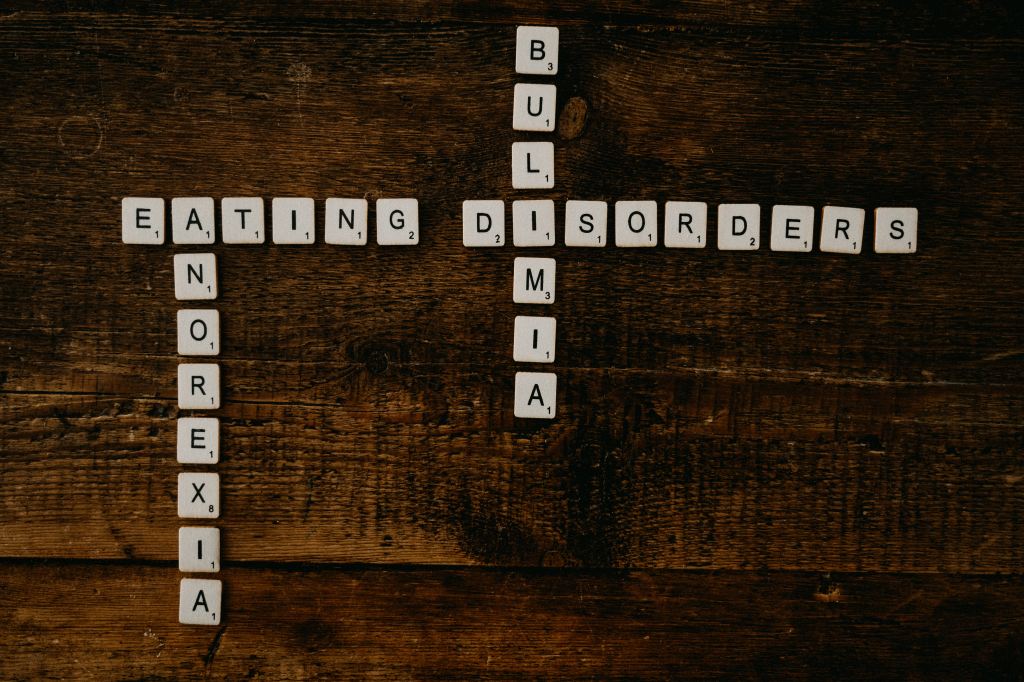
(image: Hannah Busing: Unsplash)

Eating disorders are serious mental illnesses that affect millions of people worldwide. These disorders can have a devastating impact on a person’s physical health, mental well-being, and quality of life. If you think a friend may be struggling with an eating disorder, it is important to seek help as soon as possible. There are many different types of treatments available for eating disorders, and the right approach will depend on the individual’s unique needs and circumstances. This blog post will discuss some of the most effective eating disorder treatments to consider if you think a friend may be struggling.

Inpatient Treatment

Inpatient treatment is a highly specialised form of care that involves staying in a hospital or residential facility. This type of treatment is typically recommended for individuals who are experiencing severe eating disorders and need intensive support and supervision.This inpatient eating disorder treatment may include medical monitoring, individual and group therapy, and nutritional counselling. This approach can be highly effective in helping individuals regain weight, learn new coping skills, and develop healthier eating habits.

Outpatient Treatment

Outpatient treatment is another option for individuals who are struggling with an eating disorder. This type of care involves visiting a mental health clinic or hospital on a regular basis for counselling and other therapies. Outpatient treatment may be appropriate for individuals who are in the early stages of recovery, or who have a less severe eating disorder. It can also be a good option for those who need to balance treatment with work or other responsibilities.

Cognitive Behavioural Therapy

(CBT) Cognitive behavioural therapy (CBT) is a widely used form of psychotherapy that has been shown to be effective in treating eating disorders. This approach focuses on identifying and changing negative thought patterns that contribute to disordered eating behaviours. CBT can be used in both inpatient and outpatient settings, and may be combined with other types of therapies to create a comprehensive treatment plan.

Family-Based Treatment

(FBT) Family-based treatment (FBT) is a specialised approach to treating eating disorders in children and adolescents. This approach involves the entire family in the treatment process and is designed to help parents and caregivers support their child’s recovery. FBT has been shown to be highly effective in treating anorexia nervosa, and may also be used to treat other types of eating disorders.

Nutritional Counselling

Nutritional counselling can be an important component of eating disorder treatment. This type of therapy involves working with a registered dietitian to develop a healthy eating plan that meets the individual’s specific needs and goals. Nutritional counselling may be used in conjunction with other types of therapies, such as CBT, to create a comprehensive treatment plan.

Eating disorders are complex and challenging to treat, but with the right help, recovery is possible. If you think a friend may be struggling with an eating disorder, it is important to seek professional help as soon as possible. Inpatient and outpatient treatment, cognitive behavioural therapy, family-based treatment, and nutritional counselling are all effective options to consider.

Remember, recovery is a journey, and it may take time and patience to achieve lasting results. With the right support and treatment, your friend can learn to overcome their eating disorder and live a happy, healthy life.

If you’re in the UK please see the following charity to help too: https://www.beateatingdisorders.org.uk/ as we approach Eating Disorders Awareness Week.

This article as written by Anita Ginsburg and contains a non sponsored link.

Soul Bird- India Arie’s Teaching and Life Changes by Eleanor

(Image: Be Ur Own Light Blog made on Canva).

So what is a soul bird?

You know a soul bird by the intention with which they live their life. Us soulbird’s are seeking to give life to our wings and wings to our dreams.

With the intention of making our world a better place.

One person at a time beginning with OURSELVES!

A soul bird can be a thinker, a dreamer, a lover, a warrior, a spiritualist, a seeker, a teacher, an adventurer, an artist, a helper, a doctor, a mom or dad. See the thing is its not WHAT you do, its WHY you do what you do.  

Simply put a soulbird is a person living with the intention, growing, rising up, elevation, because we know that like Ghandi said ‘we must be the change we wish to see in the world’. Lets spread the wings of our souls and elevate.’

– India Arie.

10 years ago, I wrote this teaching by the singer and spiritualist India Arie on my old blog ‘Mirror of my World’. I was 25, just 6 months before I became really ill with my bipolar again and India was like this big sister I had never met but she spoke to my soul. I was a soulbird then and despite so much time elapsing, I feel like one now. Everything that I do (most things) are intentional and to help others- in my work life and I try to do so in my personal life too.

I am going through a lot of changes in my life right now. The pieces that came together with my career, physical health and other things (like our move) seem to be drifting apart. However, I know this is temporary and change will come. My dreams will manifest and things will get better, but it is hard when you are in an uncertain place and things can feel overwhelming.

Until I feel ready to write and open my heart fully, sometimes its good to look back and see who you were, are and who you are becoming.

Keeping dreaming, holding love in my heart and ten years later, I have the partner I need who supports me and is kind. Despite some losses that I am feeling keenly today, I know I have the support of my husband and family and good friends, as well as a supportive therapist, which means the world. I am lucky and I know that this too shall pass.

Ellie x

How To Safely Treat An Eating Disorder by Lizzie Weakley.

(image: Annie Spratt: Unsplash)

Eating disorders are complex mental health conditions that require a multi-dimensional approach to treatment. They can affect people of all ages, genders, races, and backgrounds, causing severe emotional and physical distress if left untreated. The good news is that there are many safe and effective treatment options available to those struggling with eating disorders. This article will explore some of the most effective ways to safely treat an eating disorder, including therapy, medication, nutrition counselling, and support groups.

Eating Disorder Treatment Therapy

One of the most important aspects of care is eating disorder treatment therapy. There are different types of therapy available to those struggling with an eating disorder, such as cognitive-behavioural therapy (CBT), dialectical behaviour therapy (DBT), and family-based therapy (FBT). These therapies can help individuals identify and change distorted thoughts and behaviours around food, body image, and weight. CBT is particularly effective in treating individuals with anorexia nervosa and bulimia nervosa, while DBT can help those struggling with binge eating disorder and emotional dysregulation. FBT is a family-based approach to treating eating disorders in adolescents and children, which focuses on empowering the family to help the individual recover.

Medication

Medication may also be prescribed to individuals with eating disorders, particularly those with comorbid conditions such as anxiety or depression that are affecting their recovery. Antidepressants can help reduce symptoms of depression or anxiety, while antipsychotics may be prescribed for those with severe symptoms of body dysmorphia, or the distorted belief that their body is flawed. However, medication should be used alongside therapy and other forms of treatment, and under the close supervision of a medical professional.

Nutrition Counselling

Nutrition counseling can be an important part of eating disorder treatment, particularly for those with severe malnutrition or gastrointestinal problems. A registered dietitian can help individuals create a balanced and customized meal plan, learn about appropriate portions, and manage food fears and weight concerns. Nutrition counseling may also include education around mindful eating, intuitive eating, and healthy coping mechanisms. However, it is important to note that nutrition counseling alone is not sufficient for treating eating disorders.

Support Groups

Support groups can be a valuable resource for individuals struggling with eating disorders, as they provide a safe and non-judgmental environment for sharing experiences and gaining support. They can be particularly beneficial for those who cannot afford or access individual therapy, or who prefer a group format. Local and online support groups are available, and many are free or low-cost. Support groups can also provide a sense of community and belonging, which can be helpful in reducing feelings of isolation and loneliness.

Eating disorders can be devastating, but there is hope for recovery. Treatment may involve a combination of therapy, medication, nutrition counselling, and support groups, depending on the individual’s unique needs and circumstances. Recovery is a journey, and it may take time and patience, but with the right support and resources, it is possible. If you or someone you know is struggling with an eating disorder, reach out to a healthcare professional for help. Remember, you are not alone.

Lizzie Weakley is a freelance writer from the USA.

It’s Not Just The Therapist or Psychiatrist Alone: Why Treatment Centres Matter in Mental Health.

(Image: David Travis at Unsplash)

It’s not just the therapist or psychiatrist alone. The treatment centre/hospital matters in mental health.. It’s not that therapists are bad or unimportant; they can be critical in helping people with mental health concerns start on the road to recovery. However, sometimes treatment centres can have a huge impact on mental health and well-being, as a whole.

Lasting Impact of the Environment

First, the environment in which individuals with mental health concerns receive treatment can have a lasting impact on their mental health. Is the institution warm and welcoming to visitors? Or does it feel sterile and cold? Does it have adequate resources to meet the needs of its patients? Or is it underfunded and overcrowded? All these factors can have a significant impact on recovery, as they may create feelings of anxiety or alienation in the patient. For example, if the institute has Knightsbridge Furniture and a welcoming waiting area for visitors, it may make people feel less anxious about their treatment, because the furniture is designed to provide comfort.

Supportive Staff Members

Secondly, supportive staff members are paramount for mental health recovery. Not only do staff members need to be competent and knowledgeable about the latest treatment techniques and practices; they also need to be warm, welcoming and supportive towards their patients. They should be able to provide a safe space for individuals with mental health concerns to explore their thoughts and feelings without fear of judgment or punishment. This will help foster an atmosphere of trust and healing at the treatment centre/hospital.

Accessible Resources

Third, centres should strive to make resources accessible and available to those in need. Mental health concerns can often be complex and multifaceted, so individuals may require a variety of services. Treatment centres should provide access to everything from basic mental health services such as counselling, to more specialised resources like crisis intervention teams or support groups. If these resources are not readily available, then individuals might not get the help they need when they need it.

Appropriate Levels of Care

Fourth, treatment centres must provide appropriate levels of care for the patients they serve. This includes ensuring that each individual gets the right combination of treatment and support based on their specific needs. For example, a patient with severe depression or other severe illnesses may benefit from both medication management and psychotherapy while someone with mild anxiety may only require weekly therapy sessions.

A Holistic Approach

Finally, centres should strive to provide a holistic approach to mental health care. This means taking into account not only the individual’s diagnosis or symptoms, but also their lifestyle, environment, and social support system. Taking these factors into consideration can ensure that individuals receive the most appropriate treatment for their unique needs. Additionally, it can help facilitate long-term recovery and prevent future issues from developing.

It is clear that when it comes to mental health recovery, a treatment centre/hospital plays a vital role in helping individuals achieve positive outcomes. From providing supportive staff members to making resources accessible and offering a holistic approach to care – institutions must strive to meet the needs of those they serve in order to ensure the best possible outcomes.

So, while it is important to have a skilled therapist or psychiatrist, never underestimate the importance of a supportive and well-resourced treatment centre as part of that overall care. Together, they can provide individuals with everything they need to start on their journey to mental health recovery.

This article was written by a freelance writer.

A Lovely Review Of My Book ‘Bring Me To Light’ By Deb Wilk at Living Bipolar Blog.

(image: https://www.pauladennan.com/reviews/)

Sometimes, you receive amazing book reviews on the internet and don’t realise they are there!

Yesterday, I stumbled upon Deb Wilk’s blog Living Bipolar – Deb has lived with bipolar disorder for many years and very kindly reviewed my book last year. She lives in the USA and is a talented blogger, sharing about her life living with bipolar.

I don’t always know what to expect with reviews, but this was so positive so thank you Deb for reading, enjoying and recommending my book Bring me to Light: Embracing my Bipolar and Social Anxiety. Heres some quotes from the review:

Every word, paragraph and chapter of Bring Me to Light was utterly mesmerizing.  Eleanor Segall’s account of her battle with bipolar 1, panic attacks, and crippling social anxiety is so vibrant that the reader feels as though they are experiencing it right alongside her.

I would love to describe the book in detail, but I am not going to give anything away because this book is an absolute must-read.  Anyone who is bipolar or loves someone who is, should read this story.  It is a moving narrative that anyone, even those who do not suffer with mental illness, should read.  

She is now an extremely forceful voice in the mental health community, and this accolade is incredibly well deserved.  Please read this book.  You will find it well worthwhile and, I am certain, as enthralling as I did.” (Deb Wilk, living bipolar blog)

To read more of Debs review click here

Bring me to Light is available now on Amazon and in all good bookshops (including Waterstones, W H Smith and Blackwells and is available globally).

Knowing When It’s Time To Seek Treatment For Substance Abuse by Rachelle Wilber.

Whether it is addiction to alcohol or drugs, deciding to seek treatment for substance abuse is never an easy decision. If it is a family member or yourself who has a problem with substance abuse, there are certain signs that will indicate it’s time to seek treatment at a qualified facility. Though it may be hard to admit, here is how you will know the time has come to admit professional help is needed.

Changes in Personality

If you have major personality changes eg you were once very outgoing but now are withdrawing from those closest to you, this can indicate you may need treatment for a substance abuse problem- you could also be struggling with depression . Another indication is if you lie about your addiction to those you love and try and keep it secret.

Financial Problems

If you are addicted to drugs, it won’t take long for this problem to result in you having severe financial problems. Whereas in the past you always had money to pay your bills, you now find yourself having to ask others to help you out financially. Eventually, you may lose your car and even your home. Seek help for your finances when you are able to- perhaps a friend of family member could help you.

Incidents with Law Enforcement

As you live with addiction, you may find that you commit crime or do things you wouldn’t normally do. This may include getting arrested for drunk driving, possession of drugs, or even more serious crimes such as theft or assault and battery. Once this cycle begins, it will worsen very quickly, which is why you should seek out substance abuse treatment as soon as possible. Drugs and alcohol can change your behaviour.

Physical Problems

When you are drinking or doing drugs regularly, this will ultimately take quite a toll on your physical health. While the most common signs may be relatively minor such as nosebleeds or eyes that are constantly red, you may also start to notice other signs. Look for signs of liver damage, increased blood pressure, or trouble breathing. Once these signs become evident, you need to get medical treatment as well as substance abuse treatment for your mental health. Look after your body as it can take a battering when you are addicted to substances.

Losing Your Job and Marriage

When substance abuse problems get very bad, your job and marriage may be at risk of being lost to you forever. You may find yourself suddenly being faced with the prospect of being unemployed and possibly divorced due to your ongoing battle with drugs or alcohol. Addiction can sadly strain relationships and make you unreliable at work too, because you are unwell and can’t get better. At that point, if you hit rock bottom, you may admit you need help for your addiction.

Taking that initial step in seeking treatment will be tough. However, doing so will enable you to get your life back on track and overcome your addiction to drugs or alcohol.

There are many places that offer specialised drug and alcohol treatment in the UK and globally. Check out Alcoholics Anonymous, Mind and Action on Addiction.

This article was written by freelance writer Rachelle Wilber.

How to help others with their Mental Health when you live with it yourself.

(image: Pexels)

Dealing with mental health problems is tough, especially when there is a stigma. ”Man up? Why don’t you man up?!” (you don’t need to). However, you get to a point where you strike a balance that lets you lead a healthy and productive lifestyle. You’re on an even keel, which is essential as it stops the intense emotions and feelings.

Still, this isn’t the end of your journey. Once you get to a point where you feel you are on top of things, you might want to help others reach the same summit. After all, there’s no greater sensation than giving back. Here’s what you need to do.

Reach Out

You understand the warning signs better than anybody because you’ve been through the ordeal. You also know that people who are finding life difficult tend to bottle up their emotions and push them deep down. As a result, the likelihood of a fellow sufferer reaching out isn’t realistic. Instead, they’ll suffer in silence. Reaching out can be as basic as asking them if they are okay, or letting them know that they have a shoulder to lean on if they want. And, with the development of tech such as Zoom, you don’t have to be in the same room to eliminate loneliness or anxiety.

Share Your Story

Be honest – did you open up to anyone who asked about your issues? No, because it’s tough when there isn’t a sense of empathy. People who haven’t experienced what it’s like don’t understand, making it hard to relate to the pain. You’re different. Having dealt with it, you are better positioned than anyone to offer advice. Of course, they don’t know that until you share your story. Revealing what you went through will encourage them to trust you, ensuring your advice doesn’t fall on deaf ears.

Make It Your Career

If you love helping others and have a passion for mental health, you should consider turning it into a career. Your experience makes you well placed to get to grips with the complexities of the industry, and the advancements in technology mean it’s easier than ever to become certified. Becoming a counsellor is never a walk in the park, but some features make it simpler to juggle. For example, attending an online course instead of being on-campus. Or, doing it part-time to ensure it doesn’t overwhelm you and get in the way of your routine. You’ve got something to offer, so don’t be afraid to show it!

Be Flexible

Due to your success story, you will want everyone to try the method you used because it has had positive results. That’s perfectly acceptable since people draw on their experiences when helping others. However, no two individuals are the same, which means you must be flexible when providing your opinions. Sure, you can lead with what assisted you, yet it’s essential to keep an open mind and encourage whatever makes them happy. Also, never guarantee anything as there are no sure things with mental health.

It’s a process, an unpredictable one with lots of twists and turns, so you need to be prepared for ups and downs.


This article was written by a freelance writer
.

The Book of Hope- 101 Voices in Overcoming Adversity by Jonny Benjamin MBE and Britt Pfluger. by Eleanor

To readers of my blog,

(image: Pan Macmillan/ Jonny Benjamin)

I don’t really know where to start! I have been keeping this secret for almost two years.

Nearly 2 years ago, my friends, mental health campaigner/author Jonny Benjamin MBE and author and editor Britt Pfluger, approached me to be a part of their second book entitled ‘The Book of Hope: 101 Voices on Overcoming Adversity‘ (published with Bluebird/ Pan Macmillan in April 2021!).

They asked me to write a piece on how I found hope and recovery after being unwell and my (ongoing) journey with bipolar disorder that I wrote about in my own book Bring me to Light.

I won’t give too much away about the piece I wrote, but it does include my Dad’s story too and talks about life after being sectioned for a manic episode in 2014. It talks about hope, healing, recovery and living with mental illness. It talks about being afraid of the future, but finding light in the darkness.

Heres what Macmillan say about the book which is available for pre order on Bluebird Pan Macmillan website and Amazon. It also contains anecodotes from famous faces including Lemn Sissay, Zoella (Zoe Sugg), Joe Wicks and Dame Kelly Holmes.

There is always hope, even when we cannot seem to seek it within ourselves.

The Book of Hope is an anthology of 101 key voices in the field of mental health, who share not only their experiences with anxiety, psychosis, panic attacks and more, but also what helps them when they are feeling low. Compiled by award-winning activist Jonny Benjamin and author Britt Pflüger, the inspirational contributors in this book range from the likes of Lemn Sissay, Frank Turner and Zoe Sugg, to Elizabeth Day, Hussain Manawer and Joe Wicks; from authors, poets and musicians to charity workers, activists and psychiatrists.

Jonny Benjamin is known for his book and documentary film, The Stranger on the Bridge, which fought to end stigma around talking about mental health, suicidal thoughts and schizoaffective disorder. When his campaign to find the man who prevented him from taking his own life went viral, Jonny was one of a wave of new figures lifting the lid on mental health struggles. In this book, he brings together a range of voices to speak to the spectrum of our experiences of mental health and the power of speaking up and seeking help.”

It is a real honour and privilege to be a part of this project. A dream come true and I am so thankful to be able to share my story on this platform with truly important voices! We all have mental health and our voices deserve to be amplified.

The Book of Hope is available to pre order now and published in 2021.


Using Yoga to Improve Productivity when Working from Home: by Daisy Moss

(image: Unsplash)

Life can often be overwhelming, especially when working from home. Dealing with work deadlines, disagreements, constant emails and stressful situations is difficult enough, but trying to process those issues in your home environment can be confusing and difficult. It is likely that you are lacking motivation and potentially feeling anxious after working at home for months on end which will be impacting your productivity.

If you are in need of a serious boost, set aside some time each day and unwind by practicing yoga. We’re going to discuss how yoga can help you to overcome anxious, stressed and overwhelmed feelings in order to significantly improve your productivity when working from home, as well as talking about a few other tips that will ensure you are getting the most out of the time you spend doing yoga. 


Overcoming Barriers

Yoga has endless benefits for our mind and body, firstly being it can substantially reduce stress and anxiety. Practicing yoga regularly can really help to clear the mind of negative thoughts and enable you to focus throughout the day, helping you to be productive when you need it most.

Yoga can also help you to sleep much better, giving your mind the time it needs to rest and recover to function as productively as possible the next day. As well as this, yoga can improve your overall well being and confidence, helping you to have faith in yourself when working on overcoming negative thoughts or stressful situations.

Finally, and most importantly, yoga boosts our happiness, which will do wonders for both your productivity as well as your general wellbeing. All of these fantastic benefits that help to reduce negative feelings simultaneously help us to become more productive. 

Fitting Yoga Into Your Routine

Working and living in the same space can be testing, but setting aside even 10 minutes to practice yoga in the morning can help to completely clear your head space ready for a productive day ahead. Alternatively, doing yoga in the evening can help you to unwind and truly relax when your body needs it most, helping you to be more productive the following day. If you struggle to maintain focus throughout the day, why not try setting aside 10 minutes of your lunch break to clear your headspace.

You will eventually workout the time that works best for you, whether you can spare 10 minutes or an hour. Something that works well for many people is completing shorter sessions throughout the week and then spending around an hour at the weekends in order to improve your strength and ability to fully relax, which will in turn help you to make the most of your weekday sessions.

The best thing is the only equipment you need is a small space and a yoga mat if possible, so you can do it anywhere, anytime!

Pair With a Healthy Diet

To maximise the benefits of your practice, having a healthy diet is important. Consuming a variety of different fruit and veg, plenty of protein to support muscle recovery, and foods that help with joint pain or stiffness such as fatty fish, will all help you to make the most of your yoga experience

Integrating turmeric into your cooking is also a great option, as it has been used in Chinese Medicine for centuries to help with all kinds of health problems such as reducing inflammation and helping muscle recovery. In terms of vitamins and minerals, magnesium supplements have multiple benefits such as regulating the nervous system, supporting muscles and helping to convert food into energy. The last point is particularly important for those struggling with a lack of productivity, as you will find you have that extra bit of energy needed to get you through the day, as well as the strength to help you get the most out of yoga. 

Summary

Overall, yoga has endless amounts of benefits that can completely change how you work and alter your outlook on life. All of these benefits help you to become happier and more productive, enabling you to prosper in every aspect of your life.

Many people are sceptical of yoga before practicing it themselves, but if you are in need of an intervention then give it a go. You potentially have so much to gain, and nothing to lose! 

This article was written by freelance writer Daisy Moss.