Whenever 1st March rolls around, I feel a tremendous sense of pride but also – how has it been so many years since I started blogging on WordPress about my mental health?
Be Ur Own Light Blog started on 1st March 2016 after I had had to leave a face to face job because I was having panic attacks and couldn’t get in to work. I saw blogging as a form of therapy.. and in truth, I was only originally sharing with friends and family because I felt really alone with it. That eventually snowballed into me writing for Rethink Mental Illness and then in the national media, speaking at a few in-person events and recording podcasts. It was also an honour to be included in several books including ‘The Book of Hope’ by Jonny Benjamin MBE and Britt Pfluger, talking about life with bipolar.
There’s times I still feel alone with my health but I also have so much support and understanding from family and friends and readers here too, which helps a great deal.
I just want to thank everyone we have collaborated with in the past year (sponsored or not)- brands, charities, businesses, individuals making a difference in the mental health world. Thank you for writing blogs for Be Ur Own Light and our personal mission of taking a sledgehammer to the stigma of mental illness (or trying to!).
Thank you also to everyone who has promoted or bought my books, especially my recent kids book ‘Arabella and the Worry Cloud’. I am so proud of ‘Bring me to Light’ too and hope sharing my story continues to help people.
If you’ve been following this journey for 9 years (or longer)- thank YOU for being here for the ride and continuing to read, support and show up.
It has been harder for me in the past 2 years to authentically share everything about my mental health and other health things on here but one day I hope that our journey can inspire others. I live in remission from Bipolar due to my medications holding me and I never forget daily how lucky I am to have access to mental health medications (due to living in the UK) and an excellent therapist, plus support from family.
Going forward, I will still be blogging but I am hoping that the sequel to Arabella and the Worry Cloud will manifest soon. I have written it, I just need the funds to secure everything! Shout out to my friend and illustrator Shelley. I hope also that Arabella will continue to reach more children and find it’s way to all who need its message.
Thank you all of you for enabling me to blog and write and hopefully help people with bipolar, depression, anxiety, PTSD, panic attacks etc. Thank you to every person who has read a blog, bought a book, shared an article, commissioned me in the press to write an article on mental health or current affairs and to all who have or continue to believe in me- including my amazing husband and family. and of course G-d who is behind everything.
(image: Arabella and the Worry Cloud by Shelley the Artist and Eleanor Segall)
Shelley the Artist and I are proud to reveal the cover to our first children’s book written by me, ‘Arabella and the Worry Cloud’.
Arabella is a little girl with lots of worries, represented by the Worry Cloud who comes to see her, taunts her and threatens to rain on her.
Can Arabella with the help of happy thoughts of her family and trusted cat Pickles push the Worry Cloud away? Or will he stay and rain on her forever as her worries grow?
As a little girl myself, I had lots of worries which led to anxiety and panic. Through our book, we aim to help children aged 5-7ish to process their emotions around worry, to talk about anxiety and to try and replace them with positive thoughts.
The book has beautiful illustrations by Shelley the Artist and we can’t wait to share the link to buy it as soon as its live! We will have an ebook and paperback version.
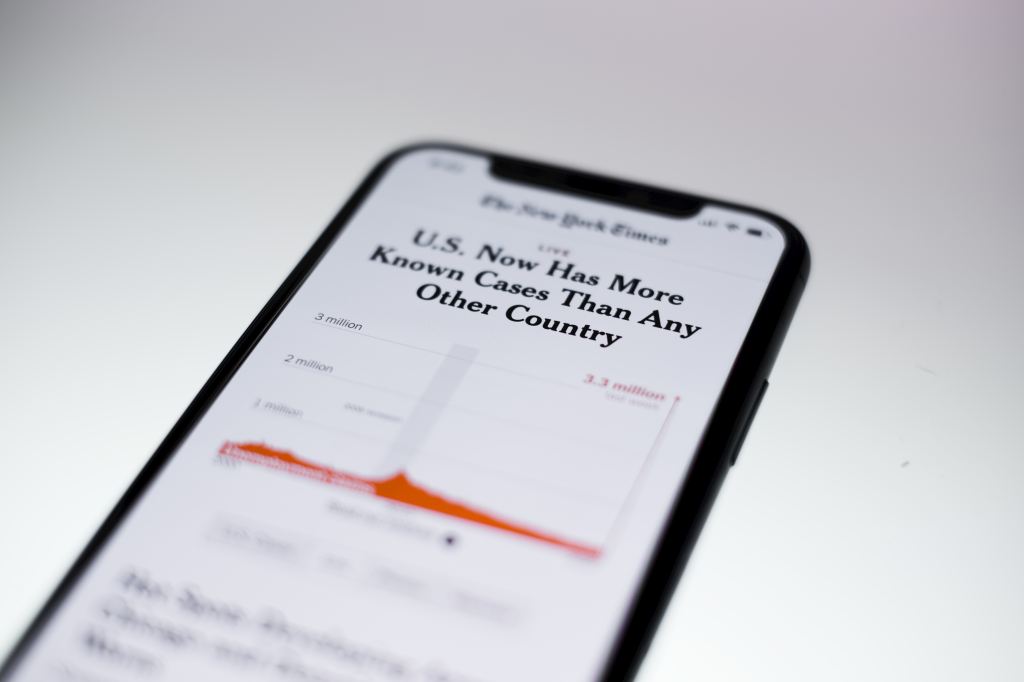
In 2024, there is a growing awareness of the effects associated with constantly consuming negative news, a behaviour commonly known as “doomscrolling.” Media and constant news updates often fuel this habit of seeking out distressing information. Sadly, this can have serious implications for both physical and mental health.
Recent conversations among health experts have shed light on the link between doomscrolling and the increase in Substance-Induced Anxiety Disorder (SIAD) as well as panic attacks. As someone who writes on mental health, I wanted to delve into this correlation, providing insights and practical tips to protect your health in a world that appears to be in a perpetual state of crisis.
What is the Meaning of Doomscrolling?
Doomscrolling involves the consumption of news. Consumers caught up in this cycle feel compelled always to follow disasters, political unrest, environmental crises, and other distressing events, resulting in prolonged exposure to negative media. Additionally, some may even engage in extended sessions of watching vertical, short-form videos without awareness of the passage of time.
We can admit staying informed is important. However, constant focus on distressing media can affect one’s well-being.
Psychological Effects of Doomscrolling
The brain is naturally inclined to react to threats with a fight-or-flight response—a survival instinct ingrained in our biology throughout history.
However, when the mind is activated by immediate non-physical threats, like distressing news, it can result in prolonged stress. This prolonged state of vigilance can heighten anxiety levels over time potentially leading to anxiety disorders and panic episodes.
However, why is it so addictive to watch distressing news? Well, engaging in doomscrolling triggers the activation of dopamine receptors, which provides short relief from anxiety, despite the eventual worsening of mood.
What is more concerning is individuals often revert to doomscrolling in an attempt to alleviate their distress, perpetuating the cycle of negative emotions.
Link to Substance-Induced Anxiety Disorder
Substance-induced Anxiety Disorder (SIAD) begins to show its ugly face when symptoms of anxiety or panic stem directly from substance consumption, withdrawal, or exposure to substances. Common culprits include caffeine, alcohol, nicotine, and certain prescription drugs.
People who engage in doomscrolling may resort to substances like alcohol or prescription drugs as a coping mechanism for the anxiety and stress triggered by the news they consume. This could establish a cycle where substance use provides relief from anxiety symptoms but later worsens them, possibly resulting in SIAD.
Real World Implications – Panic Attacks
Panic attacks are episodes of fear that may manifest as heart palpitations, sweating, trembling, etc. Sometimes there is even an overwhelming sense of dread and fear of losing control.
For those who are exposed to negative news, unfortunately their threshold for panic attacks may be lower. Substances used to manage this stress can further decrease this threshold, making panic attacks more frequent and intense.
(image: Mark Adriane, Unsplash)
Tips for Breaking This Habit
Breaking free from the cycle of doomscrolling requires effort and specific strategies. Here are some “practical?” steps you can follow;
1. Establish Strict Time Boundaries
Hold yourself to designated times during the day for checking the news and make a commitment to stick to these schedules. Utilizing apps restricting your access to websites or social media platforms can help you maintain this routine.
2. Customise Your Social Media Content
Take a role in curating your social media feeds by including uplifting content. Follow accounts that share stories or even your city media feeds to create a balanced experience alongside the inevitable negative news we all have to see.
3. Try Healthy Coping Mechanisms
It may be time to hit the gym. Or engage in activities such as yoga or jogging. Better yet, incorporate mindfulness techniques like meditation or diaphragmatic breathing. Finally, find a way to express yourself through creative endeavors like writing or painting.
4. Consider Professional Support
If needed, and if feelings of anxiety or panic become overwhelming, seek assistance. A health professional can always be beneficial. Therapists can offer personalized coping strategies tailored to meet your needs, as we are all different in what triggers our anxiety.
5. The Inevitable – Keeping in Touch
Even as a mental health writer, I can be better at this one. Having ties with friends and family can ease stress and worry. Interacting regularly can shift our focus away from the constant stream of negative news.
In the end, while staying informed is important, it’s also vital to strike a balance in how we consume news. Recognizing the signs of scrolling through distressing content and taking proactive measures to lessen its impact can help prevent the development of more severe anxiety issues and panic attacks. The world has changed, and mental health is important, so by being mindful and adopting coping strategies, we can safeguard our well-being during these challenging times (no matter where we are located.)
By being aware of how our media intake affects our health, we can navigate the age without falling prey to its negative aspects. Remember, it’s completely fine to unplug for the sake of your well-being.
I wrote it to explain how I turned the darkness that bipolar episodes can bring, into light. And so people reading feel less alone, so stigma can fall. So important to talk about our illnesses once we are better, so that it isn’t so hard to understand.
Living with severe mental illness like bipolar psychosis. mania or suicidal depressions can be very challenging. However, they do not have to be your entire life. For me, medication and therapy over time have helped me. Its different for everyone.
If you would like to read my story or gift it to a friend to help them, please see Amazon or other well known bookshops.
And remember- we are never truly alone although being ill can feel unbearable- hold on to hope if you can:
This week was a good week. Generally, my bipolar has been stable for a while. I am able to go to work and hold down two jobs somehow and I also passed my probation (in the words of Borat, Great Success!). But there are times when things are overwhelming and I feel like a wobbly mess. Like today.
I achieved my goals that I came up with when I was in the middle of agoraphobia a few months ago. My panic disorder reset itself to a healthy level thanks to therapy and things improving at work. As such, I have been able to see more people face to face and this week I was able to go to Ronnie Scotts Jazz Club with my Dad to see Natalie Williams and Soul family Motown show (my Chanukah present). We have been before over the years and love going to see them and going with my Dad makes me feel safe as he drives us.
However, I often find that something like that is followed by a day of needing to slow down and look after me as I can feel a little depleted and more anxious. Its just a bit of a pattern my mind goes too. The cold and dark weather also do not help with this and I start just wanting to stay at home. I have also been putting myself under too much pressure and end up exhausted.. any other perfectionists/achievers do the same?
So, I couldn’t go to see friends and some family this weekend and had to cancel arrangements which wasn’t great. However, my baby nephew was born last week and had his Jewish naming ceremony yesterday which was special as Rob and I carried him in on a special pillow. We then hosted my mum and step dad for shabbat (Jewish sabbath) lunch- so I am seeing that as a big achievement despite everything. In the past, I wouldn’t have even been able to attend it- so I know I am in a better place. However, I also had to cancel other family plans which I don’t feel good about.
I think I have just been trying to do way too much as I always do when I feel a bit better and I am sorry to those I have had to let down due to increased anxiety. I know its not my fault, its an illness, but I still feel bad.
One positive, at the ceremony I was able to see my two aunties who I hadn’t seen for a while (which was one of my goals too) so that made me so happy.
Overall, I am doing well but I am still dealing with the panic and anxious thought patterns at times… and its learning a) what the triggers are b) what I can do to help myself when it happens. I have had about a month off from seeing my therapist so probably need another session soon. I think I just need a quiet day watching Netflix.
Rob and I are getting away over Christmas so hopefully that will be a good time to recharge and reset my batteries after a very busy year for both of us.
My sister said to me today to remember to be kind to myself, so that is what I am going to do. Though I do feel a little bit sad at having to cancel plans. Though I look back at the past few weeks and realise that I have done a lot in terms of seeing people- so maybe its all just too much and I need to plan less.
I am mostly healthy and life is generally good. Heres to climbing mountains, not carrying them all the time- and not feeling guilty if I can’t achieve something.
I sat in A&E on a Wednesday morning trying to control my breathing.
My day began normally with a rushed breakfast and a sweaty commute on the Northern Line. I got to work and started to feel lightheaded and slightly panicky. My chest hurt and I found an empty office to try and calm down. It didn’t work. My brain was screaming ‘heart attack’. A kind colleague put me in a taxi with directions to the hospital.
Of course, I wasn’t having a heart attack. It was a swift diagnosis and then I had hours to wait before seeing the on-call mental health specialist. My panic turned to shame. Especially as I watched ‘real’ sick people come and go from A&E.
It wasn’t my first panic attack, but it was my first one at work.
I was diagnosed with anxiety years earlier in Canada by my GP. I managed it through talking therapies, medication, and support from family and friends. I didn’t have to tell anyone at work and outwardly I always looked like a confident professional. I have what is commonly referred to as ‘high-functioning anxiety’.
My stress levels had been building since I moved to the UK. New country, new job, lots of work travel with more responsibilities, and missing my regular support systems. I felt uncomfortable in my own body; it ached all the time, my memory was unreliable, my hands shook, and my stomach always hurt.
I ignored all the signs and pushed through. It wasn’t one thing, anything specific, or even the building pressures at work. I stopped taking care of myself and I was scared to ask for help. Deep down, I knew it was my fault that I ended up in A&E.
I turned on my phone and scrolled through concerned messages from my team. Excuses raced through my mind: migraine, food poisoning, allergic reaction. Anything but admitting the state of my mental health. How could they, or anyone at work, respect me if they knew my truth?
One of my team members sent a private message asking if I needed a toothbrush. Even now, I can’t explain why it was their simple message that gave me the courage to tell the truth. Perhaps I sensed their kindness and concern? Perhaps because it was ‘normal’ when everything else felt out of control? Whatever the reasons, I decided to be honest with my team and my colleagues from that moment.
I am not unusual. The Mental Health Foundation cites a 2013 study with 8.2 million cases of anxiety in the UK. All my life I had been told I was ‘stressed’, ‘a worrier’, and ‘a perfectionist’. These characteristics make me successful, but they often cost me my mental health.
I recognise that being able to speak out is a privilege and that my seniority made it easier. It was still a risk, but I could no longer afford to be silent about my mental health. My main concern was that I would lose credibility at work. I didn’t want others to see me as weak, unreliable, or incapable.
Senior leadership, my team, and my closest colleagues were immediately supportive and sharing my story changed from being scary to empowering. Speaking out gave me some control over my anxiety and I became a better leader because I could bring my whole self to work. I started to see my anxiety as, if not a strength, something that allowed me to engage honestly with others and with my work.
I would like to share that as a white, middle class Canadian women working in reputable organisations with access to support, I feel that I have had some level of privilege at being able to access this support. Additionally, anxiety as a mental health disorder, is also relatively understood and more accepted.
No matter anyone’s background, including mine, talking about your mental health can be scary and make you feel vulnerable.
There is no one way to support mental health at work and everyone copes differently. It’s not about online yoga classes, taking deep breaths, or flexible working policies. I think it’s about awareness, inclusion, and having difficult conversations. Often when I am struggling, the only thing I want from my employer or a loved one is to be heard.
As a leader with anxiety, I think some of the most important things I can do is speak openly about my experience, help others to do the same, and listen to their stories. I took every opportunity to do these things while working at Imperial College London Business School and I continue to do so in my new role at Cambridge Judge Business School. Instead of just asking my team ‘How are you?’, I ask questions like ‘Are you getting enough sleep?’ or ‘What can I be doing to support you?’.
When I interviewed last year for my role at Judge, I intentionally spoke about my anxiety and how it influenced my leadership and working styles. I felt it was a risk worth taking.
I want organisations, employers, and employees to understand, and to see through my example, that having a mental health disorder doesn’t mean you can’t be successful or ambitious. Everyone faces challenges. Our organisations need to be a place that talking openly is encouraged and supported. Anxiety has taught me to be kinder, more empathetic, and that bringing these qualities to work are beneficial for me, my colleagues, an organisation’s healthy culture.
Erin Hallett is a mental health writer, advocate and speaker, originally from Canada- she now lives in the UK.Erin works at Cambridge judge business school.
Social anxiety is quite common but it affects people in different ways, situations and circumstances. Some people may find they have anticipatory anxiety before certain events, like interview days, big events like weddings and public speaking. But for those that suffer with everyday social anxiety this can be equally debilitating.
Living with social anxiety can be tough because it literally affects everything we do. From the choices we make, activities we participate in, opportunities that are presented to us and naturally, the way we live our lives. It can also have a huge impact on the direction of our life and how it unfolds.
For many people living with social anxiety, it can range from mild to very extreme. It’s often triggered due to particular circumstances. Big events such as:–
Going on a date
Meeting new friends
New job interview.
It can also be triggered by everyday events. For example:-
Going to the supermarkets or the shops
Speaking with the cash register assistant
Asking for directions
Walking around in public places.
In order to address the many challenges of social anxiety, we need to understand the specific causes.
Causes
Social anxiety manifests itself as tension in the body, elevated heart rate, paranoia, awkwardness, inhibition, not being able to express ourselves in certain moments where we want/need to. This is often caused by the beliefs and the ideas that we hold in our mind. When these are triggered, or we are provoked/threatened by the particular circumstance, this is when the anxiety kicks in.
In our everyday existence, we have two types of thinking.
One type of thinking is known as logistical thinking. This is simply our organisational logical thinking such as, today, I need to get the train. Or we may have thought when we go to the shop, I’m going to buy apples today, they are on the list, together with potatoes and rice. It’s very logistical. This kind of thinking holds no real emotion and is more matter of fact.
However, most people living with social anxiety describe themselves as self-conscious and this is an accurate description of the second kind of thinking, known as self-referential thinking.
Self-referential thinking is where we are referring back to ourselves.
For example… we might have the logistical thought, OK, I need to get the train. But then self-referential thinking would come in, making us consider, what happens if I miss the train? What happens if I’m late for work? What happens if the train is delayed? What will people on the train think of me? Should I be getting the train to work rather than driving?
This is where we apply personal meaning to our circumstances and to the logistical tasks of the day. We give it meaning that relates back to our self-image and identity. Within this, self-referential thinking is where a lot of anxiety is created.
Examples of self-referential thinking
Note: everyone is unique and everyone has their own thought patterns, leanings and identity. Here are some examples of self-referential thinking that can provoke anxiety in people:-
What will people think of me?
What if they don’t like me?
I hope I don’t come across as being awkward.
What if I embarrass myself?
Are they looking at me?
What if I make a mistake?
All of these thoughts can be considered seeds. The first domino in the sequence triggers the momentum of catastrophizing self-referential thinking. This can lead to a sense of anxiety, dread, panic or embarrassment.
(image: Cloudlead blog)
Struggle with social anxiety
I actually used to really struggle with social anxiety and this would prevent me from speaking in front of groups. It would make me feel very self-conscious and on edge when I was in supermarkets, when I was around people in public places. I’d often worry about what other people were thinking of me or how I was coming across and I really used to beat myself up over this. It made me feel as though I was somehow inferior or there was something wrong with me.
In my quest to beat social anxiety, I tried a lot of things to try and overcome this. Some of the things I found most impactful were part of my own professional therapy training.
During our practice sessions with my colleagues, we would get to work through many of our fears and anxieties. That provided me with a great deal of relief and clarity.
Another thing that really helped me was the concept of self-acceptance. Because it’s often the things that we reject about ourselves that we then project onto other people. So if we don’t like the shape of our body or the way we look, we will assume that perhaps other people won’t like that either. But that is a projection of our mind onto these people.
It’s none of our business what other people think, it matters more about what we think and self-acceptance is a beautiful concept. A practice where we draw in the things that we feel such great resistance to. Then we seek to embrace it, accept it and claim ownership over it. That way we take back our power and finally give ourselves permission to exist as we are, without judgement or criticism.
After all, this is about reclaiming your sovereignty, your identity, your freedom from these thoughts, insecurities and worries. These are the things holding you back from living your best life, enjoying your life and fulfilling your potential.
Comedians have social confidence
Take comedians for example, they often talk about embarrassing moments and they talk about all the taboo topics such as farting and other awkward encounters whilst everyone in the audience cringes with laughter at the shock factor.
But whilst the audience cringes with laughter, the comedian stands there proudly and boldly, proclaiming to the world. They take ownership of their so-called insecurity or embarrassing moments and they do so with confidence. That’s because a confident person is a self-accepting person. They have claimed ownership over their embarrassing moments and taken their power back from them.
Bringing self-awareness into your thoughts
The first stage of transforming your anxiety is bringing self-awareness to your thought process. The question you need to ask yourself is: What is making me feel anxious?
Some people are afraid of judgement, criticism, embarrassment, drawing attention to themselves, being the odd one out, being rejected.
Whatever it is to you will be unique and if you spend time thinking about this, you will begin to get a clearer understanding of what’s really generating all of this anxiety. It can be helpful to use a notepad and pen for this exercise.
Social anxiety is just a symptom of an unconscious behavioural response. The good news is that it can be changed because all behaviours can be changed. This isn’t something that you’re born with. This isn’t something that you’re destined to live with for the rest of your life. It is something that can be resolved and there are many ways to do this.
Taking the right path for you
Some people feel inspired to take the route of exposure and setting themselves social challenges. This is done in the way of, OK, if I’m afraid of talking to people or more afraid of what people think, I’ll set myself a challenge. Every time I go out in a social situation, I’ll ask someone for the time or ask the shop assistant, how are you doing today?
But whilst that’s all very well for a lot of people living with social anxiety, it can be very intense and confronting, even just getting to that stage can be challenging. So for that reason, professional one to one therapy can be really helpful for this.
Some recommendations would be to first find a therapist that you trust, that you feel a genuine connection with them. Always check to see if they have a proven track record for helping people get results, and that they really are an expert in their field.
Once you find that connection, build that trust and learn to enjoy your unique character, your anxiety levels will fall as you take back control.
Social anxiety is an unconscious behavioural response that’s generated by our beliefs and thought processes, all of which can be challenged and changed..
Conclusion
At some point in our lives, the vast majority of humans on this earth will experience a degree of anxiety in certain social settings. How we react, adapt and behave within these settings is dictated by our attitude and perception of the experience.
I really wanted to write today because the sun is shining, apple blossom is on the trees and Spring is finally here! I always feel more hopeful and happy once Spring is here but living with bipolar disorder and an anxiety disorder can mean that some days are harder than others.
This week, I have really struggled with low mood and social anxiety. I’m an optimistic person and sometimes I pack too much into my days and end up having a panic attack because I can’t cope. This is what happened to me yesterday when I decided it would be a great idea to pack in too much, including going across London and delivering many Body Shop orders to my customers and friends. My social anxiety was so high (I think largely due to being in lockdown) , I just wanted to hide and I ended up sleeping to escape my feelings and feeling super low. I am lucky that I understand what to do when this happens and I have a husband and family who support me too. I am still in therapy for my panic disorder and it has improved a lot but there are times when it gets triggered like this week.
I have also found that I am worrying more about what people think of me- if I have said the right or wrong thing or upset anyone. Its so silly but due to past rejection I get scared and those fears bubble to the surface.
On Friday, I had a really productive therapy session. There are a lot of worries about the future that I still hold and being able to unpack them in therapy is really useful for me. I am doing EMDR trauma therapy but a lot of it is talking out and facing those triggers one by one. I have a very good relationship with my therapist and having a session often calms my mind.
In positive news, last week I became an aunt to a beautiful baby girl, Cara Harriet who is the sweetest little baby. She is a joy and light in all our lives and I feel so lucky to have a little niece! My sister and brother in law are amazing 🙂
And in other good news, in April, my essay in the Book of Hope by Jonny Benjamin MBE and Britt Pfluger will be published alongside many others I look up to (Dame Kelly Holmes and my friend Hope Virgo). So there are good things as well as bad!
I am doing a lot better- I dont rapid cycle, I havn’t had an episode of mania or hypomania since 2014. My brain seems to like Lithium and Quetaipine (a mood stabiliser and anti psychotic). I have to learn to be kind to myself and practise self care, because my social anxiety is a fear response from the past.
Being kind to myself is of utmost importance. Heres a list of what I do when I am having a bad day: take a nap, have a bubble bath, read a book, hug the guineapigs and Rob, talk to Rob, a friend or family member, put on a face mask, cry, breathe and listen to calming music, watch a good TV show (I have been watching First Dates Teens), book in a therapy session, eat something nice, put some make up on, wash my hair, wear an uplifting perfume.
For many women, menopause can be both a blessing and a curse. Although it signals the end of menstruation, it also means that a woman is no longer reproductive and that the aging process has well and truly begun.
Menopause starts when a woman’s ovaries no longer release eggs, causing their monthly periods to stop. If you have not had a period for 12 months, this probably means you are going through menopause.
About menopausal anxiety and panic attacks
Menopause can give rise to anxiety and panic attacks, and the symptoms can manifest in a variety of ways. Often, you will feel your heart racing, and you will start to sweat. You may also feel a quickness of breath. In addition, there may be some tingling or numbness in your fingers. You could also feel dizzy, although you won’t pass out during an anxiety attack due to the high levels of adrenaline – you will just have to wait for the episode to come to an end.
Experts have advised that you can overcome anxiety and panic by focusing your attention on something else, such as a sound or a smell.
While some of these symptoms may be unavoidable, you can reduce their effect by taking good care of yourself. Consider the following tips.
Eat nutritious foods that won’t trigger your symptoms
Make sure you eat lots of green vegetables, dairy products, and foods rich in calcium and vitamin D. Meanwhile, you should avoid spicy and sugary foods and anything that contains caffeine or alcohol. One helpful tip is to compile a list of any foods that seem to trigger your menopausal symptoms.
Maintain a regular exercise schedule while keeping yourself hydrated
Another adverse side effect of menopause is weight gain, although you can offset this by exercising regularly. The benefits of physical activities include:
A boost to your energy levels and metabolism
Healthier bones and joints
A reduction in stress
Exercise can also help you fight off anxiety and depression. This is due to the endorphins released by your brain during a physical workout.
Meanwhile, make sure you drink at least 8 to 12 glasses of water every day, as this will reduce your skin and vaginal dryness. Moreover, this simple lifestyle change can also reduce any bloated feelings you may be experiencing due to hormonal changes. As an added bonus, drinking lots of water can also improve your metabolism.
Take sugar in moderation
Foods high in sugar and refined carbohydrates can cause depression and poor bone density. They can also cause your blood sugar levels to fluctuate, which can make you feel tired and irritable.
Go out on a regular basis
Staying indoors for too long is not good for your mental health and may even aggravate your menopausal symptoms. As well as the benefit of absorbing vitamin D from the sun, an outdoor stroll can also reduce your stress levels.
Ensure you eat regular meals
Skipping meals is not a permanent weight loss solution and can exacerbate your menopausal symptoms. It is much better to eat your meals at regular intervals, as this will help you avoid any metabolism problems.
Conclusion
Although menopause is an unavoidable inconvenience, you don’t have to let it bother you. In fact, if you adopt the natural methods outlined above, you will be able to live life to the full without having to worry about the annoying symptoms.
This article was written by LadyCare Menopause Ltd.
On Wednesday 4th November, National Stress Awareness Day, Superdrug invited me to a zoom virtual panel event highlighting men’s mental health.
They said, ‘The event will aim to break taboos and increase the conversation around the mental health challenges that men have faced during the current coronavirus pandemic. ‘
We had a chance to listen to some famous and insightful panelists, including
Professor Green – Award winning musician and patron of CALM charity
Chris Hughes– TV personality
Matt Johnson– Broadcaster and mental health advocate
Alexander Leon– Writer and social change advocate
Dr Amir Khan– Doctor and best selling author
(image: Superdrug)
In October 2020, Superdrug conducted research to find out how the pandemic is currently affecting people’s mental health.
The research was conducted among 3419 of its customers. Key findings are highlighted below:
● 86% of people believe men find it more difficult talking about mental health issues than women
● 82% of people believe there’s still too much stigma attached to mental health problems
● 71% don’t think employers take mental health problems seriously enough
● 80% of people would like to see mental health services being made more accessible to people
● 66% people said that their mental health is still being impacted by the pandemic.
As a result, Superdrug decided to launch a new service, known as Mind Care Superdrug. There will be an online doctor for people to find mental health support, with a video consultation and people will be referred to appropriate services. This will be a huge step forward and is an amazing thing to do!
Matt Johnson opened the panel, introducing each pannelist in turn to discuss men’s mental health. For me as woman, I recognise how important it is for men to speak out about their feelings after generations of stigma around mental health.
Professor Green talked about his battle with life long anxiety, saying ‘You just want to get out out of your own skin’, anxiety can be difficult but in life we encounter difficulties and learn to build resilience. Prof Green experienced anxiety as a child and teenager and still deals with it to this day and promotes talking about men’s mental health. He also spoke later in the discussion about self harm in men, to include drug and alcohol abuse and his familys own experience of suicide.
Chris Hughes then spoke about his anxiety and panic attacks, saying he was ‘proud to discuss it openly now‘. He said that before he became well known, he would get anxiety in the workplace that he tried to distract from by going to the gym. However, it didn’t work as well and now he is in the limelight, he has experienced panic attacks, which would manifest as pins and needles in his body and hyperventilation. Hughes shares about his mental health to help others, especially men, through it so they stop bottling feelings up.
Alex Leon told us that he was (in his words), ‘gay, brown and didn’t fit in’. He reminded us that LGBTQ and minority communities often have poor mental health due to a lack of acceptance. He said that 75% of suicide rates in the UK are men and that the narrative that ‘big boys don’t cry and men should just get on with it‘, should be addressed. Leon asked ‘what forms of stigma do men face?‘ and said often it is ‘Be stoic’ ‘be unemotional’ or ‘here is what a man or boy should be‘ – which all lead to poor mental health outcomes.
Dr Amir Khan also introduced himself and his work as a doctor in the UK- a GP working with mens mental health. He agreed with a lot of what Alexander Leon said and offered some profound insights.
The discussion then came back to Professor Green, who told the discussion that sadly his Dad and uncle had died by suicide and he felt mental illness ran in his family. He has struggled with depression and said, ‘ We all chase happiness. You should feel highs and lows- when I don’t feel anything is when I worry’.
Chris Hughes said we must normalise the conversation around mental health and Alex Leon added that self compassion is so important.
I very much enjoyed the panel discussion and really appreciated the chance to hear from great speakers on mens mental health. Superdrug are definitely ahead of the game!
I wasn’t paid for this article but Superdrug sent me a box of wellbeing goodies including Vitamin D tablets, vitamin tea, lavender and peppermint essential oils, sleep aids, moisture socks for feet with marula oil and a pampering skin and body set. Thank you!








 beurownlight.com