Tips To Maintain Your Mental Health After A Baby by Sienna Warton

(image: Josh Willink)

Everyone tells you how amazing it is once the baby comes. And it is, no doubt. But everyone also skips the part of how hard and confusing it can be at times. You lack sleep, run on instinct and love, and all of the responsibility comes down on you hard. But all that’s normal. 

Every parent gets that mix of joy and struggle at some point. However, if the downs start to outweigh the ups, you should take a pause and look at it more deeply.

All the Emotions No One Warns You About

Before birth, it’s all about the baby – the ultrasound photos, due date, tiny clothes and picking names. But few people prepare you for what happens after.

In reality, many of the emotional changes begin well before birth. Reading about mental health during pregnancy can help expecting parents notice early signs of anxiety or mood shifts that often carry into postpartum life.

All the hormonal changes and lack of sleep can make even the simplest task feel difficult. Anxiety, sadness, and self-doubt can creep in, sometimes out of nowhere. In fact, around one in five women experience postpartum depression or anxiety, and partners often feel it too. 

But remember, no one really gets into it completely ready, and everyone learns as they go. 

Rest Isn’t a Bonus, but a Necessity 

Sleep when the baby sleeps.” You’ve heard it a million times, and it’s certainly easier said than done. But rest really is essential. It’s how your body heals, and your mind resets.

You can try using the 5-5-5 rule: five days in bed, five days on the bed, five days near the bed. No strict formula to it, of course, but use is a reminder to slow down a bit.

If naps still seem impossible, just lie down for a few minutes and breathe, even when your brain insists that your baby needs you every second. And if someone offers to take a night shift, let them. One full night of sleep can change how you see everything.

Pregnancy and early parenthood can really impact maternal well-being. You must learn how to rest effectively, because your recovery is your number one priority next to your baby.

When “Baby Blues” Don’t Fade

Crying for no clear reason? Worrying constantly about the baby? That’s normal in those first days. However,  if it lasts more than two weeks, or you start feeling numb, detached, constantly anxious and worried, there could be something more to it.

Watch out for signs like:

  • Persistently low mood
  • Trouble bonding with your baby
  • Racing thoughts or panic
  • Appetite or sleep changes that don’t make sense
  • Thoughts of harm to yourself or your baby

If these sound familiar, reach out to your doctor, midwife, or mental-health professional. With help, things do get better. Getting support early makes healing faster and safer, for both of you.

Take Care of Your Body

It’s hard to think clearly when you haven’t eaten since breakfast or when you’ve lived on coffee for days. Keep yourself hydrated – a water bottle within reach works best. Your body needs steady fuel, especially if you’re breastfeeding.

Once your doctor says it’s okay, take short walks or stretch a little. You don’t need to “work out”, just move a bit. And if you’re healing from a C-section or stitches, follow the recovery plan. Pain makes everything harder.

Small Things Count

Some days, you’ll feel like you’ve disappeared under all the baby tasks. But you’re still there, you just need to remind yourself.

Try reclaiming tiny moments. Close the bathroom door and take that shower – even if it’s a quick one. Put on a song you love. Drink your coffee before it goes cold. It sounds silly, but it matters. The little things add up. You don’t need a meditation app or fancy breathing routine. 

Just stop for a second, notice your breath, maybe wiggle your toes on the floor. That’s it. Even a minute or two of peace can reset your nervous system.

Know When to Ask For Help

There’s a point where no amount of self-care or deep breathing can help.  If you’re struggling to function, or if each day feels harder instead of easier, that’s your signal.  That doesn’t mean you’re weak; it means you’re human.

Postpartum depression and anxiety are real medical conditions, but they’re treatable. A doctor, midwife, or therapist who understands postpartum life can help you find the right mix of support. Sometimes that’s talking, sometimes medication, sometimes both. The right kind of help makes everything easier.

Give Yourself Time

Recovery after birth doesn’t move in a straight line. One day you’ll feel like yourself again, the next you won’t, and that’s fine. Your body, mind, and heart all need time to settle into this new life you have. 

Rest when you can, ask for help when you can’t. 

Some days, progress is just making it through – and that’s still progress.

My Experience With Pregnancy-Related Anxiety by Georgia Anne

(image: Georgia Anne)

When I had my son in 2022, I was overwhelmed in the best way possible. 

He was blonde, blue-eyed perfection, and I fell completely in love with him. As he grew, I realised how much I enjoyed being his mum, so much that I knew I wanted to expand our family. That longing feeling stuck around until I asked my husband, “Shall we have another one? I know it’s early but I’m ready,” which he obviously was happy to!

In July 2023, I fell pregnant again with my daughter. The timing overlapped with a busy summer, including marrying my husband, Oskar, in August. With everything going on, those early weeks of pregnancy passed quickly, and my mind was completely preoccupied with wedding plans and family life.

But once things calmed down and the routine returned, something shifted.

When Everyday Anxiety Turned Into Something Bigger

By early autumn, I began to feel a growing sense of anxiety that didn’t feel like my usual ups and downs. By October, it reached a point where I struggled to leave the house. 

Even thinking about stepping outside would trigger panic, and it could take hours to build up the confidence to even think about stepping foot out of the door. I was consumed by fear, anxiety and the panic attacks were frequent.

I’m naturally quite open about how I feel, so I told my husband directly that something wasn’t right and that the anxiety was starting to affect my mood, and I could feel myself slipping into depression.

The guilt that followed made everything heavier.


I felt like I was letting my son down because our daily walks stopped. I worried he wasn’t getting the best version of me anymore. And the more I thought about it, the more overwhelming it all became.

My husband, being the steady and practical person he is, simply said, “Alright then Georgie, let’s get it sorted.

Speaking Up at My Midwife Appointment

When my next midwife appointment came around, he came with me. I have a habit of downplaying things, and he wanted to make sure I didn’t brush it off.

When she asked how I was feeling, he gently stepped in and explained what had been happening.

What happened next was something I’ll always be grateful for.

Our midwife, by complete luck, was a former mental health consultant. She listened without judgement, spoke to me with genuine kindness, and immediately discussed practical steps to help me manage the anxiety.

Before I left the appointment, she’d already referred me to perinatal mental health services.

Every single time anyone asks about midwives in our area, I always rave about her because of this. She was the best person for the job, for me.

(image: Georgia Anne)

Getting Support: Talking Therapies & Medication

Within a month, I had started talking therapies, and I was given a low dosage of anti depressant, sertraline. It was a huge relief to finally feel like something was moving in the right direction.

I continued with therapy throughout the pregnancy, and in March, my daughter, Freya, was born. Giving my children a small but beautiful 17 month age gap.

After the birth, a mental health consultant at the hospital sat with me to talk through how I was feeling. We discussed baby blues, hormonal crashes, and how to manage my medication over the next few weeks.

And honestly, the main emotion I felt that day was relief. She was here. Safe. Healthy. And I’d made it through.

Where I Am Now

Freya is now a lively toddler: walking, talking, exploring everything.

I’m still on my treatment plan, and I’m okay with that. The difference in how I feel is huge. I can leave the house without fear. I no longer carry the weight of guilt or the worry that I’m letting my children down. I feel lighter, calmer, and more grounded. I’ve learned so much during my time in therapy, the coping mechanisms to help on bad days, the affirmations to remind myself of how far I’ve come and most importantly: how to open up and be completely vulnerable.

I often think back on that period in my life and feel a sense of pride that I was honest with my husband, and that he spoke up for me and didn’t let me sugarcoat. 

What I Learned And What I Want Others to Know

Mental health care is not a luxury. It’s essential, especially during pregnancy because it’s a time when so many physical and emotional changes are happening at once.

Reaching out to my midwife and being honest about how I was feeling was the most important step I took. It led to support that genuinely changed my experience of pregnancy and early motherhood.

If you’re feeling overwhelmed, anxious, low, or unlike yourself during pregnancy, please know this:

You’re not alone, and you deserve support just as much as anyone else.

There is help available through midwives, GPs, perinatal mental health teams, talking therapies, charities, and NHS services.

Reaching out doesn’t make you weak. It’s the first step toward feeling like yourself again.

Georgia Anne is a UK lifestyle blogger who writes about motherhood, identity, and alternative living. After experiencing pregnancy-related anxiety, she became passionate about speaking openly about maternal mental health and helping others feel less alone. She lives in England with her husband and two children, and shares her honest reflections at georgiaanne.co.uk.

Dual-Diagnosis Care: Tackling Addiction and Mental Illness Together by Elizabeth Howard

(Image: Unsplash)

A dual diagnosis occurs when an individual simultaneously struggles with a mental health disorder and a substance use disorder. Far more common than many realise, dual diagnoses can involve combinations such as depression and alcohol dependence, anxiety and benzodiazepine misuse, bipolar disorder coupled with stimulant abuse, or PTSD alongside opioid addiction. Attempting to treat one condition in isolation while neglecting the other typically leads to inadequate results and higher relapse rates. Dual-diagnosis care addresses both issues in tandem, recognising the complex interplay between mental health and addiction. Below, we explore five essential components of an effective, integrated treatment approach that fosters sustainable recovery.

Understanding the Link Between Mental Health and Addiction

Self-medication is a common pathway to substance misuse: someone experiencing chronic anxiety may reach for alcohol to calm racing thoughts, while an individual with untreated depression might use opioids to numb emotional pain. Unfortunately, what begins as short-term relief often worsens underlying psychiatric symptoms. Alcohol, for example, disrupts sleep and brain chemistry, intensifying anxiety or depression over time. Conversely, the guilt, shame, and isolation that emerge from addiction can spark or aggravate mood disorders.

Recognising this bidirectional relationship is critical in dual-diagnosis care. Clinicians assess not only which substance came first, but also how each condition fuels the other. By identifying triggers—whether social stressors, traumatic memories, or genetic vulnerabilities—therapists can help patients develop healthier coping strategies. Early psychoeducation enables individuals to see how their mental health and addiction are intertwined, fostering motivation to engage in comprehensive treatment.

Comprehensive Assessments for Accurate Diagnosis

Misdiagnosis is rampant in dual-diagnosis cases: withdrawal symptoms can mask depression, and manic episodes may be mistaken for cocaine highs. To avoid these pitfalls, providers conduct thorough biopsychosocial evaluations that delve into psychiatric history, substance use patterns, family dynamics, medical background, and co-occurring health issues. Standardised screening tools—such as the PHQ-9 for depression, GAD-7 for anxiety, CAGE for alcohol misuse, and the Addiction Severity Index—offer structured insights that guide diagnostic clarity.

Laboratory tests and, when indicated, neuroimaging can reveal medical complications—like liver dysfunction in heavy drinkers or neurochemical imbalances in long-term stimulant users. Ongoing assessments throughout treatment help clinicians monitor progress, adjust medication, and refine therapy goals. An accurate, layered diagnosis ensures that neither the mental health disorder nor the addiction is minimized, laying the groundwork for a cohesive care plan.

The Role of Integrated Treatment Plans

Unlike traditional models that silo psychiatric care and addiction treatment, integrated plans bring multidisciplinary teams together. Psychiatrists, addiction medicine specialists, psychologists, social workers, and certified peer support counsellors collaborate on a unified treatment blueprint. Core elements may include:

  • Medication management to stabilise mood disorders and reduce cravings (for instance, SSRIs for depression and buprenorphine for opioid dependency)
  •  Evidence-based psychotherapies such as cognitive-behavioral therapy (CBT), dialectical behavior therapy (DBT), and trauma-focused interventions for PTSD
  • Group therapy sessions that address both substance use behaviours and coping skills for anxiety or mood regulation
  • Family therapy and psychoeducation to repair relationships and build a supportive home environment
  • Holistic modalities—mindfulness training, yoga, nutritional counseling—aimed at restoring overall well-being

Coordinated care prevents mixed messages and redundant treatments. When each provider shares a common set of goals and progress metrics, patients receive consistent guidance, and their support network remains informed and engaged.

(image: Alysha Rosly, Unsplash)

Flexible Care Through Programs Like the Intensive Outpatient Program

Not everyone with a dual diagnosis needs round-the-clock residential care. For those with strong support systems, manageable symptom severity, and stable living conditions, outpatient solutions can strike the right balance. A reputable intensive outpatient treatment program offers structured therapy multiple times per week, while allowing individuals to live at home and maintain work or family responsibilities.

These programs typically include group counselling, individual therapy, psychiatric check-ins, and relapse prevention workshops. They serve as a transitional step either before entering less intensive outpatient care or following discharge from an inpatient facility. Flexible scheduling and a mix of virtual and in-person sessions accommodate diverse lifestyles, enabling more people to access high-quality dual-diagnosis treatment without uprooting their lives. In the UK, these were known as ADTU units attached to hospitals, but there are less of these on the NHS.

The Importance of Ongoing Support and Aftercare

Recovery from a dual diagnosis doesn’t end when formal treatment ends. Long-term success hinges on robust aftercare and relapse prevention strategies that recognize recovery as a lifelong process. Essential components of sustained support include:

  • Peer support groups—such as Dual Recovery Anonymous or integrated 12-step fellowships—that offer lived-experience encouragement
  • Regular outpatient counselling or case management to address emerging challenges and adjust treatment plans
  • Medication-assisted maintenance, when appropriate, to stabilise chronic mental health conditions and prevent relapse
  • Life-skills workshops for stress management, financial planning, and vocational training to strengthen daily functioning
  • Digital tools and telehealth check-ins that enhance accessibility, especially for those in remote areas

Family involvement remains vital: ongoing family therapy sessions and education empower loved ones to recognize early warning signs and respond effectively. Community resources—like sober living homes and recreational recovery programs—further enrich social support, reducing isolation and reinforcing positive lifestyle choices.

Conclusion

Effective dual-diagnosis care transcends the simplistic view of treating mental illness and addiction separately. By acknowledging their deep interconnection, clinicians can offer comprehensive assessments, integrated treatment plans, flexible program options, and enduring aftercare. Whether delivered through residential facilities or outpatient settings, these five components—link recognition, accurate diagnosis, collaborative treatment, adaptable program structures, and sustained support—equip individuals with the skills and stability needed for lasting recovery. Embracing a holistic, patient-centered approach that addresses the whole person, not just isolated symptoms, paves the way for renewed health, purpose, and hope.

This article was written by Elizabeth (Lizzie) Howard, writer and contains a sponsored link.

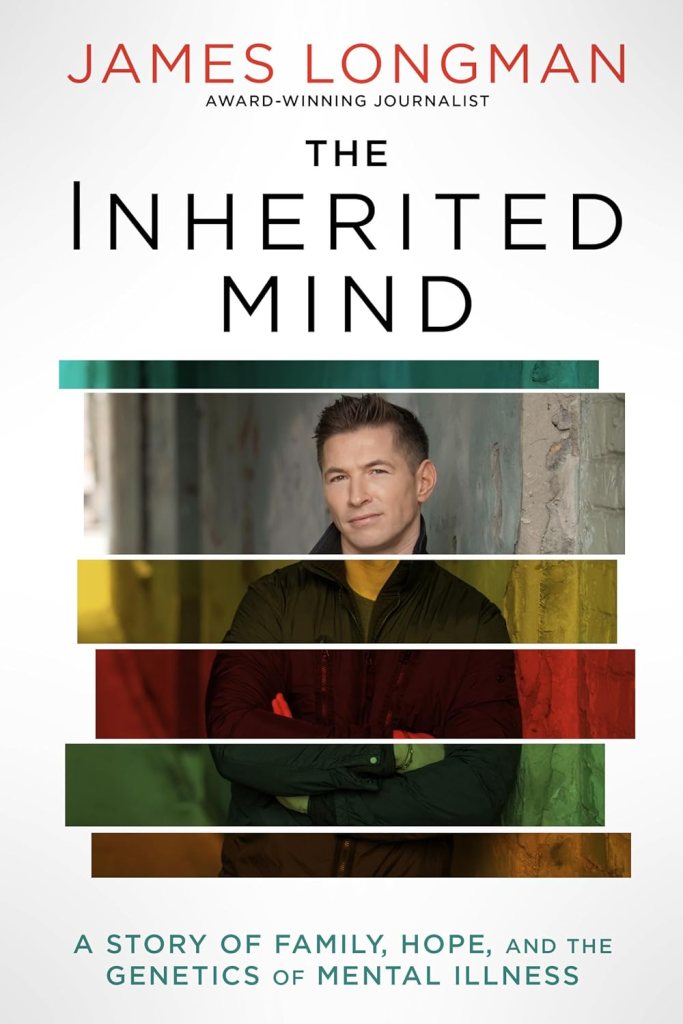
The Inherited Mind: A Story Of Family, Hope And the Genetics Of Mental Illness by Award-Winning Journalist James Longman (featuring our story!)

(image: James Longman/ Hyperion Avenue)

A couple of years ago, an intriguing email landed in my inbox. It was from the award- winning journalist James Longman (of ABC News). He told me he was writing a book investigating his own father’s illness and how much of mental illness is inherited. His father died by suicide when he was just a child and had a diagnosis of schizophrenia and depression, but James did not know a huge amount about this mental health history at the time.

James wanted to delve deeper into the family and genetic side of mental illness. As he got older, James’s own bouts of depression spurred him to examine how his father’s mental health might have affected his own. He engaged with experts to uncover the science behind what is inherited, how much environmental factors can impact genetic traits, and how one can overcome a familial history of mental illness and trauma.

James had seen my own story of family illness with bipolar disorder, as my Dad and other relatives also have the same condition and so he reached out to interview me. With permission from my Dad, I had a wonderful chat over Zoom with James, talking about the links with certain types of mental illness in families and how these types of illness can cause suicidal thoughts and sadly in James’s fathers case, suicide. We also discussed the hopeful journey that can occur if you have access to the right support networks, medications and therapy. Medication in particular has helped to keep us well over the years as bipolar has a definite biological link too.

In The Inherited Mind, James invites readers to reflect on their own stories as he shares his quest to better understand himself and his family. Through speaking to mental health experts, to those who have had similar familial experiences, and about his own life stories, James shows us, with heart and humour, how much our bodies can empower and inform us about our own personal mental health histories.

We are honoured to have our story featured in James’s informative and essential book. Thanks again to him for featuring us as a case study. It will be out in January and you can pre order your copy here

Empowering Homebound Parents Through Mental Health Support Strategies by Lizzie Weakley.

(image: Alexander Dummer)

Being a parent is challenging, but being a parent who is homebound can be incredibly isolating and stressful. With the added pressures of the COVID-19 pandemic, homebound parents have been struggling with their mental health more than ever before. However, it doesn’t have to be this way. There are several mental health support strategies that parents can implement to help them cope with this challenging time and help them continue to provide their children with the love and care that they deserve.

Prioritise Self-Care

Self-care practices such as mindfulness, meditation, and exercise can help homebound parents manage their stress and maintain their mental health. They can schedule regular exercise routines at home, and practice deep breathing and meditation during their downtime. It is essential for homebound parents to set boundaries and take care of their well-being to increase their capacity to address the demands of parenthood.

Seek Professional Help

Homebound parents who are struggling with their mental health should consider seeking the support and guidance of a mental health professional. They can benefit from online therapy sessions, group therapy sessions, or taking medication that might help them feel better. There are also many mental health hotlines and online resources available to parents struggling with their mental health.

Connect with a Support Network

Homebound parents can engage with online support groups where they can share their experiences, offer and receive advice, and connect with other people going through the same thing. It is also a good idea to connect with friends and family members for emotional support. Social connection is vital to maintaining good mental health.

Utilize Home Health Care Services

Home health care services can provide support and assistance for parents who are struggling with their health. These services can include anything from medication management to helping with household chores and providing much needed respite care for parents. Home health care services can also help parents navigate local resources to receive additional support.

Practice Stress-Reducing Activities with Children

Homebound parents can engage their children in various stress-reducing activities such as sensory play, guided meditation, deep breathing exercises, and yoga. These activities can help children learn how to manage their emotions and provide a calming environment for both parents and children.

Being a homebound parent is challenging, but it becomes even more challenging when mental health struggles are involved. Still, it is essential to prioritise self-care and seek professional help when needed. Engage with a support network, consider utilising home health care services, and perform stress-reducing activities with children.

These strategies will significantly empower homebound parents and help them cope with the challenges of parenthood effectively. With the proper support, homebound parents can provide the love and care their children need and deserve.

This article was written by writer Lizzie Weakley.

7 Tips On How To Get Good Rest As A New Mom/Mum.

(image: Kelly Sikkema: Unsplash)

Being a mother, let alone a new mother, is no easy task. New moms might find themselves flustered with the idea of being a parent for the first time ever. No longer do they only have to care for themselves but also a little one, too, who depends on them. Frustration, stress, and lack of sleep are all common for new mothers. So, how can they fix this? Here are some tips.

  1. Sleep in the Same Room as Baby

Waking up every few hours in the night is no easy task. Having your sleep disrupted when in a groggy state is several times easier when your baby is close by to you.

Keep a crib or bassinet right next to your bed or at least a few feet away to reduce long walks throughout the house to tend to your baby in the night. This way, you can resume sleep as soon as possible.

  1. Prepare a Feeding & Changing Station Before Bed

Another way to ensure proper rest and sanity as a new mom is to keep a feeding and changing station stocked before going to bed for the night. Keep diapers, wipes, rash cream, baby powder, and a change of clothes nearby. Also keep clean bottles and formula (if applicable) within close reach.

  1. Don’t Skip the Bubble Baths

Good hygiene provides relaxation, which in turn, helps us feel more put together and well-rested. There’s nothing quite like soaking in a calming bubble bath to ease those tense muscles.

  1. Keep Your Mental Health in Check

After having a baby, your mental health is of utmost importance. When you’re in a bad mental health state, it’s difficult to get quality sleep at night. You may have problems falling asleep, staying asleep, or may be oversleeping. Either way, you find yourself feeling unrested.

If your mental health is suffering, it may be time to consider postpartum depression care in Orange County.

  1. Let the Household Duties Slide

Right now, your wellbeing and your baby’s well being matter most. A pile of dirty dishes? Leave it for tomorrow. Now is the time to prioritize your physical and mental state in the form of good rest. Unless there’s broken glass on the ground or a horrible stench in the house, the chores can be put off.

  1. Get Physical

Even simply going on a walk around the block can be a great way to get exercise in. This in itself can be a relaxing activity. And as everyone knows, getting exercise can also allow you to get a better night’s rest.

  1. Drinking Calming Teas

Turning to herbal teas like chamomile or lavender can be great ways to unwind after a hectic day as a new mom. Never underestimate the power of a hot beverage filled with calming herbs, especially before bedtime.

Conclusion

Being a new mother is going to be a challenge no matter how you look at it. However, what a mom can do differently to make things easier is to ensure she gets proper rest. With the latter tips, any overwhelmed, exhausted mom can get the rest and relaxation she needs to feel rejuvenated after a long day of parenting.

This article was written by a freelance writer.

Clear Examples of How Eating Affects Your Mental Health by Anita Ginsburg.

(image: Jacopo Maia: Unsplash)

When it comes to mental health, many people tend to focus on the usual suspects: stress, anxiety, depression, and medications. However, did you know that your food choices also play a significant role in your mental well-being? Over the years, studies have revealed the powerful connection between what we eat and how we feel emotionally. It’s not just about getting the right nutrients for physical health, but also for mental health. This blog post will explore some of the clear examples of how eating affects your mental health.

Mood Swings

What we eat affects the chemistry of our brain, which can lead to mood swings. Consuming foods high in sugar and simple carbohydrates, such as cakes and candy bars, may give you a quick energy boost, but it can also cause blood sugar spikes and crashes, leading to irritability, anxiety, and depression. Eating a balanced diet with protein, complex carbs, and healthy fats will help stabilise your mood and keep your energy levels consistent; buying from health food stores with less processed foods and organic produce like Southtown Health Foods can help with this goal.

Stress and Anxiety

Eating nutrient-dense foods can play a big role in reducing stress and anxiety. Foods like salmon, walnuts, and chia seeds contain omega-3 fatty acids, which are linked to lower levels of stress hormones. Other foods, such as leafy greens, are rich in magnesium, which can help decrease anxiety. On the other hand, consuming caffeine and sugar can increase feelings of anxiety.

Brain Fog

The foods we eat can also impact our cognitive function. Processed foods and fast food meals that are high in trans fats and sugar can cause inflammation, which affects the brain’s ability to think clearly and process information. It’s important to fuel your brain with nutrient-dense foods, such as whole grains, lean protein, and healthy fats like avocado and nuts.

Depression and Mental Health Disorders

Studies have shown that people who consume a diet high in fruits, vegetables, whole grains, and lean protein have a lower risk of depression and other mental health disorders. These foods are rich in vitamins and minerals that are crucial for proper brain function and emotional well-being. On the other hand, a diet high in processed and fast food can increase the risk of depression and other mental health issues.

Gut Health

The gut-brain connection is a well-known phenomenon, and the gut microbiome plays a vital role in our mental health. Consuming a diet high in fibre, fermented foods like yogurt and kimchi, and prebiotics like garlic and onions can help foster a healthy gut microbiome and improve mental health. On the other hand, consuming a diet high in sugar and processed foods can lead to an imbalance in gut bacteria and inflammation that can negatively impact mental health.

In conclusion, what you put into your body matters for both your physical and mental health. Meal planning and making mindful food choices can go a long way in nourishing your brain and keeping your mood stabilised.

It’s important to note that there is no one-size-fits-all diet that will work for everyone, but incorporating more whole foods into your diet is a good start. Take control of your mental health by paying attention to your diet and making changes as necessary. Your body and mind will thank you for it!

Please note that a healthy diet without any other support is not a ‘cure’- make sure to reach out to professionals if you are in crisis.

This article was written by Anita Ginsburg.

Feeling Low? Here’s What Can Help You Regain Control Of Life.

(image: Pexels: Temo Berishvili)

Each of us is our own worst critic and enemy when it comes to matters of the heart. We judge ourselves more harshly than others and when we set standards for our lives, they can often feel impossible. We listen to our own inner voice more than others and when we are overly critical, we’re actually approaching situations and life all wrong.

Who else do you listen to that tells you you’re bad at things? Probably no one else because no one will criticise you more than you do. When you’re feeling low, it can really help to do all that you can to feel better in yourself. You need to feel like a success!

For example, if you don’t own a business, being accomplished could come from studying hard in something new. If you do own a business, you could feel more accomplished with the help of the create chatbot feature you can add to your website – that accomplishment comes from knowing you’re offering value to customers. Things like this can make you feel fantastic about yourself, which is what you should try to achieve at all times.

So, how else can you feel more accomplished, when you’re feeling low?

Consider where you are in life.

How far have you come in life so far? It doesn’t matter where you are right now, you will have come far in life and you have to think about the journey you’ve undertaken. From a personality and mental point of view – even a physical change – you have changed and grown as a person and it’s so exciting! You need to own that and be proud of yourself for it because you are the best person to feel that pride

Appreciate who you are becoming.

No matter which pathways you’ve taken in life so far, you have to be proud of the person you are becoming. You have done so many things so far and hit so many milestones!. If you’re running your own business, you might consider that this is a massive accomplishment compared to where you imagined you would be right now.

Learn to be comfortable with you.

Not everyone goes through life feeling comfortable about who they are but you are a strong person who has overcome every negative situation in life so far. What’s to stop you doing this again and again? Nothing! You are the person in charge of your life, and you deserve to feel like you are doing something right. By changing the things you’re not proud of, you are going to mature and grow in ways you couldn’t imagine.

Create stability.

In your job, in your home life and in your relationships, you should do all that you can to feel more stable in life. Being in charge of that stability takes some time but it’s something that will make you feel like you’re winning in life and you deserve that. Pace yourself with it and take each day as it comes. Feeling low will not go away overnight. But by creating stability in areas of your life, this will help you.

If you are feeling low and think you may be depressed, please do go and see your GP and /or a therapist. There is no shame in reaching for help.

This article was written by a freelance writer.

On World Bipolar Day I Hope For: The Road to Remission by Eleanor

(image: World Bipolar Day)

Today is World Bipolar Day and for those of us living with bipolar disorder we know that living with it every day, year round is more accurate. However today is our day to talk about life with mental illness and to try and eradicate the stigma around the illness… ‘crazy lady’ ‘nuts’ ‘drama queen’.

World Bipolar Day is designed to raise awareness worldwide of bipolar conditions and to work to eliminate social stigma whilst providing information to educate and help people understand the condition.

Even though I live in remission/recovery with the illness, I am medicated daily to be this way, and I have undergone years of therapy and learnt coping methods too, with support from family.

Well, before I found medication that stabilises my bipolar highs and lows, life looked very different.

There were times I couldn’t work. I was so depressed I lay in bed in all day, only getting up to eat. I was scared to have a shower and wash my hair.

Life looked bleak. All I wanted was my duvet and oblivion. I had intrusive thoughts about ending my life, I was in a lot of emotional pain and this would last for weeks, sometimes months on end.

Bipolar isn’t just a bit high or a bit low…. its depression and mania, suicidal ideation and psychosis, self harm thoughts, hypersexuality, hyper activity, believing delusions that aren’t real…..SO much. Its episodic but it can ruin your life. Some turn to drugs, alcohol, sex to cope. Some hear voices too.

I have been in hospital twice for fairly long stays. I have been sectioned under the mental health act and held in a hospital unit against my will. I have been injected with sedatives to calm my mind and body when I couldn’t consent. I have met people in hospital who were suicidal, anxious, depressed, high on drugs, in psychosis. I lived on a ward where I heard people being restrained.

So, not much fun really. Luckily this month I am celebrating 9 years of remission out of hospital! I also came out of hospital as a nervous wreck and thankfully, therapy has helped.

(Image: speakingbipolar.com)

This blog is inspired by one of my followers who asked me what was my ‘Aha’ moment in recovery.

As well as finding the medicine Lithium, a salt that controls the mood fluctuations, the biggest thing I did for my own healing was go through therapy for my panic attacks and PTSD like symptoms. This was done with the support of my husband and family and because I has been on an NHS waiting list for 2 years, I needed help. My therapist and I have done EMDR trauma therapy which has helped me to process things.

In fact, I still do get anxiety attacks – just less. I have been in a very good place generally in the past year. Finding support at home, at work and from friends and family has been the most stabilising part.

I have had bipolar since I was 15, I am 34 and can tell you that this has not always been the case and my mental health has and will fluctuate.

I learnt recently that bipolar brains are neurodiverse, meaning our brain chemicals act differently to a neurotypical brain. Always good to understand the biology behind it too as this illness can be inherited and run in families- my Dad and I and other relatives have it.

On World Bipolar Day I hope:

-Employers adhere to the disability act and make reasonable adjustments to help those of us with bipolar to work in a better way for them, including hybrid working.

-People with mental illness aren’t fired because they can’t get to a physical workplace.

-Mental health services need better funding, so that people with bipolar can get a correct diagnosis sooner and get the help they need.

-People not in the Western world will get access to mental health medication and therapies that they desperately need.

Thank you for your ongoing support,

Eleanor

x

Read more about my journey with bipolar in my book Bring me to Light

The Unseen Consequences: How Bad Habits Can Affect Your Health and Wellbeing.

(Image: Maria Orlova for Pexels)

Most of us have bad habits that we’re aware of, whether it’s smoking, excessive drinking, or eating unhealthy foods. We may think that the only consequence of these habits is the occasional guilty feeling or a bit of embarrassment. Still, bad habits have far-reaching and unseen repercussions that can significantly affect our health. In fact, poor habits such as these can lead to various physical and mental health issues, such as depression, insomnia, and heart disease. The good news is that we can make changes to improve our health and overall well-being by understanding the unseen consequences of our bad habits.

Premature Ageing

Premature ageing is one of the most significant and often unseen consequences of bad habits. Smoking, for example, has been linked to premature wrinkles, age spots, and an overall aged appearance. The same applies to excessive drinking and unhealthy eating habits, contributing to poor skin health and general ageing.

Research has shown that bad habits can also contribute to accelerated ageing of the brain. Studies have found that excessive drinking, smoking, and other unhealthy habits can increase the risk of developing dementia and other age-related cognitive issues.

Decreased Mental Health

Bad habits can also have a negative impact on our mental health. Studies have found that smoking, excessive drinking, and unhealthy eating habits can all increase the risk of developing depression and anxiety. Additionally, poor habits can lead to an increased risk of developing insomnia, which can harm our mental health.

Addictions can be hard to break and severely impact your physical and mental health. Moreover, studies have found that bad habits can also increase the risk of developing substance abuse issues. If you feel you are struggling with addictions, there are drug rehab clinics which can help you, with qualified therapists.

Additionally, unhealthy habits can also lead to an increased risk of developing stress and other negative emotions. Studies have found that smokers and excessive drinkers are more likely to experience emotions such as anger and frustration, which can lead to further mental health issues.

Reduced Motivation

Bad habits can also have a negative effect on our motivation levels. People with unhealthy habits often feel lethargic and lack the energy and drive to complete tasks or take on new challenges. This can sometimes be attributed to poor nutrition, as unhealthy foods leave us feeling sluggish and unmotivated. Similarly, those who smoke often feel tired and lack the energy to exercise, which can further decrease motivation levels.

Bad habits can increase the risk of developing chronic conditions like diabetes and heart disease. These conditions can cause fatigue, which can further reduce our motivation levels. Additionally, those who consume excessive amounts of alcohol are more likely to experience difficulty concentrating, which can decrease motivation and mental health.

Lifestyle Changes 

Bad habits can lead to a dependence on these substances which could significantly alter your lifestyle. Just like you can lack motivation, you may also replace things you should do with bad habits, despite knowing it is not good for you. 

If you develop a dependence on alcohol or drugs, you may ignore responsibilities, such as work, spending time with friends, or even parenting, to indulge in your bad habits. While any bad habit can affect your life and be a problem, these instances are where you have arguably hit rock bottom because you care more about the habit than you do anything else. 

In these cases, seeking help through therapy or drug rehab is crucial. It can take time to accept you need help, but taking steps to find this support is the first stage of getting your life back. 

Increased Risk of Health Conditions and Diseases

Finally, bad habits can increase the risk of developing severe health conditions and diseases. Those who smoke are more likely to experience a stroke, lung cancer, heart disease, and an increased risk of developing COPD and other respiratory conditions. Similarly, excessive alcohol consumption can lead to liver cirrhosis, pancreatitis, and an increased risk of certain types of cancer.

Furthermore, those who engage in unhealthy habits are more likely to develop obesity and type 2 diabetes and an increased risk of developing high blood pressure and high cholesterol. These conditions can lead to an increased risk of stroke and heart attack and even reduce our life expectancy.

Conclusion

In conclusion, ‘bad habits’ can have far-reaching and unseen consequences that significantly affect our health and overall wellbeing. However, by understanding the unseen effects of our bad habits, we can make changes to improve our health and wellness for good.

This article was written by a freelance writer. If you need help for addictions or eating disorders, please reach for help from qualified professionals.