7 Proven Techniques To Calm Anxiety And Reclaim Your Peace Of Mind.

(image: Sage Friedman, Unsplash)

Anxiety can make ordinary moments feel crowded: a tight chest before a meeting, a loop of worst-case thoughts at night, or a restless sense that something is wrong even when you are safe. Calming anxiety is not about forcing yourself to be endlessly positive. It is about teaching your body and mind how to return to steadiness, one repeatable practice at a time. If you are building a gentler relationship with your inner world, Mind Voyage can be a helpful place to continue that journey.

The National Institute of Mental Health describes anxiety disorders as conditions that can involve excessive fear, worry, avoidance, muscle tension, sleep disruption, and difficulty functioning. That matters because real anxiety deserves real tools, not shame. The seven techniques below are practical, evidence-informed ways to lower the intensity of anxiety and rebuild a sense of control.

1. Breathe Out Longer Than You Breathe In

When anxiety rises, the body often shifts into a threat response: breathing becomes shallow, the heart speeds up, and attention narrows. A simple way to interrupt that spiral is to lengthen the exhale. Try inhaling through the nose for four counts, then exhaling slowly for six counts. Repeat for three to five minutes. The long exhale encourages the parasympathetic nervous system, the branch associated with recovery and calm. Do not worry about doing it perfectly. The goal is not a dramatic transformation in one breath; it is a steady signal of safety repeated until the body begins to listen.

2. Name the Thought, Then Test It

Anxious thoughts sound convincing because they arrive with physical urgency. Instead of arguing with them blindly, write the thought down in one sentence: “I will fail,” “Something bad will happen,” or “I cannot handle this.” Then ask three questions: What evidence supports this? What evidence weakens it? What is a more balanced version? This technique, drawn from cognitive behavioral therapy, helps create distance between you and the fear. You are not denying risk; you are refusing to let anxiety act as the only narrator.

3. Use the 5-4-3-2-1 Grounding Method

Grounding is especially useful when your mind is racing into the future. Pause and name five things you can see, four things you can feel, three sounds you can hear, two things you can smell, and one thing you can taste. Speak them slowly, even if only in your head. This method works by bringing attention back to the present moment through the senses. Anxiety feeds on imagined outcomes. Grounding reminds the nervous system that, right now, you are here.

4. Relax Your Muscles on Purpose

Many people try to calm the mind while the body remains braced. Progressive muscle relaxation reverses that pattern. Starting with your feet, gently tense one muscle group for five seconds, then release for ten seconds. Move upward through the calves, thighs, stomach, shoulders, hands, jaw, and forehead. Notice the difference between tension and release. This practice trains body awareness and can be especially helpful before sleep, after conflict, or during periods of constant pressure.

5. Move Before Anxiety Talks You Out of It

Exercise does not have to be intense to be therapeutic. A brisk walk, gentle yoga, cycling, dancing, or a short strength session can reduce anxious arousal and improve mood. Movement helps metabolize stress chemicals, improves sleep quality, and gives the mind a concrete task. When anxiety says, “I cannot do anything,” make the action smaller: put on shoes, step outside, walk for five minutes. Momentum often returns after the first move, not before it.

6. Reduce Stimulants and Protect Sleep

Anxiety is easier to manage when your body is not running on caffeine, poor sleep, skipped meals, and constant alerts. Try limiting caffeine after late morning, eating regularly, reducing alcohol when anxiety is high, and creating a 30-minute wind-down routine before bed. Put your phone away, dim the lights, and repeat the same calming sequence each night. These basics can sound too simple, but they create the biological conditions that make every other technique more effective.

7. Take Small Steps Toward What You Avoid

Avoidance gives quick relief, which is why it becomes so powerful. The problem is that it also teaches the brain that the avoided situation is dangerous. Choose one small, safe step toward what anxiety wants you to escape: send the message, make the call, sit in the room for two more minutes, or practice the conversation once. Repeat the step until it feels less charged, then move slightly further. Confidence grows through evidence, and evidence comes from action.

Peace of mind is not a permanent state where anxious thoughts never appear. It is the ability to notice fear, steady your body, question the story, and take the next kind step. Start with one technique today and practice it long enough for your nervous system to recognise it. Calm is not a personality trait reserved for a lucky few; it is a skill you can rebuild with patience, repetition, and support.

This post is by Mind Voyage.

Expert Advice On Bipolar And Staying Well During The Summer With Bipolar UK

(image: Angelo Pantazis, Unsplash)

More than one million people (including myself) are living with bipolar in the UK and, despite the summer meaning excitement and positivity for most, for many living with bipolar this is not always the case.

Common challenges in summer can impact people living with the condition- including high temperatures which can interfere with certain medications (including Lithium and anti psychotics or anti depressants), the longer daylight hours which can disrupt mood stability, and travelling which can sometimes trigger symptoms.

There are ways to manage seasonal challenges, and Bipolar UK is now sharing its top tips to help people navigate the summer months!

Top tips for navigating the next few summer months if you have bipolar from Bipolar UK:

  1. Sleep

Maintaining a regular sleep routine is an important way to support mood stability. Lighter nights can make it more difficult to switch off and wind down; and early sunrises can cause disruptions to sleep. Blackout curtains or an eye mask might help.

  1. Heat

Hot weather can affect both physical and mental wellbeing. Certain medications used to treat bipolar can make it harder for the body to regulate its own temperature, leading to overheating. Staying cool, drinking plenty of water and staying out of the sun during the hottest parts of the day can help reduce the risk of overheating and becoming dehydrated. Rest is important so communicate with friends and family about how you’re feeling and if you need to rearrange plans.

  1. Travel

Be mindful when travelling to different time zones. Jetlag can have an impact on bipolar symptoms. Try to make time to sleep and rest whilst on the plane and when you arrive so you can acclimatise. Set a reminder on your phone of when you need to take your medication so you can stick to your schedule. 

  1. Sensitivity

Some bipolar medications can increase sensitivity to sunlight so protecting your skin with a high factor suncream when outside is important, as well as seeking shade when possible. Continue to take your medication as prescribed but do speak to your medical professional if you have any concerns.

  1. Socialising

There are often more social activities during the summer, with people wanting to make the most of the better weather. If it all feels too much, learn to say “no” and preserve your energy. Pick and choose which activities you’d like to do, but don’t feel obliged to do them all.

  1. Routine

Longer days can lead to changes in routine which can trigger shifts in mood. Some people with bipolar feel their mood can shift more easily into hypomania and mania during the summer months, whereas others notice their mood dips into depression. Noticing the signs early and speaking to your mental health team, family or other support network can ensure you get help when you need it and potentially avoid a relapse.

(image: Link Hoang, Unsplash)

Bipolar UK offers support to anyone affected by bipolar with their free UK-wide services – peer support line, peer support groups and eCommunity – and resources, including their Could it be bipolar?  campaign and Mood Tracker app.

Why Magnesium Baths Are The New Self-Care Ritual by Miranda Spears.

(image: Pexels: Gabby K)

Self care is so important, so why not try a Magnesium Bath? Magnesium baths rely upon magnesium salts (typically magnesium sulfate or magnesium chloride) dissolved in warm water to create a solution with beneficial qualities. Magnesium ions are absorbed through the skin during your soak through a physical process called transdermal absorption, which relaxes muscles by balancing nerve impulses to muscles, and it also reduces inflammation. Magnesium is also beneficial in the production of cell energy as it helps in the production of ATP and enhances the quality of sleep, due to the control of melatonin release. Here we present five evidence-based ways magnesium baths support physical recovery, skin health, mental clarity,

Deep Absorption of Minerals in Warm Baths to Revitalise Muscles

By soaking in warm water with magnesium bath flakes, you’ll be getting a concentrated dose of this vital mineral that will be absorbed directly into the skin. Magnesium ions penetrate the skin through the flakes, entering the muscles when they disrupt pain transmission and minimise the markers of inflammation. This is selective absorption and initiates recovery of active stress, therefore, heals stiffness as well as increases flexibility. The sources of tensions dissolve, and your previously tensed muscles turn into elastic cords capable of moving in any direction. Habitual soaks enhance soothing properties, so, you can live an active life, without muscle soreness.

Enhancing Mental Clarity with Sensory-Rich Immersion

Warm water helps lighten the burden of daily challenges, and magnesium gratefully taps into neurotransmitters like GABA and tones the impartiality of moods. With every deep breath of subtly scented extra essential oils or plant infusions, every breath is gets a little stronger, until you can relax deeply. You become able to go back into your environment, and you can go and do things in a purposeful manner. Recharging of the mind roots you throughout the day in a state of productivity.

Lifting the Home Spa Atmosphere

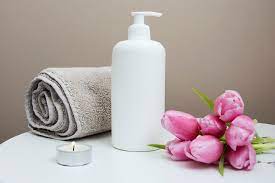
More than minerals and water are required to turn a typical bathroom into a sanctuary. You can use soft towels, controllable lights, and adornments that create an atmosphere that welcomes relaxation. Include small-scale candles on the periphery of the tub with flames that provide soft illumination. The slightest bit of greenery helps bring nature inside for relaxation.

Gentle Agents to Boost Skin Health with Nourishment

In addition to relaxing the muscles, a magnesium bath helps to give the skin a glow. The mineral helps to hydrate and repair the cells due to its ability to attract moisture to the epidermal layer. During soaking, scrub a bit with a side brush or natural sponge to scrub off dull cells, and in turn, boost circulation. Pat dry and trap moisture by using a light natural oil or serum, and the skin will absorb the nutrients. As time progresses, you will feel that your skin has become smooth already and has a healthy glow that is a result of constant renewal with the help of minerals, so your skin will feel refreshed too.

Retraining to Have Restful Sleeping Routines

Magnesium soaks in the evenings, prepare you to take a lovely, restorative sleep with the help of balancing various hormones that control your circadian rhythm. The temperature reduction when exiting the bath into cool air is an indication to your body that you should take a rest and relax. You will sleep more comfortably, more deeply, with less anxiety and you should end up waking up in a good mood.

Magnesium baths are refreshing and also spiritually enhancing. Muscles relax, minds can be more focused, skin becomes radiant, and sleep comes as easily as breathing. This habit goes beyond relaxation and becomes a specific gesture of care taken towards yourself, one that re-echoes in all the levels of your life. By doing that, every bath will become the ritual of rejuvenation, a special moment created especially in your favour where the stress of the day is washed away and health prevails.

This article was written by Miranda Spears and contains some sponsored links.

10 Steps To Managing Your Anxiety by Anita Ginsburg.

(image: Joice Kelly at Unsplash)

Anxiety is a natural response to stress, but sometimes it can become overwhelming and interfere with your daily life. If you’re struggling with anxiety, you don’t have to go it alone. There are many effective strategies for managing anxiety that psychiatrists and mental health professionals use every day. Here are 10 proven strategies for reducing anxiety and taking control of your thoughts and feelings.

Identify Your Triggers

The first step in managing your anxiety is to identify what triggers it in the first place. Is there a specific situation, person, or event that causes you to feel anxious? By recognizing these triggers, you can begin to take steps to avoid them or find ways of coping when they do arise.

Keep a Stress Journal

Keeping track of your thoughts and feelings can be a great way to gain insight into how your body reacts to certain situations and how best to manage them. Write down any physical sensations, emotions, or triggers that contribute to your anxiety so that you can better understand what’s causing it and how best to deal with it.

Exercise Regularly

Exercise is not only a great way to burn off pent-up energy but also helps release endorphins which act as natural mood boosters. Even just a few minutes of exercise each day can help reduce stress levels and improve overall mental wellbeing.

Practice Relaxation Techniques

Taking time out of each day for relaxation is essential for keeping your stress levels low. Take up yoga, practice deep breathing exercises, or listen to calming music before bed each night—whatever works for you. Finding activities that bring about relaxation will help reduce the intensity of your anxiety over time and lead towards more peaceful days ahead.

Talk To Someone

Talking about the things that are causing you anxiety is often the first step in taking control of it again; whether it be with family members, friends, or even professional psychiatric services, like New Tele Doc, if needed. Having someone else who you trust to talk through issues with can help put problems into perspective and provide clarity on potential solutions going forward—something we often need when dealing with our own anxieties.

Get Enough Sleep

Lack of sleep can exacerbate existing anxieties so make sure you get at least 7-8 hours per night whenever possible; if not more depending on personal circumstances. If insomnia is an issue then try getting outside during daytime hours (weather permitting) as exposure to sunlight helps regulate the body’s natural circadian rhythm which aids in quality sleep later at night.

Eat Well and Drink Water

Eating well balanced meals throughout the day helps keep energy levels high while avoiding unhealthy snacks or sugary drinks which can cause blood sugar spikes/drops leading towards feelings of fatigue/anxiousness respectively. Similarly drinking lots of water helps ensure good hydration levels which makes us feel more alert mentally whilst providing physical benefits too.

Practice Mindful Meditation

Mindful meditation involves focusing on one’s thoughts without judgment in order to allow yourself some time away from any negative self-talk or worrying thoughts; allowing yourself time away from such things has been proven beneficial for those struggling with anxiety issues. It’s important however not to focus solely on this technique as other methods should always be employed alongside mindful meditation too when tackling any difficult issue such as this one.

Avoid Caffeine and Alcohol

Both caffeine and alcohol are known stimulants which if consumed regularly can increase adrenal hormones leading towards heightened states of fear, anxiety, and nervousness. Try replacing coffee/tea based beverages (which contain caffeine) instead with green tea or fruit juices (which don’t!) as these are far healthier options overall particularly when trying to combat any pre-existing anxieties already present within oneself.

Break Negative Thinking Patterns

Lastly breaking negative thinking patterns involves challenging any irrational beliefs we may have about ourselves by looking at evidence objectively. This could involve writing down pros and cons for certain decisions we make before acting upon them so we have an understanding of why certain actions should be taken based upon factual evidence rather than assumptions made from our own potentially skewed perspectives.

Everyone experiences periods of worry from time-to-time but learning how best to manage those worries will increase your confidence in being able handle similar situations better next time they arise. By following the above 10 steps anyone suffering from regular bouts of anxiety will likely find their overall quality of life improving dramatically once proper management techniques become part of their daily routine! Psychiatric services such as therapy sessions/medication may also be necessary depending upon individual circumstances. Seeking medical advice should never be seen as a sign of weakness but rather strength instead because ultimately tackling problems head-on is better than running away from them indefinitely.

Anita Ginsburg is a freelance writer.

How To Avoid January Anxiety And Burn Out By Dr Catherine Carney at Delamere

(image: Unsplash)

As soon as the 1st of January hits, every advertisement seems to switch from encouraging total indulgence, to tips and tricks on how to ‘better’ yourself both mentally and physically. Such a drastic change in narrative can cause your New Year to begin in a stressful, pressurised manner, and can even lead to burnout. 

With this in mind, Dr Catherine Carney of private rehabilitation centre, Delamere, has offered some tips and tricks to combat the anxiety that January can bring. As well as this, she will also outline the most common causes of New Year burnout, making it easier for you to avoid them. 

  1. Setting unrealistic goals 

While there is nothing wrong with being ambitious, pushing yourself too hard is destined to lead to disappointment and a feeling of failure. Rather than comparing yourself to people on social media platforms, it is always better to write a short list of smaller, more obtainable goals. 

Once you have achieved these, you can start to work on more difficult ones. This may be easier said than done due to toxic hustle culture being everywhere, but it is important to remember that everybody progresses at a different pace. If you attempt too much in one go for example, telling yourself you will go to the gym every day or read 10 books a month, you could mentally and physically crash and burn. 

  1. Comparing your progress to someone else’s 

As stated previously, different people achieve things in their own time, which is crucial to remember around New Year. If somebody you know has started running 10k a day and you are struggling to get past 5k, then try not to punish yourself – or worse, exert yourself too much and cause an injury. 

Your body and your mind can only do so much in a certain period, so it is always important to remember to rest and recharge. Not allowing yourself to do this can lead to you wanting to isolate yourself from others, due to feeling like a failure, as well as making you feel exhausted and worn out. Taking small, realistic steps is key when it comes to forming a new habit.

  1. Forgetting to plan your time

Many people find themselves struggling with day-to-day life in general, so adding a new task or activity can cause them to be completely thrown off. Telling yourself you will go for a run, read a book, or do some writing, but not planning a specific time, could lead to you becoming stressed and irritated – especially if you do not end up doing the task. 

Juggling work, sleep, a social life, eating healthily, and leisure activities can be very difficult, so it is handy to write tasks and goals down. Setting a specific time would allow you to get things done prior to the new activity you are trying to stick to, as well as allowing you to fill your time efficiently and with things you enjoy. 

  1. Neglecting rest, relaxation, and meditation

Sitting down and allowing your body and mind to recharge is possibly the most effective way of avoiding burnout. It can be very easy to forget about this, especially with hustle culture making people feel guilty for not being productive. However, mentally recharging will allow you to feel more energised when it comes to tackling your New Year’s Resolutions. 

Meditation and general wellness has been proven to lessen feelings of anxiety and depression, allowing you to clear your mind after a challenging day and re-centre your energy. While wellness is not the right path for everybody, it could be worthwhile to give it a try, especially if your resolutions have left you feeling sluggish. 

  1. Forgetting to see friends and family 

Many people experiencing depressive feelings will feel compelled to socially isolate themselves. This can be for a number of reasons, ranging from feeling too emotionally exhausted to leave the house, to not wanting people to know how they are feeling. However, as depressive thoughts go hand-in-hand with burnout, it is crucial to maintain contact with friends and family – especially around the New Year. 

If you have not achieved something you told people you would, or are generally feeling like you are underachieving, socially withdrawing may feel like a comforting thing to do. Sharing your thoughts and worries with a loved one will allow them to offer words of encouragement and support, as well as a potential solution to your issue. For example, if your goal is to go to the gym more often, your friend could offer to go with you. 

Content from Dr Catherine Carney at: https://delamere.com/addiction-treatment/work-burnout

Need to Relax? 5 Unbeatable Ways To Unwind by Dixie Somers.

(image: adobe stock royalty free)

Sometimes life can be overwhelming. Whether it’s an extra project at work, adjusting to a new schedule or city, or trying to start a new exercise routine, your body can become overly stressed. Fortunately, there are many ways to relax yourself, and while some work better than others, there is no shortage of ways to take care of yourself. Here are five unbeatable ways to unwind and get rid of that extra stress. 

Make a List of Today’s Triumphs 

While making a list may seem like the complete opposite of what you’re used to when it comes to unwinding, it’s more therapeutic than you think. Some people even take solace in checking off to-do lists, as it makes them feel accomplished. Taking the time to write down all the things that went right today is a great way to put your mind at ease. Many times, we end up focusing on all the things that went wrong and forget about all the things that went right. 

Having an attitude of gratitude goes a long way for your mental wellbeing. By being grateful for all that you have and all that you’ve done, you cultivate peace in yourself, as well as self-gratitude. These emotions are the exact opposite of tension and uncertainty, and can help rewire your anxieties into something more positive and soothing. 

Consider Colouring 

This suggestion may garner some confusion at first, colouring is in fact a great way to help distract the mind and promote calmness. It allows your creativity to flourish, which recharges the brain. Whether it’s using an adult colouring book or just creating your own style with some coloured pencils, colouring can be a great way to unwind and recharge.  

Even if you’re not the artistic type yourself, there are plenty of ways to enjoy colouring and being creative. There are a plethora of sources online or in craft stores for unwinding by colouring. If you are more artistic, consider taking a painting class, or finding a paint-by-numbers booklet at a hobby store. Whatever your skill level, colouring can be a quiet, peaceful way to relax and enjoy some colour therapy. 

Soak in a Hot Tub 

Hot water has always been a fantastic way to help soothe the body and ease pain. Consider talking to a certified hot tub company if you would like a bigger, more luxurious way to enjoy a hot soak than in your bathtub. 

 Determine the best hot tub to meet your needs, whether it’s indoor or outdoor, and be sure you have enough room for either. Some great features of hot tubs include an audio system, jets, low lighting, cooling systems, and so forth.  

Go for a Walk 

Walks tend to be underrated when it comes to de-stressing. However, they are one of the best and most affordable ways to do so. Simply putting your body in motion and taking in the scenery can do wonders for clearing your mind and making your body feel good. Consider taking walks in different locations to help improve their effect on your mental health. 

If you live somewhere with walking trails, use them. They can take you to places near your home that you never noticed before. Walks in local parks and even shopping districts can be therapeutic as well. Taking the time to slow down and enjoy nature is a must for anyone in life, and is an unbeatable way to relax when you’re under a significant amount of stress. 

Turn on Your Favourite Tunes 

Music is another timeless way to help let the overactive mind escape into a state of soothing calmness. Consider turning on some music and relaxing on the couch. Or, if your schedule is too busy to take time to sit down, consider flipping on your favorite music while you’re working on something. This will help to distract your mind and allow it to unwind. 

The type of music you turn on makes a huge difference in your mood. Easy-listening music, such as instrumentals or classical music, can help to calm your mind and ease into yours. If you’d rather listen to something other than music, there are plenty of apps, online channels, and audio files for ASMR–listen to ocean waves, chirping crickets, or birdsong to keep you at ease. Maybe you want to learn something as you unwind–tuning into an insightful audiobook or a guided meditation can both be amazing ways to keep your mind tuned-in while you’re relaxing.  

When your life gets stressful, having a multitude of ways to unwind and soothe your brain and body is a must. The above are viable methods that you can add to your arsenal to ensure that you can always handle any bouts of stress that life throws at you. Try mixing up your routine every now and then so things feel fresh, relaxing, and keep helping you push on.  

This article was written by freelance writer Dixie Somers, based in the USA.

How To Stay Emotionally Healthy During A Divorce: by Lizzie Weakley

(image: Karolina Grabowska: Pexels)

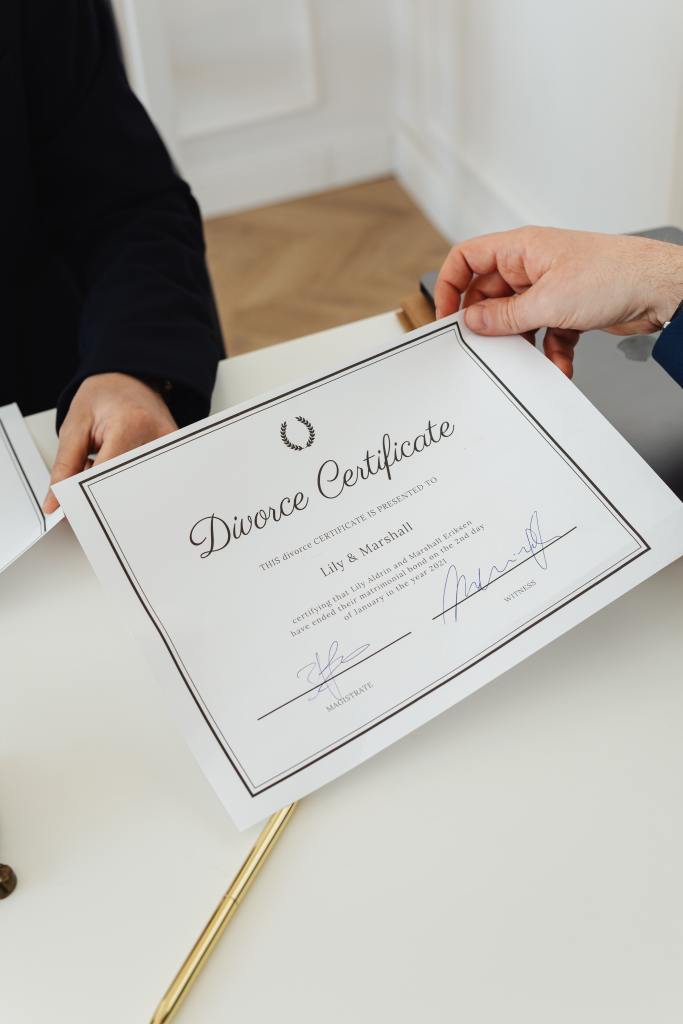
When you are in the midst of getting divorced, you may be surprised at just how much it will drain you emotionally. Whether you have been married only a short period of time or perhaps for decades, knowing you will soon be divorced can be a scary thought that may leave you very depressed, which can result in you making poor decisions as your divorce moves forward. If you want to emerge from your divorce with some emotional health, here are some steps you should take along the way.

Don’t Stay Isolated

As your divorce process moves forward, don’t make the mistake of staying isolated. Instead, stay in touch with your family and friends. If your social network is now cut in half due to your divorce, make new friends by perhaps attending church/synagogue or learning a new hobby- whatever feels right for you.

Don’t Blame Yourself

When couples divorce, it is not unusual for one spouse to blame themselves for the marriage breaking up. Even though there is usually fault to be found on both sides in most divorces, this does not mean you should continually beat yourself up emotionally day after day about your marriage ending. Instead, you need to accept that it happened, plan your future, and try to move forward as best you can. You should reach for support if you need it.

Write Down Your Thoughts

During your divorce, you will be having plenty of meetings with your divorce lawyers and others as well. Needless to say, you may feel a bit drained at the end of the day. If you have plenty of thoughts running through your mind, take some time to write them down in a journal. By having the chance to express your innermost thoughts in this manner, it can be a great way to relieve stress and keep your emotions in balance. Another option would be to talk about your feelings with a therapist when you are ready.

Take Care of Yourself

Last but not least, taking care of yourself physically will play a big role in keeping you feeling ok emotionally. Therefore, you should eat healthily, exercise regularly, and treat yourself to something special now and then, such as dinner at your favourite restaurant, a relaxing vacation, or getting pampered at a day spa. By doing so, you will find many things that were eating away at you will suddenly not seem nearly as important. Self care is vital in the aftermath of a relationship breakdown.

Though you may wonder what the future will hold for you after your divorce is final, looking after yourself and your mental health will pave the way for a new chapter in your life.

Lizzie Weakley is a freelance writer, based in the USA.

6 Ways Fathers can Assist New Mothers- Guest blog by Jess Levine

(image: Unsplash)

A new bundle of joy in the family is indeed a happy addition. While welcoming a new baby is a joyous event, new mothers also have a lot of things to keep in mind. Not to mention, mothers have to make huge adjustments in their routines, schedules, and even hobbies just to make time for the baby. 

New mothers are also recommended to get enough rest. However, with an infant to care for, most mothers would not even have much time for themselves. And that’s where fathers should step up. 

New mothers need both physical assistance and emotional support. Baby care and household chores are part of physical assistance. Emotional support can be done in various ways. But letting new mothers have a day for themselves is more than enough. Caring for a baby could get exhausting, and having a self-care day can help mothers refresh and recharge themselves after a gruelling week.

Fathers, or partners, can always help in both aspects. But aside from simply volunteering to change diapers and give bottled milk, here are some more ways to assist new mothers: 

  1. Have Your Fair Share Of Chores

This is one of the main things that partners can do to help eliminate the stress and burden of new mothers. Most of the time, your wife may not be able to wash the dishes or mop the floors because she needs to attend to the baby. 

So, why not volunteer to do the dishes every night? Or help with the laundry each week during your day off? Helping around the house will definitely lessen the physical stress for new moms. Offering to disinfect or sterilise the baby’s things is also a great idea. The extra time they get can be spent resting or bonding with the baby.

  1. Cook or Order Takeout (takeaway)

Just like household chores, cooking also takes time. Most new moms don’t even have the time to think about meal prep or planning. So, might as well just take things into your own hands! You can volunteer to either prepare breakfast or cook dinner so your partner can get more sleep. If you’re working long hours and there’s not much time for you to prepare dinner at night, then offer to order takeout instead. 

  1. Offer A Spa or Massage Day

New mothers direly need, and would highly appreciate, a self-care day. Sending them off to a spa or massage session would definitely lift up their mood and calm their mind. Doing this at least once a month can help improve their mental and emotional state. Mothers need a break from all that baby care too! But make sure to have someone reliable enough to care for the baby while mom is away. You can volunteer to do it yourself but if you need to take care of work or other errands, then you may hire a nanny or leave the baby with grandparents or a trusted family member for the day.

If it’s not possible for you or your wife to go out to a spa or massage service, then you can book a home service instead. You can also plan and prepare a homemade bubble bath that your wife can soak and relax in!

  1. (image: unsplash).
  2. Avoid Adding More Pressure

New mothers might be overly conscious and anxious that they aren’t doing a great job with the baby and the house. On your part, you must also understand that they cannot fulfill household duties 100% all the time, since they also have a baby to care for. 

So, if you see that the kitchen is not clean, floors are dirty and unswept, and the laundry is already piling up, don’t take it out on her. Instead, ask her which task she may need help with and communicate how you can work together to make sure that basic household duties are still maintained while also caring for the baby.

Appreciate What She Does

New mothers are always overwhelmed, but a simple appreciation will make them feel happier and secured. Many new moms are always thinking that they aren’t doing a good job (even if they are). So, don’t forget to remind them that they are doing great and that you appreciate everything she does for the house and the baby. Most of all, it’s best to remind them that as long as the baby is happy and healthy, then they’re doing more than a good job already.

Encourage Social Interaction

The mental and emotional stress that new mothers feel is sometimes caused by being cooped up in the house for too long. While she can spend more time bonding with the baby and communicating with you, remember that a healthy adult also needs a well-rounded social relationship. 

So, encourage your wife to go out and see her friends over coffee sometimes! Recommend a mom group in your area that she may be interested in, or if your wife thinks she should see a therapist to help with postpartum depression or anxiety, then help her book a session.

A new mother would usually insist on being more hands on with her baby, and this is not a surprise, since it is just part of human nature. However, it does not mean that they don’t need the help and support from others—especially from a partner. 

Assisting a new mother would not take much time, a simple gesture and moment of appreciation can already do wonders. However, it’s important to also help them with physical tasks to ease their stress and burden. Most of all, it’s important to do these things consistently.

Author’s Bio:

Jess Levine is an experienced writer who loves creating articles that can benefit others. She has worked as a freelance writer in the past making informative articles and fascinating stories. She has extensive knowledge in a variety of fields such as healthcare, technology, business, finance, marketing, personal development, and more.

Check out her company here: https://www.spacetobeyou.com/

My crippling Anxiety once floored me. Now I wouldn’t be without it : Guest blog by Emma Johnson at Worry Knot Jewellery

emmajohnson2

(image: Emma Johnson at Worry Knot)

Trigger warning: talks about self harm, anxiety, depression and mental illness 


For 10 or so years, throughout adulthood, I have battled on and off with something invisible and something I still don’t fully understand myself.

Generalised Anxiety Disorder. 

I’m now 29 but my illness started at about the age of 21. In my third year of University, I started to dread things, I started to worry about everything I said, did and I started to question if anyone liked me. I have always been apologetic but this was different. I felt like apologising for walking into a room. 

I was unable to switch off, unable to focus on my University work and I withdrew a lot socially. Life moved quite slow back then. 

For me I knew this was out of character. I’ve always been fun loving and outgoing, with a smile on my face. I became confused about who I was. I developed an uneasy feeling that would take almost 8 years to learn to sit with.

During the first few years of my disorder, I definitely still achieved a lot. I often feel my disorder makes me thrive more, sort of like overcompensation, a little bit like proving people and myself wrong. I graduated with a BSc in Psychology and at the age of 24, I went on to gain my MSc in International Development.

I don’t think I truly recognised these achievements until about the age of 27. 

Whilst studying my MSc life changed quite a lot for me. I had gone through a bad break up in my younger years but then I finally met someone who lifted me back up, who challenged my thoughts, someone who was completely different to me in every way. This was oddly comforting for me, a bit like escapism from my own ruminating thoughts. 

Then I entered the world of professional work. I started out as a fundraiser, and in my most recent role I tried my hand at facilitating group therapy. In 5 years I have moved through 4 jobs within the charity sector. Sometimes part time.

During this time my anxiety disorder would often become too much. I often sunk low and developed bouts of depression. I would cry and sob. I was back and forth to the GP, often teary, often red in the face and always a bit embarrassed, even though I didn’t need to feel embarrassed.

At one point I was signed off sick from work, bed bound for 3 months, with no motivation at all, just me, myself and my catastrophic thoughts. I was pretty exhausted, shaky, drained and more confused than ever. My physical symptoms manifested as sweating, chest pains, palpitations, shortness of breath and the odd panic attack. 

One thing I started to do was open up, I began to share things with my partner and colleagues. They let me cry if I needed and at the same time my GP was stabilising and finding the right medication to suit me. But I was clearly still unwell.

I quit another job I enjoyed through my inability to cope and my lack of self esteem. My Imposter Syndrome led me down another uneven path.  Always overworking. Always overthinking. Always overcompensating. I didn’t slow down until I was forced to.

Another behavioural symptom of my anxiety is skin picking and nail biting. In early adulthood I would sit for 3 hours picking at my face and over the years I have made the skin around my thumbnail so sore it would bleed. It is now scarred.

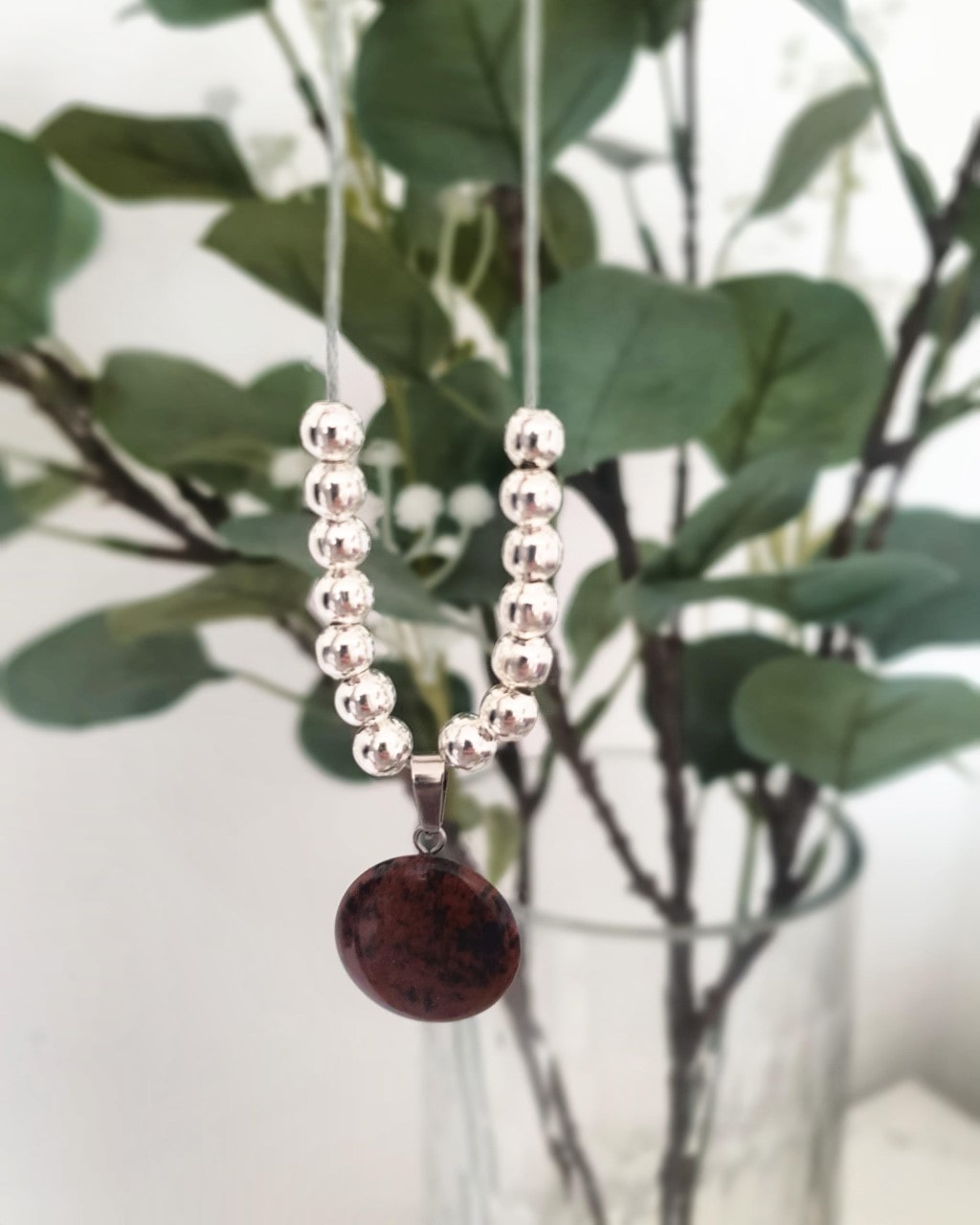
My need to fiddle with something to ease anxiety is always apparent. Earlier this year, I was talking to my friend about making jewellery and how cool it would be to make my own. I have always been into accessories, fashion and jewellery so I said I’d love to make something I can wear and carry with me discreetly but also fiddle with, to stop me from picking so much. 

She mentioned worry beads and I was intrigued. I wanted to make my own twist on them. A prettier version, merging them with jewellery design that I would more likely wear, so I did and my life has changed. I have started a small business called Worry Knot.

necklace1

(image: Emma Johnson at Worry Knot)

Alongside selling calming jewellery, I’m blog writing. I’m advocating more widely about the importance of opening up when confusing and sometimes debilitating symptoms develop. Not only is it therapeutic for me to make my jewellery but it’s extra therapeutic playing with this jewellery a few times a day. 

Having something to focus on, things to make and to write about has been crucial in managing my own anxiety, especially at such an anxious time for the world. I hope my jewellery can go on to help those feeling anxious not only now but going forward into the future too.

emmajohnson1

beads

(Images: Emma Johnson)

For more information please visit:  www.worryknot.co.uk and instagram.com/worryknotuk

You can also find me @worryknotuk on Facebook and Instagram.


Emma Johnson is a writer with lived experience of mental health issues. She is the founder of Worry Knot, a jewellery brand to help others who have anxiety.    worryknot


5 Ways you can reduce Anxiety in Every Day Life: Guest blog by Samantha Higgins

theway2

(image: Picuki.com)

Reducing anxiety at the moment in our every day lives is so important.

Having anxiety is something that many people have challenges with. It is estimated that about 1 in 5 adults have an anxiety disorder and that more than that will experience an anxiety disorder at some point in their life.

The symptoms of anxiety include feeling restless or on edge, being easily irritated, difficulty controlling feelings of worry and having difficulty sleeping, amongst others. 

If you feel that you may be experiencing symptoms of anxiety, there are many things you can do to help reduce and manage those feelings. 


1. Look at Lifestyle Choices

A number of different lifestyle behaviours could contribute to your anxiety. Drinking alcohol, taking drugs, eating junk food will all play a big role in how you feel. For example, excessive drinking or the use of drugs can cause a multitude of health problems including liver and kidney damage. It also causes mental illness such as drug and alcohol addictions. You may need further support from a psychiatrist or rehab unit if you are struggling with addiction or mental illness.

On the opposite side, exercising regularly and eating healthy foods are proven to boost your mood, increase the chemicals in your brain that make you feel happy and improve your overall physical health. 

If you want to manage anxiety, consider looking at your current lifestyle choices and if there is anything you have the power to change. Be honest in your assessment but know you have options for assistance.  Making a big lifestyle change is hard but if there is something you know is causing your mental health and anxiety to worsen, it is a good idea to remove that from your life if possible. 


2. Talk to Your Family and Friends

Even if you think your family and friends would not understand, you might end up getting some of your most valuable support from them. You should not ever feel you have to hide any of your mental health concerns from them, unless you know that they would react badly.

Try to avoid shutting people out, being secretive about your mental illness or becoming defensive when people ask. 

True friends will listen and care. There is still a stigma to mental illness but it is important to find someone you trust.


 3. Set Boundaries

If necessary you can set boundaries for yourself. This could mean letting people know there are certain activities you don’t participate in. It could also mean a limit on how much time you spend with friends and family, in order to practise self care and recuperate. 

Many people who struggle with anxiety disorders find that setting up a schedule for themselves that they are consistent in keeping can greatly reduce feelings of anxiety. It helps them to feel more in control and gives them a structure that feels secure.

Setting boundaries is a way for you to have control over your situation and environment, although these should not be too rigid. There are certain things that can’t be controlled that can increase anxiety. 


4. Let Go of Things You Can’t Control

If something is out of your control that is causing your anxiety there are ways that you can cope with these feelings.  One suggestion is to write down how you are feeling to help let those emotions go. The BACP tells us that, “It can help to express this anxiety in a way that you can control. That could be writing down what you feel, or keeping a journal.”

You can also try making a list of things you are grateful for, or use breathing and relaxation techniques. 

If you are still struggling to cope with things out of your control seek help from a professional. 


5. Get Professional Help

You could turn to all types of mental health professionals to get help, including GPs (physicians), psychiatrists, psychologists, counsellors and therapists. You may be referred for talking therapies, cognitive behavioural therapy, mindfulness or EMDR therapy for trauma.  They may also recommend medication for you too.

In the UK, you would go via your NHS GP who can refer you on to see a psychiatrist or to IAPT for counselling.  Also check out the Counselling Directory website.

When searching for a good therapist in the USA, Karen Whitehead, who does counseling in Alpharetta, GA tells us that, “Psychologists (PsyD), Licensed Social Workers (LMSW/LCSW), Licensed Professional Counsellors (LPC), and Licensed Marriage and Family Therapists (LMFT) can all evaluate and treat mental illness, provide talk therapy, support and feedback, and teach coping strategies such as mindfulness.”

Your counsellor will be able to help you better assess your situation and get to the core of your anxieties. Even if you already know why you get anxious, you can benefit from learning coping skills.

Your counsellor can indeed equip you with tools adapted for your specific needs. You will have feedback on what is and what is not working. You can learn to live with, manage and in many cases, recover from anxiety.


You Are Not Alone

Do not ever think you are alone when it comes to your anxiety. Try not to beat yourself up if setbacks occur or you have a bad day.

Talk with your therapist about ways that you can help to further reduce your anxiety. They will be able to help you.


This blog was written by freelance writer Samantha Higgins.