7 Ways To Care For Yourself And Your Mental Health This Autumn/ Fall.

(image: Ella Ivanescu, Unsplash)

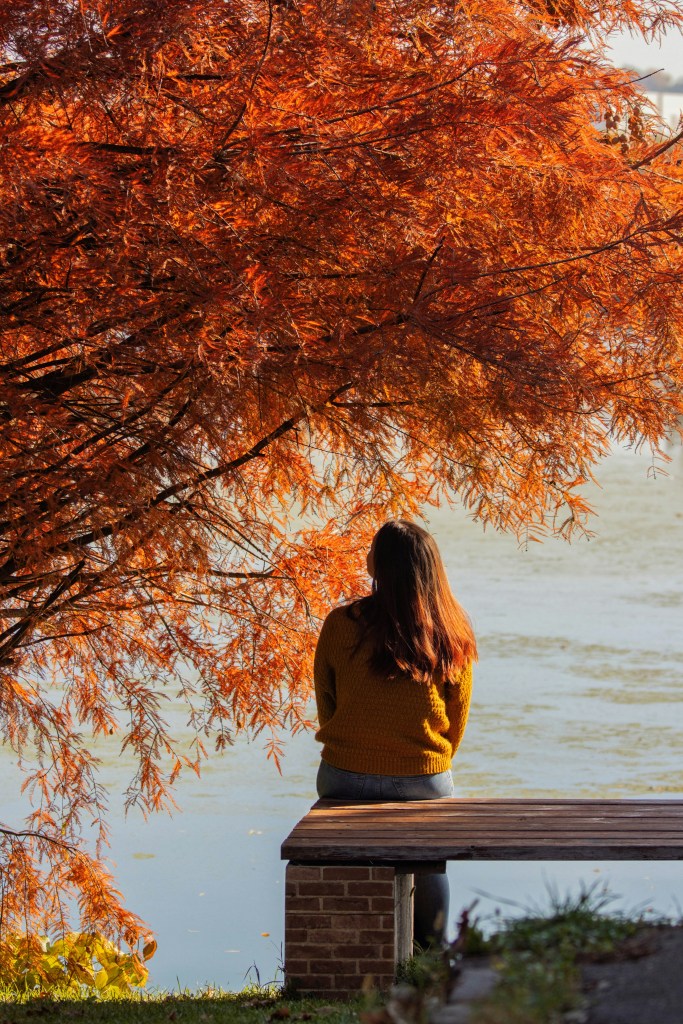
Autumn (or if you’re in the USA, Fall) is one of my favourite seasons. Beautiful autumn leaves, the weather getting gently cooler, cosy hot chocolates and pumpkin spice, the autumn harvest of pumpkins, snuggling in blankets with a good book or TV show and for some- walks in nature with the orange and yellow trees and landscapes. However, did you know that the clocks going back and the change in light and dark, with nights drawing in, can affect your mental health? Studies have shown that when its darker, people are more prone to depression and anxiety and some (like myself at times) struggle with Seasonal Affective Disorder.

There are many ways to take care of yourself if you feel your mood dipping or you are becoming more anxious. If you feel it is affecting your daily functioning, please reach out for support from your doctor (and if you have one, a therapist or psychologist). Here I talk about a few tips to help support your mental health this Autumn.

  1. Make sure you rest as well as play and work

Work can become all consuming, but if you prioritise rest this season too, your body will thank you. Autumn is all about slowing down, recovering, resting (and for animals (and some humans) hibernating). Yes you can work and play hard if you prefer, but make sure you find that balance to support your wellbeing. In our busy lives and for those who are parents or just struggling with their mental health, self care can slip. Practising good self care- eating well, resting, gentle exercise, can really help our minds.

2. Release Control- Give Stress Over

Gabby Bernstein, my favourite spiritual teacher, often says ‘Release control to find peace, surrender it to the Universe’. Surrendering means not obsessing about what we can’t control, but giving it over to a higher power or the universe. This can really help when we feel overwhelmed and stressed, to pray and meditate or simply write down how you are feeling and then ask the universe to take it from you. Journalling thoughts and feelings can help too.

3. Nature walks

Despite the cold, this Autumn, walking in nature can help get the blood pumping and our minds to reset. Sometimes going with a friend, spouse or family member can cheer you up- there is something about the colours of nature, the soft greens that is truly calming.

(image: Erika Mendes, Unsplash)

4. Make your home cosy

Whether its getting some new cushions or blankets, fairy lights or lamps, investing in cosy and light interiors for the darker seasons is a must! I like to use lamps when the nights draw in.

5. Get enough sleep (but not too much!)

During the Autumn/ Winter period, most of us naturally want to hibernate in the evenings. Sometimes this period can make depression and anxiety worse. I know with my bipolar that sometimes I feel lower or more anxious. Getting enough daylight and if you struggle with seasonal affective disorder, use an SAD lamp, which can help you to wake up gently in the mornings. Similarly, make sure you get enough sleep for you to keep your mental and physical health at its best. Depression can cause us to sleep longer hours and hide away- I find daytime distractions can help me not to sleep too much.

6. Take your medication as prescribed

If you struggle with mental health in winter and are prescribed antidepressants or other meds, do not suddenly stop them as this can cause a relapse in your mental health. Make sure you speak to your doctor first!

7. Treat yourself

Treat yourself to a hot chocolate (or pumpkin space drink) and a good book or TV show, wrapped in a cosy hoodie or blanket. You deserve it!

Wishing you all a wonderful and well Autumn/Fall season.

Eleanor

Winter Blues and Cotswold Cottages by Eleanor

(image: Liv Cashman)

“Winter is the time to snuggle up in blankets and sip on hot cocoa.” 

It is official, I am totally over Winter! I cannot wait until the days are longer, the cherry blossoms are on the trees, the sunshine is shining, the baby animals are around, the daffodils are nodding. Yes, Spring is much needed.

I find that the Winter season makes me want to hibernate and I definitely feel lower in this season. Some people like me may have seasonal affective disorder.

So despite the cold winter darkness, I know the days will lengthen soon (and then I will be saying its too hot when its summer!),

This is just a short post to remind myself to enjoy the rest of winter (and find a lovely Cotswolds cottage like the photo to go to!)

Eleanor x

Mind Charity And The Works Reveal The Crafts That Will Aid Your Mental Health This Winter.

(image: Andrey Novik, Unsplash)

With the nights drawing in, The Works have teamed up with the mental health charity, Mind, to raise awareness of the mental health benefits of crafting.  

The winter can be especially difficult for many, with darker, colder days and prolonged periods of rain affecting energy, mood, anxiety and stress levels. Some people may experience Seasonal Affective Disorder, which is a type of depression experienced during different seasons or times of year.

Stephen Buckley, Head of Information at Mind said, 

“We know that crafting can be a powerful way to support mental health and wellbeing. Creative activities like card-making or knitting require focus, which may help us disconnect from daily pressures and find a welcome distraction. Learning a new skill can also bring a sense of accomplishment, which can be especially rewarding as the nights draw in. The repetitive motions of these crafts can feel meditative and calming, making them a helpful tool for managing stress, depression, and anxiety. Different things will work for different people and the main thing is finding a craft you enjoy and which fits into your life.”

Mind and The Works have produced a blog post with some ideas for easing stress and anxiety, boosting concentration, focus and memory.

Lynne Tooms, Chief Commercial Officer at The Works said, “Channelling your emotions into creativity can have a huge impact on us as adults, with various craft types having a big impact on our mood and sense of achievement, as well as providing us with skills and hobbies that can turn into passions to enjoy all year round.”

Crafts suggested include painting, scrapbooking and crocheting, with the full list found below.

https://www.theworks.co.uk/theworks-blog/craft/winter-wellbeing-crafts.html

Top 10 crafts ideas to support wellbeing:

  1. Colouring
  2. Crocheting
  3. Knitting
  4. Painting
  5. Ceramics
  6. Sketching
  7. Scrapbooking
  8. Journalling
  9. Cross Stitch
  10. Flower Pressing

This post was written by a freelance writer on behalf of Mind and The Works.

Seasonal Affective Disorder And How To Improve Your Mental Health by Eleanor

(image: Mira Kemppainen)

Seasonal Affective Disorder (SAD) is a type of depression during particular seasons of the year (most commonly winter and summer). For me personally, I know the cold, dark early nights do not help as I will just want to hibernate! I find that during winter I am much more prone to depression/anxiety and I know others are too.

Mind says that, ‘ if your feelings are interfering with your everyday life, it could be a sign that you have depression. And if they keep coming back at the same time of year, doctors might call this seasonal affective disorder (SAD) or ‘seasonal depression’.

SAD symptoms can include lack of energy, feeling sad and tearful, withdrawing from friends and family, feeling anxious or agitated, sleeping too much or too little and suicidal thoughts.

Luckily there are ways to improve your mental health with SAD:

  1. Talk to someone or a helpline about how you are feeling

This can include Samaritans, Sane line or CALM.

These helplines can listen to you and provide a kind, one to one, listening ear if you are stuggling with depression, low self esteem, feelings of unworthiness or suicidal ideation.

2. Track your symptoms

It might be good to see what times of the month you are feeling worse too and how the weather is. A daily diary can be really helpful to show to your Dr or therapist.

3. Manage Stress

Speak to your therapist or find some mental health support locally if you can. Speak to a trusted loved one and make sure you don’t become too stressed or overwhelmed.

Look at mental health relaxation techniques such as mindfulness and make sure you are not over working and taking time to rest.

4.Walk and exercise

Exercise can help to boost your mood when you have SAD. Maybe a brisk walk or even some dancing around your room to a youtube video, any exercise can boost those endorphins and set you up for a good day.

5. Self Care

Watching a good TV show, having a bubble bath and planning other relaxing activities can really help. Especially on dark, cold and miserable nights. Look after yourself.

6. Speak to your GP

If your depression is worsening and you need medical help, please reach out to your GP or psychiatrist as they may be able to help with further treatment eg anti depressant medication if suitable.

SAD can be really challenging but making sure to take time for yourself, practise self care, talk about it and reach for help can go a big way in easing the depression’s effects this winter.

Are You Slipping Into Seasonal Depression? Tips to Help By Obehi Iyobhebhe

(image: Sydney Sims: Unsplash).

It’s a day like every other day before, but you can’t find the motivation to follow your typical routine. On average, you’d jump out of bed, drink a hot cup of coffee, and catch up with morning shows and podcasts before hitting the gym or work. But you somehow don’t feel like doing anything today; this happens at a particular time of year.

Seasonal affective disorder (SAD) is depression associated with seasonal changes, e.g., winter, fall (autumn), or summer. People tend to associate seasonal depression with “winter blues,” but it also appears in other seasons, and how to differentiate it from sadness is that SAD occurs in the same season every year for you.

Symptoms of seasonal depression

The symptoms of seasonal depression are divided into three categories:

General symptoms

● Loss of interest in activities you enjoy

● Sluggishness or hyperactivity

● Low moods that last all day, every day

● Insomnia or oversleeping

● Increased carbohydrate craving

● Loss of focus

● Low energy

● Suicidal ideation

Fall and winter SAD

Seasonal depression in the winter typically starts in the fall and lasts until after the winter, and these are the symptoms:

● Oversleeping

● Craving foods high in carbohydrates

● Weight gain

● Tiredness

Spring and summer SAD

Summer depression is more common during spring until summer, and the symptoms include:

● Weight loss

● Insomnia

● Anxiety

● Increased irritability

Are you slipping into seasonal depression?

As somebody who experiences seasonal depression in the winter, I can subjectively say there’s no ultimate method to cure or treat SAD, but there are tips to help you navigate it.

Tip #1: Identify the events that lead up to the seasonal depression

Are you in college and anxious about going home for winter break? Or you’re a mom about to spend her entire summer with extended family and it’s sapping your energy? It’s best to understand what happens when you experience seasonal depression so you understand the major problem and how to tackle it.

Tip #2: Don’t spend time alone

I understand how tempting it is to avoid people when you’re in a low mood, but spending time alone can make you brood over your intrusive thoughts, keeping you in a more depressed state. It’s best to invite your friends over if you don’t have the energy to see them and feel able to have them round. You don’t have to go too far out of the house or your comfort zone as long as you don’t spend too much time isolated.

Tip #3: Say NO to plans that make you feel uncomfortable

When you’re experiencing seasonal depression, you could be inclined to accept invitations just to escape the feeling of sadness, guilt and worthlessness. But you will only feel more drained by going to places you don’t want to be. Look after yourself.

Final tip

The ultimate hack that works for me during seasonal depression is being open about my suicidal ideation. Whether it’s second-hand suicidal or intrusive thoughts, I have a friend I can be vulnerable around, and I tell them everything that goes on in my mind during that period.

“What if they get tired of listening to me complain?”

It’s normal to feel guilty when you constantly complain to one person about your problems – you could feel like a burden and want to step back. But if that trusted friend or family member has never told you to stop talking or coming to them, you should keep going to them. And if that friend ever tells you that they are tired of hearing you complain, it doesn’t mean they hate you – your friends have probably internalised your problems too much and need a step back before continuing to be there for you.

In all, don’t be afraid to talk about how you feel when you experience seasonal depression, and remember, it will pass, so don’t make permanent decisions during that period.

I’m rooting for you and believe you’ll see better mental health days this year and beyond.

Author’s Bio

Obehi Iyobhebhe is a freelance writer in the business and psychology space. She’s passionate about helping people improve their life’s quality by paying attention to their mental health.

Obehi is also interested in helping entrepreneurs hit their business goals by creating blogs and email campaigns to generate leads.

You can find her here: https://ehinotes.medium.com/ and https://www.linkedin.com/in/obehi-iyobhebhe/

Tips for Identifying and Overcoming Seasonal Mood Changes by Brian Thomas.

(image: free image)

Seasonal affective disorder (SAD) is a type of depression that some people experience with the changing of seasons. Usually, it is associated with the transition from fall into winter, but it can also happen during the summer. Either way, there is a noticeable pattern with signs of SAD due to many external factors. Here are some ways you can identify SAD and work to overcome some of the symptoms. 

Spend Time Outdoors 

SAD is thought to be caused by fewer hours of sunlight due to the shift of the planet’s position going into the autumn and winter months. It is also believed to be linked to the production of melatonin, a hormone that we produce when it is dark outside. Not getting enough sunlight can affect your mental and physical health. Therefore, it is important to remember to get outdoors and soak up the sunshine even during the colder months. 

Snow activities, such as snowshoeing, skiing, and sledding are all fun ways to spend time outside in the cold, if you’re in a country where you have snow. Weather permitting, a walk around the neighbourhood is a more manageable daily outdoor activity that you can do with a furry friend or family member.

Not only will you be able to maximise your vitamin D intake, but you will also be able to spend quality time with your walking partner. If you’re finding it difficult to leave the house to get your vitamin D, consider taking a supplement or buying a sun lamp. 

(image: free image)

Increase Exercise 

Exercise can help boost energy levels by producing endorphins, giving you that “runner’s high” feeling and keeping your SAD symptoms at bay. Some of the outdoor activities listed above are also great methods of exercise, but if you can’t get outdoors to get active, have no fear. There are many at-home workout videos on the internet that you can follow along with. Whether it’s yoga, Pilates, or HIIT, find what works for you and get into a routine. 

If getting outside of the house is high on your priority list this time of the year, we hear you. Try taking a tour of a local fitness center or gym that you’ve never been to. You may find that you enjoy being around other people who are as motivated to move as you are. Not every “New Year’s Resolution” has to start on January 1st, you can set goals on your own time.

Seek Professional Advice 

If you feel like you’re experiencing more than just a case of the blues, consider talking to your doctor or therapist about next steps. Medication may not be right for everyone, so it is important to consult with your healthcare professional about what is best for you. These conversations are not always easy to have, but keep in mind that your mental and physical health always come first. 

If addressing your mental health seems intimidating or you don’t have a therapist, consider an online teletherapy service. Over the past few years, virtual appointments have grown in popularity because of their practicality. Many people feel more comfortable in their homes than in an office,which is important for a productive session. 

Get Creative 

Writing and journalling are two ways to get your thoughts onto a page and out of your head. This tip is especially important to consider if you feel like you’re stuck in a creative rut. You can draw, write fiction, or find prompts to follow online.

Gratitude journalling is a great way to reflect on what you are thankful for in your life and is especially relevant with Thanksgiving coming up. This holiday season, consider sending a Thanksgiving card to the people in your life that make you feel grateful. It will make them feel appreciated and you are sure to feel good about it too. 

You can even try a meditation colouring book. In the past, it may have seemed like an activity meant for a younger group. But now, it is gaining popularity because it can be calming and a great way to focus your mind for a while. When you’re finished, you’ll have a piece of art that you created and can hang up wherever you’d like. 

During these cooler and busier fall and winter months, it is important to make time for yourself and your mental health. SAD is not something to be ignored or swept under the rug. If you are looking to read more about mental health, check out our other blog posts! 

Disclaimer: This article is intended for educational purposes only and does not constitute medical advice. Consult a medical professional if you are seeking medical care or treatment. 

Brian Thomas is a contributor to Enlightened Digital. He enjoys reading and researching tech and business. When he’s not looking into the latest trends, you can find him out cycling.

Wellbeing Tips and Activities for Children: Twinkl Blog featuring Eleanor

(image: Twinkl)

I was approached by childrens learning website Twinkl to contribute some tips and ideas for the wellbeing of children this Autumn. I am delighted to be featured in Twinkl’s recent blog – Autumn Leaves: Wellbeing Tips & Activities for Children.

Check out some of their resources for wellbeing and resources for mental health too, including in partnership with Mind charity.

Thank you so much to all at Twinkl and I hope my tips are helpful. I used to work as a teaching assistant and was trained in safeguarding too, so hope you enjoy reading the blog!

6 Tips to lift you out of the slump of Seasonal Depression: Guest blog by Anita

winterpixabay1

(Image: Pixabay)

If you are feeling the pinch of Seasonal Affective Disorder (SAD), you don’t have to wait until next spring to get relief. There are several things most people can do to improve their mood and shake off seasonal depression. Check with your doctor about any of the following that may be a change in pace from your usual routine.

Take a Walk

Basic exercise like walking, biking, or swimming is not only good for people physically, but also helps to lift their spirits. Typically it works by improving circulation, getting the body in motion, and connecting them with the gym or the outdoors, all of which can improve the brain’s function and help to enhance your mood, reducing stress.

Listen to Positive Things

Being around good-natured people can also make you feel better. Anything that lifts you up and makes you feel good, even momentarily, is perfect to listen too. Enjoy music with positive lyrics and an energising beat. View comedy films and television programmes.

You might also want to listen to motivational things. Lectures on self-confidence and self-empowerment can help you learn ways to get to and keep yourself in a better mood. If you’re on the go, try listening to positive podcasts with inspirational or motivational messages. Continuous exposure to these will encourage ideas that can influence your mood and help you feel better.

Eating Healthily

With your doctor’s approval, follow an eating plan that will make you feel good as well as look good. Typically this involves three regular meals daily that total about 2,000 calories or however many your doctor recommends as well as a balanced approach with foods from all five basic food groups: dairy, grains, protein, vegetables and fruits, and healthy fats, unless your doctor stipulates otherwise. Avoid eating too much sugar, caffeine, and salt; eaten in large amounts, they may raise your blood pressure or cause bodily inflammation, which may negatively impact your mood.

Get Enough Sleep

Experts generally recommend getting between seven and eight hours of sleep each night, or sometimes as many as nine hours. If you are unable to get that much rest, take short afternoon naps of about thirty to forty-five minutes. Inadequate sleep can contribute to depression, while getting enough rest can help you to feel your best.

Try a New Hobby

When you feel down, sometimes it just means that you’ve fallen into a rut of routine, so try something new if you are able. Find a new hobby to exercise your creativity, whether that’s with dance, painting, photography, or sculpture. You could also take a noncredit class to learn more about a favorite interest or pastime. The goal is to exercise your brain and steer it away from negative thoughts while enjoying fun and different activities. 

Just make sure that whatever hobby you pick up is something you really are interested, not just something that you think you should learn. If you’re not truly interested in your new skill, you likely won’t maintain it in the long term.

Stay in Touch

Often, when we’re depressed, we isolate ourselves. However, while it may feel better in the short term, isolating from loved ones will actually worsen depression. Reconnect with distant family members or old friends. Take care of your current friendships, and be open to meeting new people who share your interests. 

Take a proactive approach to your mental health and reach out for help and support from a medical professional, should you need it. 


This blog was by Anita, a freelance writer from Denver, CO, USA. She studied at Colorado State University and now writes articles about health, business, family and finance. You can follow her @anitaginsburg on Twitter.


5 Ways that Spending More Time Outdoors Can Improve Your Mental Health: by Katherine Myers

fieldshutterstock1

(image: Shutterstock)

Self-care is a topic that often comes up when discussing mental health. Whilst taking a bath or reading a good book might provide a short term boost to your mood, a bit of self-care will rarely provide long-lasting improvements to your state of mind. 

Spending time in nature is one of the most effective ways of boosting your mental health. In fact, the benefits of the outdoors for your mental wellbeing have been scientifically proven in a range of different studies. Something to consider if you’ve been suffering from consistent low mood recently is whether you’ve been spending enough time outdoors. 

Especially during the winter months, it’s easy to miss the few hours of daylight whilst in the office or at school. It may not seem like a big deal, however, not getting enough sunlight exposure can be very detrimental to your mental health and over time, you will start to feel the effects. Some common symptoms of Vitamin D deficiency include fatigue, sore bones and muscles and low mood.

Simply getting outdoors for a bit of time every day can have a profound effect on your wellbeing. Here are just some of the ways you’ll see your mental health improve by spending more time outside.

You’ll Feel More Creative

Creativity is often sparked by putting yourself in unfamiliar environments, which is the perfect excuse to get outside the next time you find yourself in a creative rut! Being in the outdoors is a great way to get away from other distractions to your creative process such as TV or social media, so you can properly focus on coming up with those brilliant ideas! In fact, one scientific study showed that being immersed in nature can boost your creative problem-solving abilities by 50%. 

Better Concentration

If you are someone who tends to have your head in the clouds, getting outdoors is a brilliant way to improve your concentration. Science has shown that the effects of a natural environment are huge for concentration. In fact, spending as little  as 20 minutes in residential parks has been proven to help ADHD children focus. 

If you’re ever struggling to concentration on studying or work, maybe consider taking your work outside and see whether it’s easier to get your head down. Not only will there be fewer distractions, but the calming effect of your environment will put you in a more positive state of mind.

Better Memory

Our brains are very receptive to the natural environment, making it easier for us to memorise information. One scientific study showed that participants in a memory assessment who had been in nature prior to taking the test performed 20% better than those who hadn’t. The next time you have a big test coming up or need to memorise something important, spending some time outdoors could be a great way to focus your mind. You’ll be surprised by how much it helps!

Reduces Stress Levels

Being in a stressful environment will increase your blood pressure, anxiety and stress whilst being in a peaceful environment ha the reverse effect. For this reason, a natural setting such as a forest, the beach or park is one of the best places to relax because it completely removes you from the distractions of modern society. Being in nature lowers your blood pressure, heart rate and muscle tension. Studies have shown that even just a view of nature is often linked to lower stress levels and higher job satisfaction. 

Regular Sleeping Pattern

We need natural light and darkness to regulate our circadian rhythm (natural waking and sleeping patterns). Using our phones and computers exposes us to artificial light components that interfere with our ability to sleep. Getting a good night of sleep is critical for your mental health and factors such as stress can quickly make it difficult to maintain a good sleeping pattern. Spending time in nature is the best way to reset your natural circadian rhythm and get a better night of sleep.

If you’ve been feeling down or anxious, it can be even more difficult than normal to find the motivation to get outside. However, here are a few ways that you can fit some time in nature into your schedule without making too much effort. We promise it will make a huge difference!

  • Take a walk on your lunch break
  • Get out for a run in the morning
  • Go hiking with friends
  • Take a book to your local park
  • Try and walk to work or school if you can
  • Try and spend your day in a room with lots of natural light or large windows 
  • Try and incorporate more plants into your living space

This contributed post was written by freelance writer Katherine Myers. 

Anxiety, Low mood,Winter and Me. By Eleanor

fairylightwinter1

(image: Istock)

I have sat down many times in the past few weeks to try and compose this blog and I havn’t felt able, the weight of it felt too much to put down on ‘paper’. The past month has been a lot more challenging for me, I have had an increase in my anxiety, particularly the social anxiety, fear of judgement and the world in general.

This has meant I have had to cancel media appearances and my book launch for friends and family and I sadly missed an old friend’s beautiful wedding and another old friend’s hen weekend 😦  (as well as missing going to the theatre to see Waitress with a wonderful friend). I have been having panic attacks again about socialising when feeling so vulnerable. This has been really, really hard because I hate letting anyone down, I have just been feeling ill at times and having to cope with the heightened anxiety and its ‘fun’  accompaniment (insomnia, racing thoughts, negative thoughts and chest pain).

My book got published and while that was amazing and a lifelong dream, it also felt exposing as I revealed a lot about my life that many wouldn’t know. So I felt like hiding away because it felt scary (social anxiety again).

Additionally, I started therapy 7 weeks ago to give me tools to a) understand but b) deal with the underlying anxiety about life and while it is helping (I am doing a type of trauma therapy called EMDR), I think it might be bringing issues I have buried to the surface from past trauma. This could be why I am getting triggered in social situations at present. I have a fear of negative judgement and also of crowds. I am working on this in therapy as I have been through a lot so far in my 31 years on this planet!

This time of year is also not helping me at all- the nights drawing in and the gloomy mornings. I struggle with SAD (seasonal affective disorder) and I start feeling lower this time of year. I am well medicated so my depression is mild in comparison to what it gets like when my medication doesn’t work but it is the anxiety I need to work on and expose myself to feared situations slowly.

To my friends, thank you for your kindness and for trying to support me (and coax me out) through this difficult patch again- you know who you are. If anyone wants to come round for a Disney night with chocolate- please do! 

Despite the negatives, there have been some successes in the past few weeks- seeing family, going to the cinema with Rob to see Last Christmas, going to the garden centre with my sister and bro in law, attending my therapy sessions, promoting the book online, job applying (exhausting but I’ve been doing it), speaking to friends regularly and trying to socialise even if I don’t always make it. I am working on that.

Oh and I have been volunteering for Christmas4CAMHS charity- that provide presents for ill children on mental health wards. I have been helping them gain awareness and raise funds via social media. This has been one of the most rewarding things I have managed to do in the past 2 weeks. Thank you Ro for letting me be involved and giving me some purpose to help others.

Social anxiety and depression are hard things to live with, but I know it will pass again in time and to reach for support if I need it. I am already on anti depressants and anti anxiety meds (as well as the therapy), so will have to wait and see what helps. I have an SAD lamp so need to use it when I wake in the mornings. Perhaps I should push myself to go for walks, although I am currently enjoying being a doormouse. If anyone else is struggling, please reach out- we are stronger together.