Seasonal Affective Disorder (SAD) is a type of depression during particular seasons of the year (most commonly winter and summer). For me personally, I know the cold, dark early nights do not help as I will just want to hibernate! I find that during winter I am much more prone to depression/anxiety and I know others are too.
Mind says that, ‘ if your feelings are interfering with your everyday life, it could be a sign that you have depression. And if they keep coming back at the same time of year, doctors might call this seasonal affective disorder (SAD) or ‘seasonal depression’.
SAD symptoms can include lack of energy, feeling sad and tearful, withdrawing from friends and family, feeling anxious or agitated, sleeping too much or too little and suicidal thoughts.
Luckily there are ways to improve your mental health with SAD:
Talk to someone or a helpline about how you are feeling
These helplines can listen to you and provide a kind, one to one, listening ear if you are stuggling with depression, low self esteem, feelings of unworthiness or suicidal ideation.
2. Track your symptoms
It might be good to see what times of the month you are feeling worse too and how the weather is. A daily diary can be really helpful to show to your Dr or therapist.
3. Manage Stress
Speak to your therapist or find some mental health support locally if you can. Speak to a trusted loved one and make sure you don’t become too stressed or overwhelmed.
Look at mental health relaxation techniques such as mindfulness and make sure you are not over working and taking time to rest.
4.Walk and exercise
Exercise can help to boost your mood when you have SAD. Maybe a brisk walk or even some dancing around your room to a youtube video, any exercise can boost those endorphins and set you up for a good day.
5. Self Care
Watching a good TV show, having a bubble bath and planning other relaxing activities can really help. Especially on dark, cold and miserable nights. Look after yourself.
6. Speak to your GP
If your depression is worsening and you need medical help, please reach out to your GP or psychiatrist as they may be able to help with further treatment eg anti depressant medication if suitable.
SAD can be really challenging but making sure to take time for yourself, practise self care, talk about it and reach for help can go a big way in easing the depression’s effects this winter.
Parenting is a journey filled with countless moments of joy, laughter, and pride. However, it also comes with its fair share of challenges, especially when you encounter behavioural issues in your child. Seeing a child struggle can be a source of stress and worry for any parent. It’s essential to remember that you are not alone; many parents face similar obstacles and there are resources available to help both you and your child navigate these challenging times. In today’s blog post, we’ll explore practical steps you can take to support your child through behavioural issues effectively.
Understanding the Situation
The first step in addressing behavioural issues is understanding that they are often a part of normal development. Children go through various stages as they grow, each accompanied by different behaviours. It’s crucial to recognise the difference between typical developmental behaviour and behaviour that might signal an underlying issue. Observing patterns over time—such as frequency, intensity, or duration—can provide valuable insights into whether a child’s behaviour is part of their growth or indicative of something more complex.
Patience
Once you’ve identified that your child may need additional support beyond typical parenting strategies, it’s essential to approach the situation with empathy and patience. Open lines of communication can make all the difference in understanding what might be causing certain behaviours. Encourage your child to express their feelings and thoughts without fear of judgment or punishment. This open dialogue not only helps build trust but also provides you with clues about any underlying issues such as anxiety, bullying at school, or difficulties with academics.
Professional Help
After establishing communication, it’s beneficial to seek professional guidance, like that offered by Infinite Healing & Wellness, if needed. Consulting with paediatricians or mental health professionals who specialise in children can offer clarity on whether there are specific needs requiring attention. These professionals can conduct assessments to determine if there are psychological or neurological factors contributing to the behaviour changes in question. They may suggest therapy sessions tailored specifically for children which could include play therapy, cognitive-behavioural therapy (CBT), or family therapy sessions.
Effective Techniques
In addition to seeking professional help for your child, consider equipping yourself with effective parenting techniques specifically designed for managing challenging behaviours. Parenting classes or workshops often provide valuable strategies for positive reinforcement and setting consistent boundaries while maintaining a nurturing environment at home. Learning how best to respond during difficult situations helps minimise stress for both parent and child alike while fostering an atmosphere where constructive change is encouraged.
Self-Care
Lastly but vitally important is self-care for parents during this process; supporting a child through behavioural challenges requires emotional resilience from caregivers themselves! It’s easy sometimes amid caring duties to neglect one’s own needs. However, taking time out regularly ensures you’re not just physically present but mentally equipped to handle whatever comes along the next day together stronger than before!
Supporting a child through behavioural issues is no small feat but rest assured knowing every step taken towards understanding them better brings hope closer within reach! Remember being proactive makes all the difference; stay informed, communicate openly, lean upon experts, adopt new strategies whenever necessary, and don’t forget to look after yourselves along the way too.
A happy, healthy, balanced family dynamic benefits everyone involved in a long-term success story worth striving toward together!
This article was written by Brooke Chaplan, freelance writer.
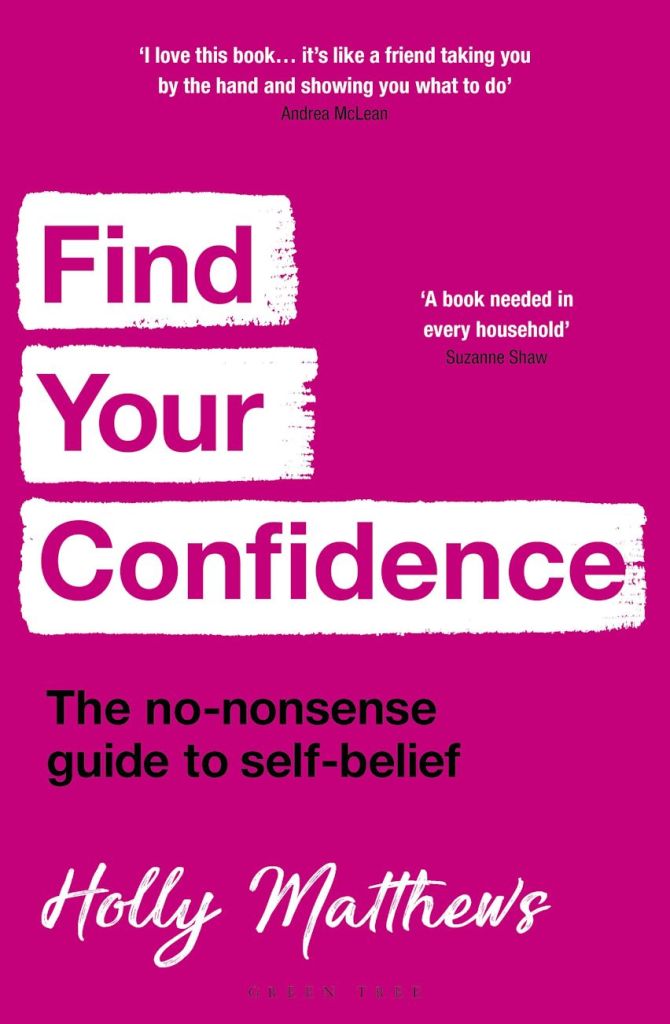
I had the pleasure of reading and reviewing Holly Matthew’s debut book ‘The Happy Me Project’ a few years ago. Holly became a friend when I met her online in 2017 and became one of the first people to sign up to her ‘Happy Me Project’ life reset, which included a workbook and online classes. Holly is one of the most inspirational people I know- not only did she decide to become a life coach and NLP practitioner after the tragic passing of her husband Ross, but she was also an award-winning TV actress and is Mum to two wonderful girls. Holly truly helps people going through difficulties in their lives and so when her new book ‘Find Your Confidence’ came out, I knew I needed to get myself a copy and review it.
The book talks about finding self belief in a wide variety of situations such as in the workplace, at job interviews, at home in every day life. The publisher says,
‘Each chapter is broken down to focus on a different everyday scenario as Holly provides simple and practical advice for tackling confidence head-on. Learn how to: – Thrive in social situations – Develop the tools to be a confident partner and parent – Ace speaking in public and being assertive in the work place.’
(image: Green Tree/ Holly Matthews)
The book’s premise is that ‘Everyone can access confidence – it’s just a case of learning how.‘ Holly says, ‘Confidence is not a skill that we’re born with or without but something that can be taught, practised and developed throughout your life. Focusing on both your inner and outer confidence, will help transform your self-belief from the inside out.’
I absolutely love this guide and tips to strengthen self belief at home and in public. Singer and actress Suzanne Shaw has said, ‘ This book is needed in every household for adults and kids. An absolute guide to help you eradicate self-doubt and give you a huge injection of confidence!
Holly breaks down each chapter into ways to find and build confidence. I truly love the book and know it will be really helpful to me (and others) in specific life situations going forward. Self belief and confidence is something so many people struggle with and having these exercises, links and resources will be invaluable. Working with Holly is very special!
Find Your Confidence: The no nonsense guide to self belief by Holly Matthews is out now in all good book shops (and online).
Trigger warning: discussion of self harm/suicide attempts.
I was so excited when I saw my online friend Emily Katy’s brand new book coming out! Emily was one of the first reviewers of my book Bring Me to Light and had taken photos of her reading it with her dog and some horses :). I followed her on social media and saw that she was writing her own memoir on what it was like to live as a teenager with undiagnosed autism and mental ill health. This review is not gifted or sponsored- I just wanted to read Emily’s story.
I want to congratulate Emily and her team as this week it has become a Sunday Times Bestseller which is an incredible feat for any author, especially for their first book!
Emily says,
“Far too many autistic people – women and girls especially – fly under the radar, unseen and unsupported. Many of us reach crisis point and only then (if we are lucky) do we find out that we are autistic. I hope this book can add to the collection of autistic voices demanding change in how autism is understood and recognised”.
I bought this book because I wanted to understand what it was like to live as someone with autism undiagnosed and how that affected Emily’s overall mental health, leading her to be sectioned on a psychiatric unit as her health deteriorated. Although autism is not a mental illness and many see the positives living with a neurodiverse brain, it does impact on mental health, especially when it is undiagnosed by a system not set up to understand it in women.
To the outside world, Emily , who is from the UK like me, looks like a typical girl, with a normal family, living an ordinary life. But inside, Emily does not feel typical, and the older she gets, the more she realises that she is different. As she finally discovers when she is 16, Emily is autistic.
Girl Unmasked is the extraordinary story of how she got there – and how she very nearly didn’t. Still only 21, Emily, writes with startling candour about the years leading up to her diagnosis. How books and imagination became her refuge as she sought to escape the increasing anxiety and unbearable stresses of school life; how her OCD almost destroyed her; how a system which did not understand autism let her down; and how she came so close to the edge that she and her family thought she would never survive. We see how family and friends became her lifeline and how, post-diagnosis, Emily came to understand her authentic self and begin to turn her life around, eventually becoming a mental health nurse with a desire to help others where she herself had once been failed.
(image: Emily Katy)
Emily bravely navigates how being undiagnosed with her autism led to her struggling with OCD, anxiety, self harm and depression -which led to suicide attempts. Thankfully, once Emily was able to get a proper diagnosis of all her symptoms that felt right for her (autism and OCD), she found herself able to recover from her depression. In the book, Emily also discusses ways to help you if you are self harming or feeling suicidal. She talks about how being on a psychiatric unit was extremely distressing and as someone with autism, she found that things like loud noises, unpredictability, lack of normal routine or a schedule and new people coming, were just some of the things she struggled with. While at the unit, Emily was also misdiagnosed as having a personality disorder, as well as an anxiety disorder.
It is clear from reading this important book, that Emily feels one of the reasons she was misdiagnosed was because she was a girl. Autistic females tend to fly under the radar for longer due to assessment methods being developed for males, masking to try to fit in with others socially and their special interests being more socially accepted. As someone with bipolar, I have often been called ’emotional’ or ‘drama queen’ and Emily mentions these labels were given to her and other women with autism too. I found reading the lists of autism myths and facts really helpful to further my understanding.
What stands out to me in Girl Unmasked is Emily Katy’s courage. Not just in telling her own story of the perils of living with undiagnosed autism and how it impacted her mental health, but the fact that after surviving multiple self harm and suicide attempts and being sectioned on a psychiatric unit, she has now become a mental health nurse at just 21 (and now bestselling author) to help others. Emily has managed to move forward with her life and achieve huge things, despite living with the trauma she has faced and she has amazing friends and family too, who are there to support her.
I loved this book and read it in 2 days. Girl Unmasked is not an easy read – it is a meaningful, powerful real story of someone’s life. Please do read with care as it discusses mental health themes alongside autism. On the front of Emily’s book is a rainbow and to me that symbolises the hope with which she lives her life and is now bringing to others.
Emily Katy, 21, lived as an undiagnosed autistic girl for nearly seventeen years. After completing her degree in 2022, she qualified as a mental health nurse. She has a large, highly engaged following on social media: @ItsEmilyKaty X (formerly Twitter) 68.4k followers, 21k Instagram followers and a blog www.authenticallyemily.uk, where she talks about autism and mental health. Emily is a Trustee of the charity ‘The Autistic Girls Network’
Today’s teen girls are growing up in a time that’s very different from when their parents and grandparents were young. They’re surrounded by new technology and social media that consistently exposes them to unrealistic beauty standards, cyberbullying and constant comparison to others.
This is why it’s so important for educators and parents to teach teen girls resilience – the ability to cope with challenges, bounce back from failures, and develop a strong sense of self-worth. This will then boost their mental health.
Challenges Encountered by Teenage Girls During Adolescence
The path to adulthood for adolescent girls is often lined with various challenges that significantly influence their development. While each girl’s experience is unique, there are some common struggles they frequently encounter:
Regular Use of Social Media
Building connections with family and friends is crucial for individuals of all ages. Social media has revolutionised the way we maintain these relationships, particularly over great distances. However, this constant online presence has a downside.
Many teenagers find themselves grappling with the pressure to maintain a certain persona on these platforms. Influenced by the glorified lives of young celebrities and popular influencers, as well as the need to keep pace with peers, this pressure can take a toll on their self-esteem and lead to a skewed perception of themselves.
Expectations From Friends and Family
The role of education in developing an individual’s skillset is undeniable. However, the stress of excelling academically, often influenced by lofty expectations within the family, can create significant strain on teenagers’ mental health. Comparing themselves to their peers, parents, or siblings sets high standards that can be challenging to meet.
If academic pressures aren’t managed well, they can harm a teenager’s self-esteem, particularly when they don’t meet their own expectations. It’s important for teenage girls to realise that their worth and intellect aren’t just measured by their grades or school performance.
Unhealthy Desires to Fit In
Despite the current portrayal of young online influencers as champions of self-expression, the struggle to conform to their ideals can be a significant issue for many teenage girls. Being part of a social circle can offer comfort and a feeling of belonging, which is often an essential aspect of their growth.
However, this pursuit of fitting in can lead girls to sacrifice their own beliefs and values. This may take various forms, such as changing their appearance significantly or adopting harmful eating habits, all in an effort to gain acceptance within a particular social group of peers.
The Importance of Resilience in Overcoming Challenges
Adolescent girls often draw strength from their relationships with friends and family. However, they frequently confront some of their toughest challenges when by themselves. This underscores the importance of resilience, giving them the ability to respond or recover from difficult situations.
Resilience goes beyond simply picking yourself up after setbacks. It encourages learning from these experiences and using them to build character, ultimately coming out stronger from going through various challenges in life.
Overcoming Personal Setbacks
In their formative years, young women often encounter various personal hurdles, including dealing with rejection, managing failures, or going through traumatic life events. If they don’t have strong coping mechanisms, these challenges can have lasting effects, shaping their self-confidence and future relationships.
Developing resilience equips these young women with the necessary skills to confront and overcome these challenging moments, growing stronger and more self-assured.
Learning From Success and Failure
Learning from life’s challenges doesn’t need to be a solo journey. Engaging with a mentor or participating in a support group can offer young girls new insights and different perspectives they might not have considered alone.
In situations that are more complicated, consulting with professionals in settings such as anxiety therapy or trauma therapy can provide a secure space for teens to work through their experiences effectively. These forms of support can also help young women build self-awareness of how their experiences may be having a lasting impact on their mental health while also discovering helpful coping mechanisms.
Improving Decision Making
Young individuals often possess a feeling of invulnerability and belief that they have all the answers. This combination of perceived invincibility and limited experience can result in hasty, impromptu choices, some with lasting impacts.
Teen girls who focus on building their resilience are more inclined to consider the long-term implications of their actions. They become experienced at evaluating the advantages and disadvantages beforehand, leading to wiser choices and avoiding potential mistakes.
Begin Cultivating Resilience Today
Developing resilience isn’t a one-off task – it’s an ongoing journey that demands persistence and dedication. By actively engaging in resilience-building activities and learning from both their successes and setbacks, young girls can cultivate effective coping mechanisms that will benefit them throughout their lives and help their mental health.
This article was written by Dr. Hannah Yang.
Visionary and healthcare entrepreneur by passion, Licensed Psychologist by training, Dr. Hannah Yang loves creating new possibilities in the world of mental health and wellness. Dr. Yang established Balanced Awakening in 2015 as a niche psychotherapy practice for women. As Balanced Awakening flourishes in Chicago, and soon Miami, she also loves to tap into her passion for design and Feng Shui to create fabulous environments for herself, her team, and clients.
Personal hygiene habits are not only important for physical health, but they also play a significant role in maintaining mental health. Poor hygiene can cause distress, social isolation, and low self-esteem. Good personal hygiene practices, on the other hand, not only affect our physical appearance but also have various psychological benefits. In this blog post, we will explore the correlation between personal hygiene habits and mental health and the importance of establishing healthy habits.
Self-Confidence and Self-Esteem
Maintaining good personal hygiene practices, including showering daily, brushing teeth twice a day, and wearing clean clothes, can boost self-confidence and self-esteem. When we look good, we feel good, and this positive feeling can help us conquer our day’s challenges. On the other hand, poor hygiene can affect our self-esteem and lead to the avoidance of social situations, further impacting our mental health.
Stress Reduction
Establishing good personal hygiene habits also has a stress-reducing effect. When we invest in our hygiene and appearance, we feel more in control of our lives, hence reducing stress. Besides, the sweet smell of a well-scented shower gel, for instance, and the soothing feeling of fresh and clean clothes can calm our minds, reducing anxiety and worry.
Social Bonding
Humans are social animals, and maintaining good personal hygiene habits plays a crucial role in social interaction. Poor hygiene, such as bad breath or body odor, can lead to social isolation and affect our mental health negatively. In contrast, when we smell good, look good, and feel clean, we attract positive attention and form stronger social bonds, boosting our mental well-being.
Mental Alertness
Establishing good personal hygiene habits also has a positive impact on our mental alertness. A clean and tidy space can improve our focus, making us more productive and efficient. Practicing good hygiene habits requires discipline and structure, which can help improve our cognitive function and increase our mental stamina.
Positive Self-Talk
Establishing good personal hygiene habits leads to positive self-talk, which improves our mental health. We can’t reinforce a positive self-image when we neglect our hygiene. Good hygiene is a way of showing care and respect for ourselves, and it gives us a reason to celebrate our achievements. Developing positive self-talk is essential for mental resilience and overall mental health.
Where To Start During Depression
Personal hygiene can be a challenge to maintain during a depressive episode. However, you can start by slowly implementing a routine that includes regular bathing, brushing your hair, and putting on clean clothes. When it comes to brushing your teeth, consider dental implants as a long-term solution to improve your oral health if they are needed. i not, carry on looking after yourself, as you matter. Remember to be patient with yourself, seek support from loved ones, and take small steps towards self-care each day. By focusing on your personal hygiene, you can improve your overall well-being and feel more confident in yourself.
To conclude, personal hygiene habits play a vital role in maintaining our physical and mental health. Poor hygiene can cause distress, isolation, and low self-esteem, while good hygiene habits can boost our self-confidence, reduce stress, improve social bonding, increase mental alertness, and promote positive self-talk.
As we go about our daily routine, we must make maintaining good hygiene habits a priority to reap these benefits and maintain our mental well-being.
With the rise of technology, we have access to countless benefits, including easy communication and access to vast information. Despite these benefits, there are also many risks, such as increasing cases of internet blackmail. The impact of internet blackmail cannot be underestimated. It is often accompanied by anxiety, fear, and depression, which can lead to serious mental health conditions. As such, it is important to learn effective ways to safeguard your mental health when facing internet blackmail.
Seek Professional Help
One of the most effective ways to safeguard your mental health when facing internet blackmail is to seek professional help. Internet blackmail can lead to severe mental health conditions, and seeking professional help can help mitigate and manage these conditions, hence speeding up the healing process. An internet blackmail exposure consulting licensed therapist or counsellor can help you work through your fears and anxiety while providing much-needed guidance and support that is essential for recovery.
Limit the Duration of Internet Activity
Limiting the duration of internet activity is another way to safeguard your mental health. When facing blackmail, it is important to reduce the amount of time spent on the internet to avoid continuous exposure to threats and messages. As much as possible, avoid reading messages or emails that contain blackmail, as they can trigger anxiety, fear, and other emotions that can lead to serious mental and emotional turmoil.
Prioritise Self-Care
It is easy to overlook self-care when dealing with the stress of internet blackmail. However, this is the time when you need to prioritise taking care of yourself. Engage in activities that promote relaxation, such as meditation, yoga, or exercise. Also, prioritise a healthy diet and get plenty of rest. These activities and self-care measures can help reduce the impact of anxiety and depression, ultimately safeguarding your mental health. If you need to see your GP due to the stress or need medication to help you prescribed by a doctor, that is important too. Don’t suffer in silence.
Talk to a Trusted Friend or Family Member
It can be challenging to deal with internet blackmail alone. That’s why it’s important to talk to someone who can offer their support and advice. Share your situation with someone that you trust, such as a friend or a family member. They can offer an unbiased perspective, as well as much-needed emotional support. Talking to someone you trust can help reduce feelings of isolation and loneliness that can often accompany this. If what is happening to you is illegal, you may want to speak to the Police or a helpline too.
Practice Mindfulness
Mindfulness is an effective way to safeguard your mental health when facing internet blackmail. This involves paying attention to your thoughts and feelings as they arise in the moment without judgment. Mindfulness can help reduce the impact of negative emotions that can lead to anxiety and depression. By being present in the moment, you can gain a greater sense of control, which can help reduce the negative thoughts and feelings that accompany this.
In conclusion, dealing with internet blackmail is, without a doubt, stressful and overwhelming. However, you can take effective steps to safeguard your mental health by seeking professional help, limiting internet activity, practicing self-care, talking with a trusted friend, and practicing mindfulness. Remember, prioritising your mental health is essential during these trying times, and by following these steps, you can mitigate the impact of threats and ensure that you can heal and move forward.
This article was written by Brooke Chaplan, freelance writer.
Note: the author refers to USA divorce laws but the advice for mental health is the same.
Divorce is an extremely difficult process, emotionally and financially draining, and legally complex. Whether you are the one filing for divorce or the one who is served with divorce papers, this life-altering experience can take a toll on your mental health. With so many issues to consider – child custody, spousal support, property division, and more – navigating divorce law (USA) can be intimidating. But it’s important to prioritise your mental health during this challenging time. In this blog post, we will explore some ways to help you manage your mental health and navigate divorce law.
Focus on Self-Care
The first step to taking care of your mental health is to focus on self-care. Amidst all the chaos, don’t forget to take care of yourself. Eat healthily, exercise regularly, get enough sleep, and seek help immediately if you feel overwhelmed. Make sure to carve out time for activities that you enjoy and engage in self-care rituals that make you feel good.
Seek Therapy
Divorce is a tough time, and you don’t have to go through it alone. Don’t hesitate to seek out professional help from a licensed therapist. A therapist can help you work through the complex emotions you’re feeling and provide you with coping mechanisms to manage your emotions proactively.
Find Emotional Support
Surround yourself with positive and supportive friends and family who will uplift and cheer you up. Find a support network of divorce recovery groups where you can share your experiences and get emotional support from people who understand what you’re going through. Don’t be afraid to ask for help and delegate tasks to relieve stress.
Stay Educated on Divorce Law(USA)
Divorce laws vary from state to state, so it’s important to stay educated about the laws that apply in your state. An understanding of the legal process can help you make better decisions and manage your legal battles more effectively. Consult with a qualified divorce attorney who can provide you with legal guidance and support.
Mediation
Consider mediation as a way to avoid going to court. It’s an opportunity to resolve your differences collaboratively and avoid contentious legal battles that can take a toll on your mental health. Mediation focuses on negotiating a settlement that works for both parties, and an experienced mediator can help you resolve issues like child custody, spousal support, property division, and more.
Going through a divorce is challenging, and it’s okay to ask for help.
Remember to take care of your mental health during this time by focusing on self-care, seeking therapy, finding emotional support, staying educated on divorce law, and considering mediation. You are not alone, and with the right support and guidance, you can successfully navigate the divorce process. Take care of yourself, and don’t hesitate to reach out to professionals if you need help.
This article was written by Brooke Chaplan, who is based in the USA. For UK and other divorce laws, please see your own country.
Addiction is a multifaceted problem that can impact individuals from all walks of life, irrespective of their age, gender, or background. Whether it’s substance abuse, alcohol addiction, or behavioural disorders, seeking help is the first step to recovery. In this article, we will explore five ways to combat addiction and pave the way to a healthier, addiction-free life. Whether you’re personally grappling with addiction or you’re supporting someone on their path to recovery, these insights will provide valuable guidance for understanding and combating addiction effectively.
Seek Professional Help
The journey to recovery from addiction frequently commences with the essential step of seeking professional help. Therapists, counsellors, and healthcare providers play pivotal roles in guiding individuals toward a healthier, addiction-free life. For those dealing with co-occurring mental health and substance abuse disorders, specialised treatment centers, known as dual-diagnosis treatment centers, offer a higher level of care and a tailored approach to recovery. These centers are equipped to assess and address the root causes of addiction, including the often complex interplay of underlying mental health issues.
Build a Support System
In the journey of addiction recovery, building a robust support system is an invaluable asset. Building a support system involves connecting with loved ones and friends or engaging in support communities, like Alcoholics Anonymous (AA) or Narcotics Anonymous (NA). The path to recovery is undeniably challenging, and having a network of individuals who understand and care can make a significant difference.
Sharing experiences and challenges with others who have faced similar struggles can provide a unique bond and a sense of belonging, reducing feelings of isolation and alienation that often accompany addiction. This shared journey toward recovery cultivates a sense of hope and resilience, proving to individuals that they are not alone in their pursuit of a healthier, addiction-free life.
Cognitive-behavioral therapy (CBT)
Behavioral therapy (CBT) is a known and highly effective method used in addiction treatment. CBT zeroes in on identifying and transforming negative thought patterns and behaviors intricately linked to addiction. Through collaboration with a therapist, people gain the ability to explore the seated origins of their addiction, which are frequently connected to past events or instances of trauma.
This profound self-reflection is a crucial initial step toward recovery. CBT equips individuals with the tools to challenge and modify self-destructive habits and beliefs, empowering them to break free from the cycle of addiction and pursue a life of lasting sobriety. CBT is not merely a therapeutic intervention; it’s a transformative journey that enables individuals to regain control over their lives, nurturing emotional resilience and self-awareness as they navigate the path to recovery.
Medication-Assisted Treatment (MAT)
Medication-assisted therapy (MAT) contributes to aiding individuals in their quest to conquer addiction. This comprehensive strategy combines counselling and behavioural therapies with specific medications designed to reduce cravings and alleviate withdrawal symptoms. Substances like methadone, buprenorphine, and naltrexone can be prescribed as part of MAT, tailored to an individual’s unique needs. MAT is a significant aid in addressing the physical aspects of addiction, facilitating a more comfortable and effective journey toward recovery. By helping to manage the intense cravings and symptoms of withdrawal, MAT can make the process more manageable and increase the chances of successful, long-term recovery.
Lifestyle Changes and Self-Care
In the pursuit of addiction recovery, the role of lifestyle changes and self-care cannot be overstated. A healthy lifestyle is a cornerstone for maintaining lasting recovery. Incorporating regular physical activity, adopting a balanced diet, and ensuring adequate sleep are fundamental steps in restoring both physical and emotional well-being. These changes not only promote physical health but also contribute to emotional stability, fostering a more robust foundation for recovery. Additionally, self-care practices such as mindfulness meditation, yoga, and stress management techniques play an instrumental role in reducing the risk of relapse.
By nurturing mental and emotional resilience, individuals can better cope with the challenges they may encounter on their journey toward a healthier, addiction-free life. These practices instill the necessary tools to manage stress, anxiety, and other emotional triggers, ultimately enhancing an individual’s ability to make healthy choices and maintain a life free from addiction.
Conclusion
Overcoming addiction is a demanding yet crucial path for individuals battling it and their families. Seeking professional help, building a support system, engaging in therapies like CBT, considering medication-assisted treatment, and adopting a healthy lifestyle can significantly improve the chances of recovery. It’s important to remember that addiction is a treatable condition, and with the right strategies and support, a fulfilling, addiction-free life is achievable.
Losing someone dear to you can be emotionally and mentally draining, and at times, it can all feel overwhelming. Grief is a normal response to loss, and while it may seem challenging to find a way forward, there are several strategies that can help you work through it effectively and healthily. This blog post will look at five effective and healthy strategies that can help you work through grief, including counselling, self-care, and finding a support system.
Grief Counselling
Grief counselling is one of the most effective strategies to work through grief. At counselling, you can talk about your feelings, thoughts, and emotions about your loss, which helps you to understand your grief and find ways to work through it healthily. A counsellor can provide you with a safe space to explore your thoughts and feelings, learn coping techniques that work for you, and offer helpful suggestions to help you move forward. You could also consider joining a bereavement group, where you can listen to others and share your experiences of grief.
Self-Care
Grief can take a toll on your physical health, both emotionally and mentally. Practicing self-care is essential in helping you work through your grief effectively. Ensure that you take time to care for yourself by getting enough sleep, eating well, exercising, and engaging in activities that make you feel happy and fulfilled. Engaging in mindfulness practices like yoga, meditation, and deep breathing exercises can also help you feel calm and reduce anxiety.
Find a Support System
You don’t have to go through grief alone; surrounding yourself with people who care for you can help you manage and work through your grief healthily. You can find a support system in close friends, family members, or professional caregivers like hospice workers. The support system will offer you an ear to listen to, a shoulder to cry on, and will help you to continue with your day-to-day activities.
Journalling
Writing down your emotions and thoughts about your loss can be cathartic and helpful in working through your grief. Journalling helps you to identify and understand your feelings, and it gives you an outlet to express your emotions without fear of judgment from others. By exploring your emotions through writing, you can heal your emotional pain and find a way forward.
Seek New Experiences
The loss of someone or something dear to you can make the world seem dull and uninteresting. However, seeking new experiences can help you work through your grief. As scary as it may seem, engaging in new activities or pursuing new hobbies can distract your mind from your grief and help you get back to your normal routine. New experiences can offer you a sense of fulfillment, joy, and purpose.
Everyone grieves differently, but it’s vital to find a strategy that works for you and helps you work through your grief healthily. Grief takes time, and it may be a bumpy road, but with time, you can find ways to move forward while still remembering and loving the person you lost.
Hopefully these five effective and healthy strategies will offer some guidance to those who are mourning and trying to work through their grief. Remember that it’s okay not to be okay, and seeking help is a strength, not a weakness.
This blog was written by freelance writer Lizzie Weakley.