The decision to seek help for alcohol use disorder is an important one. It takes courage to admit that you need assistance, and taking the first step toward recovery can feel like a daunting task. One of the early steps of recovery is an alcohol assessment centre, which can assess your condition, provide treatment recommendations, and connect you to ongoing support. However, navigating an assessment centre can be overwhelming, especially if you are feeling vulnerable or uncertain. In this post, we will discuss some tips for maintaining your mental well-being while navigating an alcohol assessment centre.
Educate Yourself
Before entering an assessment centre, take some time to educate yourself about the process and what to expect. This can help to ease anxiety and provide a sense of control in an unfamiliar environment. You can research online, check out the centre’s website, or speak with someone who has been through the process before.
Prepare Mentally and Emotionally
Entering an assessment centre can be a nerve-wracking experience, but it’s essential to prepare yourself mentally and emotionally. You might consider bringing along a trusted friend or family member who can offer support and help you stay grounded. You can also practice mindfulness or deep breathing exercises to help you stay centred.
Speak Openly and Honestly
It’s important to be honest about your alcohol use, even if you feel embarrassed or ashamed. The professionals at the assessment centre require accurate information to provide the best treatment options for your specific needs. Honesty also helps to build trust and openness in the therapeutic relationship between you and your counsellor.
Focus on Your Goals
Entering an assessment centre can be overwhelming, but it’s essential to focus on your goals for recovery. Discuss your goals with your counsellor, and work with them to develop a plan for achieving them. Remembering why you’re seeking help and what you want to achieve can help motivate you and make the process easier.
Take Care of Yourself
Finally, remember to take care of yourself while going through an assessment centre. It’s essential to prioritise your mental and physical well-being, which can include eating well, drinking plenty of water, and getting enough rest. Self-care also means taking breaks when necessary, practicing healthy coping mechanisms, and setting boundaries with those around you. Navigating an alcohol assessment centre can be overwhelming, but it’s an essential step towards recovery from alcohol use disorder.
By educating yourself about the process, preparing yourself mentally and emotionally, speaking honestly with your counsellor, focusing on your goals, and taking care of yourself, you can maintain your mental well-being while going through the process. It is highly recommended to reach out to facilities where you are, like A Better Choice Counselling/ Alcohol, Drug & Assessment Center, for more information or to answer any questions you may have.
Remember, seeking help for alcohol use disorder is a brave decision, and with the right support and resources, recovery is possible
Binge eating disorder (BED) is a severe eating disorder characterised by recurrent episodes of consuming large amounts of food in a short period. This disorder is associated with acute physical and psychological complications that can affect an individual’s quality of life. Recovering from binge eating disorder can be a challenging process, but with the right guidance and support, it can be achieved. This blog post will discuss five tips for successfully recovering from binge eating disorder.
Seek Professional Help
Recovering from binge eating disorder requires professional guidance and support. The first step towards recovery is to seek professional help. Consulting with a healthcare provider (such as the NHS or privately) or a registered dietician can help an individual develop a personalised treatment plan that addresses their unique needs. The medical professionals (psychiatrist, GP) can also screen individuals for underlying health problems that may contribute to binge eating disorder, such as depression, anxiety, or other mental health disorders.
Establish a Support System
Establishing a support system is essential for individuals recovering from binge eating disorder. This support system may consist of family, friends, or support groups. Support groups can help individuals connect with other people experiencing similar conditions and receive emotional support and encouragement. It can also provide information about recovery resources and strategies that have worked for others.
Identify Food Triggers
Identifying food triggers that lead to binge eating can help an individual manage such situations. Food triggers may include certain foods, emotions, or social situations. Identifying these triggers can help an individual prepare and develop strategies to cope with them when they arise. Strategies may include therapeutic skills including distraction techniques, mindfulness, or relaxation techniques.
Embrace Online Binge Eating Recovery Services
Online binge eating recovery resources like Lightwork Nutrition can provide valuable support and information for individuals experiencing BED. Online support groups, forums, and recovery programs offer anonymous access to peer support, real-time chat, and educational resources. Using these online resources can help individuals connect with others facing similar challenges from anywhere at any time.
Cultivate Self-Care Habits
Cultivating self-care habits may improve an individual’s physical and mental well-being, ultimately aiding in their recovery. Self-care habits may include healthy eating habits, gentle exercise, and stress management techniques like mindfulness, yoga, or meditation. These habits enable people to manage stress, boost self-esteem and confidence, and improve overall health and well-being.
BED can have significant impacts on an individual’s quality of life. Recovering from binge eating disorder can be a challenging, yet achievable process for individuals. Seeking professional help, establishing a support system, identifying food triggers, embracing online binge eating recovery services, and cultivating self-care habits can enable individuals to overcome binge eating disorder effectively.
Remember, recovery is a process, and with hard work, patience, and dedication, individuals can experience good mental health and well-being.
This article was written by freelance writer Lizzie Weakley.
You know a soul bird by the intention with which they live their life. Us soulbird’s are seeking to give life to our wings and wings to our dreams.
With the intention of making our world a better place.
One person at a time beginning with OURSELVES!
A soul bird can be a thinker, a dreamer, a lover, a warrior, a spiritualist, a seeker, a teacher, an adventurer, an artist, a helper, a doctor, a mom or dad. See the thing is its not WHAT you do, its WHY you do what you do. Â
Simply put a soulbird is a person living with the intention, growing, rising up, elevation, because we know that like Ghandi said ‘we must be the change we wish to see in the world’. Lets spread the wings of our souls and elevate.’
– India Arie.
10 years ago, I wrote this teaching by the singer and spiritualist India Arie on my old blog ‘Mirror of my World’. I was 25, just 6 months before I became really ill with my bipolar again and India was like this big sister I had never met but she spoke to my soul. I was a soulbird then and despite so much time elapsing, I feel like one now. Everything that I do (most things) are intentional and to help others- in my work life and I try to do so in my personal life too.
I am going through a lot of changes in my life right now. The pieces that came together with my career, physical health and other things (like our move) seem to be drifting apart. However, I know this is temporary and change will come. My dreams will manifest and things will get better, but it is hard when you are in an uncertain place and things can feel overwhelming.
Until I feel ready to write and open my heart fully, sometimes its good to look back and see who you were, are and who you are becoming.
Keeping dreaming, holding love in my heart and ten years later, I have the partner I need who supports me and is kind. Despite some losses that I am feeling keenly today, I know I have the support of my husband and family and good friends, as well as a supportive therapist, which means the world. I am lucky and I know that this too shall pass.
Anxiety has become increasingly prevalent in today’s fast-paced and demanding world, affecting individuals of all ages and backgrounds. Fortunately, counselling has emerged as an effective therapeutic approach to help individuals manage and overcome their anxiety. By providing guidance, support, and evidence-based strategies, anxiety therapy can empower individuals to strengthen their mental health and lead fulfilling lives.Â
Understanding AnxietyÂ
Before delving into the role of anxiety counselling, it is crucial to grasp the nature of anxiety itself. Anxiety is a normal human emotion, but when it becomes chronic and interferes with daily functioning, it can be classified as an anxiety disorder. Anxiety disorders encompass a range of conditions such as generalised anxiety disorder (GAD), social anxiety disorder (SAD), panic disorder, and specific phobias.Â
Breaking the StigmaÂ
One of the first steps towards seeking counselling is breaking the stigma associated with mental health. Many individuals hesitate to reach out for help due to fears of judgment or shame. However, anxiety therapy provides a safe, non-judgmental space where individuals can openly discuss their concerns and experiences. Counsellors are trained professionals who understand the complexities of anxiety and can offer empathy and support.
Identifying Underlying TriggersÂ
Therapy helps individuals identify and understand the underlying triggers that contribute to their anxiety. Counsellors utilise various therapeutic techniques, such as cognitive-behavioural therapy (CBT) or talking therapies, to explore thought patterns, behavioural responses, and experiences that may be fuelling anxiety. Gaining insight into these triggers is essential for developing the coping strategies individuals need to manage their anxiety more efficiently.Â
Learning Coping MechanismsÂ
One of the key benefits of anxiety therapy is that people are provided with a diverse range of coping mechanisms tailored to their specific needs. Counsellors can teach relaxation techniques, breathing exercises, and mindfulness practices to reduce present anxiety symptoms. Additionally, individuals learn to challenge and reframe negative thought patterns, replacing them with more realistic and positive ones.Â
Building ResilienceÂ
Anxiety therapy focuses on building resilience, which is crucial for long-term mental well-being. Counsellors work with individuals to develop healthy coping mechanisms, improve problem-solving skills, and enhance emotional regulation. Individuals who build resilience become better equipped to handle stressors and bounce back from setbacks, leading to improved mental health outcomes.
Enhancing Self-awarenessÂ
Another essential aspect of anxiety therapy is enhancing self-awareness. Counsellors help individuals explore their emotions, beliefs, and values, promoting an understanding of themselves. When individuals gain insight into their thoughts and feelings, they can identify and challenge unhelpful patterns, leading to personal growth and improved self-esteem.
Strengthening RelationshipsÂ
Anxiety often affects interpersonal relationships, leading to (often unfairly) strained connections with friends, family, and colleagues. Anxiety therapy provides individuals with the tools needed to improve their communication skills, establish healthy boundaries, and cultivate supportive relationships. Individuals experience a greater sense of belonging and social support by strengthening their relationships, and these elements are vital for mental well-being.Â
Preventing RelapseÂ
Counselling for anxiety helps individuals manage their current anxiety symptoms while providing them with the skills needed to prevent relapse. Learning effective coping mechanisms and developing a toolbox of strategies is important for navigating future challenges with resilience and confidence. Counsellors also provide ongoing support and guidance, ensuring individuals have the necessary resources to maintain their mental well-being. When the underlying triggers are addressed and proactive strategies are implemented, people can develop a strong support system and maintain long-term stability in their mental health.Â
Promoting Self-Care and Holistic Well-beingÂ
Anxiety therapy emphasises the importance of self-care and holistic well-being. Counsellors guide individuals in implementing self-care practices that nurture their physical, emotional, and mental health. This may include regular exercise, maintaining a balanced diet, getting sufficient sleep, engaging in creative outlets, and practicing self-compassion. Individuals who prioritise self-care create a solid foundation for overall well-being and cultivate a healthier relationship with themselves and their anxiety.Â
ConclusionÂ
Therapy is a powerful therapeutic approach that can significantly strengthen mental health. By breaking the stigma, identifying triggers, and learning healthy coping mechanisms, individuals can regain control over their anxiety and lead more fulfilling lives. Through building resilience, enhancing self-awareness, and improving relationships, anxiety therapy empowers individuals to face challenges with confidence.
When those struggling with anxiety reach out for professional help, they have ongoing support as they face anxiety and can work toward a brighter, healthier future.Â
This article was written by freelance writer Miranda Spears,
Losing someone dear to you can be emotionally and mentally draining, and at times, it can all feel overwhelming. Grief is a normal response to loss, and while it may seem challenging to find a way forward, there are several strategies that can help you work through it effectively and healthily. This blog post will look at five effective and healthy strategies that can help you work through grief, including counselling, self-care, and finding a support system.
Grief Counselling
Grief counselling is one of the most effective strategies to work through grief. At counselling, you can talk about your feelings, thoughts, and emotions about your loss, which helps you to understand your grief and find ways to work through it healthily. A counsellor can provide you with a safe space to explore your thoughts and feelings, learn coping techniques that work for you, and offer helpful suggestions to help you move forward. You could also consider joining a bereavement group, where you can listen to others and share your experiences of grief.
Self-Care
Grief can take a toll on your physical health, both emotionally and mentally. Practicing self-care is essential in helping you work through your grief effectively. Ensure that you take time to care for yourself by getting enough sleep, eating well, exercising, and engaging in activities that make you feel happy and fulfilled. Engaging in mindfulness practices like yoga, meditation, and deep breathing exercises can also help you feel calm and reduce anxiety.
Find a Support System
You don’t have to go through grief alone; surrounding yourself with people who care for you can help you manage and work through your grief healthily. You can find a support system in close friends, family members, or professional caregivers like hospice workers. The support system will offer you an ear to listen to, a shoulder to cry on, and will help you to continue with your day-to-day activities.
Journalling
Writing down your emotions and thoughts about your loss can be cathartic and helpful in working through your grief. Journalling helps you to identify and understand your feelings, and it gives you an outlet to express your emotions without fear of judgment from others. By exploring your emotions through writing, you can heal your emotional pain and find a way forward.
Seek New Experiences
The loss of someone or something dear to you can make the world seem dull and uninteresting. However, seeking new experiences can help you work through your grief. As scary as it may seem, engaging in new activities or pursuing new hobbies can distract your mind from your grief and help you get back to your normal routine. New experiences can offer you a sense of fulfillment, joy, and purpose.
Everyone grieves differently, but it’s vital to find a strategy that works for you and helps you work through your grief healthily. Grief takes time, and it may be a bumpy road, but with time, you can find ways to move forward while still remembering and loving the person you lost.
Hopefully these five effective and healthy strategies will offer some guidance to those who are mourning and trying to work through their grief. Remember that it’s okay not to be okay, and seeking help is a strength, not a weakness.
This blog was written by freelance writer Lizzie Weakley.
Have you heard about Eye Movement Desensitisation and Reprocessing (EMDR) therapy but are not sure what it is or how it works? EMDR therapy is a type of psychotherapy that is mainly used to treat Post-traumatic Stress Disorder (PTSD) and other similar conditions. This form of therapy has been known to produce incredible results in clients with symptoms such as anxiety, depression, and overwhelming fear. If you are someone who wants to know more about EMDR therapy, you are in the right place. This guide explains everything you need to know about EMDR therapy in detail.Â
What is EMDR Therapy?Â
EMDR therapy is a type of psychotherapy designed to help individuals overcome the effects of trauma and other emotional disorders. EMDR works by reprocessing the negative emotions, memories, and sensations related to the trauma so that they no longer have the power to cause distress. During a typical EMDR session, the client is guided through a series of bilateral eye movements, which induce a rapid eye movement (REM) sleep-like state that enables swift processing of traumatic memories. This form of therapy is client-led, meaning that the therapist guides the client, but the client is in control of the process.
Who Can Benefit From EMDR Therapy?Â
EMDR therapy is an ideal treatment option for individuals who suffer from PTSD and other traumatic or stress-related disorders. However, anyone experiencing emotional distress due to past events, relationship issues, anxiety, depression, and other similar issues can also benefit from EMDR therapy.
The EMDR Therapy ProcessÂ
EMDR therapy sessions typically last 50-90 minutes, and the total number of sessions required varies depending on the individual’s needs and symptoms. An initial intake session is held to assess the individual’s needs, symptoms, and goals. During subsequent sessions, the therapist helps the individual to identify and process the negative emotions and memories related to the traumatic experience. This is done through a specific protocol that involves the client’s recall of the traumatic event and the use of bilateral eye movements to enable swift and efficient processing. The therapy ends when the client reports that the distress related to a specific memory has reduced to an acceptable level.Â
Benefits of EMDR TherapyÂ
EMDR therapy is a unique, non-invasive, and relatively quick way to process traumatic memories and help clients overcome negative emotions. The benefits of EMDR therapy include shorter therapy duration, increased treatment efficiency, less chance of retraumatisation, and more profound and long-lasting results. EMDR does not involve any medications or invasive techniques, making it a safe treatment option for most individuals.Â
Finding a Qualified EMDR TherapistÂ
To ensure that you receive the intended benefits of EMDR therapy, it is crucial to find a qualified EMDR therapist who has the necessary training and credentials. If in the UK, EMDR can be found on the NHS but there are long waiting lists, so you may need to find a private therapist via the Counselling Directory. If in the USA, a certified EMDR therapist should be licensed in their state, have the required training, and be registered with the EMDR International Association (EMDRIA). You can also check online reviews or ask for referrals from someone who has benefited from EMDR therapy.Â
EMDR therapy is a highly effective form of therapy that helps individuals process their traumatic memories, overcome negative emotions, and achieve lasting healing. If you or someone you love is suffering from PTSD or other mental health issues, we urge you to give EMDR therapy a try.
By following the EMDR therapy process, working with a qualified EMDR therapist, and staying committed to the treatment, you will be able to live a healthier and happier life. We hope this guide was helpful in introducing you to EMDR therapy, and we wish you the best on your healing journey.Â
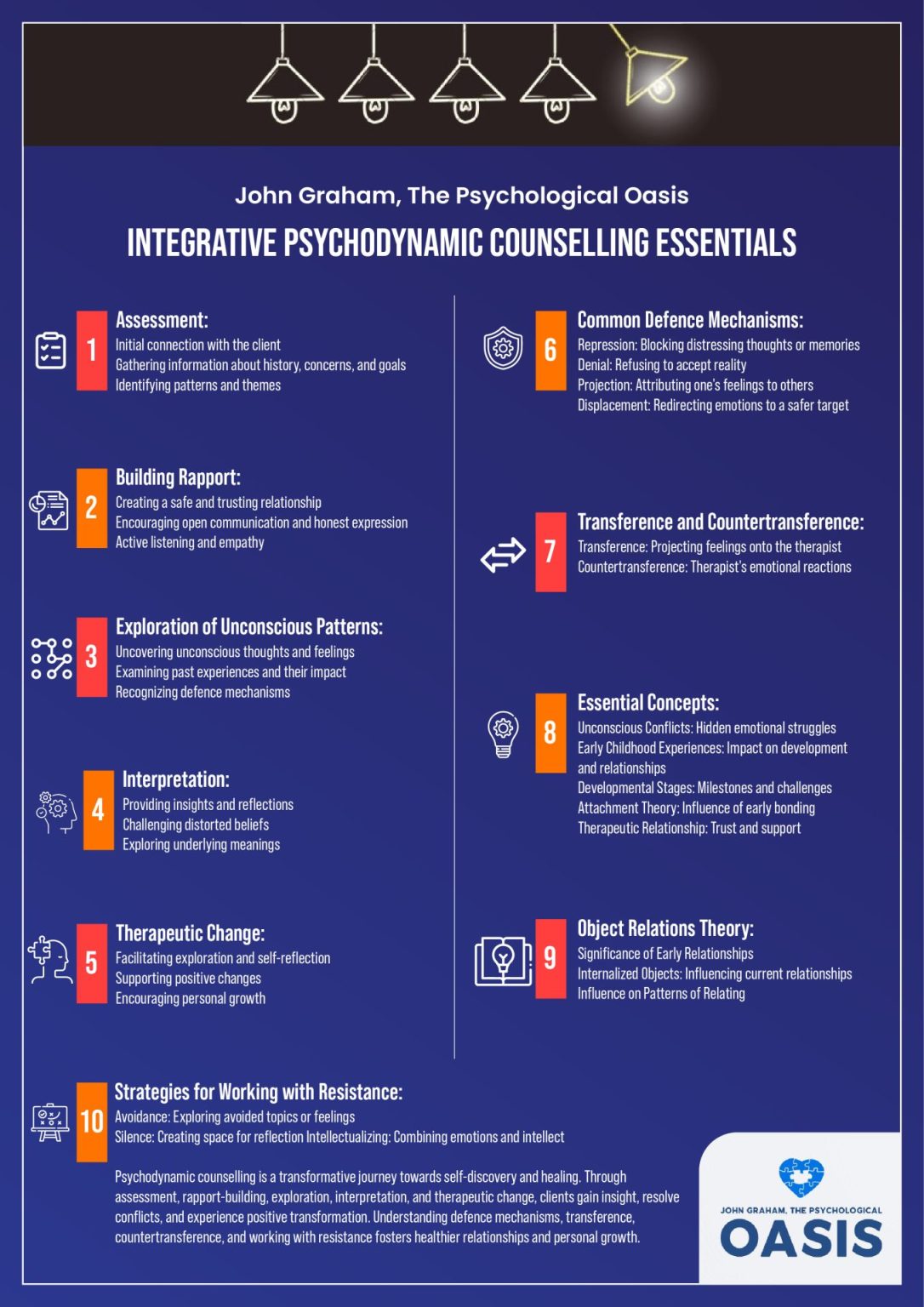
Psychotherapy is critical to the mental well-being of many. While there is little doubt that psychotherapy is effective, like any other process it must follow a systematic pattern to be successful. There are several stages in this process and understanding them makes any kind of therapy session more beneficial for the counsellor and the person in counselling.
Several major steps need to be undertaken for the cycle of dynamic counselling to become a transformative journey of self-discovery and healing for the participant. The first step is assessment. This is where the counsellor finds out as much as possible about the client. After this rapport will be built to create a safe and trusting relationship between the counsellor and the client.
Exploration of patterns that may be causing specific behaviors based on past experiences is then done and an interpretation is given. The process also involves a therapeutic change in which the client makes strides toward experiencing personal growth.
There are several other stages that the client may go through which can see them projecting feelings onto their therapist and refusing to accept responsibility. All of these are coping mechanisms that must be worked through during counselling.
During psychodynamic counseling, the counselor will seek to go deeper with the patient so that they can identify traumatic experiences from their childhood and any past unconscious conflicts they have hidden that are impacting their lives today.
If you are looking to learn more about psychodynamic counselling and get an in-depth look at all the stages involved.
Chronic illness can take a toll on one’s physical, emotional, and mental wellbeing. Individuals struggling with chronic (long term) illness often feel lonely, isolated, and anxious, leading to a decline in their overall quality of life. While individual therapy can be helpful, group therapy can offer additional benefits and support. Group therapy allows people to connect with others who understand and relate to their struggles.
A Sense of Community and Connection
The sense of community and connection that group therapy provides can be incredibly powerful for those dealing with chronic illness. Often, those dealing with illnesses can feel isolated and misunderstood. In a group therapy setting, individuals can connect with others who are going through similar experiences and struggles. This can help reduce feelings of isolation and provide a sense of comfort and understanding, with a qualified therapist.
Learning from Others
In group therapy, people can learn from others who are further along in their journey. For example, someone who was recently diagnosed with an illness may feel scared and uncertain about their future. Hearing from someone who has been living with illness for a longer period of time can offer hope and reassurance and also provide practical support.
Psychoeducation
Some group therapy can provide an opportunity for psychoeducation on chronic illnesses. Members can learn about their illness, medications, treatments, and therapeutic interventions that can help reduce their symptoms. This can give them a sense of control and improve their quality of life.
Better Coping Skills
Chronic illness can be overwhelming and stressful; it often requires individuals to develop new coping mechanisms to manage their symptoms. In a group therapy setting, individuals can learn new coping skills from other members. This can include stress management techniques, mindfulness exercises, and ways to manage pain or fatigue. Learning new coping skills can lead to a reduction in anxiety and an improvement in overall mental health.
Mutual Support
Whilst in group therapy, members can offer mutual support to one another. Those who are having a particularly difficult day or week can lean on other members for support and encouragement. Group members can offer a listening ear or share coping strategies that have worked for them. This provides a sense of comfort and fosters a sense of belonging.
Group therapy can be a valuable tool for individuals struggling with a chronic illness. It provides a sense of community and connection, the opportunity to learn from others, psychoeducation, better coping skills, and mutual support. If you are struggling with chronic illness, consider seeking support through group therapy.
Remember, you are not alone. There are others out there who understand and can support you on your journey. You can also be referred for therapy.
Eating disorders are complex mental health conditions that require a multi-dimensional approach to treatment. They can affect people of all ages, genders, races, and backgrounds, causing severe emotional and physical distress if left untreated. The good news is that there are many safe and effective treatment options available to those struggling with eating disorders. This article will explore some of the most effective ways to safely treat an eating disorder, including therapy, medication, nutrition counselling, and support groups.
Eating Disorder Treatment Therapy
One of the most important aspects of care is eating disorder treatment therapy. There are different types of therapy available to those struggling with an eating disorder, such as cognitive-behavioural therapy (CBT), dialectical behaviour therapy (DBT), and family-based therapy (FBT). These therapies can help individuals identify and change distorted thoughts and behaviours around food, body image, and weight. CBT is particularly effective in treating individuals with anorexia nervosa and bulimia nervosa, while DBT can help those struggling with binge eating disorder and emotional dysregulation. FBT is a family-based approach to treating eating disorders in adolescents and children, which focuses on empowering the family to help the individual recover.
Medication
Medication may also be prescribed to individuals with eating disorders, particularly those with comorbid conditions such as anxiety or depression that are affecting their recovery. Antidepressants can help reduce symptoms of depression or anxiety, while antipsychotics may be prescribed for those with severe symptoms of body dysmorphia, or the distorted belief that their body is flawed. However, medication should be used alongside therapy and other forms of treatment, and under the close supervision of a medical professional.
Nutrition Counselling
Nutrition counseling can be an important part of eating disorder treatment, particularly for those with severe malnutrition or gastrointestinal problems. A registered dietitian can help individuals create a balanced and customized meal plan, learn about appropriate portions, and manage food fears and weight concerns. Nutrition counseling may also include education around mindful eating, intuitive eating, and healthy coping mechanisms. However, it is important to note that nutrition counseling alone is not sufficient for treating eating disorders.
Support Groups
Support groups can be a valuable resource for individuals struggling with eating disorders, as they provide a safe and non-judgmental environment for sharing experiences and gaining support. They can be particularly beneficial for those who cannot afford or access individual therapy, or who prefer a group format. Local and online support groups are available, and many are free or low-cost. Support groups can also provide a sense of community and belonging, which can be helpful in reducing feelings of isolation and loneliness.
Eating disorders can be devastating, but there is hope for recovery. Treatment may involve a combination of therapy, medication, nutrition counselling, and support groups, depending on the individual’s unique needs and circumstances. Recovery is a journey, and it may take time and patience, but with the right support and resources, it is possible. If you or someone you know is struggling with an eating disorder, reach out to a healthcare professional for help. Remember, you are not alone.
Lizzie Weakley is a freelance writer from the USA.