How to Address Issues Harming Your Mental Health.

(image: Unsplash)

It is so important to look after your mental health. Many people struggle with their mental health and with illness that feels beyond their control and often they will need medication or therapy to help them. However, there can be other issues that need to be addressed if they are harming your mental health.

Learning to appreciate the issues that you may have overlooked is the first step to success. If any of the following are relevant to you, address them ASAP. you should find that your mental health reaches a far more stable place.

Untreated PTSD

If you have tried fixing a mental health issue without getting to the root cause, the benefits will be restricted. So, finding the right PTSD therapies that get to the bottom of poor mental health could be the greatest decision you make. It will provide significant direct rewards. Working with a therapist and understanding your personal situation is essential if you want to improve it.

Almost everyone has experienced at least one traumatic experience. So, it’s could be likely that mental health issues you experience will have PTSD, or a similar issue, linked to them.

Worries Behind The Wheel

The knowledge that you are in a potentially vulnerable position can be the biggest cause of anxiety. A car that has experienced problems or required frequent trips to the garage could be causing anxiety if you rely on it to get to work and travel independently. There may also be finanical worries for you.. A professional service like Edmunds can help you appraise your current car and upgrade to a better model. This could make you feel more comfortable and reduce anxiety.

Financial Worries

Money problems are the most common source of stress. So, it could be the underlying reason why your mental health continues to hit hurdles. While there is no magic spell to suddenly make the problems fade, you can at least feel a weight is lifting from your shoulders. Good organisational skills are the key. Learn to trim the fat from your ongoing expenses, and you’ll see a big impact.

Not Enough Daylight

Spending more time outside in the fresh air can work wonders for your physical and mental wellness. Experts like Raleigh Bikes can help you find a new hobby that encourages more time outside. The fitness benefits are also supported by enjoying improved air quality. As well as vitamin D, serotonin, and experiencing life. It’s an issue that many people struggle with. Thankfully, you no longer need to!

It’s especially important in the colder months when it gets darker to try and get some exercise to help your wellbeing.

The Wrong Network

Your support network can have an impact on your life, in relation to your mental health. The right people will build you up and guide you through tough times without leading you to poor decisions. Sadly, the wrong friends cause you to make regrettable choices. Likewise, they may pressure you to support them, potentially financially. This could drag you down even when you’re in a good place.

So make sure you look after each aspect of your life and self care, in order to improve your health and overall wellbeing.

This article was written by a freelance writer.

The Anxiety Train: A New Year by Eleanor

(Image: Unsplash)

Hi everyone,

I had been amazed over the summer by how much better I was doing with certain aspects of my anxiety and panic. I had a few panicky moments/ days but I was able to pick myself up and feel better quite quickly after.

At the moment though I can feel myself dipping back into anxious patterns. I had a panic attack in bed a few weeks ago, triggered by certain life stressors. Since then, I wake up flooded with anxiety and not feeling able to face the day/ feel like a doormouse and want to hibernate or hide. Sometimes this happens if I get triggered by something eg life stress or it can happen as the fluctuating rhythms of bipolar disorder. I am usually OK by late afternoon/evening but the mornings can be hard.

Change in seasons with less light, feeling extra pressures can lead my mind to try and protect me from a perceived fear due to past traumas (fear of judgement, fear of feeling exposed). This can mean that seeing people. going out a lot etc can become very difficult- welcome to social anxiety again. However, I know that this will not last forever.

This week, I had a good session with my therapist who advised me to try and take more time in the mornings to write, practise breathing and think about whats going on for me, with the aim of reducing anxiety. I do find this really hard as my default can be to shut down to look after myself (and hide away/sleep)- as my brain (subconscious) perceives a threat somewhere…

I have been through this before and come out the other side- and so I know I will be OK (and ironically, there is no need to panic over it) but its still stressful… and I just wish it wasn’t like this.

I am a person who loves routine and when I get out of a routine or pause, anxiety can flood in too.

I call it the anxiety train because it feels a bit like riding a fast train/ a roller coaster of ups and downs. It doesn’t stop fully but it can suddenly hurtle me and I have to calm myself. Its based on previous behaviour patterns that served me at a time when my brain thought it needed to protect me as a teenager and although I have had years of therapy and take medication, it can sometimes come back.

I will be alright in the end, you’ll see (Mrs Potts- beauty and the beast). I have lots of support but wanted to be honest about where I am.

We are approaching a Jewish New Year, and I pray that I will be blessed with better health and less anxiety coming (as well as good things and health for my loved ones).

Thanks for reading and allowing me to be honest,

Shana tova and only happiness. If you’re struggling, please reach out to someone you trust/love or Samaritans helpline. My DMs are open too,

Eleanor x

Mental Health At Work: First Aid Products Have Surged In Popularity In 2022.

(image: MHFA England)

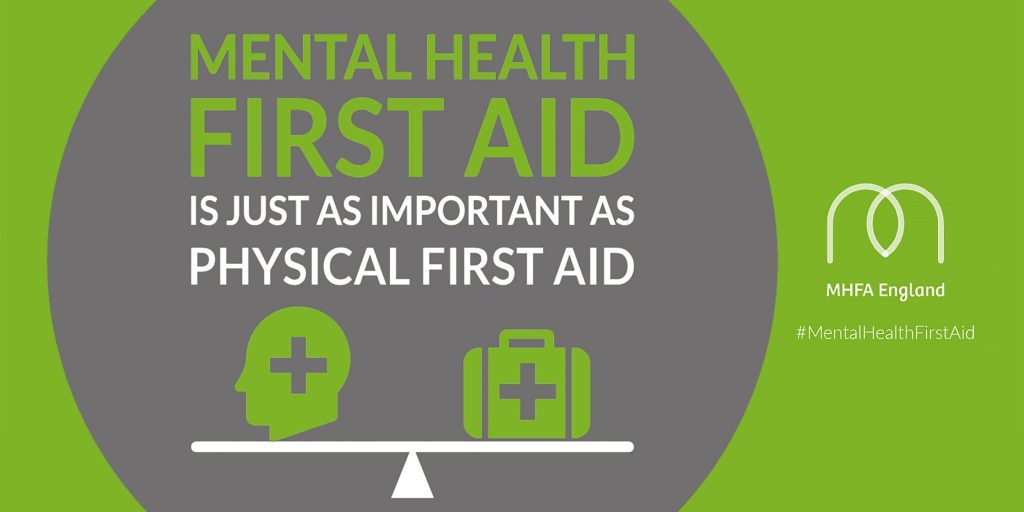
Awareness days, weeks and months have helped to familiarise people all over the world with the term “Mental Health First Aid”. Now, first aid retailer FirstAid.co.uk reports a 260% uplift in interest for MHFA products on their site, noting that an increase in work-related stress, depression and anxiety cases each year is the most likely driving force.

The retailer has now sold more Mental Health First Aid items this year so far than everyday travel and motoring first aid kits.

Data from the Health and Safety Executive shows that cases of work-related ill health (of which 50% are stress, depression and anxiety) have risen almost 28% since 2015, despite physical injuries being in decline since 2000.

Their data also shows that 820,000 people in Great Britain suffered from work-related stress, depression and anxiety in 2021, compared to 441,000 people who sustained a physical injury at work.

“According to Mental Health First Aid England, one in six people of working age in the UK is experiencing symptoms of mental ill health at any given time.” Says Mike Thakoordin, MHFA Instructor and Suicide First Aid Associate at FirstAid.co.uk“We know that around 81% of employers have increased their focus on employee mental health since the pandemic began, and it is fair to say that awareness days and events are doing their part to sustain that focus. 

“During the first week of Stress Awareness Month in April we had an 85% increase in the number of people visiting our stress-related products compared to 2021, and we’re anticipating a similar surge between Suicide Prevention Day in September and World Mental Health Day in October as individual and business shoppers research items and guidance that can support those who are struggling.”

(image: Unsplash)

While events and awareness days like these play a big part in the ongoing rise in interest around mental health-related products online, it’s the persisting growth in the number of people struggling with poor mental health that is likely the bigger factor at play. Despite several years of employers saying they’re taking mental health more seriously, the reality is that a huge number of people each year still find themselves with too much work, not enough rest, workplace politics issues and concerns over job security – among other things.

“For several years running now, the HSE has reported an increase in the number of people taken ill by work-related stress, depression and anxiety.”  Thakoordin goes on to say. “Poor workplace mental health has knock-on effects in many other areas, and we hope that this increase in people shopping for MHFA materials translates into a greater number of workplaces offering meaningful, consistent support.

“With the 2-day Mental Health First Aid course recently being updated, now is the time to get enrolled and play your part in making workplaces safer from a mental health perspective.”


For information on how to recognise stress in the workplace, and advice on dealing with stress,
visit FirstAid’s Stress In The Workplace page.

This article was written in collaboration with First Aid.co.uk

Unbroken- The Inspirational Madeleine Black, The Courage Cultivator. How She Learnt To Heal After Sexual Violence.

(image: Madeleine Black)

Trigger warning: discusses sexual violence and mental illness.

I have known about the incredible speaker, author and advocate Madeleine Black for a while, through my Dad Mike. She is an outstanding and powerful advocate of courage after adversity, of hope after despair and of resilience despite intense pain. For me personally, coming from the same community, I feel that Madeleine is a shining light to so many- as sexual violence has historically not been talked about openly.

Please note the rest of the article will discuss Madeleine’s journey with sexual violence and how she was able to move forward.

Used, Beaten but Never Broken.

I remember wishing they would kill me to make it all end.”- Madeleine Black 

It takes courage to speak the unspeakable. But for many years, Madeleine Black felt too afraid and too ashamed to utter a word of what happened to her. Violently attacked at the age of thirteen, her story is one of pain – but also of healing, resilience and forgiveness. Madeleine uses her personal and moving story to show us that it’s not the events in our life that define us, but by how we choose to reclaim our lives after them. How we become unbroken.

Madeleine grew up in Glasgow, Scotland and London into a loving Jewish family. At the age of 13, she went out with a friend in a group to a cafe in London, drank alcohol for the first time (like a normal teenager) and met two male international students that night, acquaintances of her friend. They took advantage of her age and vulnerability. Instead of dropping her home safely as she was drunk and could not consent, they carried her to a nearby flat and violently gang raped her, leaving her with terrible injuries. Her friend was sleeping in the next room. Madeleine talks of seeing herself floating above her body as if she wasn’t really there – dissociation as a trauma response. She was told by one of the men that if she told anyone about the gang rape, they would come and kill her.

Madeleine has said, ‘For many years after that night, my memories of what happened after he held the blade to my throat and threatened my life were fragmented… difficult to piece together. It was too extreme, too violent for me to understand.’

Madeleine struggled with her mental health following this trauma at such a young age. Living in a state of shock and self-loathing, it took her years of struggle to confront the buried memories of that first attack and begin to undo the damage it wrought, as men continued to take advantage of her fragility in the worst possible way. Madeleine was raped three more times before the age of eighteen, experiencing more trauma in her life than most ever will. Due to the aftermath of the trauma she faced, Madeleine used drugs and alcohol to numb the pain and developed phobias and an eating disorder. While she couldn’t remember lots of details of that night, it left her feeling ‘worthless, dirty and contaminated’. She had a suicide attempt by overdose, hoping to end her life and had her stomach pumped. She was then admitted to a childrens psychiatric unit struggling with suicidal depression and self harm.

After a few years, she eventually found the courage to tell her parents what really happened to her. After growing up with burdens no teenager should ever have to shoulder, she found the heart to carry out the best revenge plan of all: leading a fulfilling and happy life. She met her husband, a loving and kind man, who helped her to heal from the traumas she faced with men and they are happily married and have children together, three daughters. Madeleine learnt through this that she is loveable and she is loved.

(image: Forgiveness Project/Madeleine black)

However, piecing her life back together was long and painful. Forgiveness was the key for her to move forward- not to forgive the act of rape- but to understand what led the rapist to do so. It takes a real desire to understand those who have done us so much harm. It is the ultimate act of courage.

Madeleine has said,

‘I want to end the shame, stigma and silence surrounding sexual violence enabling others to find their voice, whatever their story is.  I want people to know that it’s not what happens to us that is important but what we do with it.  I will show how changing my mindset tapped into my resilience and transformed my life, making people question their own thinking and encouraging them to see that there are always choices to make, and if we choose to, we can get past anything that happens to us in life both professionally and in our personal life. I wants to encourage others to live their life courageously too; but ultimately, I want to inspire hope and show people that we are all so much stronger than we think we are.’

(image: Madeleine Black)

Madeleine found that since the attack, she had been burying memories and started to experience flashbacks when her daughter turned 13, the same age as when she was raped. This can be a part of PTSD- post traumatic stress disorder. She learnt that she must let go of her anger and make peace with her past, as her personal journey.

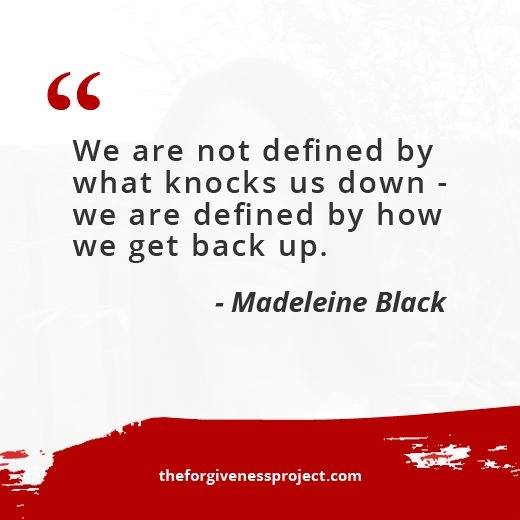
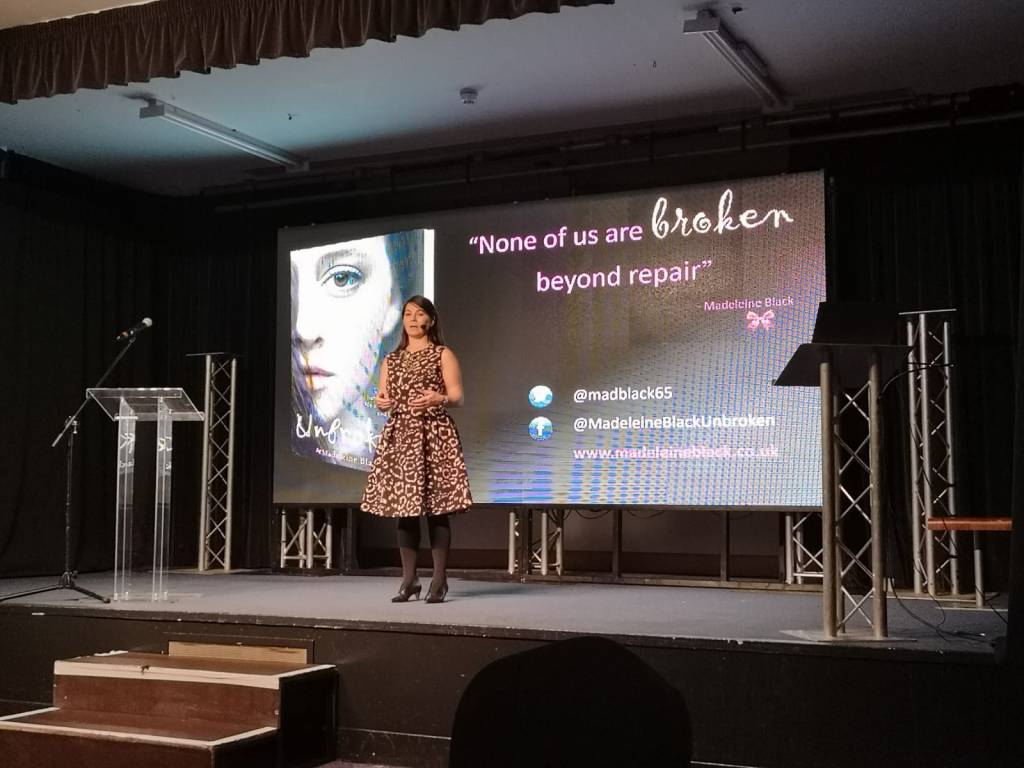
In her debut book Unbroken, Madeleine tells her deeply moving and empowering story, as she discovers that life is about how a person chooses to recover from adversity. We are not defined by what knocks us down – we are defined by how we get back up. She also hosts the Unbroken podcast where she has guests sharing their own stories of hope and courage.

Madeleine is also a TEDX Speaker sharing her journey to end the shame around sexual violence , works with the Global Resilience project and is the Patron for Say Women which helps rape and abuse survivors. She currently also works as a psychotherapist.

(image: Madeleine Black)

I will leave you with Madeleine’s words:

‘I am not my body or the things that were done to me. I am so much more than the sum of one night’

Thank you to Madeleine for giving me a copy of her book Unbroken to read and for all you do. You can get your copy here

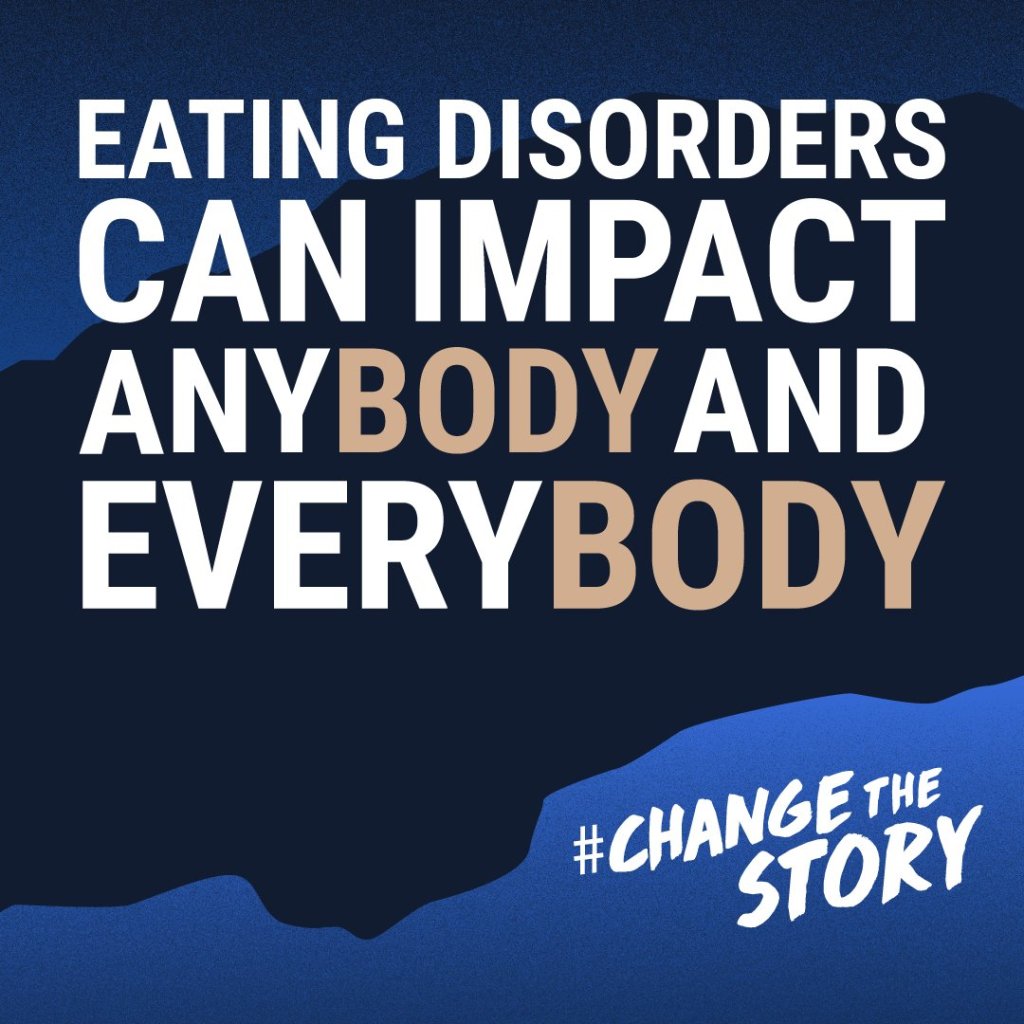
New #ChangetheStory Campaign by Hope Virgo and The Hearts Minds and Genes Coalition shows rise in Eating Disorder Stereotypes.

(image: Change the Story Campaign)

#ChangeTheStory and Anybody and Everybody is a new campaign launched this month by The Hearts Minds and Genes Coalition which is chaired by Multi-Award winning campaigner and Author, Hope Virgo. Hope is a friend of mine who has campaigned for years for help for those with eating disorders and she is a force to be reckoned with and an amazing woman!

Eating disorders are serious, biologically based mental illnesses deserving of equal clinical and research funding to that given to other complex diseases. They want to ensure that no-one with an eating disorder need experience shame or guilt, and everybody should have timely access to specialist services.

Author and Multi-Award winning campaigner, Hope Virgo who chairs the coalition says;“When we think of eating disorders we often immediately think of a white teenage, emaciated girl and fail to realise that eating disorders are so often hidden in plain sight amongst all ages, genders races, ethnicities, body shapes and weights, sexual orientations and socio-economic statuses. The campaign is working to remove the stigma and misunderstanding that surrounds these illnesses, ensuring that nobody should experience shame or guilt for suffering from an eating disorder and to make sure that everybody has prompt access to specialist services.”

(image on Twitter: Change the Story campaign, Hope Virgo and FEAST outside the Houses of Parliament)

Eating disorders are not new illnesses, but there has been a massive rise in cases during the pandemic. Unacceptable delays before treatment means we are also seeing a rise in avoidable chronic long-term illness and loss of life. We need to ensure that we are no longer hiding behind the global pandemic but ensuring that the right support is in place for everyone because no one should be dying of an eating disorder in 2022. They are working to remove the stigma and misunderstanding that surrounds these illnesses, ensuring that nobody should experience shame or guilt for suffering from a biologically based illness and everybody should have timely access to specialist services.

To raise awareness of the campaign they have created a video supported by Instagram. For a long time, people have used Instagram to challenge stereotypes about body size, share their journeys with overcoming body image issues, and celebrate different body types. 

 Renee McGregor, leading Sports and Eating disorder specialist dietitian said;“We need to change the images, narrative and practices presently associated with eating disorders in order to ensure that no further lives are lost to this illness in 2022 or beyond.” 

Suzanne Baker, CarerRepresentative for F.E.A.S.T. (www.feast-ed.org)in the UK, said;“timely access to sustained, specialist treatment is key to recovery from an eating disorder at any age or stage. Currently too many people are not able to access this treatment often due to misconceptions about what an eating disorder ‘looks’ like. There is no one look – eating disorders are serious biologically influenced illnesses and are often hidden in plain sight.

Dr Agnes Ayton, chair of the Eating Disorders Faculty at the Royal College of Psychiatrists, said: “No one chooses to have an eating disorder. An eating disorder can affect anyone at any age and can be caused by a range of factors including genes, mental or physical health conditions and social pressure. The stigma around having an eating disorder prevents many people from asking for help when they need it. No one should feel embarrassed to ask for help. An eating disorder can have very serious long-term effects on the body, but with treatment, people can fully recover. Raising awareness of this issue is an important first step in helping people to get the help they need. If you think you may have an eating disorder, speak to your GP who can refer you to a specialist counsellor, psychiatrist or psychologist. You can also visit the NHS Choices website to find out what additional support is available, including confidential helplines.”

Gerome Breen, Professor of Psychiatric Genetics at King’s College London says: “Research and its dissemination are essential to dispelling the unhelpful myths and stigma that surround eating disorders and compound their long-lasting and devastating impacts. By understanding more about why and how eating disorders develop we can improve society’s conceptualisation of these conditions and hopefully enable more people to seek and receive the support they need.”

(image on Twitter: Jeremy Hunt MP with Hope Virgo)

You can help by posting a selfie to support this campaign with the hashtag #changethestory.

Watch the video here to discover more about the campaign:

Our Blog is 6 Years Old Today!

On the 1st March 2016, I started this blog as a way to provide therapy for myself- as I was going through panic attacks, (caused by trauma due to a hospitalisation for a bipolar manic episode). Since then I have had several years of EMDR trauma therapy and my life changed so much too- I met my husband, we got married and moved to our first home. I also found a career I love after many twists and turns due to mental illness. Life is never plain sailing especially with mental health and I still live with panic attacks/ social anxiety at times but am learning to manage them.

The blog has turned into a book Bring me to Light (with Trigger), writing for Metro.co.uk, Glamour, the Telegraph, Happiful, Rethink Mental Illness, Mind and other incredible organisations, I have partnered with large and small brands, charities, businesses, writers to create content that battles stigma on mental health. We have been awarded as a Top 10 UK blog by Vuelio since 2018 (thank you) and I love to share my story to help others and educate people about bipolar, anxiety, panic disorders, psychosis, mania and mental health in the workplace (amongst other mental health topics!). I have also recorded podcasts – most recently with Dr Rosena Allin Khan MP, shadow minister for mental health, Daniel Rosenberg at SodsPod and was also interviewed by Penny Power OBE with my Dad Mike (who is a mental health speaker).

When I started this blog I had no idea where it would lead and its been the most special, humbling and amazing journey- with so much more to do so watch this space!. I really want to help more people this year and also have a childrens book I would love to get out there to help kids with anxiety.

As always, I want to thank all my contributors and brands (sponsored or not), as well as the digital agencies and freelance writers who provide content too. I hope to keep it going for the next year at least! Let me know what you want to see.

This year heres what we have been talking about (and big thank you to everyone. If it doesnt have a name by it, content has been written by a writer):


How social distancing is affecting social anxiety in the pandemic- Anita Ginsburg

Book Review of the Smart Girls Handbook by Scarlett Clark- me (Eleanor)

Being kind to myself, social anxiety and life in recovery- me (Eleanor)

Self care ideas for positive change in 2021

How to cope with top 4 challenging life events

The Book of Hope launchme

Sending self care packages- a guide to sending gifts

Feel less trapped with these powerful ideas

6 Tips to stay positive and help mental health

Moving to our First Home and mental health- me

How to reach for help and not be ashamed

Whats the connection between mental health and addiction- Jennifer at Mandala Healing

We are a top UK mental health blog 2021- thanks Vuelio- Me

Can you still get health insurance cover if you have a history of mental illness?

The benefits of seeking mental health support and help

The link between debt and mental health

Start Up founders are 50% more likely to suffer from a mental health condition- Daniel Tannenbaum

How can mental health workers cope with the new normal?

Easing the burden of divorce- Brooke Chaplan

Stress and Panic Attacks Part two- Me

How to remain independent and look after your health as you get older

How selfie changed my life and mental health- Kathryn Chapman

The benefits of personal training for your mental health- Life Force Fitness

Recovery from alcohol or substance abuse: benefits of a sober living home

6 Ways Fathers can Assist New Mothers- Jess Levine

Work in progress- healing from trauma to find the light- me

Is stress affecting your skin? heres how to tell

Prioritising mental health on the world stage, Simone biles- me

Why privacy is critical for our mental health

Goal setting for mental health

Moving house? 5 tips to deal with moving stress

4 Ways to make mental health a priority in your life- Emma Sturgis

What you need to know about post Partum Depression- Kara Reynolds

The Midnight Library book review- me

5 interior design ideas to boost wellbeing

Steps to help aging and wellbeing

How to keep your children in mind during a divorce-Brooke Chaplan

Bryony Gordons mental health card collection for Thortful.com

The Inquisitive-a film on mental health and suicide- Kelvin Richards

Being self compassionate when I have anxiety- me

Keeping things stress free when selling an elderly family members home

7 Bipolar disorder facts everyone should know- Ronnie Deno

Recovering from an eating disorder- Kara Masterson

Wellbeing tips and activities for children- collaboration with Twinkl resources

Building trust in a relationship

How sleep patterns affect your mental health

Choosing life and freedom- my therapy journey- me

Dealing with imposter syndrome

Confidence on return to the office

lifestyles and mental health- Anna Witcherley at Head Hacks

Stress and mild anxiety formula- Nu mind wellness

Mental health problems in the pandemic- Webdoctor.ie

Patient transport helps anxious travellers- EMA Patient transport

How to stop signs of traumatic brain injury- Lizzie Weakley

Looking after mental health in a tense office environment

Dealing with anxiety as a mom/mum- Kara Reynolds

5 Self help books for 2022

Winter mental health and anxiety update- me

Tips to fight addiction- Lizzie Weakley

Lockdown, sleep, anxiety and mental health- collaboration with TEMPUR mattresses (ad)

Helping elderly people to live independently

Getting your loved one help for their addiction- Emma Sturgis

How to support your spouse with mental health issues- Kara Reynolds

Battling co occurring mental health and substance addiction- Holly

Festive season- me

Its Okay not to be Okay by Esther Marshall book review- me

The difference between a therapist and life coach- Lizzie Weakley

Managing mental health over christmas/ festive time- me

Reflecting on a new year 2022- me

Surviving trauma makes relationships difficult- self compassion helps- Taylor Blanchard

Window to the womb launches avocado app for perinatal wellbeing

Where to start when battling addiction- Rachelle Wilber

Mental health new year resolutions

Book review- Pushing through the cracks- Emily J Johnson- me

Depression meals when life gets hard- Kara Reynolds

Jami see mental health campaign blog

Recovering from cancer- the mental health aspect- Rachelle Wilber

Outdoor activities to improve your mental health- Elizabeth Howard

Mental health and eating disorder recovery journey- Emily J. Johnson

Fitness and mental health

Interview with Penny Power MBE, Thomas Power and Mike Segall on bipolar disorder

Self love for Valentines Day- with Kalms (ad)

Being debt free and in good mental health for 2022

Mental health medication- fighting the stigma- me

Overcoming alcohol addiction- Rachelle Wilber

Spiritual tips for helping mental health

Risk factors for post partum depression

Wow! Thank you for supporting me and the blog, for continuing to read and share it and to help battle the stigma around not only bipolar disorder and anxiety- but every mental illness.

Love,

Eleanor x

Taking Mental Health Medication Doesn’t Make You ‘Weak’: Fighting the Stigma by Eleanor

(image: Matthew Ball for Unsplash)

Disclaimer: All medication must only be prescribed by a psychiatrist or GP dealing with you individually. Advice from medical professionals must be sought before taking any medication., Never take someone elses medication or try to cure yourself!

This week, I had a conversation with someone about being on mental health medication, in this case, anti depressants for clinical depression. We reminisced that as teenagers, we just weren’t taught properly by school or in society about mental illness. It wasn’t talked about here in the UK back in the 2000s and everything was really hushed up, cloak and dagger, as if you had to be ashamed of it. As if anything to do with our mind was shameful- no one really had much education, unless it happened in your family.

I know that for many people, even in 2022, taking medication for their mental health carries this sense of shame.

For me personally, I was so ill that there really was no choice for me as a 15 year old, but to be started on medication. My symptoms of bipolar disorder first appeared at the age of 15 with depression and anxiety episodes, followed by mania and psychosis. So, I was on anti psychotic medications as well as what is known as a mood stabiliser, a medicine for mood disorders that stabilises moods (in this case, the bipolar poles). I also took regular anti depressants and anti anxiety medications and still do daily. My medicine regime is pretty intense but it means that my bipolar is well controlled and in remission- and that I am stable. My family has a hereditary illness that can be severe- so medication was the right choice for me.

However, for those without a severe mental illness like bipolar or schizophrenia, you may be recommended to try anti depressants first. There are varying different types which work on seretonin reuptake in the brain and help to balance brain chemistry.(although scientists cannot pinpoint the cause for depression fully yet). These can be used in combination with therapy and exercise to help treat depression and anxiety.

Some families and cultures hold great shame to be seen taking mental health medication and so hide it from loved ones. Others stop taking it, believing they are stable and well because the medication has balanced them out- and then crash into depression. For some though, anti depressants are a shorter term thing. The point is, its all so individual and there is no one size fits all medicine- you must do what is right for your recovery but definitely do not suddenly stop them.

In my family, my Dad was already on mental health medication- Lithium for bipolar, when I became ill. So, I was lucky that I had a loving supportive and accepting family, including plenty of medical professionals who understood. It was a steep learning curve for everyone though. And yes, as a teenager, I did hold some shame for taking medicines because I just wanted to ‘fit in’ and be a ‘normal’ teen. Coupled with the fact no one openly talked about mental illness at school or in general (this was just before social media!) and I felt this overwhelming sense of shame that my brain chemicals had let me down. I never once skipped taking medication though.

The thing is with mental health is that you can’t see it. But, you can absolutely feel when something is wrong and when you feel chemically depressed or other mental illness. This is usually depression unlinked to a life event- you wake up with it and you know its back, you feel despondent and unable to cope.

Yet, because you can’t see it- shame is even greater because how do you explain it to others? And are you ‘weak’ or ‘crazy’ to need medication to function?

The answer is No. To have to take the correct prescribed medication for you daily is an effort. You have to commit to it and to seeing how some medicines go. To go through episodes of mental illness makes you stronger and more resilient, surviving each day. You are not weak, your brain just needs help (like helping diabetes or a heart problem) and the words ‘crazy’ or ‘unhinged’ just serve to reinforce stigma. There is no need to be afraid or filled with shame or self loathing- but it is valid to feel this way as you are human!

In 2017, it was estimated that 792 million people worldwide lived with a mental health disorder (one in 10 globally). 46 million of those had my disorder, bipolar. However, this is the tip of the iceberg because mental illness is often underreported due to stigma. So- you are not alone. There is treatment out there to help you.

Remember not to be ashamed of needing medication to cope with life’s challenges (alongside therapy etc). The stigma is slowly falling and I will continue to write and share to this end.

You are not weak! You are powerful beyond comprehension .

Do you take medication? Does it help you?


Love,

Eleanor x

From Denial, To Acceptance and Recovery: My Mental Health and Eating Disorder Journey by Emily J. Johnson

(image: Jasmin Chew at Pexels)

Trigger warning: discusses eating disorders and OCD

It has taken me almost thirty-five years to acknowledge that I have struggled with mental illness myself. I’ve spent a lifetime in denial. It wasn’t until writing my memoir Pushing Through The Cracks in 2021 that I observed my life objectively. I witnessed the experiences I’d gathered since childhood and how they had shaped me into the woman I am today.   A woman of strength, but also one diagnosed with a mental health disorder – Binge eating disorder. A label I neither wanted nor could accept. Not until now.

This isn’t my first experience with mental illness. In my teens, my life was in turmoil. After my parents’ unexpected divorce, my mother remarried a gambler with a volatile temper within two years. My father moved to Australia, and with the upheaval of my home life and the onslaught of puberty, I felt lost. My body was changing, and I’d become uncomfortable with my new shape. What began as a diet to slim my blossoming body developed into anorexia. In the 1980s, treatment was non-existent, at least for me. Instead, my GP gave me a telling-off and threatened to put me in a hospital and force-feed me via a drip. His threats petrified me, and I gradually increased my food intake again. It took me two years to recover. Ultimately, my anorexia was untreated, so it left me with a legacy of disordered thoughts about my body and food throughout my adult life.

A few years after my father’s death in my mid-thirties, I became fixated on turning electrical items off – the cooker, iron, hair straighteners, television – anything that was plugged in. I would touch the switches whilst talking out loud to myself, repeatedly, trying to confirm they were in the ‘off’ position. I knew they were off, but somehow, I couldn’t accept that they were off. Additional obsessions snuck in gradually. I began checking the fridge door was closed, then every door and window in my home. What started as checking became an arduous set routine every night to ensure the doors and windows were locked multiple times. I was terrified someone was going to break in. Checking the doors eased that terror, temporarily.

It continued for several months, and I couldn’t stop the thoughts no matter how hard I tried. I moved back to the UK in 2010 and it appeared the huge disruption to my life interrupted the intrusive thoughts and checking behaviours, and they stopped. As the mother of a child with severe Obsessive-Compulsive Disorder (OCD), I now recognise what I experienced back in my thirties may well have been OCD.

Fast forward to my late forties, a divorce behind me, and a period of depression to follow, I remarried and began a new life with a blended family. But within a couple of years, both of my sons and my new husband began struggling with their mental health. Mental illness filled our once happy home with depression, anxiety, alcoholism, OCD, and gambling, and it turned my entire world upside down whilst I tried to care for them all. I was under immense stress and turned to something to help me cope – food.

It began with me ‘rewarding’ myself with chocolate bars late at night when everyone else had settled. Over time, the ‘reward’ became a buffet of junk — mostly heavily processed carbs and sugar. All eaten quickly, in secret, and shrouded in shame. Within a few months, I was eating around 5000 calories during a night-time binge. In-between the binges were days of restricted food intake. I gained a large amount of weight, which I hated myself for. The self-loathing was overwhelming.

I realised I had a problem in late 2019 and went to my GP, who referred me to an eating disorder clinic. They diagnosed me with Binge eating disorder (BED), and I began a recovery programme, which I stuck to until the Covid pandemic interrupted my sessions, and I threw in the towel. As a result, I slipped back into bingeing again when life overwhelmed me.

In 2021, I self-referred myself back to the ED clinic. I’m still on a waiting list, however, I’ve taken steps to get support and am in recovery now. I am 24 days binge-free at the time of writing this, which feels like such a huge personal triumph after a long period of relapse.

I think the toughest part for me has been accepting that I had a mental health disorder. I also felt overwhelming guilt that I had perhaps somehow genetically gifted my son’s mental illness to each of them. It’s taken me a long time to accept my diagnosis and our family’s situation. But from that place of acceptance, I have finally found peace….and recovery.


Emily J. Johnson is the author of Pushing Through The Cracks, her memoir of her family’s struggles with mental health. She lives in the UK and this is her first blog on this subject!

Managing Our Mental Health During Christmas And The Festive Season by Eleanor

(image: Jonathan Borba: Pexels)

Its nearly here everyone! Just 4 days until our country (the UK) stops and celebrates Christmas (or uses the day as a chance to see family because they’re off work, like we do!).

The pressure is taken off for me during this period because its just a chance for relaxation for us as we’re Jewish, we don’t have the same expectations for the day as others. However, I know for many people Christmas is a stressful time where they see family they don’t normally see and may feel they have to hide how they are truly feeling with their mental health. The pressures are also on for the cost of food and gifts during this time and many people get into debt too.

We already have less daylight during this time and with the Covid pandemic a lot of people are feeling lower and more anxious . This has been the new normal for us all for over a year and particularly here in England where we have record numbers of Omicron Covid cases- but aren’t yet in lockdown.

I know I have been feeling a bit more anxious lately to do with Covid and other things… but I am also going to be kind to myself and give myself a break and time off work to relax also! I love sitting eating Quality street or a Terrys chocolate orange (yum) with loved ones and watching a good film like The Holiday… thats my favourite. Second is the Muppets Christmas Carol. Third Love Actually. Whats yours?

(image: lilartsy: Pexels)

I am lucky my bipolar is in remission and I am stable on medication. So I don’t have to worry about severe depressive or manic episodes right now. But, I still need to look after myself or practise self care- lots of sleep, not too much sugar, and check in with myself or my therapist if needed if my anxiety flares.

Obviously, over Christmas lots of NHS mental health professionals aren’t available but you can reach out to helplines such as Samaritans 116 123 (UK) if you need someone to talk to who will just listen.

You can also text SHOUT to 85258 if you’re in crisis and need support.

In an emergency, if you have a phone line to a hospital outpatient crisis team that are working over Christmas, call that and if not in an emergency you may have to go to Accident and Emergency (but there could be long waits).

Mind have an amazing list of helplines, organisations and food banks such as Trussell Trust for over the Christmas period should you need, click here: https://www.mind.org.uk/information-support/tips-for-everyday-living/christmas-and-mental-health/useful-contacts/

Wishing you all a very happy holidays, a peaceful festive season. This time can also be hard for people with alcohol or drug addictions or eating disorders, as Christmas is often a time with plenty of alcohol and triggering things.

Remember that its OK to be struggling but tell people you trust and reach for support. May your Christmas/ holiday season be merry and bright- and if it isn’t, remember things can get better from here, you can recover and you can be helped. Always tell someone you trust if you feel suicidal or want to harm yourself, so you can be protected and helped through these feelings.

Thank you for all your support this year,

Love,

Eleanor


The Inquisitive- a new film about mental health and suicide by Kelvin Richards

A daughter, struggling with mental health, is trying to cope with the death of her mother.

A father, recently released from prison, struggles to raise his teenage daughter as a single parent.

The Inquisitive is an independent British film that focuses on the extremely serious subject matter of teenage suicide and mental illness. The film is now working with multiple charities and organisations to bring more awareness to these issues and help make people understand why teenagers are suffering with such despair.

As with any film, we are in need of funding to help get it made. In 30-days, The Inquisitive is trying to raise £100,000 in order to give us the budget we need to make the film. We have budgeted accordingly and know there is a way we can make this a reality, however if we surpass this target, then we can make the film even bigger, better and draw in more famous faces to give the film the outreach it deserves so we can help raise even more awareness of these issues.

My name is Kelvin Richards, I am the writer/director of The Inquisitive and passionately believe that this film needs to be made. I appreciate there have been, and am sure will be, films about teenage mental health and suicide – but not like this. From the first day of deciding we were going to make this our next feature film, the team agreed the film couldn’t be ‘just another film about teenage suicide’, it had to be more than that, in both the way we make it and in the way we use it to help others. I want the film to have a lasting legacy that positively impacts the issues we focus on, and so we are teaming up with as many supporters as we can to help raise awareness of these issues and in-turn raise awareness for these organisations who’s aims are to help people struggling with mental health, or prevent those who sadly want to take their own lives. Two charities that have been a great asset to our cause have been The OLLIE Foundation (https://theolliefoundation.org/) and The Grace Dear Trust (https://thegracedeartrust.co.uk/) who have been of great help and I hope anyone in need can benefit from the services they offer for suicide prevention and mental health.

Before we begin, if this already sounds like a project you want to support then please feel free to find out more information and donate here – https://www.kickstarter.com/projects/kelvinrichards/the-inquisitive – we truly appreciate any donation you can afford to help us make this film.

The aim of The Inquisitive isn’t to cure teenage mental health issues, or suddenly stop the vast amount of teenage suicides the UK experiences every year. The aim is to raise awareness of these issues and try to help people who were unaware, appreciate and understand why certain teenagers feel the way they do, or choose to end their lives – and most importantly, get family and friends openly talking about these issues.

The film focuses on the story of Selena, a 15 year old girl who has lost her mother to cancer and is now being raised by her father who has been in prison for her entire life. But we don’t see Selena’s story right away, instead, we watch the story unfold through the eyes of Selena’s father, Paul. A man in his early thirties who is struggling to find a job and raise his teenage daughter. He tries his hardest to be a father and he does eventually find a job so we begin to get sidetracked by his story, and just as his story reaches its resolution, he comes home one night to find a suicide note from his daughter and later finds her body, having successfully carried out the horrific act. He, nor us as the audience can believe what is happening. Through experiencing the story alongside Paul, we ourselves have experienced how easy it is to miss the signs. “Every time we saw her, she was fine! She even cracks jokes! So why would she take her own life?”

Only now do we reveal Selena’s story. Only now do we get to experience her suffering. Only now, it’s too late.

I want the audience to experience the sheer helplessness family members experience in these tragic circumstances, and how the audience themselves even missed the signs whilst watching a film. So we now helplessly watch the same events unfold, but through the eyes of a teenage girl.

I feel this is the most powerful way of telling the story and what sets The Inquisitive apart. By using cinematic techniques we will make the film as immersive as possible to help audiences truly appreciate, understand and experience these issues. Selena’s character will break down social misconceptions and stereotypes. Although they are young, teenagers are not stupid. They know full-well the emotions they are feeling and we, as a society, need to come away from this mentality of “oh it’s just their hormones”, “It’s puppy love” or “It’s just teen drama” because that in its own right, is part of the problem. Selena doesn’t take her own life because of petty issues like ‘puppy love’ or because she’s ‘just sad today’, she thinks nihilistic thoughts. Suicidal ideologies on the pointlessness of life. For a teenager, or anyone for that matter, to take their own life, it’s not simply because they have a mental illness, it’s not simply just an impulse decision, it’s not simply because they are depressed, it’s because they have decided life is not worth living anymore. It is the peak of existential thought, and yet teenagers who have taken, or have tried to take their own life, are just seen as ‘stupid’. Far from it. The issue is, they aren’t talking about these thoughts, they are keeping them bottled up and so it spreads like a virus, poisoning their minds to the point where they can see no alternative but to end everything. Or if they are talking about it, they are struggling to get the help they need because families aren’t informed enough on what to do in these situations – and from there is a very vicious cycle that unfortunately sees almost 300 teenagers per year killing themselves.

So if we can make The Inquisitive, raise awareness of, and get people talking about these issues, then we as filmmakers will have achieved our vision of the film.

If you too believe in what we are trying to achieve then we would be truly grateful for any donation you can afford, all donations can be submitted on our funding campaign page here – https://www.kickstarter.com/projects/kelvinrichards/the-inquisitive – we have until the 10th November to raise £100,000 so every donation counts. From myself and all of the team, a huge thank you for taking the time to read this article.