

On 1st March 2016, I wrote my very first blog about my mental health struggles with bipolar disorder and anxiety. For me, it was an outlet to share with friends and family what I was experiencing after one of the worst bipolar episodes I had faced and after hospitalisation in 2014. I didn’t realise that this traumatic time in my life, would also cause my mental health to dip and struggle further as I developed PTSD symptoms (panic attacks) and sat on a 2 year waiting list for NHS therapy. Professional support was not coming easily during this time, and so this blog became not only a therapeutic outlet but a place to connect with others going through similar things. And to explain to those who had never experienced mental illness, exactly what it can do but just how you can support those experiencing it.
Part of me can’t fully believe that I have been blogging consistently for 10 years. There have been times where I have wanted to give up but this little blog has been my saviour and in truth, helped me to launch a writing career that I did not expect and am so grateful for. It has also helped others to share their mental health stories and products, been a platform for mental health campaigns and charities and I am super proud of the impact we have had. One of our biggest accolades is being a Top 10 UK mental health blog by Vuelio every year since 2018- which means we are having a positive impact and reach!
The blog has published over 800 posts, with hundreds of thousands of views! It is read on every continent with a particularly large readership in the USA (as well as UK and other countries). We have covered so many topics- bipolar disorder, PTSD, anxiety disorders, depression, pre and post natal depression, OCD, BPD, eating disorders, psychosis, mania, schizophrenia, schizoaffective disorder, trichotillomania, addictions (drug, alcohol, gambling), body dysmorphia and mental health topics like child mental health, work stress, emotional burnout, relationships, domestic and sexual abuse, homelessness. We have shared about wellness products and worked with inspiring health and lifestyle brands.
The blog inspired me to share my own story far and wide – writing for mental health charities Mind, Rethink, Time to Change, Bipolar UK, No Panic, SANE and Metro.co.uk, The Telegraph, Happiful, Glamour, Jewish News, Huff Post. Featured in Cosmopolitan, Elle, Yahoo News and other publications. Thank you particularly to the editors at the publications for sharing my story and believing in my mission! This also led to me writing my book ‘Bring me to Light’ which was published in 2019 by Trigger and remains one of my proudest achievements. I then released my children’s book ‘Arabella and the Worry Cloud’ and had some writing featured in ‘The Book of Hope’ by my friends Jonny Benjamin MBE and Britt Pfluger (an amazing experience!). In 2017-18, I was also involved with setting up the Jami mental health shabbat in my community and spoke in several synagogues and at a community festival Limmud with my Dad, about our journey with bipolar. The same year that I started this blog (2016), I also met my now husband, who supports me through all of my writing and mental health work.
As I look back over the past 10 years, to where we were in 2016 with mental health stigma, I am proud to have played a small part in changing the landscape and narrative online around mental illness, particularly bipolar disorder and psychosis. We have many followers on social media platforms and continue to share about mental health and well being and be a resource for all those who need it, so they never feel alone.
(image: Ineffable Living)
Thank you to every single contributor (and every reader) to Be Ur Own Light Blog 2016-2026. Your words and belief in our mission to end the stigma around mental illness have meant the world to me. I hope going forward I can continue to share more real stories, more important information on care and treatment and campaign for better care.
There is still a way to go. NHS waiting lists are too long and care is under funded, leading to not enough beds. Mental health stigma online (and sometimes offline) sadly still remains high. As a society, although we have improved, we still need to fully understand mental health conditions and separate them from the person themselves. I am optimistic that things can and will change.
To everyone reading this going through a period of mental ill health or living with a chronic mental illness, I see you and you are never alone. As a blog community, we can come together to empower each other, so no one ever feels invisible and I hope that I can continue to write too.
Thank you, from my heart, for the past 10 years! Here’s to many more years,
Love and gratitude always,
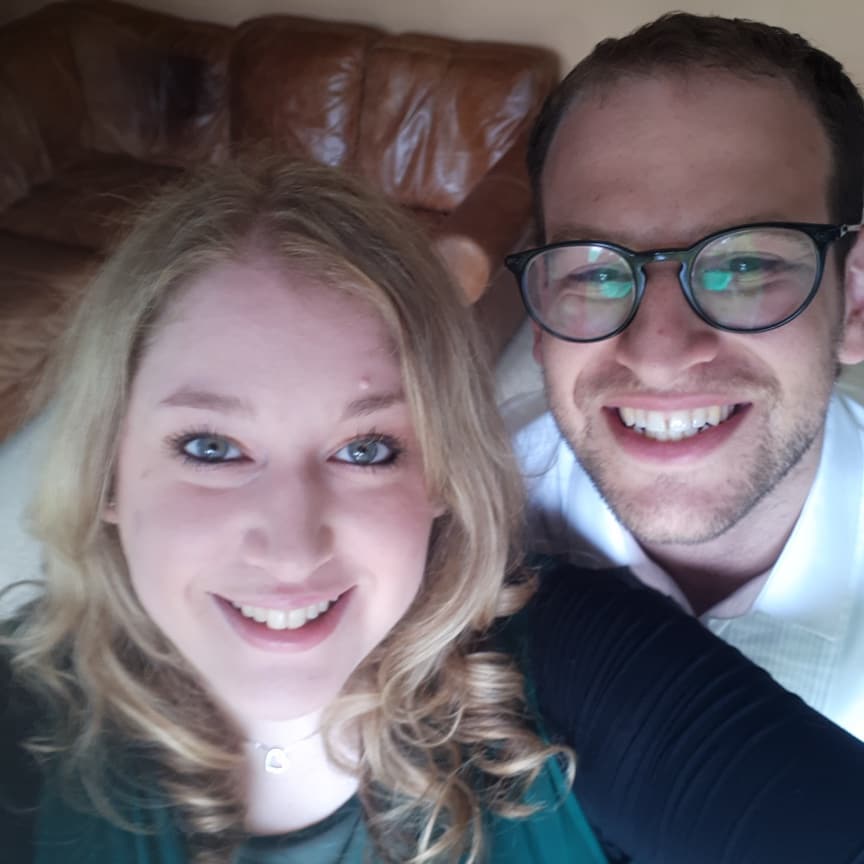
Eleanor
x

 beurownlight.com