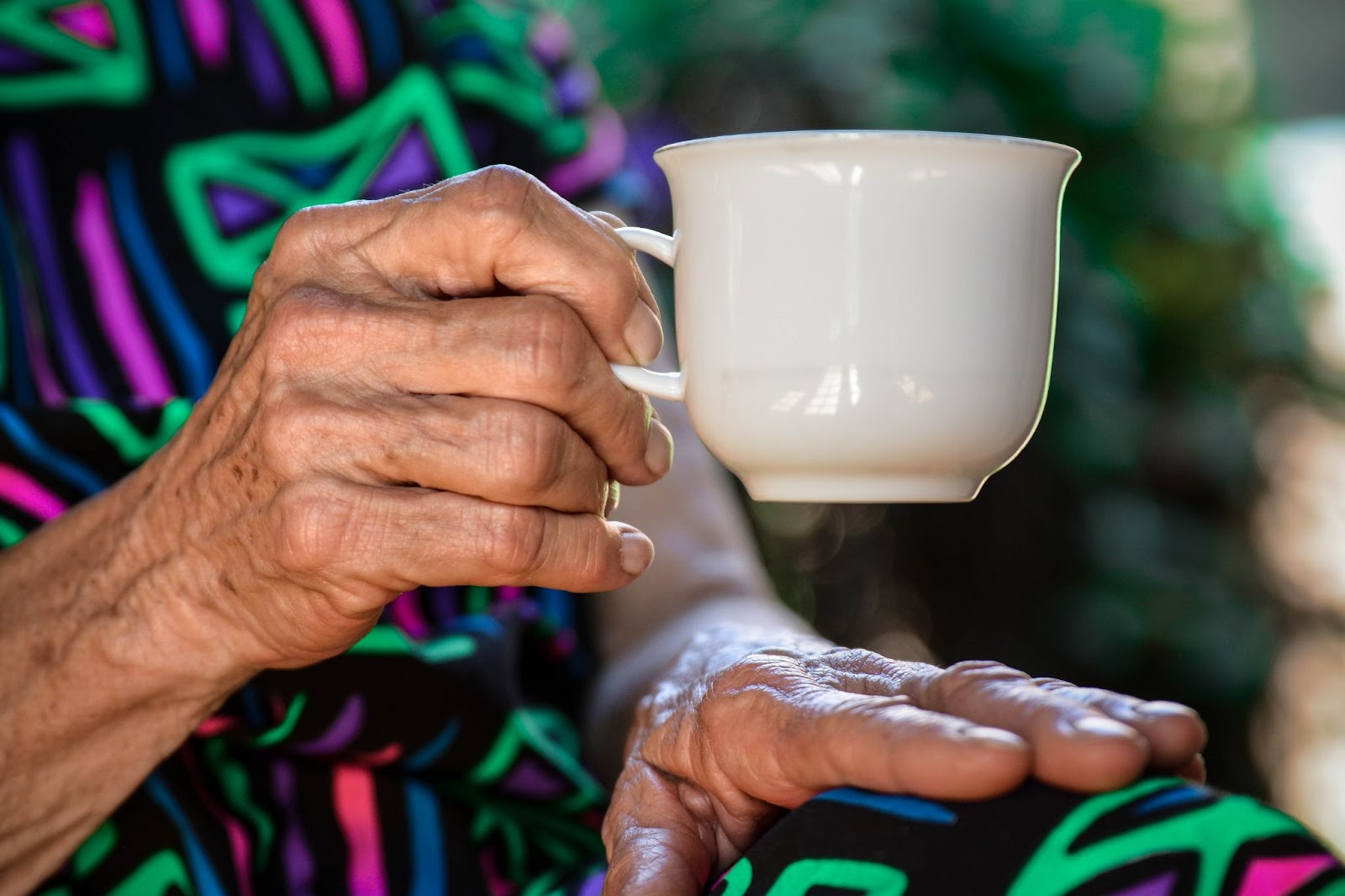
How You Can Achieve A Healthier Lifestyle This New Year.

(image: Brooke Lark: Unsplash)

It’s about the time of year when everyone decides that they’re going to live a healthier lifestyle. If you’re not sure how you can achieve this goal, don’t worry. There are plenty of changes, some of which are easier to manage than others, that will help you improve your health. You can also do this all year round, not just on New Year’s Eve or for a few weeks in January.

  1. Eat Better

Have you ever heard the saying “you are what you eat”? People often think about it in the vein of weight loss, but that’s the first misconception people have about eating healthily. 

Eating better doesn’t just mean trying to lose weight. Sometimes, weight loss is a part of your lifestyle goals, but not necessarily. In fact, changing your diet just to lose weight can lead to an unhealthy and unsustainable lifestyle. You might lose the weight quickly, but your health could suffer and you’re less likely to maintain the results. 

Instead, focus on a well balanced and nutritious diet. Eat the calories you need and make wise food choices. You don’t need to be too restricted, just controlled. 

  1. Drink Plenty 

No, this isn’t a suggestion to drink more alcohol. While alcohol in moderation isn’t a problem, too much alcohol can be terrible for your health. 

Rather, you should think about how much water you drink. The recommended amount is between 6 and 8 glasses of liquid. It doesn’t have to be water. Tea, coffee, and soft drinks do count. 

However, it’s better to drink mainly water and non-sugar drinks. Soft drinks with a lot of sugar contain loads of calories and have very little nutrition, which isn’t a great combo. 

  1. Cut Out Bad Habits

Speaking of cutting things down, you should definitely think about cutting out bad habits like smoking or substance abuse. 

Smoking causes a huge amount of damage to your body and wallet. While you can go cold turkey and completely cut smoking out, some people find this difficult. NRTs, or nicotine replacement therapies, are a good way to wean yourself off.

If you’re trying to stop a very heavy smoking habit, this is especially helpful. Find treatments that work for you, whether that’s extra strong pouches or another kind of medication. 

  1. Exercise

It’s no secret that good fitness is good for your physical and mental health. 

The key to getting fit is to build yourself up. Don’t try to run a marathon right away. Set small, achievable goals and stick to them. The key is exercising regularly, not becoming an instant athlete. 

  1. Mental Health 

A big part of a healthy lifestyle is your mental health. This will keep you happy and healthy. 

This is easier said than done, especially when you’re balancing your mental health with physical health problems. We have enough to deal with in our lives without adding chronic pain or fatigue into the mix. 

Keep an eye on your mental state and well-being. If you do feel overwhelmed, talk to someone. Whether it’s a friend or a medical professional, talking things out can help you process problems and manage them better. 

Heres to a healthy and happy 2024!

This article was written by a freelance writer.

The Subtle Joys Of Escaping City Life And Returning To Nature.

(Image: Simon Godfrey, Unsplash)

Getting out of the city and returning to nature is one of the best ways to improve your mental health – at least, for some people. However, it is also one of the least-discussed options on blogs and by the medical community. There’s an assumption that where you live has little effect on how you feel, but that couldn’t be further from the truth. 

Theories about why cities are so damaging to mental health vary. However, some researchers believe that it stems from a so-called evolutionary mismatch. We evolved in nature, yet cities present us with a radically different environment that changes how we feel by exposing us to excessive light, busyness, and people. 

Here are some of the subtle joys of escaping city life and returning to nature: 

Simplicity

Returning to nature or living a simpler life in a smaller community can give you a sense of simplicity and quietness. It gives you time apart from the endless hustle and bustle of urban life, providing your mind with a break from all the stimulation.

Nature doesn’t rush to do anything, yet harmony and perfection are achieved. As a part of that process, getting away from the city can remind you that you too are a vessel of perfection. 

Belonging

Phoning your conveyancing solicitors and getting them to help you move to a more natural setting can enhance your sense of belonging. Living in a city sometimes makes you feel like you’re an alien visiting from another world, whereas living in nature gives you a sense that you’re going along with everything else, making you feel more connected. 

New Perspectives

Getting out of the city also gives you new perspectives. The bright lights and fast pace disappear, replaced by bucolic scenes and people quietly going about their traditional lives. 

This shift can have a profound effect on your sense of joy immediately. Many people instantly feel happier the moment they move, getting out of the city, and having more space to enjoy their lives and pursue outdoor activities. 

(image: David Stratton, Unsplash)

Personal Growth And Reflection

Getting out of the city also gives you the space you need to grow and reflect on your life. You have the physical and mental space to do more inner work, concentrating on what makes you tick instead of constantly striving to fulfil others’ needs. 

This “quiet time” is something that can also give you new perspectives and help you feel more fulfilled. It gives you the impetus to try fresh and new things in your life, enabling you to experiment and find purpose and meaning where perhaps it might be lacking with a conventional city-based life. 

The Improved Environment

Finally, getting out of the city introduces you to a better environment. While the built-up world can be architecturally stunning, it isn’t always what our bodies and minds need. You can avoid breathing in exhaust fumes linked to brain inflammation and instead, enjoy the clear air every morning. You can also escape the constant din of police sirens and honking horns for a more natural noise environment.

Remember that being in nature, as part of other forms of help, can improve mental health and relaxation. Reach out to your GP or therapist for support too.

This article was written by a freelance writer.

Festive Greetings from Eleanor, Founder Of Be Ur Own Light.

(image: Andrew Nevins- Pexels)

I can’t believe its almost Christmas and the end of 2023! It has been at times a challenging year but I do love the holidays, even though we don’t celebrate Christmas. But its nice to come together as we’re all off work here in the UK and have family time, food and watch movies.

My favourite thing about this season are the cosy, twinkly lights and light trails. We’ll be doing one this year at a stately home. Lighting up the darkness feels appropriate this time of year.

I know that Christmas is not easy for everyone and many struggle with their mental health and relationships this time of year. Please know you are not alone and reach out to Samaritans 116 123 if you need to talk. There is also the Shout text service.

I hope your festive season will be merry and bright… and if it isn’t please tell someone and seek help if you can. You are never alone.

Love,

Eleanor (and family`)

x

Navigating Divorce Law While Caring for Your Mental Health by Brooke Chaplan

(image: Pexels)

Note: the author refers to USA divorce laws but the advice for mental health is the same.

Divorce is an extremely difficult process, emotionally and financially draining, and legally complex. Whether you are the one filing for divorce or the one who is served with divorce papers, this life-altering experience can take a toll on your mental health. With so many issues to consider – child custody, spousal support, property division, and more – navigating divorce law (USA) can be intimidating. But it’s important to prioritise your mental health during this challenging time. In this blog post, we will explore some ways to help you manage your mental health and navigate divorce law.

Focus on Self-Care

The first step to taking care of your mental health is to focus on self-care. Amidst all the chaos, don’t forget to take care of yourself. Eat healthily, exercise regularly, get enough sleep, and seek help immediately if you feel overwhelmed. Make sure to carve out time for activities that you enjoy and engage in self-care rituals that make you feel good.

Seek Therapy

Divorce is a tough time, and you don’t have to go through it alone. Don’t hesitate to seek out professional help from a licensed therapist. A therapist can help you work through the complex emotions you’re feeling and provide you with coping mechanisms to manage your emotions proactively.

Find Emotional Support

Surround yourself with positive and supportive friends and family who will uplift and cheer you up. Find a support network of divorce recovery groups where you can share your experiences and get emotional support from people who understand what you’re going through. Don’t be afraid to ask for help and delegate tasks to relieve stress.

Stay Educated on Divorce Law (USA)

Divorce laws vary from state to state, so it’s important to stay educated about the laws that apply in your state. An understanding of the legal process can help you make better decisions and manage your legal battles more effectively. Consult with a qualified divorce attorney who can provide you with legal guidance and support.

Mediation

Consider mediation as a way to avoid going to court. It’s an opportunity to resolve your differences collaboratively and avoid contentious legal battles that can take a toll on your mental health. Mediation focuses on negotiating a settlement that works for both parties, and an experienced mediator can help you resolve issues like child custody, spousal support, property division, and more.

Going through a divorce is challenging, and it’s okay to ask for help.

Remember to take care of your mental health during this time by focusing on self-care, seeking therapy, finding emotional support, staying educated on divorce law, and considering mediation. You are not alone, and with the right support and guidance, you can successfully navigate the divorce process. Take care of yourself, and don’t hesitate to reach out to professionals if you need help.

This article was written by Brooke Chaplan, who is based in the USA. For UK and other divorce laws, please see your own country.

Meditation 101: Everything You Need To Know by Miranda Spears.

Photo from Unsplash

Embarking on the journey of meditation is akin to entering a profound realm of self-discovery and tranquility. This ancient practice, deeply woven into the fabric of various cultures and spiritual traditions, offers a transformative pathway to inner peace and mindfulness. In this exploration of meditation, you can delve into its fundamental principles and techniques. You may also learn about the many benefits it brings. If you are eager to embark on this contemplative journey, there is much to be gained.

Understanding the Essence of Meditation

Meditation, at its core, is a mental exercise designed to heighten awareness and cultivate a tranquil state of mind. In a world filled with incessant noise and distractions, meditation serves as a sanctuary. This is a space that is meant to silence the ceaseless chatter of the mind. Through various techniques such as focused breathing, guided visualisation, or mindful observation, individuals aim to create a profound sense of calm and presence in the current moment. There’s a reason why meditation has been a part of the human experience since as far back as 5000 BCE.

Getting Started on Your Meditation Journey

Begin by finding a quiet and comfortable space where you can sit or lie down without distractions. Creating an environment that allows you to immerse yourself in the practice is foundational. Once settled, turn your attention inward, focusing on your breath—an elemental meditation technique. Inhale deeply, feeling the air fill your lungs, and then exhale slowly, consciously releasing tension. Alternatively, engage in mindful observation by letting thoughts come and go without attachment, cultivating a non-judgmental awareness of the present moment. Don’t be surprised if a surge of energy during meditation happens — and don’t judge it if it does.

Various Types of Meditation

Meditation is a diverse tapestry, offering various techniques catering to different preferences and goals. Mindfulness meditation encourages being fully present, urging individuals to observe thoughts and sensations without attachment. Transcendental meditation involves repeating a mantra silently, guiding practitioners toward a state of relaxed awareness. Loving-kindness meditation centers around cultivating feelings of love and compassion, often achieved through the repetition of positive phrases. Body scan meditation encourages a mental exploration of the body, identifying and releasing tension to promote both physical and mental relaxation.

Benefits of Meditation

The benefits of meditation are extensive and well-documented, making it a compelling practice for those seeking holistic well-being. Stress reduction stands as one of its primary advantages, with regular practice promoting relaxation and heightened mindfulness. Improved concentration becomes a natural outcome, as meditation serves as a training ground for the mind, enhancing cognitive function and focus. Emotional well-being experiences a positive shift, marked by reduced anxiety, a more optimistic outlook, and increased emotional resilience. The calming effect of meditation often extends to sleep, contributing to improved sleep quality and overall restorative rest.

Challenges on the Meditation Path

While the benefits of meditation are profound, the journey is not without its challenges. Patience becomes a valuable companion, recognizing that meditation is a skill that matures over time. Developing a consistent practice is equally crucial; establishing a routine, even if just for a few minutes each day, allows individuals to experience benefits. Encouraging experimentation with different techniques acknowledges the uniqueness of each individual, encouraging them to discover approaches that resonate with their personal preferences. Incorporating meditation into daily life is a transformative process, one that extends beyond formal sessions. Integrating mindfulness into routine activities, such as mindful eating or walking, becomes a practical and enriching way to extend the benefits beyond the confines of just one daily meditation session.

Final Thoughts on a Transformational Process

Practicing meditation will unlock a special door to the realm of self-discovery and serenity. As one navigates the principles, techniques, and benefits, it becomes evident that the true beauty of meditation lies not solely in reaching a destination but in embracing the ongoing journey toward self-awareness and inner peace. Whether you are a novice or a seasoned practitioner, the path of meditation invites you to explore the depths of your own consciousness and find solace in the stillness of the present moment.

This article was written by writer Miranda Spears.

Keeping Yourself In Balance, Mentally And Physically: A Guide by Meghan Belnap.

(image: Pexels)

In today’s fast-paced, stress-laden world, it can be a real challenge to keep yourself mentally and physically balanced. It’s easy to overlook the impact of your lifestyle choices on your overall well-being and end up feeling stuck, overwhelmed, and burnt out. However, maintaining a healthy mind and body is crucial for long-term happiness and success. This post intends to explore tips and tricks for prioritising your mental and physical health and keeping them in balance. Whether you’re dealing with anxiety, depression, or just seeking a more balanced lifestyle, there are answers to follow. 

Eat Healthily 

The food you eat keeps your body in shape and can significantly impact your mental health. Research shows that eating a balanced and nutrient-rich diet can reduce symptoms of anxiety and depression. Try incorporating more whole foods, fruits, greens, and lean proteins into your diet, and steer clear of processed foods, refined sugars, and unhealthy fats. If you want to take it a step further, try meal prepping always to have healthy food when you’re in a rush. 

Exercise Regularly 

Exercise is one of the best ways to balance your body and mind. Whether going to the gym, taking a yoga class, or going for a run or walk, exercise releases endorphins that lift your mood and reduce symptoms of anxiety and depression. Make sure to find something you enjoy that you can stick to long-term. Even if it is just 30 minutes of physical activity daily, you’ll notice a huge difference in your overall well-being. 

Rest and Relax 

With life’s stressors always looming, finding time to rest and relax can be challenging. However, taking care of yourself by getting enough rest is crucial to balancing your mental health. Ensure you are getting enough sleep, aiming for around seven to nine hours per night, and take other measures to relax, such as massage, a bubble bath, or indulging in your favourite hobbies. 

Prioritise Your Mental Health 

Mental health is just as important as physical health. If you’re struggling with depression, anxiety, or another mental health problem, it’s essential to prioritise your mental health. Seek professional mental health care if necessary, talk to trusted friends and family about any concerns, and make sure you take time each day to do things you love. Self-care and meditation can also work wonders to quiet your mind, reduce stress, and ease feelings of anxiety. 

Find Balance in Your Relationships 

Achieving balance in your relationships is also crucial for mental health. Sometimes, unhealthy relationships can lead to unhealthy habits that throw you off balance and make you feel worse. Make sure you only surround yourself with people who support you, respect you, and have your best interests at heart. Ensure you set boundaries, say no when necessary, and openly communicate your needs and feelings. 

Keeping yourself in balance mentally and physically is an ongoing process that requires continual effort and investment. However, the rewards of prioritising your mental and physical health can be nothing short of life-changing. By taking care of yourself and making sure you are eating healthily, exercising regularly, getting enough rest, prioritising your mental health, and finding balance in your relationships, you can achieve a balanced and fulfilling life. So, try some of these tips, and watch yourself grow into the best version of yourself yet. 

Meghan Belnap is a freelance blogger, researcher and writer.

7 Tips On How To Get Good Rest As A New Mom/Mum.

(image: Kelly Sikkema: Unsplash)

Being a mother, let alone a new mother, is no easy task. New moms might find themselves flustered with the idea of being a parent for the first time ever. No longer do they only have to care for themselves but also a little one, too, who depends on them. Frustration, stress, and lack of sleep are all common for new mothers. So, how can they fix this? Here are some tips.

  1. Sleep in the Same Room as Baby

Waking up every few hours in the night is no easy task. Having your sleep disrupted when in a groggy state is several times easier when your baby is close by to you.

Keep a crib or bassinet right next to your bed or at least a few feet away to reduce long walks throughout the house to tend to your baby in the night. This way, you can resume sleep as soon as possible.

  1. Prepare a Feeding & Changing Station Before Bed

Another way to ensure proper rest and sanity as a new mom is to keep a feeding and changing station stocked before going to bed for the night. Keep diapers, wipes, rash cream, baby powder, and a change of clothes nearby. Also keep clean bottles and formula (if applicable) within close reach.

  1. Don’t Skip the Bubble Baths

Good hygiene provides relaxation, which in turn, helps us feel more put together and well-rested. There’s nothing quite like soaking in a calming bubble bath to ease those tense muscles.

  1. Keep Your Mental Health in Check

After having a baby, your mental health is of utmost importance. When you’re in a bad mental health state, it’s difficult to get quality sleep at night. You may have problems falling asleep, staying asleep, or may be oversleeping. Either way, you find yourself feeling unrested.

If your mental health is suffering, it may be time to consider postpartum depression care in Orange County.

  1. Let the Household Duties Slide

Right now, your wellbeing and your baby’s well being matter most. A pile of dirty dishes? Leave it for tomorrow. Now is the time to prioritize your physical and mental state in the form of good rest. Unless there’s broken glass on the ground or a horrible stench in the house, the chores can be put off.

  1. Get Physical

Even simply going on a walk around the block can be a great way to get exercise in. This in itself can be a relaxing activity. And as everyone knows, getting exercise can also allow you to get a better night’s rest.

  1. Drinking Calming Teas

Turning to herbal teas like chamomile or lavender can be great ways to unwind after a hectic day as a new mom. Never underestimate the power of a hot beverage filled with calming herbs, especially before bedtime.

Conclusion

Being a new mother is going to be a challenge no matter how you look at it. However, what a mom can do differently to make things easier is to ensure she gets proper rest. With the latter tips, any overwhelmed, exhausted mom can get the rest and relaxation she needs to feel rejuvenated after a long day of parenting.

This article was written by a freelance writer.

Maintaining Mental Wellbeing: Tips for Navigating an Alcohol Assessment Centre by Brooke Chaplan

(Image: free image)

The decision to seek help for alcohol use disorder is an important one. It takes courage to admit that you need assistance, and taking the first step toward recovery can feel like a daunting task. One of the early steps of recovery is an alcohol assessment centre, which can assess your condition, provide treatment recommendations, and connect you to ongoing support. However, navigating an assessment centre can be overwhelming, especially if you are feeling vulnerable or uncertain. In this post, we will discuss some tips for maintaining your mental well-being while navigating an alcohol assessment centre.

Educate Yourself

Before entering an assessment centre, take some time to educate yourself about the process and what to expect. This can help to ease anxiety and provide a sense of control in an unfamiliar environment. You can research online, check out the centre’s website, or speak with someone who has been through the process before.

Prepare Mentally and Emotionally

Entering an assessment centre can be a nerve-wracking experience, but it’s essential to prepare yourself mentally and emotionally. You might consider bringing along a trusted friend or family member who can offer support and help you stay grounded. You can also practice mindfulness or deep breathing exercises to help you stay centred.

Speak Openly and Honestly

It’s important to be honest about your alcohol use, even if you feel embarrassed or ashamed. The professionals at the assessment centre require accurate information to provide the best treatment options for your specific needs. Honesty also helps to build trust and openness in the therapeutic relationship between you and your counsellor.

Focus on Your Goals

Entering an assessment centre can be overwhelming, but it’s essential to focus on your goals for recovery. Discuss your goals with your counsellor, and work with them to develop a plan for achieving them. Remembering why you’re seeking help and what you want to achieve can help motivate you and make the process easier.

Take Care of Yourself

Finally, remember to take care of yourself while going through an assessment centre. It’s essential to prioritise your mental and physical well-being, which can include eating well, drinking plenty of water, and getting enough rest. Self-care also means taking breaks when necessary, practicing healthy coping mechanisms, and setting boundaries with those around you. Navigating an alcohol assessment centre can be overwhelming, but it’s an essential step towards recovery from alcohol use disorder.

By educating yourself about the process, preparing yourself mentally and emotionally, speaking honestly with your counsellor, focusing on your goals, and taking care of yourself, you can maintain your mental well-being while going through the process. It is highly recommended to reach out to facilities where you are, like A Better Choice Counselling/ Alcohol, Drug & Assessment Center, for more information or to answer any questions you may have.

Remember, seeking help for alcohol use disorder is a brave decision, and with the right support and resources, recovery is possible

Helping A Loved One Feel More At Ease In A Care Home.

Making the decision for a loved one to enter a care home is never an easy one. You probably feel guilty for doing it, but the truth is that it will help them get the best possible care as they get older – more than you might be able to give yourself! There’s a lot of negativity about the subject, but many people find their quality of life improves in a care home, and there are things you can do to make that even better. Ultimately, it comes down to making a decision for their best interests, and even if it doesn’t feel that way at first, it soon will.

So what can you do to help them settle in? You can do your bit by finding ways to help them feel more at ease in their new surroundings. Here are some ideas to help your loved one adjust to life in a care home.

Image Credit: Unsplash under Creative Commons

Make their space feel more like their own

One of the biggest changes people face when going from their own home to a care home is the lack of personalisation and familiarity, and feeling like the space isn’t theirs. But there are things you can do to help fix that, including:

  • Decorate their room with things from their own home, including pictures, furniture, rugs, etc.
  • Choose from care home beds that they are happy with (if the home allows you to do this).
  • Add familiar fragrances.
  • Make sure they can indulge in their hobbies and interests with books, TVs, etc.

Talk to your loved one about what would help them settle in and do what you can to make it happen. 


Be there to make things more enjoyable

With your loved one receiving proper residential care, you can be there to help them have fun and stay active, something that might not have been possible while you were caring for them. Use your energy to take them out for trips, help them exercise, and spend quality time with loved ones. The Body Coach even has his own workout series for older people!

Being in a care home doesn’t mean your usual outings and activities have to stop, so you can help them keep up a routine that they enjoy.

Exercise is very important to help improve mobility and mood. Finding ways to help your loved one’s physical health can also benefit their mental health, improving their mood and helping them feel more at ease.


Get to know the staff 

There are a lot of reasons you should get to know the staff at a care home:

  • It can help you be more involved in your loved one’s life by getting to know the other people who are in it.
  • They’ll know more about you and your loved one, which can help them provide better care.
  • If you experience any issues, it’s good to have someone familiar you can talk to.
  • It creates more of a family atmosphere.

Regular visits and chatting with the staff more will help you make those connections, helping you feel more involved in your loved one’s care. It makes things nicer for them and for you, and is a fantastic way for you all to get to know people better. 

You will have all sorts of feelings about your loved one being in a care home, but it’s important that you focus on them and ensure they feel happy and comfortable where they are. Talk to them about what they want and how you can make it happen, helping them settle in quicker so you can both feel more at ease.

This article was written by a freelance writer.

4 Health Benefits Of Getting a Massage by Hannah Whittenly.

(image: Unsplash: Conscious Design)

Massage, the manipulation of muscles and soft tissue, has been used as a therapeutic practice for centuries. From traditional therapies in ancient civilisations to modern practices, massage has continued to prove its efficacy in promoting physical and emotional relaxation, pain relief, and stress reduction. Let us explore the many health benefits that come with getting a massage.

Reducing Stress and Anxiety

Research has shown that massage has a positive impact on both physical and mental wellbeing. One of the primary benefits of massage is its ability to reduce stress and anxiety levels. Massage helps to lower the levels of stress hormones such as cortisol and adrenaline while increasing the levels of feel-good hormones like dopamine and serotonin. As a result, getting a massage allows us to feel more relaxed and at ease, improving our overall emotional and mental health.

Promote Better Sleep

Getting a good night’s sleep is essential for optimal physical and mental health. Regular massage therapy can help bring about restorative sleep by relaxing the muscles, increasing circulation, and reducing tension. Studies have shown that massage therapy can help reduce the symptoms of insomnia and other sleep disorders, thereby promoting better sleep.

Relieves Pain

Many of us deal with chronic pain on a daily basis. Massage therapy can be used to relieve pain and discomfort caused by various factors such as muscle tension, injury, or poor posture. Massage improves circulation, reduces inflammation, helps muscles to relax, and stimulates the release of endorphins, the body’s natural painkillers. Regular massage therapy can provide long-term pain relief and improve flexibility and range of motion.

Boosts Immunity

Another health benefit of massage therapy is its ability to boost the immune system. Studies show that regular massage sessions increase the production and activity of white blood cells, which play a vital role in fighting off infections and illness. Increased circulation and improved lymphatic flow help the body flush out toxins and improve its overall immunity.

In conclusion, massage therapy is an ancient practice that offers numerous health benefits for both physical and mental wellbeing. From reducing stress and anxiety to improving sleep, relieving pain, and boosting the immune system, regular massage sessions are a great way to promote a healthy lifestyle. If you’re dealing with any of the issues mentioned above or simply wanting to relax and unwind, schedule a massage appointment today. Your body and mind will thank you!

This article is by freelance writer Hannah Whittenly.