The Problem with Self-Medicating for Mental Health Issues by Maya

(image: Marcos Paulo Prado: Unsplash)

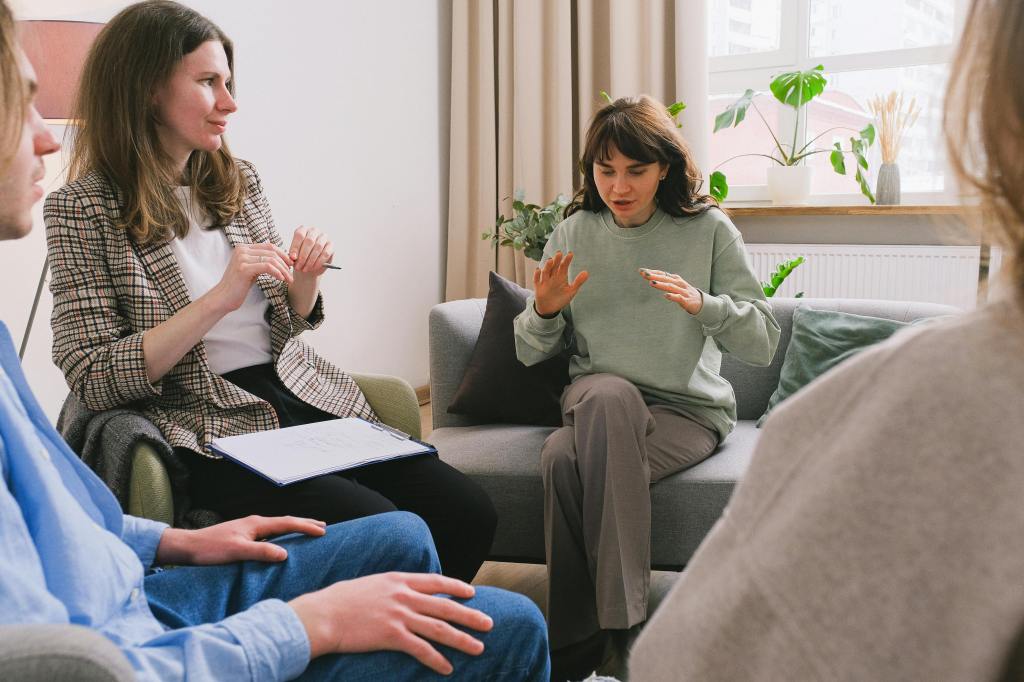
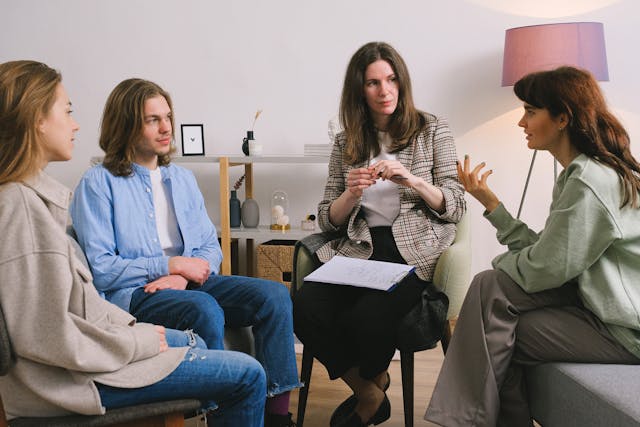
Self-medicating to resolve mental health issues can sometimes leave the door open for substance abuse. A lot of information goes into choosing the right psychiatric medicine, and it is not something you should choose without medical input. To avoid this common problem, here are a few things you should know about self-medication.

The Consequences

Mental and physical health are a top priority for dual diagnosis treatment. Depression, mania, anxiety and irritability are only a few underlying mood changes that someone may experience. On their own, these mental health conditions are already hard to deal with. When those same conditions are combined with possible substance use disorders, it creates a co-occurring disorder. As an example, a person that is suffering from anxiety will try to self-medicate with unprescribed depressant drugs. These downers are sedatives by nature, and can quickly turn into an addiction for someone who becomes dependent on how it makes them feel. These should only be prescribed by doctors and taken with care.

The Truth

When you’re aware of the consequences of self-medication, the treatment steps become much clearer as a goal. Without professional experience, you can’t diagnose the original underlying cause of your condition. Not all symptoms are created equally, and there is no way for a patient to factor in how a specific medication will interact. Psychiatric medications should never be combined with alcohol, which includes things like cough medicines. Self-medication is not good for you and your body or mind should never be the experiment to find out what works.

Risky Behaviour

Mental health stigmas are one of the reasons that people are open to the dangers of self-medication. They feel that society has a judgmental attitude towards mental health prescriptions. With self-medication, these same prescriptions and their variants are purchased after going through multiple illegal hoops.

Besides the legal issues that could arise, there is a good chance that you are not treating the correct condition. Getting medication to treat depression is a terrible idea for someone that is suffering from bipolar disorder. And when you’re suffering from anxiety, the risk of overdose rises. There is no reason to risk the mental and physical consequences of self-medicating when there are more appropriate avenues to treat your condition. Please seek help from your psychiatrist or get referred to one.

Reaching A Personal Goal

When your health is in danger, think twice about going the risky route of self-medicating. It’s easy to use clouded judgement as an excuse for not getting better. No matter how you start, a healthy mind will always be positively fuelled by making healthy personal decisions. Sometimes, self medication can turn into addiction, which can wreak havoc on your body and mind. Reach for appropriate medical support to help support your recovery.

This article was written by Maya.

5 Valid Reasons For Not Becoming a Mother

(image: Valentina Conde: Unsplash)

Women that don’t have children will often be on the receiving end of the big question of when they’re going to start having children. But, there are some women who simply don’t want to have children, and all of them are extremely valid. However, some don’t understand this concept, and if you’re wondering why someone would ever feel like that, you’ve come to the right place. While no woman should ever have to explain herself, we’re going to explore some of the reasons why a woman wouldn’t want to become a mother.

Health problems

For some women, the choice to have children may be taken away from them due to health concerns. It might be that they can’t have children because of their health, or it might even be that becoming pregnant could endanger their health. And, while there are many avenues when it comes to having children, such as surrogacy or adoption, some women would simply prefer to carry their child themselves. When this isn’t possible, they may then choose to not have children at all.

A painful history

Sadly, some women will have a difficult or painful history that might put them off the idea of having children all together. It might be that they’ve grown up with abusive parents and don’t want to make the same mistakes. Or, it could be that they’ve been through something extremely traumatic like rape, and would rather not bring that kind of history into their children’s lives, especially if they experienced a life long injury because of it. Instead, they may speak with a sexual offence solicitor and bring the offender to justice, and then move on with their lives.

They don’t want to bring a child into this world

Every person thinks about this at some point or another, and some women will choose not to bring a child into this world if they don’t believe they can provide them with a safe and happy upbringing. Others may look at the world, citing the sense of war, environment and poverty as a reason to question whether it’s a good idea to bring a child into this world.

Giving up a social life and less freedom

Another concern that some women have and choose not to give up is their social life or freedom to travel. While times have changed compared to, say, fifty years ago, it’s still common for the mother to stay at home with the child while the partner goes out to work. While it’s not impossible to have a social life when you’re a mother, it’s certainly not as easy. And, for some, this plus freedom to live the life they want to live is simply not something they want to give up.

Career priorities

Women have just as much of a right to have a successful career as men do, and some women choose to prioritise their career over having children. A career can sometimes take decades to climb and some don’t want to have time off to have children and juggle their work.

This article was written by a freelance writer.

What is Trichotillomania and How Can You Treat It?

(image: Unsplash: Tim Mossholder)

Trichotillomania is a condition where you have an uncontrollable urge to pull out your own hair. This is usually hair from your scalp but may also involve other areas of your body such as your eyelashes, eyebrows, genital area, legs, armpits, or face. Pulling out your hair may help to relieve feelings of stress or anxiety. It is also known as “trich” or TTM. 

What are the symptoms of trichotillomania?

Symptoms of trichotillomania vary from person to person. They may be automatic, meaning you pull out your hair without being aware that you are doing it; for example when you are studying, reading, or watching TV, or focused which involves hair-pulling on purpose to relieve anxiety or stress.

Hair-pulling is usually done in private, and many people with trichotillomania feel ashamed or embarrassed about their condition and try to hide it from others. It is commonly accompanied by other behaviours such as biting your nails, picking your skin, or chewing your lips or cheeks.

Symptoms of trichotillomania may include: 

  • Frequent, repeated episodes of pulling out hair from your scalp or other parts of your body 
  • Increased tension before pulling out your hair, followed by a feeling of pleasure or relief afterwards
  • Visible hair loss, thinning or bald areas on your scalp or other parts of your body
  • Irritated or sore skin around the area 
  • Damage to your hair follicles
  • Rituals such as pulling out specific types of hair, following the same steps or pulling out your hair in certain patterns
  • Playing with pulled-out hair, such as rubbing it across your lips or face, biting, chewing, or eating pulled-out hair
  • Repeated failed attempts to stop hair-pulling 
  • Avoiding situations where people might find out about your hair-pulling such as sleepovers, visiting hair salons, swimming, or sexual relationships 
  • Problems or conflict with family and friends as a result of your hair-pulling
  • Pulling fibres from blankets and clothing or hair from pets or dolls

What causes trichotillomania?

The cause of trichotillomania isn’t fully understood. It may be a way of dealing with stress, strong emotions anxiety, a habit, or a hormonal or chemical imbalance. Trichotillomania may also be genetic and often runs in families. 

What should I do if I have symptoms of trichotillomania? 

If you have symptoms of trichotillomania, remember that you are not alone, and help is available. Make an appointment to see your GP. 

How is trichotillomania treated? 

The main treatment for trichotillomania is a type of cognitive behavioural therapy (CBT) called habit reversal training. Habit reversal training aims to replace a bad habit with something that isn’t harmful, and may involve:

  • Keeping a journal of your hair-pulling to identify triggers and learning how to avoid them
  • Learning to replace hair-pulling with another action that isn’t harmful, like squeezing a stress ball
  • Getting support from loved ones and support groups 

Some self-help tips for trichotillomania that may help include: 

  • Relieve stress by squeezing a stress ball or using a fidget toy 
  • Wear something over your hair such as a bandana or a tight-fitting hat
  • Cut your hair short
  • Exercise
  • Practice relaxation techniques, such as deep breathing or meditation or take a soothing bath to ease stress or anxiety
  • Exercise
  • Put plasters on your fingertips

Other possible treatments for trichotillomania may include: 

  • Acceptance and commitment therapy — can help you learn to accept your hair-pulling urges without acting on them
  • Cognitive therapy — works by changing negative thoughts and beliefs, and learning healthy ways to manage your condition
  • Medication — trichotillomania isn’t usually treated with medication, but you may be prescribed medication such as antidepressants to treat an underlying condition like depression or anxiety. 

Further help and support 

Many people with trichotillomania feel isolated and try to hide their condition from others. Talking to people you trust as well as your GP and joining support groups can help you feel less alone and often helps to reduce your anxiety and hair-pulling. 

For further information, advice, and support on living with trichotillomania, contact:

  • Trichotillomania Support
  • OCD UK
  • Anxiety UK
  • Alopecia UK

This article was written by HealthPrem. Features sponsored links.

Navigating Through The Storm: How to Process Your Spouse’s Adultery by Lizzie Weakley.

(image: Kelly Sikkema, Unsplash)

Discovering that your spouse has committed adultery (extra marital sex) can be a devastating blow to any marriage. The betrayal, hurt, and confusion can be overwhelming, and it may feel like your world has been turned upside down. One of the most challenging aspects of dealing with infidelity is processing your spouse’s tone of voice. How do you navigate through the storm of emotions and make sense of their words? This blog post will explore some strategies to help you process your spouse’s adultery and move towards healing and understanding.

Take a Step Back
When you first discover that your spouse has been unfaithful, it’s natural to feel a wide range of emotions, including anger, sadness, and betrayal. In the midst of all these overwhelming feelings, it’s important to take a step back and give yourself some time to process everything. Avoid making impulsive decisions or engaging in heated arguments based on your spouse’s tone of voice. Take a deep breath, step away from the situation if needed, and allow yourself some space to calm down before addressing the issue with your spouse.

Seek Support
Dealing with the aftermath of adultery can be incredibly isolating and lonely. It’s crucial to seek support from trusted friends, family members, or a therapist who can provide you with a safe space to express your feelings and receive guidance. Talking to someone about your spouse’s actions and how it has affected you can help you gain perspective and clarity on the situation. Remember that you don’t have to go through this difficult time alone. You may also want to seek legal support from a divorce lawyer if you’re considering divorce. 

Practice Active Listening

When confronting your spouse about their adultery, it’s important to practice active listening. This means truly listening to what they have to say without interrupting or jumping to conclusions. Try to understand their perspective, emotions, and reasons behind their actions. By actively listening, you can create a more open and honest dialogue with your spouse, which is essential for healing and moving forward.

Set Boundaries
Processing your spouse’s adultery may require setting boundaries in your relationship. It’s important to establish clear boundaries that will help rebuild trust and ensure that both you and your spouse feel respected and heard. This may involve limiting communication, taking a break from the relationship, or seeking professional help to work through the issues together. Setting boundaries can help create a more secure and healthy environment for both partners to address the infidelity and its consequences.

Focus on Self-Care

Dealing with the aftermath of adultery can take a toll on your mental and emotional well-being. It’s crucial to prioritize self-care and focus on activities that bring you comfort and relaxation. Whether it’s taking a walk, practicing mindfulness, or engaging in a hobby you enjoy, make sure to take care of yourself during this challenging time. Remember that you deserve love, compassion, and kindness, especially when processing your spouse’s adultery.

Processing your spouse’s adultery can be an incredibly difficult and painful experience. It’s important to give yourself time to heal, seek support from loved ones, and practice healthy communication strategies to navigate through this challenging time. Remember that you are not alone in this journey, and there is hope for healing and rebuilding trust in your relationship.

By taking care of yourself, setting boundaries, and practicing active listening, you can move towards understanding and forgiveness, whether that leads to reconciliation or separation. Stay strong, be kind to yourself, and trust that you have the strength to overcome this obstacle in your marriage.

This article was written by Lizzie Weakley.

5 Ways How Working Remotely Can Benefit Your Mental Health by Breanna Howell

(image: Kornel Mahl, Unsplash)

People are embracing working remotely; even tech companies are allowing their employees to decide whether they want to work from home indefinitely. There are several advantages of working remotely compared to working in offices, in person, but most importantly, remote work is valuable to your mental health. Here are five ways that working remotely can benefit your mental health.

1.   Flexibility and Work-Life Balance

When focusing on work, other aspects of life often end up neglected unless you have a healthy work-life balance. To be content and excited about work, employees also need leisure time to connect with their loved ones and pursue other talents and interests. Based on the time constraints, this becomes challenging with in-person work. Luckily, it is easier to find a balance when working from home; there is more time with family, and with proper management, more leisure time to pursue other interests.

If working conditions are more flexible, staff can find a healthy and effective work-life balance. Being able to work while still having a personal and social life makes them happier and improves their mental health. That is why more and more companies opt for time and attendance solutions to help their employees have a better work-life balance.

2.   Reduced Commute Stress

The daily commute is the least favourite part of a job for employees. Whether private or public transport, a lot of time is spent on the roads and you have to deal with traffic and overcrowding as everyone is in a hurry to get to their workplace. Thanks to remote work, you don’t have to worry about waking up early to beat traffic; simply prepare and start your day. You even have more time to establish an effective morning routine.

Commuting daily can take a toll on you, making you anxious and increasing your stress. You have to wake up early every day and deal with other people rushing to get to work on time. Working from home gives you a reprieve, allowing you to rest, have a good night’s sleep, and avoid traffic and congestion, which is a win for your mental health.

3.   Customisable Work Environment

With the traditional work setup, you get a designated space at the office, work with the same people, and have the same routine daily. You can also get interrupted by colleagues or have managers looking over your shoulders. The monotony and lack of freedom can negatively affect your outlook on life, sometimes even making you indifferent towards your job. Imagine working in your living room, your favourite cafe, or on the seafront. Being able to customise your space makes remote work exciting because it is not predictable; you can finally look forward to the day.

The power to control where and when you work makes you more productive because you are more relaxed and excited about your day. You can customise your workspace however you want, and that makes you happy and fulfilled, which is recommended for your mental health.

4.   Increased Autonomy

One of the advantages of working from home is that the staff gets the freedom to structure their day. Everyone knows what works best for them and can easily decide when and where they are more productive. Instead of a strict and stressful routine, you get the flexibility to choose, which has a massive positive impact on your work and overall well-being.

Autonomy allows you to prioritise the important while scheduling other activities that matter to you. Having control gives you peace of mind, calms you down, and makes you more productive, positively impacting your mental health.

5.   Opportunities For Healthier Habits

Between the daily commutes and extended office hours, there is little or no time for exercising, cooking, and eating healthy meals. Establishing a morning exercise routine becomes challenging, and many rely on calorie-rich snacks to help get them through the day. Fortunately, working from home gives you enough time to work out, cook proper meals, and develop healthier habits.

Eating healthy and exercising have a positive and lasting impact on your mental health. Being healthier can (along with other medical treatments) help issues like depression, ADHD, anxiety, memory loss, insomnia, and other illnesses that affect your productivity.

Conclusion

High stress levels are common in the workplace. There is quite a lot to deal with, from hectic daily commutes to strict schedules and a lack of time to pursue other interests and connect with loved ones. Before all these take a toll on your mental health, it is crucial to consider working from home. This way, you don’t have to worry about commuting, and you can customise your work environment and lead a healthy, happy life.

Breanna Howell is the public relations specialist at Claremont Diamonds living her dream of promoting positive public awareness of the company. As a freelance blogger and mom of two millennials, she’s also passionate about providing inspiration and support to everyone on their journey to a fantastic marriage.

This article contains a non sponsored link.

10 Bad Habits That Can Affect Your Mental Health by Caryl Ann Mason

(image: Caryl Ann Mason)

Today, I want to talk about something that is near and dear to my heart – mental health. I believe that taking care of our mental well-being is just as important, if not more important, than taking care of our physical health. And one thing I’ve learned in my wellness journey is that it’s easier to work on your mind if your life isn’t ruled by bad habits that affect your mental health.

You see, bad habits can really take a toll on our mental well-being. Whether it’s staying up too late, eating unhealthy foods, or procrastinating on important tasks, these habits can create a negative cycle that affects our mental state. And if we don’t address these bad habits, they can become deeply ingrained in our daily routines, making it even harder to break free from them.

Let’s talk about the habit of procrastination. We’ve all been there – putting off important tasks until the last minute, only to feel overwhelmed and stressed out when the deadline approaches. This kind of behaviour can lead to increased anxiety, decreased self-esteem, and even feelings of guilt or shame. It’s a vicious cycle that can really take a toll on our mental health.

Another bad habit that can affect our mental well-being is the habit of negative self-talk. It’s so easy to fall into the pattern of criticizing ourselves or doubting our abilities. But this kind of negative self-talk can really impact our self-esteem and confidence, making it harder to believe in ourselves and our potential.

We can’t forget about the impact of unhealthy lifestyle habits on our mental health. Poor nutrition, lack of exercise, and not getting enough sleep can all contribute to feelings of fatigue, irritability, and overall lower mood. It’s amazing how much of a difference taking care of your physical health can make on your mental health.

So, what can we do to break free from these bad habits and improve our mental well-being? It’s not always easy, but it’s definitely possible. 

I’m going to share 10 bad habits that can affect your mental health, and offer tips and insights on how to break free from these habits in order to improve your overall wellbeing.

(image: Zane Lee: Unsplash)

1. Procrastination: The Thief of Mental Peace

Procrastination is a common habit that can greatly affect our mental health. 

Putting off important tasks can lead to increased anxiety, stress, and feelings of guilt. 

Overcoming procrastination involves breaking tasks into smaller, manageable steps, setting clear deadlines, and creating a conducive work environment.

2. Negative Self-Talk: The Mind’s Worst Enemy

Negative self-talk can be detrimental to our mental well-being. 

It chips away at our self-esteem and confidence, leading to self-doubt and decreased motivation. 

Practicing self-compassion, affirmations, and surrounding yourself with positive influences can help combat negative self-talk.

3. Unhealthy Eating Habits: Fuelling Your Body and Mind

Poor nutrition can directly impact our mental health. 

Consuming excessive sugar, processed foods, and unhealthy fats can lead to mood swings, fatigue, and decreased cognitive function. Prioritising a balanced diet rich in fruits, vegetables, whole grains, and lean proteins can improve mood and overall well-being.

4. Lack of Physical Activity: Move to Improve

An inactive lifestyle can contribute to feelings of lethargy, low energy, and heightened stress levels. 

Incorporating regular physical activity, even in small increments, can release endorphins, reduce stress, and boost self-esteem. 

Engaging in activities you enjoy can make fitness enjoyable and beneficial for mental health.

5. Sleep Deprivation: The Silent Saboteur

Inadequate sleep negatively impacts mental health, leading to irritability, reduced focus, and increased anxiety. 

Establishing a consistent sleep schedule, creating a relaxing bedtime routine, and ensuring a comfortable sleep environment are essential for improving sleep quality and mental well-being.

6. Excessive Screen Time: Digital Detox for the Mind

Overindulging in screen time, especially before bedtime, can disrupt sleep patterns and contribute to feelings of restlessness. 

Setting boundaries for screen time, engaging in offline activities, and practicing mindfulness can help reduce the negative impact of excessive screen exposure on mental health.

7. Isolating Yourself: Connection for Mental Resilience

Isolation can intensify feelings of loneliness, anxiety, and depression. 

Cultivating meaningful relationships, seeking social support, and participating in group activities or communities can provide a sense of belonging and support for mental well-being.

8. Overcommitting: The Stress Accumulator

Taking on too many responsibilities can lead to chronic stress, overwhelm, and burnout. 

Learning to set boundaries, prioritise tasks, and practice self-care can prevent the detrimental impact of overcommitment on mental health.

9. Avoiding Mental Health Care: Ignoring the Inner Voice

Neglecting mental health needs can exacerbate underlying issues and prevent access to potential support and treatment. 

Seeking professional help, engaging in self-care practices, and prioritising mental health check-ins can promote emotional well-being and resilience.

10. Ruminating on the Past: Breaking Free from Mental Anchors

Constantly revisiting past mistakes or unfavourable events can perpetuate feelings of regret, shame, and negative emotions. 

Embracing mindfulness practices, focusing on the present moment, and reframing negative thought patterns can help break free from the cycle of rumination and improve mental resilience.

Our daily habits play a significant role in shaping our mental well-being. By addressing and modifying these habits, we can embark on a journey towards improved mental health and overall happiness. 

Remember, small changes in habits can lead to profound positive effects on our mental state. I hope this post serves as a reminder to nurture healthy habits that support your mental well-being. 

So, let’s work on breaking free from those bad habits that are holding us back and focus on creating a healthier, happier, and more positive mindset. Our mental health is worth the effort!

Caryl Ann is a blogger at https://theboredhousewife.co.uk

Creating A Calm Bedroom with SIMBA Hybrid Duvet (Gifted Review)

(image: SIMBA)

Whether you struggle with your mental health or not, one way you can boost overall wellbeing, is to create a peaceful, calm bedroom environment. As well as keeping your room relaxed, tidy, clean and restful, you will want to look at your bed and bedding. This can all help to aid better sleep quality!

The team at SIMBA bedding and mattresses, gifted me one of their duvets to try, the Hybrid duvet. This luxurious 10.5 Tog duvet is suitable for year-round use. The Simba Renew Bio™ fill ensures wonderful, down-like softness and warmth, as well as superb breathability for a non-clammy feel; the fresh, cotton outer features their Stratos® temperature control tech to help dissipate excess heat. Perfect for me as I can get really warm at night and really good for the spring/ summer season! It felt super cosy and soft, and I had a great nights sleep.

Experts and SIMBA believe that when a bedroom has good feng shui, the nervous system can relax and we enter a place of safety, which helps promote a better night’s rest. Sleep hygiene and sleeping environment play a significant role in the quality of sleep we get at night.

They say,

Your bed is one of the most important pieces of furniture in your home with respect to your feng shui.  When you’re sleeping, you’re classified as being in a passive yin state – and therefore more receptive to the vibrations around you. The bed is also the most private place in your home. It absorbs your qi and represents you.

We think we can help with that. Simba’s premium Bed Range allows you to create your ideal bed and choose all the specific features you need. with flexible under bed storage options, in single, double, king and super king. With 500 possible combinations, you can truly get the right look, colour, finish, storage and size for your space, and still have a bed that is unique to you.’

(image: Unsplash: By Matter, Made Better)

I love to have bedding that feels dreamy, induces calm and promotes a zen-like atmosphere. I feel so lucky to have tried my SIMBA duvet and know it will become a staple in my bedroom. As I struggle with anxiety, its so important that my bedroom is a place of calm and quiet, to help promote positive wellbeing. Good sleep often can mean good mental health and I can’t wait to curl up each night!

I was gifted a SIMBA duvet, in return for an honest review. This article contains non-sponsored links.

Understanding Mental Health Through Personal Hygiene Habits by Brooke Chaplan.

(image: free image)

Personal hygiene habits are not only important for physical health, but they also play a significant role in maintaining mental health. Poor hygiene can cause distress, social isolation, and low self-esteem. Good personal hygiene practices, on the other hand, not only affect our physical appearance but also have various psychological benefits. In this blog post, we will explore the correlation between personal hygiene habits and mental health and the importance of establishing healthy habits.

Self-Confidence and Self-Esteem

Maintaining good personal hygiene practices, including showering daily, brushing teeth twice a day, and wearing clean clothes, can boost self-confidence and self-esteem. When we look good, we feel good, and this positive feeling can help us conquer our day’s challenges. On the other hand, poor hygiene can affect our self-esteem and lead to the avoidance of social situations, further impacting our mental health.

Stress Reduction

Establishing good personal hygiene habits also has a stress-reducing effect. When we invest in our hygiene and appearance, we feel more in control of our lives, hence reducing stress. Besides, the sweet smell of a well-scented shower gel, for instance, and the soothing feeling of fresh and clean clothes can calm our minds, reducing anxiety and worry.

Social Bonding

Humans are social animals, and maintaining good personal hygiene habits plays a crucial role in social interaction. Poor hygiene, such as bad breath or body odor, can lead to social isolation and affect our mental health negatively. In contrast, when we smell good, look good, and feel clean, we attract positive attention and form stronger social bonds, boosting our mental well-being.

Mental Alertness

Establishing good personal hygiene habits also has a positive impact on our mental alertness. A clean and tidy space can improve our focus, making us more productive and efficient. Practicing good hygiene habits requires discipline and structure, which can help improve our cognitive function and increase our mental stamina.

Positive Self-Talk

Establishing good personal hygiene habits leads to positive self-talk, which improves our mental health. We can’t reinforce a positive self-image when we neglect our hygiene. Good hygiene is a way of showing care and respect for ourselves, and it gives us a reason to celebrate our achievements. Developing positive self-talk is essential for mental resilience and overall mental health.

Where To Start During Depression

Personal hygiene can be a challenge to maintain during a depressive episode. However, you can start by slowly implementing a routine that includes regular bathing, brushing your hair, and putting on clean clothes. When it comes to brushing your teeth, consider dental implants as a long-term solution to improve your oral health if they are needed. i not, carry on looking after yourself, as you matter. Remember to be patient with yourself, seek support from loved ones, and take small steps towards self-care each day. By focusing on your personal hygiene, you can improve your overall well-being and feel more confident in yourself.

To conclude, personal hygiene habits play a vital role in maintaining our physical and mental health. Poor hygiene can cause distress, isolation, and low self-esteem, while good hygiene habits can boost our self-confidence, reduce stress, improve social bonding, increase mental alertness, and promote positive self-talk.

As we go about our daily routine, we must make maintaining good hygiene habits a priority to reap these benefits and maintain our mental well-being.

5 Ways to Increase Self-Confidence after Losing a Limb by Lizzie Weakley

(image: Daniel Odame: Unsplash)

When people lose a limb, it can be a traumatic experience that can take away their sense of self-confidence. It is essential to understand that it is normal to feel insecure and unsure after such an experience. But, there are ways to increase self-confidence and improve self-esteem. This blog will discuss five ways in which you can increase your self-confidence after losing a limb.

Accept Your Situation

The first step towards gaining confidence is accepting your current situation. Losing a limb is a significant change, and it is essential to acknowledge the many emotions that come with it. It’s okay to feel scared, angry, or confused. Accepting these emotions is an essential step towards healing.

Focus on Your Strengths

Focusing on your strengths and abilities rather than just your differences can be a powerful tool. Being an amputee does not define who you are as an individual. Instead, focus on your strengths and what you do best. Try to identify your qualities and character traits that make you unique. Remember that you are so much more than an individual with a missing limb.

Build Confidence with a Prosthetic Leg

A prosthetic leg, like those from Prosthetix Shop, can be an excellent tool to help you regain your confidence. A well-designed prosthesis that fits accurately will give you more mobility and independence. The prosthetic leg will help you to stand taller and improve your posture, which can help you to feel more confident. You can also experiment with different styles and colours that complement your body.

Take Care of Your Body

Taking care of your body is essential in increasing your self-confidence. A healthy lifestyle, a balanced diet, and regular exercise can make you feel good not only physically but also mentally. Exercise can help you reduce stress, anxiety, and depression, which can improve your overall mood and self-esteem.

Find Support

Having a support system can help you remain positive and motivated on your journey towards increasing self-confidence. You can find support by attending support groups, seeking therapy, or talking to friends and family. Joining a support group of individuals going through the same experience can help you feel less alone and encourage you to regain your self-confidence.

Losing a limb can be a life-changing experience, but there is hope to regain the self confidence you once had. Accepting your situation, focusing on your strengths, building confidence with a prosthetic leg, taking care of your body, and finding support are all essential steps towards achieving this goal. Remember that you are not alone in this journey, and there are many resources available to help you regain your confidence. With time, patience, and dedication, you can build a new sense of self-esteem and love the body you are in.

This article was written by Lizzie Weakley and contains an unsponsored link.

The Mental Health Impact and Trauma: A Guide for Road Accident Victims.

(image: Matthew Ball, Unsplash)

Road accidents can have devastating consequences, not only physically but also mentally. While physical injuries are often visible and receive immediate attention, the psychological impact of such traumatic events can sometimes be overlooked.

Road accident victims must prioritise their mental health alongside their physical recovery. In this guide, we’ll explore the importance of addressing mental health after a road accident and provide practical tips for staying mentally resilient during the recovery process.

Understanding the Impact

The aftermath of a road accident can trigger a range of emotional responses, including shock, fear, anger, sadness, and anxiety.

These feelings are normal reactions to a traumatic event. Still, if left unaddressed, they can develop into more serious mental health issues such as post-traumatic stress disorder (PTSD), depression, or anxiety disorders.

Victims need to recognise and acknowledge their emotions rather than suppress them, as this can help prevent long-term psychological complications.

Tips for Maintaining Your Mental Well-being

In the aftermath of a road accident, prioritising mental well-being is crucial. Here are essential tips for maintaining your mental health.

Manage Stress

Dealing with the aftermath of a road accident can be incredibly stressful, but some techniques can help manage stress levels.

Mindfulness meditation, deep breathing exercises, and progressive muscle relaxation are all effective ways to reduce anxiety and promote relaxation.

It’s also helpful to practice stress management techniques such as time management, setting boundaries, and prioritizing tasks to avoid feeling overwhelmed. Remember to be patient and permit yourself to take breaks when needed.

Navigating the legal aftermath of a road accident can amplify stress during recovery. However, you can alleviate some of that burden with a dependable legal team like Herrman & Herrman providing support.

Entrusting your case to experienced professionals allows you to shift focus towards prioritising your mental health and overall well-being.

Knowing that competent advocates are handling the legal complexities empowers you to engage in self-care practices without the added pressure of legal concerns weighing on your mind.

Seek Support

Seeking support is paramount for road accident victims. Opening up to trusted friends, family, or mental health professionals can offer validation, comfort, and valuable perspective during a challenging time.

Furthermore, consulting a qualified therapist provides a safe space to process trauma. Therapies like cognitive-behavioral therapy (CBT) or eye movement desensitisation and reprocessing (EMDR) are particularly effective in addressing trauma-related symptoms.

By actively seeking support and engaging in therapy, victims can embark on a journey of healing, resilience, and eventual recovery, empowered by the guidance and expertise of those who understand and specialise in mental health care.

Self-Care Practices

Self-care is indispensable for preserving mental well-being throughout the recovery journey. Prioritise ample sleep, a nourishing diet, regular exercise, and indulging in hobbies that foster joy and relaxation.

Steer clear of detrimental coping mechanisms like substance abuse, as they can compound mental health challenges. Tending to your physical health bolsters mental resilience and facilitates recovery.

By nurturing yourself holistically, you cultivate a foundation of strength and vitality, empowering you to navigate the emotional complexities of post-accident recovery with greater resilience and grace.

Remember, self-care isn’t an indulgence; it’s a vital component of healing and self-preservation.

Connect with Others

In the aftermath of a road accident, isolation can intensify feelings of loneliness and depression. Therefore, victims need to connect with others actively. Whether it’s spending quality time with loved ones, seeking support from friends, or participating in support groups tailored for individuals with similar traumas, fostering connections is paramount.

Engaging with those who comprehend your experiences can offer validation, empathy, and a profound sense of belonging.

By building a network of understanding and supportive individuals, road accident victims can navigate their emotional journey with resilience, knowing they are not alone in their struggles.

Setting Realistic Expectations

Recovery from a road accident, both physically and mentally, takes time and patience. It’s essential for victims to set realistic expectations for their recovery and to be gentle with themselves along the way.

Healing is sometimes linear, and setbacks or challenges may occur along the road. By accepting this reality and focusing on progress rather than perfection, victims can cultivate resilience and navigate the ups and downs of recovery more effectively.


Conclusion

Road accidents can have a profound impact on both physical and mental health. Still, with the proper support and coping strategies, victims can navigate the recovery process with resilience and strength.

By prioritising their mental health, seeking support, practicing self-care, managing stress, connecting with others, and setting realistic expectations, road accident victims can promote healing and regain a sense of control over their lives.

Remember, it’s okay to ask for help and to take things one day at a time. Your mental health matters, and you deserve support and compassion as you journey toward recovery.

This article was written by a freelance writer.

Contains sponsored links.