How To Stay Motivated At Times When You are Feeling Lost by Tracie Johnson

(image: T. Johnson)

Life is uncertain. Even in the best of times, something unexpected can happen. You may have a hard time getting out of bed or putting one foot in front of the other each day.

It can be a challenge to find the motivation to keep moving forward when you feel stuck or don’t know which way to turn. Don’t give up hope. You just need help finding your way.

You are Not Alone

Many people have faced struggles similar to yours, yet when you look at others around you, they may pretend everything is going well. Nothing could be further from the truth. Everyone has some sort of obstacle or bump in the road. However, we have been taught to hide our feelings. We avoid asking for help. Once you understand that others are involved in a struggle like yours, it will help you to feel like you are part of a community.

You are Stronger than You Realise

You may be under the misconception that you are ‘too weak’ to take on the world. Start looking for your strengths. Sit down with a piece of paper and jot down anything positive you can think of about yourself. List your achievements. Think of problems you have resolved in the past. Ask people you trust about the best things about you.

You can boost your confidence when you focus on what you can do instead of what you can’t. Focusing on your strengths may give you a sense of direction and shift your mindset.

A Helping Hand Can Make a World of Difference

Sometimes it simply takes new eyes to find the best part of you. You may be so caught up in all of your obligations that you’ve lost sight of who you want to be. You are probably like so many others who have sacrificed their own interests in order to take care of others. You may want to seek guidance or spiritual life coaching from helpful resources who can help you see yourself in a new light. 

It’s time to stop letting the rest of the world get in the way of your pursuit of happiness. Discovering the gems hidden inside of you can light the way to a brighter future as you realise your full potential.

Focus on What You Can Control in Your Life

While it’s true that there are many outside influences that are completely beyond your control, you can take charge of more than you realise. Don’t limit yourself with boundaries that have been established by others. Find your way to climb your mountains. Use the tools you have that will help you to open doors in your life. Don’t dwell on anything that has already happened. You can’t go back to the past.

Don’t let yourself get stuck in the mud of the problems of today. Tackle one small problem at a time. Don’t let your thoughts hinge on what will happen tomorrow. Stay in the present moment and celebrate your victories.

Work on Being the Best You Every Day

You’re going to make mistakes. The most important thing you can do is learn from them. If there is something that went wrong in the past, try to make a positive choice now. Wake up every morning determined to be better than you were before. Make a list of goals for the day. If you don’t achieve all of them, bump them to tomorrow. You’ll always have something to keep you going when you have more items on your to-do list. However, don’t pressure yourself and pace yourself.

Final Thoughts

You are a unique, remarkable individual. There is no one else like you on the planet. Celebrate your special qualities. Remember how important you are in the grand scheme of things. Choose something to shoot for, goalwise, on a daily basis. It will give you a reason to wake up every morning.

Think about something good in your life instead of the negative. Take two steps forward. Even if you slide back one, you are still headed the right way. Explore new opportunities. You never know when something will spark a new interest. It could pave the way to who you were always meant to be.


This article was written by writer Tracie Johnson, based in the USA.
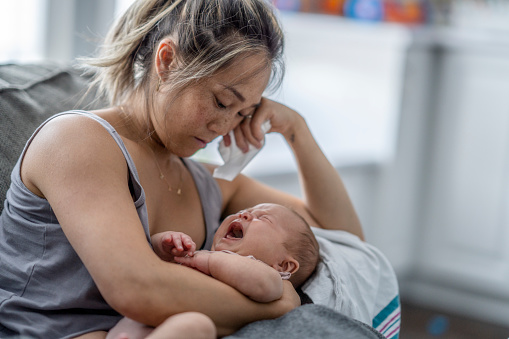
5 Risk Factors For Post Partum Depression.

(image: Fat Camera via Unsplash).

During the 2020 COVID season, UK health experts stated that new mothers were twice likely to experience postpartum depression. The report further stated that women with babies younger than six months were the most at risk of developing this mental health condition.

While 47.5% of women may seem on the high side, it is a reality some people have faced in their motherhood experience. While science is still at a loss for the exact cause of postpartum depression, the medical fraternity believes risk factors exist.

  1. Stress associated with new baby care

Without a doubt, baby care is a demanding responsibility. It can take a toll on your physical, emotional and mental wellbeing. Unfortunately, women who are unable to properly manage all these three elements may increase their risks of post partum depression. Feeding, diaper/nappy changes, and constant monitoring can take all your time.

This is why experienced parents believe it is necessary to adopt certain measures to ensure you do not push yourself to the backburner. One of these measures is to sleep when your baby naps. So, how long does it take to sleep train your baby? This question is an issue many new parents struggle with as they streamline their babies’ sleeping patterns.

  1. Preexisting mental health condition

Usually, a female with a preexisting mental health condition is believed to be at a higher risk of postpartum depression. Psychologists believe that the issue of brain chemical imbalances may significantly influence a person’s vulnerability. While the discussion on postnatal and postpartum depression continues to rage on, you may find it helpful to know the subtle difference. Postnatal depression is usually the mental health condition associated with a woman’s depressive mood in the first six weeks after birth. However, postpartum depression (PPD) refers to the period exceeding that.

According to a mayoclinic.org study, women with bipolar conditions may have a higher risk of PPD. Individuals in this category experience more depressive symptoms if the condition is left unmanaged. Additionally, a person with a history of Schizophrenia or Bipolar, may also have an increased chance of experiencing postpartum depression. Usually, women without a prior diagnosis of any preexisting mental health condition can have difficulty understanding why they have PPD.

  1. Family history 

A 2019 report by postpartumdepression.org claims a possible genetic and hereditary disposition to PPD. Although some medical circles believe the findings are inconclusive, there is a strong belief that this mental health condition can run in families. For example, if your mother experienced postpartum depression in her reproductive years, you may have inherited genes that put you at a higher risk. Indeed, this is not the kind of news people want to hear, but it is vital to be armed with this crucial piece of information.

It is worth noting that since specific genes run within biological families, the discussion of genetically inherited PPD cannot be a mere claim. PPD researchers claim that certain genetic alterations during pregnancy could indicate whether a woman would experience postpartum depression. Additionally, these researchers believe that the chances of it happening to a first-time mother may be higher than another who has had multiple births.

  1. A drastic change in image perceptions 

In many instances, women experience weight gain and other image alterations during pregnancy and after childbirth. While some women can bounce back to their former selves within weeks of birth, most take longer. For the latter group, the drastic change in physical appearance can affect their self-confidence and self-esteem. Unfortunately, the inability to embrace these physical body changes could contribute to postpartum depression.

A preemptive measure may be to embrace the fact that a changed appearance is a part of the pregnancy and childbirth journey. If you find that too hard to believe, you may find it helpful to be patient in the ‘waiting period.’ This is the phase when women’s bodies gradually return to the pre-pregnant state. If you can psych yourself up in this period, you can reduce your chances of developing an image-induced PPD.

  1. Absence of social support after birth

Contrary to public perception, single mothers are not the most at risk of absent support. Undoubtedly, the absence of a partner may double up the burden of baby care. However, this issue cuts across both divides. Whether you have a partner or not, the absence of a support group from family or friends can increase your risk of postpartum depression.

Post partum depression can be a difficult struggle, but it is one that can be overcome with support. Reach for help from your doctor or psychiatrist, friends and family and support groups/ other mums too. You may decide to take anti depressants or engage in therapy to help. There are also helplines and charities out there to help new mums with mental health issues, including PPD. You are not alone!


This article was written by a freelance writer and contains affiliate links.

5 Spiritual Tips for Coping With Your Mental Health

(image: Tatiana from Pexels)

Mental health is as important as physical health. Through life’s many challenges, it is hard to maintain one’s mental health. Often, people with mental health issues are not being taken care of properly by their community. That’s where spiritual practices come in. These practices help to bring mental peace and healing to the mind and body.

Here are five spiritual wellness tips that you can use today for better mental health.

Talking with Self via Meditation

Talking and listening to oneself is an excellent spiritual practice that can be done at any time. Whether you’re sitting in meditation or listening to a guided meditation, talking with yourself in terms of listening to your thoughts and feelings, is an effective way to clear your mind of thoughts and concentrate on the present moment. You may find your mind wandering and thats OK! Just keep checking in with yourself.

Avoiding Negative Thoughts Through Gratitude

It’s important to note when negative thoughts come up, like those of anger or negativity. Negative thoughts are not good for the mind and body, so it’s important to let these thoughts pass as best you can and don’t give them energy or power. One way to do this is by practicing gratitude in your daily life. Gratitude helps you keep positive vibes going and increases happiness levels and you can do this by keeping a gratitude journal.

Being Kind to Yourself

The best way to start living a healthy and happy lifestyle is by being kind to yourself. One of the best ways you can do this is by starting your day with a positive affirmation. For example, you might tell yourself that “I am capable, this will not be difficult,” or “today I am making good decisions.”

This simple act can greatly improve your mental health and give you a boost for the rest of the day. Treat yourself with kindness and care and don’t be too hard on yourself.

Cultivating a Loving Mind

We live in a world that is constantly giving us reasons to be angry. The news, the internet, and even people in our own lives can make us feel like we are surrounded by chaos. However, it’s important to cultivate loving thoughts and feelings.

This doesn’t mean that you always have to feel happy and cheerful. Sometimes, life calls for sadness or anger. But cultivating a love-filled mind helps prepare you for these moments when they arise. It also helps to keep your mind clear of worries and helps you see the good things in life more clearly.

Maintaining a loving mind is hard work. It means turning thoughts away from fear and anger as soon as they arise and replacing them with love instead. This is done through meditation or spiritual practices such as prayer or yoga. These practices help keep your body calm while helping your mind stay peaceful and open, allowing you to channel your Psychic Lights.


Letting Go of Anger

People often try to suppress their anger. However, this is actually a bad idea. According to the researcher Dr. Robert Firestone, “Anger is an adaptive emotion that can be used as a motivating force for good.”

When we suppress anger, it can lead to many mental health issues such as anxiety and depression. That’s why it’s important to let go of your anger in ways that are physically and emotionally healthy. You might want to write it down or hit a punching bag when you’re feeling angry. Expressing your anger in a healthy manner will help you feel better and reduce stress on your body.

All of these ideas can help to keep you calmer, more positive and feeling more tuned in with your mind and body. These can be used in conjunction with attending therapy or taking (prescribed) medication if needed. Look after yourself and find a wellness spiritual practice that suits you.


This article was written by a freelance writer and contains affiliate links.

Taking Mental Health Medication Doesn’t Make You ‘Weak’: Fighting the Stigma by Eleanor

(image: Matthew Ball for Unsplash)

Disclaimer: All medication must only be prescribed by a psychiatrist or GP dealing with you individually. Advice from medical professionals must be sought before taking any medication., Never take someone elses medication or try to cure yourself!

This week, I had a conversation with someone about being on mental health medication, in this case, anti depressants for clinical depression. We reminisced that as teenagers, we just weren’t taught properly by school or in society about mental illness. It wasn’t talked about here in the UK back in the 2000s and everything was really hushed up, cloak and dagger, as if you had to be ashamed of it. As if anything to do with our mind was shameful- no one really had much education, unless it happened in your family.

I know that for many people, even in 2022, taking medication for their mental health carries this sense of shame.

For me personally, I was so ill that there really was no choice for me as a 15 year old, but to be started on medication. My symptoms of bipolar disorder first appeared at the age of 15 with depression and anxiety episodes, followed by mania and psychosis. So, I was on anti psychotic medications as well as what is known as a mood stabiliser, a medicine for mood disorders that stabilises moods (in this case, the bipolar poles). I also took regular anti depressants and anti anxiety medications and still do daily. My medicine regime is pretty intense but it means that my bipolar is well controlled and in remission- and that I am stable. My family has a hereditary illness that can be severe- so medication was the right choice for me.

However, for those without a severe mental illness like bipolar or schizophrenia, you may be recommended to try anti depressants first. There are varying different types which work on seretonin reuptake in the brain and help to balance brain chemistry.(although scientists cannot pinpoint the cause for depression fully yet). These can be used in combination with therapy and exercise to help treat depression and anxiety.

Some families and cultures hold great shame to be seen taking mental health medication and so hide it from loved ones. Others stop taking it, believing they are stable and well because the medication has balanced them out- and then crash into depression. For some though, anti depressants are a shorter term thing. The point is, its all so individual and there is no one size fits all medicine- you must do what is right for your recovery but definitely do not suddenly stop them.

In my family, my Dad was already on mental health medication- Lithium for bipolar, when I became ill. So, I was lucky that I had a loving supportive and accepting family, including plenty of medical professionals who understood. It was a steep learning curve for everyone though. And yes, as a teenager, I did hold some shame for taking medicines because I just wanted to ‘fit in’ and be a ‘normal’ teen. Coupled with the fact no one openly talked about mental illness at school or in general (this was just before social media!) and I felt this overwhelming sense of shame that my brain chemicals had let me down. I never once skipped taking medication though.

The thing is with mental health is that you can’t see it. But, you can absolutely feel when something is wrong and when you feel chemically depressed or other mental illness. This is usually depression unlinked to a life event- you wake up with it and you know its back, you feel despondent and unable to cope.

Yet, because you can’t see it- shame is even greater because how do you explain it to others? And are you ‘weak’ or ‘crazy’ to need medication to function?

The answer is No. To have to take the correct prescribed medication for you daily is an effort. You have to commit to it and to seeing how some medicines go. To go through episodes of mental illness makes you stronger and more resilient, surviving each day. You are not weak, your brain just needs help (like helping diabetes or a heart problem) and the words ‘crazy’ or ‘unhinged’ just serve to reinforce stigma. There is no need to be afraid or filled with shame or self loathing- but it is valid to feel this way as you are human!

In 2017, it was estimated that 792 million people worldwide lived with a mental health disorder (one in 10 globally). 46 million of those had my disorder, bipolar. However, this is the tip of the iceberg because mental illness is often underreported due to stigma. So- you are not alone. There is treatment out there to help you.

Remember not to be ashamed of needing medication to cope with life’s challenges (alongside therapy etc). The stigma is slowly falling and I will continue to write and share to this end.

You are not weak! You are powerful beyond comprehension .

Do you take medication? Does it help you?


Love,

Eleanor x

Six Ways to Practice Self Love This Valentine’s Day (and Every Day) with Kalms #ad

(image: Unsplash)

Valentine’s Day is here and it’s time to show a little extra love to the special people in our lives. But what about the most important person of all? Yourself! Whether you’re single or taken, it’s important to pamper yourself with the same kind of love and kindness that you’d shower on anyone else. Here the expert’s at Kalms, share six simple ways to practice self-love on Valentine’s Day and beyond.

Practicing self-love isn’t always easy. With so much else going on in the world, me-time is usually last on the to-do list. Worse, we can sometimes feel guilty about taking the time required to take care of ourselves. But no matter how indulgent or fancy the term may sound, prioritising self-love has some serious benefits for our mental and physical health.

In addition to boosting self-esteem and lowering your stress levels significantly, self-love has other physical health benefits including increased levels of dopamine, oxytocin, and serotonin aka the ‘happy hormones’, better cardiovascular health and a strengthened immune system.

So do yourself a favour, take a deep breath, give yourself a little hug and follow Kalms, the traditional herbal remedy specialists, top six simple ways to practice self-love this Valentine’s Day (and every day):

Do something you love.
Engaging in activities you enjoy elevates your mood and boosts energy. So, schedule time regularly to do something just for yourself—whether it’s journaling, meditation, painting, listening to music or simply giving yourself an at-home spa treatment.

Pay attention to your thoughts.
It is very important that we remember to be kind to ourselves. Whenever you notice yourself saying something unkind to yourself, simply switch to a gentler tone and try to evaluate things rationally to contain your inner critic. Speak to yourself as you would to a loved one. Self-love is about respecting your own needs and desires and is essential to counteracting stress.

Move your body.
Whether it’s a brisk walk around the block, or a virtual workout, exercise encourages the body to release endorphins which counteract the release of cortisol. Getting outside in the fresh air not only clears the airways, but a daily dose of Vitamin D supports the body’s natural mood regulating system.

Write it down.
Try taking time at the end of each day to write down how you feel. Offloading thoughts in this way can help slow down your thinking and clear your mind. Writing down the things you are grateful for can also relieve stress by focusing your thoughts on what’s positive in your life.

Relax your mind and prioritise sleep.
Getting a good night’s sleep is restorative and healing. It also gives you clarity in your thinking and decision-making. Even just one night of poor sleep can decrease your ability to make effective decisions and increase stress levels. Valerian root-based remedies such as Kalms Night One-A-Night can be used to promote a refreshing and restful night’s sleep, whilst Kalms Day help to promote relaxation and relive stress.

Laugh more.
Laughter releases endorphins and other healthy hormones and helps take your mind off of stress. Don’t know where to begin? Take note of who makes you laugh and smile and spend time with them. Read the newspaper and look for goofy headlines. Take a quick break at work to watch a funny video. Record a TV show that makes you laugh. Keep a journal of all these little things, so when you’re feeling blue, you have a pick-me-up guide.

The Kalms Range is available to buy instore and online at Boots, Superdrug, supermarkets, and pharmacies nationwide and online retailers such as Amazon or directly from www.kalmsrange.co.uk.


This article contains an advert for Kalms remedy capsules, but as according to guidelines, I did not receive payment.

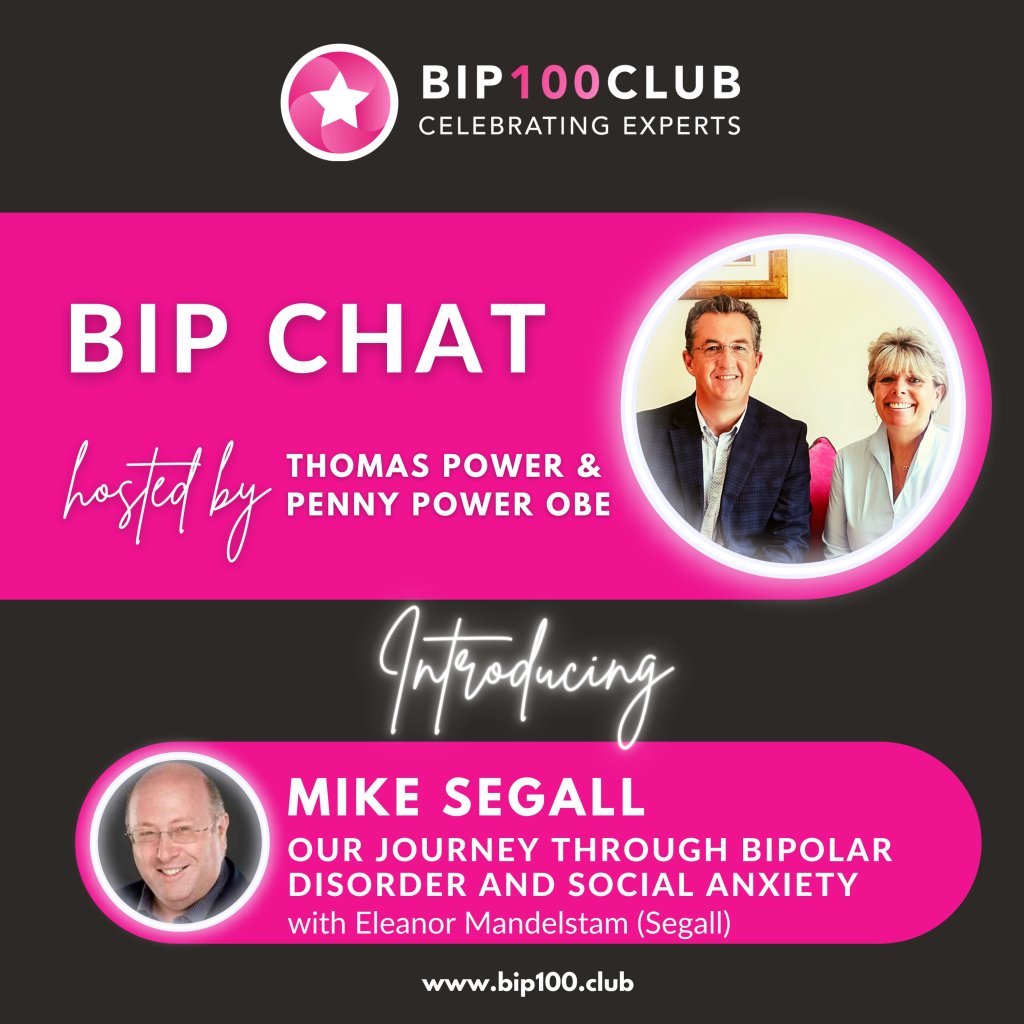
Mental Health Chat With Penny Power OBE and Thomas Power of Business Is Personal with Myself and my Dad Mike Segall. Our Journey With Bipolar Disorder and Anxiety.


Yesterday, 9th Feb, my dad Mike and I were honoured to be interviewed by his friends of many years, Penny Power OBE and Thomas Power of Business is Personal- live on Linkedin, Youtube and Facebook.

They asked us to come on their weekly show to talk about our hereditary journey with bipolar disorder and anxiety and shed light on all things mental health.

It was a real pleasure to talk all about our lives and how my Dad was diagnosed with bipolar just 4 years before me.

Trigger warning: discusses suicidal ideation and psychosis.


Thanks Penny and Thomas! We hope it battles stigma around this much misunderstood illness. Watch here:

https://www.youtube.com/watch?v=Fghp8RNTvX0

Fitness and Mental Health: A Career to Help You Glow

Photo by kike vega on Unsplash

Breaking into the fitness industry might seem like a bit of a challenge, especially if you are switching careers. But if you know that nothing is exciting as lacing up your sports shoes and getting started, then here are a few tips for you to break into fitness as a career. It can help your mental health as well as your physical health!

Education

Even if you are an avid runner, you shouldn’t be giving others running tips beyond anecdotal stuff. This is because the body is a finely tuned machine, and a step out of place while running at full speed, even if it works for you, can cause damage to others.  Equally, things like nutrition should be handled by a professional. 

So one of the most important things that you can do alongside enjoying your fitness is to make sure that you have the education and training to do the best job possible. Thankfully there are plenty of options for online courses, and you can even take a test now to kickstart your career. 

Options

You have hundreds of options within the fitness umbrella. As you invest in education and put that education into improving your own fitness routines, you can explore multiple options. 

You can talk to other fitness professionals about how they got to the point that they are at; most often, they’re so passionate that they’ll be happy to talk to you about it. 

One of the things that are an overriding subject in the professional fitness community is that they want to do the best for their clients.

Passion

If you have only been running, jogging or taking part in yoga for a short time; you might still be riding high on that new hobby energy. Once that new hobby energy starts to wane you might not find it as enjoyable as you did? 

However, if you have been doing it for years, and the passion is still there, then the chances are that you should be going into a fitness career and enjoying a natural feel-good glow.

Within fitness, you’ll find things like writers, fitness instructors, teachers, coaching, sports and fitness photography, gym owners, personal trainers and more. 

You’ll need to decide which one you’re passionate about drives you towards and which one you can picture yourself doing for the long haul.

Experience

Once you have your certification, it’s time to get some experience; you might find it a little bit difficult to get paying clients immediately. 

This is where your friends and family can help you out; ask them if they can be your guinea pigs for a short while and see if you can help them meet their fitness goals.

Once you have some experience, you can use that feedback to improve or add social proof to your website.

And of course, one of the most incredible things about helping people with their fitness journey is that you might become part of their recovery and support.

Looking after their mental health, as well as their physical health is so important and it is proven that fitness has a huge positive effect on mental wellbeing too.

This article was written by a freelance writer.

Looking After The Home and Wellbeing of a Loved One As They Grow Older.

(Image: Karolina Grabowska: Pexels)

If you have elderly parents, family members, or those that you care about, you want to make sure that they are living in a home that is able to support their needs and to make sure that they are safe, secure, and comfortable. If your loved one is living alone, they may not be as likely or able to keep up with all of the home maintenance tasks necessary and may have some needs that they haven’t fully considered that their home could help them meet. Here, we’re going to look at a few ways you might be able to help with just that and increase their wellbeing.

Securing the household

While neither you nor your loved one should be in a panic about potential threats out there without any reason to be, considering the security of your loved one is worth the time. If they live alone, then they are somewhat more vulnerable than most people, so you may want to look at ways to secure the home, whether it’s investing in strong new doors and windows with tamper-proof locks, or in things like more external lighting to make the area around the home more visible and thus deter those who might think to lurk around the home. This will also improve their mental health- knowing they are secure and cared for will help their general wellbeing.

Inspecting the heating and looking after wellbeing

If there’s one season we should be careful to make sure that we’re equipped for: it’s winter. A particularly cold winter can be a health hazard, and older people can be some of those most affected by them. As such, before winter rolls in, you should make sure that you arrange for a servicing and inspection of the heating appliances in your loved one’s home. If there are any problems found, you might be able to cut some costs such as by sourcing a replacement part here yourself, but you should rely on a professional to make sure they’re taken care of in the safest way possible. Make sure that your loved one doesn’t have any problems with insulation and check for any air leaks so you can keep the home comfortable and toasty in the winter.

Make sure you visit your loved one regularly and check in with them, a chat and a smile will really help them feel settled and improve wellbeing too. Check ins to their overall health are so important, both mentally and physically.

Check the wet areas so they feel safe and comfortable

The “wet areas” such as the bathroom and kitchen are some of the most important areas to inspect on a somewhat regular basis. For one, you should check for any signs of leaks that could be fixed with the help of a plumber. But you should also keep an eye out for things like spreading mould and damp, which could affect your loved one’s health over time. In many cases, mould can simply be cleaned away from the area, but if it has spread too far, you might need a mould remediation team to come out and replace the affected surface areas.

It is important that your loved one doesn’t slip in their home due to water and that you regularly check that their home is safe and comfortable for them so they feel secure.

Making the home more accessible to help any anxieties around safety

A lot of people begin to face mobility issues as they reach old age, and disability becomes much more common. For that reason, you might want to look at some tips for making the home more accessible. You can talk to your loved about any specific issues they might have, such as answering the door, going up and down the stairs, or using the bathroom safely and comfortably. There are many changes that can be made to a home to mitigate the risk of injuries such as slips, trips, and falls, and to help your loved one live independently for longer, feeling comfortable going about all the usual daily tasks in the home.

In many cases, setting up alarm systems in the home can help too. For instance, a pulley that alerts someone if they have trouble accessing the bathroom can be a great idea. This functions similarly to the best nurse call systems, allowing someone with the most authority attend to the issue appropriately.

This will also calm any anxiety they have about these things and give them peace of mind. Their mental health is equally as important.

Considering whether they should remain at home

You can do all of the checks necessary to make sure that your loved one is getting along well in their own home. However, if the home is no longer fit to keep them safe and comfortable, or they are unable to make the adaptations necessary to suit it to their needs, then you may need to think about other options. There are a lot of assisted living facilities that can make sure that their individual needs are seen with the care of attentive professionals. If your loved one is no longer able to live independently and to see to both their own and their home’s needs, then you need to think about ways to have those needs better fulfilled for them.

Talk to your loved one about how they are getting on in their own home. Ask about how cold it gets, any leaks or issues they’ve noticed, or simply any issues they have using the home. Help them live in the comfort and security they deserve to improve their wellbeing and see if they have any mental or physical health issues which are preventing this too.

This article was written by a freelance writer.

5 Outdoor Activities That Will Improve Your Mental Health by Elizabeth Howard

(image: Elizabeth Howard)

Spending more time outdoors will do wonders for your mental health. While research has shown that being outdoors helps alleviate stress and the symptoms of emotional illnesses, you can easily discover these benefits by interacting with nature. You will benefit from being outdoors when you sit on your porch, but you’ll keep your leisure time more interesting when you engage in a variety of different outdoor activities and boost your mental health.

Take a Weekend Camping Trip

You can rough it in a tent or enjoy a glamping excursion by renting a fully equipped cabin for the weekend. As you search for available campgrounds in Mississippi (or the country you live in), look for a location that’s near the water or offers a variety of activities. You should try to plan a camping trip that offers plenty of amenities for you and your companions. Swimming, fishing, snorkelling, hiking, and bird watching are a few of the outdoor activities you can enjoy over the weekend. 

Be sure to bring your phone or a camera. You will probably see plenty of wildlife that you’ll want to capture in pictures or on video. Even if you rent a comfortable cabin or take your RV, you’ll find enough activities to keep you outside and in nature throughout your camping excursion.

Go For a Walk

You can spend more time outdoors without leaving home when you plan to take a walk each day or evening. This is an opportunity for you to get outside and clear your head away from work, family, and other obligations. As you walk, let your mind wander. Many people find this to be an effective way of subconsciously working out stressful problems. By the time the walk is over, you might find that they have a solution to a particular problem. 

You can keep your walks interesting and distracting by taking a different route each night. Find a different park, road or walk to a different convenience store each time. In addition to helping you explore different parts of your community, you will also have the opportunity to interact with different people, if you want to.

Rent a Boat

There’s no reason you should feel bound to land when you look for outdoor activities to enjoy. In fact, renting a boat and spending a few hours on the water can have a soothing effect on the mind. You may feel more tranquil as you’re surrounded by the sights, sounds, scents of the water. This is a great opportunity to get together with friends or bond with your family. 

When you’re on the water, you’ll be removed from distractions and have the chance to enjoy deeper conversations. You’ll also have a chance to see your city from a different perspective. By the time you return to the dock or shore, you’ll feel more peaceful and less stressed.

Start a Garden

There are many hidden health benefits of starting a garden, and it will provide a way for you to improve the landscaping of your own property. Working with your hands as you plant and maintain a garden will help you strengthen your hands and fingers, reducing your risks for joint pain. As you tend to your garden, your mind will wander and you’ll enter into a type of meditative state. This will help you set aside your daily worries and concerns for a brief period. That will be enough to relieve stress and help you enjoy a lighter mood.

Climb a Mountain

If you live near a mountain range, consider taking up climbing as a means of getting more outdoor exercise. The act of climbing will help you strengthen a variety of muscle groups throughout your body. As you climb, you’ll see your community and the surrounding region from a different perspective. The air will be more exhilarating as you reach higher points on the mountain. 

While you should start slowly and work with a guide, you may eventually find that mountain climbing can be a competitive sport that allows you to improve your performance over time. Achieving new climbing goals will cause a release of endorphins in the brain, helping you to enjoy a happier mood.

There are many more ways you can enjoy the outdoors and benefit your mental health. Look for things you like to do outside even if that just involves sitting under a tree and reading a good book. The fresh air will benefit your physical health as well as improve your wellbeing.

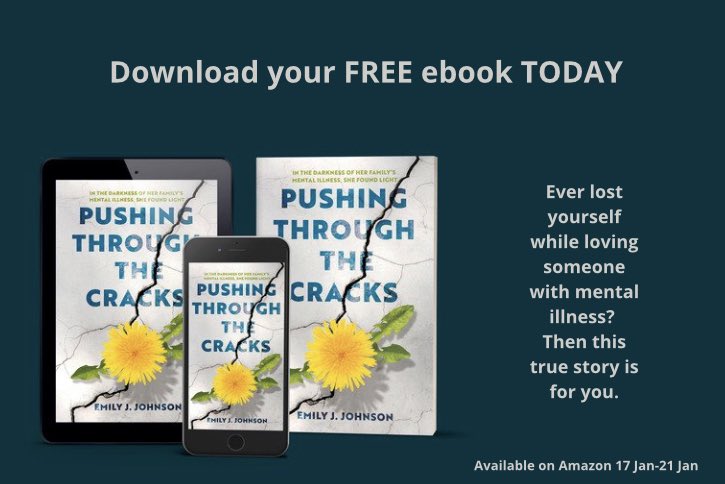
Book Review: ‘Pushing Through The Cracks: In the Darkness of Her Family’s Mental Illness She Found Light’- Emily J. Johnson by Eleanor

(image: Emily J Johnson)

Pushing Through The Cracks: In the Darkness of Her Family’s Mental Illness She Found Light by Emily J. Johnson is an incredible book. It is a story that I don’t believe has ever been written about before in such a way in the mental health space, I have certainly never come across it. Its a true memoir that occurred here in the UK during lockdown.

Emily wrote to me and kindly sent me a free copy of her book. I was hooked from the first page- this is a story of survival against the odds, of how mental illness can rip a family apart but how healing and hope are possible. Of strength through immense difficulty. Of light winning over darkness.

Four years ago, in the UK, Emily, a divorced mother of two, was living her best life with a new partner and blended family of six. But then addiction and mental illness entered her home uninvited, threatening to tear the whole family apart.

With an alcoholic husband and two teenage sons – one a depressed gambler and the other with chronic obsessive-compulsive disorder (OCD)– Emily is left to cope alone. And when the Covid pandemic hits, Emily, a ‘serial people-pleaser, enabler and born rescuer’, almost breaks too.

This true story delves into the darkest sides of mental illness and addiction with raw, often harrowing honesty. It shines a light on taboo subjects including self-harm, suicidal feelings, gambling, alcoholism, depression, severe OCD and eating disorders, all exacerbated by an unprecedented global pandemic and dwindling support services.

This is a story of remarkable strength, self-realisation and reclamation of a lost identity. This is a story of finding hope, pushing through the cracks in the darkness. It is also a story that touches on the difficulties of accessing UK NHS mental health services at times, especially CAMHS.

I found Emily’s strength through such severe adversity – dealing with a husband and two sons with severe mental illness, whilst carrying on with her own life when mental illness permeated every part, to be so inspiring. Her marriage falls apart, her children are unable to attend work and education, the family embarks on several different recovery journeys- navigating NHS mental health care and all its difficulties. Her sons addictions and acute OCD worsen and add to the pressures for Emily. How does she as a mother fix it all? She realises.. she can’t fix anyone and its not her job too.

The front cover features a dandelion pushing through the cracks of the ground. Emily describes the moment she hits rock bottom but then saw a dandelion poking through- which symbolised hope and light for her,

‘(image: Emily J. Johnson)

‘I pick up my phone and call a crisis support line…I desperately want someone to listen to me, to ease my pain, to hear my stories…(of mental illness at home)

I throw my phone across the path in frustration… something catches my eye, a beautiful yellow dandelion is growing through a crack in the concrete. Its golden yellow petals cut through the greyness of the broken path and it overshadows the filth and discarded cigarette butts around it. Despite its surroundings, it has found ways to push up through that crack, to have life. it is. not complaining or giving up, it’s surviving and it will go on to finish flowering. One day soon, the wind will carry its dainty seeds somewhere else to carry on the cycle of its life.

Just like that dandelion, I have pushed through adversity and survived. …I close my eyes and raise my face to the sunshine… Even in the midst of all this chaos, this darkness, there is warmth and light. There is hope.” (from chapter Dandelion) (Emily J. Johnson)

This is also a book which exposes the difficulties and realities of living with mental illness. I will add a trigger warning- it doesn’t hold back on the reality of mental illness including self harm, addiction, alcoholism, suicidal thoughts etc- so please read with care.

Thank you Emily for letting me read and follow the journey of your family. I hope your husband and sons are able to fully battle their demons and recover or stay in remission.

Pushing Through the Cracks by Emily J. Johnson can be bought from Amazon and good book shops.


(image: Emily J. Johnson)