Its nearly here everyone! Just 4 days until our country (the UK) stops and celebrates Christmas (or uses the day as a chance to see family because they’re off work, like we do!).
The pressure is taken off for me during this period because its just a chance for relaxation for us as we’re Jewish, we don’t have the same expectations for the day as others. However, I know for many people Christmas is a stressful time where they see family they don’t normally see and may feel they have to hide how they are truly feeling with their mental health. The pressures are also on for the cost of food and gifts during this time and many people get into debt too.
We already have less daylight during this time and with the Covid pandemic a lot of people are feeling lower and more anxious . This has been the new normal for us all for over a year and particularly here in England where we have record numbers of Omicron Covid cases- but aren’t yet in lockdown.
I know I have been feeling a bit more anxious lately to do with Covid and other things… but I am also going to be kind to myself and give myself a break and time off work to relax also! I love sitting eating Quality street or a Terrys chocolate orange (yum) with loved ones and watching a good film like The Holiday… thats my favourite. Second is the Muppets Christmas Carol. Third Love Actually. Whats yours?
(image: lilartsy: Pexels)
I am lucky my bipolar is in remission and I am stable on medication. So I don’t have to worry about severe depressive or manic episodes right now. But, I still need to look after myself or practise self care- lots of sleep, not too much sugar, and check in with myself or my therapist if needed if my anxiety flares.
Obviously, over Christmas lots of NHS mental health professionals aren’t available but you can reach out to helplines such as Samaritans 116 123 (UK) if you need someone to talk to who will just listen.
You can also text SHOUT to 85258 if you’re in crisis and need support.
In an emergency, if you have a phone line to a hospital outpatient crisis team that are working over Christmas, call that and if not in an emergency you may have to go to Accident and Emergency (but there could be long waits).
Wishing you all a very happy holidays, a peaceful festive season. This time can also be hard for people with alcohol or drug addictions or eating disorders, as Christmas is often a time with plenty of alcohol and triggering things.
Remember that its OK to be struggling but tell people you trust and reach for support. May your Christmas/ holiday season be merry and bright- and if it isn’t, remember things can get better from here, you can recover and you can be helped. Always tell someone you trust if you feel suicidal or want to harm yourself, so you can be protected and helped through these feelings.
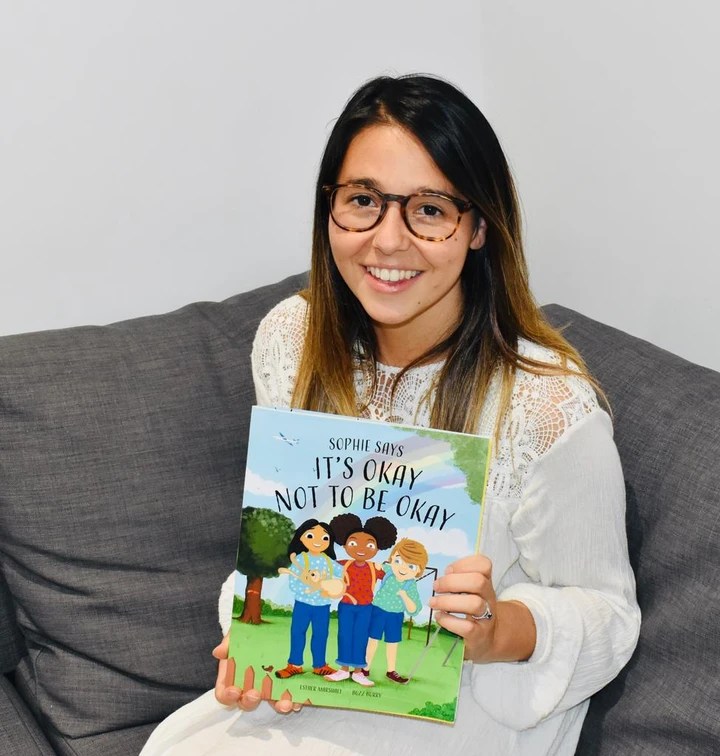
I am absolutely delighted to read and review this incredible childrens book from the Sophie Says series by author and award winning campaigner Esther Marshall (with illustrator Buzz Burry).
Esther’s story is close to my heart as not only is she from my own community but her late sister Rebecca z’l was a doctor who had bipolar disorder and sadly passed away a few years ago, while Esther was writing her second book. Esther has shared that it was her sister who encouraged and inspired her idea to write the childrens books that she couldn’t see for her own child (in terms of positive messages, inspiring rolemodels and diverse characters in terms of both race and gender). Through her sister’s struggles, Esther also began to include positive mental health messages on talking and sharing emotions, self belief and self esteem too.
Esther has said,
“I knew from the second my son was born I wanted to teach him that girls were just as strong and powerful as boys, that people from different backgrounds to him could teach him things and he should listen and be kind to everyone. The problem was, all the books I could find to read to him had:
Mostly male characters (even the animals)
Little to no diversity or representation
No female role models he could look up to
So I decided that if I couldn’t find the book I wanted to read to my son, I’d better write my own.
I want all children to know and believe that they can achieve their dreams regardless of gender, race, religion or class”,
Esther at Sophie Says has not only thought about what stories she wants to tell through the books, but what messages children reading them will take and absorb. She has partnered with illustrator Buzz Burry and comments, ‘we are helping children bypass harmful stereotypes before they set in by changing the face of children’s literature. Our mission is to enable all children to grow up feeling equipped and empowered to face their futures. To learn more about themselves, others and the world around them. We are helping parents to teach their children positive messages and providing a toolkit to navigate some of the trickier conversations.‘
Esther very kindly gifted me copies of her first two books- Sophie Says I Can I will– which is about a little girl Sophie with big dreams and no limits. and Sophie Says It’s Okay Not To Be Okay which focuses on Sophie, Jordyn and Jamie on their journey as they learn that it’s okay to talk about their feelings and it’s okay not to be okay. The books are for children in the early years, ages 3-7 years and reading the books with either parents, carers or teachers is recommended. Esther told me she has ‘tried to create books which cater to both home and school so that it can be embedded in both parts of a child’s life and become the foundation of them building resilience at an early age.’
Sophie Says It’s Okay not to be Okay is a very special book- and one of the first I have seen to address children’s mental health in an age appropriate way, to teach children about their emotions and that it’s OK to feel sad, scared or worried. The book follows Jamie who is looking down and feeling sad but whose best friends Sophie and Jordyn help him through and Sophie tells him ‘its okay not to be okay’. They take him to the zoo to help him feel better and speak to Sophie’s older sister Meghan who is wise and will give good advice. Esther named the character after Meghan, Duchess of Sussex who she met with Prince Harry and other young leaders and was inspired by (she gave them a copy of the book too!)
Meghan (the character) says this important message,
”It’s okay to be sad and okay to feel down. Just make sure you have good friends around. There may be days when you feel you’re alone but around us, you’ll always be at home. Its Okay not to be okay”
The book also reinforces self belief and esteem , reiterating that ‘YOU are enough!’ and encourages children to talk about their feelings because it can help. Jamie then says he will speak about his feelings in a place he feels safe in the zoo,
‘I don’t really know how to describe how I feel As I can’t work out what’s in my head and what’s real.
He said ‘ a smile may be what you see, but that’s not what I feel inside me
There are times I feel quite alone because these feelings are unknown
Some days I’m happy and some days I’m sad and other days I just feel so bad’
(image: Esther Marshall/Buzz Burry/Sophie Says)
His friends then show him support and love, take him to the funfair, all while reinforcing positive kindness and support- ‘Yes we can!” . The book talks positively about the kindness of friendships always being a safe space to talk. This is so important for children particularly in the early years who are learning to understand their feelings.
Esthers writing is beautiful- on one of the last pages of the book she says ‘Whatever you do, be kind, you never know what’s going on in someone’s mind’.
The book was informed by her sister Rebecca’s struggle with mental illness (bipolar disorder). Esther has said, ‘I had always planned to write another book all around mental health to help children understand their feelings and talk about them more openly, and I sadly lost my sister, Rebecca, to mental illness as I was writing it. So the second book Sophie Says It’s Okay not to be Okay is dedicated to her memory’.
Esther wanted to amplify the message and so it was released on World Mental Health Day. The book provides a toolkit for parents who want to help their children to express their own emotions.
She has been visiting schools and doing zoom readings of her book to share the messages for her. Esther told me, I would love that as a result of children reading the Sophie Says books that children understand these vitally important lessons through a fun way of learning and it helps them build resilience and confidence to go out and achieve their full potential whilst being able to understand and manage both their physical and mental health. .’.
Esther is a true force of nature and someone who inspires me so much. She has just released a third book in the series Sophie Says Be Proud of Who You Are which is about Sophie and the rest of the Sophie Says crew on their exciting seaside adventure as they help their friend Priya build her confidence, as they guide her through believing in herself and being proud of who she is. The perfect book to help your child build their confidence and self esteem!
I would recommend the Sophie Says books to all parents, teachers and carers of young children. I can’t wait to see how this brand grows and what Esther achieves (she has achieved so much already!). She should be rightly proud of her work and all she has created.
To learn more about Sophie Says and buy the books click here
Hi, I’m the founder of Sophie Says and the author of the books within the series. The idea for the first book (Sophie Says I Can, I Will) came to me after having my son, Asher (who is the first and most important reader of all the books!).
I knew I wanted him to grow up understanding that both girls and boys could achieve anything that they set their minds to, but I couldn’t find any books that featured a female lead character (a human one, not an animal one!) that really represented the message I wanted to teach him. So I thought, if I can’t find the story I want to tell, I’d better write it myself.
I was gifted two books in exchange for an honest review. Any links are unpaid. These books are incredible.
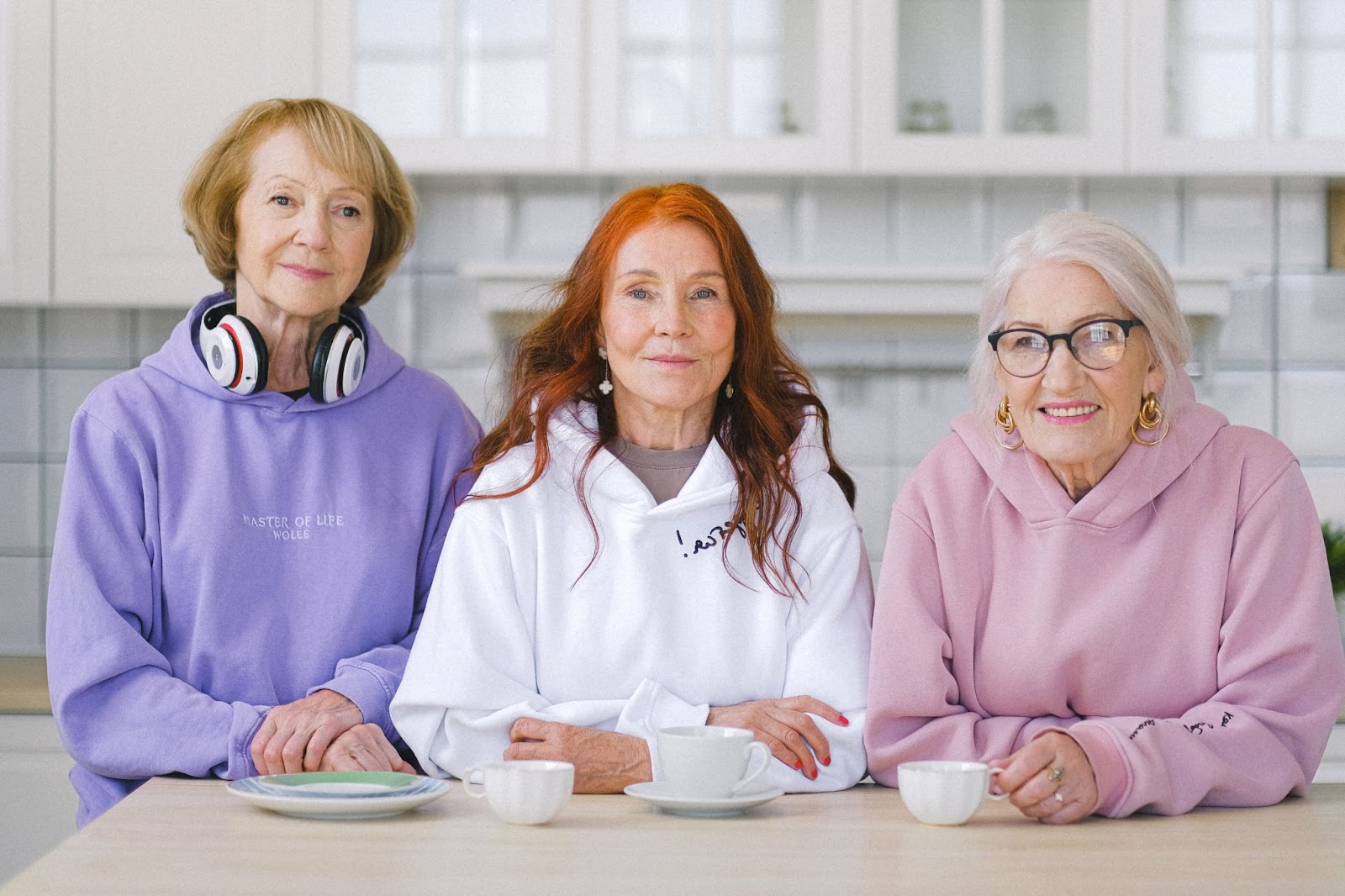
When you think of older people, what comes to mind? Most likely, you think of a frail older man or woman sitting in a rocking chair on the porch with his or her grandchild. This image is often comforting, but it’s not always accurate. As life expectancy increases, so will the number of seniors needing support as they navigate this time in their lives.
Let’s take a look at the five ways you can support mental wellness for the elderly through compassion and care.
Mental Health: Dementia and Depression
Mental health is defined as a state of well-being in which every person realises their unique potential and can cope with the everyday stresses of life. It encompasses our emotions, beliefs, thoughts, and behaviours related to our physical and spiritual health.
Studies have found that over 50 per cent of older adults with dementia experience depression. This figure becomes even more striking when considering that depression rates are higher in women than men. Depression can lead to loneliness and feeling disconnected from society, which might be exacerbated for those who aren’t familiar with mental health issues.
Depression can also lead to poor self-care behaviours like eating poorly or not taking care of personal hygiene because they cannot enjoy their day-to-day activities such as cooking or cleaning. People may find it challenging to socialise during this time because they’re trying so hard not to feel negative emotions like sadness or anger that might come up unexpectedly during a conversation.
It can be worth discussing how they can get support from a care facility such as Oakland Care where they will have round the clock care and support for their mental and physical wellbeing.
5 Ways to Support Mental Health
1. Be a friend
One of the most important things you can do to support mental health in the elderly is being a friend. It’s easy to think of someone who is elderly as being alone, but they don’t want to be. They rely on friends and family members more than ever before. This can help provide them with some comfort and companionship during difficult times.
2. Have compassion for them
It’s good to show seniors compassion when they need it the most. Not only will this improve their mental health, but it will also give you the chance to see a side of your loved one that you might not know about otherwise.
3. Offer loving care
It’s essential for all people in your life, including elderly family members, friends or caregivers, to remember that every person is different and deserves love on their terms. The elderly need specific forms of care and various types of love depending on their circumstances.
4. Send cards or gifts
Gifts sent with care can help people feel less alone and know they have support. Choosing something special to them.
5 Get help
Sometimes, the best thing you can do is to contact a medical professional such as a GP or hospital doctor who can get them the proper care.
Above all, make sure they are well supported and cared for.
This article was written by a freelance writer and contains affiliate links.
Suffering a traumatic brain injury can completely change a person’s life. Your brain is the primary organ that controls everything else in your body, and any injury to your brain has the potential to impact almost every other aspect of your body, your health, and your overall wellbeing. While most severe brain injuries can be quickly spotted, more minor or moderate traumatic brain injuries can sometimes go undetected. Although some injuries may heal on their own, others can cause serious issues days, months, or even years down the road. For this reason, it is essential that you understand the possible signs of traumatic brain injuries to ensure you get proper medical help whenever it is needed.
Types of Traumatic Brain Injury
Traumatic brain injuries are categorized in several ways, depending on both the severity and type of injury. They can range from mild to moderate and severe, and this is determined by whether a person loses consciousness as a result of the injury and for how long. Mild brain injuries result in a loss of consciousness or a dazed feeling that lasts less than 30 minutes, while severe injuries are those that result in unconsciousness for more than 24 hours.
Traumatic brain injuries are also categorized based on whether they are open or closed. Closed injuries are the most common type, and this categorisation refers to any injury that affects the brain without penetrating the skull. An open brain injury results when any foreign object penetrates the skull and directly damages the brain tissue.
How to Spot Signs of a Concussion or Other Brain Injury
Moderate to severe brain injuries and open brain injuries are obviously fairly easy to spot. However, it is often much more difficult to determine if you’ve suffered a mild concussion or less severe brain injury. Still, there are a number of signs you can watch out for. The most obvious sign is losing consciousness, but feeling confused or having problems concentrating or remembering can also be indicators of a brain injury. Nausea, vomiting, and dizziness are also signs you should watch out for.
How it Can Affect Your Mental Health
Soon after a traumatic brain injury, it’s common to have feelings of frustration, loss, and sadness. These feelings tend to appear after the injury, during, or soon after recovery. These emotions can be brought up earlier or later, depending on the person, and how severe the injury is. If these feelings are not recognised early enough, depression can be a long-lasting emotion, which can be detrimental to your mental health.
What to Do If You Suspect You Have a Brain Injury
Even milder or moderate concussions can potentially lead to other issues down the road. Therefore, it is essential that you seek professional medical attention if you suspect you or someone you know has experienced a brain injury. Depending on where the accident or injury occurred, it may also be a good idea to contact an attorney. This is especially true if the injury happened as a result of a car accident or at work. In these cases, an auto injury attorney or a job site accident lawyer can help ensure everything is properly documented and that you don’t do anything that could harm your chances of getting properly compensated for your injury.
Concussions and other traumatic brain injuries are much more common than you might think. Brain injuries can also occur from seemingly minor accidents. Therefore, it is vital that you know what signs to look for, so you can immediately get whatever help you need.
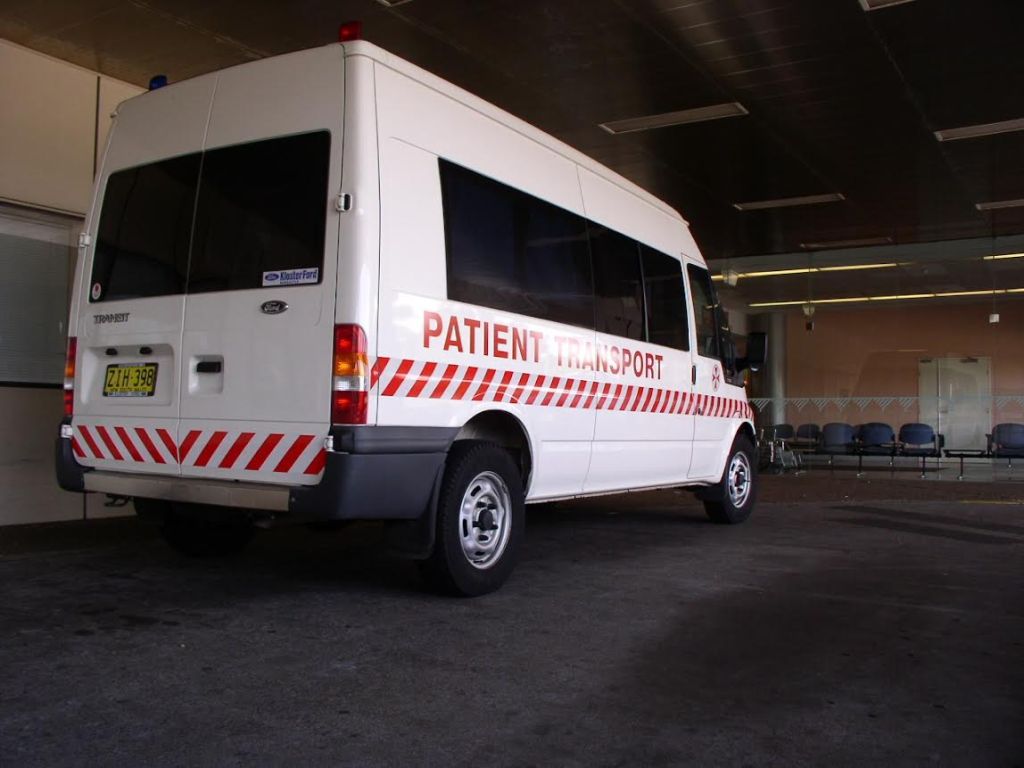
Travelling is stressful, especially when it’s to and from medical appointments; for people with anxiety issues, the stress levels during this time can be heightened even further. Private transport providers offer patients a comfortable transport experience; the journey can be as stress-free as possible thanks to their state of the art, bespoke ambulances and friendly, qualified team! Mental health patient transport services can provide a sense of comfort and trust compared to your average ambulance service.
Not only does patient transport provide the benefit of a relaxed journey compared to your average patient transport- but for people who require additional support, these bespoke ambulances are accessible and filled with medical equipment.
Here are some of the ways private patient transport helps anxious travellers:
There’s No Waiting Time
Private patient transport providers deliver a transport service you can rely on! No more waiting around worrying you’ll be late for your appointment. Due to the NHS being under severe pressure, their transport service is not always running on time. With private patient transport, you can rest assured you will be picked up & dropped off on time.
The effects of long waiting times could be detrimental to anybody with anxious feelings, but you can avoid this stress and anxiety with private transport. With private ambulance services, there are no waiting times.
Private Transport Is Bespoke
A fantastic benefit of private ambulance services is that the focus is always on the patient. This means that when you choose a trusted, reputable provider, the provider will tailor each vehicle to meet the patient’s specific needs. This can help out anxious travellers, as they know the vehicle meets their requirements. Some vehicles even have sensory lights and TV’s, which are welcome distractions for many anxious patients. As well as these fancy extras, private patient transport always contains vital medical equipment such as oxygen and defibrillators.
The Vehicles Are Accompanied By A Friendly & Qualified Team
When travelling in a private patient transport vehicle, the staff on board are always experienced and friendly. This means they are qualified to deal with medical emergencies and have a welcoming personality to make travellers feel at ease.
Whenever you choose a trusted, reputable patient transport provider, you can rest assured that their caring team has appropriate experience and training to support patients with various needs. Private ambulance providers will meet every patient with respect, dignity, and kindness.
The Journey Will Be As Comfortable As Possible
Thanks to state of the art, bespoke vehicles and friendly teams, the journey will always be more comfortable than your standard ambulance transport service. No matter the patient’s unique needs, there will be a bespoke ambulance to suit.
Do you think you or a family member would benefit from using private patient transport? Get in touch with EMA Patient Transport to find out more.
Whether you require transport to and from a medical appointment or any other type of journey- give them a call today on 0800 634 1478 or send an e-mail over to enquiries@emapatienttransport.co.uk. Open 24 hours a day; their friendly team are always at the other end of the phone, ready to help.
This article was written and sponsored by EMA Patient transport.
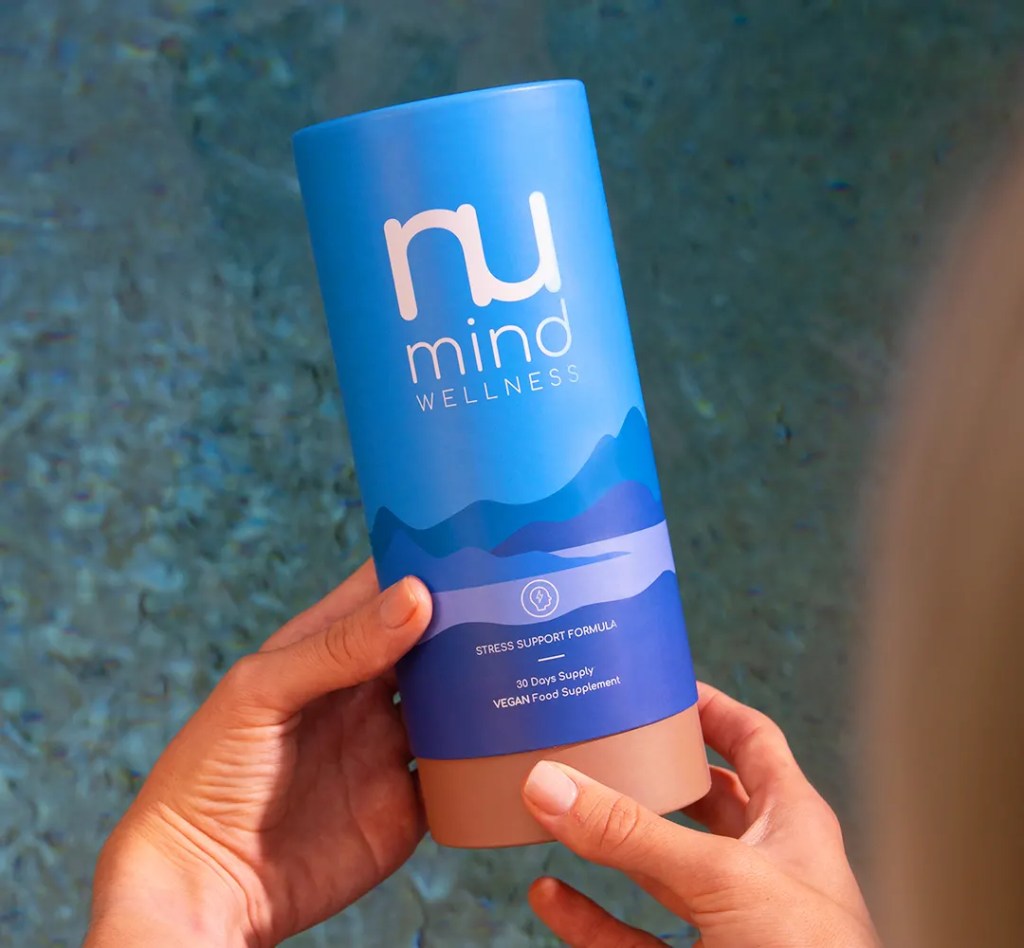
Nu Mind Wellness Ltd officially launched on October 25th 2021. The Nu Mind Stress & Mild Anxiety Support Formula (30 days) offers consumers 23 scientifically backed ingredients packed in 5 daily capsules to help alleviate symptoms of stressors on the mind and body. This all-in-one Stress & Mild Anxiety Support Formula is the first of its kind and is the most comprehensive supplement programme in the UK market for mental health.
Nu Mind Wellness Ltd will is offering free educational courses to its consumers on how to improve their mental health and overall wellness. Specifically, on how to improve nutrition, how to exercise correctly and how to improve one’s mental health. Each course has been written by experts in their respective fields.
A strong social mission is at the core of Nu Mind’s vision. Nu Mind Wellness Ltd has also partnered with 1% For The Planet. Nu Mind have pledged to donate 1% of their annual revenue to grass-root non-profits. In the first year these funds will be donated to One Tree Planted where they will be planting trees in vulnerable areas across the globe. As well as this, Nu Mind’s products are all 100% recyclable.
“We wanted to create the very best formula to help those busy individuals living a stressful life. Which is why we included 23 science backed ingredients to help you manage stress and recover from symptoms of anxiety”
Shona Wilkinson, RN, mBANT, CNHC
Shona is a registered nutritionist, specialising in the formulation and development of supplements. Shona is a member of the Professional Associations BANT (British Association for Nutrition and Lifestyle Medicine) and CNHC (Complementary and Natural Healthcare Council) as well as the Royal Society for Medicine
Features and benefits of the Nu Mind Stress & Mild Anxiety Support Formula include:
The first all-in-one stress supplement programme, packaged into 30 daily sachets
23 scientifically backed ingredients, based on current scientific research
Free educational courses on how to improve mental health and wellness
Charity partnership with a clear social mission
100% recyclable packaging
Vegan Friendly, Gluten Free, No Allergens
50% cheaper than current alternative
The Nu Mind Stress & Mild Anxiety Support Formula (30 daily sachets) will be available from 25th October at £44.99. For more information, visit www.numindwellness.com.
About Nu Mind Wellness Ltd:
Let’s begin with our story. We are two brothers who have suffered from anxiety. From panic attacks, deliberately avoiding social situations and sleepless nights. For years we searched for ways to feel ‘normal’, only to find the internet’s answers unsatisfactory.
Given our personal experience and understanding of the battles of anxiety, we set out to give back and support those with similar struggles. Working alongside professionals, we have created the first all-in-one stress & mild anxiety support formula.
We aim to provide the first all-in-one stress and anxiety service; providing a supplement, educational wellness content and a like-minded community. This is the essence of Nu Mind.
Our health and wellbeing aren’t solely dependent on how our brains and bodies work; they’re also influenced by how we live. Making healthy lifestyle choices is key in supporting our mental health; influencing our self-esteem, confidence, energy, motivation, mood, and even our ability to sleep.
Want to know more about what you can do to support your health and wellbeing? Here are 5 key areas to get you started!
Get active
We know exercise is beneficial for our health and wellbeing; even being active for 30 minutes per day, 5 days per week can positively impact our mood, creativity, thinking and sleep. If going for a run or to the gym isn’t your thing there are so many other ways to get moving; including going for walks, climbing, cycling, dancing, surfing and table tennis (to name just a few).
Check out Head Hacks, a new directory website, run by a qualified Occupational Therapist, where you can search for fun things to do, locally and online, to help you get active in a way that suits you!
Sleep
If you find yourself struggling to switch off at night, or you feel you’re not getting the quality of sleep you need to feel rested there are a number of things you can do to help yourself. These include:
Avoiding screens for at least 30 minutes before going to bed
Increasing physical activity and exposure to natural light during the day
Avoiding drinking caffeine for at least 6 hours before going to bed
Avoiding smoking for at least 2 hours before going to bed
Maintaining a general bedtime routine, for 30 minutes before going to bed (by doing things in roughly the same order around the same time each evening).
Mindfulness
When talking about mindfulness a lot of people may link it with meditation and yoga; however mindfulness comes in many different forms. If meditation or yoga aren’t your thing why not try ‘mindful doing’? The aim is to keep your mind present while doing an activity you enjoy or that fits into your routine, (like going for a walk, cooking, eating a meal, doing the washing up etc). Try to minimise distractions and instead focus on your current thoughts and feelings, and what you’re doing (using all your senses).
Having purpose
Having a sense of ‘purpose’ is the feeling your life has some meaning or direction; without this we can feel anxious, low, bored and unmotivated. If this is something you feel you’re lacking here are some ideas to help you find more purpose in your life:
Voluntary work
Learn a new skill
Develop a sense of community by connecting with others over a shared interest e.g. joining a local activity group
Spend time thinking about what is important to you and form one or two goals around this (remember to break these down into manageable steps!)
Read (research has linked reading with feelings of purpose)
Connecting with others
Positive and meaningful relationships are vital to our health and wellbeing; providing us with a sense of belonging, self-esteem, and emotional support. However you prefer to spend time with people, find a way to connect with others in a way that suits you; some of us prefer having one or two close friends, for others it’s family, and some prefer socialising in larger groups.
To sum up
Research shows us that how we live; our relationships, how we spend our time, our sense of purpose and belonging, all vitally contribute to our health and wellbeing. Now that Coronavirus restrictions are easing, there are increasing opportunities, both in our local areas and online, to get involved in activities that are important to us, and that will help support our health and wellbeing.
Head Hacks is a new online directory, setup by a qualified Occupational Therapist, which aims to link people up with these activities and groups, as well as sharing useful information about managing health and wellbeing. Check it out to find fun things to do near you! Anna Witcherley is the founder of Head Hacks and wrote this article.
I started back in therapy consistently (weekly), 2 months ago in August after reoccurrence of panic attacks. I have been working with a really brilliant therapist for the past two years who is a specialist in trauma and EMDR therapy. EMDR stands for eye movement desensitization and reprocessing therapy and is a way to help you process and confront traumatic memories, with the aim of reducing their impact on your life. Its a very good therapy for people struggling from PTSD (Post traumatic stress disorder). Although I do not have the full disorder, I do have some PTSD symptoms according to a therapy questionnaire, from being sectioned and in hospital in 2014 and other traumas that occurred around the same time.
My PTSD symptoms include:
– Panic attacks (palpitations, sweating, negative thoughts, fight or flight adrenaline and needing to cancel feared event) triggered by certain situations which remind me of the past traumatic events. This includes fear of medical appointments now including going to hospitals for myself or the drs surgery.
– Social anxiety- what will they think of me?
-Other fears over traumatic events – i can get triggered and feel flooded with panic.
So, as you can see, a lot to deal with and unpack in therapy. And figuring out my identity as a 33 year old woman with bipolar disorder (thankfully stable) and what the future could hold.
I have to say that finding an excellent therapist has been a lifesaver. I look back to where I was 2 months ago and generally (without jinxing it) my nervous system has calmed down a lot, I have been anxious but able to enter certain situations I couldn’t have done 8 weeks ago. My medications keep my mind stable and my husband and family are a wonderful support too. I love my work and can do it from home. I am really lucky in so many ways.
It is still a major work in progress for me, getting back to the person I once was. I prefer to work from home and I also am unable to go out as much alone as I would want. However, I am starting to go out more with others and I will keep working to find freedom from fear for myself.
If you’re feeling stuck or alone or fearful, reach for help. I have been very lucky to have help with funding my therapy sessions (shout out to my incredible parents) but they are so needed. I know not everyone has this.. the waiting lists for the NHS are so long and I was on them for years without support. My local borough also does not fund trauma therapy which was frustrating at the time.
Thanks for reading the update, feel free to share your therapy experiences with me,
i feel quite emotional writing and sharing this with you! And remember- to keep reaching, growing, and above all healing. Healing is so important for our mental health if you can access it,
Eleanor x
PS- while writing this blog. I was listening to the Sugababes originals Mutya, Keisha and Siobhan (MKS) sing No regrets which has the lyrics.. ‘I choose life’ . Listen here to this live version (not an ad, genuine love): https://www.youtube.com/watch?v=MfdYE7BkEsw
Thank you so much to all at Twinkl and I hope my tips are helpful. I used to work as a teaching assistant and was trained in safeguarding too, so hope you enjoy reading the blog!
thortful launches ‘Affirmations by Bryony Gordon’ to mark World Mental Health Day
100% of profits will go to the Community Programme founded by Bryony; Mental Health Mates
Greetings card marketplace thortful.com has worked with journalist and broadcaster and Mental Health Mates founder Bryony Gordon to create a series of positive affirmation cards written by Bryony and beautifully brought to life by illustrator Frankie Rose. The cards campaign is in support of Mental Health Mates and Better Health – Every Mind Matters.
World Mental Health Day took place on Sunday 10th October, and throughout the month, thortful will be supporting both Mental Health Mates and the Better Health – Every Mind Matters campaign. The campaign encourages people to look after their mental wellbeing by getting a free NHS-approved Mind Plan. When it comes to taking care of your mental health, having a plan is a brilliant first step. So, throughout the month of October thortful are encouraging people to take the NHS-approved Mind Plan quiz, for personalised ideas to improve mental health and wellbeing.
Mental Health Mates is a network of peer support groups run by people who experience their own mental health issues, meeting regularly to walk, connect and share without fear or judgement. With walks and online communities across the United Kingdom, Mental Health Mates is a thriving community and one that is committed to growing to reach even more people in need of mental health support.
The affirmation cards collection is available exclusively at thortful. The cards include a QR code on the back, to scan to find out more about the partnership and tips to improve mental wellbeing.
Bryony comments: ‘Physical cards are so important, I used to receive them from my friend Fearne (Cotton) during lockdown, when she would write to me just for the hell of it, and it meant so much when it dropped onto the mat, even though we are in constant contact on WhatsApp! It’s easy to forget the stuff that is good for us and harder to retain it. I think affirmations are brilliant and important reminders of the things that make us feel good about ourselves. Reading an affirmation can really help us put positive behaviours into action.’
Clare Perkins, Deputy Director Personalised Prevention, Office for Health Improvement and Disparities (OHID formerly Public Health England) comments: ‘We are pleased to be continuing our partnership with thortful to support people with tips and advice to improve their wellbeing this World Mental Health Day and beyond. There are little steps we can all take to look after our mental health, and getting a free, NHS-approved Mind Plan is a great way to start. It’s important to find out what works for you and that’s why the Every Mind Matters website has lots of resources to try.’
Andy Pearce CEO of thortful comments: ‘We’re delighted to be able to host this collection for Bryony and her amazing community programme. Since our inception in 2016 thortful has always supported Mental Health causes so we’re delighted to be involved. We are also incredibly proud to continue our support of the Better Health – Every Mind Matters campaign by encouraging our community to get a Mind Plan.’








 beurownlight.com