10 Tips to Avoid Covid Burn Out at Home and Help Your Mental Health.

(image: Unsplash)

There’s nothing inherently wrong about staying at home. On the contrary, it’s the perfect opportunity to focus on your work without the typical office interruptions. Besides, you don’t need to get up early to get ready for work anymore. Bliss! 

Or at least, that’s what you used to tell yourself during the first lockdown. But half-way through the second British lockdown, you’re finding it hard to stay positive about the situation. 

A simple chain of emails with a coworker makes your blood boil. They’re asking if you can edit your previous report. They don’t like the way it is written. They’d prefer a more energetic text. You roll your eyes. It’s an informative document, not a piece of poetry, you think to yourself. 

You bite through your lips during the next video call, trying to contain your frustration. Why are clients changing their minds again? They already gave the green light for the project, but now, they want everything redone again. You cheekily pretend the doorbell rang to escape the call for a few minutes while you try to calm down. 

Why is everything so unbearable these days? The answer is simple: Lockdown takes its toll on your mental health. Don’t be harsh on yourself.

Feeling tired, stressed out, and angry is a normal reaction during the pandemic. In any other situation, you would plan a relaxing vacation away from the hecticness of everyday life. Unfortunately, there is nowhere else you can go. So how do you take a break when you can’t go anywhere to recharge your batteries? 

#1. Book a few days off

You may not be able to go anywhere, but turning the laptop off for a few days can already make a big difference. Working from home means that you can’t truly compartmentalise work in the way you used to. There’s no way you can leave your office worried at the door when coming back home. The home office has brought work inside your home. A lot of professionals tend to check their emails on their phones, long after their working hours.

On top of that, you’re more likely to work longer hours at home, as there’s no rush to leave the office on time. Compared to the typical 8-hour day, it’s easy to see why you’re exhausted! Don’t be afraid to book some holiday away from the screen. 

Also its important to check with your office about their vaccination policy even if you are working from home or having time out. It is important to be safe and well.

#2. Reach out to an expert

Sometimes a short break isn’t enough to take your mind off work stress. Working from home makes you more vulnerable to mental fatigue, as you’re more likely to work overtime. However, when the fatigue reaches such a level that you feel emotionally empty and powerless, you may want to reach out to a doctor. Indeed, what you may be experiencing is burnout, the sensation that there is always so much to do and that you can’t meet the expectations that your work has from you.

You may not be ready to reach out to a therapist to discuss your issues, or perhaps you are not sure what you should be talking about. But you can reach out to an online doctor service to find tools and tips that can help you cope. You can consider treatment for anxiety, for example, which can help you relax. 

#3. Create a strict schedule

According to a LinkedIn study, many home-based employees feel the pressure to appear busy. Many are worried about how coworkers and managers perceive them. As a result, overtime has become the new normal. Britons working from home are doing the equivalent of 4 extra whole working days per month.

It is exhausting, both to the mind and the body. You need to create a schedule that respects your work/life balance. Reduce overtime by blocking time in your calendar for yourself and your family. For instance, if you’re unlikely to stop working at 5:30 PM, book an appointment for yourself after work. Why not schedule your home workout at 6 PM? Make sure as well to book lunchtime away from the desk, even if you’re only going to the kitchen to heat leftovers. You need to reclaim your spare time. 

#4. Introduce a soothing routine

How do you soothe the mind when anxiety won’t disappear? Making time for your mental health can transform your perception of lockdown, and also improve your productivity at work. Yoga is an excellent tool to let go of stress and clear your headspace. You can start noticing positive effects after only a few minutes of exercise. Making yoga a daily practice can help gradually take back control of your emotions and regain your peace of mind. 

Admittedly, yoga if not for everyone. Perhaps, you’d prefer a different kind of workout to alleviate stress. Or a relaxing bath after work. It doesn’t matter what you choose as long as you stick to it. 

#5. Seek new interests

Lockdown is shrinking the world around us. After a few weeks, your entire life revolves around your home office desk, the bedroom, and the couch in the living room. You feel trapped in a tiny routine. While going out is not an option, you can consider introducing new things in your daily life. Something as trivial as reading a book or watching a new TV show on Netflix can bring a sense of renewal and excitement. 

#6. Allow yourself to be lazy

The art of doing nothing is a complex skill to acquire. We live in a society that believes that productivity is the only way to create value. We reject unproductive and passive activities because we’ve been conditioned into thinking that doing nothing is bad. The truth is that doing nothing can give you the time and space you need to recharge your batteries. Sit on the couch and let time pass without checking your emails or reading the news. Your mind doesn’t need constant stimulation. On the contrary, the absence of intellectual engagement is necessary. The hyper-productivity race is destroying your sense of self and your mental health. 

(image: Unsplash)

#7. Stay in bed a little longer

Do you wake up feeling refreshed? No? You’re not the only one. A whopping two-thirds of people have been struggling with sleep quality since the beginning of the pandemic. The combination of pandemic anxiety and long working hours creates a sleep deficit. Ultimately, it affects your mood, your mental focus, and your energy levels. Why not go to bed a little earlier today? Don’t be afraid of changing your sleep routine to find what works for you. 

#8. Have realistic goals

In lockdown, I’ll learn a new language. 

I’ll get fit. 

I’ll repaint the bedroom. 

Don’t overdo it. Staying at home doesn’t mean you’ve got more time at your hands. Setting unrealistic lockdown goals will only stress you out. 

#9. Laugh

As silly as it sounds, laughing is still the best medicine when it comes to releasing stress and anxiety. Sit back and watch your favourite comedian on TV. Zoom with friends for an online quiz or an escape room game. Laughing your heart off is not just good for your mood. It helps to break the cycle of stress and self-guilt that leads to burnout. 

#10. Make time to go out

In winter, the seasonal affective disorder is at its worst. Even without lockdown, you’d be naturally getting less exposure to sunlight. But right now, it’s important to make time to go out of the house and walk in the sun. Whether you’re just going to add some seeds on the bird’s table in the garden or walking down the street to your local shop, you don’t need more than 30 minutes a day to regulate your mood. It can make a huge difference. 

Feeling drained, tired, and irritable is a normal reaction to lockdown. As more and more people are reporting mental health symptoms, it’s important to take preventive steps to avoid Covid burnout. Take back control of your routine and your mood as you’re staying at home. 


This article was written by a freelance writer
.

Moving to Another Country: Are you Escaping Your Past and Emotional Baggage?

(image: Pexels)

Readers of this blog know all too well that life can sometimes take a turn for the worse at times. You can start the year with high hopes, only for things to go catastrophically wrong later on. 

Many people go through tough times and wonder whether upping sticks and moving away might help. They think that moving to a new country will give them a fresh start and allow them to leave the past behind where it belongs and move forwards with their lives. 

But is that really what happens? Well, it depends. 

Seeing The New Location As A Fresh Start

One type of person sees moving to a new country as a blank slate – a fresh start. They’re not the kind of person who spends all night getting angry about what went wrong in the past. Instead, they accept what happened and choose to move forward with their lives. They never look back. 

This type of person can get on well with moving to another country. The change of location isn’t the important thing. That’s just a backdrop. The primary decision is to take control of one’s life and move forwards. When you go to another country, you’re proving to yourself that you can make major life changes, and you have control over your life. You’re no longer tethered to a situation in your home country. You’re free to conduct your business as you choose. Self-mastery is the name of the game. 

When you go to a new location with this mindset, it colours everything that you do. It’s a decision you’ve made. And so it feels like you have ownership over the situation. Even though things have been tough, you’re moving on with your life and doing the things you have to do to reestablish control. It feels natural and healthy. You’re a master of your destiny. Moving away has nothing to do with trying to escape the negatives. It’s about embracing the positives. You look for a studio apartment for rent, and you start a new life. It can be a challenge, but it’s also a heck of a lot of fun. 

Seeing The New Location As An Escape

But there’s a dark side to moving to another country. If you think moving is a way to escape how you feel, you’re sadly mistaken. You might be living in a different apartment building in a foreign country, but that doesn’t mean that your memories and feelings disappear. Yes – you might find yourself in a totally different culture. But that’s pretty much irrelevant if you’re bringing all the same feelings and emotional baggage with you. 

Seeing the new location as an escape is a trap. You think that by moving, you’re doing something to alleviate your experience. But that’s not what’s happening. Instead, you’re changing location and dragging all the old feelings with you. It’s not moving that gives you the sense that you’re escaping your problems – it’s taking control. When you feel like you have some sort of autonomy, that gives you the mental space to create a life for yourself on your own terms. 

But if you’re feeling homesick and still thinking about your country of origin, that’s a recipe for depression. You’re not looking forward – you’re looking back. And you inevitably feel hopeless and futile. 

Your World Becomes A Lot Bigger

Moving countries should be about making your world bigger. It can help you to leave your past behind, but it is not all that’s required. You can move to another country, but if you don’t process what happened to you, then you’re not really leaving your problems behind. Paying different government taxes is no substitute for emotional understanding. 

When you allow your move to fill your life with new opportunities, things suddenly become more clarified. Everything opens up, and you’re suddenly able to pick a direction and go with it. It can be a frightening experience sometimes, but it is essential for living a rich and fulfilling life. 

Usually, people leave their country of origin to escape past unhealthy relationships. Going abroad offers a degree of safety. But it also takes you out of a dysfunctional network of friends and family. You’re able to breathe the free air and start afresh. You’re no longer tied down to a particular social group. And you don’t have to observe its traditions or customs. It’s a liberating experience. 

Sometimes, that feeling alone is sufficient to make the move worthwhile. But, ultimately, that’s a choice that you need to make. The question of whether you should go to another country is a personal one.


This article was written by a freelance writer.

The Difference between a Psychiatrist and a Psychologist. Which can best address your needs? By Anita Ginsburg


It’s always important to seek professional help if you are dealing with a mental health issue. Unfortunately, finding a professional can be harder than you might think. Even if you can find someone for you, you’ll still have to decide upon which type of professional with whom you should work. For most, the answer comes down to knowing the difference between a psychologist and a psychiatrist.


What Is a Psychologist?

Generally speaking, a psychologist is a person with an advanced degree in psychology who works with patients on their mental health. These individuals usually use various types of talk therapy to help individuals work through a diverse number of mental health issues. When many people think of the basic idea of therapy, they’re thinking about what a psychologist does.

When to Choose a Psychologist

It makes sense to choose a psychologist when you’re looking to address your mental health issues without medication. Attempting to change behavior of the long-term is usually best done with the help of a psychologist, especially if you’re looking to get to the root causes of why you feel how you feel. It should be noted, though, that even those who do seek medication can often work with a psychologist as well as a psychiatrist.

What Is a Psychiatrist?

A psychiatrist is specifically an individual who holds a medical degree and specialises in psychiatry. While psychiatrists do conduct many of the same types of therapy as psychologists, they differ from psychologists because psychiatrists can prescribe medication to their patients when needed.

When to Choose a Psychiatrist

The most common reason to choose a psychiatrist is because you are considering the possibility of pursuing some type of medical treatment for your mental health problems. This can range from specific types of medical therapies to medication, but all of these therapies do require a psychiatrist’s oversight. While most do choose psychiatrists because of the medical angle, many psychiatrists do still use talk therapy in a manner similar to psychologists.

It’s important to know what you want from therapy before you make a choice between a psychologist and a psychiatrist. While each type of professional does deal with mental health from a specific angle, whether one is better than the other has everything to do with your personal situation. While you will ultimately need to make the choice between the two, choosing to pursue at least some kind of therapy is a good step on the path to a brighter future.

This article was written by freelance writer Anita Ginsburg

MENtion Health: A Panel event and Campaign for Men’s Mental Health by Superdrug

On Wednesday 4th November, National Stress Awareness Day, Superdrug invited me to a zoom virtual panel event highlighting men’s mental health.

They said, ‘The event will aim to break taboos and increase the conversation around the mental health challenges that men have faced during the current coronavirus pandemic. ‘

We had a chance to listen to some famous and insightful panelists, including

Professor Green – Award winning musician and patron of CALM charity

Chris Hughes– TV personality

Matt Johnson– Broadcaster and mental health advocate

Alexander Leon– Writer and social change advocate

Dr Amir Khan– Doctor and best selling author

(image: Superdrug)

In October 2020, Superdrug conducted research to find out how the pandemic is currently affecting people’s mental health.

The research was conducted among 3419 of its customers. Key findings are highlighted below:

● 86% of people believe men find it more difficult talking about mental health issues than women

● 82% of people believe there’s still too much stigma attached to mental health problems

● 71% don’t think employers take mental health problems seriously enough

● 80% of people would like to see mental health services being made more accessible to people

● 66% people said that their mental health is still being impacted by the pandemic.

As a result, Superdrug decided to launch a new service, known as Mind Care Superdrug. There will be an online doctor for people to find mental health support, with a video consultation and people will be referred to appropriate services. This will be a huge step forward and is an amazing thing to do!

Matt Johnson opened the panel, introducing each pannelist in turn to discuss men’s mental health. For me as woman, I recognise how important it is for men to speak out about their feelings after generations of stigma around mental health.

Professor Green talked about his battle with life long anxiety, saying ‘You just want to get out out of your own skin’, anxiety can be difficult but in life we encounter difficulties and learn to build resilience. Prof Green experienced anxiety as a child and teenager and still deals with it to this day and promotes talking about men’s mental health. He also spoke later in the discussion about self harm in men, to include drug and alcohol abuse and his familys own experience of suicide.

Chris Hughes then spoke about his anxiety and panic attacks, saying he was ‘proud to discuss it openly now‘. He said that before he became well known, he would get anxiety in the workplace that he tried to distract from by going to the gym. However, it didn’t work as well and now he is in the limelight, he has experienced panic attacks, which would manifest as pins and needles in his body and hyperventilation. Hughes shares about his mental health to help others, especially men, through it so they stop bottling feelings up.

Alex Leon told us that he was (in his words), ‘gay, brown and didn’t fit in’. He reminded us that LGBTQ and minority communities often have poor mental health due to a lack of acceptance. He said that 75% of suicide rates in the UK are men and that the narrative that ‘big boys don’t cry and men should just get on with it‘, should be addressed. Leon asked ‘what forms of stigma do men face?‘ and said often it is ‘Be stoic’ ‘be unemotional’ or ‘here is what a man or boy should be‘ – which all lead to poor mental health outcomes.

Dr Amir Khan also introduced himself and his work as a doctor in the UK- a GP working with mens mental health. He agreed with a lot of what Alexander Leon said and offered some profound insights.

The discussion then came back to Professor Green, who told the discussion that sadly his Dad and uncle had died by suicide and he felt mental illness ran in his family. He has struggled with depression and said, ‘ We all chase happiness. You should feel highs and lows- when I don’t feel anything is when I worry’.

Chris Hughes said we must normalise the conversation around mental health and Alex Leon added that self compassion is so important.

I very much enjoyed the panel discussion and really appreciated the chance to hear from great speakers on mens mental health. Superdrug are definitely ahead of the game!

I wasn’t paid for this article but Superdrug sent me a box of wellbeing goodies including Vitamin D tablets, vitamin tea, lavender and peppermint essential oils, sleep aids, moisture socks for feet with marula oil and a pampering skin and body set. Thank you!

Our wellbeing and mental health is so important. You can learn more about Superdrugs mental health campaign here: https://onlinedoctor.superdrug.com/mental-health-and-relationships/

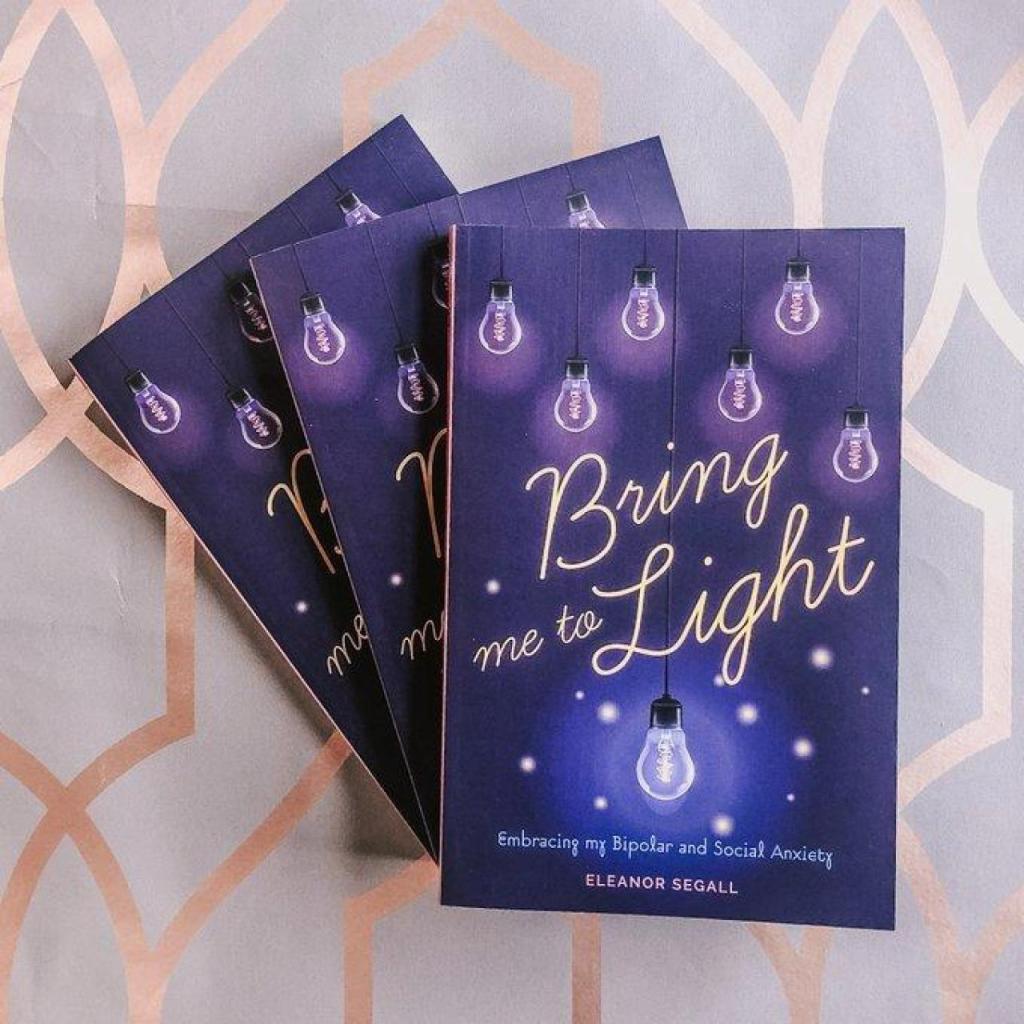
My Book Bring me to Light turned 1!


Yesterday, on 5th November, my book Bring me to Light: Embracing my Bipolar and Social Anxiety (with Trigger Publishing) turned one!

Today, I got this lovely review from a Twitter follower Robin so I thought I would share it here:

It is an amazing book, really enjoyed reading it. An honest and open account of life with bipolar, your strength of character shone through. Thank you for being so open and writing it. – Robin Josephs

I wrote my book to help others and dispell the stigma about severe mental illness. Everyone is human and everyone has mental health. Whether you have never suffered or whether you have depression, anxiety disorders, eating disorders, schizophrenia, bipolar, OCD, BPD or EUPD, self harm, addictions, PTSD etc- I would love everyone to be more open if they feel able.

I hope my book explains what being in hospital can be like but that you can recover.

You can get your copy on Amazon and in all good book shops now 🙂

Happy bookversary to me! Thank you to YOU for supporting my blog, reading this and helping get my book deal. To everyone who has bought a copy and to my fab editors Stephanie and Katie.


8 Tips on Managing Your Emotions for better Mental Health.

(image: Pexels)


Having emotions and expressing them is a part of the human experience. Regardless if they are positive or negative emotions, the most important things about your emotions is how you express them. The response to your emotions can help you in so many other areas of your life, it is important to know how to control your emotions well, to help your mental health.

If you know how to properly work with your emotions you will likely make better decisions, your relationships will flourish, your everyday interactions with people you pass by or coworkers will improve and you will be better equipped to take care of yourself.

If you are tired of being run by your emotions, we have practical tips that can help you manage your emotions no matter what life throws your way.

Understand The Impact Of Your Emotions

Your emotions are important. Intense emotions can remind you that you are alive. It is also common for emotions to overwhelm, whether something good happens or if something terrible happens. That is why it is important to have a strong understanding of the impact your emotions play in your life. Emotions can make life worth living or it can make things unnecessarily difficult.

Take some time to consider how your emotions impact your life. You may have a lot of conflict in your friendships or other relationships. You may have a hard time relating to other people, so you may isolate yourself. Unmanaged emotions can also lead you to have issues in your professional life at work and in your academic life in school. It is very likely that you will have emotional and physical outbursts. Spend some time with yourself and determine how your emotions are affecting your life up to this point. Where has it led you? Once you put a name to your emotions, it will be easier to keep track of your problem areas making it easy to track your progress.

Regulate Not Repress

Managing your emotions does not mean repress or suppress them. You should still be expressing your emotions. Expressing your emotions is healthy and imperative to stable mental health. If your goal is to not feel something, strongly reconsider. Sometimes you may subconsciously do it, not even realizing. Bottling up your emotions may seem like a quick fix, but it causes more problems down the line. Repressed and suppressed emotions can lead to things like anxiety, depression, lack of sleep, muscle tension and pain, stress management issues and substance abuse.

Remember that your goal is to control your emotions, not pretend they do not exist. You cannot shop it out, smoke it out, drink it out. You have to deal with your emotions head-on. That is the best way to take control of your emotions. The goal is balance.

Know What You Are Feeling

It can be difficult to control something you are unfamiliar with. Get familiar with your feelings. Constantly check in with yourself about how you are feeling. When you check in with your moods and feelings, you will be better equipped to respond to any and every emotional trigger you may face throughout the day. It could also stop you from making purely emotional decisions that may not be the best decisions to make.

Throughout your day, ask yourself how you are feeling. If you are feeling good or bad, ask yourself why you feel this way. Maybe you are having an emotional reaction to what someone did to you or for you. Before getting upset with them, consider if the inciting situation has a different explanation aside from the one you are currently telling yourself. Sometimes it is the stories we tell ourselves that are the main cause of our discomfort.

Once you have done all of that, ask yourself what is the best way to get out that emotion. Should you scream? Should you vent? Another question to ask yourself is if there is a better way to cope with your feelings. Sometimes screaming is not the best way to cope. Instead of screaming at your significant other, scream in a pillow at home instead. Maybe taking a few deep breaths is more appropriate.

As long as you are thinking about alternatives to your current situation and your feelings, it will be much easier to control your emotions instead of working off of your knee-jerk reaction.

Be Accepting Of Your Emotions

Avoid downplaying your emotions. Give yourself permission to feel those feelings. Do not feel about feeling those feelings either. Do not invalidate your experiences! If something makes you so happy you could leap into the air, do it! If something makes you feel super sad, express that. Do not tell yourself to “calm down” or “it’s not that serious.” It is serious to you and that is what matters.

Once you become more accepting of your emotions, the good ones and the bad, you will become more comfortable with them. The more comfortable you are with your emotions the less likely you will react to a triggering situation in a way that does not serve you best.

The impulse to judge your emotions is common and everyone struggles with this in different variations of difficulty. Remember that your emotions are not good or bad. They are neutral. They hold useful information that can help you improve, even if the emotion itself may feel unpleasant.

Journal

Before you cringe at the thought of keeping a journal, try it out. Writing down your emotions and the responses you have to those emotions can help you clearly see patterns. Often when something happens that triggers intense emotions, you may have the instinct to run through the situation in your mind over and over again. Take it a step further and put words on paper. Sometimes the act of writing something can help you reflect more deeply on your feelings and your triggers.

Think of journalling as a way to keep track of the things that trigger you. Once you know your triggers, you can catch yourself before falling back into those patterns that no longer serve you. If you want to truly reap all the benefits journaling has to offer, make sure that you stay consistent with it at least once a day. Make note of all your triggers and reactions to those triggers. Use your journal to explore different, more productive ways to express your emotions.

Remember To Breathe

That sounds too good to be true, but remembering to breathe can impact the way you process your emotions. Life happens fast. Sometimes it happens so fast, we barely have time to process. Taking some time to yourself to deeply breath can clear your mind in a moment of rage or it can help you fully enjoy a moment. Taking a deep breath gives you between the moment something triggered an emotion and your reaction to it. In between that breath you can check in with how you are feeling and why. You can ask yourself those questions like what is the alternative explanation that makes sense. All of that can happen in the time it takes for you to complete a few deep breaths.

If breathing deeply is not your thing, do not worry! It can be your thing! All you have to do is try. Get in a comfortable position and try deep breathing exercises before you start your day. When you take a few deep breaths, remember to breathe from your diaphragm as all deep breaths come from there. Once you have breathed in so much that your belly is rising, hold it in for three counts and release slowly. You can take it a step further and add a mantra that you say to yourself while doing your breathing exercises.

Understand That There Is A Time And A Place

Expressing your emotions is imperative to being able to control them, but you must understand that there is a proper time and place to express those emotions. There are some situations in which an emotional outburst is acceptable. Maybe you lost a loved one and are stricken with sadness and anger. Crying into your pillow, punching your mattress or screaming is a great way to express emotions.

The challenge comes when there is no space for you to do these things. You then have to determine if expressing your emotions in this way is the time and place. You cannot yell at your boss and expect to keep your job. You cannot slap the cash register because your card got declined otherwise you will go to jail. You have to be mindful of your surroundings and what the situation calls for. This can help you determine if this is the right time and place to express your emotions in this way.

Give Yourself Space To Process

Sometimes triggering emotions happen so fast, it can be overwhelming to process. That is why giving yourself space to process is so important. When you create a mental distance between yourself and your emotions by taking a walk, watching something that makes you laugh, talking to someone you love and spending a few minutes with your pet, you are better able to process those difficult emotions.

15 Ways to Turn Your Home into a Self Care Sanctuary: by ImproveNet

Mental health plays a critical role in our lives, and self-care is an important aspect of our mental well-being. Self-care encompasses any activity we undertake to improve our emotional, mental and physical health. 

Make Your Home a Calmer Place

  1. Declutter and organize; donate or throw out what you don’t need
  2. Paint walls with calming colours — blue, green and pink are peaceful
  3. Cover walls with your favorite artwork, photos or inspirational posters
  4. Welcome plants into your life; greenery helps us feel more relaxed
  5. Light candles with soothing scents: lavender, citrus, pine, vanilla, jasmine
  6. Add essential oils to a diffuser; valerian, lavender, jasmine relieve anxiety
  7. Open blinds to natural light, purchase warm-toned bulbs, add dimmers
  8. Purchase soft, comfortable bedding to make you feel cozy and protected
  9. Weighted blankets have been proven to help ease stress and anxiety

Make Yourself More Comfortable

  1. Dress comfortably at home; PJs, a robe or cozy socks are relaxing
  2. Give yourself a home spa treatment with face mask, cooling gel, etc.
  3. Enjoy a long soak in the tub; add Epsom salts to relax muscles 
  4. Take care of your skin by exfoliating, dry brushing and moisturizing 
  5. Consider meditation, deep breathing or yoga to decrease stress
  6. Get plenty of exercise at home: stretch, dance, run on a treadmill

94% of Millennials reported making personal improvement commitments in 2015. Compare this with Boomers at 84% and Gen X at 81%. 

This guest blog and infographic was created by ImproveNet.

5 Things that could be triggering your Depression by Samantha Higgins.

iforherimage

(image: Iforher.com)

Almost everyone goes through an episode of depression at some point in life. For some, the problem is severe and protracted. During the episodic depression, bouts leave you feeling hopeless and exhausted, making it difficult to be productive and present in your daily life. Although depression is a severe health condition, treatment brings hope to the affected. Once depression symptoms are controlled, knowing common triggers and how to avoid them can save you from a depressive episode.

It is important to seek help in the form of treatment from a doctor- whether that is medication or counselling.

Feeling Overwhelmed

When you feel that stressors, such as tight deadlines, are too challenging to manage, you become overwhelmed. Emotional overwhelm is more than feeling stressed. It means you are completely submerged by emotions and thoughts about your current problems, to a point of feeling paralysed.

It is a scary and confusing experience that might leave you with limited functionality and an inability to think and act rationally. Whether caused by stressful times at your workplace or traumatic experiences of loss, overwhelm can trigger depression. Minimise depression triggers by knowing your limits and boundaries of what you can take in and what can cause overwhelm. For overwhelming tasks, break them down into smaller, manageable tasks for you to complete in steps.


Financial Worries

Money woes are a common source of stress that can cause a depressive episode. Focus on projects that increase your financial stability like side hustles. Avoid concentrating on what you do not have since it increases your worry. Customize your budget and do regular reviews to stay aware of your cash flow and financial situation.

Create a savings plan and make monthly deposits to the account so that you are less worried about the future. Go for local events that are free or cost-effective so that you can socialise at a budget. Remain engaged with your hobbies or spend time with loved ones to avoid overthinking about your financial situation.

Seek support from your doctor, if needed.


Alcohol Abuse

Some people indulge in alcohol and other substances to cope with depression. Most are drawn to alcohol’s sedative effects to help distract them from feelings of sadness. While alcohol can relieve some of depression’s symptoms in the short term, it can worsen depression in the long run.

As a person experiences the financial and social consequences of alcohol misuse, their worries increase, and relationships deteriorate, leading to an episode of depression. This leads to a vicious cycle of alcohol abuse to self-medicate some symptoms of depression. If taking antidepressants for depression, avoid alcohol since the depressant effects of alcohol counterattacks the effectiveness of antidepressants.


Poor Sleep Habits

There is a direct relationship between poor sleep and depression episodes. People that sleep less than six hours and more than eight hours have a high risk of experiencing recurrent depressive episodes than those who sleep the recommended six to eight hours. Practice good sleep habits, such as maintaining a consistent bed and wake time.

Turn off all electronics hours before bedtime to avoid overstimulation for better sleep. Reduce any source of discomfort, such as an old mattress. Look for the best adjustable mattress bases for maximum comfort and relaxed nighttime. Take a warm bath, meditate, or have a warm glass of milk to help you fall asleep fast.


A Poor Diet

Dietary habits can lead to depressive episodes. Consume more healthy foods with a focus on whole foods and fresh fruits and vegetables for improved mental health. Limit processed and refined foods, including junk and fried foods. Look for foods high in selenium like whole grains and Brazil nuts to reduce anxiety and improve mood, making depression manageable.

Go for vitamin B sources such as egg, poultry, fish, and lean meat as they help to reduce the symptoms and risk of mood disorders, including depression. Eat food rich in zinc or use zinc supplements to enhance the effectiveness of antidepressants for better depression management. Hydrate regularly with water or soft drinks for better moods.

Depression can be life-changing due to frequent worries, but treatment- medication and counselling can help manage the disorder. Make lifestyle modifications such as a healthy diet, better sleep, and less worry for improved well-being. 


This guest blog was written by Samantha Higgins.


The Road to Recovery: On PTSD, Trauma and the Future… by Eleanor for Mental Health Awareness Week

Trigger Warning: sexual assault, details of assault and severe mental illness

Hi everyone,

Its been a while but I thought I would put type to keyboard and write a blog for more mental health awareness.

Since my book was published, I haven’t written many follow up personal blogs, purely because the launch of my life story into the public domain felt overwhelming and scary. 6 months on, I am used to it being out there but I have been working hard in EMDR trauma therapy to help myself.

See, the truth is that right now the Bipolar Disorder for me is stable and under control on my medicines. I still get side effects- weight gain, dry mouth and thirst, but my mind is generally healthy in terms of the Bipolar- no mania or depression. Anxiety and panic yes but Bipolar, not really at the moment.

Yet, almost lurking unseen after I left hospital in 2014 and began my recovery was the fact I was traumatised by my experiences of going into psychosis (losing touch with reality via delusions, false beliefs) and my experiences when being sectioned. I will just give an overview as the rest is in my book- but this included- being restrained, being attacked by other patients and seeing them self harm, being injected with Haloperidol (an anti psychotic) in front of both male and female nurses in a part of the body I didn’t want, being chased round A and E by security men in genuine fear of my life, dealing with lawyers and going to tribunals while ill, thinking I had been abused by family and was locked up by a criminal gang and fearing my family were against me. My bipolar mind could not cope.

Just before this all happened, I was very vulnerable and was sexually assaulted by a man I knew through friends and all of this trauma stayed with me.

I did what most of us with severe mental illness and assault survivors do- I tried to rebuild my life. I tried to work in schools helping children with special educational needs. I tried to work for a mental health charity as a peer support worker for people like me. I began to blog and write and share as therapy- from charities to national newspapers. Bit by bit, as I wrote out what I has been through, I started to slowly heal. But, the symptoms of the extreme panic remained. I lost jobs because of it. I became depressed. I started dating but I often had to cancel dates- (before I met Rob, my husband who listened to me talk about it all and didn’t bat too much of an eyelid.)

I was in a state of flux, a state of transition. I knew I had trauma still living in my brain and body. I had been physically and sexually assaulted, I had been mentally violated- I had been sectioned twice in a few months and now I was sent home to try and rebuild my life as a 25 year old single woman.

I share this important blog, not to share that I am a victim- because I am not. I want to share that I believe for about 5 years, I have been suffering with some of the symptoms of Post Traumatic Stress Disorder (PTSD). My therapist believes the same.

The panic attacks that grip me with fear before work or the day ahead when I have to leave the house. The fear of going out or travelling at night alone. The fear of being taken advantage of and having to trust men again (thank you to my husband for helping ease this pain). The fear of exploitation, of losing my mind, of not trusting mental health professionals any more.

My panic attacks get triggered by certain events- it could be having to speak about my life or book, or seeing people I don’t feel comfortable with, of feeling exposed, of worrying about others judgement. I am still healing from all I have been through and experienced. The PTSD means that I have to take medication (Propranolol) to function sometimes. It means that I experience flashbacks in my body- I feel gripped with fear, I get chest pain and shallow breathing and I start to cry. I had one the other day at 4am….. thank the lord for meds so I could calm down and sleep.

My therapist is incredible and we have been working since October to process the roots of my trauma and panic disorder. We use a combination of rapid eye processing with talking therapy which helps to tackle each and every trauma- and we are still at the tip of the iceberg. It takes time to process the deep rooted experiences in my brain- we are getting there slowly.

For me, in many ways my future is uncertain. My medicines have long term physical side effects. Motherhood will be more of a challenge due to medication and my mental health- I am still processing the choices I will have to make, which I will write in another blog.

I want to end this blog by saying- if you know someone with anxiety, PTSD, another anxiety disorder or something like bipolar or schizophrenia- Be Kind. You never know what someone has gone through.

The NHS waiting lists for help are too long, services are too underfunded- all my treatment has been private provided by my family due to being stuck on a list for years. I am lucky, not everyone is. 

I hope this blog gives some information about my experiences of PTSD since leaving hospital 6 years ago. It is by far the most personal thing I have posted since publishing my book but I hope it helps you feel less alone.

Positivity and Hope are key.  Meeting my husband and my therapist changed my life for the better as I slowly rebuild and find an equilibrium again.

Love,

Eleanor x

Maintaining a Healthy Work Life Balance, Why it Matters: Guest blog for Mental Health Awareness Week by Loveitcoverit

loveit2

(image: Unsplash)


When establishing and maintaining a healthy work-life balance, the overarching goal is clear; an individual should not feel as though their professional life is intruding on their personal time or vice versa. However, it’s always easier to explain than it is to physically manage – which is why it’s important to fully understand the implications of a poor work-life balance and the proactive steps we can all take to minimise any negative impact – such as poor mental wellbeing.

Although this challenge is known to many, you may not be fully aware of how prevalent it is across the entire nation. In fact, the Mental Health Foundation has commented that work-related stress costs Britain 10.4 million working days per year!

Now, as you would expect, the emergence of modern technology – such as smartphones – has drastically transformed our professional lives and, as such, it can be difficult to create concrete boundaries. Many of our devices can now take on the features and responsibilities of a larger computer system and so our working lives are available at just the touch of a button. So, how do we assess whether this detracts from our free-time and if this impacts our mental health?

Well, in recent months, this very topic has been investigated by mobile phone insurers, loveitcoverit.   

Their research found that an astounding 80% of workers identify their smartphones as a tool for their professional responsibilities, clearly demonstrating that they have surpassed the singular, social use that spurred their beginnings. So, whether it’s to communicate with colleagues, access working documents remotely or utilise organisational platforms, our mobiles have become an integrated part of professionalism on a wide scale. As such, it can be difficult to imagine the two in separation – but is this a good thing?

Overusing our mobile devices can be detrimental to our work-life balance as they create an access channel that is available to us at every hour. So, whilst leading mental health organisations emphasise the need for distancing measures – such as short breaks, time off and established social environment outside of work – our smartphones may act as a reminder of our professional responsibilities. In turn, this can lead to individuals feeling pressure to work outside of their agreed working times and intrude on their personal lives. 

Due to the sheer number of smartphone users across the country, this could mean that millions are facing the challenge. In fact, less than half of workers claim to have a ‘healthy’ work-life balance! 

Of course, this isn’t to say you should never complete a professional task in your free time, it simply means that you must actively monitor and manage how often this happens. This might seem a menial task, but it’s vital.

If you often find yourself feeling stressed due to your working life, then you could be at risk of developing illnesses such as anxiety or depression.

However, luckily, there are further actions we can take to ensure our balance does not tip!


Setting tangible guidelines

 We’re not saying that you must ignore your phone if a professional emergency arises, but it is important to make sure your working correspondence doesn’t intrude on your personal life. So, start with something simple – like enforcing a rule of no work related phone use after six on any weekday and perhaps not at all on the weekends.

Ultimately, it’s your decision to make, so find out what works within your routines and go with it!


Communicate with your employer

No one wants to be seen as a ‘complainer’, but if your work responsibilities are damaging your mental health it is important to speak up. Set up a meeting or informal chat with your manager to discuss how you’re feeling and why you feel that way. From there, you can work in tandem to better the situation and make wider improvements that benefit others too!


 Better understand your own situation

There is normally a tangible reason for any feelings of stress or anxiety but it might not be clear at first glance. If you’re feeling overwhelmed, take a break and try to dissect your situation.

If you can understand what is causing your stress, you’re in a wholly better position to try and improve it, whether this is in reorganising your routine and methods or in talking to someone else at work!


Creating a healthy and sustainable work-life balance is imperative for our mental wellbeing, so we all must take the time to figure out how to best achieve it. Remember, the working world existed before smartphones did, so it’s a durable environment, and taking the time to figure out positive and progressive ways of moving forward will never be a waste.


This guest blog was written by loveitcoverit, mobile phone insurers in the UK at www.loveitcoverit.com