Mental Health Experts Shine A Light On The Struggle Of Infertility Over The Festive Season by Experts at JAAQ

(image: Victoria Volkova Unsplash)

For many people, Christmas time/festive season is a time for happiness, family and bringing people together; however, one in seven UK couples face a hidden grief : infertility..

Research reveals that nearly three in four people battling infertility are burdened with feelings of failure, ​​adding to the hidden grief many already feel during the holidays. In response, mental health platform JAAQ wants to spread awareness around why infertility can be harder during the holidays and what we can do to approach the topic sensitively.

Male fertility coach explains why infertility feels heavier during the festive season 

Male fertility coach, Shaun Greenway, who was diagnosed with azoospermia, explains on JAAQ why the holiday season is so difficult: “We got a pregnancy announcement at Christmas, and it took me right back to that place. That hurt. That weird feeling of happiness mixed in with jealousy and anger and pain.”  Even after he had twins via donor sperm, the emotions didn’t disappear “It will always be part of me. It’s always there.”

Shaun’s experience highlights a truth many people face – that infertility doesn’t end with treatment or conception; it changes shape, often resurfacing during emotionally charged times like Christmas, a time filled with pregnancy announcements and marketing imagery filled with children and togetherness.

Founder and CEO of Fertility Help Hub, Eloise Edington, knows that pain well. Supporting her devastated husband while navigating her own grief, she recalls when speaking on JAAQ: “Supporting my devastated husband while also equally grieving myself and knowing that we would never have a biological child together meant we were both drowning in separate pain.”

She’s open about the reality of those moments: “Lots of crying, lots of eating chocolate, wine, being together. Not pretty. Not Pinterest-worthy. Just real.” For many couples facing infertility, this is the reality of Christmas – raw, difficult and far from the idealised celebrations we often imagine. 
(image: Priscilla Prisceez, Unsplash)

4 dos and don’ts for talking about infertility this holiday season

To make the festive season a little easier, mental health platform JAAQ has revealed four essential dos and don’ts for talking about infertility this Christmas – whether you’re facing it yourself, or want to approach the topic sensitively with others. 

Dos:

  • 1. Think before you ask sensitive questions about pregnancy or starting a family and wait for them to bring it up themselves naturally in conversation.
  • 2. Share with someone you trust – If you are struggling, consider speaking openly with someone, whether in person or by message, which can help you to process your emotions. For Shaun, he shared: “Once I did start opening up, that’s when everything got a bit lighter.” Elouise suggests, “Find community, find support, speak to other people who are going through similar struggles. How are they dealing with it? What are they doing to keep the romance alive or to get through this tricky time and enjoy life?”
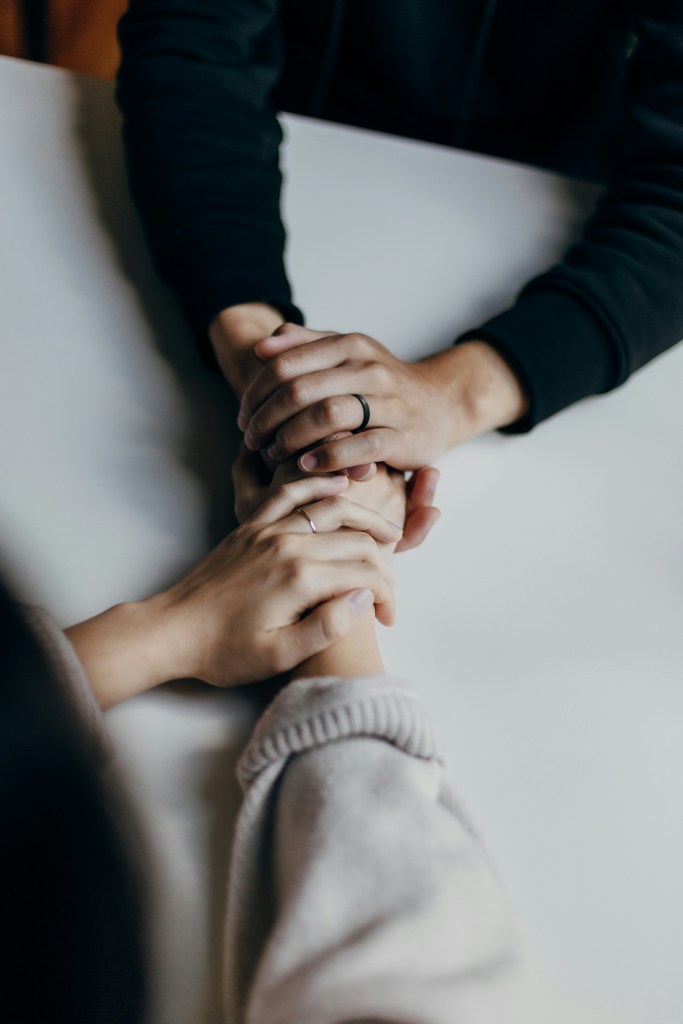
  • 3. Encourage without imposing your opinion. If someone shares something personal, listen fully before responding. Let them know you are there for them and ask how you can support them, rather than assuming what they need. 
  • 4. Create a Christmas/ festive routine that works for you. If traditional celebrations feel overwhelming, permit yourself to do things differently. You might skip the big dinner, start a new ritual like a quiet morning walk with coffee, or find other ways to mark the day that feel manageable.  

Dont’s:

  • Don’t ask personal questions about pregnancy or family plans, especially in social settings
  • Don’t offer unsolicited advice like ‘just relax’ or ‘it’ll happen when it’s meant to’
  • Don’t probe with follow-up questions if someone opens up; listen supportively rather than asking questions that might cause unintentional distress
  • Don’t pressure someone to participate in every activity or ‘get into the spirit.’ Sometimes the kindest thing is simply allowing them to step away 

(image: Pereanu Sebastian: Unsplash)

About JAAQ

JAAQ – which stands for Just Ask A Question is a pioneering mental health platform designed to make credible, compassionate support accessible to everyone – especially in the workplace. The platform provides engaging, clinically backed content by connecting users with experts and individuals with lived experience, who answer mental health questions anonymously. This unique, interactive approach empowers people to explore their mental wellbeing in a safe, stigma-free environment.
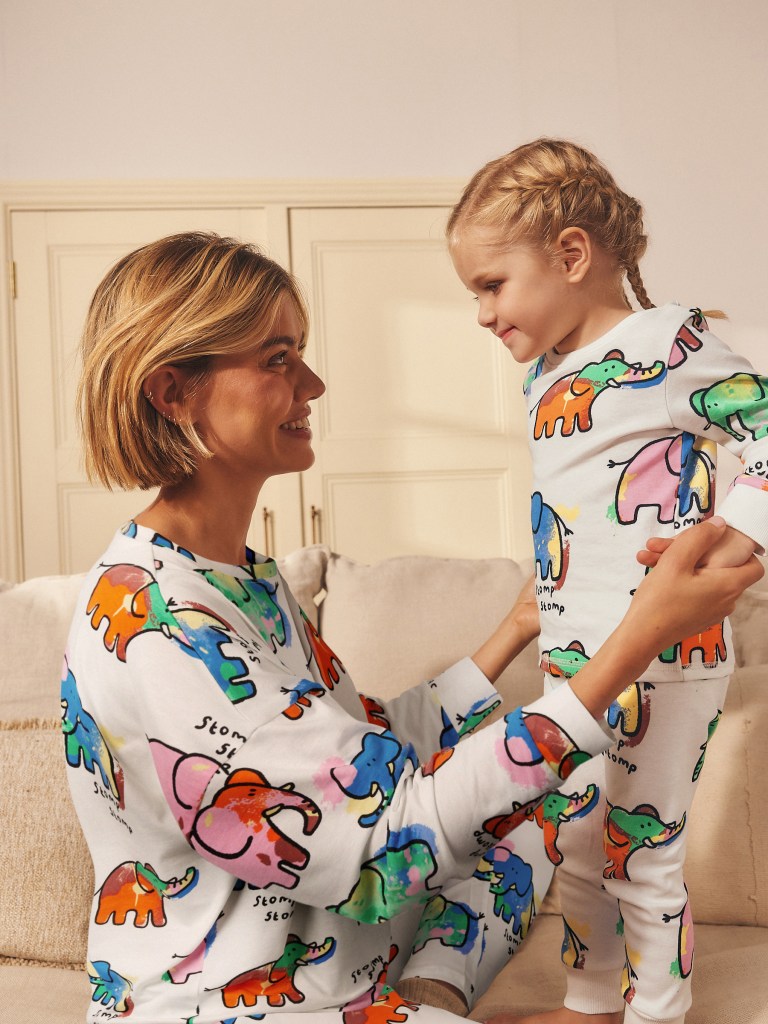
Snuggle Season Has Arrived! Limited Edition ‘Stomp’ BedTime Wear With NEXT For LOROS Hospice. (Non Sponsored Post)

(image: Limited edition Stomp pyjamas by Next, featuring a playful elephant design. 100% of profits support LOROS Hospice’s care for patients and families.)

Now that clocks are going back and its time to get snuggled and cosy, the perfect pyjamas for yourself and little ones have arrived! Teaming up with retail giant NEXT, the LOROS Hospice in Leicester, UK, have come up with some beautiful, stomping elephant pyjamas filled with colourful designs. The designs are inspired by the hand-painted elephant sculptures as part of the famous ‘Stomp Around Leicester’ art trail, which culminated in an art auction.

LOROS Hospice is facing a £2 million shortfall in funding and so NEXT has joined forces with LOROS to encourage the fundraising momentum! 100% profits from the pyjamas go to LOROS., which provides free, high quality compassionate care to terminally ill patients.

Available online now at next.co.uk, with nationwide delivery – every pair sold contributes to LOROS’s vital, compassionate care for over 2,600 patients each year. 

There are matching PJ sets for women and children, for family fun! These cosy pyjamas offer more than just warmth and style – they offer a feel-good factor that comes from helping a community lifeline.

Snuggle up for a cause this autumn: by slipping into Stomp PJs, families can stay stylishly warm while making a real difference to LOROS Hospice when it needs it most.

Please note: This post is non-sponsored (no fee taken) so Be Ur Own Light Blog can get entirely behind this wonderful cause!

image: Limited edition Stomp pyjamas by Next, featuring a playful elephant design)

The women’s Stomp PJs are 100% cotton and available in sizes XS – 2XL in regular length, and S – 2XL in tall. The children’s Stomp PJs are also 100% cotton and available in sizes 9-12 months, through to 7-8 years.

Nutrition, Sleep And Mindset – The Answer to a Magnificent Menopause by Author Alison Bladh

(image: Alison Bladh/ Chocolate PR)

An award winning nutritionist and beauty therapist who’s helped hundreds of women globally to navigate menopause with wellness in mind is celebrating having climbed the Amazon book charts to become a No.1 Bestselling author, outperforming the likes of Davina McCall, Lisa Snowdon and Dr Louise Newson, with new Menopause manual –Have a Magnificent Menopause: A Straightforward Guide to Looking Good and Feeling Great’ 

Alison Bladh, 56, who is also a clinical supervisor for Nutritional Therapy at the University of West London, splits her time between the UK and Sweden was excited to see the book reach the top 30 bestselling books overall on Amazon Sweden across all genres including fiction and non-fiction, one of the only health titles to break the coveted Top 50, highlighting the demand for evidence-based, practical menopause support.

Offering women over 40 a no nonsense guide to thriving through perimenopause, menopause and beyond with or without Hormone Replacement Therapy, this straight-talking manual is already being praised as a breath of fresh air in the menopause space”, and described as “like having a wise best friend, nutritionist and beauty therapist rolled into one.” 

Sharing practical guides, check lists and real women’s stories alongside clinical research and scientific studies, Alison’s mission is simple –  to help women over 40 take back control of their bodies, rediscover their energy, and feel confident and empowered in their skin again, after researching menopause became a passion of hers, having witnessed her mother suffer in silence  at a time when the topic was taboo. 

Menopause, though more openly discussed in some countries today, is still stigmatised as something negative”, she said. “Growing up in a strict British household, I remember watching my mother and the women around her, all navigating perimenopause, suffering through what was then simply referred to as “The Change”. Nobody talked about it. It was shrouded in silences, misconceptions and misinformation.”

While things are improving slowly in some parts of the world, this isn’t the case everywhere and there’s still a lot of work to be done. Women deserve knowledge, support and care during this natural stage of life. Menopause isn’t about fading into the background or becoming less relevant. It’s about stepping into a new kind of power, one where experience, wisdom and purpose shape the next chapter of our lives in ways that extend far beyond motherhood.”

The book tackles common challenges, everything from fatigue, brain fog and weight gain to confidence, skincare and mindset, helping women feel vibrant and in control at every stage of life. The tone is supportive and straight talking, cutting through confusing advice and adresses “menowashing” to deliver clear, evidence based solutions that work.

Menopause is not something to ‘get through’ it is a wake up call to start putting yourself first” she says. “You deserve to feel in control, strong and beautiful and this starts with understanding your body and taking small yet powerful steps each day”.

“Have a Magnificent Menopause: A Straightforward Guide to Looking Good and Feeling Great”  will resonate with any woman who has ever stood in front of the mirror wondering where she went and is now ready to find her again”, she added.

(image: Alison Bladh/ Chocolate PR)

Here she shares 5 practical tips from the book to help women start feeling better today:

Alison’s Top Tips for ‘Thriving, Not Just Surviving’

1. Follow the 90/10 Rule
Healthy eating doesn’t have to mean restriction or perfection. The 90/10 rule is about nourishing your body with supportive foods 90% of the time  like protein, healthy fats, fibre, leafy greens and slow-release carbs  while still leaving room for 10% of the treats that make life enjoyable. Whether it’s a slice of cake with friends or a glass of wine on a special occasion, this balanced approach helps women stay consistent without guilt. It’s realistic, sustainable and removes the all-or-nothing mindset that often leads to frustration. Eating well should be empowering, not punishing.

2. Start the Day with Protein, Not Caffeine
Reaching for a coffee first thing in the morning might feel like second nature, but it can actually spike your cortisol and send your blood sugar on a rollercoaster. Instead, start your day with 20–30 grams of protein to support hormone balance, energy, focus and mood. A protein-rich breakfast  such as eggs, Greek yoghurt, tofu scramble or a protein smoothie helps stabilise your blood sugar, reduces mid-morning crashes, and keeps cravings at bay. This small shift can make a big difference to how you feel all day long.

3. Keep a Cooling Toolkit in Your Bag
Hot flushes and sudden temperature spikes can be distressing, especially in public. That’s why I always recommend keeping a “cooling toolkit” with you. This might include a peppermint facial mist, a mini hand fan, cooling wipes, or essential oil rollers (peppermint or lavender work well). Having something to soothe and cool you down helps you manage symptoms discreetly and confidently. It’s a small act of self-care that reinforces one important truth: you are not powerless, you are prepared.

4. Digital Declutter for Hormonal Health
Our devices might keep us connected, but they can also wreak havoc on our hormones. Constant notifications, social media scrolling and screen time raise cortisol levels, interfere with melatonin production and contribute to stress and poor sleep, all of which worsen menopausal symptoms. A daily digital break, even just 20–30 minutes, can calm the nervous system, ease anxiety, and support better emotional balance. Turn off the noise, step away from the screen, and reclaim some stillness. It’s one of the simplest ways to feel more grounded.

5. Swap Wine O’Clock for Magnesium Time
It’s tempting to unwind with a glass of wine at the end of a long day but alcohol can disrupt sleep, trigger hot flushes and make anxiety worse. Instead, create a relaxing evening ritual with magnesium. A warm magnesium-rich drink or a magnesium supplement can help soothe your nervous system, relax tense muscles and prepare your body for restful sleep. It’s a healthier wind-down option that supports hormonal balance and helps you wake up feeling restored instead of groggy. You’re still prioritising yourself just without the hormonal backlash.

For more tips see  https://www.alisonbladh.com/book

Stress and Panic Attacks Part Two- My Mental Health.

(image: https://society6.com/product/its-okay-not-to-be-okay1048684_print)

Hi friends,

8 weeks ago when I last wrote, we were about to move into our new home. We have now been settled in and been there 5 weeks. It is so exciting and we have been overwhelmed with love. Moving though is a big life change and has triggered my mental illness again.

Lurking under the surface is my Bipolar/ PTSD anxiety disorder. If I do a lot and am more active, I can’t cope. I always try and do more than I am able and then end up crashing into panic- insomnia, racing anxious thoughts mainly and having to cancel plans. Social anxiety becomes heightened. Last week, I went to my mother in laws in Essex three times and also went to a family wedding (which was so special!). Both were lovely, but on Saturday night, my anxiety was triggered, thinking about going back home and socialising the next day- and my body and mind said Enough. This is too much.

Being on your own when you’re anxious and can’t sleep (but everyone else is) is one of the worst places to be. I actually posted an Instagram message at 6am about how I was feeling because I didn’t want to wake anyone up. People were really kind. I slept for maybe 2 hours and felt teary and emotional on Sunday, but had support from Rob and my family too.

The past few days my anxiety has been unleashed and remains high. I am writing this from my Mums house today as I didn’t want to be on my own again working in our flat . I have booked a session in with my therapist too because I am waking up feeling panicked. Its like my body and brain are trying to protect me from something, an old fight or flight response. I keep having regular panic attacks where I shut down, cry and hide in bed. Speaking to my therapist I know will help me process and clear the triggers behind whats going on.

Living with this is debilitating- but I will not be beaten. I will keep doing all I can to improve my low mood and anxiety, to keep going despite any setbacks and to try to heal my mind and soul so I can feel more confident and happier again.

Thanks for reading, I send love to anyone struggling

Eleanor

x

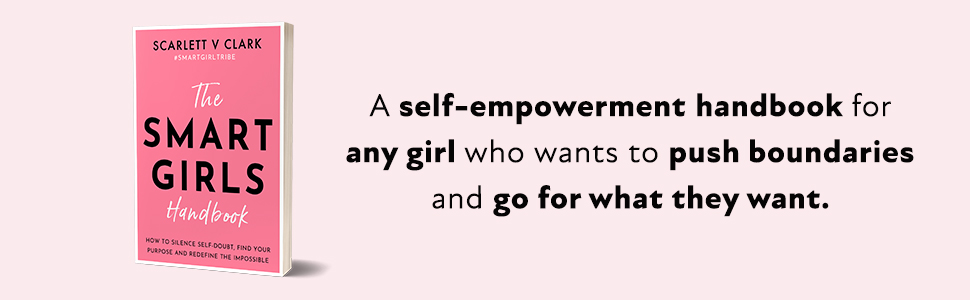
Book Review : ‘Smart Girls Handbook: How to Silence Self Doubt’ by Scarlett V Clark of Smart Girl Tribe

Disclaimer: I got sent a free copy of the book to review but did not receive payment for this review.

I was so excited to receive my copy of this book! I have been following Scarlett Clark’s work for a year or more- she is an incredible woman! She set up a global hub for women on issues that matter, Smart Girl Tribe at the age of only 19! Scarlett is a true trailblazer and entrepreneur, who is all about womens empowerment. Smart Girl Tribe is now the UK’s number one empowerment organisation and as well as being an accomplished motivational speaker, activist and writer, Scarlett can now add author to the list!

On International Womens Day, earlier this month, Scarlett released The Smart Girls Handbook: How to Silence Self Doubt, Find your Purpose and Redefine the Impossible’ with Trigger Publishing (who also published my book!). I often have self doubt and it can be hard to find life purpose too for so many of us, especially if you struggle in life.

(image: Scarlett Clark/ Trigger Publishing)

Using her own story alongside the most popular questions that Scarlett is asked at the many events she runs in schools and colleges, The Smart Girl’s Handbook  aims to help you:

• Discover your talent and find your passion.
• Learn how to deal with fear of failure.
• Cope with anxiety and start speaking your truth.
• Build a strong group of true friends and slay the naysayers.
• Be confident and love yourself.

Each chapter follows the themes above and uses examples from Scarlett’s own life to explore the central idea. Included are tools, tips and exercises to work through, as well as interviews with other ‘Smart Girls’. This is a handbook for any girl who wants to push boundaries and go for what they want.

Scarlett tackles each issue head on, giving examples from her life journey and providing incredible motivational tips. I loved learning more about her, her life story and why she set up Smart Girl Tribe by herself at such a young age. Her fearless attitude and strength of character really stood out to me but also how she empowers other women to be and do the same.

Having lived with anxiety since the age of 15, I have had many years of holding back through fear but I have also achieved a lot too. I will go back to this book for advice again and again! It is an empowering book that will help women of any age, and especially teens and young women to reach for their dreams.

Each chapter has the Smart Girl Tribe promise headings and includes exercises to help you on your way too:

1) I promise to discover my talent and find my passion
2) I promise to learn how to deal with the fear of failure
3) I promise to learn to cope with anxiety and start speaking my truth
4) I promise to slay the mean girls and build a strong tribe of true friends
5) I promise to be confident and love myself unconditionally
6) I promise to be a total #boss
7) I promise to embrace self-care and take a well-needed pause
8) I promise to stand up and help change the world

Thanks Scarlett for being you and publishing this wonderful book too!

If you;d like to read your copy you can here


About Scarlett Clark:
At 19, female entrepreneur Scarlett V Clark set up a global hub for young women. Smart Girl Tribe quickly became the UK’s number one female empowerment organization. Since then she has worked with the UN, the British Council, HeforShe, Women for Women, and spoken at the Houses of Parliament. Now in her mid 20’s, Scarlett is an ambassador for the NSPCC and 50:50 which lobbies parliament and the political parties to be more inclusive of women. With a Masters degree in journalism, Scarlett has written for major publications including Cosmopolitan and Harper’s Bazaar. She is an avid traveller, competitive skier and multi linguist.

The Road to Recovery: On PTSD, Trauma and the Future… by Eleanor for Mental Health Awareness Week

Trigger Warning: sexual assault, details of assault and severe mental illness

Hi everyone,

Its been a while but I thought I would put type to keyboard and write a blog for more mental health awareness.

Since my book was published, I haven’t written many follow up personal blogs, purely because the launch of my life story into the public domain felt overwhelming and scary. 6 months on, I am used to it being out there but I have been working hard in EMDR trauma therapy to help myself.

See, the truth is that right now the Bipolar Disorder for me is stable and under control on my medicines. I still get side effects- weight gain, dry mouth and thirst, but my mind is generally healthy in terms of the Bipolar- no mania or depression. Anxiety and panic yes but Bipolar, not really at the moment.

Yet, almost lurking unseen after I left hospital in 2014 and began my recovery was the fact I was traumatised by my experiences of going into psychosis (losing touch with reality via delusions, false beliefs) and my experiences when being sectioned. I will just give an overview as the rest is in my book- but this included- being restrained, being attacked by other patients and seeing them self harm, being injected with Haloperidol (an anti psychotic) in front of both male and female nurses in a part of the body I didn’t want, being chased round A and E by security men in genuine fear of my life, dealing with lawyers and going to tribunals while ill, thinking I had been abused by family and was locked up by a criminal gang and fearing my family were against me. My bipolar mind could not cope.

Just before this all happened, I was very vulnerable and was sexually assaulted by a man I knew through friends and all of this trauma stayed with me.

I did what most of us with severe mental illness and assault survivors do- I tried to rebuild my life. I tried to work in schools helping children with special educational needs. I tried to work for a mental health charity as a peer support worker for people like me. I began to blog and write and share as therapy- from charities to national newspapers. Bit by bit, as I wrote out what I has been through, I started to slowly heal. But, the symptoms of the extreme panic remained. I lost jobs because of it. I became depressed. I started dating but I often had to cancel dates- (before I met Rob, my husband who listened to me talk about it all and didn’t bat too much of an eyelid.)

I was in a state of flux, a state of transition. I knew I had trauma still living in my brain and body. I had been physically and sexually assaulted, I had been mentally violated- I had been sectioned twice in a few months and now I was sent home to try and rebuild my life as a 25 year old single woman.

I share this important blog, not to share that I am a victim- because I am not. I want to share that I believe for about 5 years, I have been suffering with some of the symptoms of Post Traumatic Stress Disorder (PTSD). My therapist believes the same.

The panic attacks that grip me with fear before work or the day ahead when I have to leave the house. The fear of going out or travelling at night alone. The fear of being taken advantage of and having to trust men again (thank you to my husband for helping ease this pain). The fear of exploitation, of losing my mind, of not trusting mental health professionals any more.

My panic attacks get triggered by certain events- it could be having to speak about my life or book, or seeing people I don’t feel comfortable with, of feeling exposed, of worrying about others judgement. I am still healing from all I have been through and experienced. The PTSD means that I have to take medication (Propranolol) to function sometimes. It means that I experience flashbacks in my body- I feel gripped with fear, I get chest pain and shallow breathing and I start to cry. I had one the other day at 4am….. thank the lord for meds so I could calm down and sleep.

My therapist is incredible and we have been working since October to process the roots of my trauma and panic disorder. We use a combination of rapid eye processing with talking therapy which helps to tackle each and every trauma- and we are still at the tip of the iceberg. It takes time to process the deep rooted experiences in my brain- we are getting there slowly.

For me, in many ways my future is uncertain. My medicines have long term physical side effects. Motherhood will be more of a challenge due to medication and my mental health- I am still processing the choices I will have to make, which I will write in another blog.

I want to end this blog by saying- if you know someone with anxiety, PTSD, another anxiety disorder or something like bipolar or schizophrenia- Be Kind. You never know what someone has gone through.

The NHS waiting lists for help are too long, services are too underfunded- all my treatment has been private provided by my family due to being stuck on a list for years. I am lucky, not everyone is. 

I hope this blog gives some information about my experiences of PTSD since leaving hospital 6 years ago. It is by far the most personal thing I have posted since publishing my book but I hope it helps you feel less alone.

Positivity and Hope are key.  Meeting my husband and my therapist changed my life for the better as I slowly rebuild and find an equilibrium again.

Love,

Eleanor x

My crippling Anxiety once floored me. Now I wouldn’t be without it : Guest blog by Emma Johnson at Worry Knot Jewellery

emmajohnson2

(image: Emma Johnson at Worry Knot)

Trigger warning: talks about self harm, anxiety, depression and mental illness 


For 10 or so years, throughout adulthood, I have battled on and off with something invisible and something I still don’t fully understand myself.

Generalised Anxiety Disorder. 

I’m now 29 but my illness started at about the age of 21. In my third year of University, I started to dread things, I started to worry about everything I said, did and I started to question if anyone liked me. I have always been apologetic but this was different. I felt like apologising for walking into a room. 

I was unable to switch off, unable to focus on my University work and I withdrew a lot socially. Life moved quite slow back then. 

For me I knew this was out of character. I’ve always been fun loving and outgoing, with a smile on my face. I became confused about who I was. I developed an uneasy feeling that would take almost 8 years to learn to sit with.

During the first few years of my disorder, I definitely still achieved a lot. I often feel my disorder makes me thrive more, sort of like overcompensation, a little bit like proving people and myself wrong. I graduated with a BSc in Psychology and at the age of 24, I went on to gain my MSc in International Development.

I don’t think I truly recognised these achievements until about the age of 27. 

Whilst studying my MSc life changed quite a lot for me. I had gone through a bad break up in my younger years but then I finally met someone who lifted me back up, who challenged my thoughts, someone who was completely different to me in every way. This was oddly comforting for me, a bit like escapism from my own ruminating thoughts. 

Then I entered the world of professional work. I started out as a fundraiser, and in my most recent role I tried my hand at facilitating group therapy. In 5 years I have moved through 4 jobs within the charity sector. Sometimes part time.

During this time my anxiety disorder would often become too much. I often sunk low and developed bouts of depression. I would cry and sob. I was back and forth to the GP, often teary, often red in the face and always a bit embarrassed, even though I didn’t need to feel embarrassed.

At one point I was signed off sick from work, bed bound for 3 months, with no motivation at all, just me, myself and my catastrophic thoughts. I was pretty exhausted, shaky, drained and more confused than ever. My physical symptoms manifested as sweating, chest pains, palpitations, shortness of breath and the odd panic attack. 

One thing I started to do was open up, I began to share things with my partner and colleagues. They let me cry if I needed and at the same time my GP was stabilising and finding the right medication to suit me. But I was clearly still unwell.

I quit another job I enjoyed through my inability to cope and my lack of self esteem. My Imposter Syndrome led me down another uneven path.  Always overworking. Always overthinking. Always overcompensating. I didn’t slow down until I was forced to.

Another behavioural symptom of my anxiety is skin picking and nail biting. In early adulthood I would sit for 3 hours picking at my face and over the years I have made the skin around my thumbnail so sore it would bleed. It is now scarred.

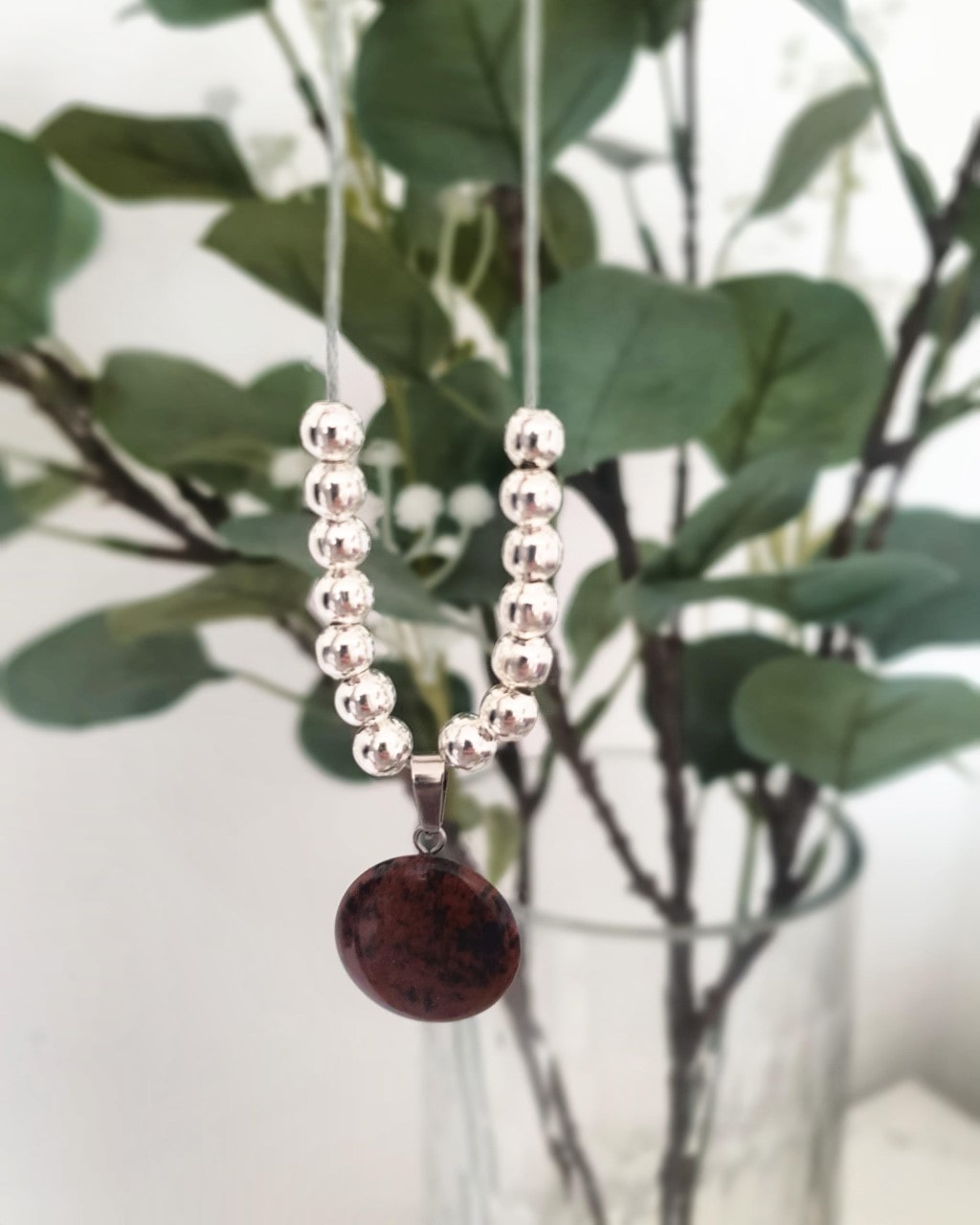
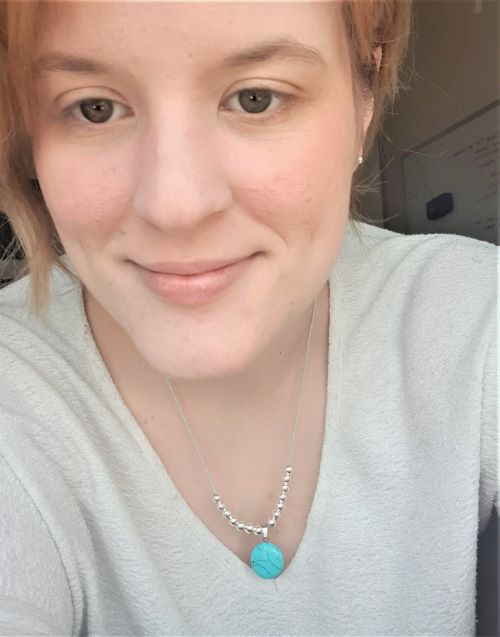
My need to fiddle with something to ease anxiety is always apparent. Earlier this year, I was talking to my friend about making jewellery and how cool it would be to make my own. I have always been into accessories, fashion and jewellery so I said I’d love to make something I can wear and carry with me discreetly but also fiddle with, to stop me from picking so much. 

She mentioned worry beads and I was intrigued. I wanted to make my own twist on them. A prettier version, merging them with jewellery design that I would more likely wear, so I did and my life has changed. I have started a small business called Worry Knot.

necklace1

(image: Emma Johnson at Worry Knot)

Alongside selling calming jewellery, I’m blog writing. I’m advocating more widely about the importance of opening up when confusing and sometimes debilitating symptoms develop. Not only is it therapeutic for me to make my jewellery but it’s extra therapeutic playing with this jewellery a few times a day. 

Having something to focus on, things to make and to write about has been crucial in managing my own anxiety, especially at such an anxious time for the world. I hope my jewellery can go on to help those feeling anxious not only now but going forward into the future too.

emmajohnson1

beads

(Images: Emma Johnson)

For more information please visit:  www.worryknot.co.uk and instagram.com/worryknotuk

You can also find me @worryknotuk on Facebook and Instagram.


Emma Johnson is a writer with lived experience of mental health issues. She is the founder of Worry Knot, a jewellery brand to help others who have anxiety.    worryknot


Looking to the Future and Life Dreams: by Eleanor


Dream big lettering on watercolored background

(image: 123RF.com)

Hi friends,

It has been a while since I have written a personal blog as there has been so much going on here that I was just focusing on getting through it all. Robs dad had surgery to remove a second brain tumour and is thankfully recovering well, the surgeon amazingly got all the cancer. Success.

Alongside this, I have been in therapy since November with a wonderful therapist and we are doing EMDR (Eye Movement Desensitisation and Reprocessing therapy). This therapy helps to process trauma that can get ‘stuck’ in the brain if not processed. That trauma can stem from childhood upwards- I was an anxious child from an early age even though I had a good childhood! I have also been through a lot due to my bipolar episodes and hospitalisations. So, I am working with my therapist to process memories and we are doing it slowly.

My therapist will either ‘tap’ on the side of my legs while I recall the memory to help process it or my eyes will follow a light or her finger as we process. Understandably, there has to be a lot of trust in this type of relationship as well as me being protected and not triggered by the therapy. For this, we have developed a ‘safe place’ memory that I go to when we bring up anything too distressing. We have just started to go deeper with this and I will update you with our progress. I am far less anxious than I was and it has been really helpful to build a positive, working relationship with my therapist.

The reason I started therapy was because I was having intense panic attacks and finding it difficult to manage my life due to it. I hope that by working on these triggers that I can react differently and live a healthier and better life. Stay tuned!

A month or so ago, I also went to see my psychiatrist for the first time in 2 years, mainly as I had worries about my weight and physical health. My medications means I have put on a substantial amount of weight and this is worrying me health wise more than anything. I have been advised to diet and exercise and maybe work with a nutritionist. So, this will also be a new journey and I will try my best with this, not easy as the meds may stop me losing weight due to slowing metabolism or encouraging cravings. We considered reducing my Quetaipine, a mood stabiliser and anti psychotic to help but because I have been more mentally stable, I have decided to keep it at the same dose for now.

Rob and I have also started to look at new homes, which has been good. There is a lot happening right now and important that I rest, look after myself and keep calm.

Life with bipolar disorder can be uncertain. I have some fears about the future, which I will talk about in another more detailed post. My medicines thankfully keep me mentally well, but coming off them for future life changes eg pregnancy could be a big risk for me and one I am not sure I should take due to being bipolar 1 (risk of mania and psychosis). This is not currently imminent, but is still a future fear, especially as I love children. A decision for a later date.

Overall though I am hopeful and excited about life and will keep you all updated with my therapy and health journey and news.

Thanks for reading and following Be Ur Own Light as we come up to our 4th anniversary,

With love,

Eleanor x


Living with an Eating Disorder: Guest blog by Sofie

successquote

(image: Pinterest)

This is a first person, brave and honest account by Sofie of her feelings about her eating disorder, which are her personal views. Trigger warning: please be careful as this discusses eating disorders and real emotions around them. We promote healing and recovery, where possible. So here’s Sofie….


I miss it every day! My first thought as I wake up in the morning and my last before I drift off for the night. It is a visceral longing. That’s the burden of an eating disorder. It’s an imposter that invites itself into your life and fulfills a need. It seemingly bestows upon you new abilities and strips you of weaknesses. However, with every freedom that it grants, there is a toll to pay.

My story doesn’t begin with a girl unhappy with her body, not many eating disorder stories do. My story starts with a girl lost within her own life. A girl who longed to feel she had a purpose and a direction — a child who yearned to feel an ounce of control. Anorexia gave me that control.

It gave me the power to defy human nature. It gave me a harsh look that proved I was oozing with discipline. Each bone like a spear warding off feelings and disappointments. I was never clueless as to why I starved myself. I never thought I was on a diet gone wrong. I wept many tears over the fact that my death-defying mission for control had made me so susceptible to vanity and left me a slave to the numbers on a scale, but how else was I to measure my discipline?

I miss it every day! I forget the aches, the pains, the fights, the hopelessness. I long for the feeling of achievement and forget the complete and utter sense of THIS IS NOT ENOUGH. STILL, I AM NOT ENOUGH. I long to go back almost every moment. To flee the life I have, to rewind and go back. For me, disappointment is much harder to face without the false comfort of the hunger, without the excuse of the failing body and protective blanket of a hazy mind.

So am I in recovery? I don’t know. I feel a sense of helplessness in my recovery like I have been dragged here by circumstance, and for now, my situation doesn’t sit comfortably with me. However, I know what I have to tell myself when it stings that my body no longer hurts: I can’t be a nice person while starving. I replay in my mind countless occasions where I behaved more like an animal than a human. I so desired to be successful, but I never wished to be a monster.

So, for now, this realisation is the guard I wear against the intrusive longing. It isn’t a bulletproof armour. The thoughts still wound, but for now, I am still standing, and I don’t need to judge the situation further than that.

And so, the greatest gift any therapy has given me is the clarity to place my love of others above my hatred of myself.

I can live a healthier life as a gift to those I love, who don’t deserve to be tortured by my demons. I must try and look after myself for my family and friends.


This blog was written by guest blogger Sofie, to discuss the truth around living with an eating disorder. If you are worried someone you love has an eating disorder, you can contact charities including Beat and speak to a GP or psychiatrist.

Taking care of your child’s mental health: Guest blog by Chloe Walker

childmh1

(image: Power of Positivity)

Mental health is extremely important and has a significant impact on a person’s overall health and wellbeing. According to a recent survey by the NHS, one in eight 5 to 19 year olds had at least one mental health disorder when assessed. As a parent, you play a crucial role in your child’s mental health. Fortunately, you can help improve your child’s mental health by creating a supportive family environment at home and learning the early warning signs of common mental health disorders, for example. With this in mind, here are some top ways to care for your child’s mental health. 

Develop a good bedtime routine 

Sleep plays a vital role in a child’s mental health. Research shows that there is a strong link between sleep problems and an increased risk of developing certain mental illnesses. In fact, one study found that four-year olds with sleep disorders have a much higher risk of developing symptoms of mental health conditions as six-year olds, when compared with children without sleep problems. Experts at Little Lucy Willow add – “Sleep keeps you calm, your mind alert, and recharges your body to enable you to get up and face each day.” For that reason, you must try and get your child into a good bedtime routine from a young age. Here are some top tips to help your child sleep better:

  • Create an ideal sleeping space by providing a comfortable bed, installing blackout curtains, and minimising any outdoor noise. 
  • Encourage your child not to use electronics like smartphones before bed. 
  • Get your child into a consistent routine where they go to sleep and wake up at the same time each day. Try to keep this the same on school days and weekends. 
  • Make sure that your child avoids any caffeine in the afternoon or evenings. 
  • Visit your GP if your child has been experiencing sleep problems for more than two weeks, or if the symptoms are interfering with their daily life. 

Exercise as a family 

Exercise plays an important role in a child’s overall health. Along with the physical benefits, regular exercise can greatly improve mental wellbeing. This is because physical activity releases endorphins in the brain which creates feelings of happiness and alleviates stress and anxiety. According to advice on the NHS website, children should get at least 60 minutes of moderate intensity exercise every day.

To give you an idea, examples of moderate intensity exercise include walking to school, riding a bicycle, and playground activities. Exercising as a family is an excellent way to encourage your child to be active. It also allows you to spend quality time together as a family and build closer bonds. Playing games in the garden, going for a walk in the park, or going on a bike ride, are all fun ways to exercise together as a family. You could also encourage your child to start playing a team sport they’re interested in, such as football, rugby, or hockey. 

Encourage open communication

You must create a welcoming family environment that is built around trust and understanding. This will help your child feel comfortable telling you about any issues surrounding their mental health. Encourage open communication in your family and make sure you check on your child if you notice any changes in their behaviour i.e. they become distant or their eating habits change.

Remember that children tell people how they are feeling in several ways, not always verbally. A sudden change in behaviour may signal that your child is struggling and needs support. Always listen to your child and empathise with their feelings. Let them know that it’s natural to feel down from time to time and offer support in any way you can.

If you’re still worried about your child’s mental health, then speak with your GP or contact a mental health specialist for further advice. 

Final thoughts 

Mental health illnesses in children are becoming increasingly common and can lead to several serious long-term effects. Fortunately, there are plenty of ways for you to care for your child’s mental health. Encouraging healthy habits is a simple yet effective way to improve your child’s mental well-being. This should include exercising regularly, getting enough quality sleep, and following a nutritious diet. Along with this, you should also educate yourself on the symptoms of common mental health conditions in children and create a warm, trusting home environment that encourages open communication. Speak to a medical professional if you need to.

This guest blog was written by professional writer Chloe Walker.