
Its Today- 1st March 2020 and Be Ur Own Light is 4 years old! (cue the streamers!)
I still remember starting this blog as an outlet for my fears, thoughts and emotions dealing with my bipolar and anxiety. The blog started as a way to tell my friends and family how I was feeling and has evolved into working with guest bloggers and now brands/ partners on sponsored wellness posts too! Writing the blog and sharing thoughts has been so therapeutic and it has taken me on a journey that I could not have imagined.
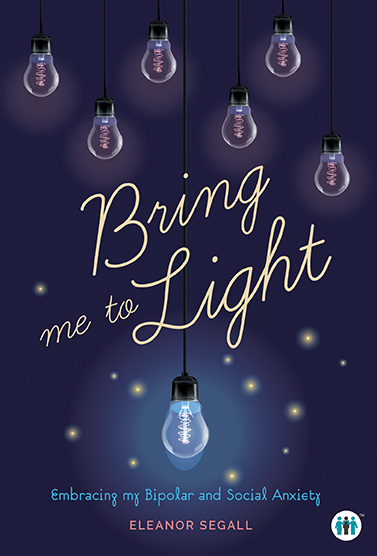
In November 2019, I published my first book ‘Bring me to Light‘ with Trigger Publishing which is the book of my life story with bipolar disorder, anxiety and my life in general (travelling, going to drama school, starting a career as a writer). The blog has also grown so much this year and is currently nominated in the Mental Health Blog Awards for Blogger of the Year, thank you to our nominee!
Additionally, Vuelio awarded us as a Top 10 UK Mental Health Blog for the second year running and interviewed me (Eleanor) about working as a blogger! Thanks also to Feedspot.com and My Therapy App for listing us in their mental health blog lists too for social anxiety and bipolar!
This year, I have written about World Bipolar Day for the Centre of Mental Health, about my search for EMDR therapy on the NHS, living with depression in winter, about writing my book and new life changes (getting married) and 2020 new year round up with hopes for the future. We also promoted mental health campaigns such as Shout UK text line (founded by the Duke and Duchess of Cambridge and Prince Harry and Meghan), Christmas 4 CAMHS, Time to Talk Day and Mental Health Awareness Week. Additionally, I spoke in Essex with my Dad about our joint story with bipolar for the Jami Mental Health Awareness Shabbat and we also spoke at Limmud Conference in Birmingham!
This winter I did some interviews for the book which can be seen on the Book tab above and also received some lovely reviews. It was amazing to appear in Happiful Magazine’s bonus wellness Mag this January (edited by campaigner Natasha Devon) and to write for Glamour and Bipolar UK. I also enjoyed being interviewed for the Jewish News and Jewish Chronicle! Hopefully at some point I will do podcasts about it too and more interviews.
From March 2019-2020, the blog has attracted wonderful and talented guest bloggers wanting to spread their messages about mental health and wellness.
We have also worked with the following brands on sponsored and gifted posts and hope to work with many more this next year : YuLife, Nutra Tea, Essential Olie, Loveitcoverit on mental health apps, I-sopod floatation tanks, Core Wellness Maryland, Wellbeing Escapes Holidays.
My guest bloggers have written about their recovery and living with mental illnesses, as well as advice on how to improve your mental health. There a posts for whether you are going through a divorce, a bereavement, are stressed or have anxiety. We also had posts with people’s first hand experiences of mental illness including a brave post about being a sibling of someone with mental illness and one of living with an eating disorder. Furthermore, Be Ur Own Light has also covered World Mental Health Day and Time to Talk Day this year, featuring personal mental health stories as a way to raise awareness and fight misconceptions.
We have also covered new books coming out, a mental health fashion brand and a song about social anxiety, as well as posts about different therapies to help you.

Thank you to my amazing guest bloggers (non sponsored) March 2019-2020 for your fantastic content:
Ashley Smith- How Massage Therapy helps Anxiety Disorders
Emily Bartels- 5 tips for a mental health emergency plan
Dale Vernor- Understanding PTSD by Gender
Tan at Booknerd Tan- How audio books and walking has helped anxiety
Emma Sturgis- Loving yourself, tips for a body positive life
EM Training Solutions- How to maintain mental health at work
David Morin- On social anxiety and talking to others
Lyle Murphy- How equine therapy can help those with mental health issues
Charlie Waller Memorial Trust- Best of Musicals event
A Time to Change Hypnotherapy- Hypnotherapy for self esteem
Nu View Treatment Center- The connection between anxiety and substance abuse
Shout UK- Royal family launches mental health text line
Mental Health Foundation – Mental Health Awareness Week May 2019 Body Image
Emerson Blake- Coping with the stress of becoming a single parent
The Worsley Centre- A guide to therapies and finding the right one for you
Byron Donovan at Grey Matter – How I recovered from depression to form a fashion brand
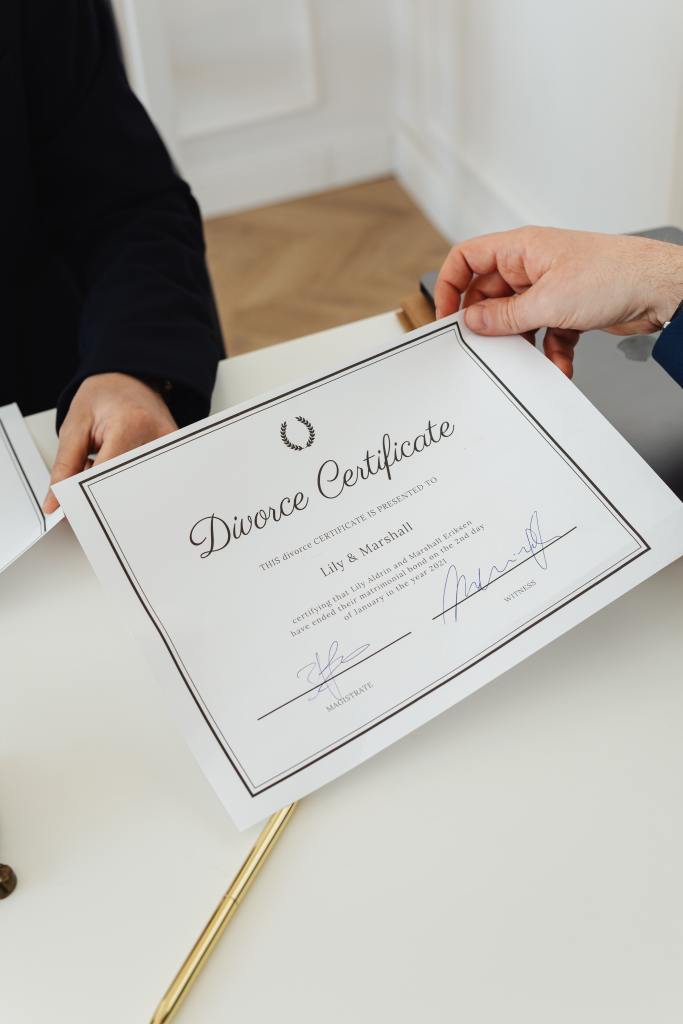
Luci Larkin at Wooley and Co Law- How to reduce stress and maintain mental health during a divorce
Nat Juchems- How to keep your loved ones memory alive after bereavement
Emily Ilett- on her book ‘The Girl who Lost her Shadow’
Mark Simmonds- an interview about his book ‘Breakdown and Repair’ with Trigger Publishing
Curtis Dean- 5 facts about music for stress relief
Robert Tropp- How quitting illegal drugs helps anxiety in the long term
Aaron James- the difference between psychotherapy and counselling
Dr Justine Curry- 4 ways to help a friend with bipolar disorder
Christmas 4 CAMHS campaign for children in childrens mental health wards
Ani O- 4 ways to ease the fear of doctors appointments
Katherine Myers- Ways that spending time outdoors can improve your mental health
Anita- 5 ways to lift you out the slump of seasonal depression
Chloe Walker- taking care of your child’s mental health
CBT Toronto- how to deal with social anxiety and depression
Katy- a true story with anorexia and OCD
Vanessa Hill- Life changing habits to bring into the new year
Rachel Leycroft- Expressing social anxiety through songwriting
Shira- Living with a sibling with mental illness: the meaning of normal
Capillus- 10 signs you may have an anxiety disorder
Brooke Chaplan- When therapy isn’t enough
Jami Mental Health Awareness Shabbat 2020
Mike Segall- Time to Talk Day- 9 years undiagnosed, my story with bipolar disorder
Jasveer Atwal- Living with PCOS and managing mental health
Leigh Adley at Set Your Mind Free- How CBT helps children with anxiety
Lizzie Weakley- How to heal and move forward when you have an eating disorder
Sofie- Living with an eating disorder
Thank you so much to all of you and I am excited to see what 2020-21 brings for the blog!
Be Ur Own Light continues to be read globally and I love receiving your messages about the blogs and finding new writers too.
Heres to a 2020 of positive mental health, of fighting the stigma against mental illness and creating a positive and supportive community here.
Happy 4th birthday Be Ur Own Light! ❤ May this be an enlightening year of growth for us.
Love and Light always,
Eleanor
xxx







 beurownlight.com