Healing The Mind And Body Through Supportive Recovery Practices by Isla Salt

(image: Yannic Laderach, Unsplash)

Recovery from addiction is a deeply personal and often challenging journey. Each individual faces unique struggles, yet a common thread binds everyone together—the need for healing that nurtures both the body and the mind. Traditional treatments like medical detox and counselling are essential, but recovery extends beyond them. To truly sustain sobriety, many people benefit from incorporating supportive practices that promote physical wellness, emotional balance, and meaningful social connections.

Holistic recovery approaches focus on treating the whole person rather than just the symptoms of substance use disorder. This means addressing the emotional, mental, physical, and even spiritual aspects of health. Within this framework, two practices stand out for their effectiveness and accessibility: yoga as a healing tool and group therapy as a platform for connection and accountability. Together, these methods create a powerful balance, helping individuals not only manage cravings and triggers but also build resilience and long-term stability.

Understanding the Need for Holistic Healing

Addiction impacts far more than just the body. While substances can cause direct harm to organs and brain function, the cycle of dependency often disrupts emotional health and weakens relationships. Recovery programs that focus exclusively on physical detoxification may overlook the importance of mental clarity, emotional regulation, and social support—elements that are equally important in building a healthy life.

Supportive recovery practices go hand in hand with evidence-based therapies to address these needs. By combining structured treatments with holistic methods, people in recovery gain tools to manage stress, regulate emotions, and connect with others who understand their struggles. This integration often leads to improved outcomes and a reduced risk of relapse.

Yoga as a Pathway to Recovery

One of the most effective practices in holistic recovery is yoga for addiction recovery. Yoga provides more than just physical exercise; it is a discipline that strengthens the body, calms the mind, and fosters inner awareness. For people in recovery, yoga offers a constructive way to process emotions, cope with stress, and rebuild confidence.The benefits of yoga extend into multiple dimensions of healing:

  • Physical strength and resilience: Addiction often leaves the body weakened. Yoga helps restore energy, balance, and flexibility, giving individuals a sense of vitality.
  • Mental clarity: Breathwork and meditation in yoga reduce anxiety and improve focus, making it easier to navigate triggers and cravings.
  • Emotional regulation: Yoga encourages mindfulness, helping individuals respond to stress rather than react impulsively.
  • Spiritual connection: For many, yoga fosters a sense of purpose and inner peace, providing a meaningful counterbalance to past struggles.

Practicing yoga in recovery also creates structure and routine, both of which are essential for maintaining sobriety. Whether practiced individually or in a group setting, yoga can become a safe space to reconnect with oneself and rediscover a healthier way of living.

(image: Unsplash: Helena Lopes)

The Role of Community in Recovery

While practices like yoga are powerful for personal healing, recovery is not meant to be a solitary process. Addiction thrives in isolation, and overcoming it requires connection, support, and accountability. This is where community-based approaches such as group therapy play a vital role.

Human beings are social by nature, and support networks are key to emotional resilience. In group settings, individuals can share their stories, listen to others, and gain reassurance that they are not alone in their struggles. This shared experience often reduces shame and fosters empathy, which are critical for long-term healing.

Group Therapy as a Cornerstone of Support

Group therapy for substance abuse provides a safe and structured environment where individuals can open up about their experiences. Guided by a trained therapist, group sessions encourage honesty, accountability, and peer support. Unlike individual therapy, which focuses on one person’s journey, group therapy highlights the power of collective healing. Key benefits of group therapy include:

  • Shared understanding: Listening to others with similar struggles helps normalize feelings and experiences.
  • Accountability: Members often motivate each other to stay on track and celebrate progress.
  • Skill-building: Sessions may teach coping strategies, communication skills, and relapse prevention tools.
  • Hope and inspiration: Seeing others succeed in recovery can inspire confidence and determination.

Group therapy also helps individuals rebuild social skills that may have eroded during addiction. By practicing healthy communication and learning to trust again, participants strengthen the foundations of meaningful relationships outside the therapy room.

Balancing Individual and Collective Healing

The combination of yoga and group therapy illustrates how both individual and collective healing practices can work hand in hand. Yoga allows individuals to reconnect with themselves, build strength, and find calm in the face of challenges. Group therapy provides the encouragement and accountability that comes from shared experiences. Together, these practices address both the internal and external dimensions of recovery.

For many, the integration of body-focused and community-based approaches creates a balanced recovery journey. It ensures that healing is not only about overcoming physical dependence but also about cultivating emotional stability and social connection.

The Long-Term Impact of Supportive Practices

Recovery is not a short-term process—it is a lifelong commitment. Supportive practices like yoga and group therapy provide tools that individuals can carry with them long after formal treatment has ended. These practices foster resilience, helping individuals manage stress, cope with setbacks, and continue growing on their path to wellness.

Some people incorporate yoga as part of their daily routine, using it as a grounding practice. Others rely on ongoing group sessions or peer support communities to maintain accountability. The beauty of supportive recovery practices is their adaptability—they can evolve with a person’s needs and provide consistent strength throughout life.

Creating a Sustainable Recovery Lifestyle

The journey to sobriety is about much more than simply avoiding substances. It is about creating a lifestyle that supports health, purpose, and connection. A sustainable recovery lifestyle often includes:

  • Regular physical activity, such as yoga or other mindful exercises.
  • Participation in therapy or peer support groups.
  • Healthy nutrition and sleep habits.
  • Engagement in meaningful work, hobbies, or service.
  • Building strong, supportive relationships.

When individuals embrace both holistic and therapeutic practices, they are better equipped to live fulfilling lives beyond addiction.

Final Thoughts

Healing from addiction requires more than detoxification or medication—it requires a comprehensive approach that nurtures the mind, body, and spirit. Practices like yoga provide personal healing and inner balance, while group therapy fosters community, accountability, and shared growth. Together, they create a powerful foundation for lasting recovery.

By embracing supportive recovery practices, individuals not only overcome addiction but also rediscover the strength, resilience, and joy needed to build a healthier and more purposeful life.

This blog contains sponsored links.
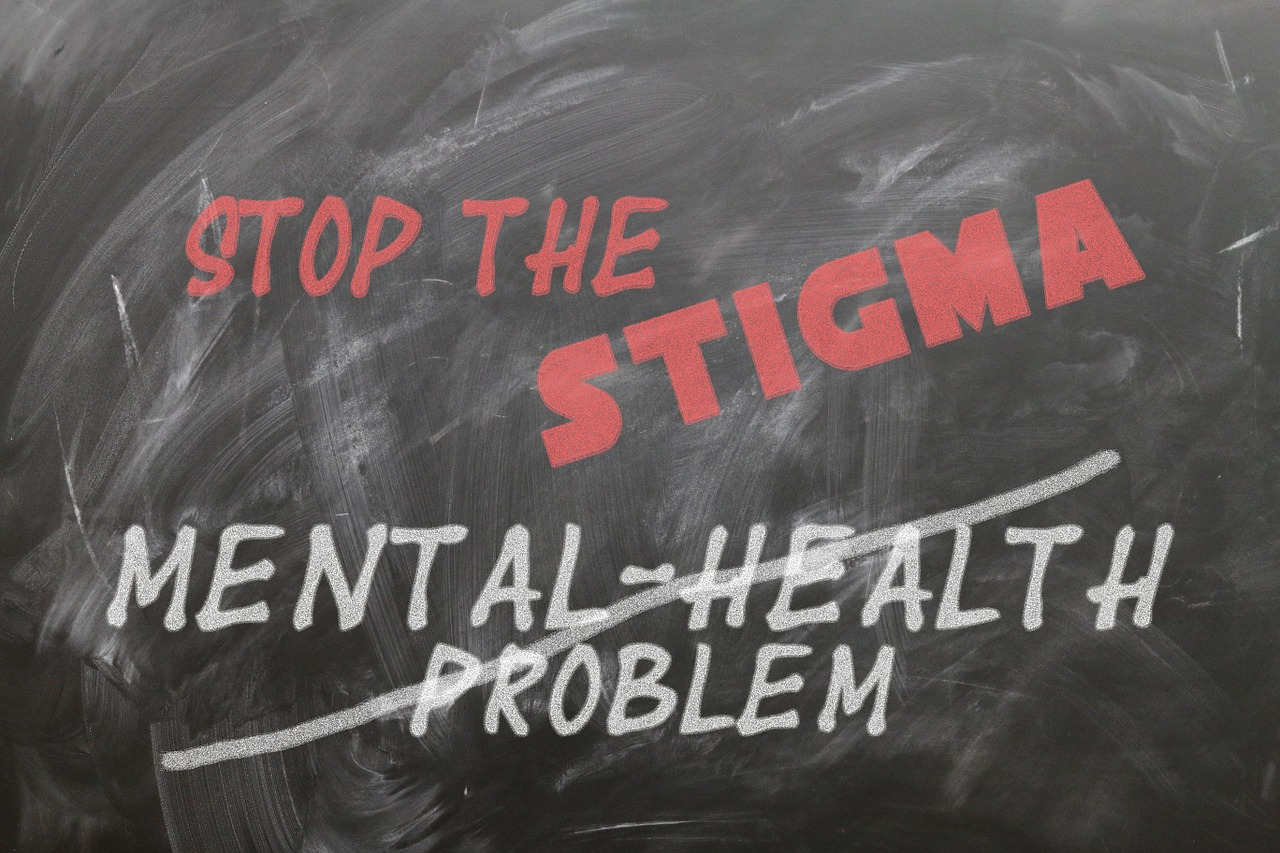
Fighting The Stigma of Addiction by Addressing 5 Common Misconceptions by Aaron Smith.

(image: Pixabay)

Addiction is so intricate and multifaceted that in the face of extensive scientific research, there are still myths and misconceptions about it that often get in the way of treatment. They cause stigma that keeps people from getting help for fear of being labelled as ‘bad’ or ‘weak’. But, to win the fight against addiction, we have to confront some common misconceptions to create an environment that empowers people and encourages them to get treatment for successful recovery. Here are some of the top misconceptions about addiction: 

5 Common Misconceptions About Addiction

(image: Pixabay)

Myth 1. Addiction is by choice: If a person is addicted to something, it’s because they chose to be, and it’s their fault. 

The truth is that no one chooses to become addicted—addiction is a brain disorder. The American Society of Addiction Medicine describes it as a treatable chronic disease that is a result of the interactions between the brain circuits, upbringing, trauma, environment, and genetics. Heavy and prolonged substance use interferes with the brain networks and increases the likelihood of becoming addicted. 

Nevertheless, a choice can influence the recovery journey. The person may choose to seek help dealing with addiction through addiction therapy, exercises, symptoms treatment, and other lifestyle decisions. 

Myth 2. It just takes willpower to stop: Addiction results from a lack of willpower, if the person wanted to stop using badly enough, they would. 

Sadly, a person cannot ‘will away’ their addiction, and it does not result from a lack of willpower or self-discipline. Drugs, alcohol, and other substances produce profound brain changes that alter the natural reward system. 

Typically, mental rewards come only after exerting effort, and this takes a while. But, the addictive behavior shortcuts this process and gives the brain pleasure early on. When the brain is used to early results, the person’s self-control and capacity to make good decisions is eroded and replaced with the impulse to engage in rewarding behavior. 

The substance-induced impulses are not like the usual urges to eat or drink. They are overwhelming and compulsive impulses whose resolution is only engaging the addiction. It’s the reason why addiction appears irrational in that a person will keep using it even when things are falling apart around them. 

Myth 3. Tough love compels people with addiction to stop: If you are harsh with the individual, they will understand the seriousness of the issue and feel the need to change. 

With addiction, ‘tough love’ is not the answer. Being harsh, insensitive, or indifferent may cause the person to feel unworthy, demoralised, and rejected. It typically produces the opposite results of what was intended. 

The better way to address addiction is to take a kind and compassionate approach. The reality is that the majority of people with an addiction are usually contending with other struggles and use addiction to compensate. For example, many people with an addiction struggle with feelings of rejection, and pushing them away with ‘tough love’ only aggravates the underlying problem. However, love, kindness, and support can pull the person closer, address the underlying problem, and start them off on the addiction recovery journey. 

Myth 4. Addiction does not really go away: An addict will never be truly free. Once an addict, always an addict. 

Addiction is a complex condition, and recovering from it takes time. It can indeed be a chronic condition, but even then, the individual can still recover. Addiction is not a life sentence, and there is always hope to get back on a healthy path and live a fulfilling life. 

Regardless, it’s normal to have some recovery setbacks. Although it doesn’t happen with everybody, relapsing and returning to substance use after abstaining for some time is normal. But this is not a sign of failure. Instead, it’s an opportunity to discover what is not working in addiction therapy and to restrategize the treatment. Every person is unique, and the relapse provides a chance to understand the unique factors that drove the individual to relapse and helps with formulating strategies to prevent another relapse in the future. 

Anyone can break free from the cycle of addiction permanently. It just takes a combination of recovery therapy, support from family and friends, and personal growth to give them a renewed purpose to live. 

(image: Markus Spiske, Unsplash)

Myth 5. You must abstain to recover: The only way to recover is to keep off the substance completely.

The truth is that recovery means different things to different people. Abstinence is only one form of recovery and not the final destination for all people. Moderating use so that substance reliance no longer interferes with a person’s productivity or relationships is also recovery. Some people are only looking to reduce substance use, while others are only looking to use a less harmful substance. From there, these people watch their consumption or wean themselves off, even without treatment. 

So, instead of insisting on abstinence or giving a timeline for a complete cessation of use, understand that recovery from addiction is a journey that some reach pretty quickly while others take small steps and a long time to get to the same destination. 

Addiction Recovery Can Be Made Easier 

Addiction is difficult to resolve, and it doesn’t help that there are many myths and misconceptions surrounding it that further complicate the recovery. But, through education and awareness on addiction and recovery, and showing love, support, and empathy towards the individuals, society can make the recovery journey easier. 

Addiction therapy is a particularly useful recovery tool because it sets the individual in an environment where the people and the programs support recovery. Sign up for therapy and start your path to recovery today!

Aaron Smith is a freelance writer.

How You Can Help A Loved One Stay Sober: Addiction Recovery.

(image: Markus Spiske, Unsplash)

If you have a loved one who is struggling with addiction, you may be wondering how you can help them stay sober. It can be a challenging process, but there are many things that you can do to support your loved one. Here are some tips that you can use to help a loved one stay sober.

1. Be Understanding And Supportive

One of the most important things you can do is be understanding and supportive. Addiction can be a very isolating experience, and your loved one may feel disconnected from family and friends. Show them that you care and are there for them, even if they don’t always show it in return. Offer words of encouragement when needed and provide a listening ear and understanding.

2. Help Establish Healthy Routines

Creating healthy routines and habits can help keep an individual on track with their sobriety. Make sure that your loved one is getting enough sleep, eating healthy meals, and engaging in activities that will help them stay sober. This could include going for walks or hikes, joining a gym or sports team, or finding other activities to occupy their time, such as volunteering or taking classes.

3. Set Boundaries And Respect Your Loved One’s Choices

It’s important to remember that the choice to stay sober ultimately lies with your loved one. Though you can provide support and guidance, it shouldn’t be done in a way that makes them feel pressured into making decisions they don’t agree with. Respect their autonomy and wishes while still providing advice if asked.

4. Create An Action Plan Together

Sobriety is often a process; it can take time for someone to achieve their goals. Have an honest conversation with your loved one about their progress, any issues, and how you can help. Then, you can create an action plan together where both of you set realistic goals and provide support when needed.

5. Consider A Sober Living Program

If your loved one is struggling with relapse, consider enrolling them in a sober living program from rdsoberliving.com (if in USA, for UK see other programs). These programs provide structure and accountability to help someone stay on track with their recovery goals. They also provide support from peers and mentors who have been through similar experiences.

6. Reach Out To A Professional

Don’t be afraid to reach out for help if you need it. Consider talking to a professional who is experienced in addiction recovery, or get your loved one connected with a therapist. They can provide additional guidance and support that may be helpful in maintaining sobriety.

7. Take Care Of Yourself

It’s also important to remember to take care of yourself as well. It can be challenging to help someone who is struggling with addiction, and it can take a toll both physically and emotionally. So make sure that you are getting enough rest, engaging in activities that bring you joy, and reaching out for support when needed.

Helping a loved one stay sober can be difficult. However, there are many ways that you can provide support and guidance to help them succeed. Be understanding and supportive, set boundaries, create an action plan together and consider professional help or a sober living program if needed. Also, remember to take care of yourself throughout the process.

This article was written by a freelance writer.

5 Tips and Tricks to Help You Fight Addiction by Lizzie Weakley

(image: Disha Sheta : Pexels)

When the term addiction is mentioned, most people only think of drug addiction. However, there are also behavioural addictions, including; gambling, sex, exercise, eating, and shopping. When people start developing such behaviour, they never know they can be addicted until it gets too late. Once one is addicted to such behaviour or even drugs, coming back from it takes a while. It may even be years for some. Regardless of what you are addicted to, you may need to follow a particular path to ensure that your recovery is successful once you have decided to quit. Below are some tips that can help you in fighting any addiction.

Find the Right Support System

Addiction recovery is never an easy journey. You may, therefore, require all the help you can get. You can try contacting your family and friends and explain to them your situation. Ensure that those you reach out to for help will never judge you when you relapse. Instead, they will help you get on the recovery path once more.

Change Your Past Friends

When you were mid addiction, you may have found a clique of people who enjoyed the same activity, whether drugs, shopping, or gambling. It is vital to inform them of your new venture. If possible, you may need to stop associating with such people for a while, as they may be the source of your trigger.

Cut Off What Supports the Addiction

When you are a gambler, shopping, or drug addict, one thing that supports your lifestyle is money. You may need to ensure that you cannot have access to such finances. Therefore, you can talk to your bank or even spouse to ensure that the only money you can have access to is those you need for your bills. Having no cash to support your lifestyle may be a significant step towards recovery, but speak to a trained mental health professional about this too.

Join a Self-Help Group

If you are struggling with addiction such as gambling, drugs or sex, you may want to join self help groups. Self-help groups are composed of people who are going through the same journey as you. As such, they understand what you are facing and are there to support you on your road to recovery.

Avoid Triggers

There are those things that may constantly remind you of your addiction. For instance, when trying to recover from sex addiction, it would be wise to get rid of anything triggering. You may also need to avoid hanging out in drug-related areas when you are trying to quit drugs.

Having an addiction is a tricky thing. Luckily, there are people like Awakenings Health and Wellness Centre out there to help you out on your journey. When recovering and having a hard time with your addiction, you may need to check on the above tips to help you stay on course.

Lizzie Weakley is a freelance writer.