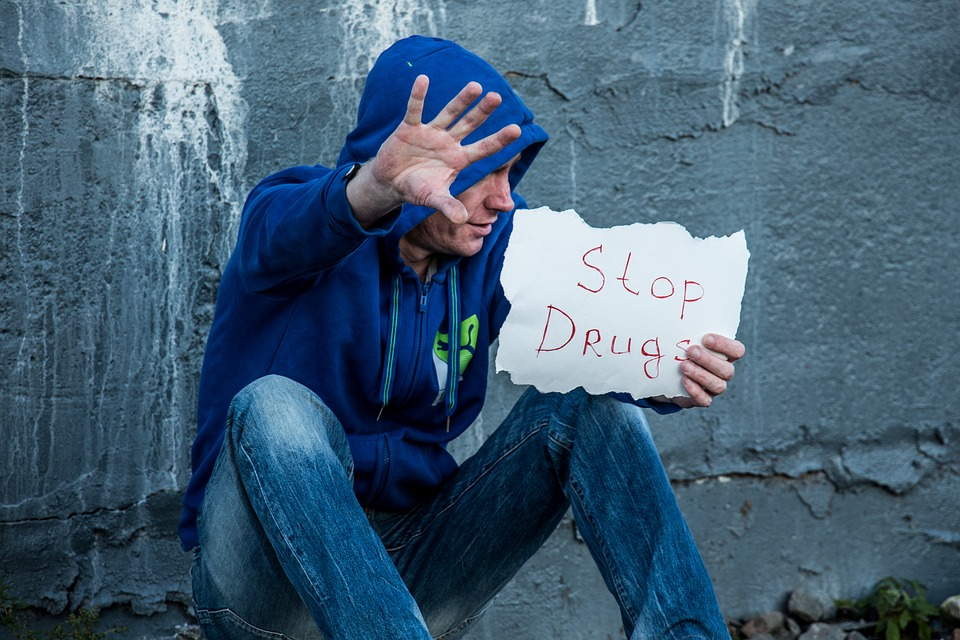
Breaking Free: Addiction’s Grip And The Road To Recovery by Miranda Spears.

(image: Markus Spiske, Unsplash)

Addictions are pervasive and challenging conditions, which often dictate thoughts, behaviours, and lifestyles. The journey from the clutches of addiction to the road of recovery is a complex process that requires a combination of medical, psychological, and social interventions. This exploration delves into the intricate dynamics of addiction, examining the factors that contribute to its grip and illuminating the multifaceted road to recovery. By understanding the complexities involved, we can better appreciate the resilience required to break free from addiction’s hold and the comprehensive strategies essential for successful recovery.

1. The Tenacity of Addiction

Addiction’s grip on individuals is marked by its tenacity, rooted in the rewiring of the brain’s reward circuitry. Substance use or compulsive behaviours trigger the release of neurotransmitters, creating a cycle of pleasure and reinforcement that the brain craves. Over time, this leads to neuroadaptation, where the brain becomes increasingly tolerant to the substance or activity, necessitating higher doses or more frequent engagement to achieve the same level of satisfaction. The result is a profound physiological and psychological dependence, creating a formidable barrier to breaking free from addiction, but it can be done.

2. The Impact on Mental Health

The relationship between addiction and mental health is intricate, with each often exacerbating the other. Individuals struggling with addiction can turn to substances or behaviors as a coping mechanism for underlying mental health issues such as anxiety, depression, or trauma. Conversely, the neurochemical imbalances induced by substance use can contribute to the development or worsening of mental health conditions. Untangling this complex interplay is crucial for effective treatment.

Addressing both addiction and co-occurring mental health disorders simultaneously is essential for comprehensive care, offering individuals a holistic approach to breaking free from the entwined challenges they face.

3. Detoxification and the Initial Steps:

Embarking on the journey to recovery from addiction often begins with detoxification, a crucial initial step in the process. Acknowledging the need for professional assistance is pivotal, especially when seeking recovery from substance abuse. If you’re seeking help with alcohol addiction, for instance, a quick online search using keywords such as ‘alcohol rehab in Austin’ or your country and region can lead you to specialised facilities.

In rehab centres, individuals undergo supervised detox, where medical professionals monitor and manage withdrawal symptoms, ensuring a safe and supportive environment. Beyond addressing physical dependence, alcohol rehab can integrate comprehensive treatment plans that encompass counselling, therapy, and holistic approaches to address the psychological and emotional aspects of addiction. Choosing the right rehab centre sets the foundation for a transformative recovery journey, offering personalised care to guide individuals toward a healthier and more fulfilling life.

4. Building a Supportive Network:

The road to recovery is not a solitary journey; building a supportive network is instrumental in breaking the isolation that often accompanies addiction. Support can come from various sources, including family, friends, and fellow individuals in recovery.

Twelve-step programmes, group therapy, and counselling provide avenues for individuals to share their experiences, gain insights, and receive encouragement. The power of community support lies in its ability to offer understanding, empathy, and shared strength. Establishing and maintaining these connections is crucial for navigating the challenges of recovery, fostering a sense of belonging, and reinforcing the commitment to breaking free from addiction.

5. Embracing Long-Term Recovery:

Breaking free from addiction is not a one-time event but a lifelong process that requires ongoing commitment and effort. Embracing long-term recovery involves adopting a holistic approach that addresses the physical, mental, and social aspects of an individual’s life. Continued therapy, participation in support groups, and the cultivation of healthy habits contribute to sustained recovery. Individuals are encouraged to identify and manage triggers, develop coping mechanisms, and make positive lifestyle changes that align with their newfound commitment to well-being. By embracing a comprehensive and evolving approach to recovery, individuals can navigate the complexities of life beyond addiction, gradually diminishing its grip and building a foundation for lasting freedom.

Breaking free from addiction is a challenging yet transformative journey marked by resilience, self-discovery, and continuous effort. The tenacity of addiction, rooted in the brain’s reward system, necessitates comprehensive strategies that address both the physiological and psychological aspects of dependence.

The interplay between addiction and mental health underscores the importance of integrated care. By understanding the complexities of addiction’s grip and the multifaceted road to recovery, individuals can embark on a transformative journey toward breaking free and reclaiming their lives.

This article was written by author Miranda Spears.

Road to Recovery: 5 Ways To Combat Addiction by Lauren Perry.

(image: free image)

Addiction is a multifaceted problem that can impact individuals from all walks of life, irrespective of their age, gender, or background. Whether it’s substance abuse, alcohol addiction, or behavioural disorders, seeking help is the first step to recovery. In this article, we will explore five ways to combat addiction and pave the way to a healthier, addiction-free life. Whether you’re personally grappling with addiction or you’re supporting someone on their path to recovery, these insights will provide valuable guidance for understanding and combating addiction effectively.

Seek Professional Help

The journey to recovery from addiction frequently commences with the essential step of seeking professional help. Therapists, counsellors, and healthcare providers play pivotal roles in guiding individuals toward a healthier, addiction-free life. For those dealing with co-occurring mental health and substance abuse disorders, specialised treatment centers, known as dual-diagnosis treatment centers, offer a higher level of care and a tailored approach to recovery. These centers are equipped to assess and address the root causes of addiction, including the often complex interplay of underlying mental health issues.

Build a Support System

In the journey of addiction recovery, building a robust support system is an invaluable asset. Building a support system involves connecting with loved ones and friends or engaging in support communities, like Alcoholics Anonymous (AA) or Narcotics Anonymous (NA). The path to recovery is undeniably challenging, and having a network of individuals who understand and care can make a significant difference.

Sharing experiences and challenges with others who have faced similar struggles can provide a unique bond and a sense of belonging, reducing feelings of isolation and alienation that often accompany addiction. This shared journey toward recovery cultivates a sense of hope and resilience, proving to individuals that they are not alone in their pursuit of a healthier, addiction-free life.

Cognitive-behavioral therapy (CBT)

Behavioral therapy (CBT) is a known and highly effective method used in addiction treatment. CBT zeroes in on identifying and transforming negative thought patterns and behaviors intricately linked to addiction. Through collaboration with a therapist, people gain the ability to explore the seated origins of their addiction, which are frequently connected to past events or instances of trauma.

This profound self-reflection is a crucial initial step toward recovery. CBT equips individuals with the tools to challenge and modify self-destructive habits and beliefs, empowering them to break free from the cycle of addiction and pursue a life of lasting sobriety. CBT is not merely a therapeutic intervention; it’s a transformative journey that enables individuals to regain control over their lives, nurturing emotional resilience and self-awareness as they navigate the path to recovery.

Medication-Assisted Treatment (MAT)

Medication-assisted therapy (MAT) contributes to aiding individuals in their quest to conquer addiction. This comprehensive strategy combines counselling and behavioural therapies with specific medications designed to reduce cravings and alleviate withdrawal symptoms. Substances like methadone, buprenorphine, and naltrexone can be prescribed as part of MAT, tailored to an individual’s unique needs. MAT is a significant aid in addressing the physical aspects of addiction, facilitating a more comfortable and effective journey toward recovery. By helping to manage the intense cravings and symptoms of withdrawal, MAT can make the process more manageable and increase the chances of successful, long-term recovery.

Lifestyle Changes and Self-Care

In the pursuit of addiction recovery, the role of lifestyle changes and self-care cannot be overstated. A healthy lifestyle is a cornerstone for maintaining lasting recovery. Incorporating regular physical activity, adopting a balanced diet, and ensuring adequate sleep are fundamental steps in restoring both physical and emotional well-being. These changes not only promote physical health but also contribute to emotional stability, fostering a more robust foundation for recovery. Additionally, self-care practices such as mindfulness meditation, yoga, and stress management techniques play an instrumental role in reducing the risk of relapse.

By nurturing mental and emotional resilience, individuals can better cope with the challenges they may encounter on their journey toward a healthier, addiction-free life. These practices instill the necessary tools to manage stress, anxiety, and other emotional triggers, ultimately enhancing an individual’s ability to make healthy choices and maintain a life free from addiction.

Conclusion

Overcoming addiction is a demanding yet crucial path for individuals battling it and their families. Seeking professional help, building a support system, engaging in therapies like CBT, considering medication-assisted treatment, and adopting a healthy lifestyle can significantly improve the chances of recovery. It’s important to remember that addiction is a treatable condition, and with the right strategies and support, a fulfilling, addiction-free life is achievable.

This article was written by Lauren Perry.

Maintaining Mental Wellbeing: Tips for Navigating an Alcohol Assessment Centre by Brooke Chaplan

(Image: free image)

The decision to seek help for alcohol use disorder is an important one. It takes courage to admit that you need assistance, and taking the first step toward recovery can feel like a daunting task. One of the early steps of recovery is an alcohol assessment centre, which can assess your condition, provide treatment recommendations, and connect you to ongoing support. However, navigating an assessment centre can be overwhelming, especially if you are feeling vulnerable or uncertain. In this post, we will discuss some tips for maintaining your mental well-being while navigating an alcohol assessment centre.

Educate Yourself

Before entering an assessment centre, take some time to educate yourself about the process and what to expect. This can help to ease anxiety and provide a sense of control in an unfamiliar environment. You can research online, check out the centre’s website, or speak with someone who has been through the process before.

Prepare Mentally and Emotionally

Entering an assessment centre can be a nerve-wracking experience, but it’s essential to prepare yourself mentally and emotionally. You might consider bringing along a trusted friend or family member who can offer support and help you stay grounded. You can also practice mindfulness or deep breathing exercises to help you stay centred.

Speak Openly and Honestly

It’s important to be honest about your alcohol use, even if you feel embarrassed or ashamed. The professionals at the assessment centre require accurate information to provide the best treatment options for your specific needs. Honesty also helps to build trust and openness in the therapeutic relationship between you and your counsellor.

Focus on Your Goals

Entering an assessment centre can be overwhelming, but it’s essential to focus on your goals for recovery. Discuss your goals with your counsellor, and work with them to develop a plan for achieving them. Remembering why you’re seeking help and what you want to achieve can help motivate you and make the process easier.

Take Care of Yourself

Finally, remember to take care of yourself while going through an assessment centre. It’s essential to prioritise your mental and physical well-being, which can include eating well, drinking plenty of water, and getting enough rest. Self-care also means taking breaks when necessary, practicing healthy coping mechanisms, and setting boundaries with those around you. Navigating an alcohol assessment centre can be overwhelming, but it’s an essential step towards recovery from alcohol use disorder.

By educating yourself about the process, preparing yourself mentally and emotionally, speaking honestly with your counsellor, focusing on your goals, and taking care of yourself, you can maintain your mental well-being while going through the process. It is highly recommended to reach out to facilities where you are, like A Better Choice Counselling/ Alcohol, Drug & Assessment Center, for more information or to answer any questions you may have.

Remember, seeking help for alcohol use disorder is a brave decision, and with the right support and resources, recovery is possible

How To Support Your Friend’s Journey To Sobriety By Anita Ginsburg

(image: Pexels)

Sober living can be a challenging journey for anyone. It’s important to have the support of family and friends as you go through this process. As someone who cares about your friend, you may want to reach out to show your support. Here are some thoughts on how best to do this.

Be Present and Listen

Your presence can be very powerful in helping a friend who is working on sobriety. Listening is one of the most important things you can do when you’re trying to show your support. Offer an open ear and an understanding heart, without judgment or criticism. Ask questions that show you care and demonstrate that you’re paying attention, such as “How are you feeling?” or “What do you need right now?” You don’t have to have all the answers; just being present and offering an understanding ear can make all the difference.

Recommend More Specialised Help if Needed

You may want to suggest or support your friend in seeking professional help if they need it. This could include group meetings, individual counselling sessions or even visiting a Drug Addiction Recovery Information Center. Let them know you are there for them and that you believe in their recovery journey.

Offer Non-Alcoholic Activities & Support Groups

If your friend is struggling with addiction, it’s important to find ways for them to fill their time with activities that don’t involve alcohol or drugs. Suggest things like going for walks together, visiting parks or museums, playing board games, etc., so they can still enjoy themselves without any temptation from alcohol or drugs. Additionally, attending support groups with them could be helpful in providing encouragement throughout their journey towards sobriety. This could help them gain strength from others who are also facing similar struggles and create a sense of community for them during this difficult time.

Be Patient & Encouraging

Most importantly, remain patient and encouraging throughout your friend’s recovery process. Sobriety doesn’t happen overnight; it takes commitment, hard work, and dedication to maintain sobriety in the long run–so stay by your friend’s side throughout their entire journey no matter how long it takes! Lastly, make sure that they know that they are not alone during this difficult time – everyone needs a little extra love once in a while!

Supporting a friend through sobriety is no easy task – but it is certainly possible if done with patience and empathy! Showing up for them with an open ear, offering non-alcoholic activities and support groups, plus encouraging words can make all the difference in helping them stay sober! With enough help from loved ones, anyone can take control of their addiction and live a healthier life full of hope and promise!

Anita Ginsburg is a freelance writer.

Methods for Helping Your Addiction Recovery by Kara Masterson.

(image: free image)

Addiction recovery is a challenging process, but there are certain methods that can make the experience a bit easier to handle. These methods can range from creating a support network to seeking out counselling services that can help you navigate the recovery process and help hold you accountable. As a result, following these tips can help make addiction recovery smoother and more successful.

Create a Support Network

Creating a strong support system of family members, friends, and certified professionals who understand the challenges of addiction recovery is essential to your success. Your support network should be made up of those who have your best interests at heart and will provide you with unconditional love and encouragement as you navigate through this difficult time. This type of positive reinforcement will help keep you motivated and on track during your journey toward sobriety.

Seek Out Counselling Services

Professional recovery programs and counselling services may offer a variety of methods and coping mechanisms to help you in the recovery process; such as individualised therapy sessions, group therapy, family counselling, and recovery coaching. These services provide an important opportunity to explore past experiences and underlying issues that have caused or contributed to your past substance abuse, as well as new ways to cope with the underlying triggers and a better understanding of yourself and the things you may be dealing with.

With the guidance of a trained mental health therapist or addiction specialist, addiction recovery patients can develop effective strategies for managing and overcoming their triggers, cravings, and other difficult emotions without relapsing back into old habits. Thus, seeking out counselling services from experienced professionals is an invaluable asset to recovery success.

Practice Self-Care

Lastly, another important tip for making addiction recovery smoother is to practice self-care. This means taking care of yourself physically by eating healthy meals, exercising regularly, and getting enough sleep each night. It also means taking care of yourself mentally by setting aside time each day for relaxation activities such as yoga or meditation. Additionally, it’s important to focus on positive thinking and avoiding negative self-talk which can be detrimental during this delicate time in your life.

Making addiction recovery smoother requires dedication and effort from both yourself and those around you who are supporting you on this journey toward long-term sobriety. By creating a strong support network, seeking out professional counselling services, and practicing self-care daily, you can set yourself up for success in overcoming your addiction issues once and for all. With these tips in mind, you’ll be better equipped to make addiction recovery easier than ever before!

Kara Masterson is a freelance writer.

How You Can Help A Loved One Stay Sober: Addiction Recovery.

(image: Markus Spiske, Unsplash)

If you have a loved one who is struggling with addiction, you may be wondering how you can help them stay sober. It can be a challenging process, but there are many things that you can do to support your loved one. Here are some tips that you can use to help a loved one stay sober.

1. Be Understanding And Supportive

One of the most important things you can do is be understanding and supportive. Addiction can be a very isolating experience, and your loved one may feel disconnected from family and friends. Show them that you care and are there for them, even if they don’t always show it in return. Offer words of encouragement when needed and provide a listening ear and understanding.

2. Help Establish Healthy Routines

Creating healthy routines and habits can help keep an individual on track with their sobriety. Make sure that your loved one is getting enough sleep, eating healthy meals, and engaging in activities that will help them stay sober. This could include going for walks or hikes, joining a gym or sports team, or finding other activities to occupy their time, such as volunteering or taking classes.

3. Set Boundaries And Respect Your Loved One’s Choices

It’s important to remember that the choice to stay sober ultimately lies with your loved one. Though you can provide support and guidance, it shouldn’t be done in a way that makes them feel pressured into making decisions they don’t agree with. Respect their autonomy and wishes while still providing advice if asked.

4. Create An Action Plan Together

Sobriety is often a process; it can take time for someone to achieve their goals. Have an honest conversation with your loved one about their progress, any issues, and how you can help. Then, you can create an action plan together where both of you set realistic goals and provide support when needed.

5. Consider A Sober Living Program

If your loved one is struggling with relapse, consider enrolling them in a sober living program from rdsoberliving.com (if in USA, for UK see other programs). These programs provide structure and accountability to help someone stay on track with their recovery goals. They also provide support from peers and mentors who have been through similar experiences.

6. Reach Out To A Professional

Don’t be afraid to reach out for help if you need it. Consider talking to a professional who is experienced in addiction recovery, or get your loved one connected with a therapist. They can provide additional guidance and support that may be helpful in maintaining sobriety.

7. Take Care Of Yourself

It’s also important to remember to take care of yourself as well. It can be challenging to help someone who is struggling with addiction, and it can take a toll both physically and emotionally. So make sure that you are getting enough rest, engaging in activities that bring you joy, and reaching out for support when needed.

Helping a loved one stay sober can be difficult. However, there are many ways that you can provide support and guidance to help them succeed. Be understanding and supportive, set boundaries, create an action plan together and consider professional help or a sober living program if needed. Also, remember to take care of yourself throughout the process.

This article was written by a freelance writer.

How Can I Help An Alcoholic Or Addict Parent? by Chaye McIntosh

(image: Jon Tyson on Unsplash)

When a loved one suffers from addiction, it can have just as much of an influence on your life as it does on the addicts. This is especially true if the loved one is a parent or a close relative. Children of addicts within a family are undoubtedly the most affected by addiction. This is particularly true if the addict’s children are still growing up. Unless you’re young or elderly, it’s difficult to cope as the child of an addict. Addiction has the potential to destroy a family. A parent is a glue that ties a family together; if they are addicts, the children must mature and become the house’s adults. This can have a significant negative impact on children’s mental health.

What are the Feelings of an Addict’s Children?

Children look up to their parents as role models. Parents who become addicted to drugs or alcohol, on the other hand, are only concerned with their addiction. Understanding that addiction is an illness is crucial for children of addicts. This is because long-term substance misuse changes the chemistry of an addict’s brain. As a result of this, an addict’s brain is rewired over time as a result of their substance misuse. As a result of their addiction, addicted parents can exhibit poor judgment and decision-making, a lack of self-control, and deviant behaviour choices.

What Can Children Do to Assist Parents Who are Battling Addiction?

Drug and alcohol addiction can have both short- and long-term impacts. Substance misuse can disrupt even the calmest and most loving relationships. When family members quarrel, it becomes commonplace. The level of trust begins to erode. If a relative who consumes illegal substances acts angrily or hides their condition in secrecy, relatives may grow concerned. 

Marriages may disintegrate as a result of addiction-related changes. Communication gets more difficult as displeasure is highlighted. In addition, children often take a step back from their parents to separate themselves from them. Family members may observe their loved ones endure the negative effects of drugs or erupt into rages while inebriated. Others may notice that their relatives have lost weight and are no longer recognizable.

How Can I Help an Alcoholic Parent?

Parents are blessings, so if they are addicts you can try to help them recover- but ultimately they must accept help. Here are some of the things you can do to help them. 

  1. Be Supportive

A person suffering from drug or alcohol addiction needs the support and love of family members. They need someone who will understand what they are going through. As a child, one should make sure that you are fully aware of the supportive needs of your parent- but equally you can’t fix everything.

  1. Talk to them

Talking helps a lot. An addict thinks that everyone is trying to distance themselves from them and if your parent feels like someone is trying to talk to them- they may appreciate it. Children of addicts should make sure to spend some time with their parents, where possible and if able. It can be very difficult to see your parent struggling with addiction and can be harmful also, so you will need to weigh this up. 

  1. Encourage Addiction Treatment

Addiction treatment is the only way to treat drug and alcohol addiction. Children of addicts should be aware that to help their parents they should suggest an addiction treatment program near them. Here are some addiction treatments that you can recommend to your parents:

Telehealth addiction treatment is a new form of treatment where a patient can receive treatment while being in their own homes. So if your parent avoids or doesn’t want to leave home for addiction treatment, suggest they get Telehealth addiction treatment.

  1. Avoid Fighting with them

There is no need to fight with your parents. They are already going through a very tough time. Try to avoid any sort of confrontation with them.

  1. Make them Feel Wanted

Addicts need their children to make them feel wanted. Spend some time with them. Take them out and have a nice dinner every once in a while. 

In The End…

An addict’s brain is rewired, and quitting addictive substances is more difficult than it appears. When a person becomes addicted to drugs or alcohol, his or her brain becomes fully reliant on them to function. As a result, when addicts cut back or stop taking opioids, they may experience uncomfortable withdrawal symptoms. Because they are terrified of experiencing withdrawal symptoms, addicts are sometimes discouraged from attempting sobriety.

As much as you may despise your parent for acting the way they do and refusing to seek treatment, you must respect their decision. Simply take a deep breath and recognise that your parent is afflicted with an ailment over which they have no control.

This article was written by Chaye McIntosh. You can see more about treatment here

4 Types of Alcohol Addiction Services You Can Turn To For Help by Rachelle Wilber

(image: free photo website)

Please note: this article relates to facilities and costs in Canada only.

For anyone struggling with alcohol addiction, many different types of addiction services can help. There are inpatient and outpatient programs and 12-step programs, and support groups.

Here are the four main types of alcohol addiction services and what they offer:

Inpatient alcohol addiction services

Inpatient services are typically offered in a hospital or rehabilitation center. Patients live at the facility and receive 24-hour care. This type of service is ideal for severe addictions or those struggling with other mental health issues.

Inpatient services offer a variety of therapies, including individual and group counseling, educational classes, and 12-step programs. Patients also have access to medical care and support 24 hours a day.

The average stay in an inpatient facility is 28 days, but some programs offer longer stays.

Cost: Ranging from $500 to $1500 per day. Many insurance companies will cover some or all of the cost of treatment.

Outpatient alcohol addiction services

The services are offered in hospitals and rehabilitation centers, but patients do not live at the facility. They visit for treatment day or evening, like a Male Alcohol Addiction Treatment Program. This service is ideal for those with mild to moderate addiction or who do not need 24-hour care.

Outpatient services offer a variety of therapies, including individual and group counseling, educational classes, and 12-step programs.

The average length of treatment is three months, but it can vary depending on the patient’s needs.

Cost: Outpatient alcohol addiction services typically cost between $50 and $200 per week.

12-step programs

12-step programs are self-help groups that offer support and guidance to those struggling with addiction. There are many different 12-step programs, but they all follow the same basic steps.

Admitting you have a problem and you need help is the first step.

The second step is finding a sponsor or someone who has been sober for a long time and can help guide you through the program.

The third step is making amends to those you have hurt due to your addiction.

The fourth step is maintaining your sobriety day by day.

12-step programs are free and open to anyone who wants to join them.

Cost: There is no cost associated with 12-step programs.

Support groups

Support groups are similar to 12-step programs, but they do not follow the same structure or steps. They are simply a place where people can come together to share their experiences and offer support to one another.

Support groups have no charges and are open to anyone who wants to join them.

There are many different alcohol addiction services available to those who need help. Inpatient and outpatient programs offer a variety of therapies, while 12-step programs and support groups provide support and guidance. Choose the service you or your loved one can benefit from and get started on the road to recovery today.

This article was written by freelance writer Rachelle Wilber and contains affiliate links.

Where to Start When Battling Addiction by Rachelle Wilber

(image: Unsplash)

Many people might tell you that admitting you have a problem is the first step to battling addiction. Their intentions might be good, but does your journey to sobriety and recovery really start until you decide you want to live better? Knowing where to start when battling addiction is crucial to improving your odds of success.

Your Doctor

Your personal physician probably already suspects or even knows about your addiction, even if you’ve never mentioned it to them. It’s their job to help you with your physical health, and they will have access to more tools you might use than nearly anyone. Your conversations with your doctor are totally confidential, so this is a very safe place to start when battling addiction.

Find a Facility

Not all forms of addiction require going into a rehab facility. However, some might. There are facilities available, such as Awakenings Health and Wellness Centre that are top-notch in helping people dig deeper than the obvious superficial issues. Also, the right rehab center can dramatically improve your odds of getting past any addiction and have a better fighting chance at living a clean life ahead of you.

Friends and Family

This one can be tricky. Friends and family might be some of the people most likely to support you through your addiction battle, but some of them might also be the most judgemental. In fact, some relatives might even be contributors to your addiction. Turn to those you think you can trust.

Employee Benefits

You probably don’t want to tell your actual supervisor that you are battling addiction, but your employee benefits might have a hotline you can call privately. If your health insurance or other benefits include rehab programs or counseling of any kind, it might be at low or even no cost to you.

Spiritual and Religious Advisors

Individuals such as these may not feel qualified to help you with your addiction and recovery, and yet they might also truly want to help you. They might be able to point you in the direction of people and programs who can help you. So, whether it’s a priest, rabbi, or even a yoga teacher you study under, see if they have any referrals or connections you might use.

Help Is Out There

Battling addiction is a journey that can leave you feeling very alone, and overcoming it can only happen if you personally do it. However, even though no one else can get you over your addiction, they can be of tremendous assistance to you while you try to get clean.

How to Battle Co-Occurring Mental Health and Substance Addiction by Holly

(image: overcoming-drug-addiction-and-mental-health-issues-blog)

What are co occurring mental health disorder and substance abuse?

A co-occurring disorder is when a person is battling some kind of mental health issue alongside substance abuse like drugs and alcohol addiction. Both SUDs and mental health issues share a strong link. In fact, it’s estimated that almost half the individuals suffering from one will develop the other at some time or another. 

It’s not uncommon for substance abuse to fuel a co-occurring disorder and vice-versa. The severity of both can also increase over time. 

The most common mental health issues to co-occur alongside SUD are – 

  • Anxiety Disorders –  Social anxiety and general anxiety share a strong link with marijuana abuse. Almost 19% of people in the US have some kind of anxiety disorder. GAD, social anxiety, and panic disorder can also increase the odds of co-occurring issues.
  • Personal Disorders – In terms of the general population, around 10-15% suffer from personality disorders. When we talk about those suffering from addiction and substance abuse, the rate is an astounding 35-70%. The commonest personality disorders in those battling SUD are – borderline, avoidant personality, paranoia, and antisocial behavior. 
  • Attention-Deficit/Hyperactivity Disorder – Studies tell us that ADHD comes with an increased risk of developing addiction-related issues during adulthood (mainly 20s and 30s.) There is a positive correlation in symptoms of ADHD like impulsiveness, hyperactivity, and inattention with substance use in adults. 
  • Mood Disorder – Around 30% of people suffering from SUD are likely to suffer from one of the mood disorders such as depression and bipolar.
  • PTSD – According to a survey, people with Post-traumatic Stress Disorder are 4x more likely to develop substance use disorder than those without.

What Causes Co-occurring and Substance Addiction?

It is estimated that over half the people with one disorder will eventually develop the other during their lifetime. While the exact set of reasons that can fuel these two conditions might be long, researchers have found the 3 most prevalent reasons as to why co-occurring disorders may take place.

Overlapping Risk Factors

Many of the risk factors behind SUD and mental health issues are overlapping. Generally, these include environmental factors like exposure to drugs or alcohol at an early age, early childhood trauma, and genetics. All of these factors can make a person more susceptible to developing mental health issues and requiring addiction treatment for drugs such as Cocaine or others.

Self-Medication

Dealing with a mental illness can be difficult. That’s why many people resort to alcohol and drugs as coping mechanisms. In medical terms, this is called ‘self-medicating’. However, it’s quite misleading as instead of fixing the problems, it only masks them. What’s more, in the long run, it exacerbates the symptoms and worsens the dependency on drugs/alcohol, making it more difficult to detox from alcohol or drugs, often requiring medically supervised detox.

Drug-Induced Brain Changes

Prolonged drug and substance use can change the brains ‘motivation and reward mechanism’. It can give a false sense of wellness causing one to develop a dependence on drugs beyond control. Eventually, it can lead to mental health issues by affecting the brain and neurotransmitters.

Drugs affect the areas of the brain associated with mood, impulse control, anxiety, and schizophrenia.

How to Battle Co-occurring Mental Health and Substance Use

Residential Treatment 

Residential rehab programs begin with an initial assessment to draw an individual treatment plan. This is followed by detox and several other therapies. The patient has to stay in a structured and highly supervised facility. Common inpatient treatment duration for drug addiction is 30 days. Residential programs put the entire focus on recovery as daily triggers and challenges are removed that often lead to relapses.

Outpatient Healing Programs

Under this program, a patient receives all the treatments and therapies as in residential rehab. However, they are not required to live in the facility. This is good for young teenagers, parents, and people with mild addiction who cannot sacrifice work commitments. 

Detox

This is usually the first step in most addiction treatment programs. Drug detoxification entails medical supervision to get the drugs out of the system. With a clean system, experts can begin further treatment. Generally, therapies and medication cannot begin unless detox is successfully over.

Integrated treatment

Integrated treatment often includes behavioral therapy and counseling as interventions. Rehab centers in Connecticut and other parts of the United States use integrated treatment coupled with medication. Integrated treatment encompasses several therapeutic techniques with proven results in treating substance abuse and mental health issues. Common integrated therapies are –

  • Cognitive-behavioural therapy aka CBT aims to understand negative behaviours, thinking patterns, and self-talk that might be causing addiction and other disorders. It then works on changing them.
  • Dialectical behavioural therapy is used for treating borderline personality disorder. It does so by working on negative actions and thoughts like self-harm, suicidal behaviour, and dependence on a substance to cope with daily stressors.
  • Contingency management is often used in upscale addiction treatment centres. It reinforces positive changes by utilising incentives for patients who can exhibit positive behaviours such as staying sober and meeting therapy guidelines.

Medication Treatment

Psychotherapeutic Medications are often integral to treating SUD and co-occurring disorders and are frequently used during alcohol treatment. The commonly prescribed medications include antipsychotics and antidepressants. The latter is used to mostly manage the uncomfortable withdrawal symptoms. Other than that, medications may also be used to lessen the cravings so that relapses don’t happen. 

Buprenorphine, naltrexone, methadone, disulfiram, and acamprosate are the common medications used for treating SUD.

Peer Support Clubs

It’s not uncommon for people with psychiatric issues to become antisocial. The withdrawal from social life exacerbates when you throw drugs and alcohol into the mix. By joining peer support groups/clubs like 12-step, Alcoholics Anonymous, and group counseling – patients can find solace in the presence of other people going through similar battles. 

They can draw inspiration from their stories and also learn some tips to maintain sobriety. Support groups are highly effective in fostering a long-term, sustainable drug-free lifestyle.

Education and Counselling for Families

Sometimes a toxic family environment or dysfunctional relationships may unknowingly be fuelling a person’s addiction. Family counselling educates people how to create a healthy living environment for a family member to support long-term recovery.

image: erson-holding-stop-drugs-sign-blog

Holistic Remedies

Medical science is embracing the effectiveness and importance of holistic/alternative treatment when it comes to treating drug addiction. Many rehab centres are now adopting a holistic treatment model. Common holistic therapies are – massage therapy, acupuncture, hypnotherapy, yoga, reiki, meditation, and music therapy.

In Conclusion

Co-occurring disorders may be a harsh reality in many people’s lives. But, know that if you or your loved one is going through this issue, help is always available.

Holly is a freelance writer who loves to help people who are struggling with a drug or alcohol addiction. Holly knows first-hand what it’s like to deal with substance addiction, and has now been sober for 5 years. Holly is a frequent contributor to many addiction-related blogs and organizations such as the Addiction Treatment Division and Inpatient-Rehab.org.