Alcohol Abuse: How Does It Affect Women on an Emotional Level? by Maya

(image: Matthew Ball: Unsplash)

Alcohol addiction can affect every area of a person’s emotional health. They may start to feel a sense of shame with their friends and loved ones. It can also affect interpersonal relationships, as alcohol can instigate arguments with loved ones. Here are some important ways that alcohol addiction can affect your emotional health.

How Brain Affects The Brain

If you attend a women’s recovery center, you’ll learn the many ways that alcohol affects the brain. Firstly, alcohol travels to the brain through the bloodstream, where it affects the neurotransmitters (the parts of the brain responsible for sending chemical messages between brain cells). Over time and when alcohol abuse occurs, the balance of these neurotransmitters is affected, which can lead to emotional instability. It can also increase the level of dopamine, causing people to become addicted to these heightened feelings of euphoria. Sometimes, alcohol also numbs emotions as well as heightening them.

How Alcohol Affects Mental Health

When alcohol abuse occurs over a long period of time, then mental health is greatly affected especially if someone has a pre-existing condition. Symptoms can range from mild to severe, including:

● Depression

Mania

● Psychosis

● Anxiety

If these symptoms become severe, then treatment from a mental health professional might be required.

As women are also more prone to depression than men, alcohol can exacerbate the symptoms of depression they might already be experiencing.

Factors That Determine How Alcohol Affects The Brain

Drinking alcohol to excess will negatively impact your mental health. However, other factors include your overall physical and mental health, the amount of alcohol you regularly drink, how often you consume alcohol, how long you’ve been drinking alcohol, the age you started drinking, and certain background factors like if there is a family history of alcohol abuse present.

The Emotional Impact Alcohol Has On The Body

Since alcohol can damage the emotional centers of the brain, it can lead to severe mood swings and erratic behaviour. It has other effects on the brain as well:

● Anger: women who struggle with alcohol abuse tend to struggle more with anger over time. It can be directed at anyone and anything, leading to the destruction of relationships with loved ones.

● Stress: alcohol abuse tends to be the result of relieving stress; this is compounded by the instead of stress during withdrawal symptoms.

● Anxiety: alcohol can be used to ease anxiety, but this only worsens anxiety over the long run. Women who abuse alcohol tend to have more panic attacks and experience generalized anxiety disorder.

● Depression: women who drink heavily tend to be more depressed than others and the risk of suicide increases.

● PTSD: women who have experienced trauma and use alcohol as a coping mechanism are at risk for developing full symptoms of PTSD. Alcohol can make traumatic memories worse and more intense, increasing their feelings of anxiety and fear.

It can be difficult to overcome these negative emotions on your own, but the good news is that you don’t have to. If you fear that you are addicted to alcohol and that it is making your emotional health worse, speak to a mental health professional as soon as possible.

This article was written by Maya.

Does Drinking Weaken Your Immune System? by Maya

(image: Yuri Efremov, Unsplash)

Your immune system is what your body has to help you fight off infectious diseases and other illnesses you might contract. Everyone has an immune system, but if you get older or have certain conditions, that system is weakened. That can be a problem if you contract something harmful.

There are several dangers of alcohol addiction of which you might be aware, but most people don’t think about their immune systems when they realise they have a drinking problem. Let’s talk for a moment about how the two things can be related.

Is It Possible to Weaken Your Immune System Through Alcohol Use?

The answer to whether alcohol use can weaken your immune system is a resounding yes. There is now a great deal of anecdotal and empirical evidence that suggests you can more easily contract many different viruses and diseases if you ingest alcohol often.

It’s also worth mentioning that the more you drink, the more likely it is that your immune system will be damaged. You may be able to avoid this issue for a while. However, if you start drinking steadily as you settle into the rhythms of alcoholism, this is one of the health risks that you begin to take on. 

Can Your Immune System Recover Once You’ve Damaged It?

It’s possible for your immune system to recover to some degree if you’ve damaged it. This is true if you’re a regular drinker, a smoker, a user of other recreational drugs, and in most other cases, as well.

If you have been a long-term addict, then you have probably done damage to your immune system. That doesn’t mean you should give up if you’re in the throes of addiction, though.

What is the Best Way to Prevent This Problem?

The best way to prevent damaging your immune system through excessive alcohol use is to either cut back or stop drinking altogether. If you are not able to cut back then at least you can take steps to minimise or control your drinking.

The other thing you can do is to start monitoring other ways that you’re living. That translates to exercising more, eating a healthy, well-balanced diet, keeping yourself at the optimal weight, and getting a good amount of sleep every night.

It is also important to reach for help and support from rehab clinics, psychiatrists/counsellors and your GP. Support is out there for you. if you are struggling with addiction.

This article was written by Maya.

Maintaining Mental Wellbeing: Tips for Navigating an Alcohol Assessment Centre by Brooke Chaplan

(Image: free image)

The decision to seek help for alcohol use disorder is an important one. It takes courage to admit that you need assistance, and taking the first step toward recovery can feel like a daunting task. One of the early steps of recovery is an alcohol assessment centre, which can assess your condition, provide treatment recommendations, and connect you to ongoing support. However, navigating an assessment centre can be overwhelming, especially if you are feeling vulnerable or uncertain. In this post, we will discuss some tips for maintaining your mental well-being while navigating an alcohol assessment centre.

Educate Yourself

Before entering an assessment centre, take some time to educate yourself about the process and what to expect. This can help to ease anxiety and provide a sense of control in an unfamiliar environment. You can research online, check out the centre’s website, or speak with someone who has been through the process before.

Prepare Mentally and Emotionally

Entering an assessment centre can be a nerve-wracking experience, but it’s essential to prepare yourself mentally and emotionally. You might consider bringing along a trusted friend or family member who can offer support and help you stay grounded. You can also practice mindfulness or deep breathing exercises to help you stay centred.

Speak Openly and Honestly

It’s important to be honest about your alcohol use, even if you feel embarrassed or ashamed. The professionals at the assessment centre require accurate information to provide the best treatment options for your specific needs. Honesty also helps to build trust and openness in the therapeutic relationship between you and your counsellor.

Focus on Your Goals

Entering an assessment centre can be overwhelming, but it’s essential to focus on your goals for recovery. Discuss your goals with your counsellor, and work with them to develop a plan for achieving them. Remembering why you’re seeking help and what you want to achieve can help motivate you and make the process easier.

Take Care of Yourself

Finally, remember to take care of yourself while going through an assessment centre. It’s essential to prioritise your mental and physical well-being, which can include eating well, drinking plenty of water, and getting enough rest. Self-care also means taking breaks when necessary, practicing healthy coping mechanisms, and setting boundaries with those around you. Navigating an alcohol assessment centre can be overwhelming, but it’s an essential step towards recovery from alcohol use disorder.

By educating yourself about the process, preparing yourself mentally and emotionally, speaking honestly with your counsellor, focusing on your goals, and taking care of yourself, you can maintain your mental well-being while going through the process. It is highly recommended to reach out to facilities where you are, like A Better Choice Counselling/ Alcohol, Drug & Assessment Center, for more information or to answer any questions you may have.

Remember, seeking help for alcohol use disorder is a brave decision, and with the right support and resources, recovery is possible

How To Support Your Friend’s Journey To Sobriety By Anita Ginsburg

(image: Pexels)

Sober living can be a challenging journey for anyone. It’s important to have the support of family and friends as you go through this process. As someone who cares about your friend, you may want to reach out to show your support. Here are some thoughts on how best to do this.

Be Present and Listen

Your presence can be very powerful in helping a friend who is working on sobriety. Listening is one of the most important things you can do when you’re trying to show your support. Offer an open ear and an understanding heart, without judgment or criticism. Ask questions that show you care and demonstrate that you’re paying attention, such as “How are you feeling?” or “What do you need right now?” You don’t have to have all the answers; just being present and offering an understanding ear can make all the difference.

Recommend More Specialised Help if Needed

You may want to suggest or support your friend in seeking professional help if they need it. This could include group meetings, individual counselling sessions or even visiting a Drug Addiction Recovery Information Center. Let them know you are there for them and that you believe in their recovery journey.

Offer Non-Alcoholic Activities & Support Groups

If your friend is struggling with addiction, it’s important to find ways for them to fill their time with activities that don’t involve alcohol or drugs. Suggest things like going for walks together, visiting parks or museums, playing board games, etc., so they can still enjoy themselves without any temptation from alcohol or drugs. Additionally, attending support groups with them could be helpful in providing encouragement throughout their journey towards sobriety. This could help them gain strength from others who are also facing similar struggles and create a sense of community for them during this difficult time.

Be Patient & Encouraging

Most importantly, remain patient and encouraging throughout your friend’s recovery process. Sobriety doesn’t happen overnight; it takes commitment, hard work, and dedication to maintain sobriety in the long run–so stay by your friend’s side throughout their entire journey no matter how long it takes! Lastly, make sure that they know that they are not alone during this difficult time – everyone needs a little extra love once in a while!

Supporting a friend through sobriety is no easy task – but it is certainly possible if done with patience and empathy! Showing up for them with an open ear, offering non-alcoholic activities and support groups, plus encouraging words can make all the difference in helping them stay sober! With enough help from loved ones, anyone can take control of their addiction and live a healthier life full of hope and promise!

Anita Ginsburg is a freelance writer.

How Can I Help An Alcoholic Or Addict Parent? by Chaye McIntosh

(image: Jon Tyson on Unsplash)

When a loved one suffers from addiction, it can have just as much of an influence on your life as it does on the addicts. This is especially true if the loved one is a parent or a close relative. Children of addicts within a family are undoubtedly the most affected by addiction. This is particularly true if the addict’s children are still growing up. Unless you’re young or elderly, it’s difficult to cope as the child of an addict. Addiction has the potential to destroy a family. A parent is a glue that ties a family together; if they are addicts, the children must mature and become the house’s adults. This can have a significant negative impact on children’s mental health.

What are the Feelings of an Addict’s Children?

Children look up to their parents as role models. Parents who become addicted to drugs or alcohol, on the other hand, are only concerned with their addiction. Understanding that addiction is an illness is crucial for children of addicts. This is because long-term substance misuse changes the chemistry of an addict’s brain. As a result of this, an addict’s brain is rewired over time as a result of their substance misuse. As a result of their addiction, addicted parents can exhibit poor judgment and decision-making, a lack of self-control, and deviant behaviour choices.

What Can Children Do to Assist Parents Who are Battling Addiction?

Drug and alcohol addiction can have both short- and long-term impacts. Substance misuse can disrupt even the calmest and most loving relationships. When family members quarrel, it becomes commonplace. The level of trust begins to erode. If a relative who consumes illegal substances acts angrily or hides their condition in secrecy, relatives may grow concerned. 

Marriages may disintegrate as a result of addiction-related changes. Communication gets more difficult as displeasure is highlighted. In addition, children often take a step back from their parents to separate themselves from them. Family members may observe their loved ones endure the negative effects of drugs or erupt into rages while inebriated. Others may notice that their relatives have lost weight and are no longer recognizable.

How Can I Help an Alcoholic Parent?

Parents are blessings, so if they are addicts you can try to help them recover- but ultimately they must accept help. Here are some of the things you can do to help them. 

  1. Be Supportive

A person suffering from drug or alcohol addiction needs the support and love of family members. They need someone who will understand what they are going through. As a child, one should make sure that you are fully aware of the supportive needs of your parent- but equally you can’t fix everything.

  1. Talk to them

Talking helps a lot. An addict thinks that everyone is trying to distance themselves from them and if your parent feels like someone is trying to talk to them- they may appreciate it. Children of addicts should make sure to spend some time with their parents, where possible and if able. It can be very difficult to see your parent struggling with addiction and can be harmful also, so you will need to weigh this up. 

  1. Encourage Addiction Treatment

Addiction treatment is the only way to treat drug and alcohol addiction. Children of addicts should be aware that to help their parents they should suggest an addiction treatment program near them. Here are some addiction treatments that you can recommend to your parents:

Telehealth addiction treatment is a new form of treatment where a patient can receive treatment while being in their own homes. So if your parent avoids or doesn’t want to leave home for addiction treatment, suggest they get Telehealth addiction treatment.

  1. Avoid Fighting with them

There is no need to fight with your parents. They are already going through a very tough time. Try to avoid any sort of confrontation with them.

  1. Make them Feel Wanted

Addicts need their children to make them feel wanted. Spend some time with them. Take them out and have a nice dinner every once in a while. 

In The End…

An addict’s brain is rewired, and quitting addictive substances is more difficult than it appears. When a person becomes addicted to drugs or alcohol, his or her brain becomes fully reliant on them to function. As a result, when addicts cut back or stop taking opioids, they may experience uncomfortable withdrawal symptoms. Because they are terrified of experiencing withdrawal symptoms, addicts are sometimes discouraged from attempting sobriety.

As much as you may despise your parent for acting the way they do and refusing to seek treatment, you must respect their decision. Simply take a deep breath and recognise that your parent is afflicted with an ailment over which they have no control.

This article was written by Chaye McIntosh. You can see more about treatment here

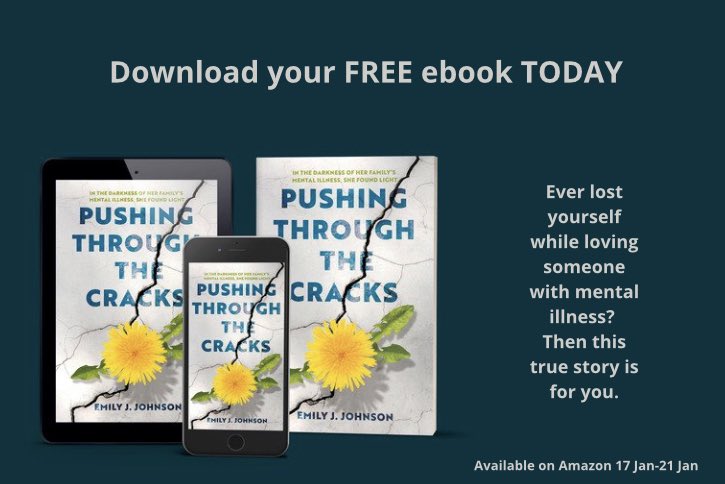
Book Review: ‘Pushing Through The Cracks: In the Darkness of Her Family’s Mental Illness She Found Light’- Emily J. Johnson by Eleanor

(image: Emily J Johnson)

Pushing Through The Cracks: In the Darkness of Her Family’s Mental Illness She Found Light by Emily J. Johnson is an incredible book. It is a story that I don’t believe has ever been written about before in such a way in the mental health space, I have certainly never come across it. Its a true memoir that occurred here in the UK during lockdown.

Emily wrote to me and kindly sent me a free copy of her book. I was hooked from the first page- this is a story of survival against the odds, of how mental illness can rip a family apart but how healing and hope are possible. Of strength through immense difficulty. Of light winning over darkness.

Four years ago, in the UK, Emily, a divorced mother of two, was living her best life with a new partner and blended family of six. But then addiction and mental illness entered her home uninvited, threatening to tear the whole family apart.

With an alcoholic husband and two teenage sons – one a depressed gambler and the other with chronic obsessive-compulsive disorder (OCD)– Emily is left to cope alone. And when the Covid pandemic hits, Emily, a ‘serial people-pleaser, enabler and born rescuer’, almost breaks too.

This true story delves into the darkest sides of mental illness and addiction with raw, often harrowing honesty. It shines a light on taboo subjects including self-harm, suicidal feelings, gambling, alcoholism, depression, severe OCD and eating disorders, all exacerbated by an unprecedented global pandemic and dwindling support services.

This is a story of remarkable strength, self-realisation and reclamation of a lost identity. This is a story of finding hope, pushing through the cracks in the darkness. It is also a story that touches on the difficulties of accessing UK NHS mental health services at times, especially CAMHS.

I found Emily’s strength through such severe adversity – dealing with a husband and two sons with severe mental illness, whilst carrying on with her own life when mental illness permeated every part, to be so inspiring. Her marriage falls apart, her children are unable to attend work and education, the family embarks on several different recovery journeys- navigating NHS mental health care and all its difficulties. Her sons addictions and acute OCD worsen and add to the pressures for Emily. How does she as a mother fix it all? She realises.. she can’t fix anyone and its not her job too.

The front cover features a dandelion pushing through the cracks of the ground. Emily describes the moment she hits rock bottom but then saw a dandelion poking through- which symbolised hope and light for her,

‘(image: Emily J. Johnson)

‘I pick up my phone and call a crisis support line…I desperately want someone to listen to me, to ease my pain, to hear my stories…(of mental illness at home)

I throw my phone across the path in frustration… something catches my eye, a beautiful yellow dandelion is growing through a crack in the concrete. Its golden yellow petals cut through the greyness of the broken path and it overshadows the filth and discarded cigarette butts around it. Despite its surroundings, it has found ways to push up through that crack, to have life. it is. not complaining or giving up, it’s surviving and it will go on to finish flowering. One day soon, the wind will carry its dainty seeds somewhere else to carry on the cycle of its life.

Just like that dandelion, I have pushed through adversity and survived. …I close my eyes and raise my face to the sunshine… Even in the midst of all this chaos, this darkness, there is warmth and light. There is hope.” (from chapter Dandelion) (Emily J. Johnson)

This is also a book which exposes the difficulties and realities of living with mental illness. I will add a trigger warning- it doesn’t hold back on the reality of mental illness including self harm, addiction, alcoholism, suicidal thoughts etc- so please read with care.

Thank you Emily for letting me read and follow the journey of your family. I hope your husband and sons are able to fully battle their demons and recover or stay in remission.

Pushing Through the Cracks by Emily J. Johnson can be bought from Amazon and good book shops.


(image: Emily J. Johnson)

My story of recovery from Alcoholism and Mental illness: Guest blog by Allen

recoverme
(image: https://www.rehab-recovery.co.uk)

My name is Allen and this is my recovery journey from alcoholism and mental illness.

On 12th October 2005 I had my last drink of alcohol and the following morning I was admitted to a psychiatric unit.  On reflection I didn’t know what was happening and had no clue what was happening emotionally, physically or mentally just that I was going into hospital for a short stay to get better.

Better from what? Whats happening to me? When can I go home? It was like a constant conversation in my head and I couldn’t turn it off.  Little did I know that I had been admitted because I was a risk to myself and others and I was going to be detoxed from alcohol and drugs.

I was never the world’s greatest drinker but I loved everything about alcohol and now know that since my teenage years,  alcohol was a constant in my life at home, in pubs, on the train to work, in the park, in the toilet, in secret or in the open and it had been that way since teenage life.

So I stayed in that psychiatric unit for 6 ½ months and I was diagnosed with Bipolar 2 (a mood disorder) and prescribed medication to deal with that.  Since that time, I have experienced two courses of electro convulsive therapy, Cognitive behavioural therapy, one to one counselling, 12 step programmes for drugs and alcohol,  taken anti-depressants and anti-psychotics and  read numerous self help books.

This week I will reach 13 years of sobriety- a great achievement considering I couldn’t go a day without alcohol. However,  2018 has seen me admitted into another psychiatric unit, following numerous suicide attempts and thoughts.

I received an additional diagnosis of Emotionally Unstable Personality Disorder and a dawning realisation that I need to go way back to my early years to start to really understand me. Childhood / teenage trauma, bullying, substance and alcohol misuse, relationship problems, low self-esteem and lack of confidence, financial woes and debts mounted up.

The past 13 years have enabled me with the help of a twelve step programme to manage life, be as good a father as possible, to be a son, brother and uncle, and a friend.

I have been able to hold down a job and  study a degree in Psychology and Counselling,. I became a Mental health first aider and I suppose now I need to look at me and listen to others as to how I can manage my mental health and addiction. I can learn to be the best father I can be to my son and daughter, and focus on what I need to do to alter the cycle of mental illness that has plagued me for so long.  

Long term therapy seems to be the best option and I hopefully begin this process with an assessment very soon. I am so proud to be miles away from where I was in early 2018. Then, I asked a member of the Home Treatment Team (for crisis care) if I could go into hospital. I also shared for the first time that I have heard a voice for most of my life and the voice has made me harm myself.

I am now doing so much better and hope that therapy helps me to heal even more.

Allen is a writer, mental health first aider and mental health worker.