My Experience With Pregnancy-Related Anxiety by Georgia Anne

(image: Georgia Anne)

When I had my son in 2022, I was overwhelmed in the best way possible. 

He was blonde, blue-eyed perfection, and I fell completely in love with him. As he grew, I realised how much I enjoyed being his mum, so much that I knew I wanted to expand our family. That longing feeling stuck around until I asked my husband, “Shall we have another one? I know it’s early but I’m ready,” which he obviously was happy to!

In July 2023, I fell pregnant again with my daughter. The timing overlapped with a busy summer, including marrying my husband, Oskar, in August. With everything going on, those early weeks of pregnancy passed quickly, and my mind was completely preoccupied with wedding plans and family life.

But once things calmed down and the routine returned, something shifted.

When Everyday Anxiety Turned Into Something Bigger

By early autumn, I began to feel a growing sense of anxiety that didn’t feel like my usual ups and downs. By October, it reached a point where I struggled to leave the house. 

Even thinking about stepping outside would trigger panic, and it could take hours to build up the confidence to even think about stepping foot out of the door. I was consumed by fear, anxiety and the panic attacks were frequent.

I’m naturally quite open about how I feel, so I told my husband directly that something wasn’t right and that the anxiety was starting to affect my mood, and I could feel myself slipping into depression.

The guilt that followed made everything heavier.


I felt like I was letting my son down because our daily walks stopped. I worried he wasn’t getting the best version of me anymore. And the more I thought about it, the more overwhelming it all became.

My husband, being the steady and practical person he is, simply said, “Alright then Georgie, let’s get it sorted.

Speaking Up at My Midwife Appointment

When my next midwife appointment came around, he came with me. I have a habit of downplaying things, and he wanted to make sure I didn’t brush it off.

When she asked how I was feeling, he gently stepped in and explained what had been happening.

What happened next was something I’ll always be grateful for.

Our midwife, by complete luck, was a former mental health consultant. She listened without judgement, spoke to me with genuine kindness, and immediately discussed practical steps to help me manage the anxiety.

Before I left the appointment, she’d already referred me to perinatal mental health services.

Every single time anyone asks about midwives in our area, I always rave about her because of this. She was the best person for the job, for me.

(image: Georgia Anne)

Getting Support: Talking Therapies & Medication

Within a month, I had started talking therapies, and I was given a low dosage of anti depressant, sertraline. It was a huge relief to finally feel like something was moving in the right direction.

I continued with therapy throughout the pregnancy, and in March, my daughter, Freya, was born. Giving my children a small but beautiful 17 month age gap.

After the birth, a mental health consultant at the hospital sat with me to talk through how I was feeling. We discussed baby blues, hormonal crashes, and how to manage my medication over the next few weeks.

And honestly, the main emotion I felt that day was relief. She was here. Safe. Healthy. And I’d made it through.

Where I Am Now

Freya is now a lively toddler: walking, talking, exploring everything.

I’m still on my treatment plan, and I’m okay with that. The difference in how I feel is huge. I can leave the house without fear. I no longer carry the weight of guilt or the worry that I’m letting my children down. I feel lighter, calmer, and more grounded. I’ve learned so much during my time in therapy, the coping mechanisms to help on bad days, the affirmations to remind myself of how far I’ve come and most importantly: how to open up and be completely vulnerable.

I often think back on that period in my life and feel a sense of pride that I was honest with my husband, and that he spoke up for me and didn’t let me sugarcoat. 

What I Learned And What I Want Others to Know

Mental health care is not a luxury. It’s essential, especially during pregnancy because it’s a time when so many physical and emotional changes are happening at once.

Reaching out to my midwife and being honest about how I was feeling was the most important step I took. It led to support that genuinely changed my experience of pregnancy and early motherhood.

If you’re feeling overwhelmed, anxious, low, or unlike yourself during pregnancy, please know this:

You’re not alone, and you deserve support just as much as anyone else.

There is help available through midwives, GPs, perinatal mental health teams, talking therapies, charities, and NHS services.

Reaching out doesn’t make you weak. It’s the first step toward feeling like yourself again.

Georgia Anne is a UK lifestyle blogger who writes about motherhood, identity, and alternative living. After experiencing pregnancy-related anxiety, she became passionate about speaking openly about maternal mental health and helping others feel less alone. She lives in England with her husband and two children, and shares her honest reflections at georgiaanne.co.uk.

Expert Advice On Bipolar And Staying Well During The Summer With Bipolar UK

(image: Angelo Pantazis, Unsplash)

More than one million people (including myself) are living with bipolar in the UK and, despite the summer meaning excitement and positivity for most, for many living with bipolar this is not always the case.

Common challenges in summer can impact people living with the condition- including high temperatures which can interfere with certain medications (including Lithium and anti psychotics or anti depressants), the longer daylight hours which can disrupt mood stability, and travelling which can sometimes trigger symptoms.

There are ways to manage seasonal challenges, and Bipolar UK is now sharing its top tips to help people navigate the summer months!

Top tips for navigating the next few summer months if you have bipolar from Bipolar UK:

  1. Sleep

Maintaining a regular sleep routine is an important way to support mood stability. Lighter nights can make it more difficult to switch off and wind down; and early sunrises can cause disruptions to sleep. Blackout curtains or an eye mask might help.

  1. Heat

Hot weather can affect both physical and mental wellbeing. Certain medications used to treat bipolar can make it harder for the body to regulate its own temperature, leading to overheating. Staying cool, drinking plenty of water and staying out of the sun during the hottest parts of the day can help reduce the risk of overheating and becoming dehydrated. Rest is important so communicate with friends and family about how you’re feeling and if you need to rearrange plans.

  1. Travel

Be mindful when travelling to different time zones. Jetlag can have an impact on bipolar symptoms. Try to make time to sleep and rest whilst on the plane and when you arrive so you can acclimatise. Set a reminder on your phone of when you need to take your medication so you can stick to your schedule. 

  1. Sensitivity

Some bipolar medications can increase sensitivity to sunlight so protecting your skin with a high factor suncream when outside is important, as well as seeking shade when possible. Continue to take your medication as prescribed but do speak to your medical professional if you have any concerns.

  1. Socialising

There are often more social activities during the summer, with people wanting to make the most of the better weather. If it all feels too much, learn to say “no” and preserve your energy. Pick and choose which activities you’d like to do, but don’t feel obliged to do them all.

  1. Routine

Longer days can lead to changes in routine which can trigger shifts in mood. Some people with bipolar feel their mood can shift more easily into hypomania and mania during the summer months, whereas others notice their mood dips into depression. Noticing the signs early and speaking to your mental health team, family or other support network can ensure you get help when you need it and potentially avoid a relapse.

(image: Link Hoang, Unsplash)

Bipolar UK offers support to anyone affected by bipolar with their free UK-wide services – peer support line, peer support groups and eCommunity – and resources, including their Could it be bipolar?  campaign and Mood Tracker app.

7 Important Facts About Depression Medication You Can’t Ignore.

(image: Anthony Tran, Unsplash)

Explore 7 essential facts about depression medication, including types, benefits, side effects, and tips for safe use to support mental health.

Mental health issues like depression are on the rise globally. Medication can be very powerful for many to cope with symptoms, complicated feelings and chemical imbalances. The medication for depression helps even out chemicals in the brain so the symptoms of sadness, low energy, trouble concentrating, etc., lessen, but knowing how these medications work, what they can do for you, and what side effects they may have can make the trip a little easier. This guide covers seven key facts about depression medication to help you or a loved one make informed decisions for a healthier, happier life.

1. Types of Depression Medication and How They Work

Different types of depression medications work differently within the brain. The most common types of antidepressants include SSRIs, SNRIs, and atypical antidepressants. SSRIs are drugs that help increase serotonin, a chemical that affects your mood. Because they have fewer side effects than older medications, these are typically the first choice for treating depression.

SNRIs work similarly but affect two chemicals in the brain rather than one, and this may help some people respond better. Some other choices may have atypical antidepressants or tricyclics that work with different parts of the brain and are considered when other medications haven’t been effective. Everyone’s body and brain chemistry is different, so finding the best medication for you can take time.

2. Depression Medication is Often Part of a Larger Treatment Plan

Medication alone can assist, but it’s often most effective when combined with other forms of treatment. Therapy, such as cognitive behavioral therapy (CBT), helps people understand and manage their thoughts and behaviors. Many doctors suggest combining therapy with medication for better results.

Depression also needs to be managed with lifestyle changes. Many people have seen their moods and energy increase by eating healthy, exercising, and getting the right amount of sleep. A mental health professional can help create a holistic treatment plan so you can address symptoms and acquire skills to overcome day-to-day hurdles.

3. Medication Takes Time to Show Results

The most important thing to know about depression medication is that it doesn’t work overnight. Most medications take about 4 to 6 weeks to have an effect. When someone is ready to be relieved, patience can be hard.

Your doctor may ask you to report any positive or negative changes during this time. Your doctor can use tracking how you feel to make any needed adjustments to the medication. It is also important to take the medication on a consistent basis because missing doses can slow or prevent effectiveness. If the changes feel slow, stick with the treatment, and you can get better, lasting results.

(image: Christina Craft: Unsplash)

4. Possible Side Effects of Depression Medication

Depression medication can be very effective, but it has some side effects. Nausea, fatigue, headaches, and sometimes weight changes are common. The effects of these medications vary from person to person and from medication type to medication type and often diminish over time as the body adjusts.

You must talk to your doctor if side effects are overwhelming or don’t improve. Your doctor may change your dose or have you switch to a different medication. Although most people say that the benefits of medication outweigh the initial discomfort of side effects, monitoring your experience and communicating with your doctor will help ensure a positive one.

5. Stopping Medication Requires a Doctor’s Guidance

It’s not recommended to stop depression medication abruptly, as it can cause withdrawal symptoms, such as dizziness, headaches, and bad mood. Your doctor can instead help you taper off slowly, giving your body time to adjust. The method for doing this is called “tapering,” where the amount of the drug slowly decreases over time to try and avoid withdrawal.

Some people may feel better and think they don’t need their medication anymore. If you are thinking about stopping, talk with your doctor first. They can help you decide when is the right time and lead you through a safe process. Never stop the medication without a doctor’s advice; otherwise, you risk your progress.

6. Medication Can Be Safe for Long-Term Use with Monitoring

For others, depression medication is a short-term tool to use during difficult times. For others, ongoing symptoms require long-term medication. These medications have been used safely by many people for years under a doctor’s guidance. Regular check ins with your healthcare provider will ensure the medication is still working and that any side effects are being watched.

The doctors may also check for blood pressure or weight to ensure no other side effects in the long run. Depression medication can be a safe and influential part of long-term care if it is properly monitored and can help people live healthier and more fulfilling lives.

7. Depression Medication Isn’t a Cure but Can Support Recovery

Medication helps manage symptoms of depression, but it doesn’t ‘cure’ depression. Depression is often a condition that needs to be watched. Medication may help, but they work best combined with other strategies.

Working with a therapist, staying active, and connecting to supportive people are all very important for recovery. A complete, balanced approach will lead to better mental health, which in turn will decrease the chances of a relapse. This is just one part of the puzzle, alongside other medications that can help someone feel stable and work towards a healthier future.

Conclusion

Depression medication can be a helpful tool for managing symptoms and improving one’s daily life, but it’s important to know how the drugs work their magic, as well as their limitations. Knowing these seven key facts will help people make informed decisions and feel more comfortable using medication for their recovery. If medication is needed for a few months or some years, working closely with a medical provider will ensure medication is used safely and appropriately.

If you or a loved one is seeking help for depression and addiction treatment and you are in the USA, contact Virtue Recovery Las Vegas at 725-777-5685 for guidance on treatment options. Our team is here to support you on your journey to wellness.

This blog was written by a freelance writer and contains paid links.

How To Safely Treat An Eating Disorder by Lizzie Weakley.

(image: Annie Spratt: Unsplash)

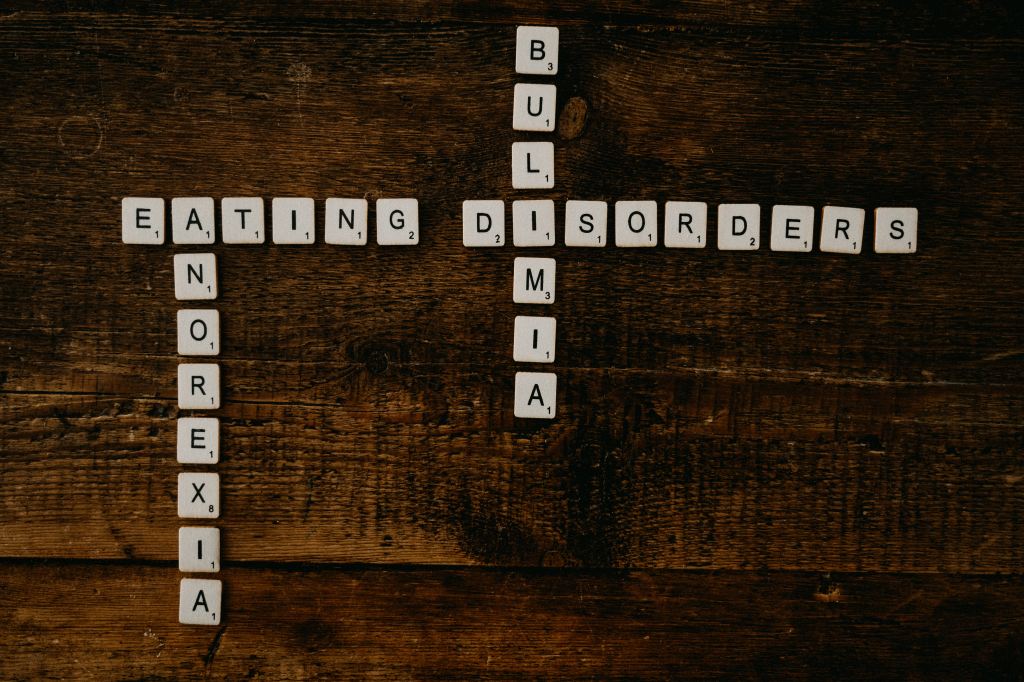
Eating disorders are complex mental health conditions that require a multi-dimensional approach to treatment. They can affect people of all ages, genders, races, and backgrounds, causing severe emotional and physical distress if left untreated. The good news is that there are many safe and effective treatment options available to those struggling with eating disorders. This article will explore some of the most effective ways to safely treat an eating disorder, including therapy, medication, nutrition counselling, and support groups.

Eating Disorder Treatment Therapy

One of the most important aspects of care is eating disorder treatment therapy. There are different types of therapy available to those struggling with an eating disorder, such as cognitive-behavioural therapy (CBT), dialectical behaviour therapy (DBT), and family-based therapy (FBT). These therapies can help individuals identify and change distorted thoughts and behaviours around food, body image, and weight. CBT is particularly effective in treating individuals with anorexia nervosa and bulimia nervosa, while DBT can help those struggling with binge eating disorder and emotional dysregulation. FBT is a family-based approach to treating eating disorders in adolescents and children, which focuses on empowering the family to help the individual recover.

Medication

Medication may also be prescribed to individuals with eating disorders, particularly those with comorbid conditions such as anxiety or depression that are affecting their recovery. Antidepressants can help reduce symptoms of depression or anxiety, while antipsychotics may be prescribed for those with severe symptoms of body dysmorphia, or the distorted belief that their body is flawed. However, medication should be used alongside therapy and other forms of treatment, and under the close supervision of a medical professional.

Nutrition Counselling

Nutrition counseling can be an important part of eating disorder treatment, particularly for those with severe malnutrition or gastrointestinal problems. A registered dietitian can help individuals create a balanced and customized meal plan, learn about appropriate portions, and manage food fears and weight concerns. Nutrition counseling may also include education around mindful eating, intuitive eating, and healthy coping mechanisms. However, it is important to note that nutrition counseling alone is not sufficient for treating eating disorders.

Support Groups

Support groups can be a valuable resource for individuals struggling with eating disorders, as they provide a safe and non-judgmental environment for sharing experiences and gaining support. They can be particularly beneficial for those who cannot afford or access individual therapy, or who prefer a group format. Local and online support groups are available, and many are free or low-cost. Support groups can also provide a sense of community and belonging, which can be helpful in reducing feelings of isolation and loneliness.

Eating disorders can be devastating, but there is hope for recovery. Treatment may involve a combination of therapy, medication, nutrition counselling, and support groups, depending on the individual’s unique needs and circumstances. Recovery is a journey, and it may take time and patience, but with the right support and resources, it is possible. If you or someone you know is struggling with an eating disorder, reach out to a healthcare professional for help. Remember, you are not alone.

Lizzie Weakley is a freelance writer from the USA.

Taking Mental Health Medication Doesn’t Make You ‘Weak’: Fighting the Stigma by Eleanor

(image: Matthew Ball for Unsplash)

Disclaimer: All medication must only be prescribed by a psychiatrist or GP dealing with you individually. Advice from medical professionals must be sought before taking any medication., Never take someone elses medication or try to cure yourself!

This week, I had a conversation with someone about being on mental health medication, in this case, anti depressants for clinical depression. We reminisced that as teenagers, we just weren’t taught properly by school or in society about mental illness. It wasn’t talked about here in the UK back in the 2000s and everything was really hushed up, cloak and dagger, as if you had to be ashamed of it. As if anything to do with our mind was shameful- no one really had much education, unless it happened in your family.

I know that for many people, even in 2022, taking medication for their mental health carries this sense of shame.

For me personally, I was so ill that there really was no choice for me as a 15 year old, but to be started on medication. My symptoms of bipolar disorder first appeared at the age of 15 with depression and anxiety episodes, followed by mania and psychosis. So, I was on anti psychotic medications as well as what is known as a mood stabiliser, a medicine for mood disorders that stabilises moods (in this case, the bipolar poles). I also took regular anti depressants and anti anxiety medications and still do daily. My medicine regime is pretty intense but it means that my bipolar is well controlled and in remission- and that I am stable. My family has a hereditary illness that can be severe- so medication was the right choice for me.

However, for those without a severe mental illness like bipolar or schizophrenia, you may be recommended to try anti depressants first. There are varying different types which work on seretonin reuptake in the brain and help to balance brain chemistry.(although scientists cannot pinpoint the cause for depression fully yet). These can be used in combination with therapy and exercise to help treat depression and anxiety.

Some families and cultures hold great shame to be seen taking mental health medication and so hide it from loved ones. Others stop taking it, believing they are stable and well because the medication has balanced them out- and then crash into depression. For some though, anti depressants are a shorter term thing. The point is, its all so individual and there is no one size fits all medicine- you must do what is right for your recovery but definitely do not suddenly stop them.

In my family, my Dad was already on mental health medication- Lithium for bipolar, when I became ill. So, I was lucky that I had a loving supportive and accepting family, including plenty of medical professionals who understood. It was a steep learning curve for everyone though. And yes, as a teenager, I did hold some shame for taking medicines because I just wanted to ‘fit in’ and be a ‘normal’ teen. Coupled with the fact no one openly talked about mental illness at school or in general (this was just before social media!) and I felt this overwhelming sense of shame that my brain chemicals had let me down. I never once skipped taking medication though.

The thing is with mental health is that you can’t see it. But, you can absolutely feel when something is wrong and when you feel chemically depressed or other mental illness. This is usually depression unlinked to a life event- you wake up with it and you know its back, you feel despondent and unable to cope.

Yet, because you can’t see it- shame is even greater because how do you explain it to others? And are you ‘weak’ or ‘crazy’ to need medication to function?

The answer is No. To have to take the correct prescribed medication for you daily is an effort. You have to commit to it and to seeing how some medicines go. To go through episodes of mental illness makes you stronger and more resilient, surviving each day. You are not weak, your brain just needs help (like helping diabetes or a heart problem) and the words ‘crazy’ or ‘unhinged’ just serve to reinforce stigma. There is no need to be afraid or filled with shame or self loathing- but it is valid to feel this way as you are human!

In 2017, it was estimated that 792 million people worldwide lived with a mental health disorder (one in 10 globally). 46 million of those had my disorder, bipolar. However, this is the tip of the iceberg because mental illness is often underreported due to stigma. So- you are not alone. There is treatment out there to help you.

Remember not to be ashamed of needing medication to cope with life’s challenges (alongside therapy etc). The stigma is slowly falling and I will continue to write and share to this end.

You are not weak! You are powerful beyond comprehension .

Do you take medication? Does it help you?


Love,

Eleanor x