The Book of Hope- 101 Voices in Overcoming Adversity by Jonny Benjamin MBE and Britt Pfluger. by Eleanor

To readers of my blog,

(image: Pan Macmillan/ Jonny Benjamin)

I don’t really know where to start! I have been keeping this secret for almost two years.

Nearly 2 years ago, my friends, mental health campaigner/author Jonny Benjamin MBE and author and editor Britt Pfluger, approached me to be a part of their second book entitled ‘The Book of Hope: 101 Voices on Overcoming Adversity‘ (published with Bluebird/ Pan Macmillan in April 2021!).

They asked me to write a piece on how I found hope and recovery after being unwell and my (ongoing) journey with bipolar disorder that I wrote about in my own book Bring me to Light.

I won’t give too much away about the piece I wrote, but it does include my Dad’s story too and talks about life after being sectioned for a manic episode in 2014. It talks about hope, healing, recovery and living with mental illness. It talks about being afraid of the future, but finding light in the darkness.

Heres what Macmillan say about the book which is available for pre order on Bluebird Pan Macmillan website and Amazon. It also contains anecodotes from famous faces including Lemn Sissay, Zoella (Zoe Sugg), Joe Wicks and Dame Kelly Holmes.

There is always hope, even when we cannot seem to seek it within ourselves.

The Book of Hope is an anthology of 101 key voices in the field of mental health, who share not only their experiences with anxiety, psychosis, panic attacks and more, but also what helps them when they are feeling low. Compiled by award-winning activist Jonny Benjamin and author Britt Pflüger, the inspirational contributors in this book range from the likes of Lemn Sissay, Frank Turner and Zoe Sugg, to Elizabeth Day, Hussain Manawer and Joe Wicks; from authors, poets and musicians to charity workers, activists and psychiatrists.

Jonny Benjamin is known for his book and documentary film, The Stranger on the Bridge, which fought to end stigma around talking about mental health, suicidal thoughts and schizoaffective disorder. When his campaign to find the man who prevented him from taking his own life went viral, Jonny was one of a wave of new figures lifting the lid on mental health struggles. In this book, he brings together a range of voices to speak to the spectrum of our experiences of mental health and the power of speaking up and seeking help.”

It is a real honour and privilege to be a part of this project. A dream come true and I am so thankful to be able to share my story on this platform with truly important voices! We all have mental health and our voices deserve to be amplified.

The Book of Hope is available to pre order now and published in 2021.


Moving to Another Country: Are you Escaping Your Past and Emotional Baggage?

(image: Pexels)

Readers of this blog know all too well that life can sometimes take a turn for the worse at times. You can start the year with high hopes, only for things to go catastrophically wrong later on. 

Many people go through tough times and wonder whether upping sticks and moving away might help. They think that moving to a new country will give them a fresh start and allow them to leave the past behind where it belongs and move forwards with their lives. 

But is that really what happens? Well, it depends. 

Seeing The New Location As A Fresh Start

One type of person sees moving to a new country as a blank slate – a fresh start. They’re not the kind of person who spends all night getting angry about what went wrong in the past. Instead, they accept what happened and choose to move forward with their lives. They never look back. 

This type of person can get on well with moving to another country. The change of location isn’t the important thing. That’s just a backdrop. The primary decision is to take control of one’s life and move forwards. When you go to another country, you’re proving to yourself that you can make major life changes, and you have control over your life. You’re no longer tethered to a situation in your home country. You’re free to conduct your business as you choose. Self-mastery is the name of the game. 

When you go to a new location with this mindset, it colours everything that you do. It’s a decision you’ve made. And so it feels like you have ownership over the situation. Even though things have been tough, you’re moving on with your life and doing the things you have to do to reestablish control. It feels natural and healthy. You’re a master of your destiny. Moving away has nothing to do with trying to escape the negatives. It’s about embracing the positives. You look for a studio apartment for rent, and you start a new life. It can be a challenge, but it’s also a heck of a lot of fun. 

Seeing The New Location As An Escape

But there’s a dark side to moving to another country. If you think moving is a way to escape how you feel, you’re sadly mistaken. You might be living in a different apartment building in a foreign country, but that doesn’t mean that your memories and feelings disappear. Yes – you might find yourself in a totally different culture. But that’s pretty much irrelevant if you’re bringing all the same feelings and emotional baggage with you. 

Seeing the new location as an escape is a trap. You think that by moving, you’re doing something to alleviate your experience. But that’s not what’s happening. Instead, you’re changing location and dragging all the old feelings with you. It’s not moving that gives you the sense that you’re escaping your problems – it’s taking control. When you feel like you have some sort of autonomy, that gives you the mental space to create a life for yourself on your own terms. 

But if you’re feeling homesick and still thinking about your country of origin, that’s a recipe for depression. You’re not looking forward – you’re looking back. And you inevitably feel hopeless and futile. 

Your World Becomes A Lot Bigger

Moving countries should be about making your world bigger. It can help you to leave your past behind, but it is not all that’s required. You can move to another country, but if you don’t process what happened to you, then you’re not really leaving your problems behind. Paying different government taxes is no substitute for emotional understanding. 

When you allow your move to fill your life with new opportunities, things suddenly become more clarified. Everything opens up, and you’re suddenly able to pick a direction and go with it. It can be a frightening experience sometimes, but it is essential for living a rich and fulfilling life. 

Usually, people leave their country of origin to escape past unhealthy relationships. Going abroad offers a degree of safety. But it also takes you out of a dysfunctional network of friends and family. You’re able to breathe the free air and start afresh. You’re no longer tied down to a particular social group. And you don’t have to observe its traditions or customs. It’s a liberating experience. 

Sometimes, that feeling alone is sufficient to make the move worthwhile. But, ultimately, that’s a choice that you need to make. The question of whether you should go to another country is a personal one.


This article was written by a freelance writer.

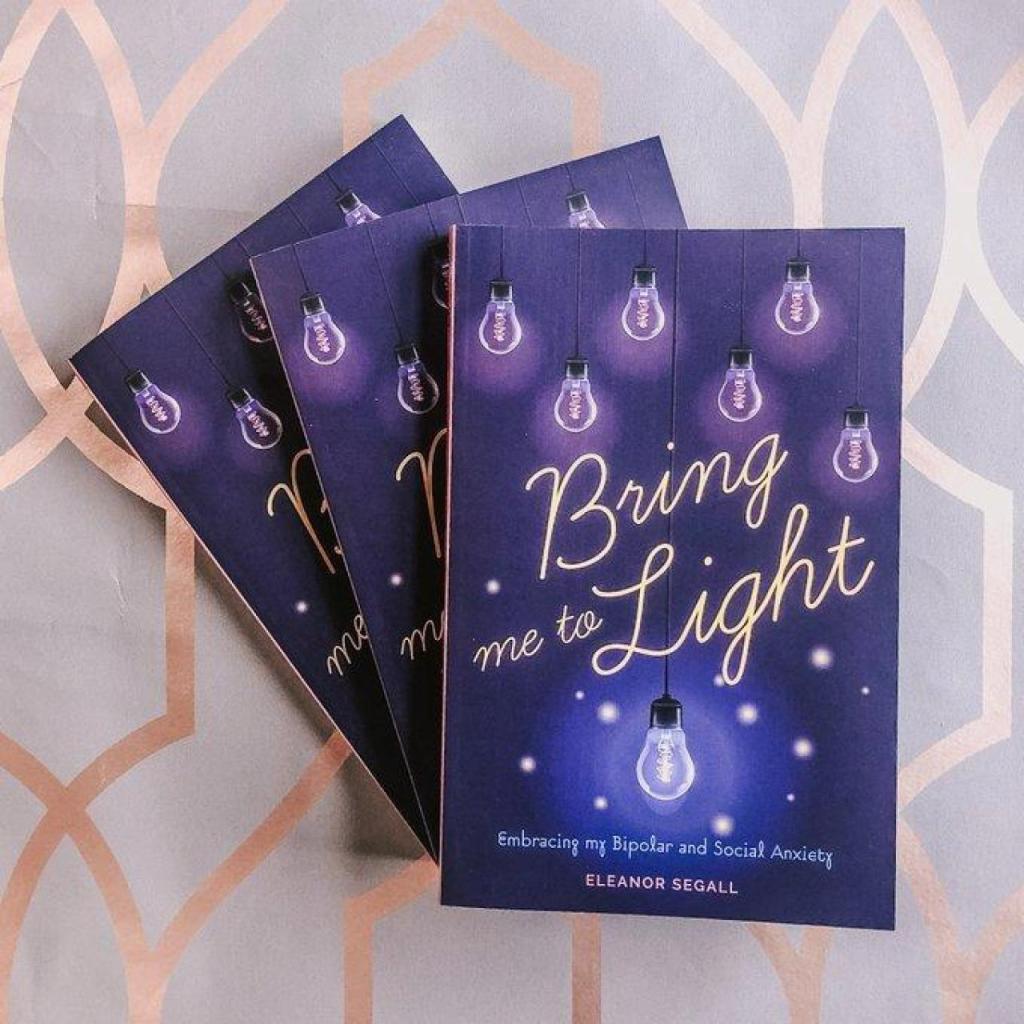
My Book Bring me to Light turned 1!


Yesterday, on 5th November, my book Bring me to Light: Embracing my Bipolar and Social Anxiety (with Trigger Publishing) turned one!

Today, I got this lovely review from a Twitter follower Robin so I thought I would share it here:

It is an amazing book, really enjoyed reading it. An honest and open account of life with bipolar, your strength of character shone through. Thank you for being so open and writing it. – Robin Josephs

I wrote my book to help others and dispell the stigma about severe mental illness. Everyone is human and everyone has mental health. Whether you have never suffered or whether you have depression, anxiety disorders, eating disorders, schizophrenia, bipolar, OCD, BPD or EUPD, self harm, addictions, PTSD etc- I would love everyone to be more open if they feel able.

I hope my book explains what being in hospital can be like but that you can recover.

You can get your copy on Amazon and in all good book shops now 🙂

Happy bookversary to me! Thank you to YOU for supporting my blog, reading this and helping get my book deal. To everyone who has bought a copy and to my fab editors Stephanie and Katie.


How to Minimise Stress for the Elderly moving into Senior living facilities: by Johny Kershaws

A move into an assisted living facility or institution is very challenging. While family members and involved individuals would feel the challenge and difficulty, as well, keep in mind that the seniors would feel the same but, in a much more intensified way.

They may feel excited about moving into the new chapter of their lives. Some would even feel happier than ever before. However, anxiety and grief will still reportedly be part of the process. And stress can be very apparent during these times. Some people prefer to have carers in their own homes and this is a possibility if assisted living is too difficult – accordingly, you can learn more about some of these different options on the Care For Family website here: https://careforfamily.com.au/

But, even so, you, as an involved family member, may help minimize these “stresses” amid the transitioning. Here are some ways that you may want to check:

·         Empower

One of the best ways to reduce and minimize the stress of the seniors amid the transition is to empower them. There are actually several ways that you can do to make them feel empowered. But, among all, involving them in all of the processes is the best.

Whether it is a simple or a huge matter in your family circle, always make sure to include them in the discussions. The truth is, letting them know that their views and opinions are still valued, even though they are already living in an assisted living facility, will help empower them.

·         Respect Them

Moving into a senior care facility or even in an assisted living for seniors with pets will certainly involve a few stresses from here and there. This is very much apparent amid the downsizing processes as most seniors would not want to throw any of their valuables away.

If certain issues or disagreements arise in the middle of it, try to understand where they are coming from. As much as possible, respect their decisions, especially when the matter involved their belongings and valuables.

·          Continuity

Continuity is another great way to minimize the stress and anxiety that seniors might feel during the transition. One great example of this is the family’s agreement to allowing certain things in their old home to be moved or carried into the facility, which will serve as their new home.

For seniors, stress can be much less when they see something familiar around them. If applicable, try to bring things that will make them feel that the continuity is still there despite their move to the facility.

·         Keep the Familiar

There are cases that family members would feel the need to buy new things, like furniture and accessories for seniors upon their move. If so, try not to do it, especially just right after the relocation to the assisted living facility.

This might only cause further stress and isolation to the senior since moving altogether is already an event that may likely cause the feeling of being alone and isolated from loved ones.

·         Prepare

As always, failure to prepare will always result in unwanted instances and events. Accordingly, more stress will certainly rise in the middle of the transitioning. This is why making preparations days or even weeks prior is a huge must.

When seniors are already scheduled to move, say in an assisted living for religious seniors, help them make all the preparations before the actual day of the move. You may help with the packing of their things or do an outline of the schedule for smoother movements going to the facility.

Whatever you choose to do, just ensure that it will make things much easier on your and your loved ones’ part.

·         Stay Involved

When seniors move to an assisted living facility, there is a huge possibility of feeling overwhelmed, isolated, and vulnerable. This is why it is very important for family members to stay involved in almost all aspects of the transition.

This guest article was written by writer Johny Kershaws.

Bereavement, PIP, Promotion and Panic by Eleanor


Hi lovely readers,

So much has been going on that its been a little overwhelming so I didn’t feel able to sit here and type out my feelings. But today, I feel like I can share so here goes.

My dear father in law passed away from brain cancer at the age of just 67 last month. This was expected, after a two year battle, rounds of surgery and chemo and radiotherapy and being told they could do no more treatment as he had two aggressive tumours and they couldn’t operate further. However, it was still immensely painful when it happened (although we were all with him at a nursing home) and we had the funeral and week of mourning (shiva) as per Jewish tradition. I moved in to my in laws home that week to be there to support my husband, brother in law and mother in law.

We will all miss him terribly- a truly wonderful man and it was a privilege to know him.

Despite this sadness in our family, some positive news has followed. I had applied and been awarded a disability benefit called PIP (Personal independence payment) and been awarded it due to my bipolar disorder and panic attacks impacting on my mental health and ability to work outside the home. This greatly helps our situation and means I can work alongside it too in my role at the Body Shop from home and around my writing (my book Bring me to Light is available here) . We also found out that Rob is being taken off furlough and returning to work on the 1st September- he has been furloughed for 6 months and this was a huge relief for us, as you can imagine.

Additionally, a few weeks ago I got promoted to Area Manager of my Body Shop team, team Hope. This means I manage a team of consultants/ manager in training and help them to develop their businesses too. I feel incredibly lucky to do a job that I love from home and be so supported by my manager Sarah and all my wonderful team mates too. I truly love this job and hope to make it my full time career eventually. The products are so good for self care too.

Now on to my mental health. My anxiety has returned with a vengeance these past few weeks. One night I was up til 5am with panic and insomnia (feeling tearful, restless and pumped with adrenaline) so took some prescribed anxiety medication. I also use a lavender pillow mist which helps me to sleep better too. I have had to cancel and reschedule things. I am not good with change and my anxiety is being triggered. I have a wonderful therapist and so I will definitely book in another session with her soon because I can feel myself dipping a little.

The guineapigs are adorable and good for cuddles and I have had a lot of support from friends and family, so thank you for that, and from Rob too.

How is everyone?

Eleanor xx

 
Infographic by Mindful Urgent Care

How to Work and be a Mother during the Pandemic: Guest post by Miranda Davis

miranda2

If you are a working mom/mum during the pandemic, we will help you balance things. Working for others has become an activity from home, and sometimes we get clueless about what to do next. This article aims to help you out with being a working mother.

The pandemic was surely a surprise to anyone, especially any working mom/mum. It started slowly, and most people hoped it would not spread out of China. Unfortunately, it did spread, and we are living through it every day. We have to go out only wearing masks and only when we need to (if you are going out all the time, that is very risky for you and the others too). Washing hands frequently has become the standard. Shaking hands with anyone is out of contemplation if you are taking things seriously. Now, what about a working mother and COVID?

People with children are being forced to homeschool their kids while still managing to work (those who are not unemployed!). Things are not that easy. Now, look at mothers. It is common sense that a lot of them are single, living alone with their children while being a working mother during the day. A mom/mum who is also working at home is genuinely having the hardest of times. 

In the face of difficult facts, we have put a lot of thought into ways to help moms/mums (those living with a partner or alone with their children) through this difficult time. We know that moms/mums are very capable of enduring and overcoming tough times. Still, sometimes we get out of creativity, our energy gets completely wasted away. What should a working mother do in such situations? 

How working mothers balance life sometimes is a mystery. Even more, during the pandemic. If you are a mom/mum trying to figure that out, the tips below should help you.

miranda1

The first tip is to have a schedule that has the possibility of being flexible. This means that while it is suitable for a working mother to have a program that helps them stay organised, this same schedule should be adjusted to suit you. Sometimes your children might get hurt doing something, or other unexpected things happen. Give these things the time and attention they require. Then the question “are working mothers happier?” does not have to be answered negatively.

Now, this one does not apply to single mothers (sorry,single moms, ). If you are taking care of children with someone else (a father, stepfather, your current boyfriend, or other family members), try to come up with a schedule that lets you do the work as a team. You will benefit from not getting overloaded both with work and taking care of children. 

In case you are a single working mom/mum, things have surely got tougher for you, since the beginning of the pandemic. We genuinely hope you have assistance from some family members. Still, there are moments when you are a working mother, all alone with your children.

On these occasions, depending on the age of the child, you can get them to understand why working is essential. Keep them busy right beside you when you are working on your computer. When you are finally away from work, have a good time with your kid (or kids). Forget about work and being a working mom/mum, and just enjoy each other.

Then, at the end of the day, if you still have some energy left, get some time for yourself. You deserve it.

This works both in the case of you being a single working mom/mum or if you are a mom/mum who has duties shared with a partner. Take advantage of naps! Seriously. When your kid gets his/her nap in the afternoon, use this time to get rid of your workload. This strategy surely has been used since forever, but it is still important to remember it, to prevent overwhelm with juggling everything. 

One of the most important things during times when you are a working mother at home is to set boundaries. These boundaries have two sides. You should know that you need to focus when you are working, and when you are finally done with it, you need to disconnect. Shut down your computer, do not look at your phone, and enjoy time with your family. You will regain positive mental energy from doing this, and you will feel thankful for that.

We understand that being a working mother during quarantine is one of the hardest tasks. Thus, we sincerely wish that the few tips carefully written above have some use for you. If you have developed other ways of dealing with this and think they are beneficial, you are more than welcome to share them in the comments. After all, the question is, can working moms/mums have it all?


Author’s bio:  

This article was written by Miranda Davis, a freelance writer in relation and psychology area. Miranda is interested in such topics as building healthy relationships between people, love/sex compatibility, and how to find the right balance in life in general. She is currently doing specific research on the topic. Miranda loves cooking and long-distance walking. 


5 Things that could be triggering your Depression by Samantha Higgins.

iforherimage

(image: Iforher.com)

Almost everyone goes through an episode of depression at some point in life. For some, the problem is severe and protracted. During the episodic depression, bouts leave you feeling hopeless and exhausted, making it difficult to be productive and present in your daily life. Although depression is a severe health condition, treatment brings hope to the affected. Once depression symptoms are controlled, knowing common triggers and how to avoid them can save you from a depressive episode.

It is important to seek help in the form of treatment from a doctor- whether that is medication or counselling.

Feeling Overwhelmed

When you feel that stressors, such as tight deadlines, are too challenging to manage, you become overwhelmed. Emotional overwhelm is more than feeling stressed. It means you are completely submerged by emotions and thoughts about your current problems, to a point of feeling paralysed.

It is a scary and confusing experience that might leave you with limited functionality and an inability to think and act rationally. Whether caused by stressful times at your workplace or traumatic experiences of loss, overwhelm can trigger depression. Minimise depression triggers by knowing your limits and boundaries of what you can take in and what can cause overwhelm. For overwhelming tasks, break them down into smaller, manageable tasks for you to complete in steps.


Financial Worries

Money woes are a common source of stress that can cause a depressive episode. Focus on projects that increase your financial stability like side hustles. Avoid concentrating on what you do not have since it increases your worry. Customize your budget and do regular reviews to stay aware of your cash flow and financial situation.

Create a savings plan and make monthly deposits to the account so that you are less worried about the future. Go for local events that are free or cost-effective so that you can socialise at a budget. Remain engaged with your hobbies or spend time with loved ones to avoid overthinking about your financial situation.

Seek support from your doctor, if needed.


Alcohol Abuse

Some people indulge in alcohol and other substances to cope with depression. Most are drawn to alcohol’s sedative effects to help distract them from feelings of sadness. While alcohol can relieve some of depression’s symptoms in the short term, it can worsen depression in the long run.

As a person experiences the financial and social consequences of alcohol misuse, their worries increase, and relationships deteriorate, leading to an episode of depression. This leads to a vicious cycle of alcohol abuse to self-medicate some symptoms of depression. If taking antidepressants for depression, avoid alcohol since the depressant effects of alcohol counterattacks the effectiveness of antidepressants.


Poor Sleep Habits

There is a direct relationship between poor sleep and depression episodes. People that sleep less than six hours and more than eight hours have a high risk of experiencing recurrent depressive episodes than those who sleep the recommended six to eight hours. Practice good sleep habits, such as maintaining a consistent bed and wake time.

Turn off all electronics hours before bedtime to avoid overstimulation for better sleep. Reduce any source of discomfort, such as an old mattress. Look for the best adjustable mattress bases for maximum comfort and relaxed nighttime. Take a warm bath, meditate, or have a warm glass of milk to help you fall asleep fast.


A Poor Diet

Dietary habits can lead to depressive episodes. Consume more healthy foods with a focus on whole foods and fresh fruits and vegetables for improved mental health. Limit processed and refined foods, including junk and fried foods. Look for foods high in selenium like whole grains and Brazil nuts to reduce anxiety and improve mood, making depression manageable.

Go for vitamin B sources such as egg, poultry, fish, and lean meat as they help to reduce the symptoms and risk of mood disorders, including depression. Eat food rich in zinc or use zinc supplements to enhance the effectiveness of antidepressants for better depression management. Hydrate regularly with water or soft drinks for better moods.

Depression can be life-changing due to frequent worries, but treatment- medication and counselling can help manage the disorder. Make lifestyle modifications such as a healthy diet, better sleep, and less worry for improved well-being. 


This guest blog was written by Samantha Higgins.


Bamboo sheets- A potential cure giving better quality sleep and less Anxiety at night.


cosyhousecollection1

(image: Cosy House Collection)

With around 33% of people getting less than the recommended amount of sleep (less than 7 hours), many have turned to using bamboo sheets as a way to cool them down in the warmer months and reduce sleep stress and anxiety.

We are all getting worse quality sleep year-on-year, no doubt impacted by the intense box sets we watch on Netflix just before bed, blue light coming from our phones, ongoing stress and money woes.

The start-up and tech industry is seeing a wave of new inventions to help with sleep, from cooling pyjamas, weighted blankets, noise defenders and sleep monitoring apps.

However, one of the latest products to win over sleepers is bamboo sheets and pillow cases. This soft and light fabric is quickly being the first choice over traditional cotton or linen.

Bill Fish, the co-founder of sleep resource, Tuck, explains: “Our first choice when looking for breathable sheets is linen. It tends to be cooler than cotton, but more importantly the quality of the fabric can look and feel good for years to come. If you are looking for eco-friendly breathable sheets, bamboo is an excellent choice. It is hypoallergenic, and also feels gentle to the touch.”

Bamboo, made from the bamboo plant, is known for being light, comfortable and its properties are soft and breathable. Being thermo-regulating, bamboo works by keeping cool in the heat, and staying warm in the cold, making it perfect for summer and winter and something that you can use all year around.

The breathability of bamboo should help those with stress and anxiety, which is unsurprisingly the leading cause of insomnia.

In addition to helping people sleep through temperature control, bamboo sheets are hypoallergenic and can help produce better quality sleep by reducing stuffiness of the nose and head.

Bamboo sheets and pillow cases may not be the full answer for a bad night sleep or ongoing sleep issues – however, it is should certainly be seen as way you can optimise your sleep and living surroundings, in addition to the right lighting and avoid using your phone before bed.

Other notable methods to improve sleep quality including avoiding caffeine and alcohol up to 8 hours before you go to sleep, adjusting the light in your room, reviewing your mattress or speaking to a Doctor for professional advice.

Bamboo sheets are available from Cosy House Collection for less than $60 (£50) and includes one fitted sheet, flat sheet and 2 pillow cases.

This blog was written by Cosy House Collection for quality luxury yet affordable home essentials.

Relaxing Places to Visit to Help Coronavirus Anxiety.

moustierssaintmarie

Needless to say, life is not as we know it in 2020 with the coronavirus pandemic.

Hopefully this summer we will be able to travel somewhere and when we can, we should focus our energy on traveling to places that are relaxing and can help us ease our minds. 

Here are a few relaxing places to visit: 


Southern California

Unplug and relax with the sound of the ocean waves along the beaches around Southern California. You can stop off at Long Beach and cross the Gerald Desmond bridge for scenic overlooks, head out for more relaxing nearby at Huntington Beach where you can walk along the pier and then spend time on the sandy beach, and wind your way along the California coast stopping at towns and beaches as you like.  


Seven Sisters, East Sussex, England

The Seven Sisters is where to go if your idea of a relaxing holiday is being surrounded by green hills, the English Channel, and the countryside. The name is given to the seven white calk cliffs along the coast, where you can go for a coastal walk and get a view of all seven across the water from Seaford Head. Located just a couple hours outside of London, this is a convenient destination go to that is close enough but far enough from the city. 


Provence, France 

Provence is a beautiful and beloved region in France. Walk through the lavender fields, see the gorgeous vineyards, and enjoy the views of the Alps from Provence for instant relaxation. It feels like you are in another world while here, where you can connect with your surroundings and enjoy the energy and local culture. 


Sanibel Island, Florida 

Sanibel Island is an island located just south of Fort Myers. It is a gorgeous spot with sandy beaches, fewer crowds, and a National Wildlife Refuge that you can venture to when you want a break from the beaches and get to hiking and being in greenery. Especially if you are in the United States, this is a destination you can travel to for a relaxing and different feel without having to leave the country. 


Grand Tetons National Park, Wyoming 

Located amongst the Rocky Mountains and south of Yellowstone National Park, Grand Teton National Park is known for its natural beauty, offering of solitude, and jagged peaks. You can go rafting along the Snake River, drive the 42 Mile Scenic Loop Drive and stop off at Jenny Lake, Snake River Overlook and Oxbow Bend, go fishing, go hiking along the many trails, and so much more. It is a wonderful destination for pure relaxation, adventure, and to immerse yourself in nature. 

As long as you take precautions (social distancing and wearing masks if near others), visiting these destinations should be relatively low risk and you can find yourself relaxing on a beach, in a park, or a beautiful lavender field. Make sure you have enough space around and if its crowded, move to a quieter spot.  


This blog was written by a guest blogger for our blog.  


How to Protect Your Mental Health During the Pandemic: by Mary Davis

hydrangea

These days of the coronavirus pandemic are filled with anxiety and fear unlike anything else we and the world has experienced since World War II. It’s important to stay in tune with yourself and remember it is okay to not feel totally well and to be feeling more anxious. 

Here are some ideas to help your mental health during the pandemic: 


Get moving

You’d be surprised what physical activity does for you, both in terms of physical health and mental health! In terms of mental health in particular, it can help decrease anxiety and improve moods. While gyms and studio classes are closed and it is easier than ever to get an effective exercise in with guided tech at home, now is a great time to become familiar with fitness apps. There are many different ones to choose from: you could try the 30 day fitness challenge app for example to get into a new routine and find the perfect guided workouts work for you! Whether its workouts, barre, or even taking the stairs more, try to move as much as you can. 


Try meditating, mindfulness or prayer

Finding stress management techniques that resonate with you is crucial as stress is an inevitable part of life. The ideal time to start up a mindfulness practice is when times are good so that you have established a practice in times of stress, but it can still be incredibly powerful if you are starting out now!

Just remember to be patient with yourself. There are a lot of practices out there, such as meditation, mindfulness, and prayer, so you have options. If you are unsure of where to start, start with daily deep breathing exercises. 


Avoid alcohol 

Avoid or at least monitor alcohol intake in times of high stress in order to protect your mental health. Alcohol is often used to ‘self-medicate’, but while it can release endorphins in your body, it is classified as a depressant. It significantly impacts your central nervous system, and in times of stress you want to be in tune with your body and paying extra care to your nervous system rather than confusing it. 


Seek a therapist and do appointments via Skype or Zoom

Seeking help is a sign of strength! If you need help or need professional support as you work through stress and/or anxiety, seek a therapist. Many therapists do appointments via Skype or Zoom and if you find one in your area, you can transition to in-person appointments when possible. 


Practise self care

Self care looks different for everyone, and finding what makes you feel good and content is so important. Try cooking, at-home facials, taking extra time on your skincare and giving yourself a face massage, baths with Epsom salts, and quality sleep. 


selfcareself1

(image: Samantha Carbon)


All of these things can contribute to healthy living and can help us get through the pandemic. They are also great habits to incorporate into your lifestyle to continue caring for your body and mind. 

This guest blog was written by freelance writer, Mary Davis.