Binge eating disorder (BED) is a severe eating disorder characterised by recurrent episodes of consuming large amounts of food in a short period. This disorder is associated with acute physical and psychological complications that can affect an individual’s quality of life. Recovering from binge eating disorder can be a challenging process, but with the right guidance and support, it can be achieved. This blog post will discuss five tips for successfully recovering from binge eating disorder.
Seek Professional Help
Recovering from binge eating disorder requires professional guidance and support. The first step towards recovery is to seek professional help. Consulting with a healthcare provider (such as the NHS or privately) or a registered dietician can help an individual develop a personalised treatment plan that addresses their unique needs. The medical professionals (psychiatrist, GP) can also screen individuals for underlying health problems that may contribute to binge eating disorder, such as depression, anxiety, or other mental health disorders.
Establish a Support System
Establishing a support system is essential for individuals recovering from binge eating disorder. This support system may consist of family, friends, or support groups. Support groups can help individuals connect with other people experiencing similar conditions and receive emotional support and encouragement. It can also provide information about recovery resources and strategies that have worked for others.
Identify Food Triggers
Identifying food triggers that lead to binge eating can help an individual manage such situations. Food triggers may include certain foods, emotions, or social situations. Identifying these triggers can help an individual prepare and develop strategies to cope with them when they arise. Strategies may include therapeutic skills including distraction techniques, mindfulness, or relaxation techniques.
Embrace Online Binge Eating Recovery Services
Online binge eating recovery resources like Lightwork Nutrition can provide valuable support and information for individuals experiencing BED. Online support groups, forums, and recovery programs offer anonymous access to peer support, real-time chat, and educational resources. Using these online resources can help individuals connect with others facing similar challenges from anywhere at any time.
Cultivate Self-Care Habits
Cultivating self-care habits may improve an individual’s physical and mental well-being, ultimately aiding in their recovery. Self-care habits may include healthy eating habits, gentle exercise, and stress management techniques like mindfulness, yoga, or meditation. These habits enable people to manage stress, boost self-esteem and confidence, and improve overall health and well-being.
BED can have significant impacts on an individual’s quality of life. Recovering from binge eating disorder can be a challenging, yet achievable process for individuals. Seeking professional help, establishing a support system, identifying food triggers, embracing online binge eating recovery services, and cultivating self-care habits can enable individuals to overcome binge eating disorder effectively.
Remember, recovery is a process, and with hard work, patience, and dedication, individuals can experience good mental health and well-being.
This article was written by freelance writer Lizzie Weakley.
Recovery is often daunting for many who have struggled with an eating disorder. There can be so much uncertainty about how to find the right path forward, and it’s easy to feel overwhelmed and defeated before you even begin. However, treatments and resources are available that can help make things more manageable — both physically and emotionally. In this blog post, we’ll explore some of the key aspects of recovery through eating disorder treatment therapy, such as various therapy options, self-care strategies, diet modifications, medical support, and more. Whatever stage you’re at in your journey toward healing from an eating disorder — whether just starting or progressing down a patchwork of paths leading toward hope — these concepts might provide useful insight into the road ahead and steady guidance.
Understanding Eating Disorders
Eating disorders are complex and multifaceted conditions that can affect anyone, regardless of age, gender, or background. Understanding them can be difficult, but it’s essential for promoting recovery and preventing relapse. Eating disorders are often characterized by an unhealthy preoccupation with food, weight, and body shape and can lead to a broad range of physical and mental health issues. However, people with eating disorders can recover with the right treatment and support. Educating ourselves and those around us can help combat the stigma surrounding these conditions and encourage greater understanding and compassion.
a. Definition of Eating Disorders
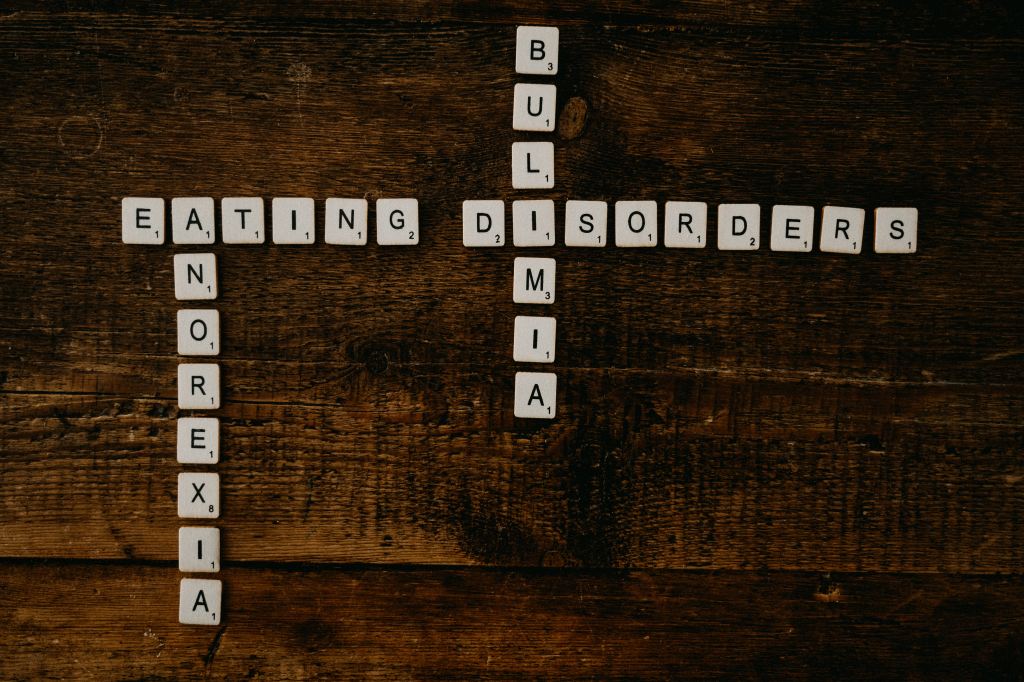
Eating disorders are a complex group of mental illnesses characterised by eating habits that often cause serious physical and emotional damage. The most common types of eating disorders include anorexia nervosa, bulimia nervosa, and binge-eating disorder. Anorexia nervosa involves restricting food intake and often leads to extreme weight loss, while bulimia nervosa involves eating large amounts of food followed by purging through vomiting or excessive exercise. Binge-eating disorder involves eating large quantities of food in a short amount of time, often leading to feelings of guilt and shame. While eating disorders can be life-threatening, there is hope for recovery through specialised treatment and support. If you or someone you know is struggling with an eating disorder, it’s important to seek professional help to begin healing.
b. Examples of Eating Disorders
Eating disorders are complex and serious mental illnesses affecting people of all ages, genders, and backgrounds. Some examples of eating disorders include anorexia nervosa, bulimia nervosa, binge eating disorder, and avoidant/restrictive food intake disorder. A limited range of foods and avoiding or restricting certain food groups characterizes avoidant/restrictive food intake disorder. It’s important to seek professional help if you or someone you know is struggling with an eating disorder, as they can have serious physical and psychological consequences. However, with the right treatment and support, recovery is possible.
The Impact of Eating Disorders
Eating disorders are more than just a physical condition. They take a toll on a person’s mental health, relationships, and overall quality of life. Whether it’s anorexia nervosa, bulimia, or binge eating disorder, these conditions can leave long-lasting effects on those who suffer from them and their loved ones. But it’s important to remember that recovery is possible. With the right support and treatment, individuals with eating disorders can regain control of their lives and improve their well-being. Let’s continue to raise awareness and support those who may be struggling with these disorders.
a. Physical Health Complications
Taking care of our physical health is crucial to living a happy and fulfilling life. Physical health complications can arise from various factors, such as genetics, lifestyle choices, and environmental factors. It’s important to be proactive in maintaining good health. By being attentive to our bodies and taking preventive measures, we can reduce the likelihood of physical health complications and improve our overall well-being. Don’t take your physical health for granted – prioritise it in your daily routine.
b. Emotional and Mental Health Effects
Taking care of our emotional and mental health is as important as physical health. After all, a healthy mind is essential for a happy and fulfilling life. When we experience emotional and mental health effects, it can have a significant impact on our overall well-being. For example, stress, anxiety, and depression can prevent us from enjoying the things we love or even getting out of bed in the morning. That’s why it’s crucial to recognise when we’re experiencing emotional and mental health effects and seek support if needed. With the right tools and resources, we can manage our emotions and prioritise our mental health to live our best lives.
Treatment for Eating Disorder Recovery
If you or someone you know is struggling with an eating disorder, it’s important to seek professional help for recovery. Treatment for eating disorder recovery typically involves a combination of therapy, nutritional counselling, and sometimes medication. The goal of treatment is to address the disorder’s physical, emotional, and psychological aspects. Therapy sessions may focus on identifying triggers, developing coping mechanisms, and exploring underlying issues contributing to the disorder. Nutritional counselling can help individuals establish a healthy and balanced relationship with food. Medication may be prescribed to address co-occurring conditions such as depression or anxiety. Remember, recovery is possible, and seeking help is often the first step toward a happier and healthier future.
a. Types of Treatment Available
When seeking treatment for any ailment, knowing what options are available to you is important. Treatment can come in various forms, such as medication, therapy, surgery, or a combination. Medication is often used to manage symptoms of illnesses, while therapy allows individuals to work through their mental or emotional struggles with the guidance of a trained professional. Surgery may be necessary to correct physical ailments or injuries. Whichever treatment type you may require, it is essential to seek the advice of a healthcare professional to determine the best course of action for your individual needs. So, don’t hesitate to explore and ask questions about your options and make informed decisions about your own wellbeing.
b. Finding the Right Treatments for You
When finding the right treatments for your health concerns, it’s important to remember that everyone’s journey to wellness is unique. Whether you’re dealing with physical or mental health concerns, it’s important to work closely with healthcare professionals to determine the right course of treatment for you. This may involve trying different medications or therapies until you find what works best. Taking a proactive role in your health is also important, educating yourself on potential treatments and advocating for your needs. Remember, finding the right treatments may take some time and patience, but you can achieve optimal health and wellness with the right tools and support. If you are in crisis, you may require further support in hospital and from specialist care.
Building a Support System
Building a support system is essential for anyone who wants to thrive. It’s important to have people who support you, understand you, and encourage you to pursue your dreams. Whether it’s family, friends, or colleagues, having a support system can make all the difference in challenging times. Don’t be afraid to reach out and ask for help when you’re feeling overwhelmed or need advice. Building a support system is an ongoing process, so don’t hesitate to reach out to new people and strengthen your connections over time.
a. Reaching Out to Loved Ones
When life gets chaotic, it’s important to remember to reach out to your loved ones for support. Whether facing a personal challenge or needing some company, the warmth and understanding of family and friends can make all the difference. It’s easy to get caught up in the hustle and bustle of daily life and forget to make time for those who matter most, but a simple phone call or visit can go a long way in strengthening your relationships. So if you’ve been feeling a little disconnected lately, take a moment to reach out to your loved ones today. You’ll be glad you did.
b. Finding Professional Support
When finding professional support, knowing you’re not alone is important. Seeking help from experts in a particular field can be the key to unlocking a wealth of knowledge and resources that can prove helpful in resolving any issue you may be facing. Whether you’re looking for financial advice, career guidance, or mental health support, professionals are ready and willing to lend a helping hand. Don’t be afraid to reach out and ask for assistance. This step can be the first step towards overcoming any obstacles. Remember, there is no shame in seeking help and doing so can be a sign of strength and determination.
Overcoming Challenges in Recovery
Entering recovery can be a daunting experience, but it’s important to remember that it’s a journey full of challenges and rewards. Overcoming these challenges is no small feat, but it’s possible with the right mindset and support. Each person’s recovery journey has unique obstacles, but some general strategies can help.
Overcoming these challenges is no small feat, but it’s possible with the right mindset and support. Each person’s recovery journey has unique obstacles. Practicing self-care, building a supportive network, and seeking professional help are all powerful tools in overcoming challenges in recovery. Remember, progress is not always linear, and setbacks are a natural part of the process. But with perseverance and a positive attitude, anyone can overcome the challenges of recovery and emerge stronger and healthier on the other side.
a. Coping Mechanisms for Stressful Situations
Stressful situations can be overwhelming, but we all have coping mechanisms that help us make it through. These strategies include taking deep breaths, walking, or talking to someone we trust. It’s important to remember that what works for one person might not work for another, so it’s helpful to experiment and find the best techniques for you. And, of course, practicing self-care and making time for activities that bring us joy can also help reduce overall stress levels. With a little effort and a willingness to try new things, we can develop effective coping mechanisms and find ways to better manage stress when it arises.
b. Working Through Setbacks
Life is full of ups and downs, and setbacks are an inevitable part of the journey. It can often feel like the setbacks are bigger than the progress, but it’s important to keep pushing forward. Instead of getting discouraged, view setbacks as an opportunity to learn and grow. Analyze what went wrong and make the necessary adjustments to your plan. It’s also important to give yourself some grace. Be kind to yourself, and remember that setbacks don’t define you. Everyone experiences setbacks, and how we handle them sets us apart. With perseverance, a positive attitude, and a willingness to learn, you can work through any setback that comes your way.
Celebrating Progress in Recovery
Recovery can be a long and difficult journey with setbacks and challenges. That’s why it’s important to take a moment to celebrate the progress that’s been made along the way. Whether it’s a small victory like going a day without giving in to temptation or a breakthrough like finally finding the right treatment plan, each step forward is worth recognition and appreciation. Celebrating progress can help motivate continued efforts and create a sense of accomplishment that boosts self-confidence and determination. So, let’s take a moment to celebrate the progress made in recovery, no matter how big or small, and remember that each step forward is closer to the ultimate goal of lasting health and wellness.
a. Focusing on Small Wins
Focusing on small wins can be a game-changer in our personal and professional lives. We can take action and celebrate our progress by breaking down big goals or tasks into smaller, more manageable steps. Small wins can boost our confidence, increase motivation, and ultimately lead to bigger successes. Whether completing a simple task at work or achieving a personal milestone, taking the time to acknowledge and appreciate these small victories can have a powerful impact on our overall well-being. So, the next time you face a daunting task, remember to focus on the small wins and enjoy the journey toward achieving your goals.
b. Taking Time to Reflect on Accomplishments
In our fast-paced world, it’s easy to get caught up in what’s next on the to-do list without taking a moment to appreciate what we’ve already accomplished. That’s why taking time to reflect on our achievements is so important. Not only does it help us remember all the hard work we put in and the obstacles we overcame, but it also allows us to gain a sense of satisfaction and pride in our efforts. Taking a breather and recognizing all we’ve done can give us the motivation and confidence to keep pushing forward and tackling whatever comes next. So, let’s take a moment to pause, reflect, and celebrate all of our accomplishments, big or small.
Eating disorders are highly treatable, and recovery is possible. It will require effort to make progress. Building a support system for yourself is one of the most important components of recovery. When you feel overwhelmed, contact friends and family or an eating disorder professional for guidance. You can also use calming techniques such as relaxation exercises and journaling to help you cope with difficult moments. With help, you can create a healthier lifestyle that allows you to recover from disordered eating behaviours. Together we can end the stigma surrounding eating disorders and support each other on our journeys toward full recovery.
This article was written by Ani. O, freelance writer.
Eating disorders are complex mental health conditions that require a multi-dimensional approach to treatment. They can affect people of all ages, genders, races, and backgrounds, causing severe emotional and physical distress if left untreated. The good news is that there are many safe and effective treatment options available to those struggling with eating disorders. This article will explore some of the most effective ways to safely treat an eating disorder, including therapy, medication, nutrition counselling, and support groups.
Eating Disorder Treatment Therapy
One of the most important aspects of care is eating disorder treatment therapy. There are different types of therapy available to those struggling with an eating disorder, such as cognitive-behavioural therapy (CBT), dialectical behaviour therapy (DBT), and family-based therapy (FBT). These therapies can help individuals identify and change distorted thoughts and behaviours around food, body image, and weight. CBT is particularly effective in treating individuals with anorexia nervosa and bulimia nervosa, while DBT can help those struggling with binge eating disorder and emotional dysregulation. FBT is a family-based approach to treating eating disorders in adolescents and children, which focuses on empowering the family to help the individual recover.
Medication
Medication may also be prescribed to individuals with eating disorders, particularly those with comorbid conditions such as anxiety or depression that are affecting their recovery. Antidepressants can help reduce symptoms of depression or anxiety, while antipsychotics may be prescribed for those with severe symptoms of body dysmorphia, or the distorted belief that their body is flawed. However, medication should be used alongside therapy and other forms of treatment, and under the close supervision of a medical professional.
Nutrition Counselling
Nutrition counseling can be an important part of eating disorder treatment, particularly for those with severe malnutrition or gastrointestinal problems. A registered dietitian can help individuals create a balanced and customized meal plan, learn about appropriate portions, and manage food fears and weight concerns. Nutrition counseling may also include education around mindful eating, intuitive eating, and healthy coping mechanisms. However, it is important to note that nutrition counseling alone is not sufficient for treating eating disorders.
Support Groups
Support groups can be a valuable resource for individuals struggling with eating disorders, as they provide a safe and non-judgmental environment for sharing experiences and gaining support. They can be particularly beneficial for those who cannot afford or access individual therapy, or who prefer a group format. Local and online support groups are available, and many are free or low-cost. Support groups can also provide a sense of community and belonging, which can be helpful in reducing feelings of isolation and loneliness.
Eating disorders can be devastating, but there is hope for recovery. Treatment may involve a combination of therapy, medication, nutrition counselling, and support groups, depending on the individual’s unique needs and circumstances. Recovery is a journey, and it may take time and patience, but with the right support and resources, it is possible. If you or someone you know is struggling with an eating disorder, reach out to a healthcare professional for help. Remember, you are not alone.
Lizzie Weakley is a freelance writer from the USA.
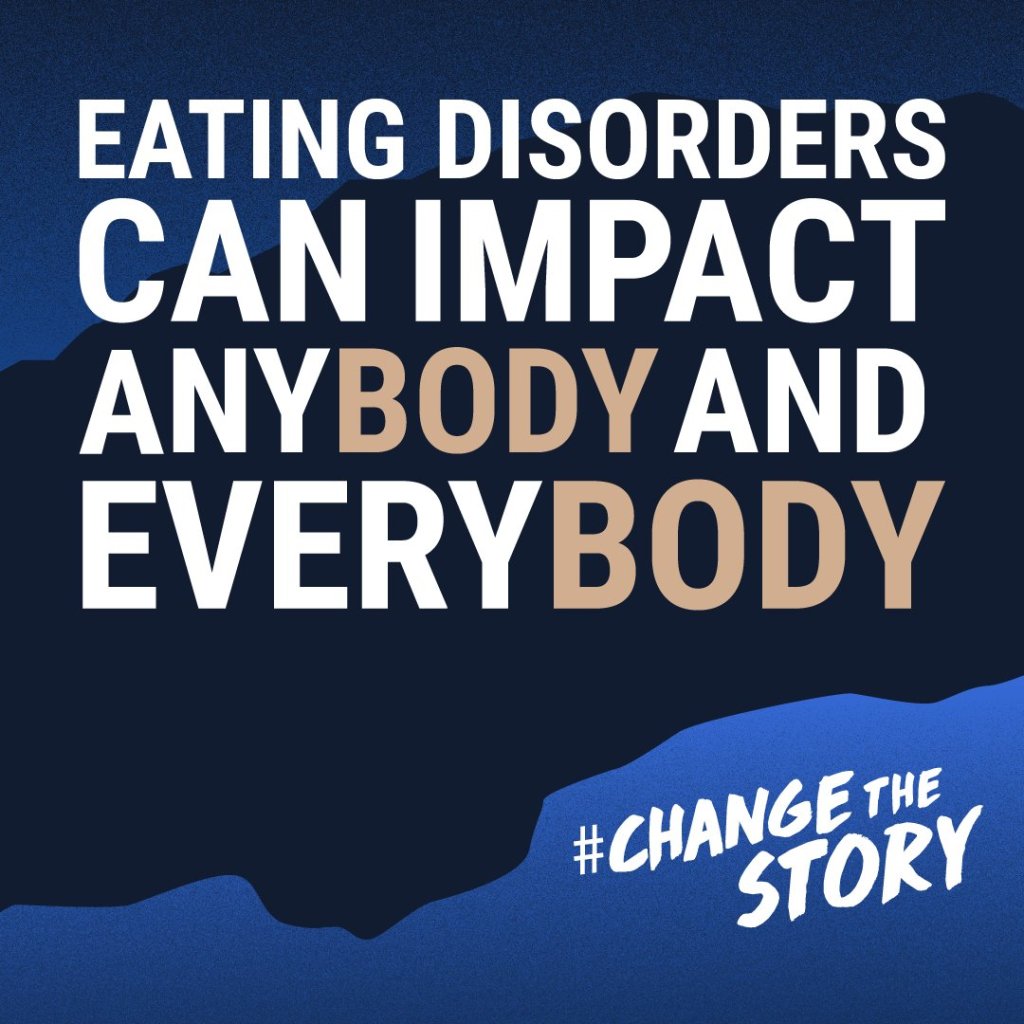
#ChangeTheStory and Anybody and Everybody is a new campaign launched this month by The Hearts Minds and Genes Coalition which is chaired by Multi-Award winning campaigner and Author, Hope Virgo. Hope is a friend of mine who has campaigned for years for help for those with eating disorders and she is a force to be reckoned with and an amazing woman!
Eating disorders are serious, biologically based mental illnesses deserving of equal clinical and research funding to that given to other complex diseases. They want to ensure that no-one with an eating disorder need experience shame or guilt, and everybody should have timely access to specialist services.
Author and Multi-Award winning campaigner, Hope Virgo who chairs the coalition says;“When we think of eating disorders we often immediately think of a white teenage, emaciated girl and fail to realise that eating disorders are so often hidden in plain sight amongst all ages, genders races, ethnicities, body shapes and weights, sexual orientations and socio-economic statuses. The campaign is working to remove the stigma and misunderstanding that surrounds these illnesses, ensuring that nobody should experience shame or guilt for suffering from an eating disorder and to make sure that everybody has prompt access to specialist services.”
(image on Twitter: Change the Story campaign, Hope Virgo and FEAST outside the Houses of Parliament)
Eating disorders are not new illnesses, but there has been a massive rise in cases during the pandemic. Unacceptable delays before treatment means we are also seeing a rise in avoidable chronic long-term illness and loss of life. We need to ensure that we are no longer hiding behind the global pandemic but ensuring that the right support is in place for everyone because no one should be dying of an eating disorder in 2022. They are working to remove the stigma and misunderstanding that surrounds these illnesses, ensuring that nobody should experience shame or guilt for suffering from a biologically based illness and everybody should have timely access to specialist services.
To raise awareness of the campaign they have created a video supported by Instagram. For a long time, people have used Instagram to challenge stereotypes about body size, share their journeys with overcoming body image issues, and celebrate different body types.
Renee McGregor, leading Sports and Eating disorder specialist dietitian said;“We need to change the images, narrative and practices presently associated with eating disorders in order to ensure that no further lives are lost to this illness in 2022 or beyond.”
Suzanne Baker, CarerRepresentative for F.E.A.S.T. (www.feast-ed.org)in the UK, said;“timely access to sustained, specialist treatment is key to recovery from an eating disorder at any age or stage. Currently too many people are not able to access this treatment often due to misconceptions about what an eating disorder ‘looks’ like. There is no one look – eating disorders are serious biologically influenced illnesses and are often hidden in plain sight.
Dr Agnes Ayton, chair of the Eating Disorders Faculty at the Royal College of Psychiatrists, said: “No one chooses to have an eating disorder. An eating disorder can affect anyone at any age and can be caused by a range of factors including genes, mental or physical health conditions and social pressure. The stigma around having an eating disorder prevents many people from asking for help when they need it. No one should feel embarrassed to ask for help. An eating disorder can have very serious long-term effects on the body, but with treatment, people can fully recover. Raising awareness of this issue is an important first step in helping people to get the help they need. If you think you may have an eating disorder, speak to your GP who can refer you to a specialist counsellor, psychiatrist or psychologist. You can also visit the NHS Choices website to find out what additional support is available, including confidential helplines.”
Gerome Breen, Professor of Psychiatric Genetics at King’s College London says: “Research and its dissemination are essential to dispelling the unhelpful myths and stigma that surround eating disorders and compound their long-lasting and devastating impacts. By understanding more about why and how eating disorders develop we can improve society’s conceptualisation of these conditions and hopefully enable more people to seek and receive the support they need.”
(image on Twitter: Jeremy Hunt MP with Hope Virgo)
You can help by posting a selfie to support this campaign with the hashtag #changethestory.
Watch the video here to discover more about the campaign:
Trigger warning: discusses eating disorders and OCD
It has taken me almost thirty-five years to acknowledge that I have struggled with mental illness myself. I’ve spent a lifetime in denial. It wasn’t until writing my memoir Pushing Through The Cracksin 2021 that I observed my life objectively. I witnessed the experiences I’d gathered since childhood and how they had shaped me into the woman I am today. A woman of strength, but also one diagnosed with a mental health disorder – Binge eating disorder. A label I neither wanted nor could accept. Not until now.
This isn’t my first experience with mental illness. In my teens, my life was in turmoil. After my parents’ unexpected divorce, my mother remarried a gambler with a volatile temper within two years. My father moved to Australia, and with the upheaval of my home life and the onslaught of puberty, I felt lost. My body was changing, and I’d become uncomfortable with my new shape. What began as a diet to slim my blossoming body developed into anorexia. In the 1980s, treatment was non-existent, at least for me. Instead, my GP gave me a telling-off and threatened to put me in a hospital and force-feed me via a drip. His threats petrified me, and I gradually increased my food intake again. It took me two years to recover. Ultimately, my anorexia was untreated, so it left me with a legacy of disordered thoughts about my body and food throughout my adult life.
A few years after my father’s death in my mid-thirties, I became fixated on turning electrical items off – the cooker, iron, hair straighteners, television – anything that was plugged in. I would touch the switches whilst talking out loud to myself, repeatedly, trying to confirm they were in the ‘off’ position. I knew they were off, but somehow, I couldn’t accept that they were off. Additional obsessions snuck in gradually. I began checking the fridge door was closed, then every door and window in my home. What started as checking became an arduous set routine every night to ensure the doors and windows were locked multiple times. I was terrified someone was going to break in. Checking the doors eased that terror, temporarily.
It continued for several months, and I couldn’t stop the thoughts no matter how hard I tried. I moved back to the UK in 2010 and it appeared the huge disruption to my life interrupted the intrusive thoughts and checking behaviours, and they stopped. As the mother of a child with severe Obsessive-Compulsive Disorder (OCD), I now recognise what I experienced back in my thirties may well have been OCD.
Fast forward to my late forties, a divorce behind me, and a period of depression to follow, I remarried and began a new life with a blended family. But within a couple of years, both of my sons and my new husband began struggling with their mental health. Mental illness filled our once happy home with depression, anxiety, alcoholism, OCD, and gambling, and it turned my entire world upside down whilst I tried to care for them all. I was under immense stress and turned to something to help me cope – food.
It began with me ‘rewarding’ myself with chocolate bars late at night when everyone else had settled. Over time, the ‘reward’ became a buffet of junk — mostly heavily processed carbs and sugar. All eaten quickly, in secret, and shrouded in shame. Within a few months, I was eating around 5000 calories during a night-time binge. In-between the binges were days of restricted food intake. I gained a large amount of weight, which I hated myself for. The self-loathing was overwhelming.
I realised I had a problem in late 2019 and went to my GP, who referred me to an eating disorder clinic. They diagnosed me with Binge eating disorder (BED), and I began a recovery programme, which I stuck to until the Covid pandemic interrupted my sessions, and I threw in the towel. As a result, I slipped back into bingeing again when life overwhelmed me.
In 2021, I self-referred myself back to the ED clinic. I’m still on a waiting list, however, I’ve taken steps to get support and am in recovery now. I am 24 days binge-free at the time of writing this, which feels like such a huge personal triumph after a long period of relapse.
I think the toughest part for me has been accepting that I had a mental health disorder. I also felt overwhelming guilt that I had perhaps somehow genetically gifted my son’s mental illness to each of them. It’s taken me a long time to accept my diagnosis and our family’s situation. But from that place of acceptance, I have finally found peace….and recovery.
Emily J. Johnson is the author of Pushing Through The Cracks, her memoir of her family’s struggles with mental health. She lives in the UK and this is her first blog on this subject!
Binge eating is a very serious disorder. Someone who has binge eating disorder will most likely be of normal weight, therefore making it hard to recognize if they have it by just looking at them. Signs and symptoms that you or someone you love have this disorder can include of the following:
Eating a lot of food in one sitting
Keep eating even when you are physically full
Dieting often without losing weight
Keeping food around you at all times
Binge eating can have vastly negative effects on your health and life. The impacts are not just physical but also emotional. Binge eating generates shame, guilt, anxiety and depression. These are emotional stressors that can cause your blood sugar levels to go awry.
We have sought out the expertise of professionals who share ways you can have control over this disorder. Please read through them to learn coping mechanisms.






 beurownlight.com