Crave: Harnessing The Hidden Biology of Addiction and Cancer by Dr Raphael E. Cuomo, PHD.

(image: Todd Trapani, Unsplash)

Modern life surrounds us with easy dopamine triggers: sweetened coffee on every corner, endless scrolls of video, nicotine vapes disguised as fashion accessories. My research career has shown me that these cues are not merely temptations; they are biological signals that reshape metabolism, immunity, and even cancer risk. In my book, Crave: The Hidden Biology of Addiction and Cancer, I set out to explain why.

Why cravings feel hard wired

Craving evolved as a survival mechanism. In the brain, the mesolimbic pathway flags calorie dense fruit, social bonding, or safety as worth seeking. That same circuitry now lights up for ultraprocessed snacks and late night streaming. Functional MRI studies reveal identical patterns of dopaminergic surge whether volunteers anticipate nicotine or a sugary drink, and chronic exposure dulls the reward system’s sensitivity. Over time, people need stronger stimuli for the same lift, a neuroadaptation called tolerance. My laboratory group has observed that tolerance often precedes measurable changes in inflammatory biomarkers that predict cancer progression.

From appetite to oncology

The epidemiology is startling. Meta analyses link daily sugary beverage intake with elevated colorectal cancer incidence, independent of body mass. Tobacco remains the most potent modifiable carcinogen worldwide, yet nicotine pouches marketed as “clean alternatives” still activate . Adults who replace smoking with high sugar snacks trade one risk for another; insulin spikes feed oncogenic pathways. Craving is the bridge that explains these patterns.

Listening instead of suppressing

A central message of the book is that craving is not a moral failing. It is feedback. By tuning into the signal, by asking why a craving appears rather than fighting it, we can leverage biology rather than battle it. For example, a brief walk that raises heart rate for ten minutes stimulates endocannabinoids that naturally quell appetite and elevate mood. Clinical trials suggest that this micro intervention yields sharper cognitive performance than an afternoon energy drink.

Sugar Cravings and Mental Health

Craving for sugar sits at the crossroads of addiction science and mental health because sucrose triggers the same dopamine opioid cascade in the brain that reinforces nicotine and alcohol, yet the rapid glucose spikes that follow can crash into irritability and low mood, creating a loop that feels compulsive rather than indulgent.

Evidence based tools break this loop: cognitive behavioural therapy teaches people to notice the stress cue that precedes a sugar hunt, mindfulness based relapse prevention strengthens the ability to ride out urges, nutrition counselling pairs slow digesting carbohydrates with protein to steady blood glucose, and peer groups such as SMART Recovery provide social accountability when willpower fades.

Small pivots, measurable gains

Patients who swap sugary breakfasts for fiber rich protein report fewer mid morning crashes within three weeks. Continuous glucose monitoring confirms smoother glycemic curves, and inflammatory markers such as CRP trend downward after eight weeks. Similar improvements follow digital media fasts that compress social scrolling into defined windows, freeing cognitive bandwidth and reducing late night cortisol spikes that impair immune surveillance.

Practical first steps

There exist a number of science grounded experiments readers can try: hydrate before caffeine to blunt adrenal overstimulation, pair resistance exercise with a protein rich meal to modulate leptin, schedule technology free evenings to restore natural melatonin rhythms. Track how your body responds, adjust, repeat. The data you gather on yourself becomes a personalised research study with real health dividends.

Final thought

Our ancestors survived by responding to biological urges; we thrive today by understanding them. Crave offers a map from reflexive consumption to intentional living, informed by years of bench science, clinical trials, and population studies. My hope is that readers finish the book feeling empowered to decode their own signals, rewrite their relationship with desire, and protect long term health in the process.

If that resonates, I invite you to explore the full story within the pages of Crave and share your experiences. Let curiosity, not discipline alone, guide your next step. To get your copy of Crave, please see the following link: https://www.amazon.com/dp/B0F8YVNB2S

(image: Raphael E Cuomo PHD)

SUNSHINE: A Cancer Journey. The Powerful New Book From Author Emily J. Johnson by Eleanor

(image: Emily J. Johnson)

Three years ago, I read and reviewed author Emily J. Johnson’s debut book ‘Pushing Through The Cracks, which details her family’s journey with mental illness. Emily then released a book called BELLY about her binge eating and how she found recovery.

I was saddened when I heard that Emily had been diagnosed with thyroid cancer in 2023, after all she had faced. A lump found by chance at the doctor in her neck, led to her diagnosis. However, in true Emily style (she is a fighter), she not only went through a lot of trauma and medical treatment, but she has come out the other side to find her own SUNSHINE. The thyroid cancer diagnosis left her struggling to cope as she navigated the impact on her loved ones. During her treatment, a medical emergency lead to a profound experience in theatre that changed everything.

As you can see from the cover of this book, this is a story of hope after trauma and adversity. It’s a life-affirming story about love, hope, and rediscovering joy in simple things.

Emily returned to writing during her recovery, publishing her third book SUNSHINE, sharing her cancer journey. Once fully recovered, she re-trained as a mindfulness and meditation practitioner and will embark on her teaching practice in 2025, supporting cancer patients along with other members of her community in learning these beneficial practices. 

Emily is always helping others whether that is through her talent as an author and sharing her thoughts in writing and now through her work helping people.

The book is beautifully written and hugely eye opening about a cancer that does not get huge amounts of media air time. Emily goes through treatment and comes out the other side stronger. As she says,

A chance discovery leads to a shock diagnosis;.

A traumatic experience leaves me questioning everything.

But in the darkness, I discover the light. My light, my sunshine.’

SUNSHINE by Emily J. Johnson is a remarkable book and is out now on Amazon here.

(image: Emily J Johnson).

How to Overcome the Mental Distress of Recovering from Cancer by Rachelle Wilber

(image: Pexels)

Recovering from cancer is a long, challenging process that takes a lot out of you mentally and physically. Even when you achieve remission and start to regain your energy, the negative effects on your mind can persist. If you’re not sure how to deal with the emotional and psychological aftereffects, it’s easy to become overwhelmed or despondent. However, with the right approach, you can overcome that mental distress and regain a sense of contentment.

Talk to a Professional

If you’re dealing with mental distress during cancer recovery, seeing a therapist or counsellor could be helpful for your mental health. Some professionals specialise in assisting people in coping with major illnesses, and they can often give you beneficial insight. Sometimes, getting a fresh perspective from an outside source can be effective for solving problems that you’re struggling with. You don’t have to commit to monthly or weekly sessions, but it’s worth at least trying out with a session or two, and you can decide at that point if it’s right for you- and what you need.

Find a Wig to Match You

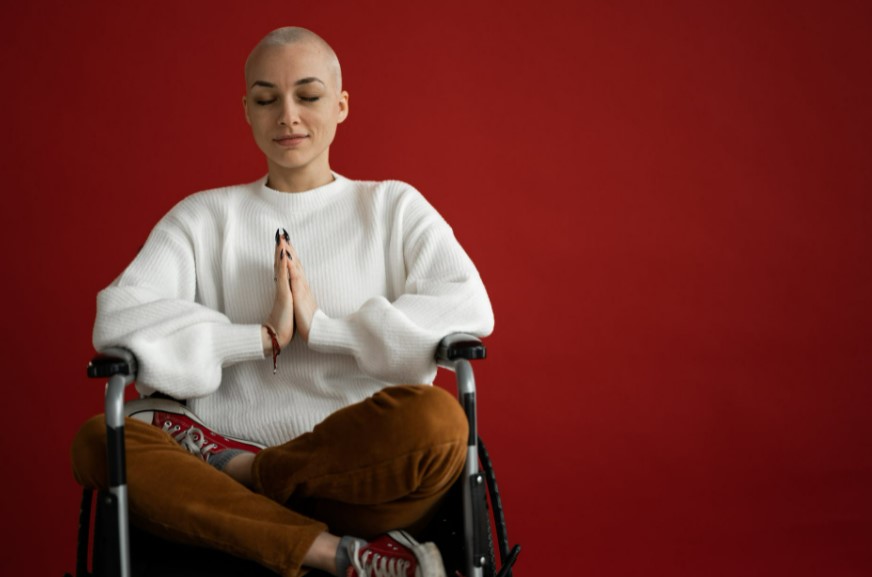
For many patients, chemotherapy is an effective treatment method for achieving remission, but it also comes with several negative side effects. One of the most well-known of these side effects is the thinning or loss of your hair. For some people, this is a difficult change to get used to, and some of the wig options available aren’t particularly appealing. However, there are places where you can purchase custom made lace wigs, which can give you back the look you prefer and help restore that self-confidence.

Find a Creative New Outlet

If you don’t have much to do with your free time during cancer recovery, it leaves a lot of opportunities for your mind to drift toward negative thoughts. This can become a powerful cycle in which the depression can fuel itself and worsen over time. To combat this, try finding a new hobby or creative pursuit that you can develop a passion for, when you have the energy to do so. Having something to do each day that you’re genuinely looking forward to will make a massive difference for your outlook, and it’s also good for the brain in general to keep you occupied. Some days you may just want to lie on the couch and rest- thats OK and listen to your body.

There will always be challenging days when you’re recovering from something as traumatic as cancer, but a positive mindset is still achievable. Try not to let the rough days define you and be kind to yourself. You could try something good for your mental health like meditation, art or reading if you have the concentration.

Remember that it always seems darkest before the dawn, and you will get through it- reach for support from a therapist, partner, friends and family.


Rachelle Wilber is a freelance writer living in the San Diego, California area. She graduated from San Diego State University with her Bachelor’s Degree in Journalism and Media Studies. She tries to find an interest in all topics and themes, which prompts her writing. When she isn’t on her porch writing in the sun, you can find her shopping, at the beach, or at the gym. Follow her on Twitter and Facebook:

@RachelleWilber;

https://www.facebook.com/people/Rachelle-Wilber/100009221637700/

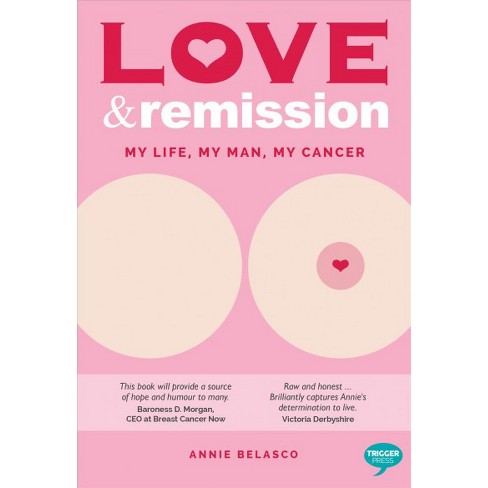
Love and Remission by Annie Belasco: Book review

loveandremission

(image: Trigger Publishing and Annie Belasco)

I only tend to review books that make an impact on me and that really touch my heart.

I ordered Annie’s book ‘Love and Remission’ , about her life recovering from breast cancer in her twenties and finding the love of her life. Annie and I have been connected on Twitter and she is signed to the same publisher as me so I was super excited to read her inspirational story.

When reading, I found a person of immense strength and an amazing sense of humour. Annie was diagnosed with stage 3 breast cancer aged just 25 years old. Her entire life was falling apart but she found a way through treatment, through the chemotherapy and radiotherapy-to put it back together. She describes what it was like for her to lose her hair and buy wigs, and to go through a masectomy and trying to feel womanly again- which she succeeded in doing. She was scared that the treatment wouldn’t work but she is now incredibly,  in remission.

Annie also had mental health issues due to the trauma but talks about how she slowly overcame her anxiety to live again.

The ‘love’ part in the title refers to her now husband, who she met while undergoing treatment and who stood by her against all the odds.

I don’t want to reveal any more than that- but this book was so inspiring, so moving, so well written that I read it in just two days!

I really recommend this book to anyone who wants to learn more about cancer and mental health whilst being a young woman. Annies story truly blew me away- with her strength, courage and unique take on life- she is so fun loving- and really loves her friends and family.

I was so touched by this book and her story. Thank you for writing it.


(You can buy the book now by Trigger on Amazon and in bookstores).